The most expensive government projects around the world
Mind-blowingly expensive state-driven initiatives

When it comes to vital infrastructure, defence and other critical spending priorities, governments around the world have been known to dig deep – with public money clearly no object.
In fact, the expenditure for some megaprojects can be truly mind-blowing, with grand totals that comfortably stretch into hundreds of billions.
From post-disaster reconstruction efforts to high-speed rail links, read on to discover the astronomical projects that have been fully or partly funded by the state in 24 countries around the world.
All dollar values in US dollars unless otherwise stated
Ireland – National Children's Hospital: approximately $2.5 billion (£1.9bn)
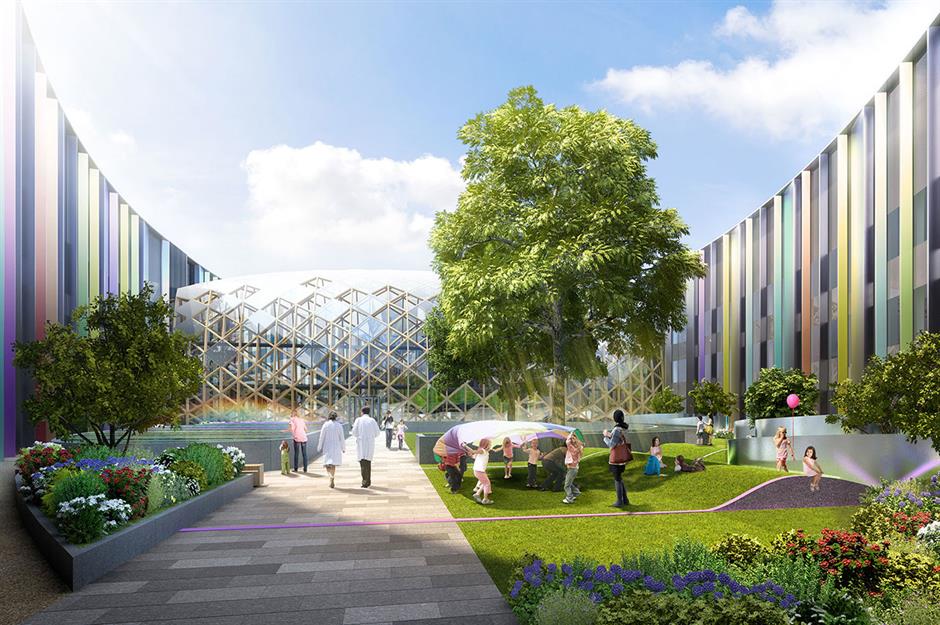
Dublin's National Children's Hospital is the Irish government's most expensive individual project to date. Once completed, it will also be among the world's most expensive medical facilities, with costs ballooning from an original estimate of €800 million ($920m/£683m) to over €2.2 billion ($2.5bn/£1.9bn).
Substantial completion had been slated for October of 2024, but that deadline, along with several others, has come and gone, and the project has yet to welcome patients. Former Prime Minister Leo Varadkar warned the government wouldn't accommodate any additional budget increases. However, construction claims totalling millions continue to mount.
Portugal – Lisbon–Porto high-speed rail line: $5.8 billion (£4.3bn) estimated
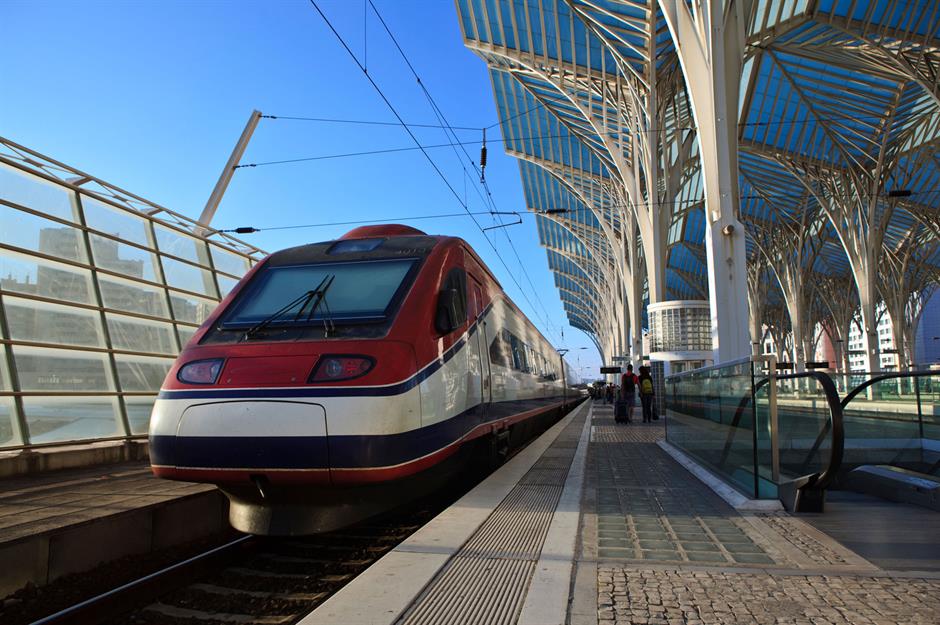
A new high-speed rail line linking Lisbon to Porto in just 75 minutes will likely become the most expensive government project in Portuguese history. Initial cost estimates put the project, divided into three phases and scheduled for completion in 2030, at €4.5 billion ($5.2bn/£3.9bn).
However, that has already grown to at least €5 billion ($5.8bn/£4.3bn). The line will be built in three phases.
The first phase between Porto and Soure is to be completed by 2028 and will reduce travel time by 50 minutes. The second phase between Soure and Carregado is to be completed by 2030, further reducing travel time by 40 minutes. The last phase between Carregado and Lisbon will be completed after 2030.
Sponsored Content
Denmark – Fehmarn Belt fixed link: $11.5 billion (£8.5bn) estimated
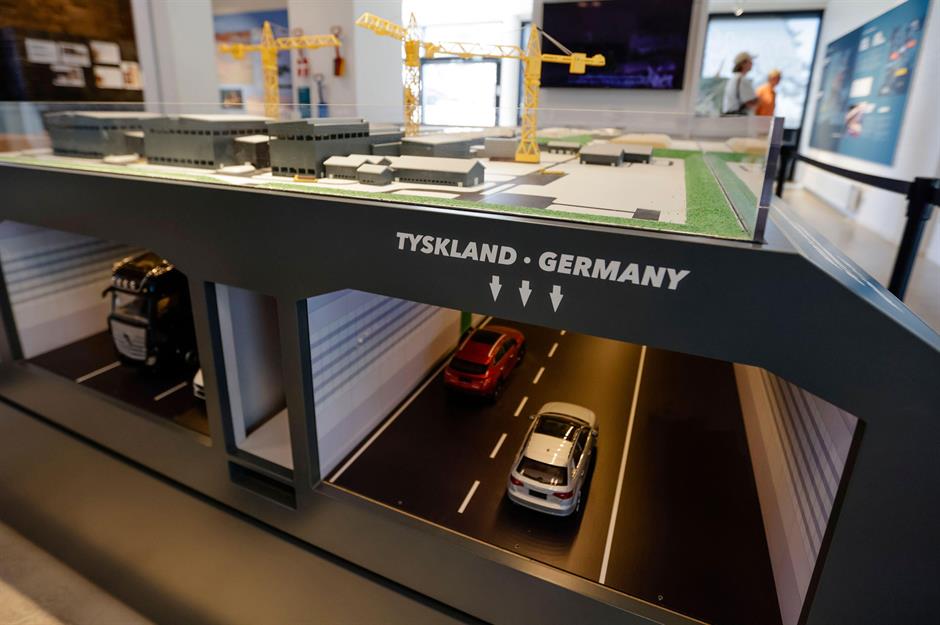
Denmark's most expensive government-funded project is the Fehmarn Belt fixed link. Slated to open in 2029, the 11-mile (18km) road and rail link will connect the Danish island of Lolland to Germany's Fehmarn island and feature the world's longest immersed-tube tunnel (as opposed to a bored or mined tunnel).
Denmark is bearing the bulk of the project's €10 billion ($11.5bn/£8.5bn) cost, though it reportedly plans to recoup the expenditure by levying tolls. The EU is contributing €1.1 billion ($1.3bn/£965m) toward the project.
Austria – Brenner Base Tunnel: $12.1 billion (£9bn) estimated
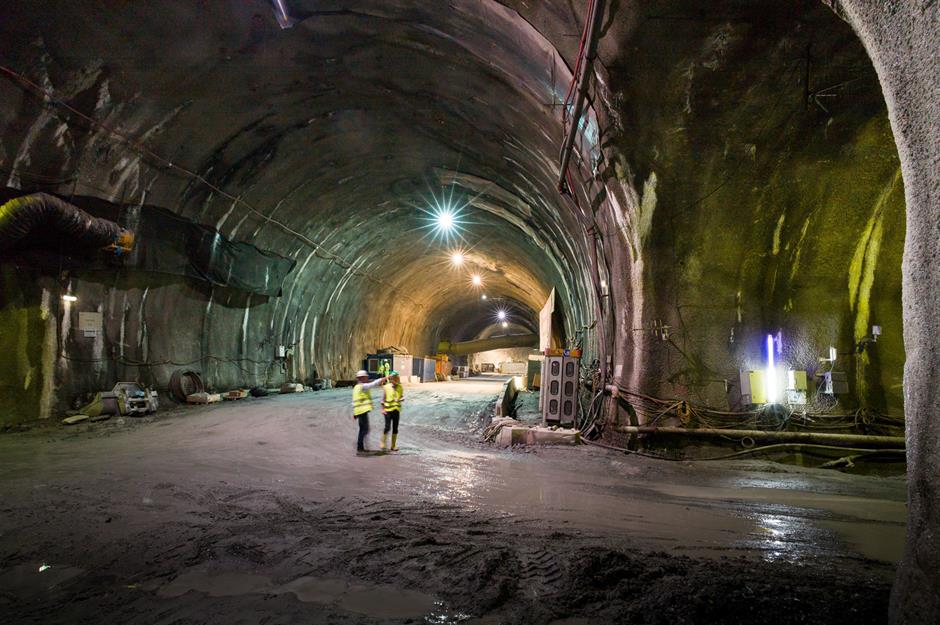
The Brenner Base Tunnel is hands-down the priciest infrastructure project in Austrian history. Fortunately, its estimated €10.5 billion ($12.1bn/£9bn) cost is being shared by Austria, the Italian government and the EU.
Due for completion in 2032, the Alpine tunnel will connect Innsbruck in Austria with the Italian village of Fortezza. At 34 miles (55km), it's set to be one of the longest rail tunnels in the world.
Malaysia – Putrajaya: $14 billion (£10.4bn)

Creating a new administrative capital from scratch doesn't come cheap, as the Malaysian government is undoubtedly well aware.
Named in honour of the country's first prime minister, work on Putrajaya, located 15 miles (25km) south of Kuala Lumpur, began in 1995. It was declared a federal territory in 2001.
The project was completed in 2005 and cost around $8.1 billion (£6bn), which works out at $14 billion (£10.4bn) in today's money. It remains the government's priciest-ever project.
Sponsored Content
Singapore – Tuas Port: $14.8 billion (£11bn) estimated
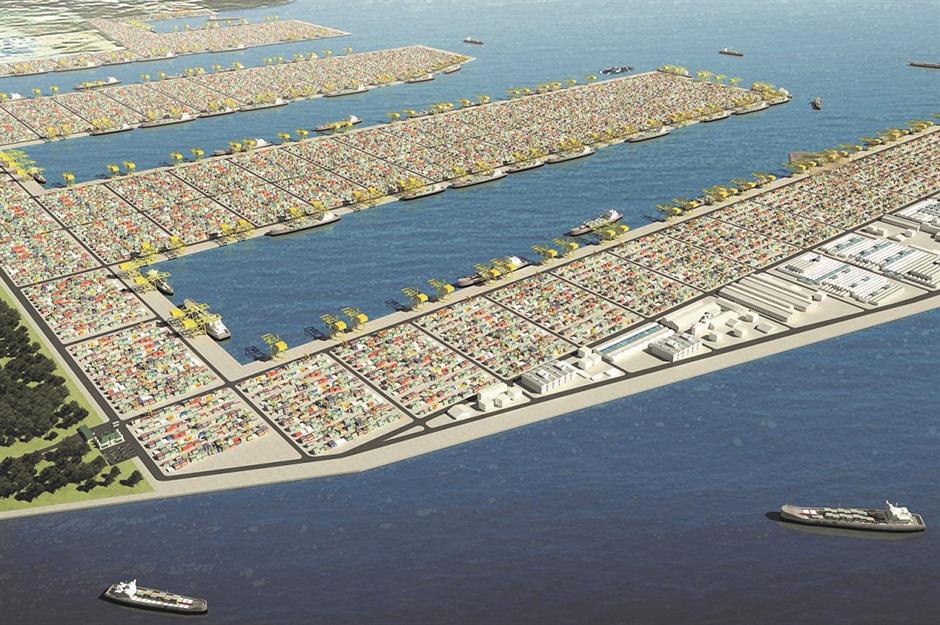
The Singaporean government is ploughing $14.8 billion (£11bn) into a vast state-of-the-art mega-port. The goal? To nearly double the city-state's handling capacity and cement its position as one of the world's foremost maritime trading hubs.
The project is predicted to take two decades to finish, though the port is already operational to a degree. On completion, it's set to be the single largest fully-automated terminal in the world.
Philippines – New Manila International Airport: $15 billion (£11.1bn) estimated

The Philippines is going all out with the new airport it's constructing for its capital Manila, which is projected to cost $15 billion (£11.1bn).
With the capacity to handle 100 million passengers a year, the international hub in Bulacan province north of the capital is being built by billionaire Ramon Ang's San Miguel Corporation. It's currently on track to begin operating by 2028.
Switzerland – Gotthard Base Tunnel: $16 billion (£11.9bn)
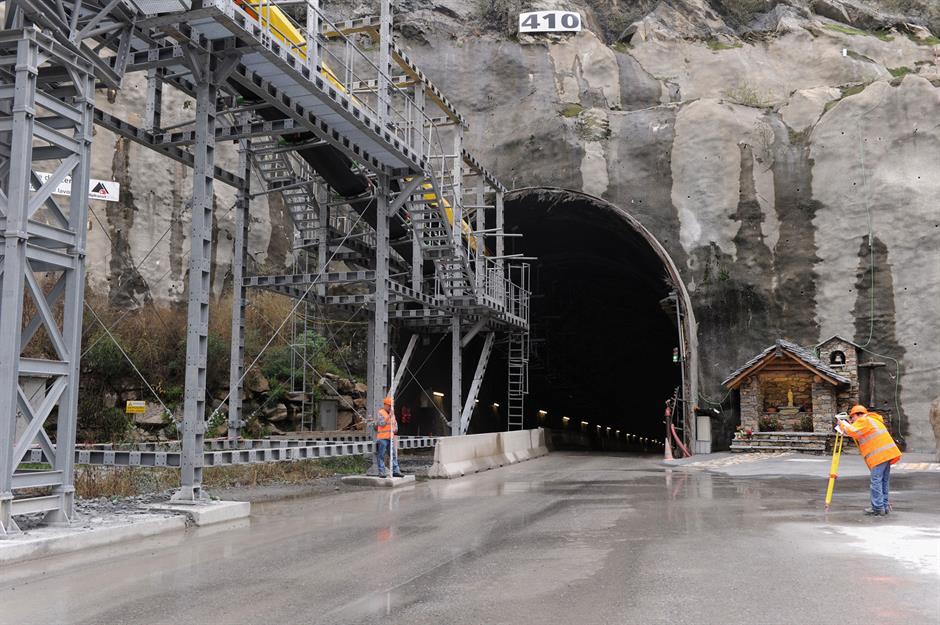
Currently the world's longest rail tunnel – not to mention the deepest – the Gotthard Base Tunnel is Switzerland's largest ever infrastructure project.
Completed in 2016 for the equivalent of $16 billion (£11.9bn) in today's money, the 35.5-mile (57km) Alpine tunnel has been hailed a marvel of engineering. Even marvels have their problems, though. A train derailment in summer 2023 resulted in a partial closure of the tunnel, but repairs have since been completed, and the tunnel has returned to normal operation.
Sponsored Content
New Zealand – 2011 Christchurch earthquake reconstruction: $23.5 billion (£17.5bn)
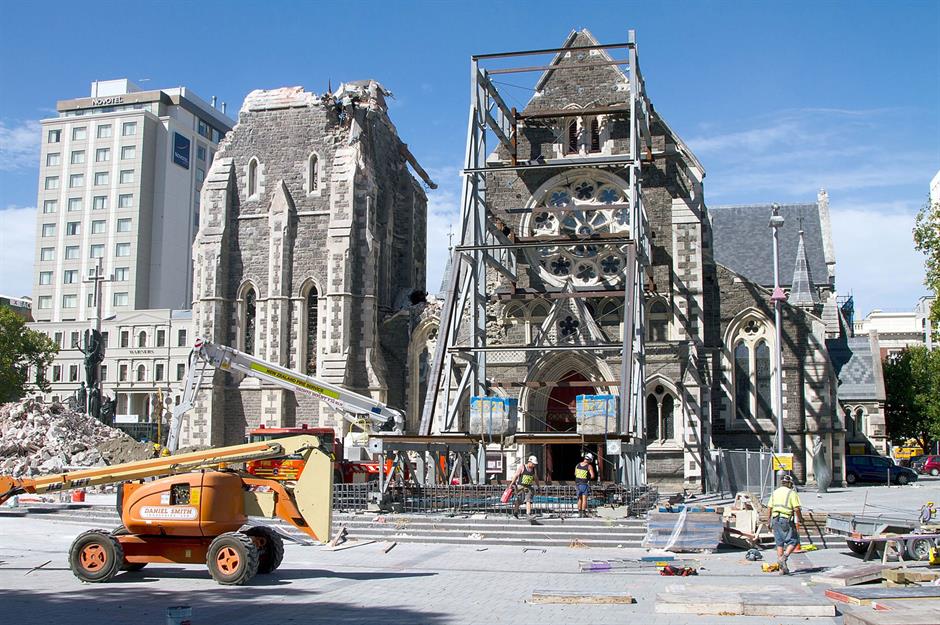
The devastating Christchurch earthquake claimed 185 lives and injured thousands in February 2011, as well as destroying or severely damaging up to 80% of the city centre and much of its infrastructure in the process.
Initially, government officials pledged NZ$8.5 billion ($5bn/£3.7bn) to rebuild the city. Two years later, that had jumped to NZ$15bn ($8.8bn/£6.5bn), with the entire reconstruction effort, which is ongoing, estimated at NZ$40 billion ($23.5bn/£17.5bn).
Italy – Turin–Lyon high-speed railway: $28 billion (£20.8bn) estimated
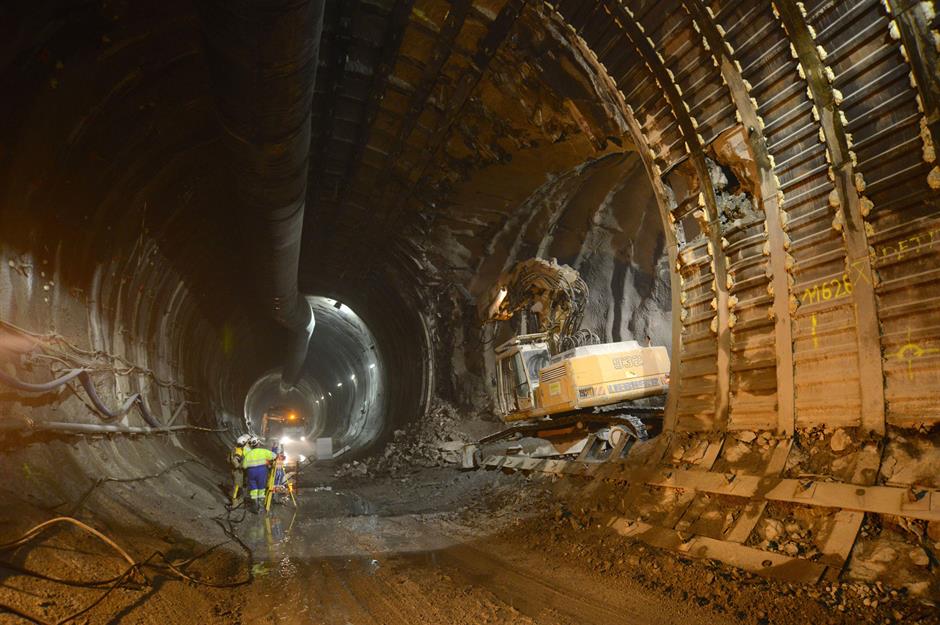
Italy is in the midst of an infrastructure construction boom, having smashed the record for large projects in 2022, with the Turin-Lyon high-speed railway the most costly of them all.
Scheduled for completion in 2032, the 170-mile (270km) rail line will cross the Alps and feature the world's longest train tunnel. Opponents have slammed the project's cost, with the final bill expected to come in at least €25 billion ($28bn/£20.8bn). Fortunately, Italy is sharing the cost with France and the EU.
Canada – James Bay Project Phase I: $28.3 billion (£21bn)
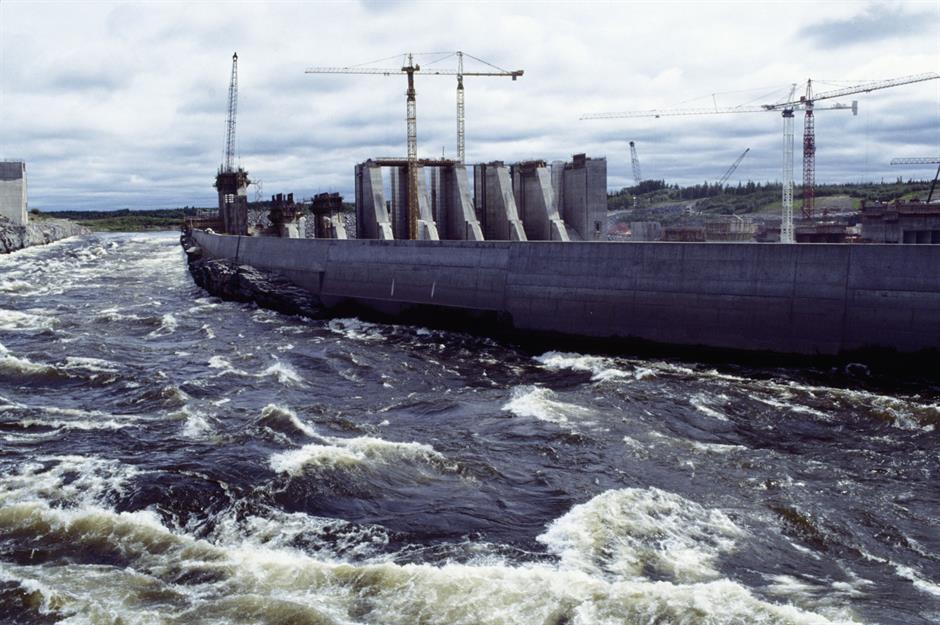
Canada has a long history of nailing large engineering projects. None of them, however, has eclipsed the cost of Phase 1 of the James Bay Project, which was completed in 1984 by state-owned utility Hydro-Québéc and the government of Québec.
And no wonder. The first phase of the controversial hydroelectric development on the east coast of James Bay, which displaced Cree and Inuit locals, came in at a total of C$13.7 billion, which is $28.3 billion (£21bn) in today's money.
Sponsored Content
Spain – Madrid Nuevo Norte: $29 billion (£21.5bn) estimated
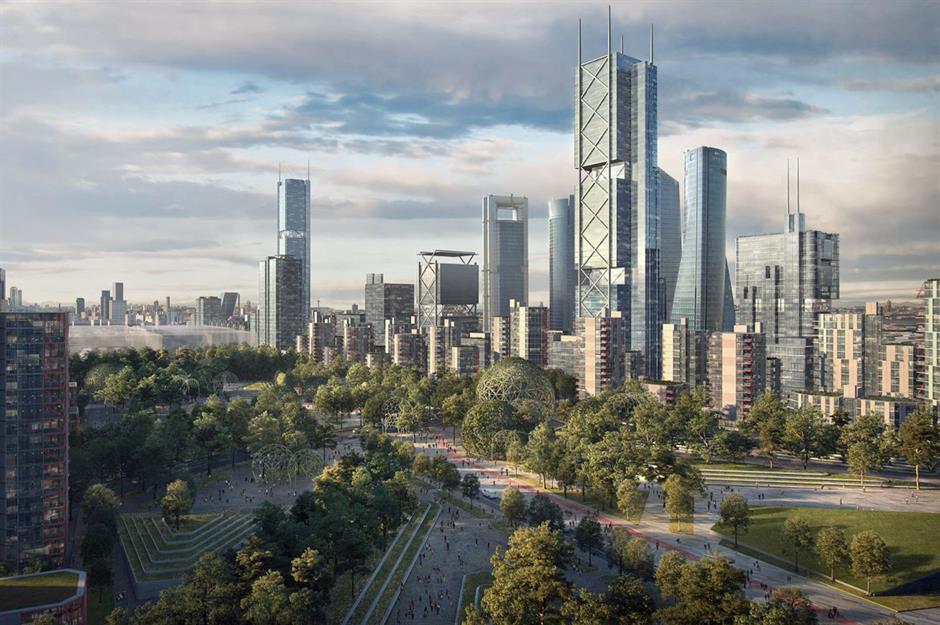
Madrid Nuevo Norte, Europe's largest regeneration scheme, is transforming the neglected northern sector of the Spanish capital.
Projected to cost €25.2 billion ($29bn/£21.5bn), more than half of which will be put up by the private sector, the sustainability-focused project encompasses 570 acres of brownfield land that will eventually feature gleaming towers, low-rise blocks, and plenty of green space.
Given its scope, the scheme will take over two decades to finish, with an anticipated completion date of 2045.
Indonesia – Nusantara: $35 billion (£26bn) estimated

The most expensive government projects tend to have strong private-sector backing, and Indonesia's proposed new capital city Nusantara is no exception. In fact, 80% of the $35 billion (£26bn) required to build the city will be provided by private investors.
With Jakarta sinking, the Indonesian government plans to relocate to the island of Borneo, and construction is well underway. The city already has 10,000 residents (mostly construction workers), and President Prabowo has targeted moving the presidency to Nusantara in 2028 once the legislative and judicial buildings are complete.
The new capital is set for completion in 2045, 100 years after Indonesia declared independence from the Netherlands.
France – Grand Paris Express: $41.5 billion (£30.8bn) estimated
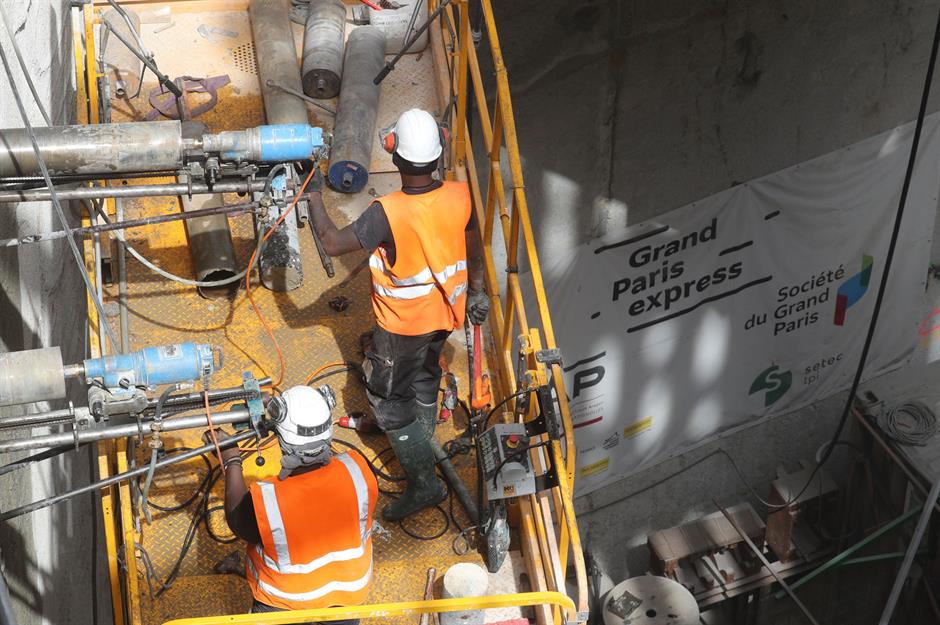
Beating grand French infrastructure projects such as the Maginot Line and Channel Tunnel in terms of sheer cost is the aptly named Grand Paris Express.
This epic undertaking, agreed in 2011, will see the Paris Métro double in size by 2030 and will feature 120 miles (200km) of new track and 68 new stations. The project's cost has mushroomed over the years, and it's now expected to set the French state back around €36 billion ($41.5bn/£30.8bn).
Sponsored Content
Brazil – Itaipu Dam: $63 billion (£46.8bn)

The most expensive government project in Brazilian history is the Itaipu Hydroelectric Dam, the world's second most productive hydroelectric facility. Completed in 1982 and located near the Paraguay border, the engineering wonder cost $19.6 billion at the time, the equivalent of $63 billion (£46.8bn) in today's money.
A notable runner-up is the federal capital of Brasília, which was built from scratch in the 1950s. A cost of $1.5 billion was estimated by Brazil's Minister of Finance in 1960, which is $18.5 billion (£13.7bn) in today's money, but others say the exact cost is unknown.
Russia – Sochi 2014 Winter Olympic Games: $74 billion (£55bn)
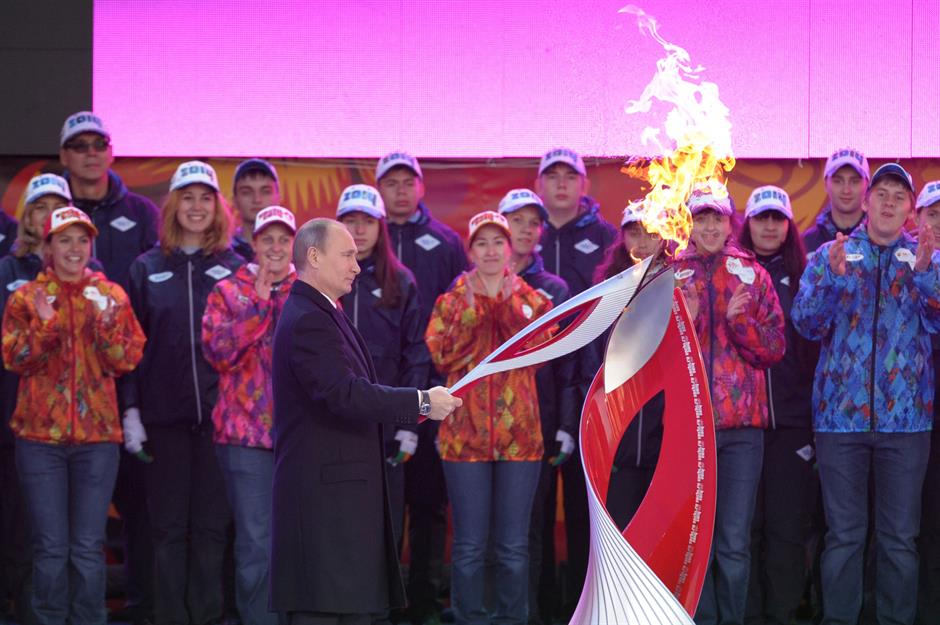
Mired in corruption, the 2014 Winter Olympic Games in Sochi were the most expensive edition of the sporting event by some way at the time, costing a staggering $74 billion (£55bn) in today's money.
Money was lavished on the Olympic Village and competition venues, as well as on transport networks, hotels, and power supplies, with the hope of turning Sochi into a destination for tourists.
Private companies shouldered some of the expense. However, a 2015 study suggested Russian taxpayers would be forking out a billion dollars a year for the foreseeable future to cover the Games' debts.
UAE – Al Maktoum International Airport: up to $80 billion (£59.4bn)
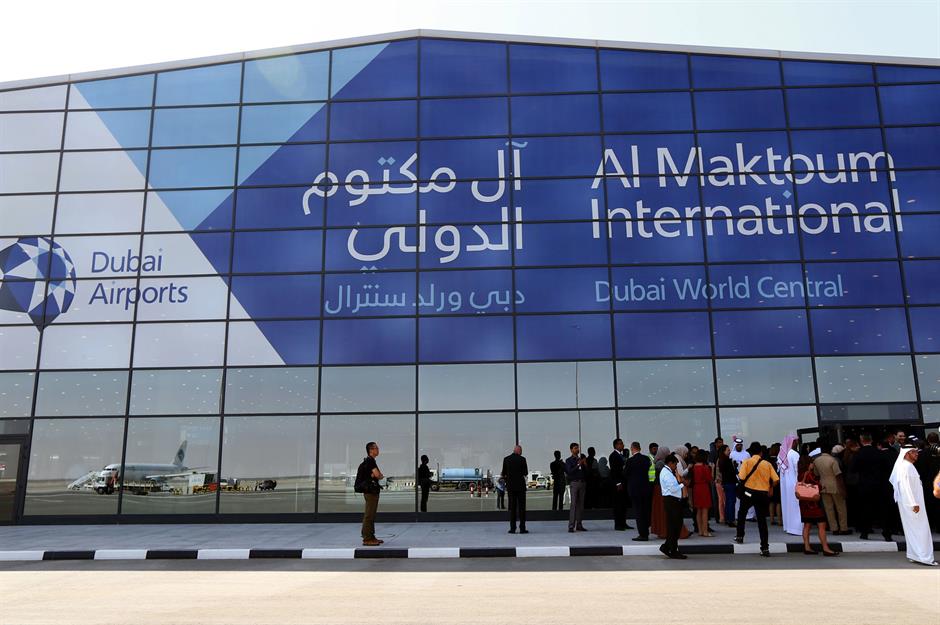
Concerned that the Dubai International Airport could soon reach capacity, officials aimed to build the world's largest airport in preparation, focusing on expanding the city’s smaller second airport by 2025.
Work on Al Maktoum International Airport had started but was halted in 2018 due to a dip in forecasted visitor numbers. The decision was made after the nation had already spent roughly $33 billion (£24.5bn) on the first phase, which began in 2010 and initially concentrated on cargo operations.
With the UAE’s tourism sector fully recovered from the COVID-19 pandemic, government officials confirmed in April 2024 that the expansion is back on, with a final completion date of 2035. Sheikh Mohammed bin Rashid Al Maktoum announced the project will cost around $35 billion (£26bn). However, previous estimates placed the price tag at around $80 billion (£59.4bn).
Sponsored Content
Australia – Melbourne Suburban Rail Loop: $87.4 billion (£64.9bn) estimated
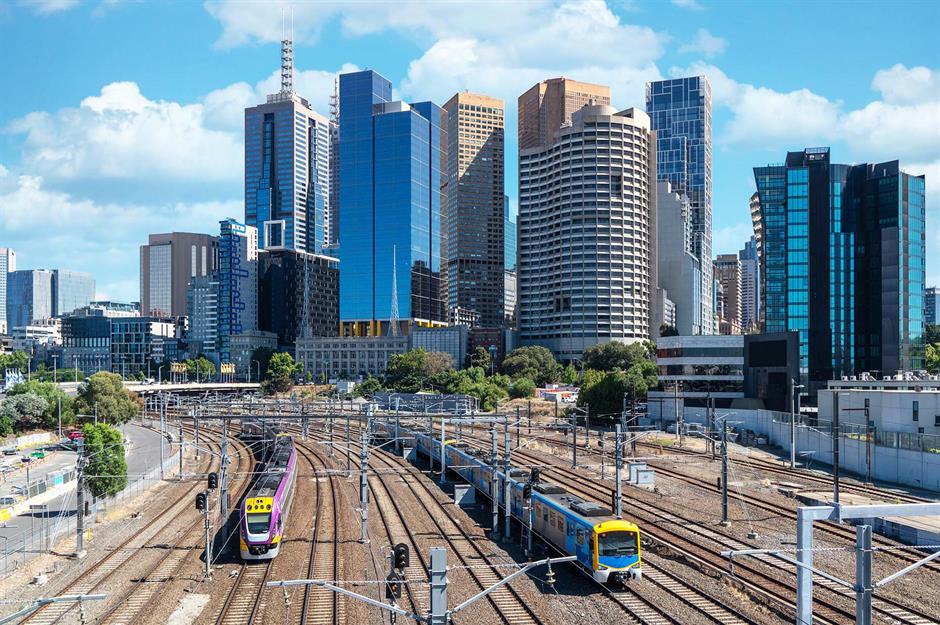
Melbourne's Suburban Rail Loop is a 56-mile (90km) orbital line that will link the city's central business district with the outer suburbs. Critics have derided Australia's most extensive infrastructure project, describing it as a "rail loop to nowhere", while the completion date could run as late as 2085.
And it just keeps getting more expensive. Presumably due to increased inflation, the link's estimated cost now stands at a jaw-dropping A$125 billion ($87.4bn/£64.9bn), significantly up on the A$50 billion ($35bn/£26bn) proposed in 2018.
The megaproject remains contentious, with the state opposition leader vowing to pause construction if given the chance by voters.
Sweden – Gothenburg upgrade: $115 billion (£85.4bn)
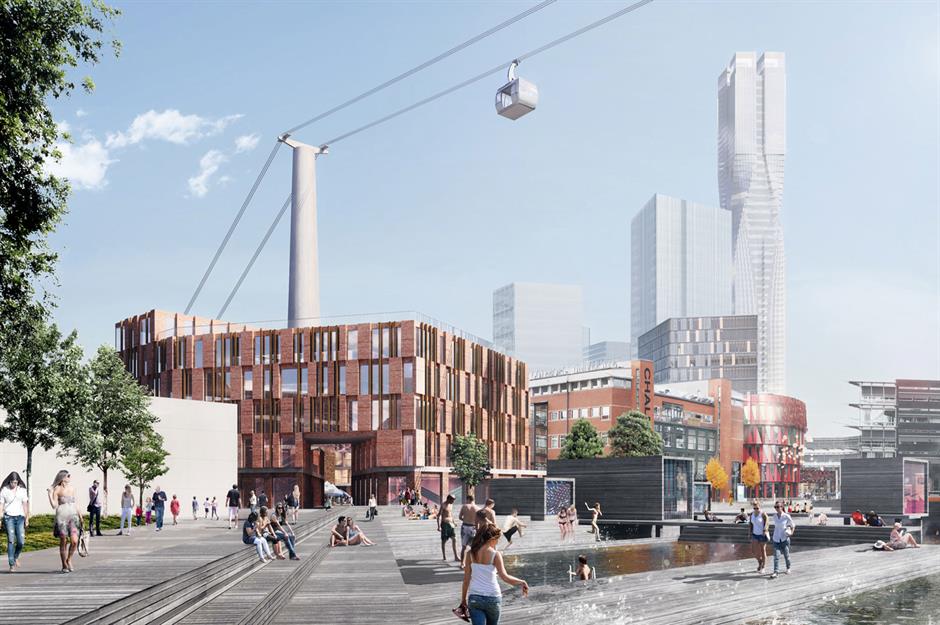
Sweden's second-largest city Gothenburg is currently being treated to the mother of all makeovers.
Between now and 2035, an eye-popping €100 billion ($115bn/£85.4bn) will be invested in the city's revamp, which will include 105,000 new homes, two new tunnels, an impressive cable car system and a new bridge in the centre.
No other infrastructure programme in Swedish history comes close in terms of cost.
India – Bharatmala Pariyojana: $130 billion (£102bn) estimated

Bharatmala Pariyojana (also referred to as the India Garland Project) is India's answer to America's Interstate Highway System project. It involves the construction of a breathtaking 52,000 miles (83,700km) of highways, borders, tunnels and bridges to create a national network that reflects the country's rapid development.
Initiated in 2017, the project is taking longer than anticipated. The first phase was due to be finished in 2022 but is now five years behind schedule.
The cost of the entire project has soared due to the delays and currently stands at nearly $130 billion (£96.5bn), almost double the original estimate.
Sponsored Content
UK – HS2: $137 billion (£102bn) estimated
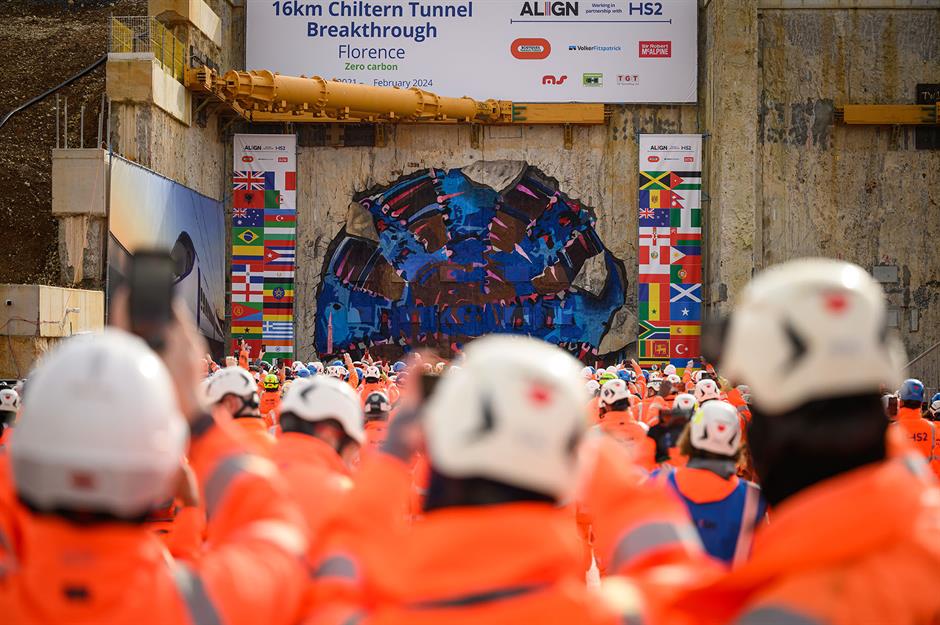
HS2, the UK's high-speed railway linking London to cities in the centre and north of England, is massively over budget, hugely delayed and highly divisive.
Initially set to cost $48.5 billion (£36bn), the priciest infrastructure project in British history is now expected to burn through up to $137 billion (£102bn), while plans to have the first phase connecting London to Birmingham ready by 2033 "cannot be achieved", according to the megaproject's CEO.
Meanwhile, plans to add an additional line between London and Leeds, and the extension of the line from Birmingham to Manchester have been scrapped entirely.
Japan – Fukushima disaster clean-up: $140 billion (£104bn)
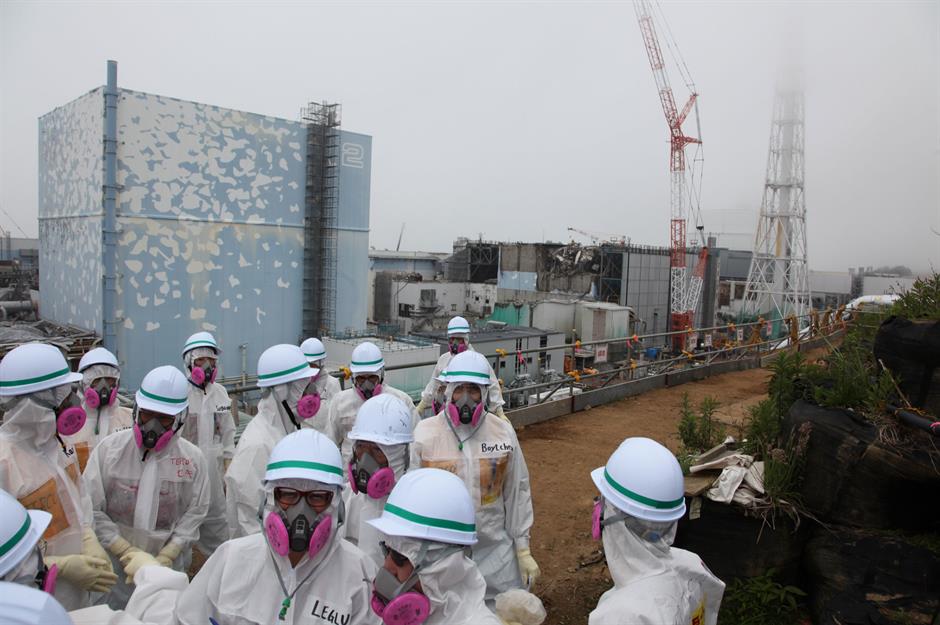
Japan has delivered numerous wow-factor infrastructure projects over the years, from the bullet train to the Honshu-Shikoku Bridge.
The most impressive, and expensive, of them all is the clean-up operation that was undertaken following the 2011 Fukushima nuclear disaster. The nation has already spent over $140 billion (£104bn) on the mammoth task, with the total set to rise in the coming decades.
USA – Lockheed Martin F-35 Lightning II fighter jet: $2 trillion (£1.5tn)

Forget the Hoover Dam, Manhattan Project and Apollo Program: the most expensive government project in US history is actually the development of the Lockheed Martin F-35 Lightning II fighter jet.
The project's projected lifetime bill – including operations, maintenance and support over several decades – is expected to exceed $2 trillion (£1.5tn). Rising sustainment costs, engine upgrades and software modernisation have all contributed to the growing price tag.
Despite repeated criticism over costs, delays and technical issues, production continues at a steady pace. Demand also remains strong, with America's allies clamouring to place orders for the jet.
Sponsored Content
China – Belt and Road Initiative (BRI): up to $8 trillion (£5.9tn) estimated

A maritime Silk Road for the 21st century, the Chinese government's Belt and Road Initiative (BRI) is now over a decade old and has grown to involve over 150 countries.
A trillion dollars has already been spent on the mammoth global infrastructure project, with official estimates suggesting the ongoing project could cost as much as $8 trillion (£5.9tn).
That said, the BRI has been plagued with problems since its inception, and investment has become more selective, increasingly favouring smaller and less expensive green and digital projects.
From megaproject to mega fail: discover the global megaprojects that went seriously wrong