Strange facts you didn’t know about Amazon
Hidden facts about the global shopping empire
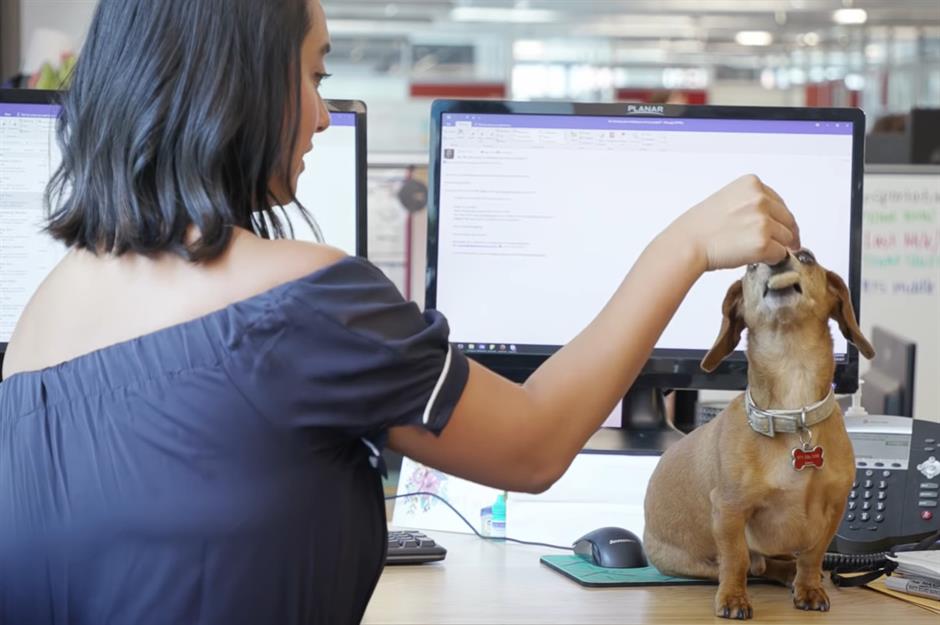
Amazon's Prime Day is so popular it will actually last two days this year, in a sales extravaganza that will take place on 15 and 16 July. Launched in 2015, it's a time when the online retail behemoth expects its sales to go through the roof as shoppers scramble for bargains. Yet Amazon couldn't have become the global phenomenon it is today without a few quirks along the way, from holding meetings in bookstores, to allowing dogs at work and even paying employees to quit. Here are the 39 facts you probably didn't know about Amazon.
1. Humble beginnings
2. Say what?
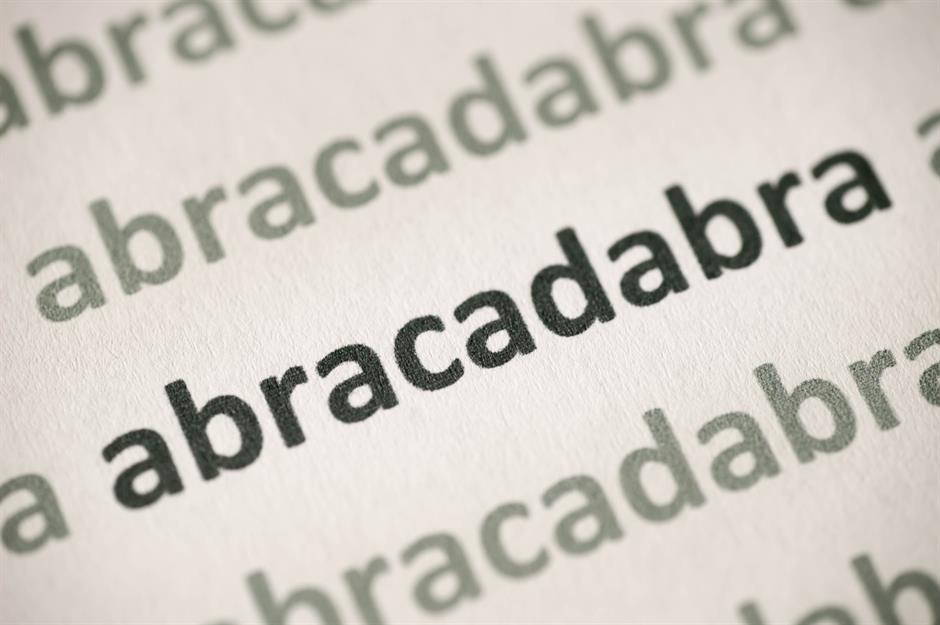
Amazon was originally named Cadabra, as in the magic trick incantation ‘Abracadabra’. Perhaps Bezos was trying to highlight his plans to provide a spell-binding online service, but several people misheard it as 'cadaver', so unsurprisingly he decided to rebrand...
Sponsored Content
3. The name game
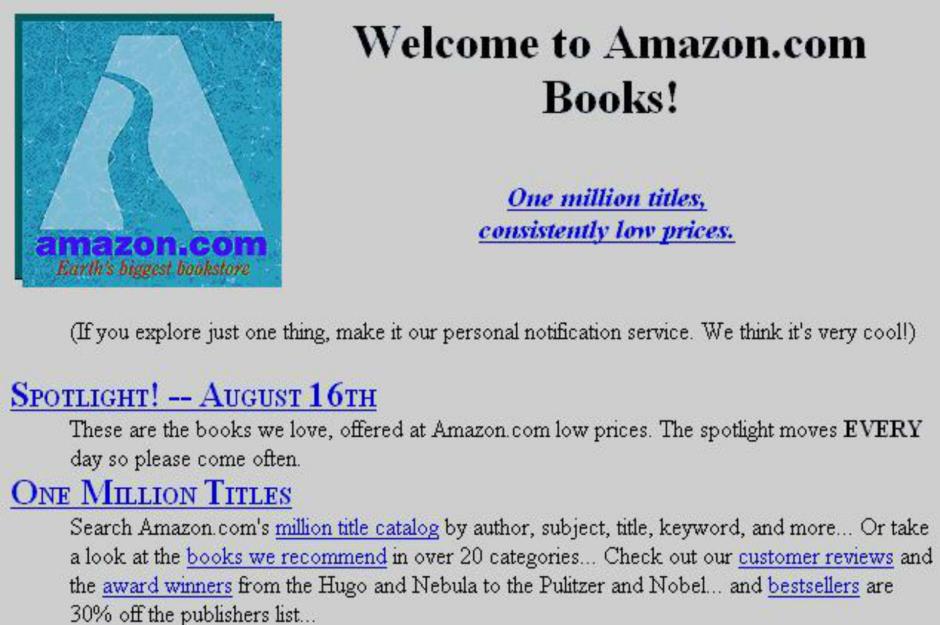
Other proposed names included MakeItSo.com (after Captain Picard's frequent command in Star Trek), Awake.com, Browse.com, Bookmall.com and Relentless.com. In fact, if you type relentless.com into a web browser today it will redirect you to Amazon, as the domain name is still owned by Bezos.
4. The perfect fit
5. Cutting costs
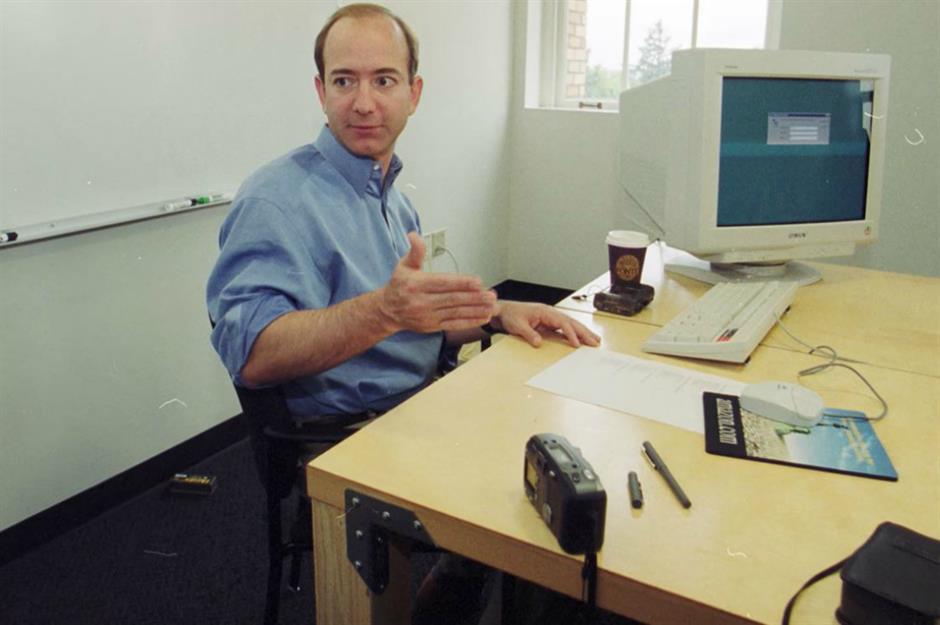
In the early days Bezos and his team needed desks. But the thrifty CEO realised that doors were cheaper than buying desks, so he decided to buy doors and just put legs on them (pictured). While these door desks were a little wobbly, with employee number five Nico Lovejoy admitting that "you would never want to hire Jeff Bezos as a carpenter", their legacy lives on today with thousands of Amazon employees using a modern version of the door desk today. The company also hands out a 'Door Desk Award' to employees who implement thrifty ideas.
Sponsored Content
6. Bookworms
While today you can buy anything from a foot spa to DIY tools, or even stream original Amazon Prime TV shows, in the beginning the website only sold books. But because of a lack of space, Amazon had no inventory. So, when an order came in, they would find the book online, ship it to the Amazon office and then repackage it before sending on to the customer.
7. First sale

The first book Amazon.com ever sold was Douglas Hofstadter's Fluid Concepts and Creative Analogies: Computer Models of the Fundamental Mechanisms of Thought, ordered by a computed scientist named John Wainwright.
8. Smart thinking
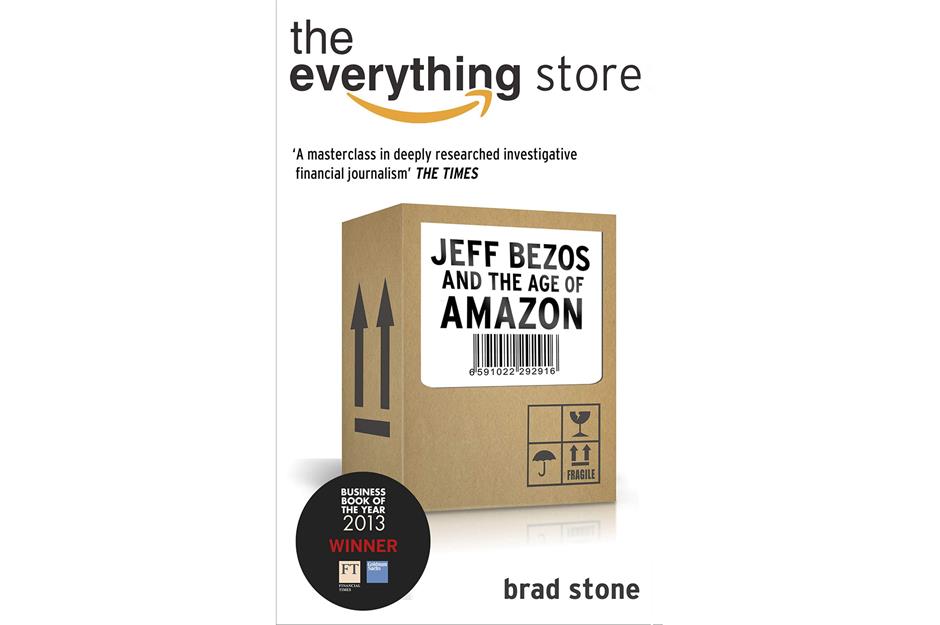
Many of Amazon’s book distributors required them to order 10 books at a time. But in the early days they couldn’t afford to so, according to Brad Stone in his book The Everything Store (pictured), every time they needed to fill a customer’s order they would order the one book they needed, and nine copies of an obscure book on lichens which was always out of stock.
Sponsored Content
9. Making the cool list
10. Early errors
Today Amazon is one of the most successful companies in the world. But at launch there were a few teething problems. In fact, the site wasn't actually finished which resulted in a huge programming error that allowed sneaky customers to trick Amazon into sending them money. By ordering a negative quantity of books Amazon would credit the money to their bank card.
11. Racking up the sales
Sponsored Content
12. Hanging with the enemy
13. Rogue marketing
14. Battle of the book giants
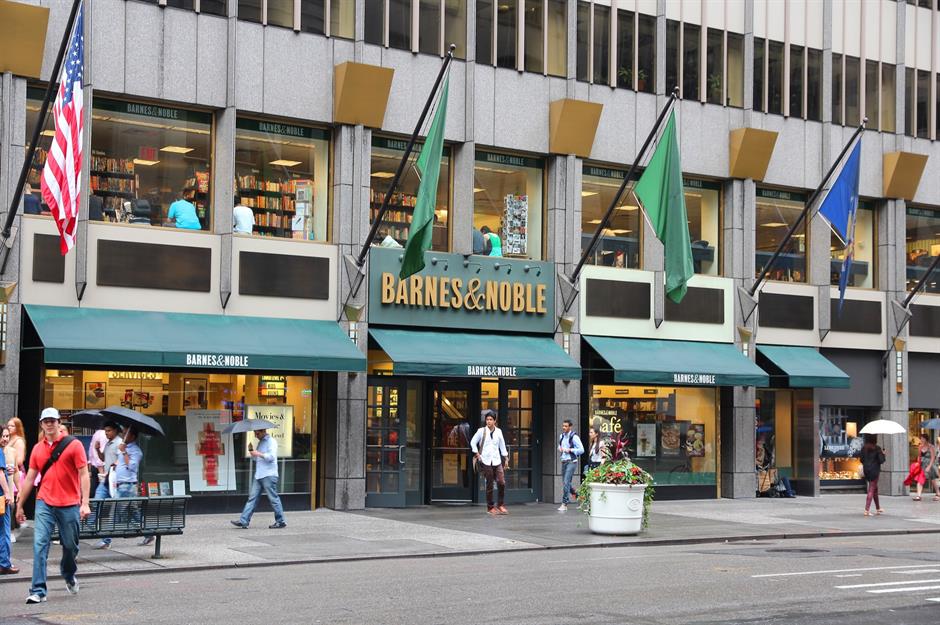
In 1997, Barnes & Noble sued Amazon, alleging that 'Earth’s Largest Bookstore' was a false claim. They eventually settled out of court with Amazon continuing to use the slogan.
Sponsored Content
15. Wacky titles
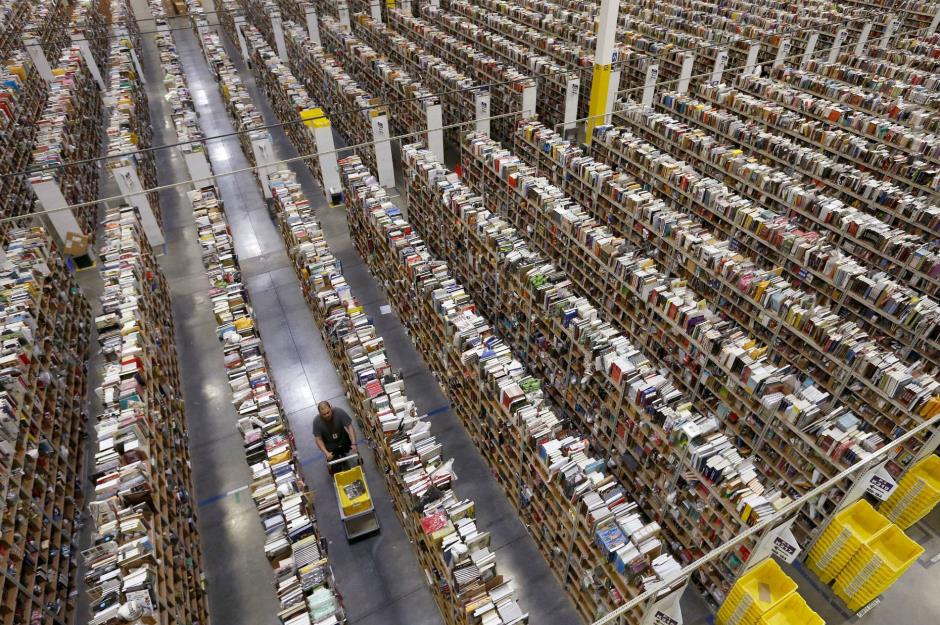
In the early days of Amazon, Bezos got employees pick out the 20 strangest titles sold every week and awarded a prize for the weirdest. Some of the reported winners included Training Goldfish Using Dolphin Training Techniques and How To Start Your Own Country.
16. A long time coming

17. Back on the shopfloor
Sponsored Content
18. Company with a heart
19. Brutal revelations
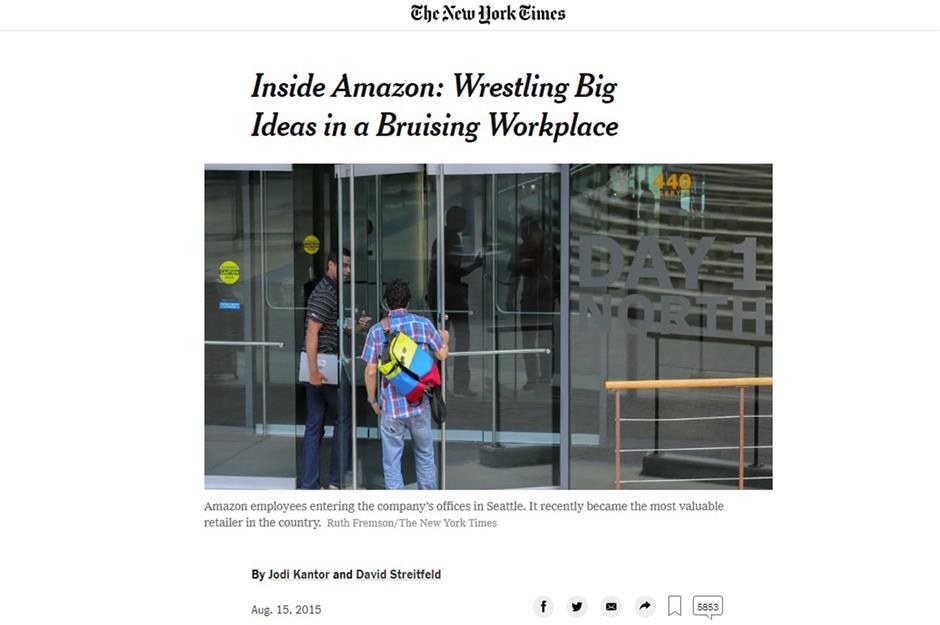
Amazon might be kind to its customers but the same isn't always true for employees. Many previous employees have spoken out about the dog-eat-dog working culture at Amazon, where employees are expected to put in up to 80 hours a week and are actively encouraged to rip into each other's ideas. In 2015, The New York Times ran a scathing expose on the subject, and more recently there has been a report in The Guardian about factory workers being forced to work through workplace injuries.
20. Hey big spender

According to a report by Consumer Intelligence Research Partners, Amazon users spent on average $600 (£479) on goods from the site in 2018, while Prime members spent more than double that with an average spend of $1,400 (£1,117).
Sponsored Content
21. 1998's crazy Christmas
22. Seasonal staff surge
23. Let it go

Sponsored Content
24. Costly malfunction
25. A very special customer
26. How big?
Sponsored Content
27. Top dog

28. Canine colleagues
29. Impressive portfolio
Amazon has bought out several companies, including buying popular online shoe retailer Zappos for $1.2 billion (£958m) in 2009. The company’s portfolio also includes Audible, IMDB and Twitch. In 2013 Bezos purchased The Washington Post for $250 million (£199.5m).
Sponsored Content
30. Robot employees
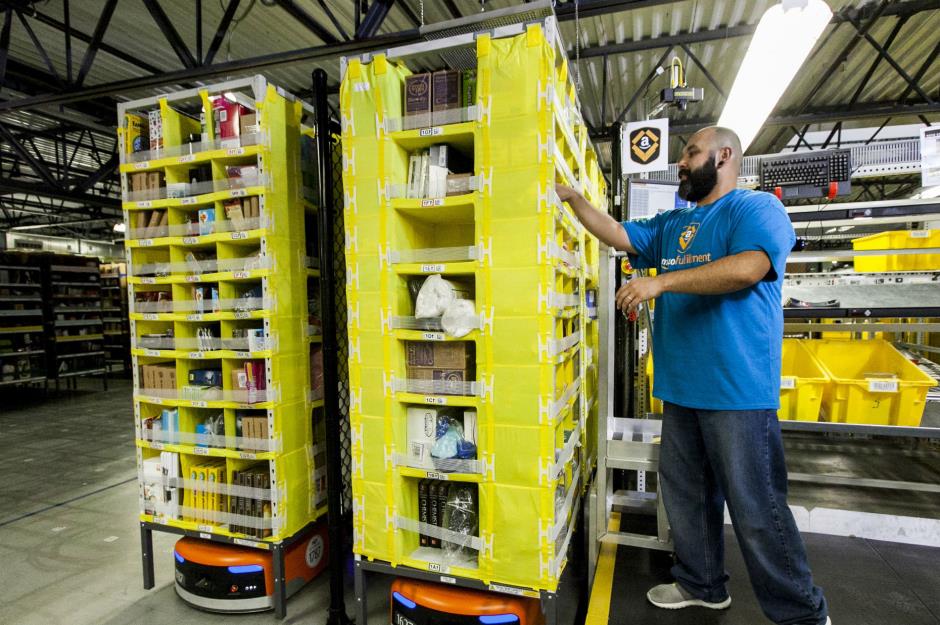
31. Taking the easy way out
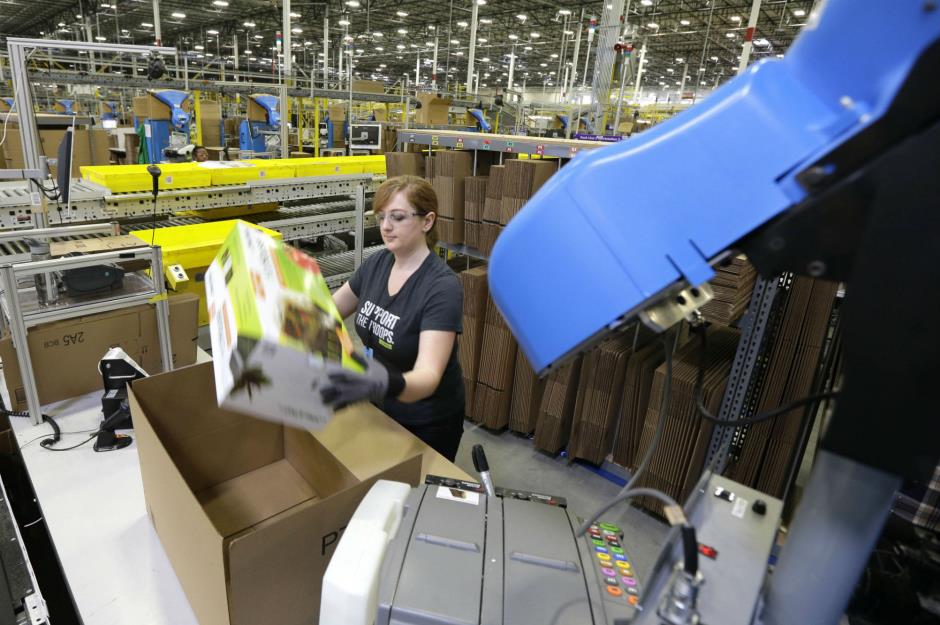
In an effort to reduce the number of unmotivated warehouse employees at its fulfilment centers, Amazon launched a Pay to Quit program in 2014. If a worker handed in their resignation, they would get $3,000 (£2,393) to start their own Amazon delivery business. Those employees who took up the offer would also have access to Amazon's delivery service to get their business off the ground. Nowadays, the amount has been raised to $5,000 (£3,989). Less than 10% of the first wave of staffers offered the deal took them up on it.
32. A huge team
Sponsored Content
33. Star-studded alumni
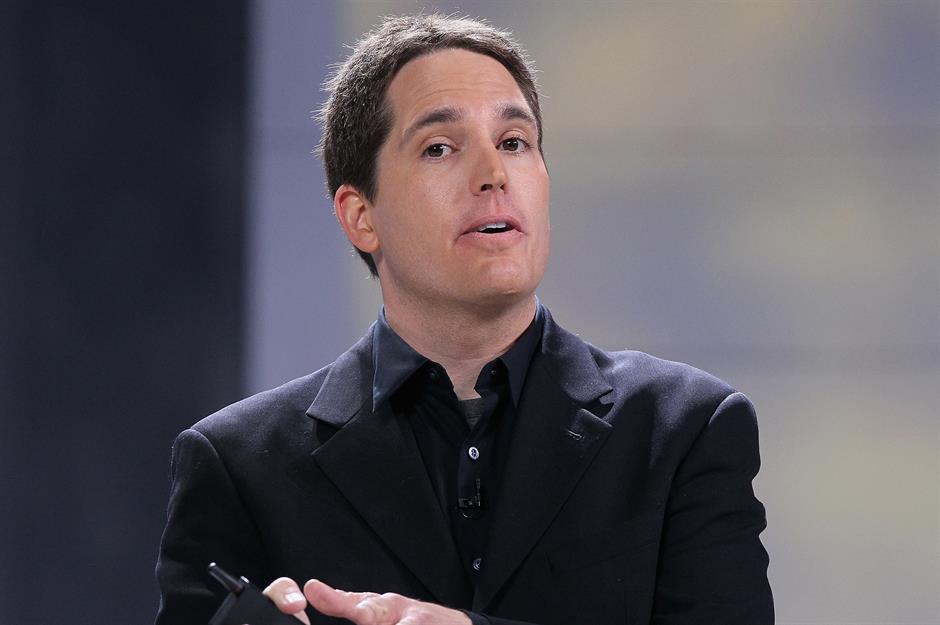
Many of Amazon’s previous employees have gone on to start their own billion-dollar companies. These include Jason Kilar (pictured), who founded American online streaming service Hulu – valued at $15 billion (£12bn) in April 2019 – and Charlie Cheever, who created question and answer site Quora – valued at $2 billion (£1.6bn) in May 2019.
34. Speedy deliveries
35. Quirky code names
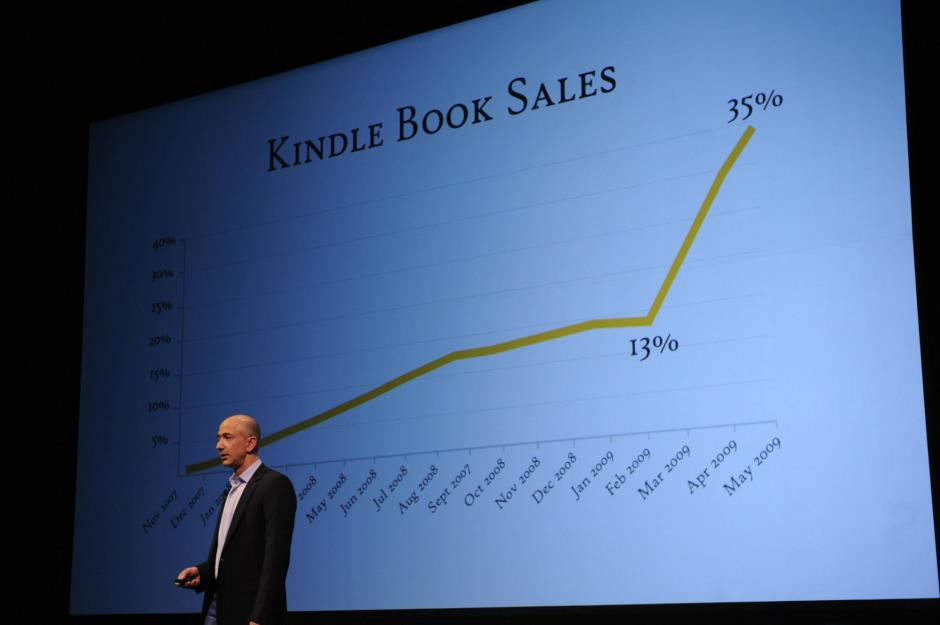
Fittingly, when Amazon was developing its first e-reader it used a code name from a work of literature: Neal Stephenson’s Sci-Fi novel The Diamond Age, which is about an interactive, networked book that contains the sum of human knowledge. Fiona, a character from the novel, was used as a code name long before Kindle came into being. The original name is still tucked into the URL for the kindle management page, which is www.amazon.com/gp/digital/fiona/manage.
Sponsored Content
36. Worldwide success
37. Incredible sales
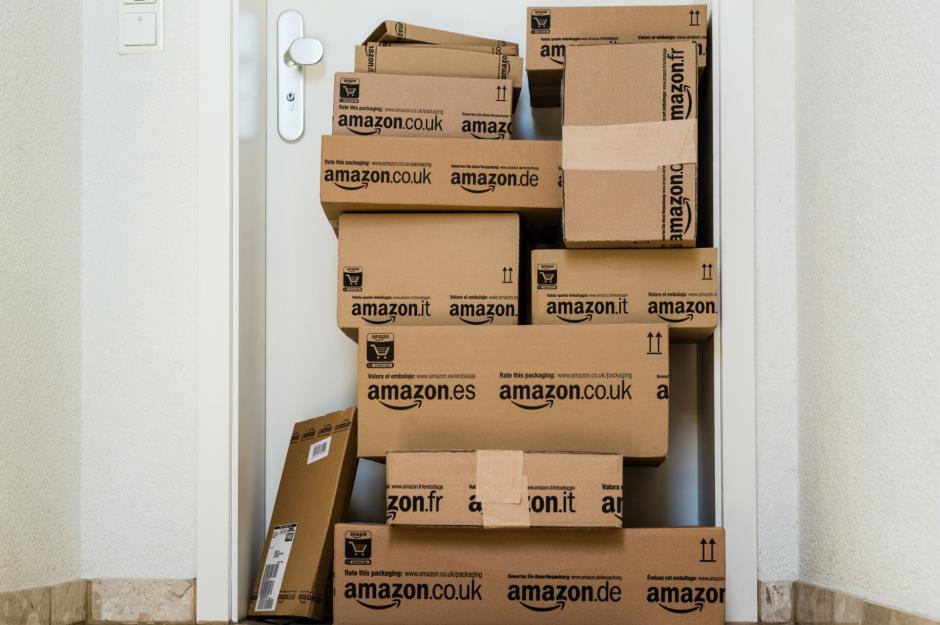
38. Prime Day is pay day
Sponsored Content
39. Billionaire status
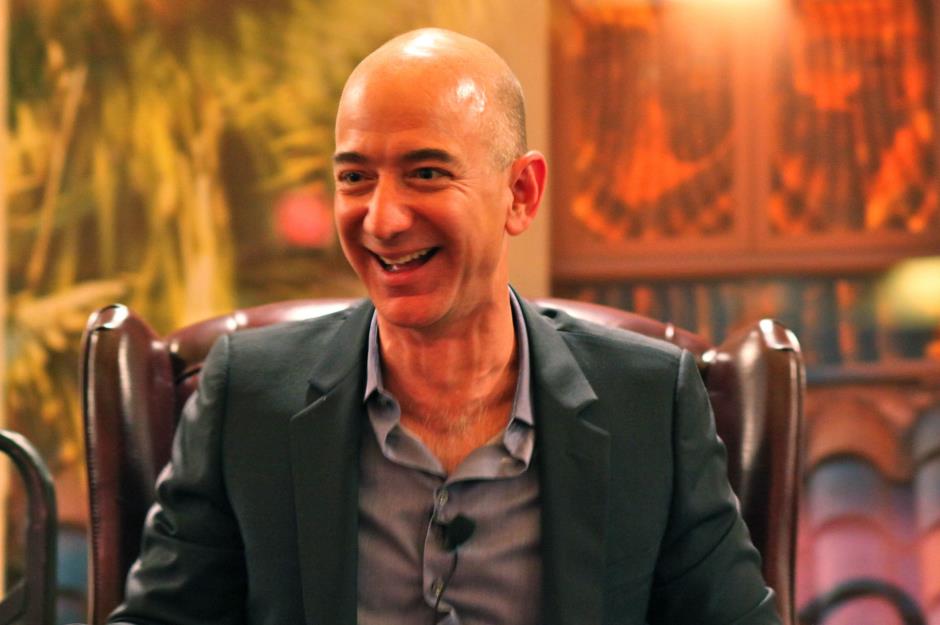
From humble beginnings to worldwide success, Amazon’s founder and CEO Jeff Bezos is now worth an estimated $164.1 billion (£131bn) according to Forbes. Despite having a rocky year in 2019, finalising a $38 billion (£30.3bn) divorce settlement with his now-ex-wife MacKenzie on July 5, he's still the richest man in the world.
Find out more about Amazon in Governments who have taken on the world's biggest companies