Nine key people who will affect our finances in 2017
lovemoney staff
05 January 2017
Financial movers and shakers
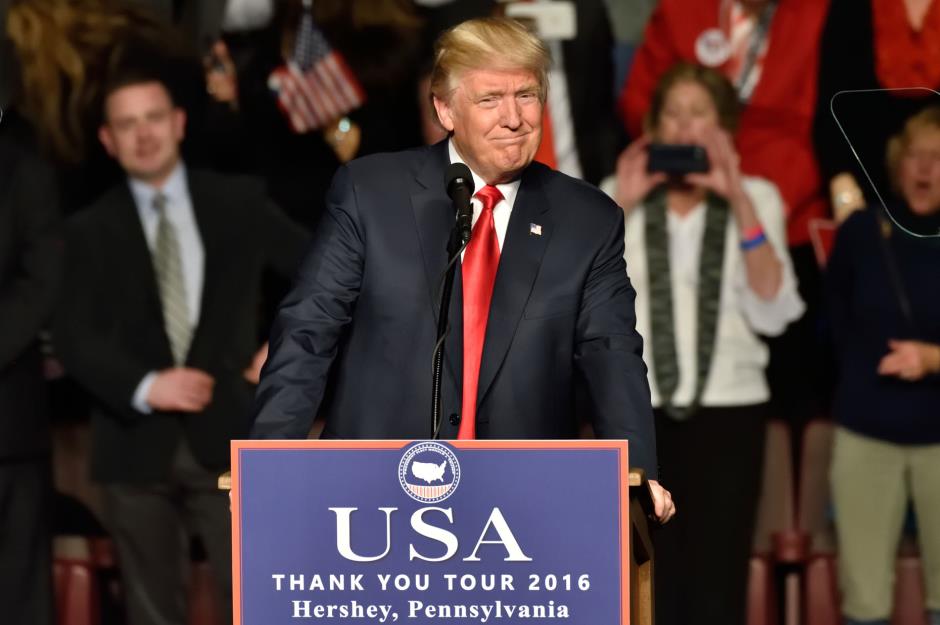
Decisions taken by the world's most powerful people can directly affect your money situation for good or ill. From Donald Trump to Zhou Xiaochuan, here are 15 political and business leaders who are likely to impact on your personal finances in 2017.
Donald Trump – US President
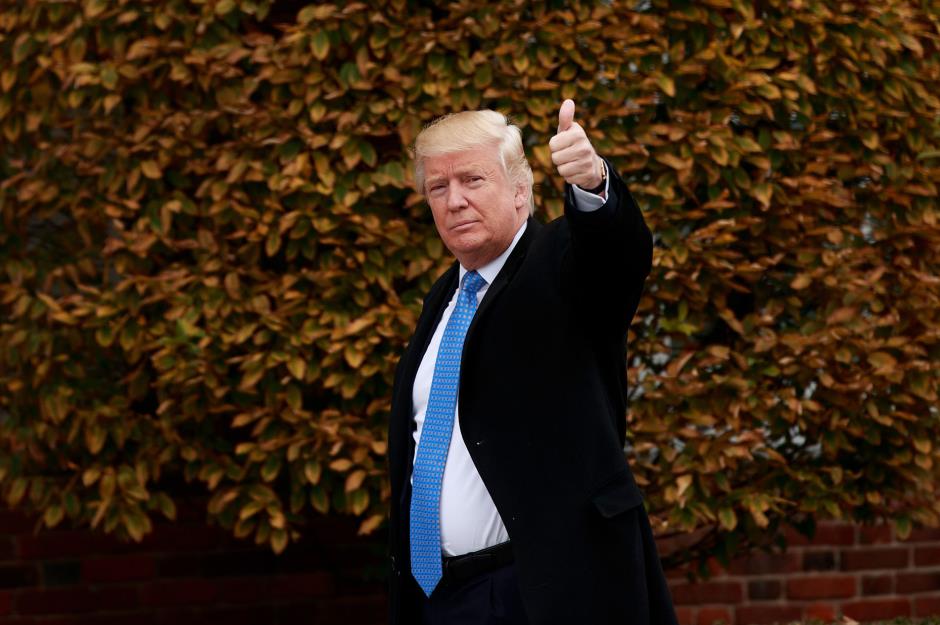
The real estate mogul will take the Oath of Office and be sworn in as America's 45th president on January 20. Given the US economy is in pretty good shape right now, exactly how a Trump presidency will impact the money in our wallets remains to be seen.
Donald Trump – Incoming US President
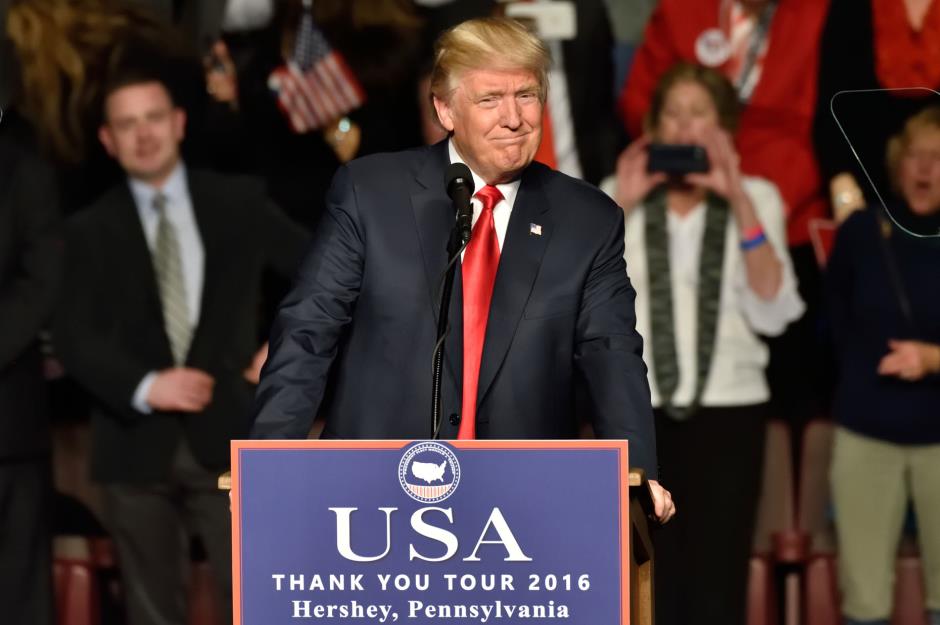
The Trump administration is promising a program of tax cuts, deregulation and trillion-dollar public works spending that may boost the US economy. However analysts fear The Donald's protectionist stance may trigger a slump in global trade volumes, negatively impacting the world economy as a whole.
Sponsored Content
Janet Yellen – Chair of the US Federal Reserve
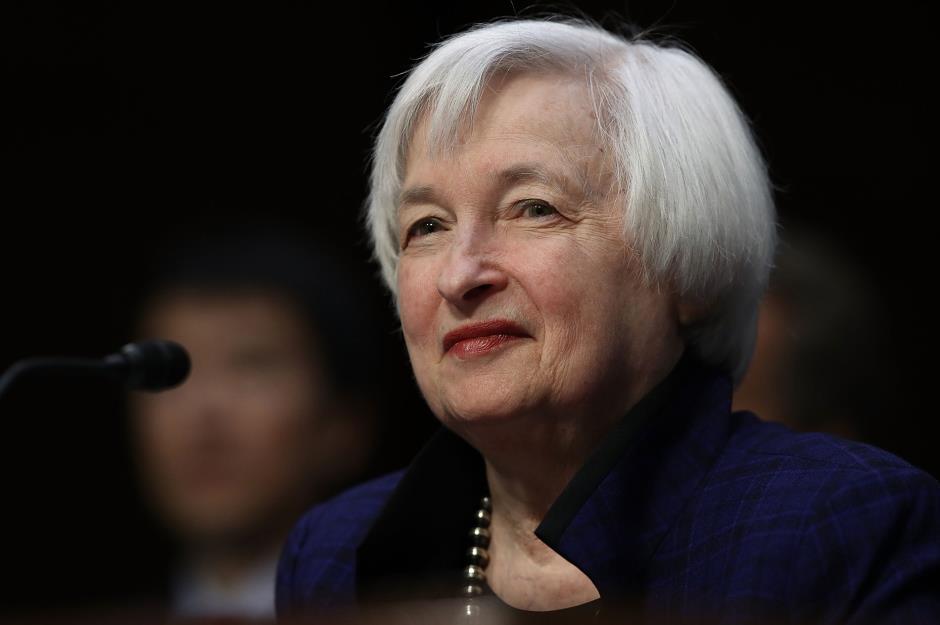
Along with an accelerating dollar, Federal Reserve Chair Janet Yellen, who Trump repeatedly criticized during his presidential campaign, may end up scuppering or at least watering down the incoming president's wide-ranging tax cuts and increased infrastructure spending plans.
Janet Yellen – Chair of the US Federal Reserve
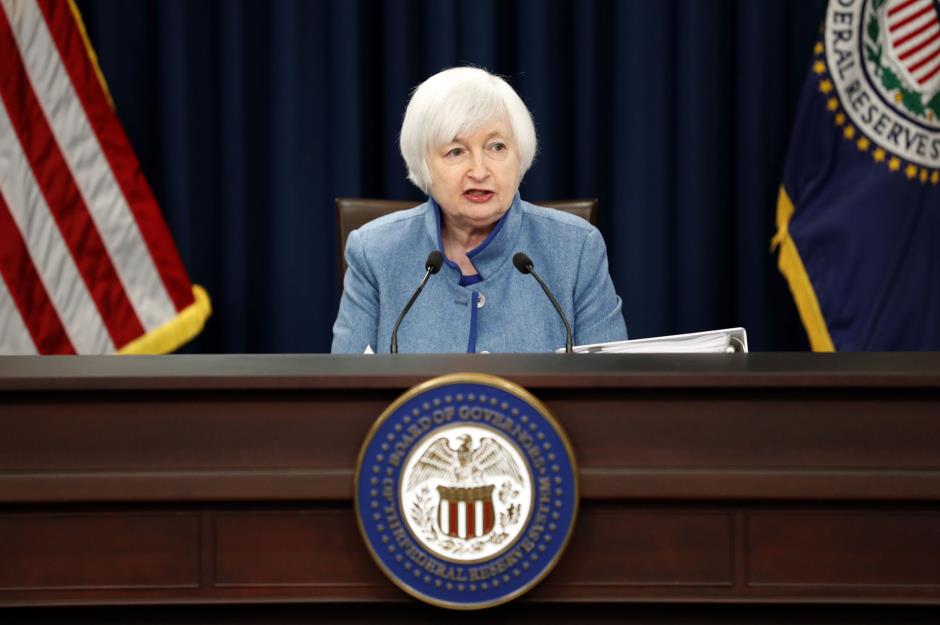
These plans, which rely on a weak dollar, may usher in higher inflation. The Fed, which recently raised interest rates, is poised to increase them a further three times in 2017, and is prepared to hike them up even further if Trump's plans get the go-ahead. Next year will be all about inflation following a period of stagnation.
Steven Mnuchin – Incoming US Secretary of the Treasury
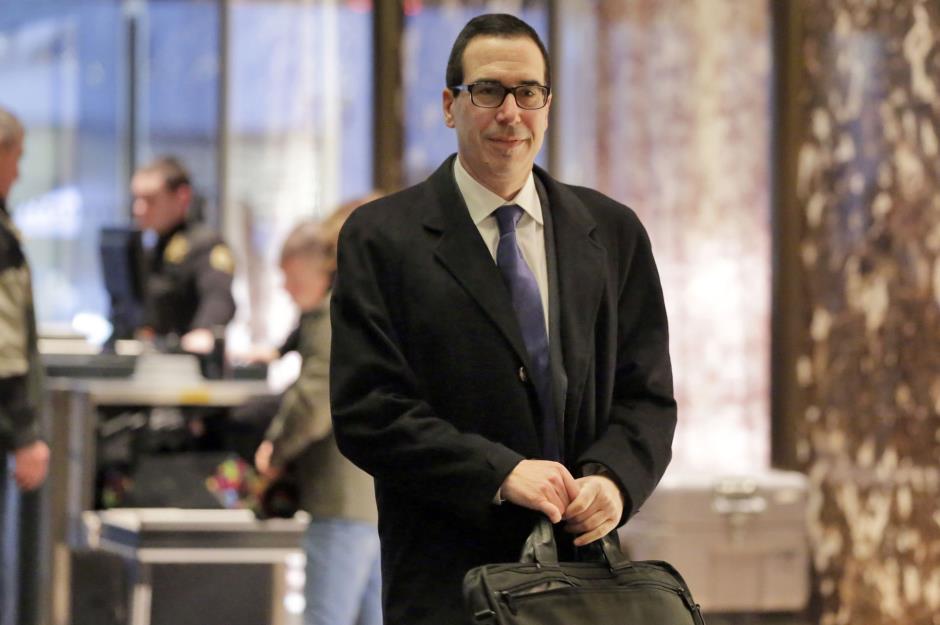
Trump's nomination for Treasury Secretary, former Goldman Sachs partner Steven Mnuchin, aims to restore the Treasury as the main driver of US growth, taking the onus off the Federal Reserve, with fiscal rather than monetary policy becoming center stage.
Sponsored Content
Steven Mnuchin – Incoming US Secretary of the Treasury
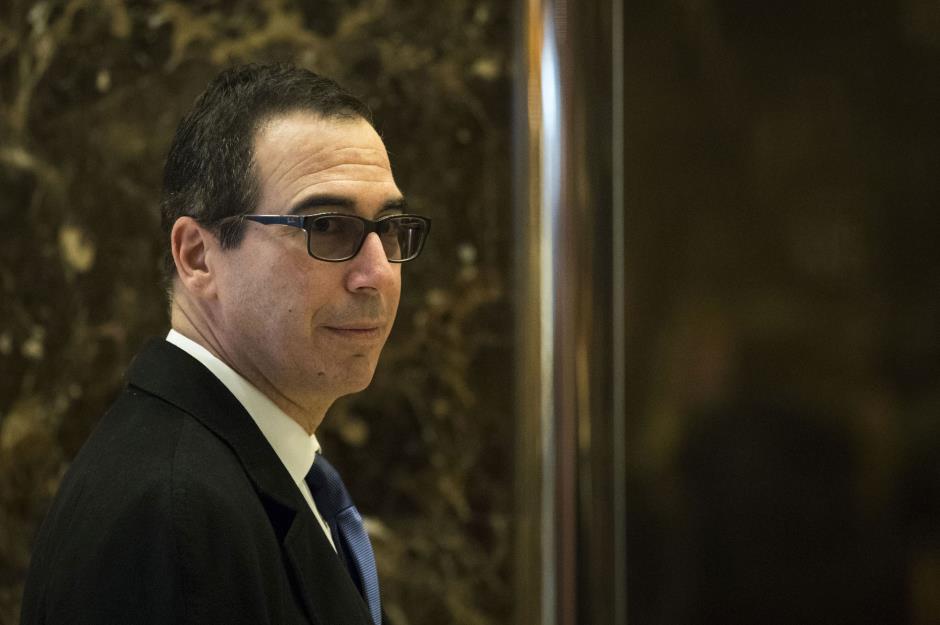
What does this mean for the average American? Mnuchin anticipates his approach will turbocharge the economy and deliver growth of between 3% and 4%, which should reduce unemployment and poverty, but may widen the gap between the rich and the poor.
Andrew Puzder – Incoming US Secretary of Labor
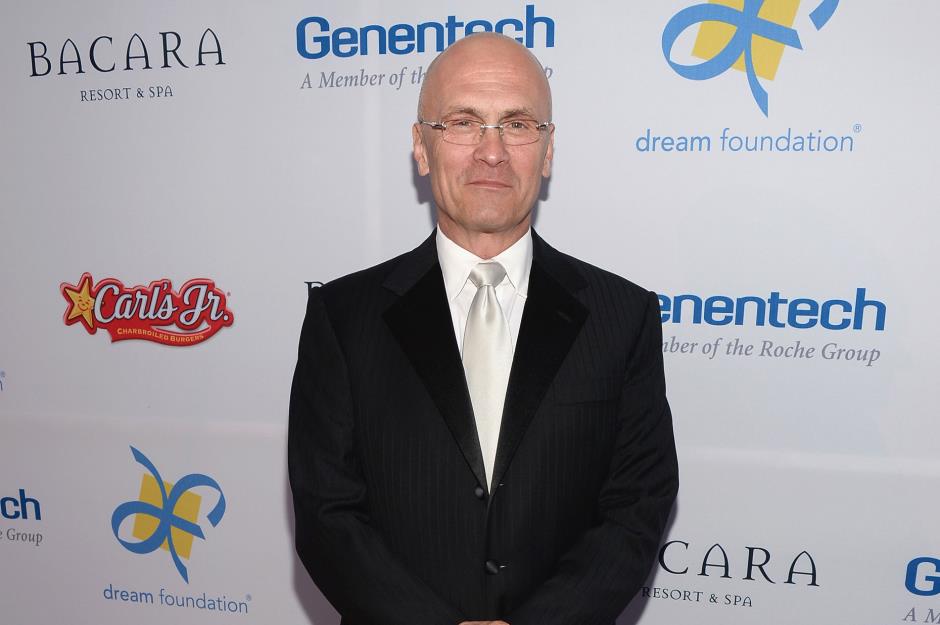
Fast-food exec Andrew Puzder will be the new US Labor Secretary. His appointment doesn't bode well for low income earners. A critic of the minimum wage, Puzder is against any increases in the provision. Pudzer is also a cheerleader for automation and replacing low-skilled jobs with robots.
Andrew Puzder – Incoming US Secretary of Labor
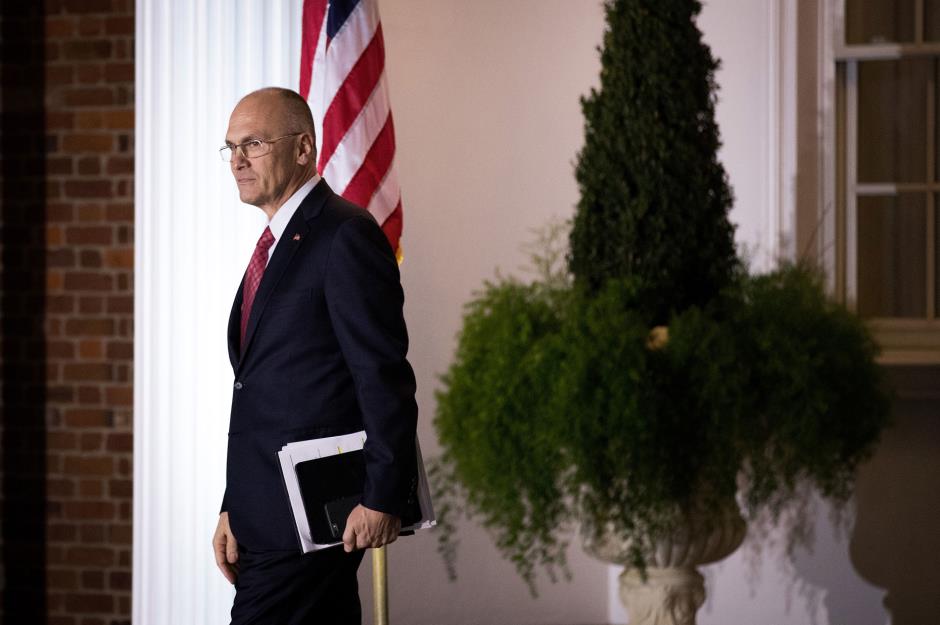
On top of that, Puzder could end up killing Obama's recent rule expanding eligibility for overtime for millions of American workers. The rule was halted by a Texas judge in November and will require a sympathetic administration that is willing to appeal the judgment if it has any chance of surviving. Given Puzder is an outspoken critic of the rule, an appeal seems unlikely.
Sponsored Content
Stephen Schwarzman – Chairman and CEO, Blackstone
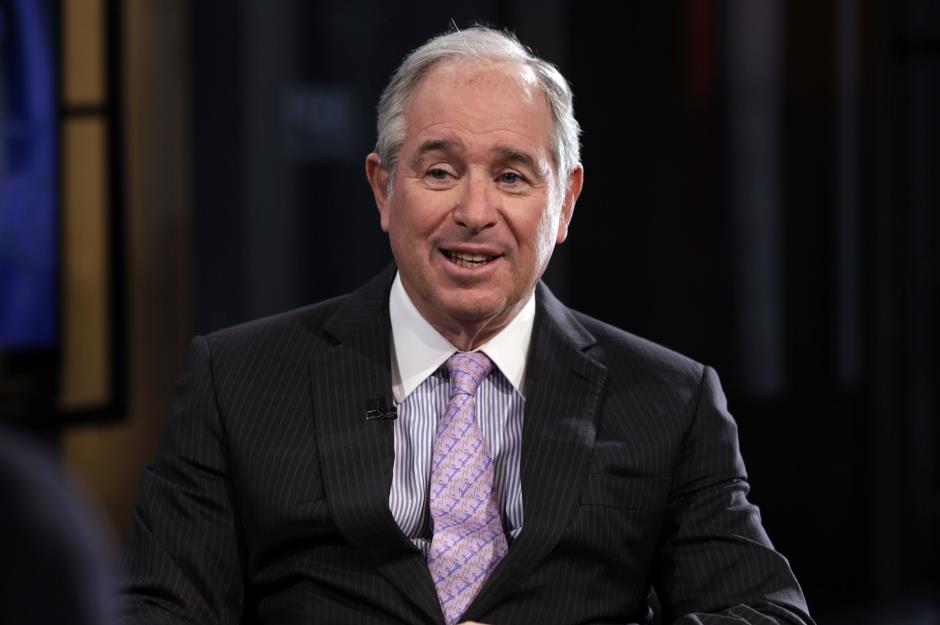
Billionaire Stephen Schwarzman, who heads up Blackstone, is the most powerful person in finance according to Forbes. His asset management company Blackstone is one of America's leading employers and the country's largest owner of single family residences.
Stephen Schwarzman – Chairman and CEO, Blackstone
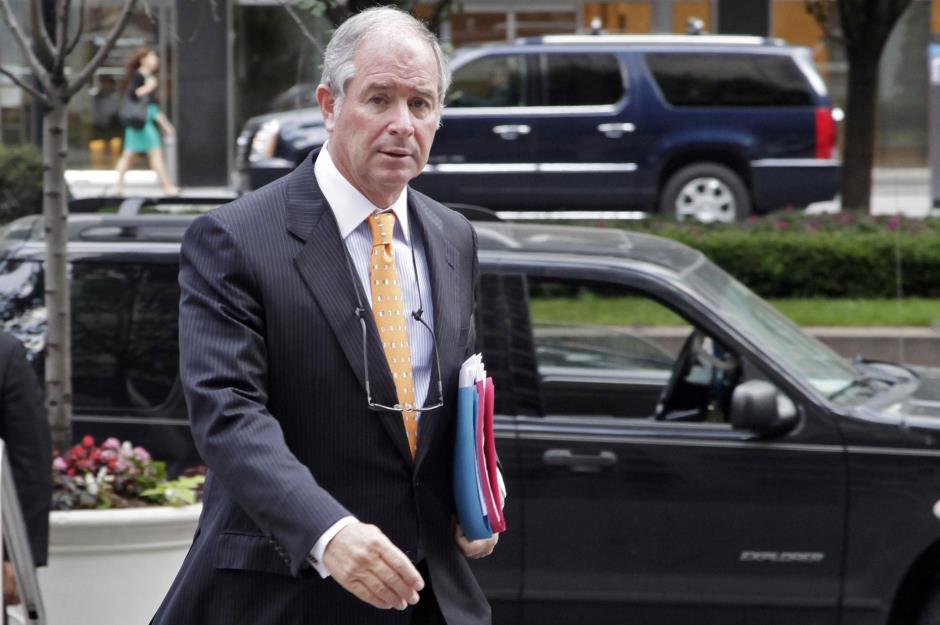
Schwarzman, who is advising President-elect Donald Trump on job creation, has been fiercely critical of the increased regulation enacted by the Obama administration. His influence may further persuade Trump to opt for more deregulation which, while boosting the economy, may offer consumers fewer financial protections.
Zhou Xiaochuan – Governor of the People's Bank of China
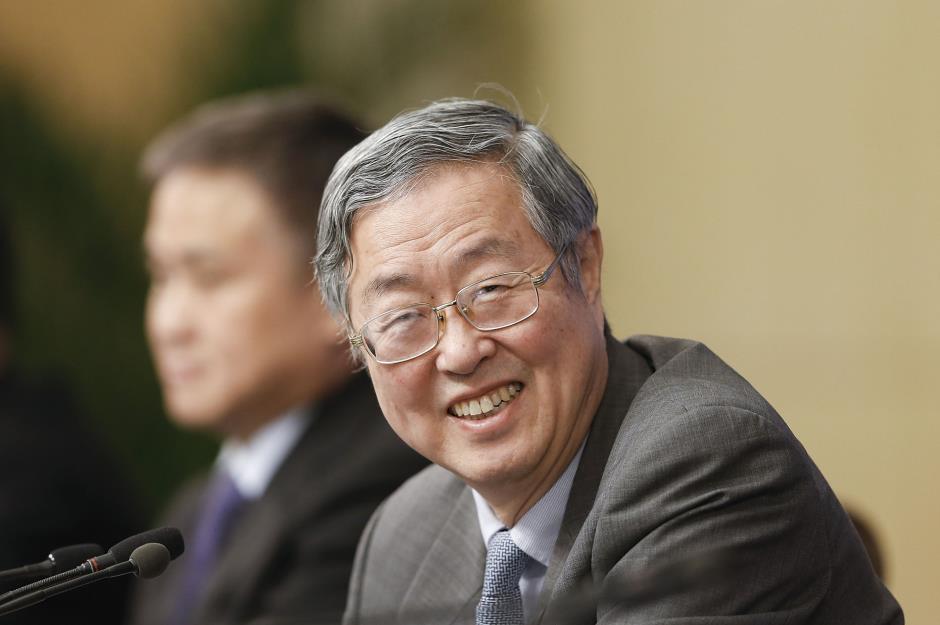
Governor Zhou Xiaochuan, who is in responsible for monetary policy in China, will have to contend with a hostile US administration next year. Trump has blamed China for devaluing its currency to gain a trade advantage.
Sponsored Content
Zhou Xiaochuan – Governor of the People's Bank of China
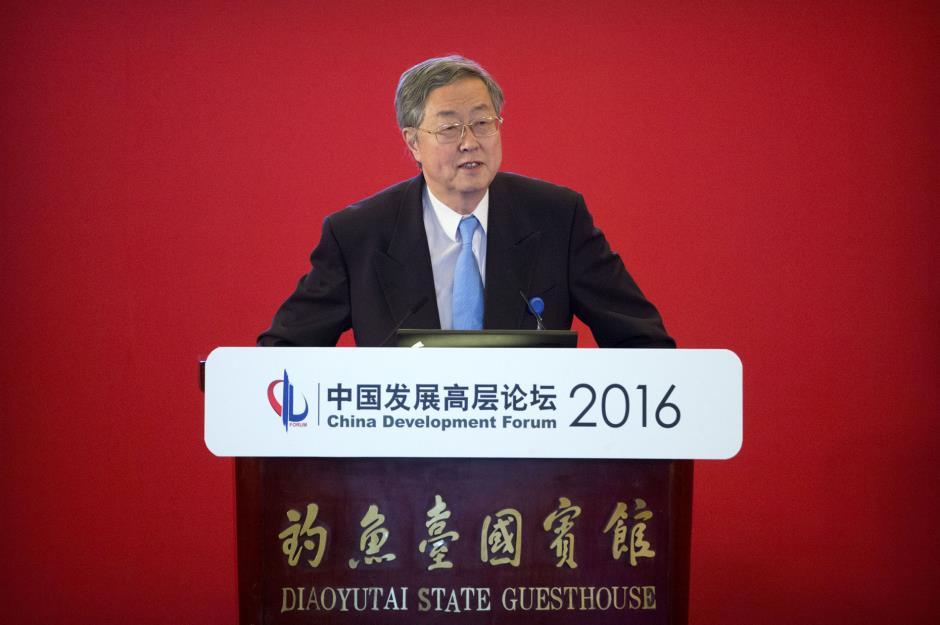
The recent interest rate hike in the US has negatively impacted the yuan, and Xiao will face increased pressure to further devalue the currency, which may put him at loggerheads with the Trump administration, ultimately harming the Chinese, US and world economies.
Mohammed Barkindo – Secretary General, OPEC
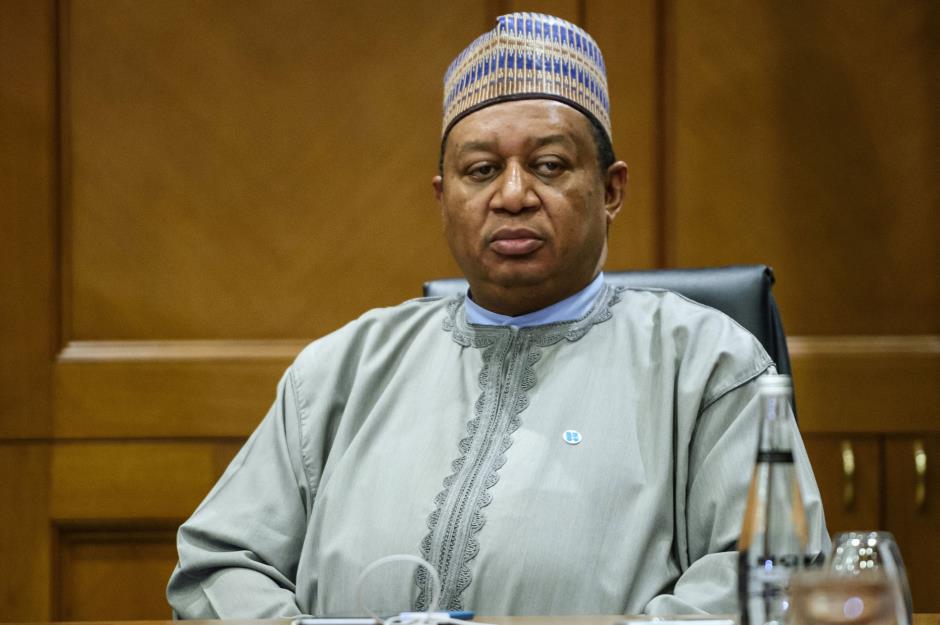
Up from a low of $30 in February 2016, the price of oil could hit $60 in early 2017 according to Goldman Sachs. The powerful oil cartel OPEC, headed by Mohammed Barkindo, is behind the rising price of crude.
Mohammed Barkindo – Secretary General, OPEC
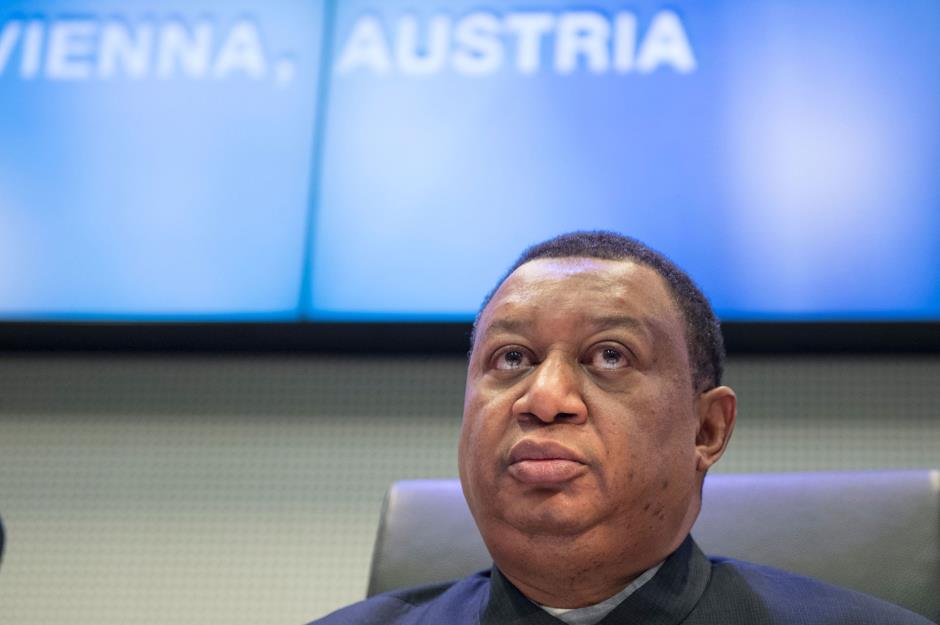
OPEC members have agreed to cut oil production by almost 1.8 million barrels a day starting from January, which will reduce supply and increase the price of the commodity. This in turn will raise the cost of everything from food to the gas at the pumps, which may hit $3 per gallon in the US during early 2017.
Sponsored Content
Jean-Claude Juncker – President of the European Commission
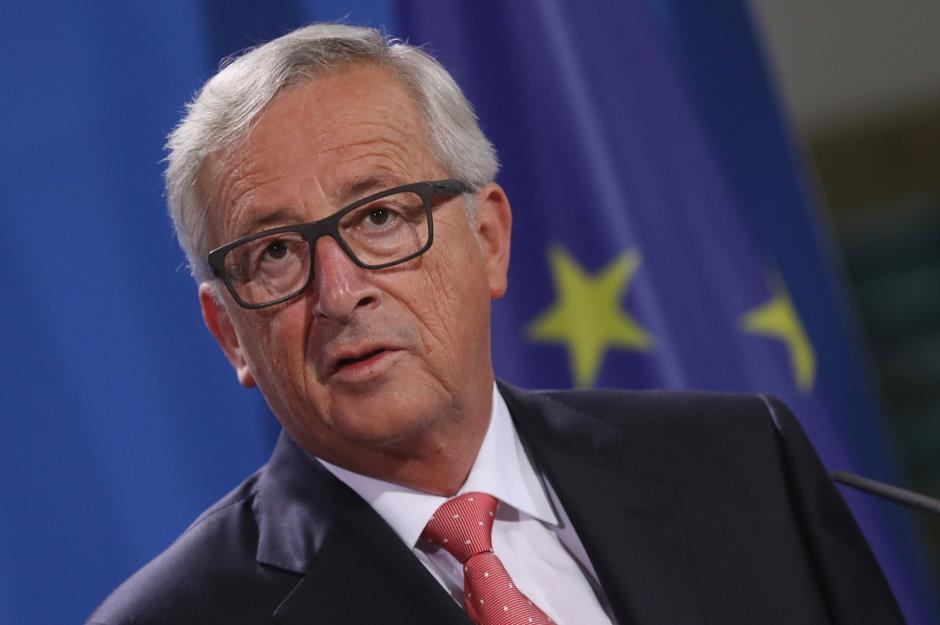
Next year is set to be a tumultuous one for the European Commission headed by Jean-Claude Juncker.
Jean-Claude Juncker – President of the European Commission
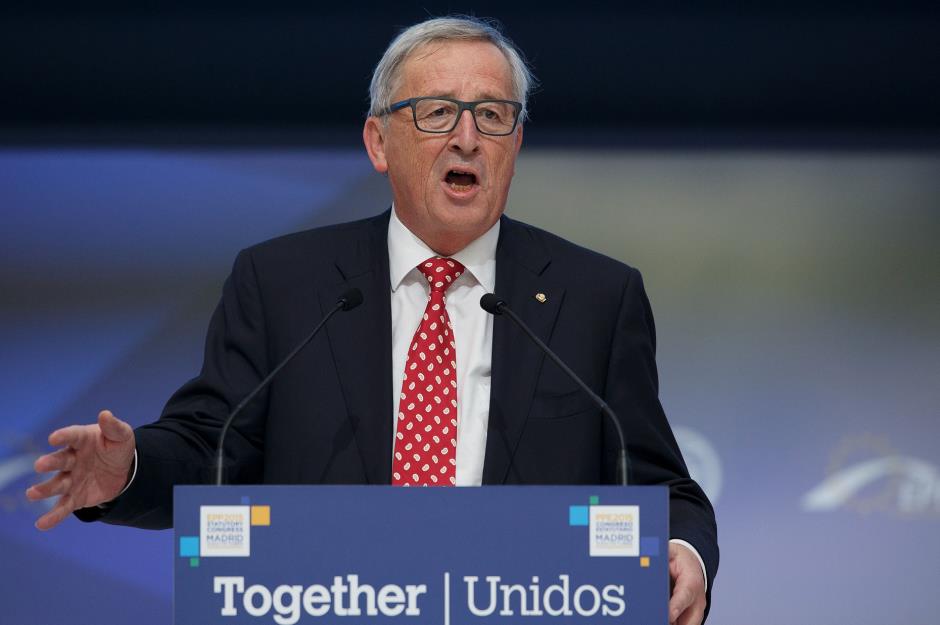
Juncker has a series of potentially game-changing votes to contend with. Amid a climate of anti-globalization, the outcome of elections in the Netherlands, France and Germany may threaten the EU and adversely affect the Eurozone economies. This could have a knock-on effect on the global economy too.
Fabrizio Viola – CEO, Monte dei Paschi di Siena Bank
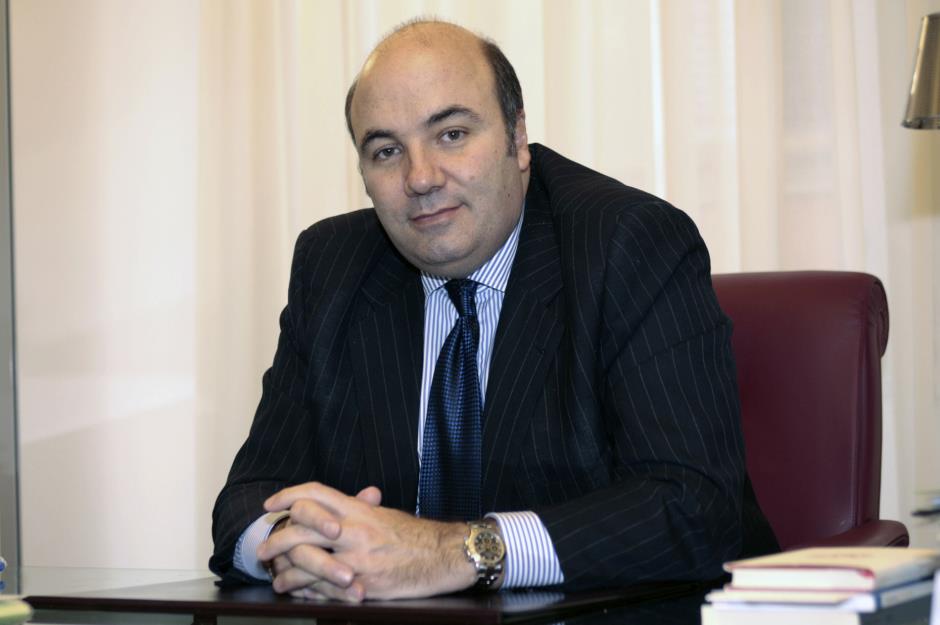
Fabrizio Viola is the CEO of Italy's beleaguered Monte dei Paschi di Siena Bank, the oldest surviving bank in the world and the country's most troubled financial institution.
Sponsored Content
Fabrizio Viola – CEO, Monte dei Paschi di Siena Bank
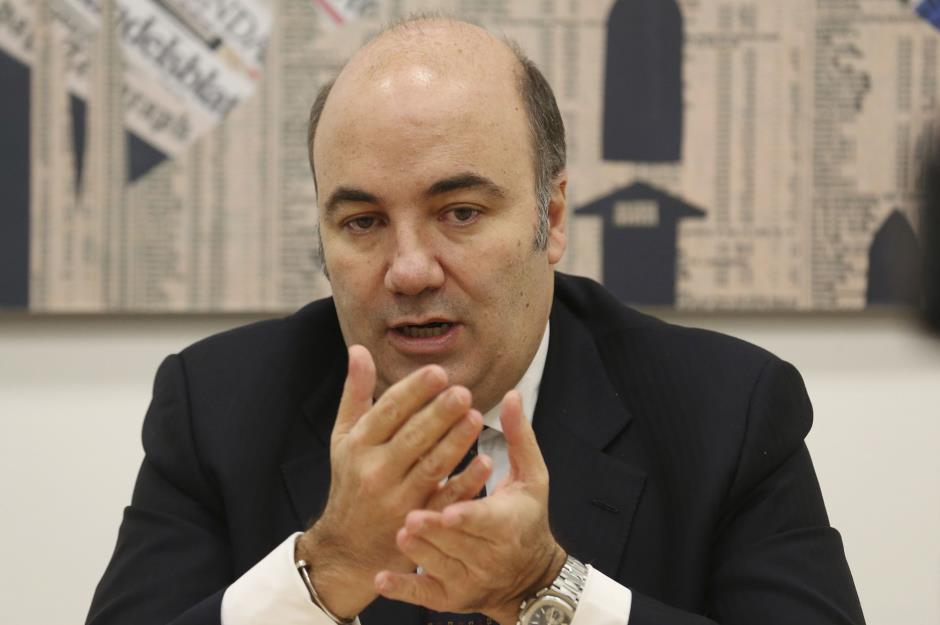
In the worst case scenario, an implosion at his bank could spread to other banks in Italy and elsewhere in the EU. If this comes to pass, the collapse of Monte dei Paschi would end up having a devastating impact on the personal finances of many Europeans. Global markets would also likely get the jitters.