Are we being ripped off? How bills compare across the UK, US, Canada and Australia
Comparing essential costs across four nations

Whenever household bills soar, politicians are quick to blame global factors, from wars to supply chain disruption. But do some countries have it worse than others?
We've compared the cost of basics across the UK, US, Canada and Australia to reveal who's paying the most, where costs have risen fastest and why. Read on to find out which nation is getting the rawest deal.
All dollar amounts in US dollars.
Groceries

Australians pay the most for groceries of the four countries, according to Numbeo's mid-2026 Groceries Index, scoring 82.2 against 76.4 for the US, 69.2 for Canada and 64.8 for the UK. The figures compare grocery prices using New York City as a benchmark of 100.
While Aussie shoppers contend with a supermarket duopoly, with Woolworths and Coles controlling much of the market, their British counterparts benefit from fierce competition among myriad chains.
Groceries

Yet being the cheapest doesn't mean escaping inflation. UK food prices have surged this decade.
The pressure has been international, with pandemic disruption, soaring energy costs, climate change and the wars in Ukraine and the Middle East largely to blame. Between 2019 and 2025, Britain's average annual food inflation stood at 5.43% compared to 4.53% in the US and 4.47% in Canada. While its prices are highest, Australia recorded the smallest increases, averaging 4% per year.
Sponsored Content
Electricity
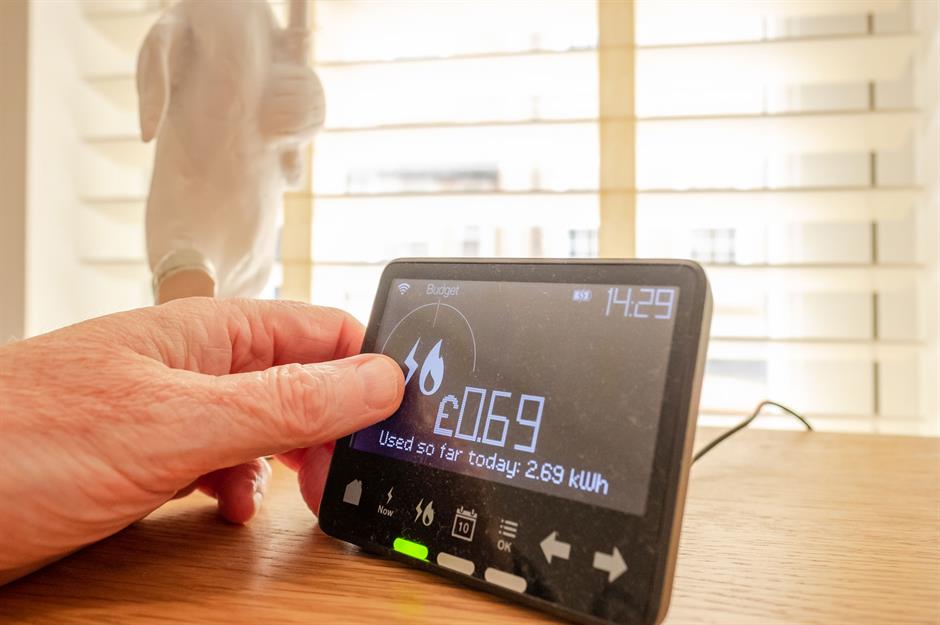
Brits pay much more for electricity than Australians, Americans and Canadians. According to GlobalPetrolPrices, residential electricity costs an average of 44 US cents (33p) per kilowatt-hour in March 2026, compared with 27 cents (20p) in Australia, 20 cents (15p) in the US and just 12 cents (9p) in Canada.
So why do Brits pay so much? The UK relies heavily on expensive natural gas, much of it imported, which often sets wholesale electricity prices even when cheaper renewables supply much of the power. Network charges and government levies push bills higher still.
Electricity

Electricity prices have spiked across all four countries since 2020. Britain has suffered particularly steep increases, with prices rising 55% between 2020 and 2025, compared with around 38% in the US.
Australia recorded a 23% hike between 2019/20 and 2024/25, excluding government rebates, while Canadian prices rose 16% between 2020 and 2024. Although the global energy crisis drove up costs everywhere, domestic energy policies, infrastructure costs and differing energy supplies have produced strikingly different outcomes.
Gas

Australians shell out the most for natural gas of the four countries, averaging 12 US cents (9p) per kilowatt-hour in March 2026, according to GlobalPetrolPrices. Britain follows at 9 cents (7p), while Americans pay just 5 cents (4p) and Canadians under 4 cents (3p).
Sponsored Content
Gas

Global prices for natural gas have rocketed over the past six years, but some nations have endured harsher rises than others. In the UK, household prices rose around 75% by 2025, despite retreating from their 2023 peak. American gas prices increased by roughly 50% over the same period.
Australian gas and household fuel prices jumped around 40%. Canada also experienced price volatility, although its bountiful domestic output has helped cushion households against the worst global shocks.
Petrol
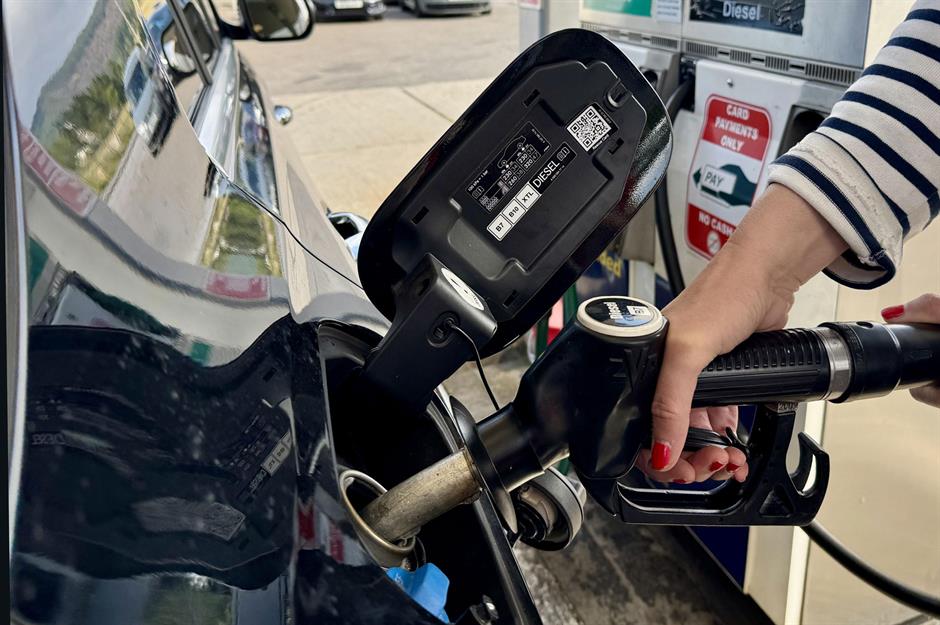
British motorists pay through the nose for petrol. As per GlobalPetrolPrices, a litre cost an average of $2.32 (£1.75) in early October 2026, compared with $1.60 (£1.21) in Australia, $1.45 (£1.09) in Canada and just $1.23 (93p) in the US.
Taxes explain much of the difference, with British drivers paying substantial fuel duty plus 20% VAT. Fuel taxes are also relatively high in Australia. They're less onerous in Canada and lighter still in the US.
Petrol
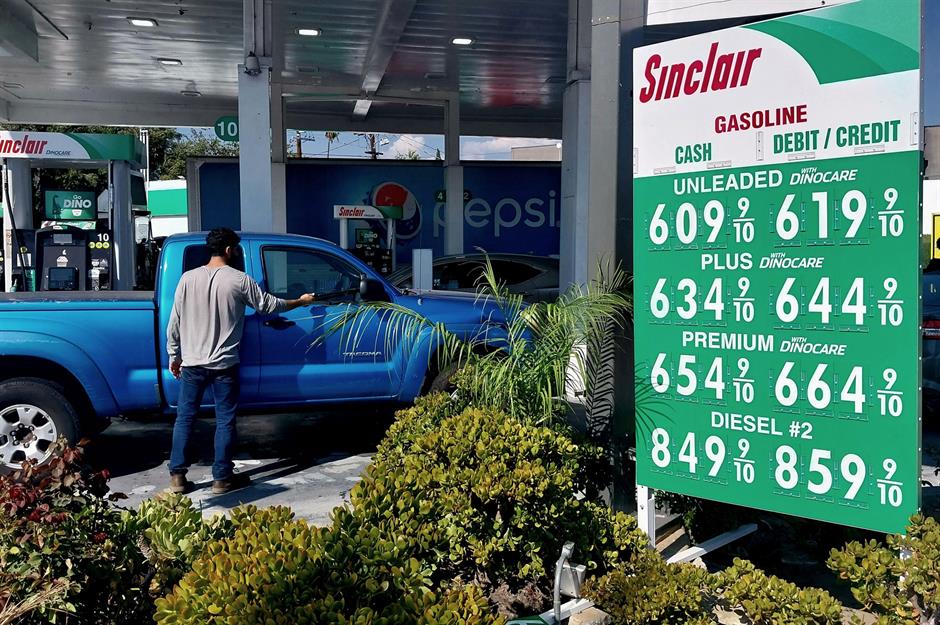
Petrol prices have risen sharply since 2020, although the increases vary considerably. Average US pump prices climbed 43% by 2025, compared with approximately 42% in Canada and just 18% in the UK, though prices were already substantially higher there, of course.
Australian petrol prices rose around 38% between 2020/21 and 2025. All four countries experienced dramatic spikes in 2022 following Russia's invasion of Ukraine and earlier this year due to the Iran war.
Sponsored Content
Rent
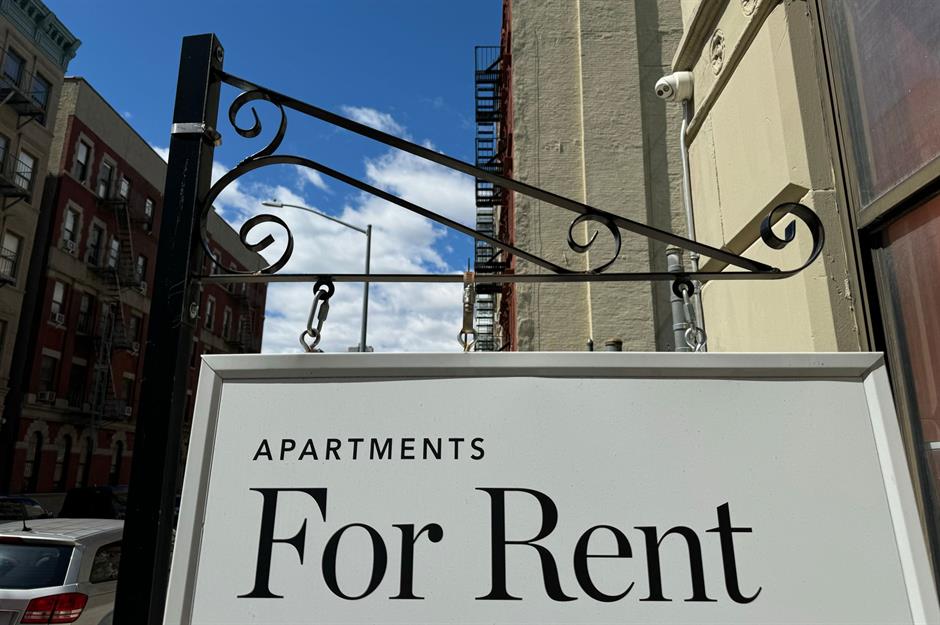
Americans pay the highest rents of the four countries, according to Numbeo's mid-2026 Rent Index, scoring 37.1 against 33.1 for Australia, 30.1 for the UK and 29.1 for Canada. Again, the index uses New York City as a benchmark of 100.
Be that as it may, national averages conceal enormous regional disparities. Rental costs are particularly punishing in cities such as New York, London, Sydney and Toronto, where demand for accommodation far exceeds the supply of affordable homes.
Liking this? Click the Like button above. And click the Follow button above for more great stories from loveMONEY
Rent

All four countries have seen escalating rental costs since the pandemic. Between 2020 and 2025, Canada recorded the biggest increase at 28.5%, followed by the US at 27.4% and the UK at 25.7%. Australian rents rose by around 23.9%.
Housing shortages, strong demand and insufficient construction have pushed rents higher, with immigration adding to pressures in some areas. Although rental inflation has since eased in several markets, tenants are still paying substantially more than before COVID-19.
Mortgages

Mortgage rates have shot up from their pandemic-era lows. In October 2026, the average US 30-year fixed rate reached 7.4%, while British five-year fixed deals averaged 6%. Australia's average rate on new home loans was 6.24% in August, against around 4% for Canadian mortgages fixed for three to five years.
Yet these aren't identical products. American borrowers can lock in rates for 30 years, while borrowers in the other three countries typically choose far shorter periods.
Sponsored Content
Mortgages

That's why higher interest rates haven't hit homeowners equally. The millions of Americans who secured cheap 30-year fixed mortgages before 2022 remain protected, while British, Canadian and Australian borrowers have been more exposed as short-term deals expire or variable rates rise.
The Bank of England expects nearly 750,000 households coming off mortgages fixed below 3% in 2026 to pay an average of $225 (£170) extra each month. In Canada, around 60% of mortgages were expected to renew during 2025 and 2026, often at higher rates.
Healthcare

Americans pay massively over the odds for healthcare. In 2025, employer-sponsored family insurance premiums averaged $26,993 (£20,381) annually, with workers contributing $6,850 (£5,172) and employers covering the rest. Deductibles, copays and other expenses can add many thousands more.
Canadians, Brits and Australians benefit from universal healthcare funded largely through taxation, while additional patient expenses are relatively modest. Healthcare accounts for 19% of government spending in Canada, 20% in the UK and 21% in Australia. Shockingly, despite its reliance on private insurance, the US government spends an even higher proportion on healthcare, at 23%.
Healthcare

In the US, a serious illness can spell financial ruin, even for insured patients. Americans owe at least $220 billion (£166bn) in medical debt, with unpaid bills often leading to bankruptcy. Such catastrophic expenses are virtually unheard of in Canada, the UK and Australia.
Americans also pay vastly more for prescription medicines. A major study found US drug prices averaged 2.78 times those in 33 other wealthy countries, with branded medications costing more than three times as much even after estimated rebates.
Sponsored Content
Public transport
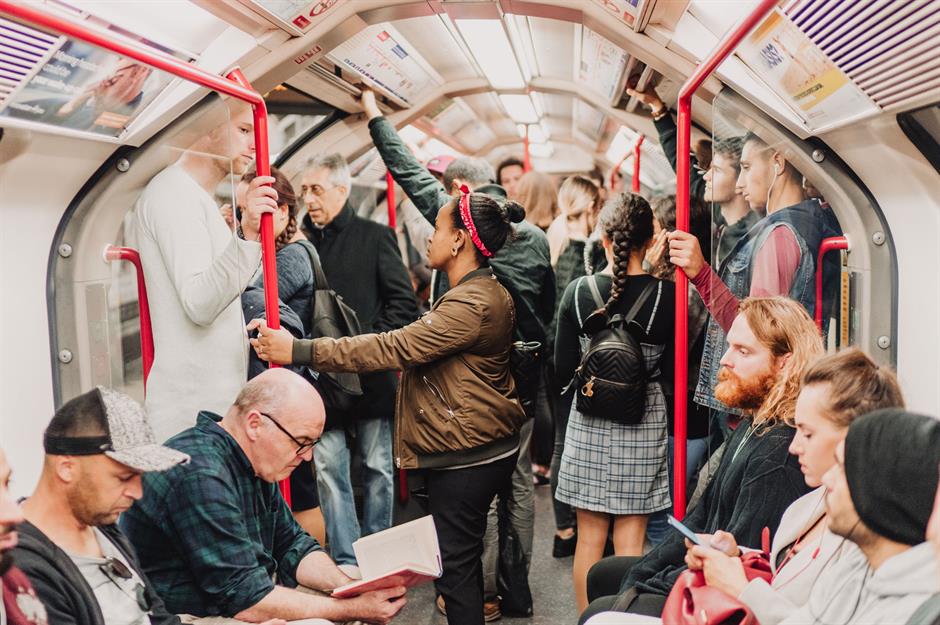
Public transport costs vary enormously, even within countries. In 2026, New Yorkers pay $3 (£2.27) for a subway or local bus journey, while a Toronto adult fare costs $2.32 (£1.75). Londoners pay $2.32 (£1.75) for a bus ride, but a peak-time Tube journey within Zone 1, using contactless or Oyster, costs a rather stiff $4.11 (£3.10).
Frequent travellers can save with passes and fare caps. Sydney's extensive public transport network has a weekly cap of $35 (£26.42) and New York also limits subway and local bus spending to $35 (£26.42) over seven days. London offers daily and weekly caps too.
Public transport

Public transport fares have risen unevenly since 2020. For example, a peak-time Zone 1 Tube journey in London has increased 29%, while New York's subway fare has climbed just 9%.
Sydney's weekly travel cap remains unchanged since 2020, while Toronto introduced automatic monthly fare capping in September, making regular journeys cheaper for frequent users.
Council and property taxes

American homeowners paid a median $3,211 (£2,425) in property taxes in 2024, although charges vary enormously between states. In Canada, a 2025 survey of Ontario municipalities found an average annual bill of $2,914 (£2,201) for a detached bungalow.
Looking at property taxes in the UK, average council tax or household rates range from $1,664 to $3,101 (£1,240 to £2,310) depending on where you live, while Australian council rates range from around $1,239 (£936) in Adelaide to $2,223 (£1,679) in Sydney. Unlike in the other three countries, British council tax is generally paid by occupants, including tenants.
Sponsored Content
Council and property taxes
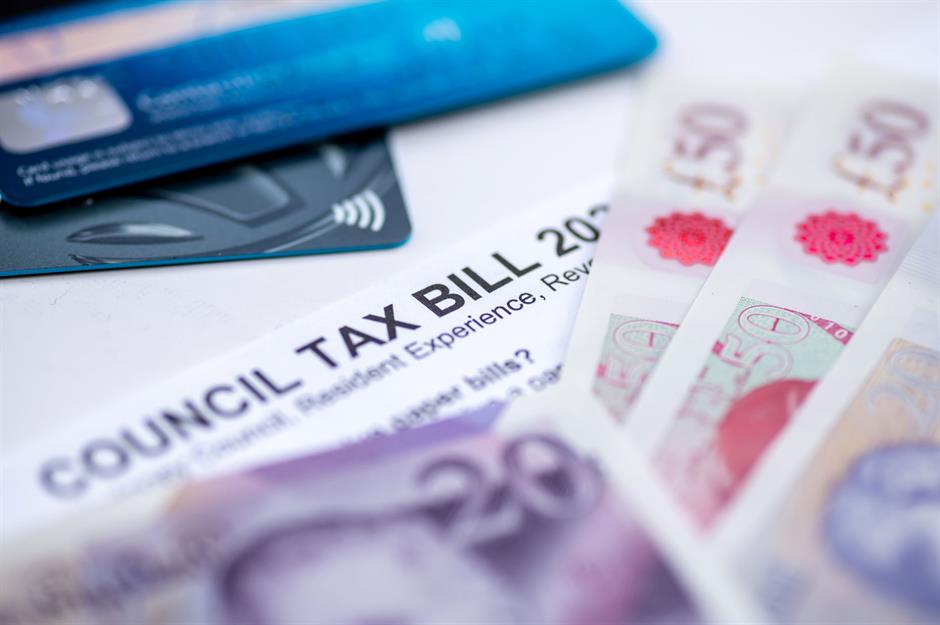
Council and property taxes have climbed by up to a third in the UK over the past six years. In the US, average property taxes on single-family homes increased 19% between 2020 and 2025.
Australia's property rates and charges jumped 24.6% over the same period, while Canada recorded a 23.4% increase. Rising costs of local services and infrastructure improvements have contributed to higher charges.
Water and sewerage

American households pay around $1,500 (£1,132) annually for water and sewerage, compared with Australia's national median of approximately $1,144 (£864) in 2024/25.
In Canada, a 2025 survey of municipalities puts typical annual charges at around $1,030 (£778), while households in the UK pay between $714 and $846 (£532 and £639) on average in 2026/27. Bills differ considerably within each country, reflecting water availability, infrastructure costs and local pricing policies.
Water and sewerage

The UK has seen sharp increase to water bills, with England and Wales in particular seeing annual hikes of up to 61% since 2020/21. Much of the rise is funding long-overdue infrastructure improvements, prompting anger over the huge debts and billions in dividends paid by privatised water companies despite years of underinvestment.
American water and sewerage bills rose 24% between 2019 and 2024, while Australia's published national median was 7.6% higher in 2024/25, however, the comparison includes newly reporting service providers. Canadian charges have also risen, although increases vary between municipalities.
Sponsored Content
Mobile phone plans

Americans pay the most for mobile phone plans, averaging $62 (£47.14) monthly for calls and at least 10GB of data, according to Numbeo's 2026 figures. Canadians pay $41.84 (£31.81), Australians $28.79 (£21.89) and Brits just $18.07 (£13.74).
The UK's ultra-competitive mobile market helps keep prices low, with budget providers challenging the major networks. Regulator Ofcom reports that the cost of a typical mobile service package fell 20% between 2020 and 2025, even as average data consumption more than doubled.
Broadband internet

Americans also pay the most for home broadband, averaging $73.49 (£55.91) monthly for unlimited internet at speeds of at least 60Mbps, as per the latest Numbeo data. Canadians typically part with $59.07 (£44.94) and Australians $58.05 (£44.16). Again, Brits get the best deals, with the UK average only $42.44 (£32.29).
As is the case with the nation's mobile phone companies, competition is extremely healthy among Britain's internet service providers, which keeps costs low for the public.
Gym memberships

Australians pay the most for gym memberships, averaging $53.57 (£40.73) a month, according to Numbeo's October 2026 figures. Brits typically spend $45.74 (£34.78), Americans $45.22 (£34.38) and Canadians $40.26 (£30.61).
However, no-frills budget gyms can offer significant savings, while premium clubs charge considerably more. Location matters too, with memberships in major cities often costing substantially more than national averages suggest.
Sponsored Content
University tuition

University is most expensive for Americans, with annual tuition averaging $11,950 (£9,025) at public four-year colleges in 2025/26, soaring to $45,000 (£33,982) at private non-profit institutions. In the UK, the annual cap varies significantly based on where you live and your eligibility, but generally only goes as high as $12,964 (£9,790) in 2026/27.
Canadian undergraduates pay an average of $5,626 (£4,249), while Australia's subsidised tuition ranges from around $3,304 (£2,495) to $12,134 (£9,163), depending on the subject. Student loans ease upfront costs in Britain and Australia, while eligible Scottish students studying in Scotland actually pay nothing.
Tax on earnings
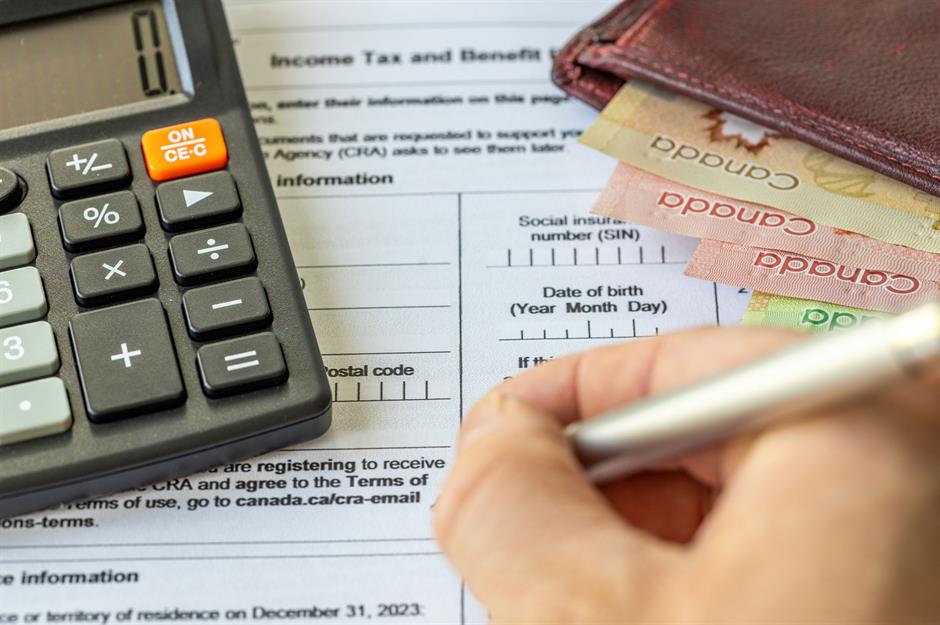
Canadians pay the most tax on their earnings of the four countries, according to OECD data. In 2025, a single person earning the average national salary paid 25.6% in income tax and compulsory employee contributions, compared with 24.3% in the US, 23.5% in Australia and 23.1% in the UK.
These figures exclude employer contributions, VAT, sales taxes and property taxes. They also don't account for the public services taxpayers receive, including healthcare.
Overall tax burden

Including income taxes, social contributions, corporate taxes, VAT or sales taxes and property taxes can paint a very different picture. However, Canada remains the most heavily taxed of the four countries. The OECD's 2025 Revenue Statistics put its overall tax take at 34.9% of GDP in 2024, followed by the UK at 34.4%, Australia at 29.9% in 2023 and the US at 25.6% in 2024.
Still, these percentages measure taxation across entire economies, not individual tax bills. America's comparatively low tax take also comes with substantial private healthcare costs, while the other three countries fund universal healthcare largely through taxation.
Sponsored Content
Are you really being ripped off?

Every country has its pros and cons. Brits save thanks to fierce competition in supermarkets and telecoms, although petrol and electricity are comparatively expensive.
Americans enjoy low taxes overall and cheap petrol, yet broadband and mobile phone plans are pricey in the country. So too are rent and water bills, while healthcare and university tuition fees can be exorbitant.
Are you really being ripped off?

Canadians benefit from relatively cheap energy and reasonable rental costs, although the nation also has the largest relative tax take of the four.
Australians can count on comparatively affordable university tuition, but they pay dearly for groceries and gym memberships. Ultimately, all four countries have their fair share of rip-offs, with global pressures only explaining part of the problem.
Liked this? Click the Like button above. And click the Follow button above for more great stories from loveMONEY
Now read about the most expensive countries to live and work abroad