Genesis rich list 2026: ranking the net worth of Phil Collins, Mike Rutherford and more
The prog-rock pioneers' fortunes, ranked
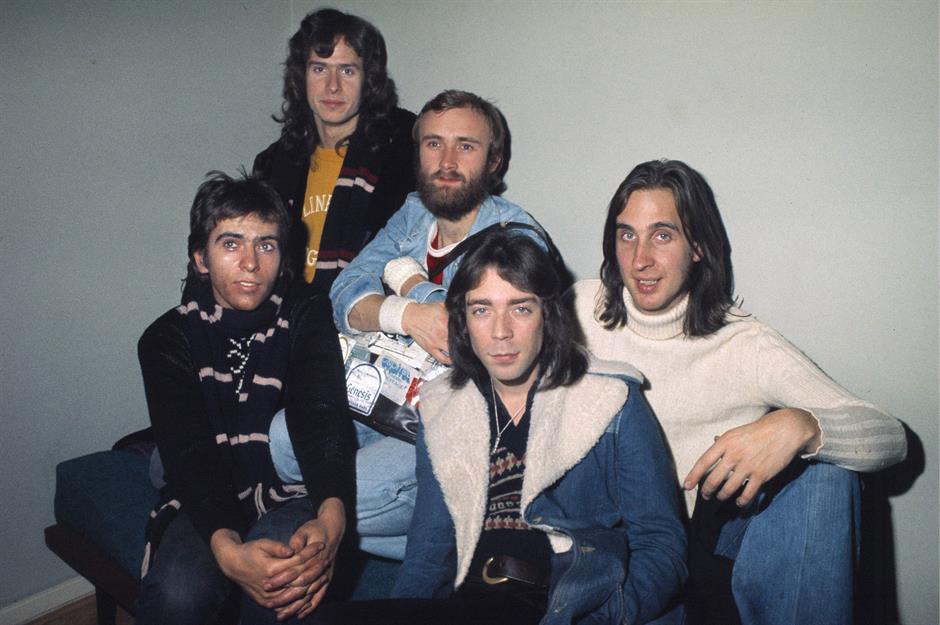
Formed in 1967, Genesis evolved from progressive rock trailblazers into one of the world's biggest bands. With frontman Peter Gabriel, they created ambitious works, including the 23-minute masterpiece Supper's Ready and the intricate Firth of Fifth.
After Gabriel's departure, Phil Collins took over as lead singer, and Genesis embraced a more accessible sound, scoring huge hits with songs such as Turn It On Again and Invisible Touch. Several members also achieved enormous success outside the band, most notably Gabriel and Collins as solo artists, and Rutherford with Mike + the Mechanics.
Read on to discover how much Genesis' members are worth, with wealth estimates courtesy of Celebrity Net Worth.
All dollar amounts in US dollars
The richest almost-Genesis stars
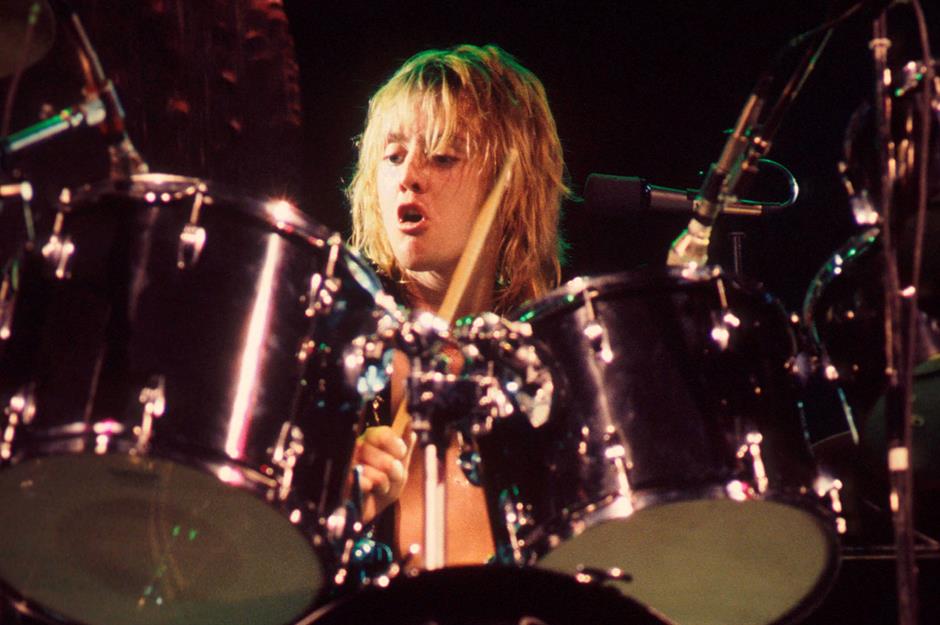
Queen drummer Roger Taylor (pictured), who is currently worth an estimated $250 million (£185m), nearly joined Genesis after John Mayhew left in 1970, but declined, later admitting their music was “a bit too prog” for him. He did finally play with Genesis in 1993 at the Cowdray Ruins charity concert in West Sussex.
Yes and King Crimson drummer Bill Bruford went further still, touring with Genesis for around six months in 1976, although he was never an official member and regarded himself as a temporary “hired gun”. His net worth is pegged at $10 million (£7.4m).
Chris Stewart: no reliable estimate

Genesis was formed at Charterhouse, the prestigious private school in Surrey, in 1967 by Peter Gabriel, Tony Banks, Mike Rutherford, Anthony Phillips and Chris Stewart. Genesis' original drummer, Stewart was ousted in 1968 after the band's producer questioned his ability, while his parents wouldn't let him leave school to pursue music.
Stewart went on to join a circus, co-write the first edition of The Rough Guide to China, earn a pilot's licence and study French cuisine. He later settled on a farm in Andalusia and became a bestselling author with his 1999 memoir Driving Over Lemons, which has spawned several sequels.
Sponsored Content
John Silver: no reliable estimate

John Silver replaced Chris Stewart as Genesis' drummer in 1968 and played on the band's debut album From Genesis to Revelation. His tenure was short-lived: Silver left in August 1969 and was succeeded by John Mayhew.
Unlike many of his former bandmates, he faded from the public eye after leaving Genesis to study at Cornell University in the US. Although he remained on friendly terms with the band and inspired Anthony Phillips' Silver Song, his later career is something of a mystery.
Anthony Phillips: no reliable estimate
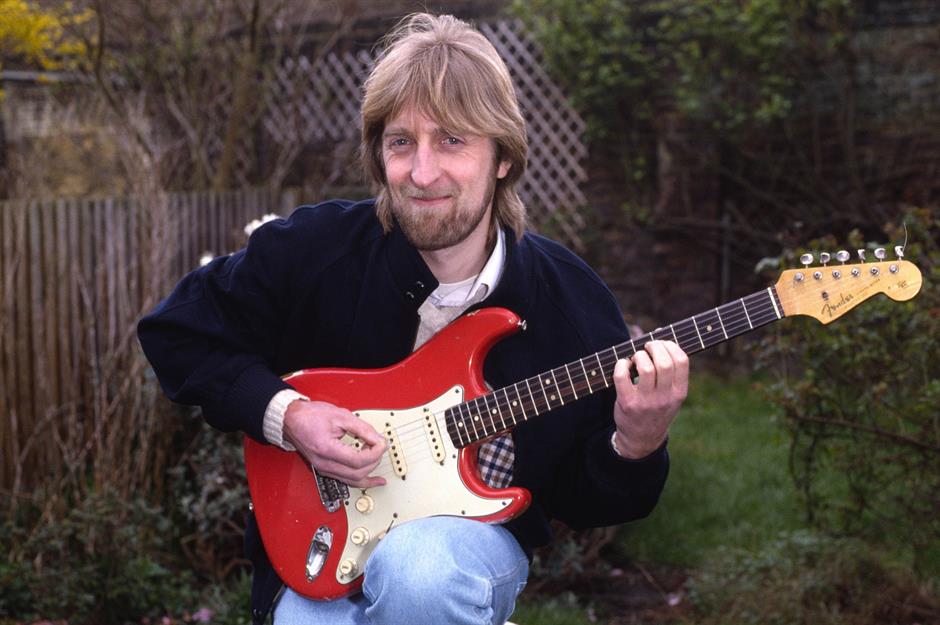
Founding guitarist Anthony Phillips helped shape Genesis' early sound, appearing on From Genesis to Revelation and the second album Trespass, and co-writing much of the band's early material with Mike Rutherford.
Severe stage fright, chronic bronchitis and doubts about the band's musical direction prompted him to leave in 1970, a departure that deeply shook Genesis. Phillips went on to release numerous solo albums and has built a long career composing library and TV music, including work for wildlife documentaries.
John Mayhew: no reliable estimate
John Mayhew became Genesis' third drummer in August 1969 and played on Trespass. When Anthony Phillips left the following year, Mayhew was also asked to go, later admitting he “technically wasn't good enough” for the increasingly complex music. He subsequently played in bands across Europe before moving to New Zealand and Australia, eventually giving up drumming to make furniture.
Mayhew later received royalties from Genesis reissues and briefly re-entered the spotlight at fan conventions. He died in 2009, aged 61.
Sponsored Content
Mick Barnard: no reliable estimate

Following Anthony Phillips' departure in 1970, Mick Barnard joined Genesis as a temporary replacement guitarist. He played around 30 concerts with the band, including a show at London's legendary Marquee Club, and appeared on the BBC programme Disco 2, although the footage is now lost. Barnard never featured on a released Genesis recording.
His stint ended in January 1971 when Steve Hackett replaced him. Barnard then forged a successful career in audio engineering, founding Bel Digital Audio in 1975.
Ray Wilson: $3 million (£2.2m)
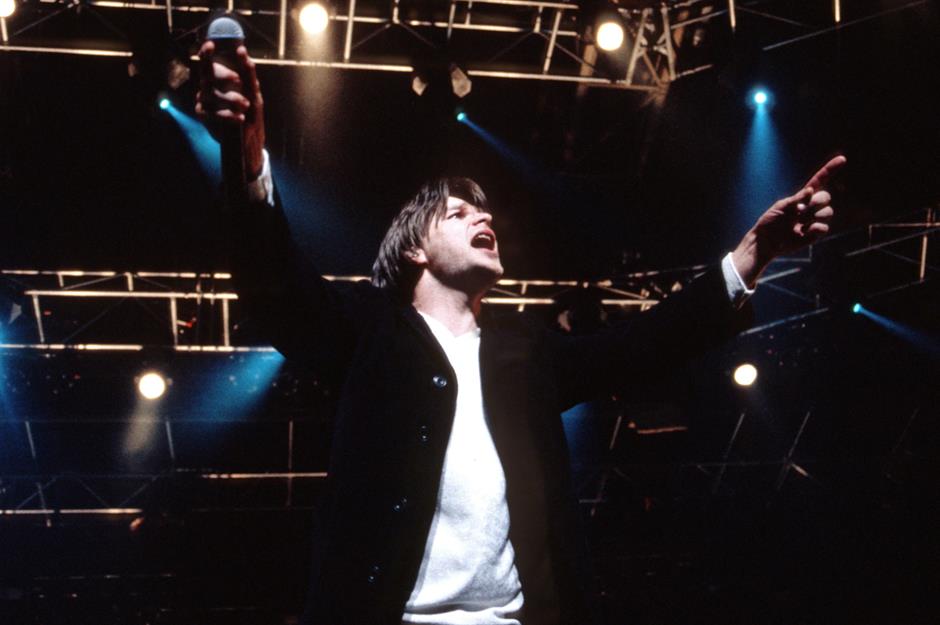
Scottish singer Ray Wilson faced the daunting task of replacing Phil Collins when he joined Genesis in 1996. Previously the frontman of Stiltskin, Wilson recorded just one album with the band, 1997's Calling All Stations.
While it sold reasonably well in Europe, weak US demand led to the cancellation of a planned tour, and Wilson was dropped. He has since built a formidable solo career and continues to tour extensively.
Steve Hackett: $20 million (£14.8m)
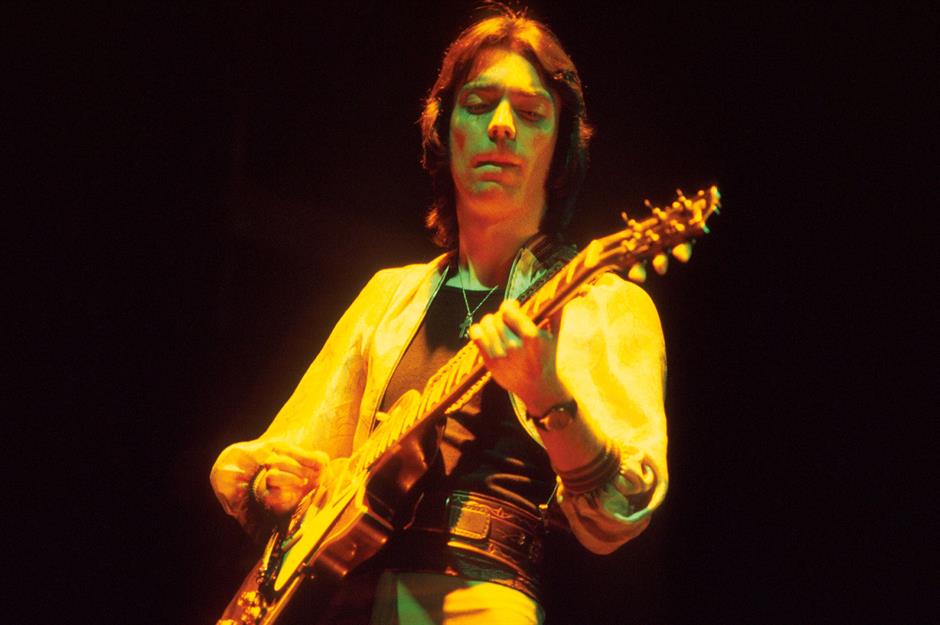
After Mick Barnard's brief stint, Steve Hackett joined Genesis in 1971 and became a key member of the band's classic prog-era line-up, playing on albums from Nursery Cryme to Wind & Wuthering. Frustrated by what he felt was a lack of creative freedom and input, Hackett left in 1977. He'd already launched a solo career with Voyage of the Acolyte two years earlier and has remained prolific ever since.
Hackett still tours regularly, mixing Genesis classics with his own material, and released The Circus and the Nightwhale in 2024.
Sponsored Content
Peter Gabriel: $95 million (£70.1m)
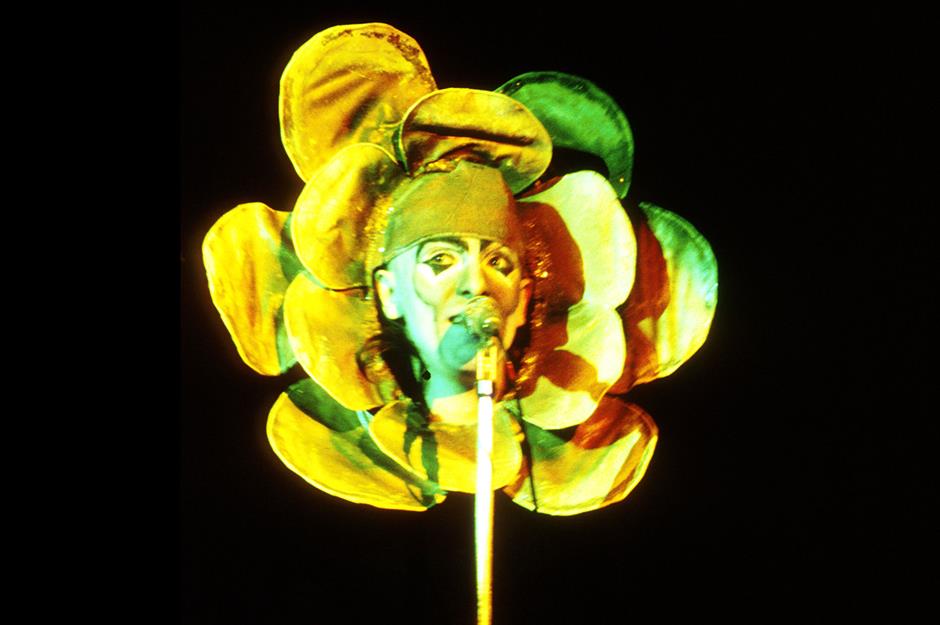
As Genesis' original frontman, Peter Gabriel helped define the band's early prog-rock era, combining distinctive vocals with increasingly theatrical stage performances and flamboyant costumes. He sang on landmark albums including Foxtrot, Selling England by the Pound and The Lamb Lies Down on Broadway before leaving in 1975.
Gabriel has gone on to enjoy an enormously successful solo career, with 1986's So becoming his commercial breakthrough and Sledgehammer reaching number one in the US. His ventures have also included the WOMAD festival, Real World Records and music tech businesses.
Tony Banks: $100 million (£73.8m)
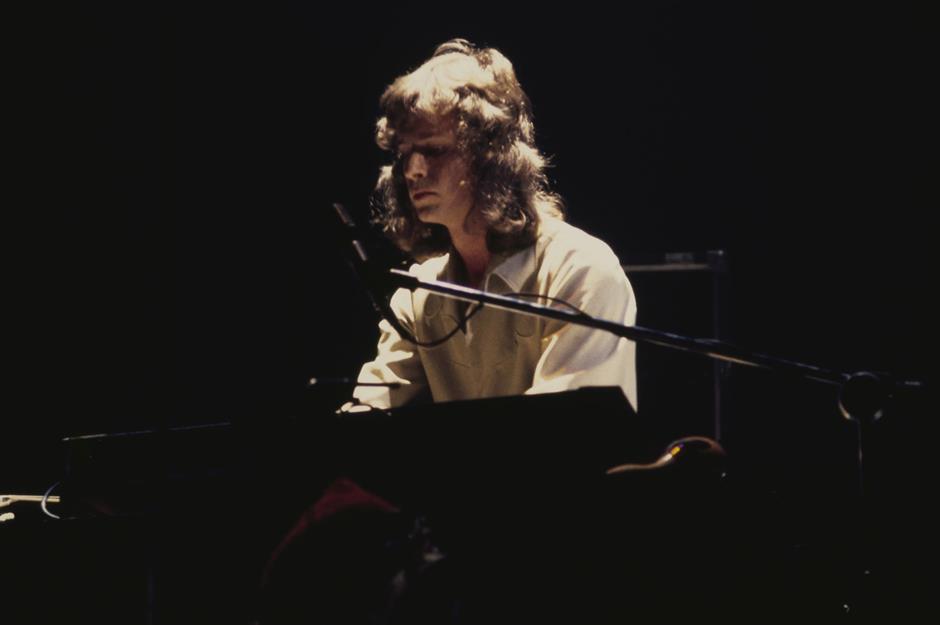
As Genesis' keyboardist and one of its principal songwriters, Tony Banks has been central to the band since its formation in 1967, appearing on every studio album alongside Mike Rutherford. His intricate playing helped define the group's prog era, and he also contributed to later hits including Turn It On Again and Mama.
Banks has released several solo albums and composed orchestral and film music. In 2022, he, Rutherford and Phil Collins sold a package of music rights to Concord in a reported $300 million (£222m) deal.
Mike Rutherford: $120 million (£88.6m)
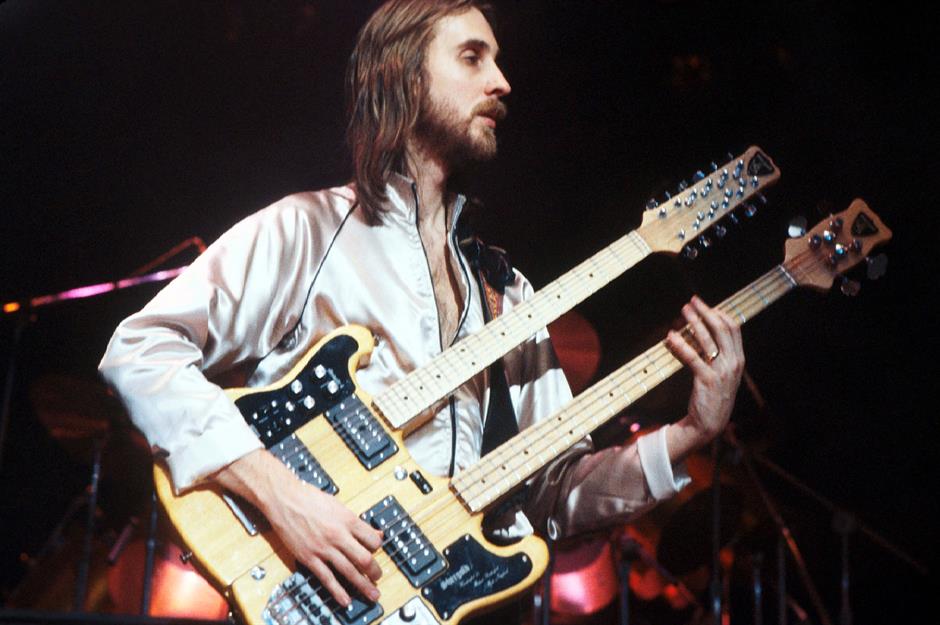
Mike Rutherford's contribution to Genesis extended well beyond his work on bass and guitar, as he also played a major role in the band's songwriting. His credits include Follow You Follow Me, Land of Confusion and Throwing It All Away.
Outside Genesis, he found further success with Mike + the Mechanics, scoring hits such as Silent Running and The Living Years. Genesis' hugely lucrative The Last Domino? Tour provided another major payday in 2021 and 2022, while that year's rights sale gave his wealth yet another massive boost.
Sponsored Content
1. Phil Collins: $350 million (£258m)
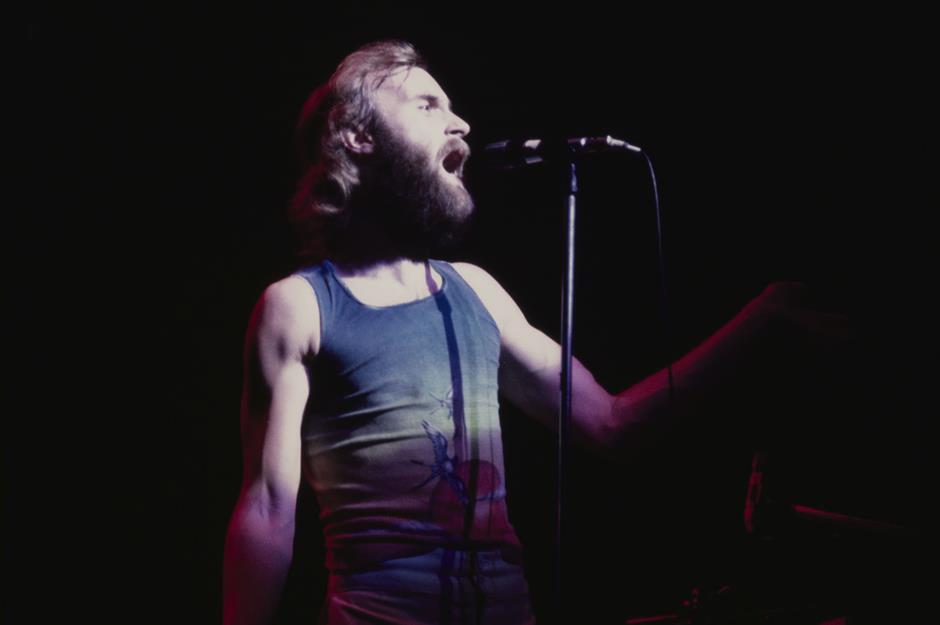
After joining Genesis as drummer in 1970, Phil Collins became frontman following Peter Gabriel's exit, helping propel the band to even greater commercial heights. His parallel solo career has been nothing short of phenomenal: In the Air Tonight, Against All Odds and Another Day in Paradise became signature hits, with blockbuster duets such as Easy Lover and Separate Lives adding to his immense success.
Collins also starred in 1988's Buster and won an Oscar for You'll Be in My Heart from the 1999 movie Tarzan. Away from showbiz, his three divorces have reportedly cost him a combined $84 million (£62.1m).
Now discover how rich the members of the Eagles are today