10 countries attracting the super-rich... and 10 that risk losing them
Tracking the movements of the super-rich

Research suggests the super-rich are more mobile than ever, with citizenship schemes, open economies and political and economic stability shaping where wealthy individuals and families live, work and invest.
Each year, residency firm Henley & Partners produces The Henley Private Wealth Migration Report, which reveals how high net worth individuals (HNWIs) are relocating and how successful countries are in attracting or retaining them. Each nation featured in the report receives a Wealth Mobility Competitiveness score of between zero and one hundred, driven by factors such as tax treatment, citizenship pathways and geopolitical stability. The higher the score, the more likely a nation is to attract wealth
Read on to discover 10 destinations attracting the world's financial elite, and 10 that are losing their shine.
All dollar amounts in US dollars.
Costa Rica: 70.2
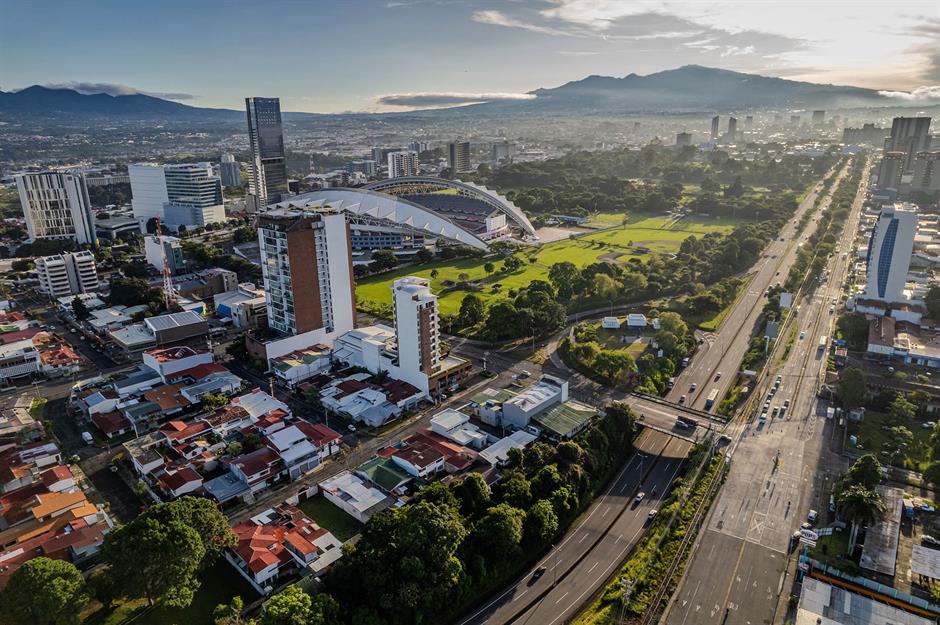
Costa Rica secures a Wealth Mobility Competitiveness score of 70.2, with the Latin American nation's political stability, favourable tax setup and quality of life increasingly attracting wealthy North American and European families.
Costa Rica also offers one of the most accessible residence-by-investment pathways in the region, with a minimum investment of $150,000 (£115k) in assets such as real estate or shares in a national company, providing a low barrier to entry for the world's mobile wealthy.
Greece: 70.5

When you consider that most millionaires move to countries with strong economies, Greece might seem an unorthodox choice. Snowballing debt and subsequent austerity measures have plagued the country since 2007, while the nation still has the world's seventh-highest debt-to-GDP ratio, according to data shared by World Population Review.
But the European country has risen in popularity among the super-rich thanks to its Greece Golden Visa Programme. Open to non-EU citizens, the programme offers residency in exchange for significant Greek investment. This could take the form of buying property worth at least €250,000 ($275k/£210k), or investing at least €500,000 ($550k/£420k) in government bonds or businesses. The country has also benefited from the tightening of similar schemes elsewhere in Europe.
Sponsored Content
Switzerland: 70.8
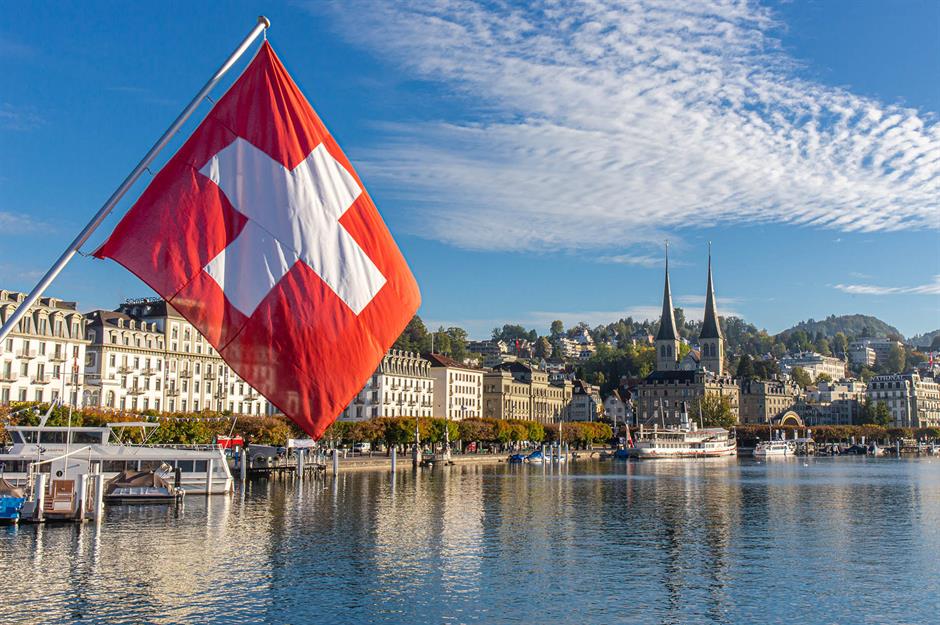
Swiss millionaires enjoy a high quality of life, a flourishing financial sector, and beneficial tax laws that contribute to the nation's reputation as a tax haven. In fact, the nation has long been a destination for migrating HNWIs.
Henley & Partners suggests Switzerland is benefiting from rising demand for stability and wealth protection in the face of global geopolitical instability.
Italy: 72.3

Italy's tax regime is highly favourable to the super-rich. The country offers an annual tax of €300,000 ($330k/£250k) for certain residents who earn their money overseas, a flat rate that enables some wealthy migrants to avoid ordinary yearly tax rates (which would probably work out more expensive). It also boasts a favourable inheritance framework and access to the all-important EU market.
Add to this Italy's high quality of life, excellent weather and world-famous cuisine, and it's easy to see why so many millionaires are drawn to its shores.
Portugal: 72.5

Dubbed 'the Florida of Europe' by some, Portugal has much to offer incoming millionaires, from a mild climate to low consumer prices.
The nation has made changes to its Golden Residence Permit Programme, meaning potential migrants can no longer qualify for the visa by investing in real estate or real estate-related funds. But the programme – which is mainly targeted towards non-EU citizens and has been popular with HNWIs from the USA, China, Brazil, South Africa, Türkiye and Russia over the years – is still a draw, with migrants required to invest a minimum of just €250,000 ($275k/£210k) to qualify.
Sponsored Content
The Netherlands: 72.8
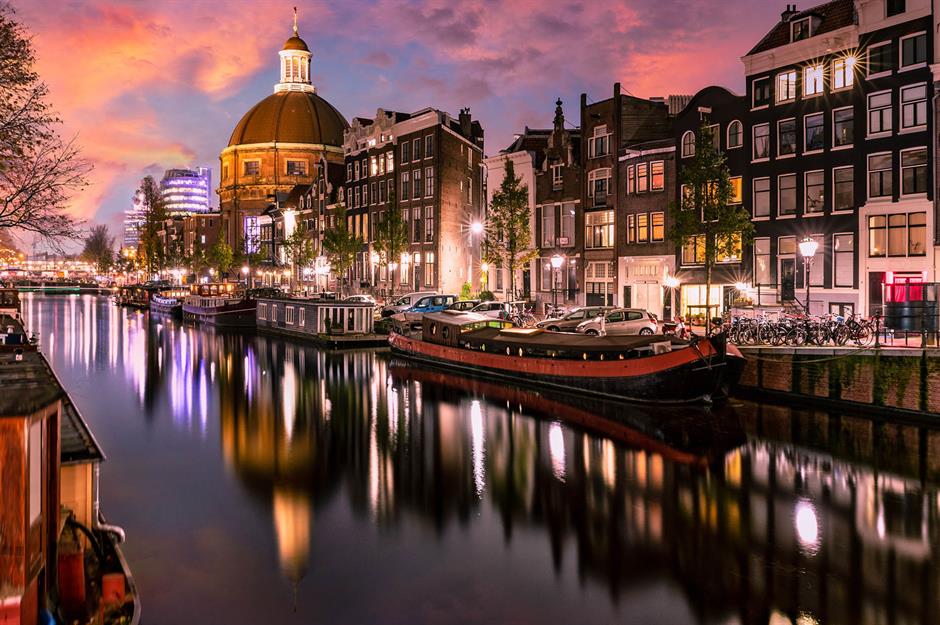
The Netherlands is awarded the second-highest Wealth Mobility Competitiveness score in Europe, with its stable institutions and strong international connectivity making it a favourable destination for the world's migrating super-rich.
The country's strategic positioning within the EU is also a boon, with a strong reputation in innovation and technology an attraction for entrepreneurs.
Cyprus: 73.5
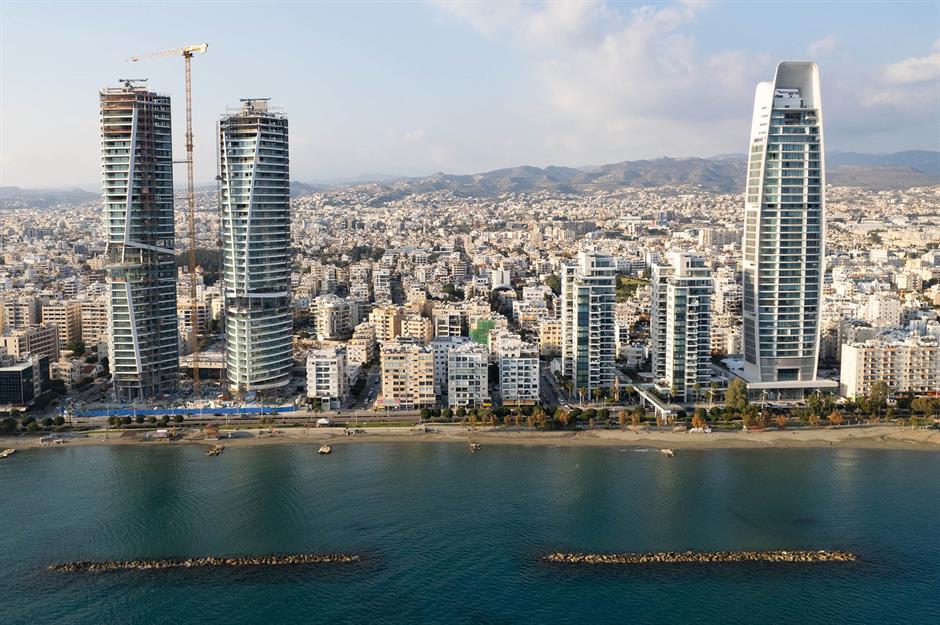
Edging out the Netherlands as the leading European nation is Cyprus, and it's easy to see why. The nation boasts favourable tax rules, property protections and a range of flexible residency options.
Its location also helps. Strategically placed between Europe, the Middle East and Africa, the Mediterranean nation has a business-friendly reputation and an enviable quality of life.
Cayman Islands: 74.3
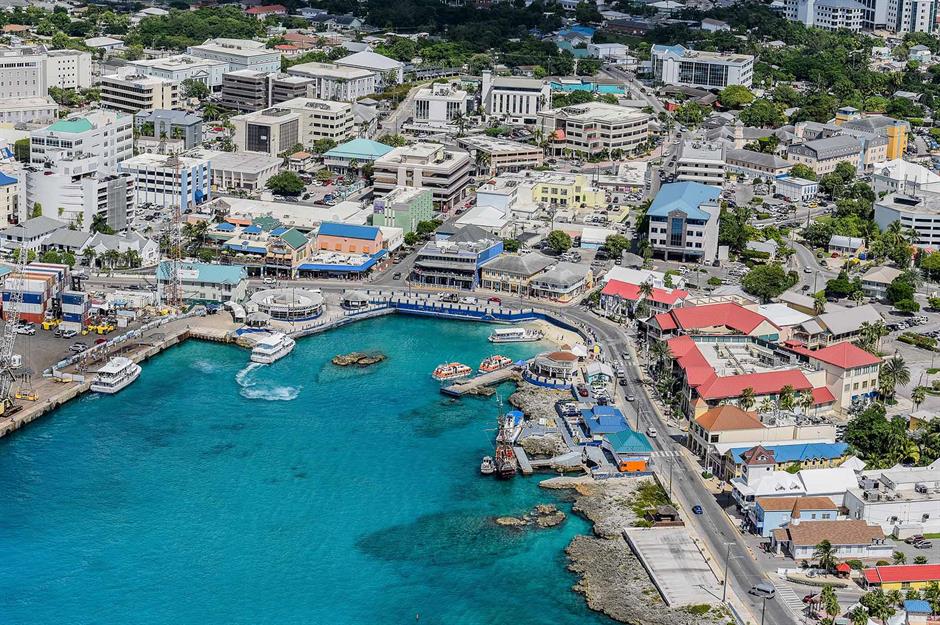
Amid growing global uncertainty, it's little surprise that the Cayman Islands rank close to the top of the Wealth Mobility Competitiveness chart. Its tax-neutral environment and reputation as a major financial hub have long attracted the super-rich to its shores.
Henley & Partners highlights its wealth preservation infrastructure, something not lost on the world's wealthiest people as they look for a safe haven for their substantial fortunes.
Sponsored Content
New Zealand: 75.8
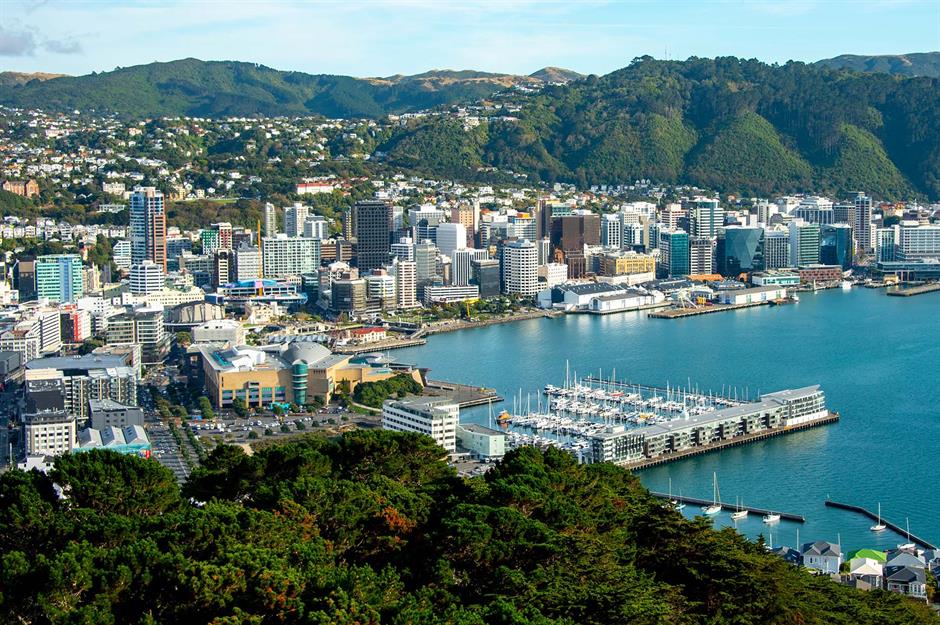
New Zealand is drawing renewed investor interest after relaunching its Active Investor Plus Visa Programme, which offers wealthy families an accelerated path to permanent citizenship, far away from geopolitical flashpoints.
A stable legal and regulatory environment is also a draw, while the country consistently ranks in the top 10 globally when it comes to quality of life.
Singapore: 79.5
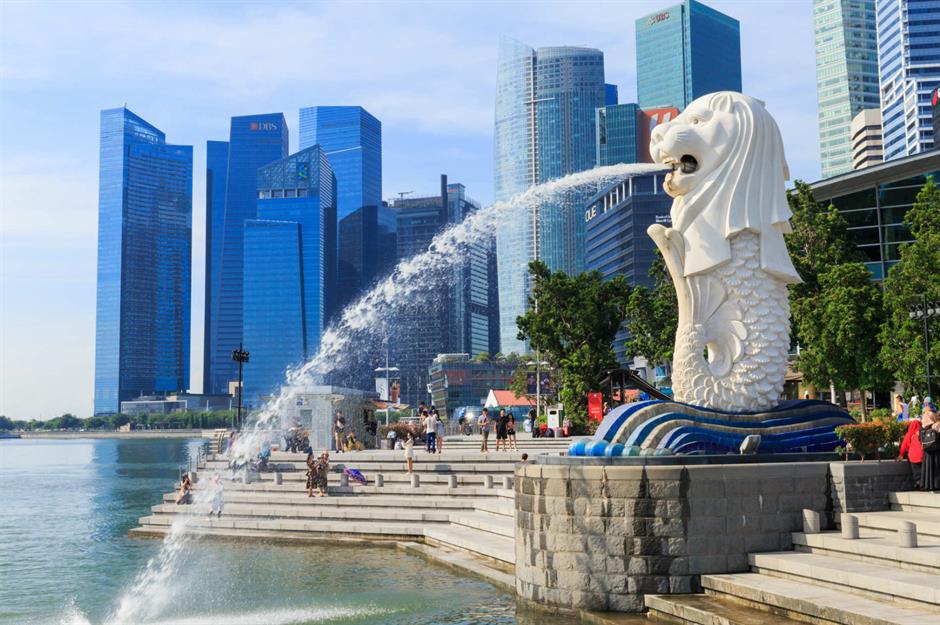
Singapore, often dubbed the 'Switzerland of the East', has many draws. It's close enough to China to do business but distant enough to avoid the country's authorities, something increasingly difficult to do in Hong Kong. (In fact, it's widely considered one of the most business-friendly cities in the world.)
The city-state has one of the planet's most sophisticated wealth management ecosystems, and Henley & Partners has also previously noted that Singapore is the fastest-growing family office hub, mainly thanks to the city's lack of a capital gains tax.
Which countries risk losing their super-rich residents?

For the following 10 countries, it's a different story. From historic millionaire hubs to nations hit with sanctions, many places are losing their super-rich – and it's not just a reflection of the whims of the wealthy.
Factors such as security, taxes, and geopolitics can all encourage millionaires to migrate, and the next 10 nations face pressure on their reputation as leading global wealth hubs...
Sponsored Content
Germany: 69.7
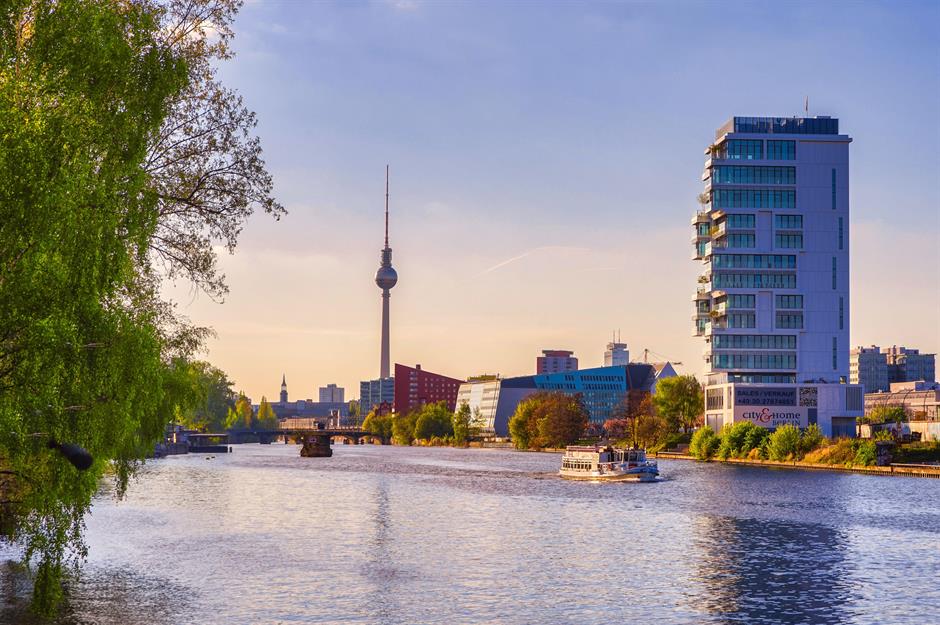
Europe's largest economy has long been home to a substantial number of HNWIs, attracted by Germany's stable institutions and strong industrial base. However, there are indications that Germany's competitiveness is under pressure.
Renewed wealth-tax debates and proposed exit-tax changes, coupled with concerns over Germany's long-term competitiveness, are prompting some of the country's wealthiest citizens to explore more favourable tax alternatives in Europe and beyond.
Norway: 69.0
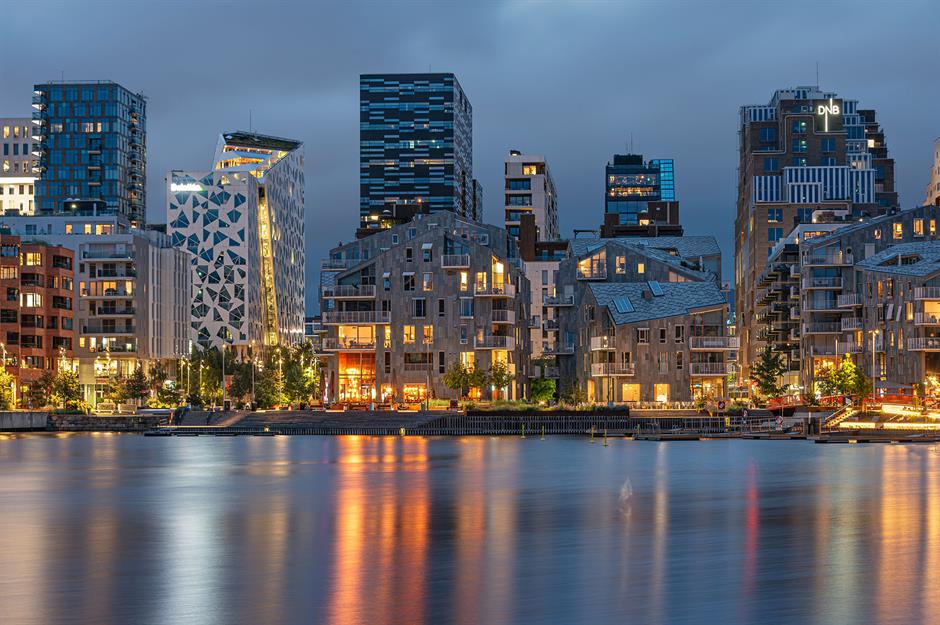
Norway's stable governance and high quality of life remain compelling reasons for its richest residents to stay. But, as in Germany, HNWIs are increasingly looking elsewhere.
Increases to the country's wealth tax have reportedly driven hundreds of millionaires abroad, and a subsequent tightening of exit tax rules has exacerbated the problem.
United Kingdom: 68.3
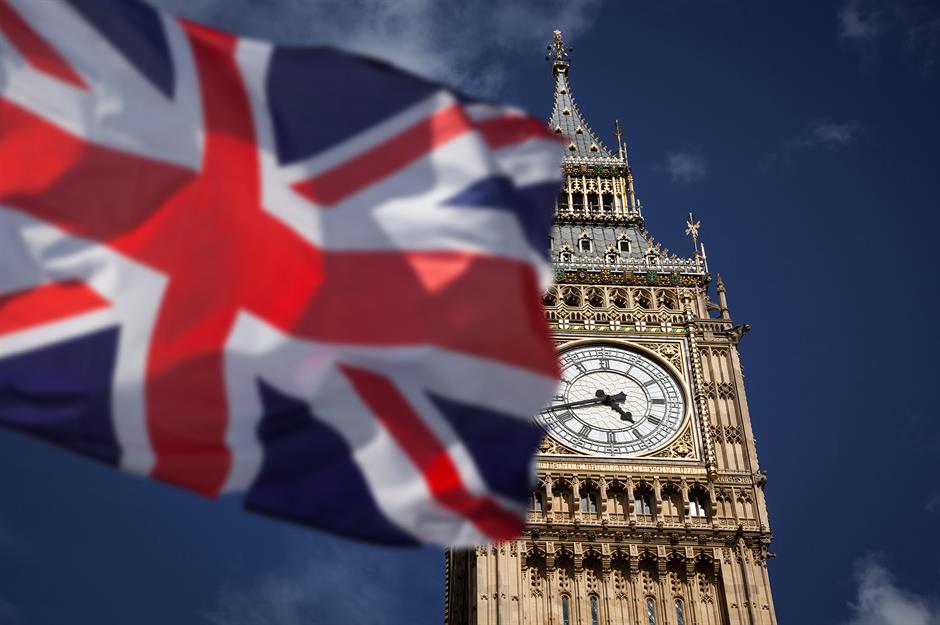
It's worse news in the UK. While the nation has been on the receiving end of HNWIs over the past 30 years, 2017 was the first time it saw a large number of its super-rich wave goodbye, a trend undoubtedly sparked by Brexit. In 2022, the nation also lost a significant number of its Russian billionaires – including Roman Abramovich – as the West hit wealthy oligarchs with sanctions.
The UK's non-dom regime has been replaced by a residence-based tax system, while higher capital gains tax and increased exposure to inheritance tax are increasingly seen as factors in wealth migration from the country.
Sponsored Content
South Korea: 66.2
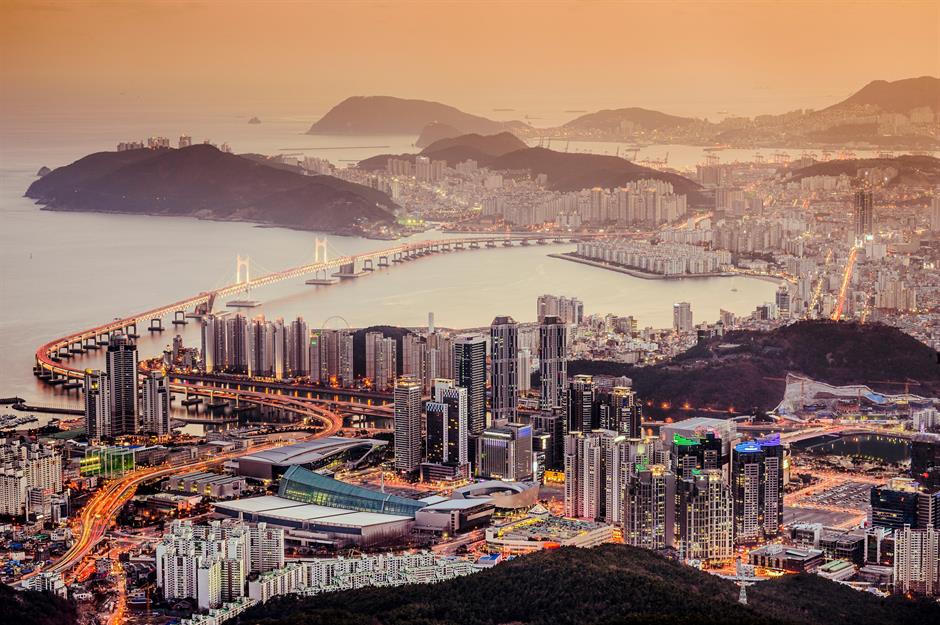
South Korea has seen a decline in its millionaire population in recent years, though some analysis suggests this trend is a case of 'carrot over stick'. Instead of being forced to leave by unfavourable conditions in their home country, a growing number of South Koreans have simply become rich enough to leave, typically choosing Western nations with better opportunities and stronger global connections.
Henley & Partners also notes that the nation has one of the highest inheritance tax burdens in the OECD, with founder families increasingly considering options abroad.
France: 65.7
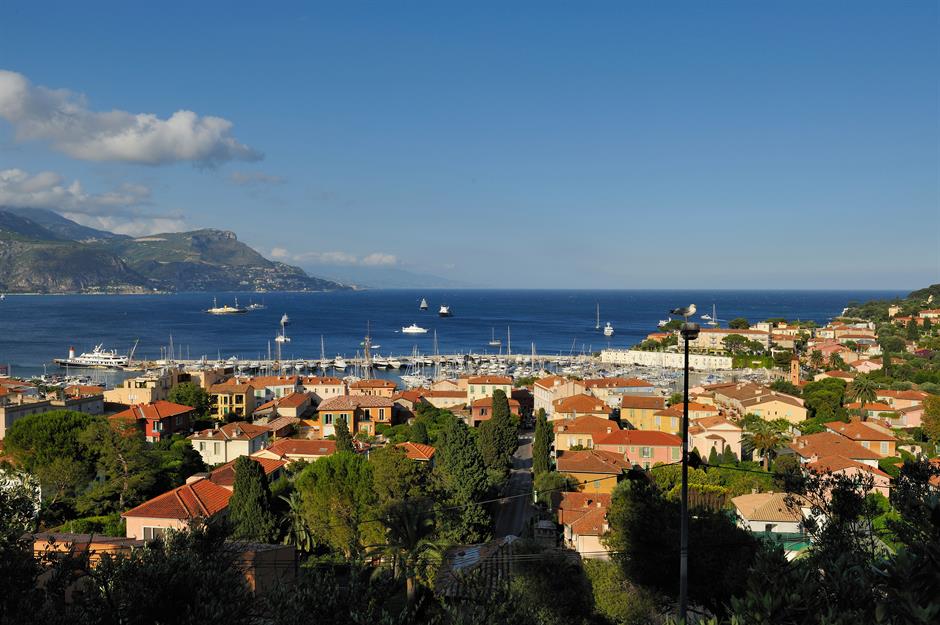
Political instability in France, which has seen multiple prime ministers in recent years, has been widely cited as a reason for the country's declining attractiveness to the world's super-rich. Add to this ballooning public debt and a downgraded credit rating, and it's perhaps easy to see why French millionaires feel their money might be safer elsewhere.
As in Germany, wealth tax debates and subsequent exit-tax reforms can't be ruled out as potential push factors.
Brazil: 64.2
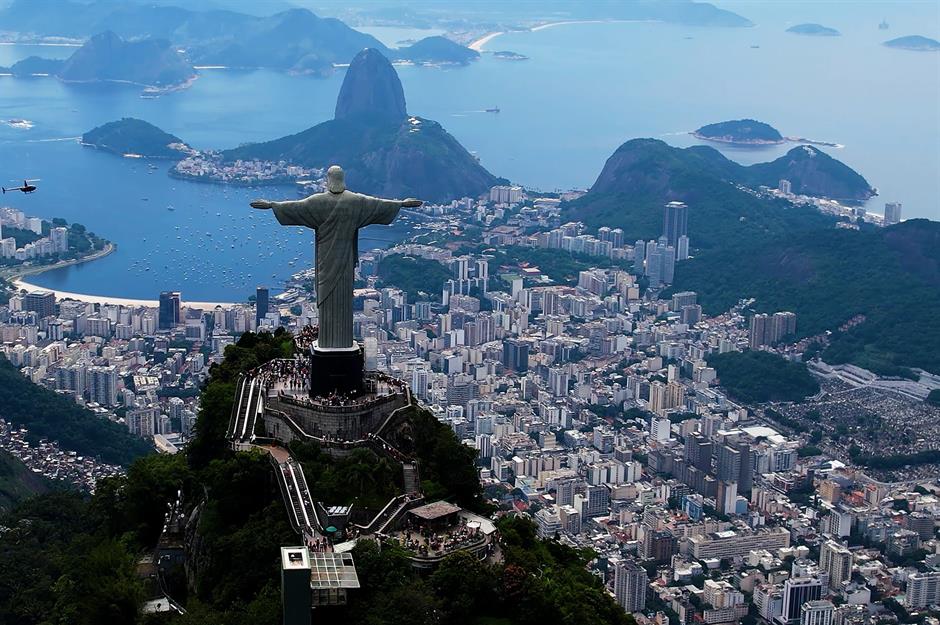
Brazil is still feeling the after-effects of political turmoil. In 2016, President Dilma Rousseff's impeachment and the Petrobras corruption scandal chipped away at confidence in the country's institutions, while Jair Bolsonaro's rule was equally tainted by graft allegations.
The situation improved with the re-election of Luiz Inácio Lula da Silva and his subsequent re-election in the face of a Bolsonaro challenge, but political and economic uncertainty, fears over crime and desire for a better quality of life continue to drive HNWIs from the country.
Sponsored Content
USA: 62.3

America boasts more millionaires and billionaires than any other country, with more being minted every day, but the country is one of the largest sources of outbound migration enquiries received by Henley & Partners.
The Henley Private Wealth Migration Report suggests a paradox is at play: wealthy individuals are still drawn to the country for its ample opportunities, while existing residents seek "additional residence or citizenship options as part of a broader international diversification strategy". In other words, they're not seeking to leave the US, but they are creating an option to do so.
China: 60.5

Tens of thousands of millionaires have left China over the past decade, although the country remains one of the largest drivers of new wealth creation worldwide. The Henley report suggests that many wealthy families are pursuing multi-country planning strategies as a result of factors including capital controls, education and geopolitical uncertainty.
Interestingly, a 2017 poll conducted by the Hurun Report and Visas Consulting Group found that half of China's millionaires were planning to move overseas eventually, with the majority intent on settling in the US. Reasons cited included the restrictions on personal freedom at home, a lack of good senior management jobs, and concerns about the country's levels of air pollution.
Russian Federation: 58.7
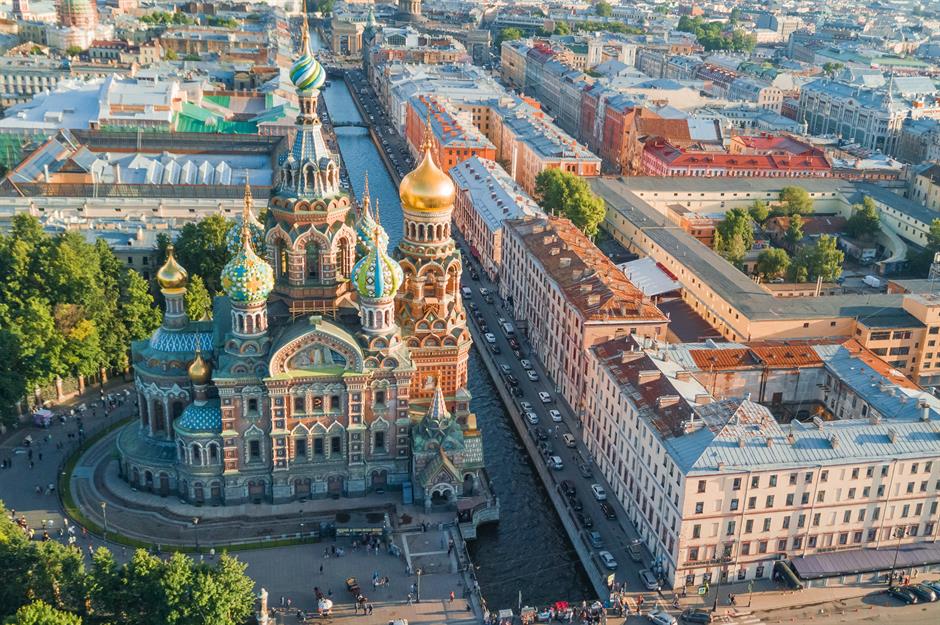
Even before the war in Ukraine, wealthy Russians were leaving the country in droves. The outflow of wealth has stabilised since the first few years of the war, but that's likely because comparatively few HNWIs remain.
The ongoing conflict and Russia's geopolitical isolation mean its citizens are excluded from many citizenship and residency programs, limiting the options for the country's wealthiest.
Sponsored Content
India: 56.5

A significant number of India's wealthiest residents have decided to leave the country over the last decade. The country's unpredictable taxation system – in which immediate payment demands are seemingly issued at random – is traditionally one of the main reasons millionaires cite for leaving.
Like China, India remains a significant engine of new wealth creation, but lifestyle and education considerations remain significant push factors, with the UAE, Singapore, America and the UK turning the heads of wealthy Indian families.
Now find out which countries have the best and worst pension systems