Cruise control sensor, emblem, headlights and other commonly stolen parts of modern cars

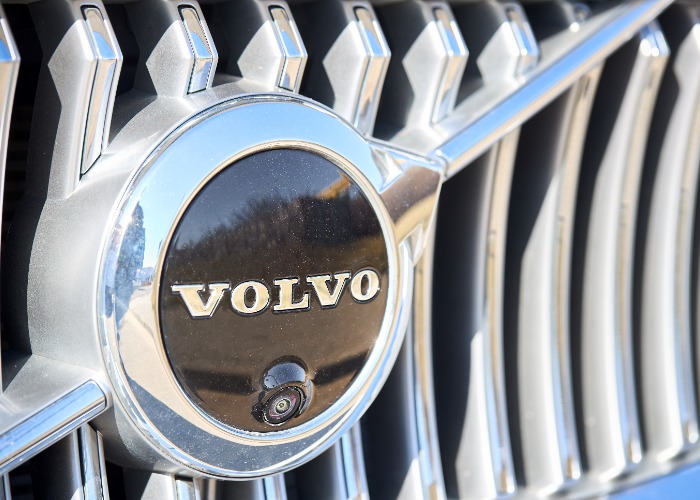
As car theft becomes more sophisticated, we reveal the parts of your motor that criminals are most likely to target – and how they’re making a fortune from their ill-gotten gains.
As we move further into 2025, car theft in the UK is changing dramatically.
Thanks to high-tech alarms, immobilisers and trackers, stealing an entire vehicle is far riskier than it used to be.
But, as new research reported in The Daily Mail reveals, thieves haven’t given up.
Instead, they’ve shifted their focus to individual car parts – and it’s costing drivers thousands of pounds.
In fact, the black market in vehicle components is thriving and online resale platforms make it easier than ever to shift stolen goods.
Here’s what you need to know…
The new favourite target: front sensors
Forget hotwiring cars or cloning key fobs – today’s criminals often target the small but valuable sensors hidden behind car badges.
These devices power adaptive cruise control, slowing the car if it gets too close to the one in front.
They can be yanked out in seconds because they’re only attached by a few wires.
Alarmingly for drivers, replacements through official channels can cost £1,600 or more.
While cheaper sensors can be found online, many are stolen goods, feeding the very trade that caught drivers out in the first place.
Pothole damage: how to claim compensation from your council
The 11 most commonly stolen car parts
|
Rank |
Item |
Resale value |
|
1 |
Cruise control sensor |
£100-£250 |
|
2 |
Emblem |
£15-£50 |
|
3 |
Door mirrors |
£45-£160 |
|
4 |
Airbag |
£20-£150 |
|
5 |
GPS unit |
£100-£400 |
|
6 |
Car seat |
£50-£140 |
|
7 |
Battery |
£40-£70 |
|
8 |
Catalytic converter |
£110-£600 |
|
9 |
Headlights |
£100-£3,000 |
|
10 |
Number plates |
£5-£45 |
|
11 |
Wheels (set of four) |
£180-£1,400 |
Source: The Daily Mail
Why are cars still so vulnerable?
With so many anti-theft features packed into modern vehicles, it’s surprising how easy these parts are to steal.
So, why are thieves getting such an easy ride?
- Alarms and immobilisers protect against full vehicle theft, but not against someone prising open a grille.
- Thieves know they can be in and out in under a minute.
- Carmakers have been slow to adapt, often dismissing thefts as “isolated incidents” despite mounting complaints.
The hidden costs for drivers
Unsurprisingly, the financial and emotional impact of part theft goes far beyond the initial repair bill.
- Replacement costs: from £50 for a number plate to several thousand pounds for sensors or converters, costs can soon spiral.
- Insurance headaches: while cover can help, frequent claims may push up premiums.
- Inconvenience: cars often need to be kept off the road for days while parts are replaced and systems recalibrated.
And it’s not just about money – it’s about the disruption and hassle of being left without transport for you and your loved ones.
Why thieves keep getting away with it
The business model is simple: steal parts quickly, sell them online and disappear.
- Social media marketplaces are awash with “genuine” car parts, many of which may have been stolen.
- Buyers looking for a cheap fix often unknowingly fuel the trade.
- Manufacturers have yet to implement widespread design changes to make these parts harder to remove.
How to protect yourself
While you can’t make your car theft-proof, there are steps that can reduce the risk:
- Think about where you park: always choose well-lit, busy areas or secure car parks where thieves are less likely to operate.
- Use extra deterrents: steering locks, driveway bollards and CCTV can make your vehicle a less attractive target for opportunist criminals.
- Check resale sites carefully: avoid buying suspiciously cheap parts online – they may well be stolen.
- Keep insurance updated: make sure your policy covers part theft and that you’re not underinsured.
The bottom line
Of course, car crime hasn’t gone away, but it has changed shape.
For drivers, that means repair bills that can stretch into the thousands, rising insurance costs, and the frustration of knowing carmakers have yet to catch up with the problem.
Until manufacturers act, motorists will remain on the frontline of this new wave of car crime.