Simple mistakes you’re making on your résumé
Common résumé mistakes
Too long

Too short

Sponsored Content
Errors & typos
Outdated information
Telling lies

Three out of four recruiters have found a lie on a résumé, according to a 2018 study from CareerBuilder. The most popular including lying about qualifications, job titles, and employment dates. However, while it may be common, it's definitely a mistake to avoid. Not only is it unethical, but if you get caught out it will undoubtedly hinder your chances of making it to interview. If you were to get the position and the company finds out you weren't being truthful it could ultimately cost you your new job.
Sponsored Content
Strange font choices
Not tailoring for each position
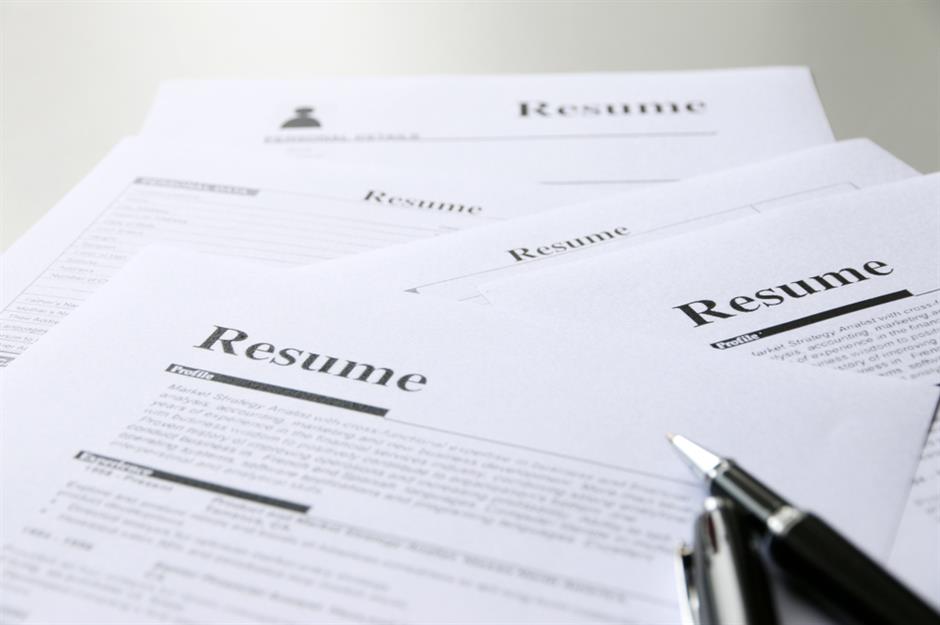
If you're applying for several jobs it might be tempting to just fire off the same résumé to all of them. However, it'll give you a much better chance of securing an interview if you customise it each time. Indeed, 63% of recruiters said this is something they definitely want from job candidates in a survey by Careerbuilder. Today, many companies perform an initial electronic résumé review, so it's important to go through the job description and ensure you've included any keywords mentioned.
Exaggerating your skills

Sponsored Content
Picking the wrong design
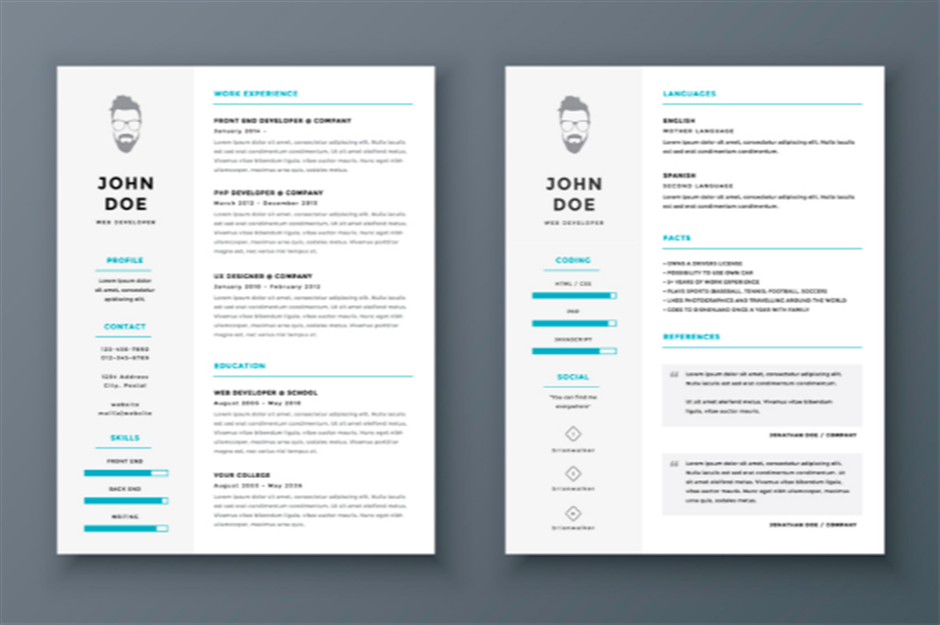
Similarly to the last point, it's a good idea to make sure that your résumé is designed in a way that reflects the type of job you're applying for. For example, if you're applying for a position in graphic design or the creative arts, it could work against you if your CV is dull and uninspiring. In contrast, if you're applying for roles in industries like finance or law, it's best to stick to a traditional layout.
Bad formatting
Not including a personal profile
Sponsored Content
Generic personal profile
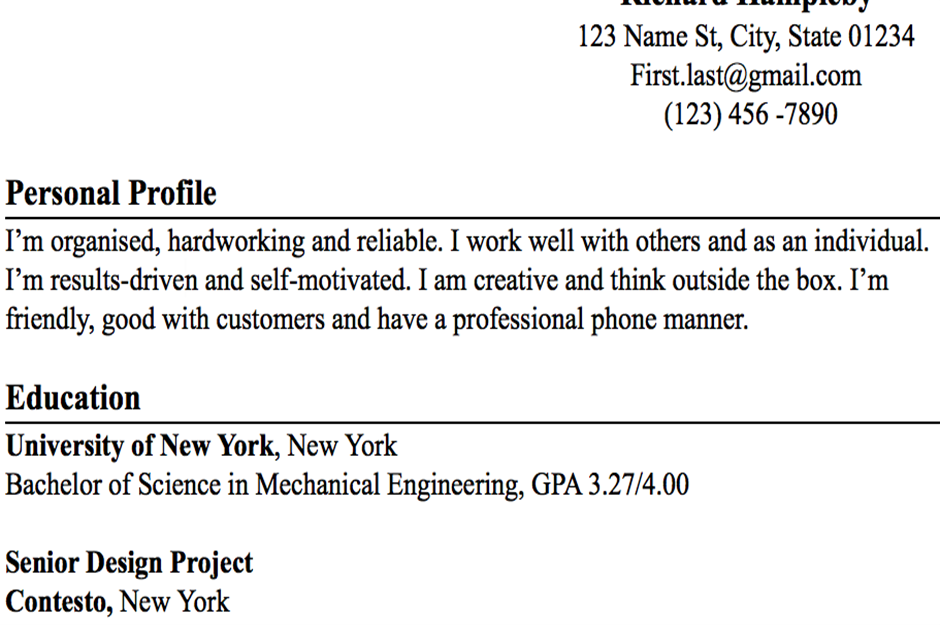
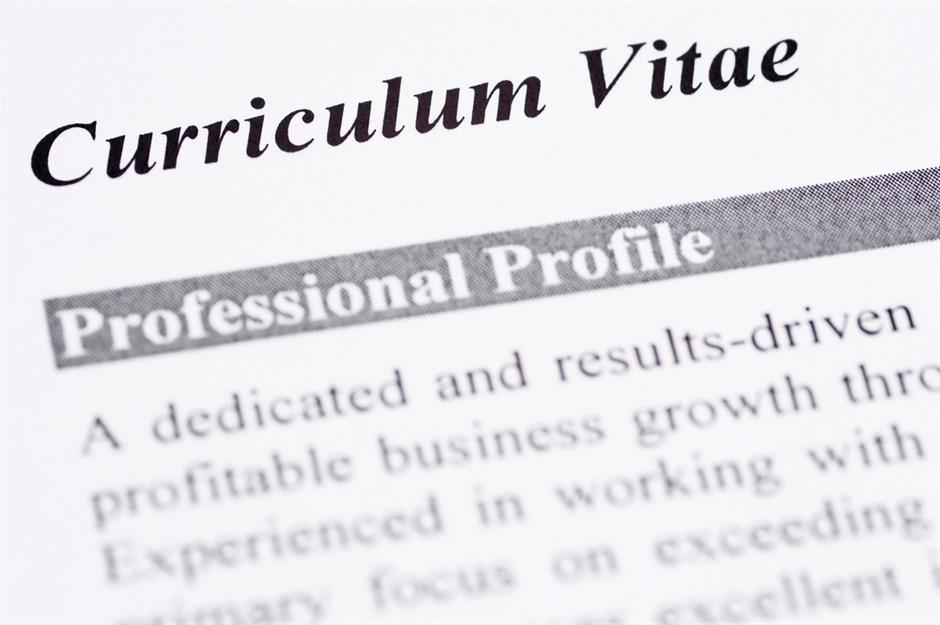
We've already established that including a personal summary is essential, but it's also important to think carefully about what to put in it. Of course, you want to sell yourself and make sure you show that you're a good fit for the role, but don't make it unoriginal. Try to avoid clichéd phrases that every other candidate will use such as 'self-motivated' and 'results-driven', and instead focus on being genuine and talking about what you can offer and what you're looking for.
Now read about what it looks like when robots take our jobs
Not mentioning specific results
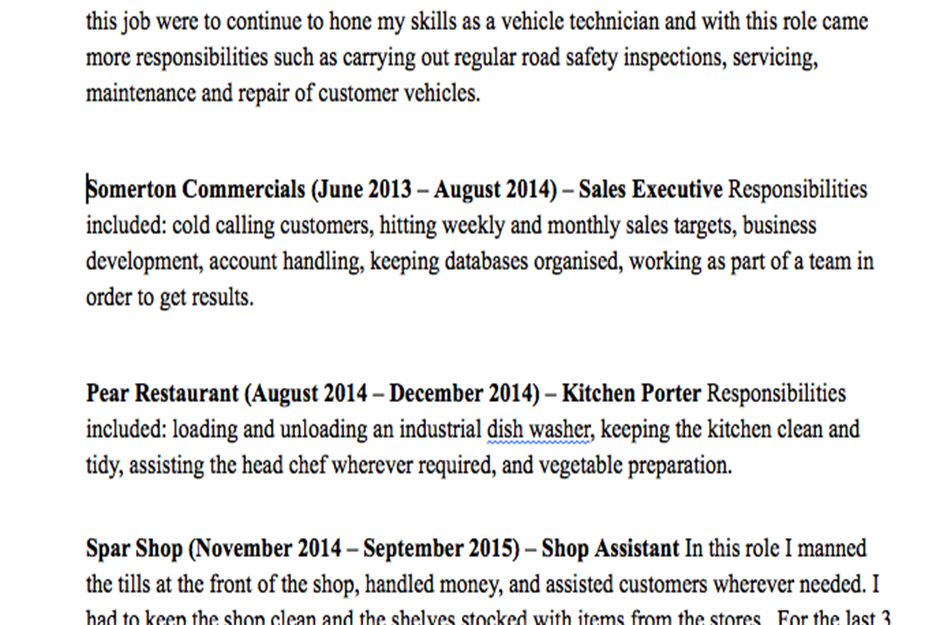
Including the wrong interests/hobbies

Sponsored Content
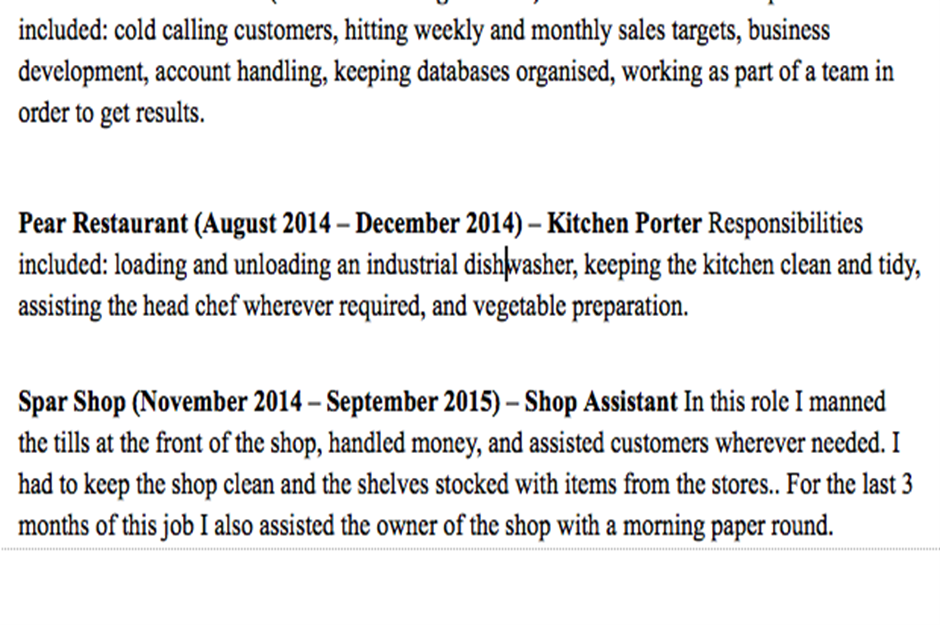
Not filling in gaps
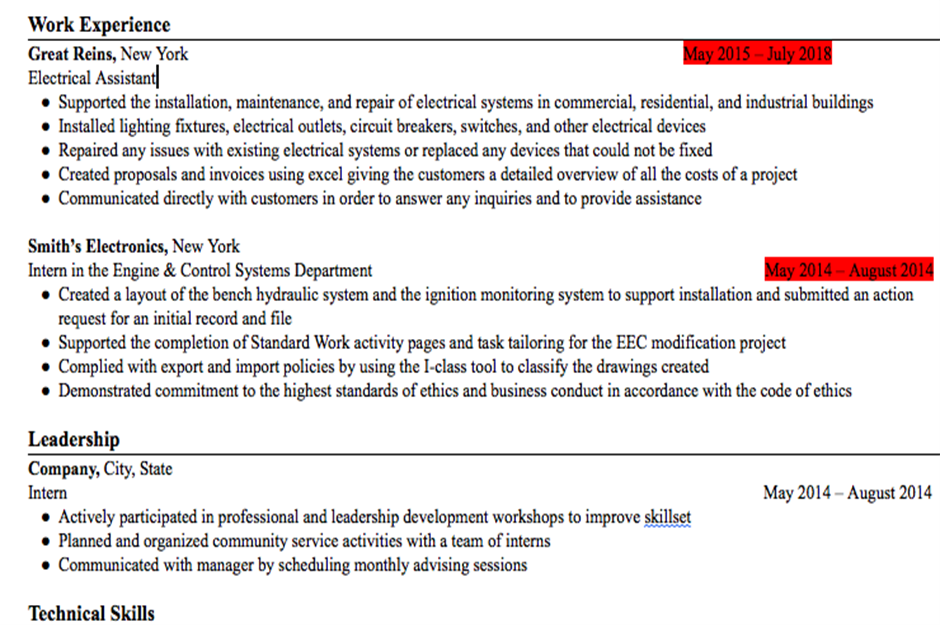
Leaving off helpful information
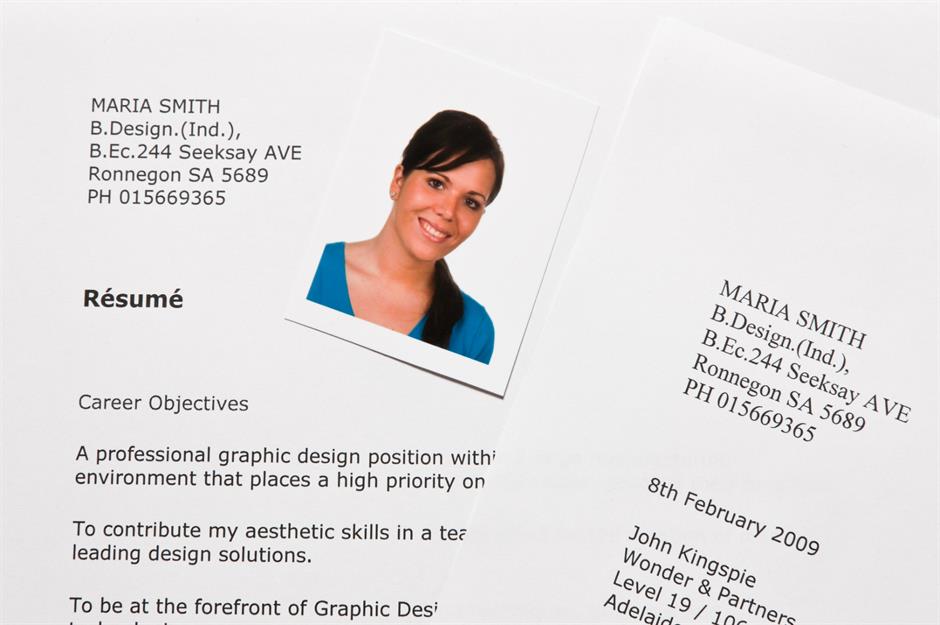
Including a headshot
Sponsored Content
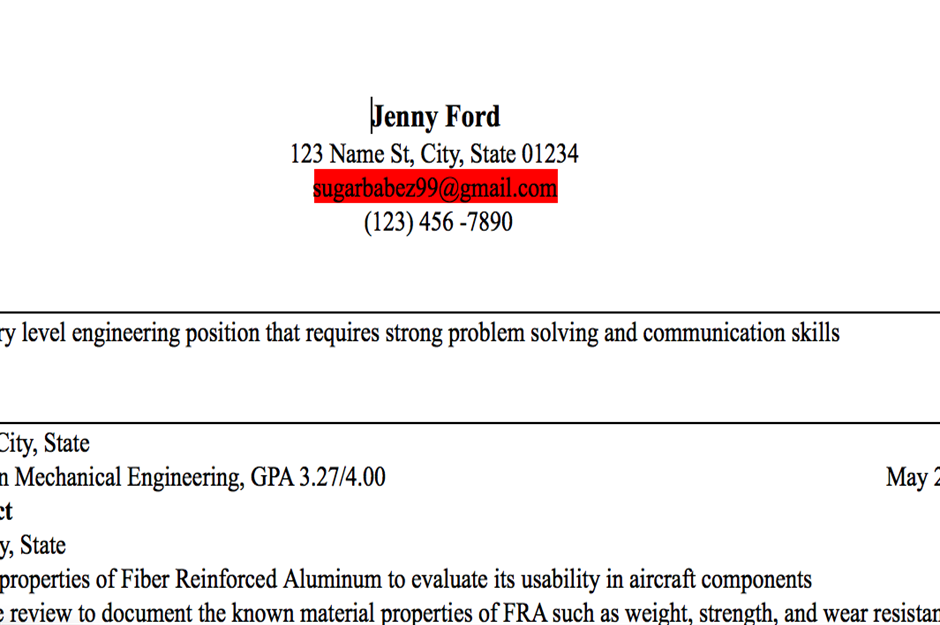
Using an unprofessional email address
Bad use of colour
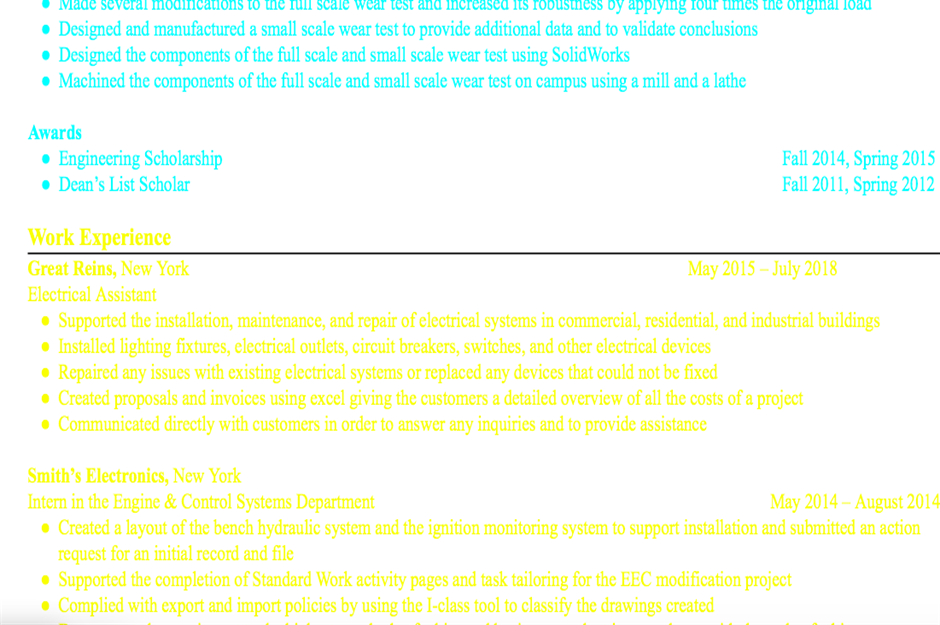
Adding a splash of colour to your résumé won't hurt if you're applying to jobs in the creative sector or less conventional companies, however, you should be controlled in your use of colour. Only use colours in headings, and avoid garish or hard-to-read colours such as yellow. If you're looking for jobs in more traditional firms such as banks it's a good idea to stick to black and white.
Now read about online scammers' tricks and how to spot them
Making it too technical

Sponsored Content
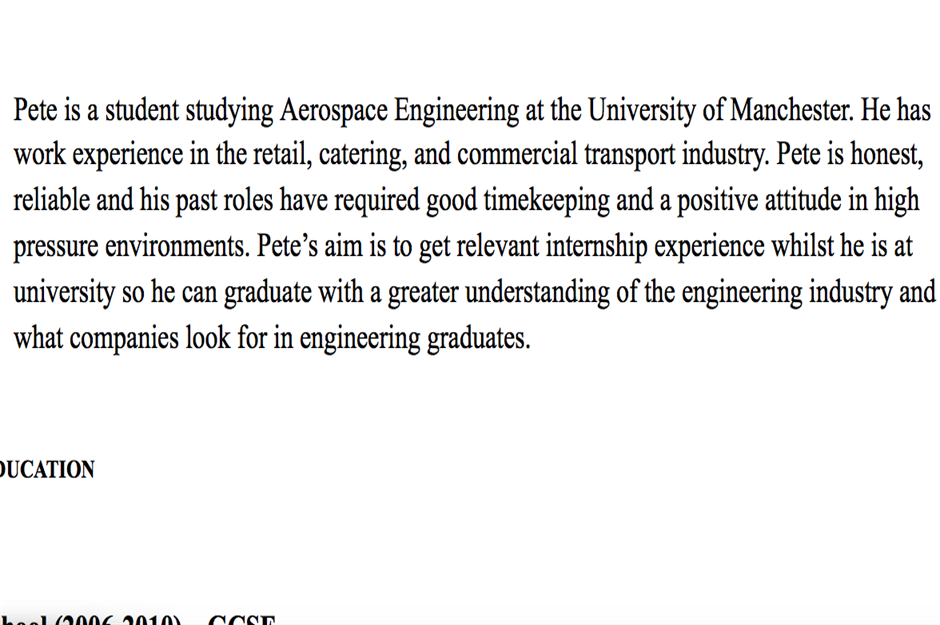
Writing in third person
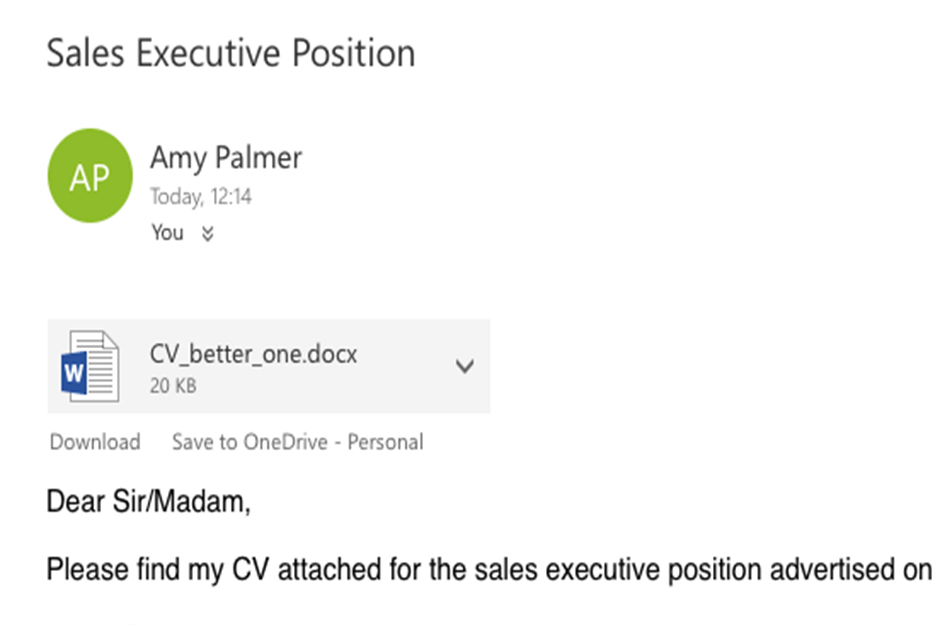
Poor choice of file name
Not being cautious with social media

Sponsored Content
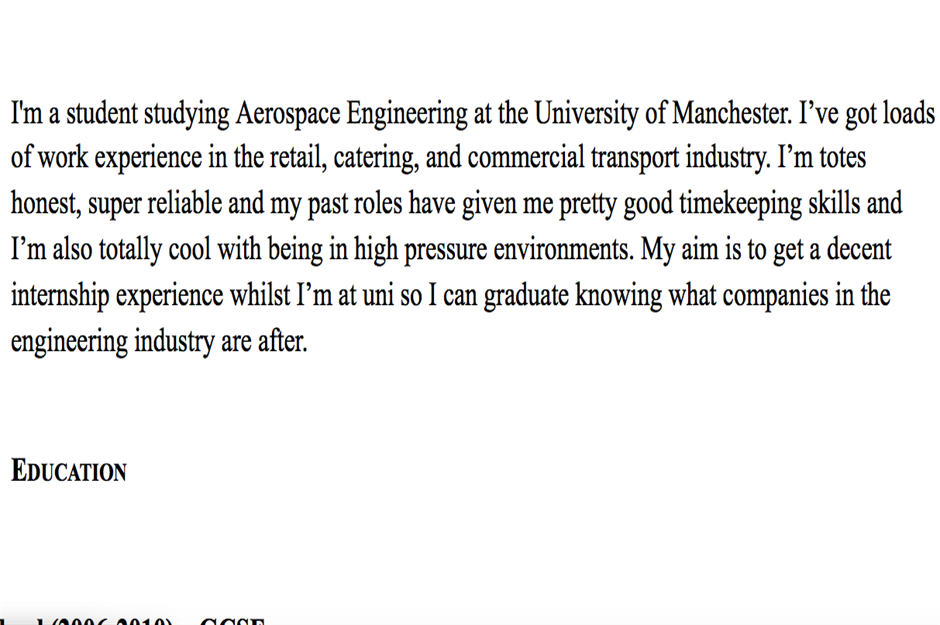
Poor choice of language
Not sending a cover letter alongside

While you should aim to make your résumé as complete as possible, you still need to add a cover letter for each application. It may seem like wasted effort, but avoiding it is definitely a mistake; 45% of recruiters will automatically bin a résumé if it doesn't come with a cover letter, according to Careerbuilder. Not only that, but it's your chance to go into more depth about your skills and experiences, and to show a little more of the 'real' you.
Discover 30 jobs that no longer exist