How the British pound has changed over time
The evolution of the UK's venerable currency
Roman inspiration
Creation of the pound
Sponsored Content
First English coins
Sterling silver
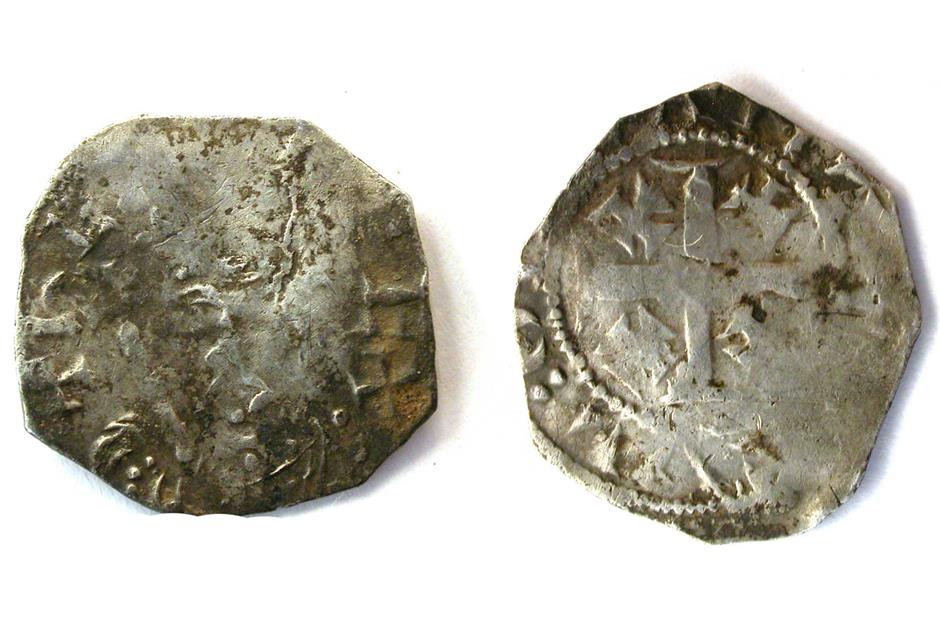
First gold coin
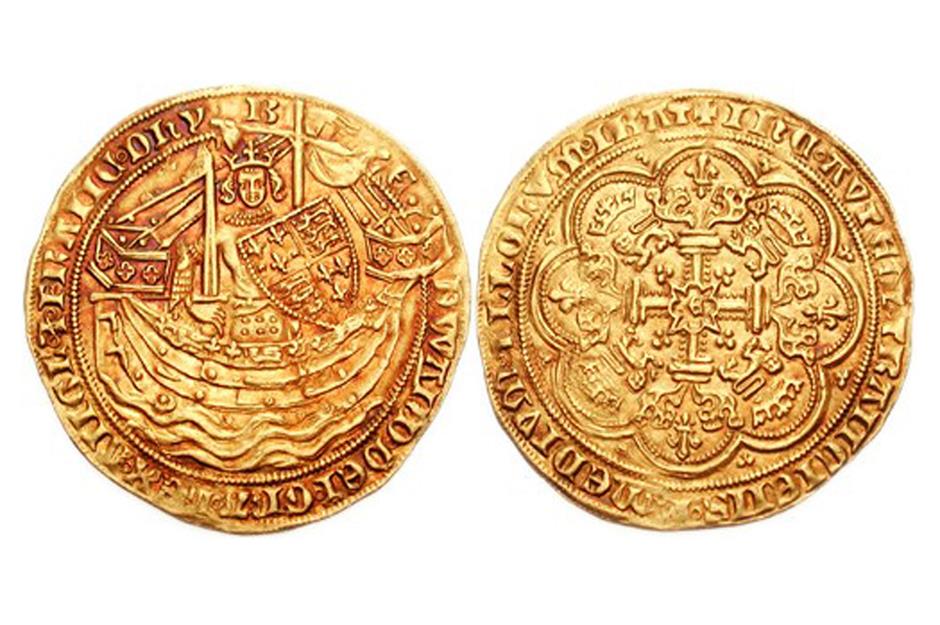
Sponsored Content
Lower value coins
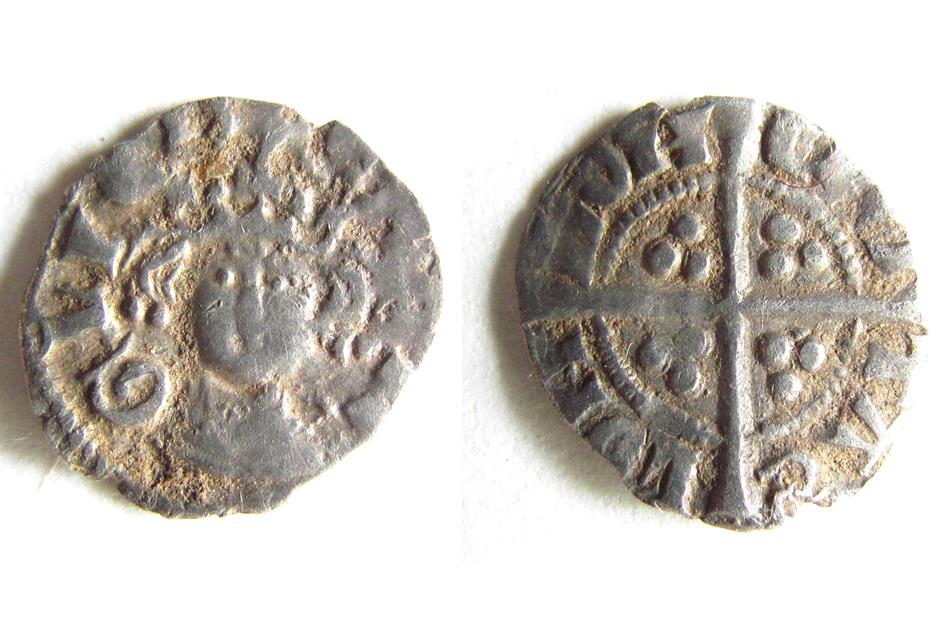
Gold crown
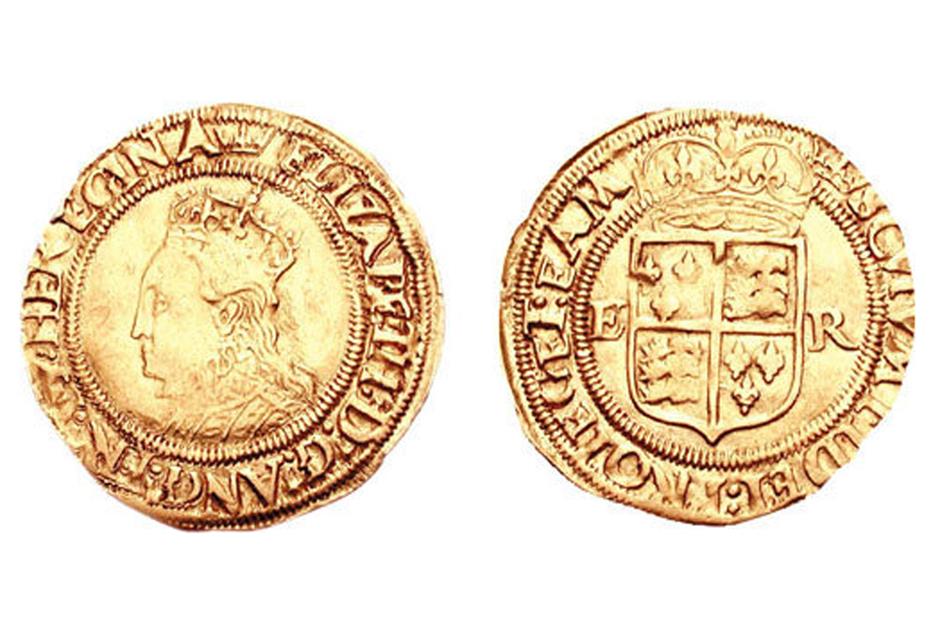
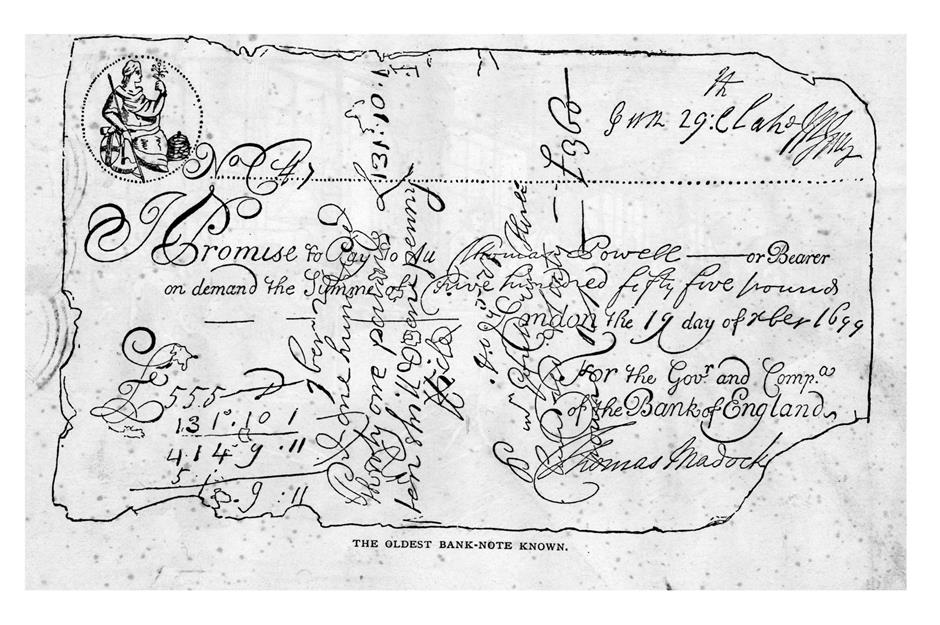
First banknotes
Sponsored Content
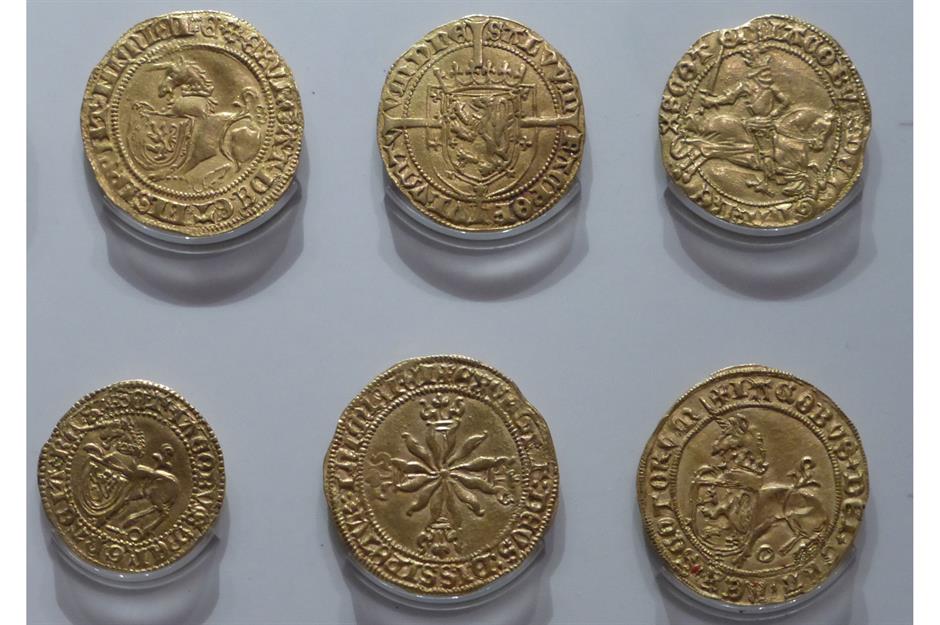
Pound Scots
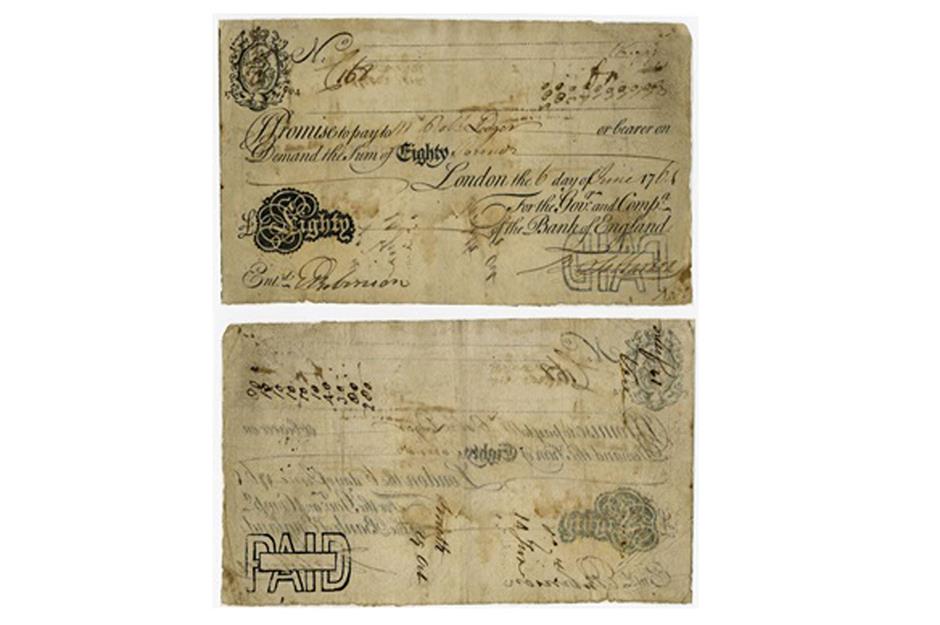
First printed notes
UK currency
Sponsored Content
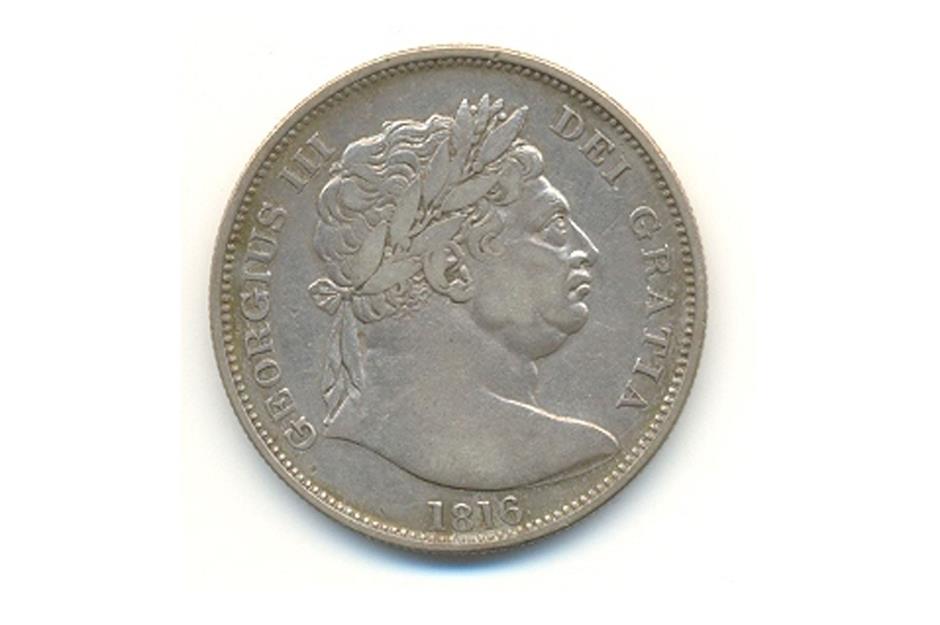
Great Recoinage of 1816
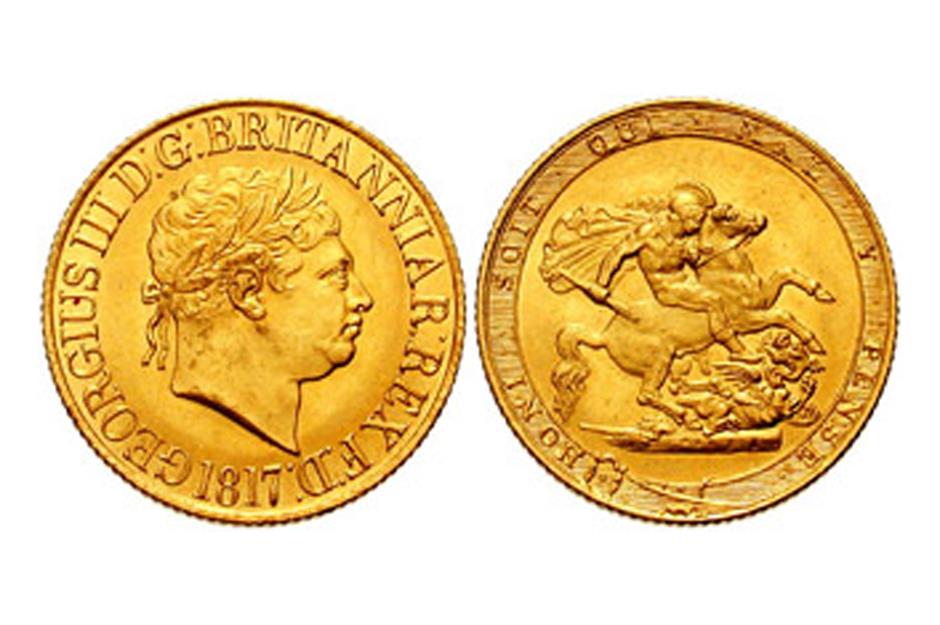
Gold Standard
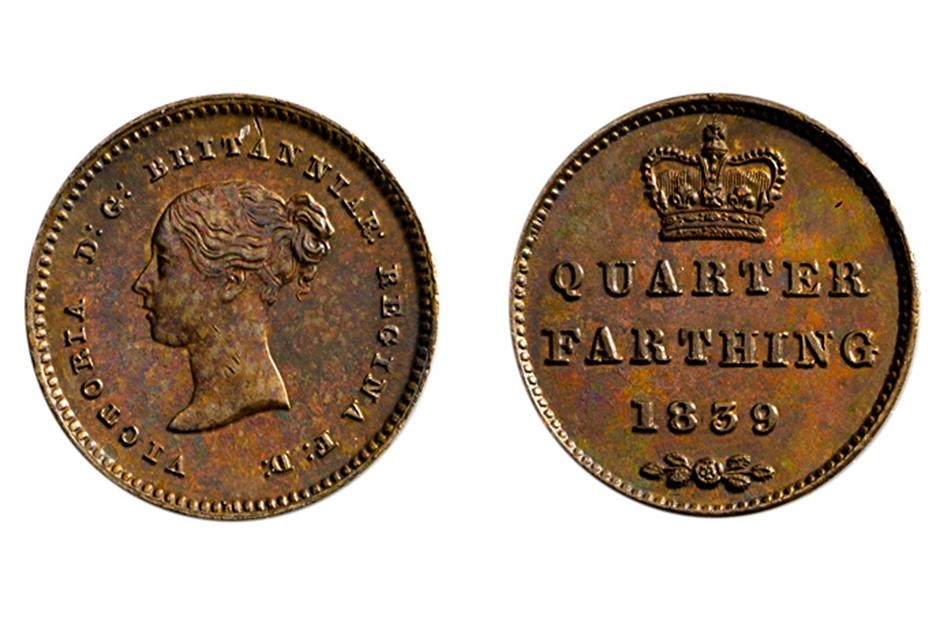
Lowest value coin
Sponsored Content
Bank of England monopoly
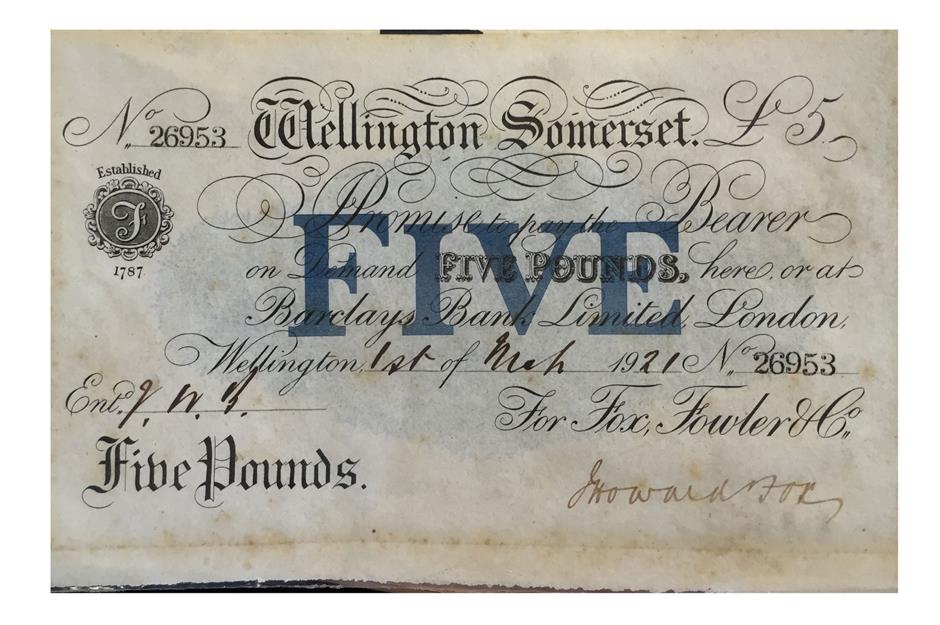
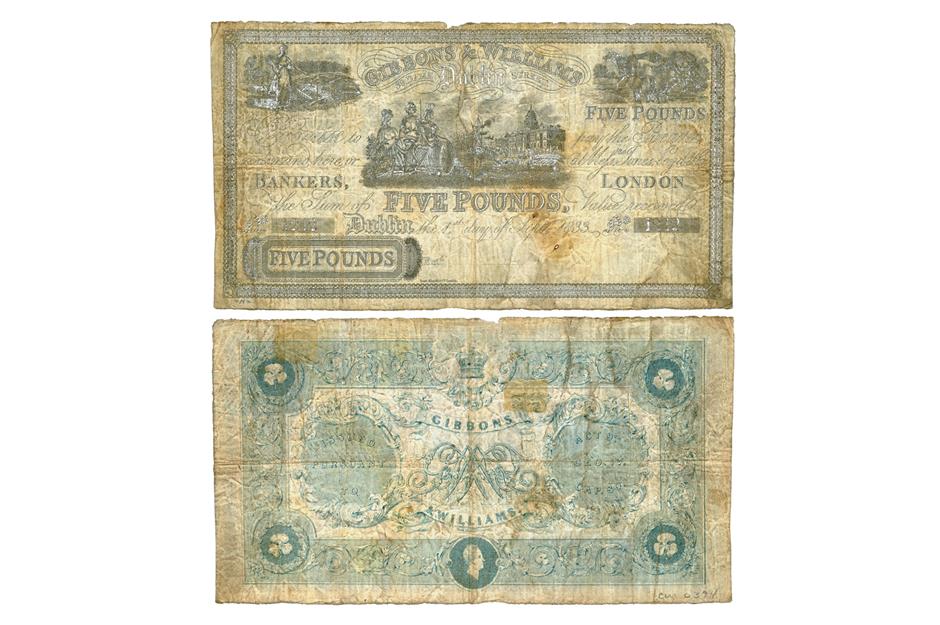
Scottish and Northern Irish notes
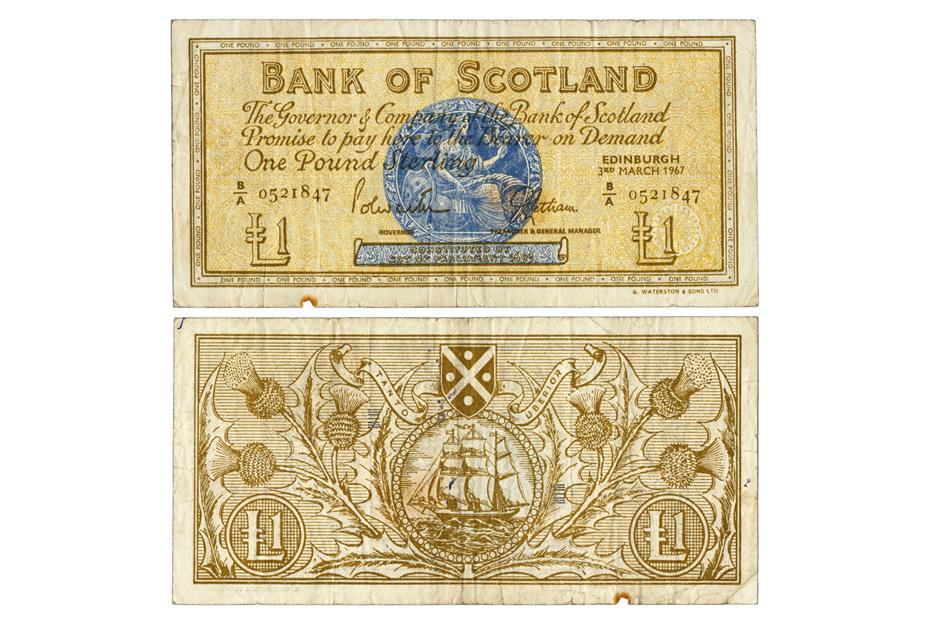
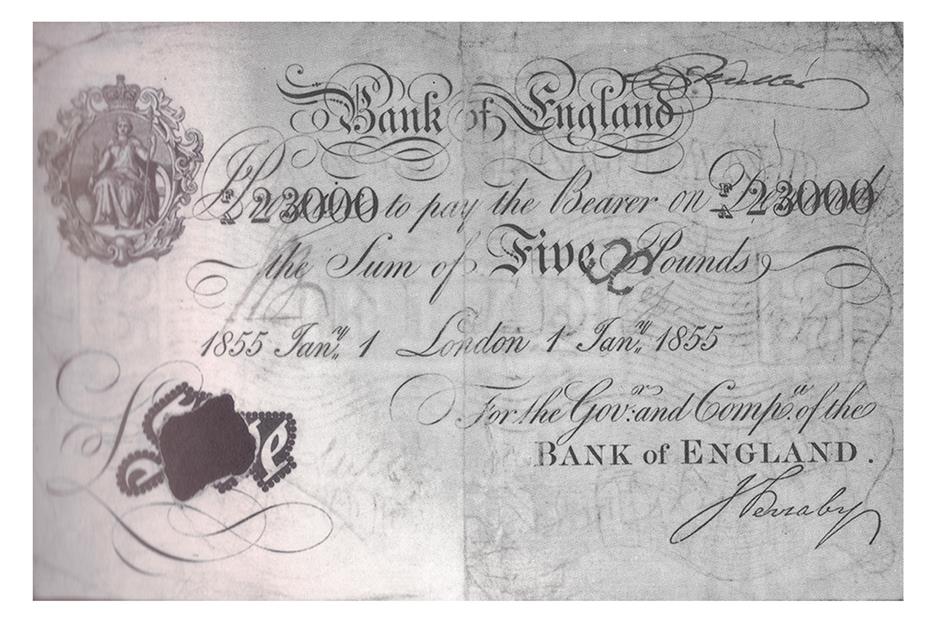
First fully printed notes
Sponsored Content
Global currency
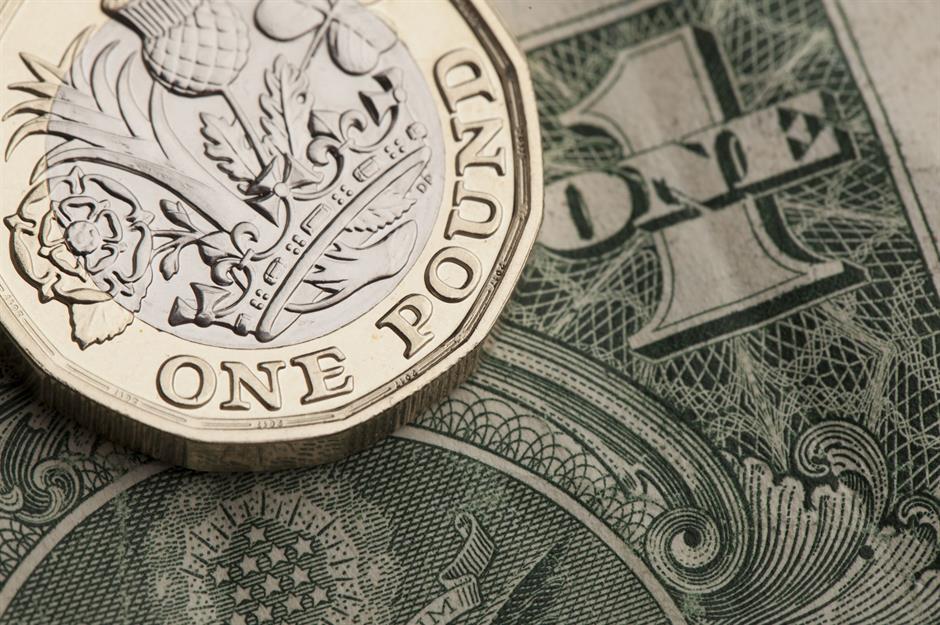
Gold standard dumped
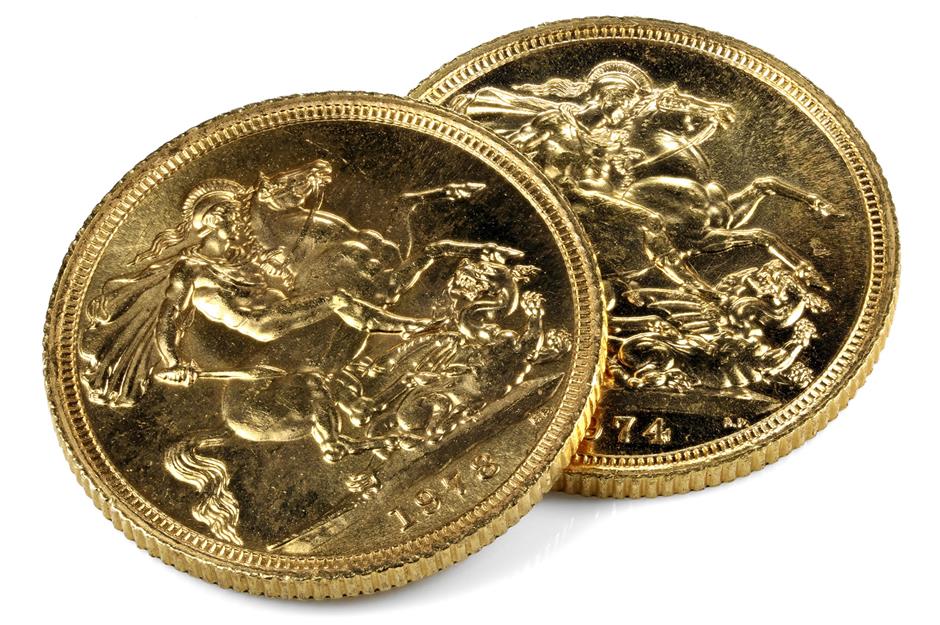
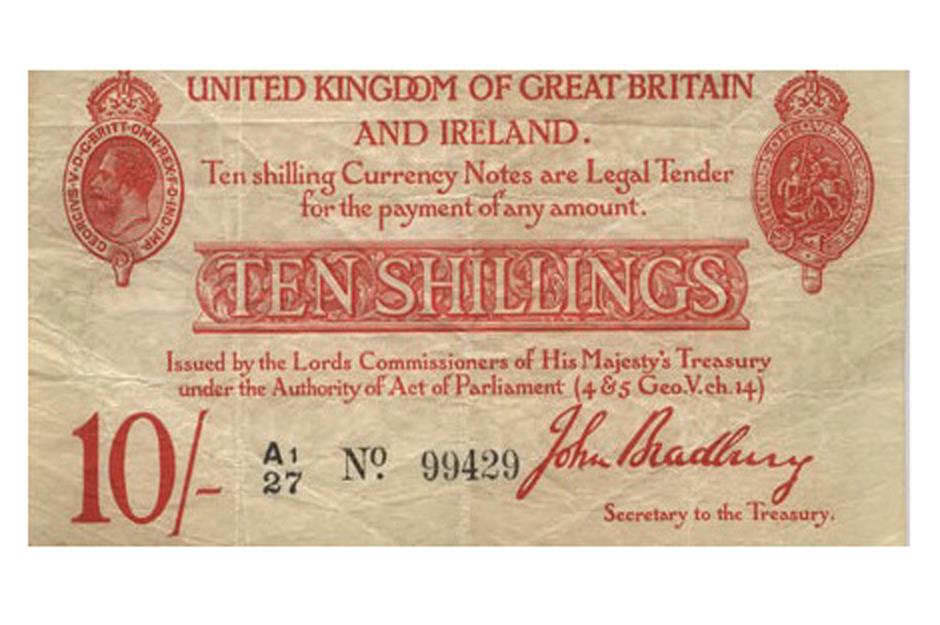
Lowest value note
Sponsored Content
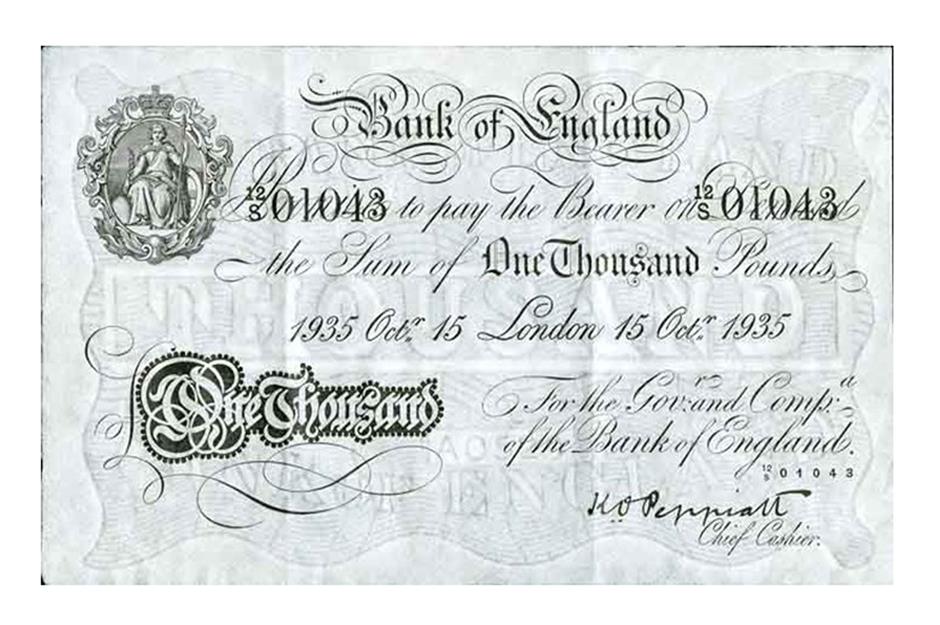
Big-money notes
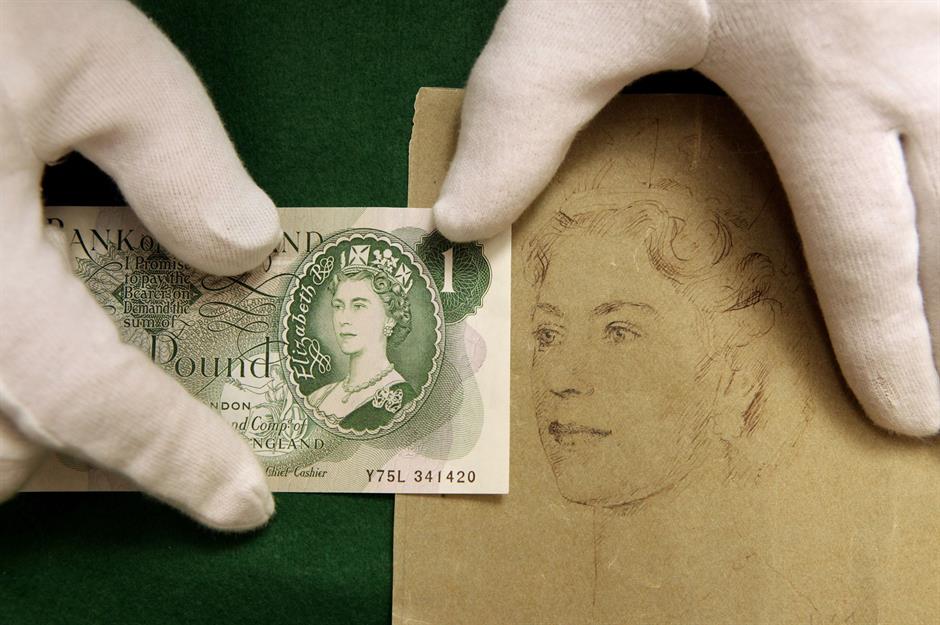
Queen's Elizabeth II's face
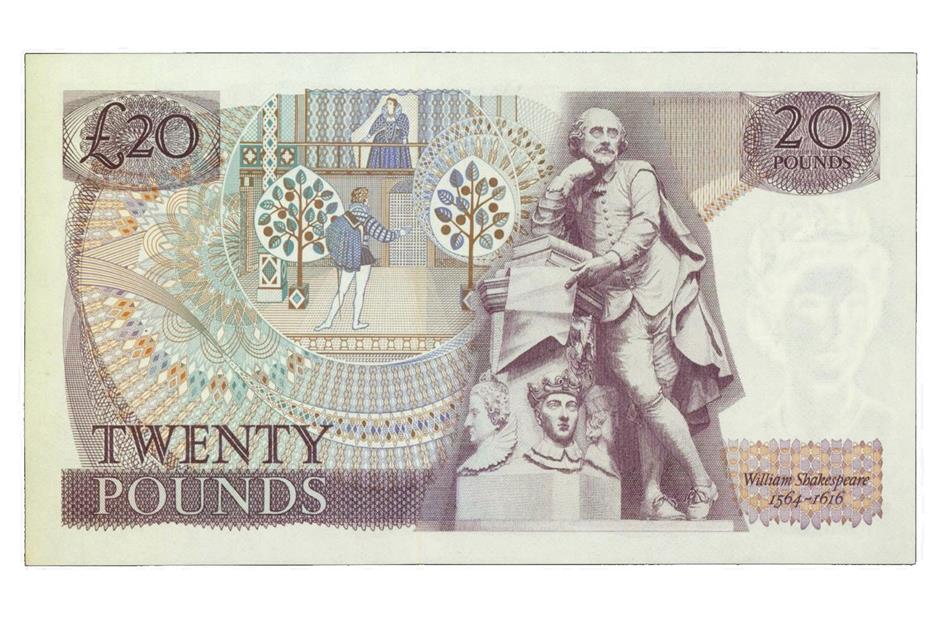
Famous figures
Sponsored Content
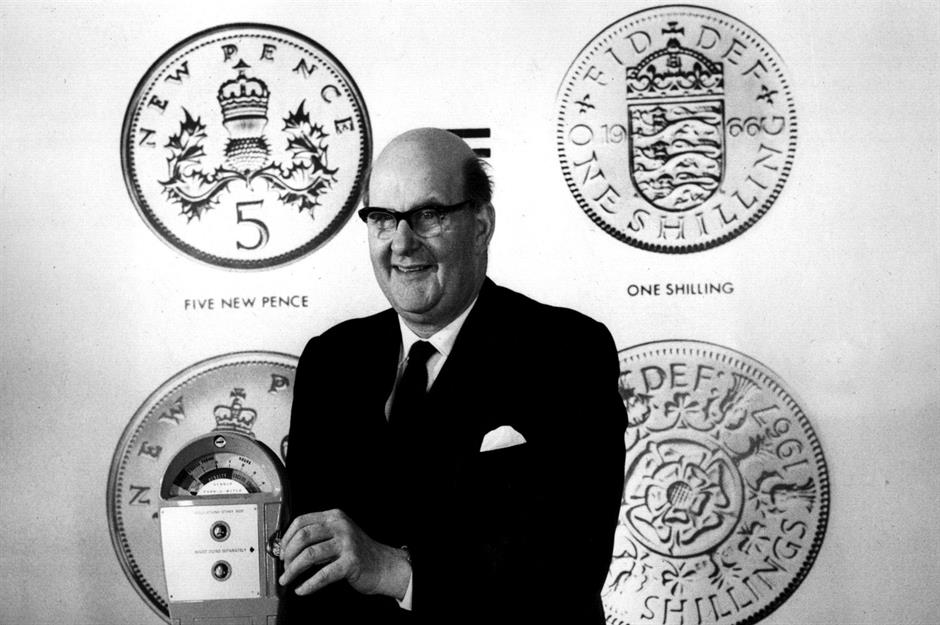
Decimalisation
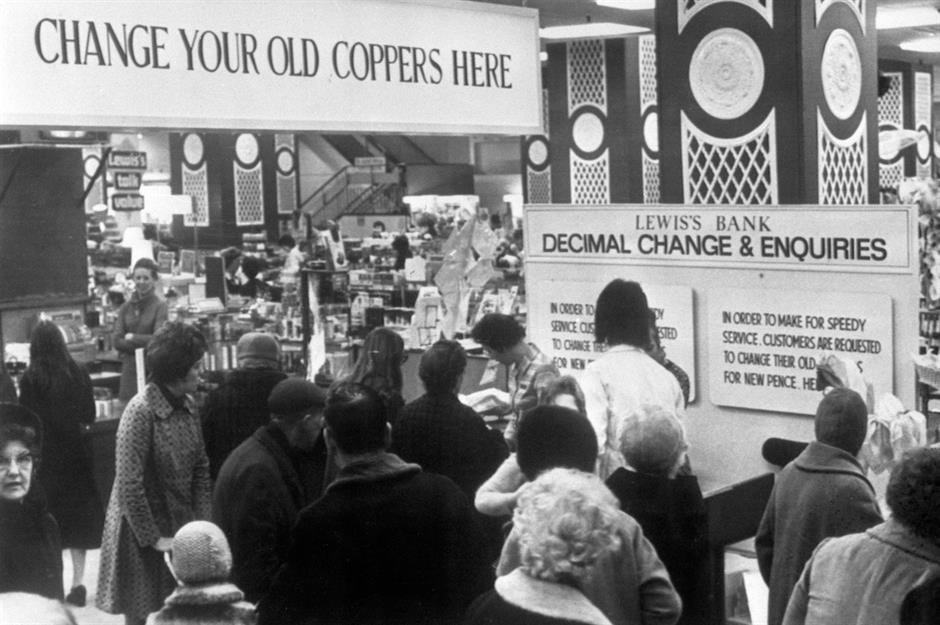
Old money out
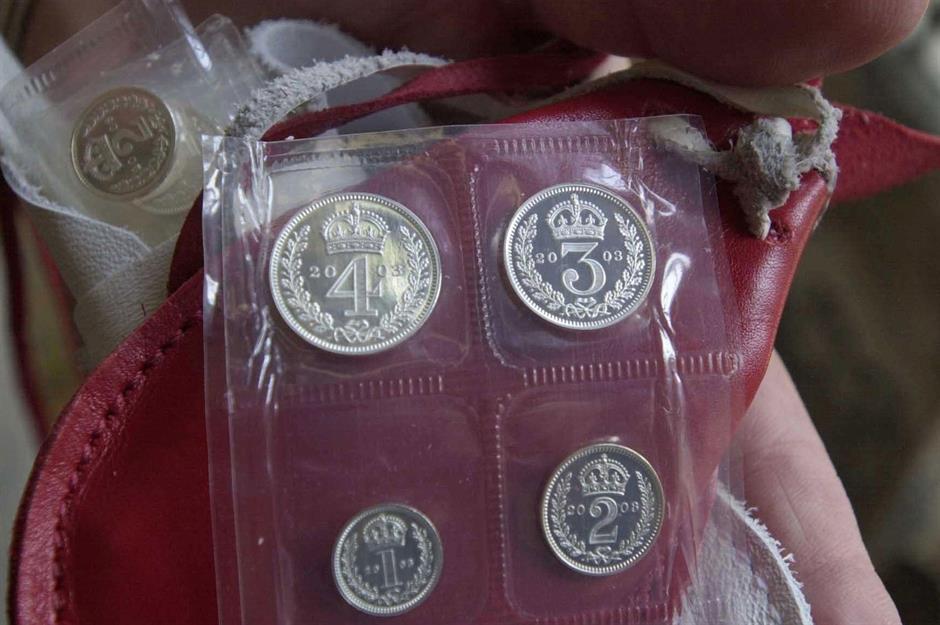
Maundy money
Sponsored Content
Shrinking cash
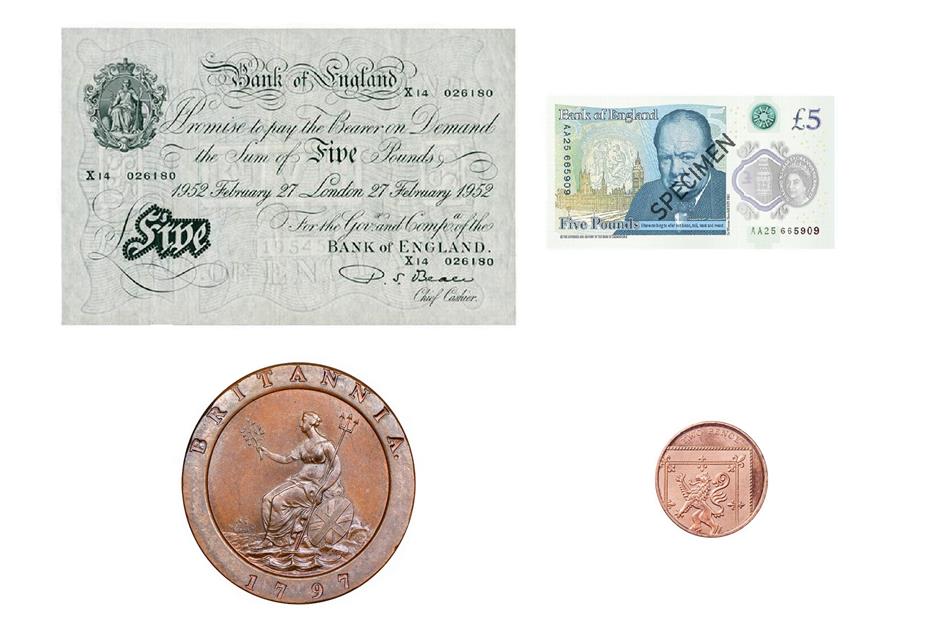
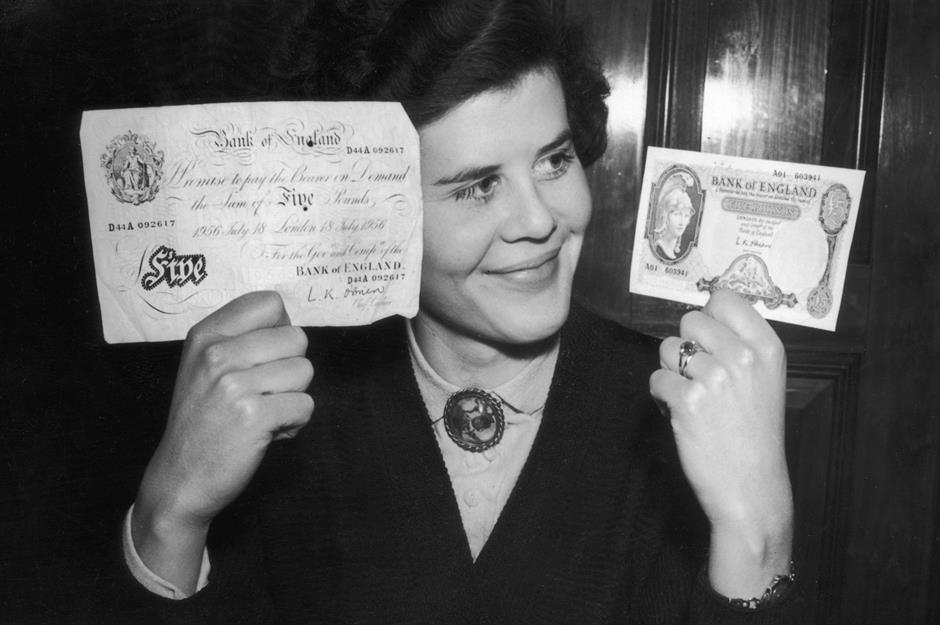
As well as looking remarkably different, Bank of England coins and notes have shrunk over time – the 1797 copper twopences for instance measured a whopping 41mm a piece and were nicknamed cartwheels. The modern decimal 2p is just 25.9mm in diameter. Likewise, the £5 note has reduced in size from 211mm x 133mm in the 1950s to a compact 125mm x 65mm.
And speaking of looking different, be aware of The world's most counterfeited currencies
New decimal coins
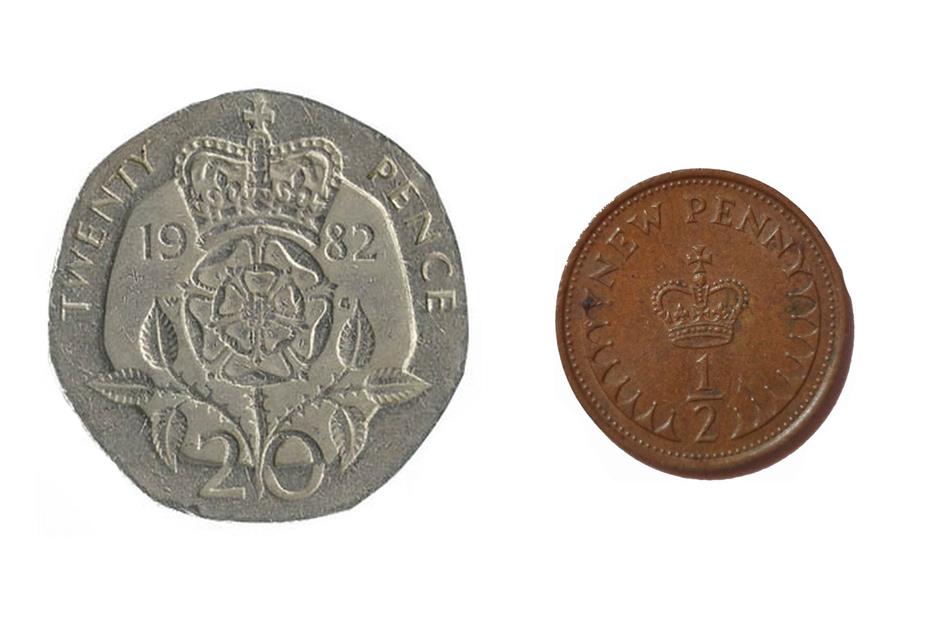
A new coin, the heptagonal 20p, which featured a crowned Tudor rose on the reverse, was minted in 1982. The humble 1/2p, which was worth a pittance by the 1980s, was withdrawn from circulation in 1984. Interestingly, the current 5p coin is only 1mm larger in diameter than the tiny decimal halfpenny.
Discover more Fascinating secrets our notes and coins are hiding
£1 coin introduced
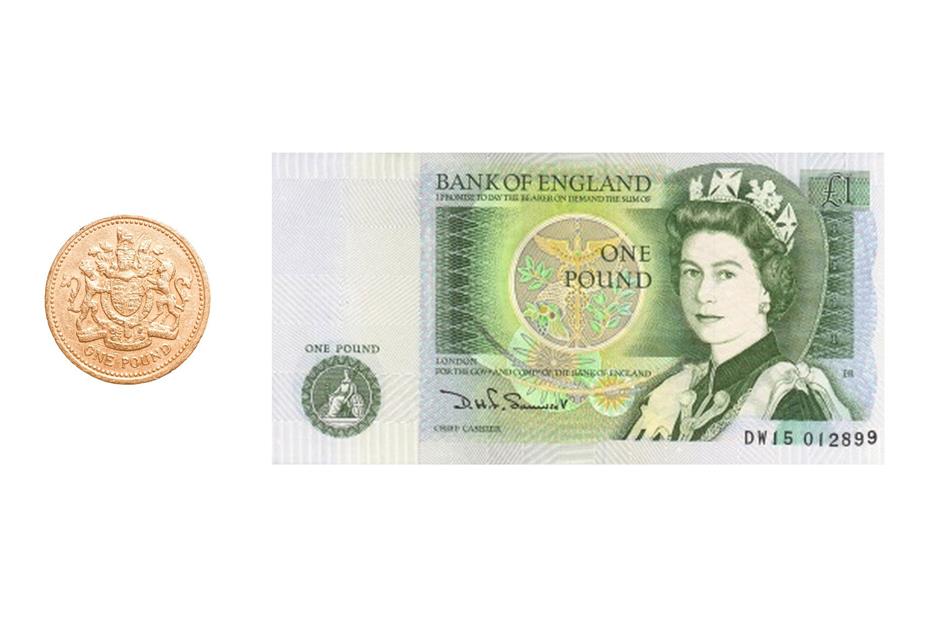
In 1984, the £1 coin was introduced spelling the end for the £1 note. The last note was printed that same year, but it wasn't until 1988 that all £1 notes were withdrawn from circulation. By this point, many of the notes were incredibly worn and tatty. A review of the UK's currency in the mid 1990s recommended the introduction of a £2 coin, and the coin entered circulation in 1998.
Sponsored Content
Security updates
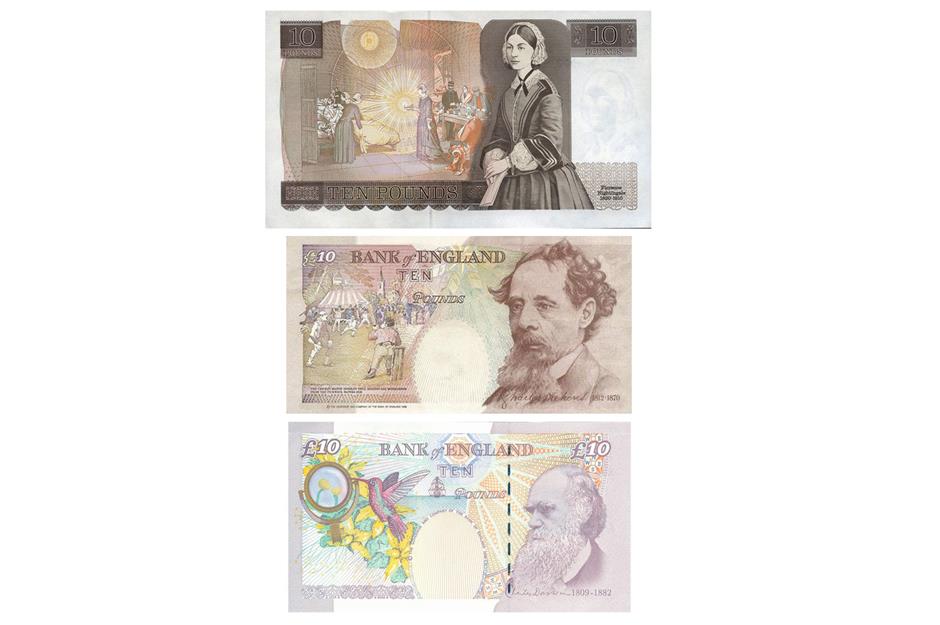
In 1992, a new £5 note featuring George Stephenson launched. It was tweaked again for security reasons in 2002, and Stephenson was swapped for Elizabeth Fry. The Bank of England's notes have become increasingly forge-proof over time with features like security threading and microprinting now standard. The £10 note got a revamp in 1992 with Florence Nightingale replaced by Charles Darwin, who remained on the note until 2018.
Some currency has been made with errors, but it's not all bad. Discover these Modern coins with mistakes worth more than their face value
New faces
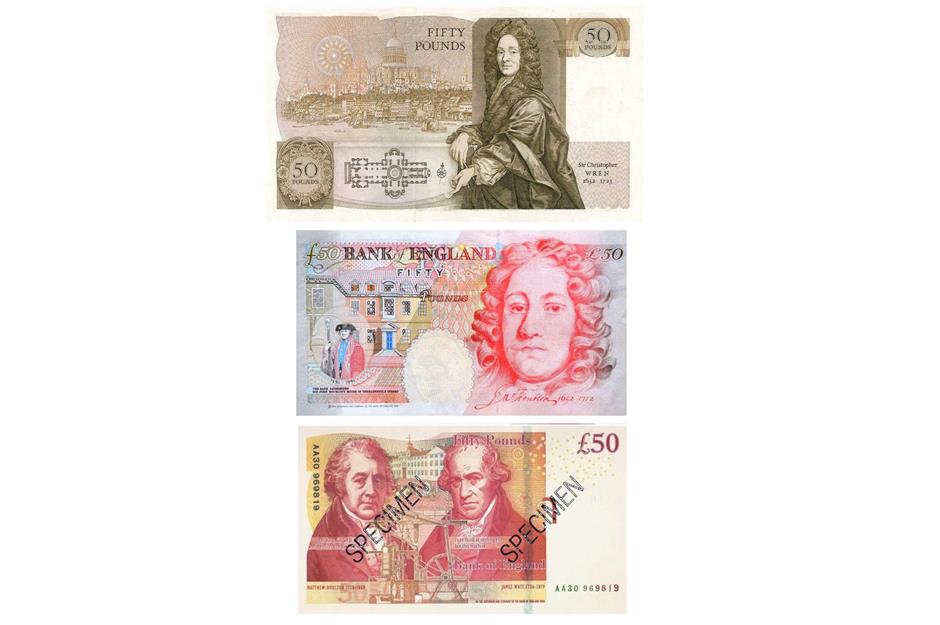
The £20 note changed in 1991 to feature Michael Faraday and again in 1999, when it depicted Edward Elgar. The £50 note was modified in 1994, and Christopher Wren was replaced with John Houblon. The note was overhauled again in 2011, and John Houblon was swapped for Matthew Boulton and James Watt.
Discover what these 20 ancient UK coins are worth now
Polymer notes
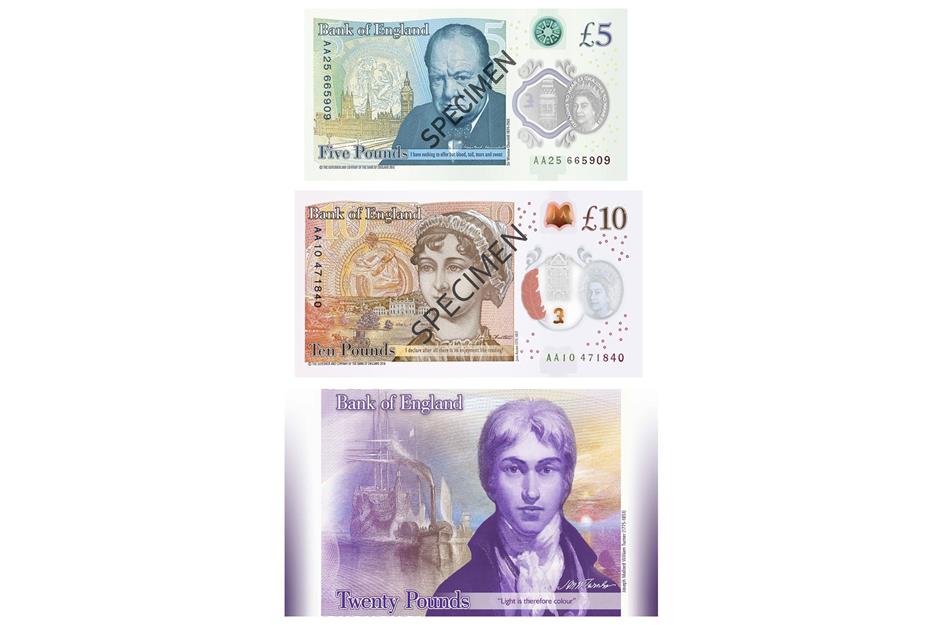
In 2015, Scotland's Clydesdale Bank introduced the UK's first polymer note – all notes were printed on cotton paper previously. The Bank of England followed suit the following year with the launch of the new £5 note featuring Winston Churchill. A polymer £10 note with Jane Austen on the reverse launched last year and a new £20 note depicting artist JMW Turner will debut in 2020. A polymer £50 note, which will feature a prominent scientist, is planned for the early 2020s.
Do you have any of these Everyday UK notes and coins that are worth a fortune?