How deep in debt are the world's 20 biggest economies?
Discover the major nations shockingly in the red

Global public debt – the total sum of money owed by governments worldwide – has skyrocketed past a record $100 trillion (£75tn). Fuelled by everything from soaring defence spending to rising tariffs, governments are in the midst of a borrowing bonanza, in spite of high interest rates.
With nations racking up IOUs like there's no tomorrow, click or scroll on for the current debt-to-GDP ratios for the world's 20 biggest economies.
All dollar amounts in US dollars. Debt-to-GDP figures courtesy of the International Monetary Fund (IMF).
What is the debt-to-GDP ratio and why is it important?

The debt-to-GDP ratio compares a nation's public debt to its annual economic output. This crucial metric indicates a country's ability to manage its liabilities. A higher ratio suggests a country will have greater difficulty servicing debt. Yet this isn't set in stone; some economies are more than able to sustain a super-steep ratio that would lead others to collapse.
As for when a debt-to-GDP ratio starts to harm growth, there isn't a magic number beyond which economies slow. That said, experts have cited figures between 40% and 100%, with the bar set lower for emerging economies.
Russia: 19.3% of GDP

Russia's debt-to-GDP ratio is extremely modest by global standards, though the figure is rising. After annexing Crimea in 2014, Russia worked to protect its economy from sanctions, minimising external debt through strict fiscal and monetary restraint. This strategy, buttressed by bumper oil and gas revenues, helped fund its 2022 invasion of Ukraine. But the Russian economy is now in big trouble.
Western sanctions and high domestic interest rates are making it increasingly expensive for Russia to fund the ongoing conflict, while liquid assets in Russia's National Wealth Fund have dwindled to low levels.
Sponsored Content
Türkiye: 22.5% of GDP

Türkiye's debt-to-GDP ratio is very low from a global standpoint. But while the number appears healthy on paper, much of the debt is in foreign currency, making it susceptible to currency volatility and high inflation – issues that have long plagued the Turkish economy.
The nation's private sector also holds substantial foreign currency debt. This amplifies Türkiye's exposure to external financial risks, though the household debt-to-GDP figure is low at just 10.1%.
Saudi Arabia: 35.4% of GDP

Saudi Arabia's debt-to-GDP ratio is low by global standards but the figure stood at just 1.5% in 2014 when the nation's coffers were overflowing with bumper oil revenues. Borrowing has surged in recent years as the Saudi government has sought to fund its Vision 2030 diversification programme.
While the country is experiencing a short-term boost in oil revenues as a result of the US-Iran war, its longer-term economic security is under pressure, and its debt-to-GDP ratio is expected to grow in the coming years.
Switzerland: 38.3% of GDP

Renowned for its thriftiness and aversion to getting in the red, the Swiss government introduced a stringent debt brake in 2003 and has managed to reduce the country's debt-to-GDP ratio from 56.9% to a lean 38.3%. But with tighter public spending, Swiss households have taken on more of the burden.
Combined with other factors like the country's stiff house prices, this has pushed Switzerland's household debt to 127% of GDP, the highest ratio in the world.
Sponsored Content
Indonesia: 41.7% of GDP

The Indonesian government is legally bound to ensure its debt-to-GDP ratio doesn't exceed 60%. While the current figure is higher than the pre-pandemic 30.6%, it remains around the 40% mark. This is traditionally considered the ideal figure for an emerging economy, though this has been challenged in recent years.
In any case, the Subianto administration has deemed the current ratio underleveraged. It's embarked on a wide-ranging public spending programme, largely facilitated by foreign borrowing.
Netherlands: 45.4% of GDP

For developed countries, a debt-to-GDP ratio of 60% is the conventional benchmark for fiscal health. Like the 40% figure for emerging economies, this number has faced increased scrutiny in recent years. Within the European Union, however, 60% is the legally mandated limit – though many member states exceed it, with the bloc's average sitting at a hefty 82.9%. However, the Netherlands remains comfortably below the 60% threshold.
While it has been creeping up, it's still well below the 76% high recorded in the 1990s and the 67.2% seen in 2014.
South Korea: 47.3% of GDP

South Korea's debt-to-GDP ratio has shot up over the past couple of decades. Though public debt is still under control, household debt is at a record high, as is the nation's corporate debt.
When combined, South Korea's total debt comes in at twice its GDP. Such a high overall debt figure is particularly perplexing given the country's rapidly ageing population, which will strain its ability to manage these liabilities in the future.
Sponsored Content
Australia: 52.6% of GDP
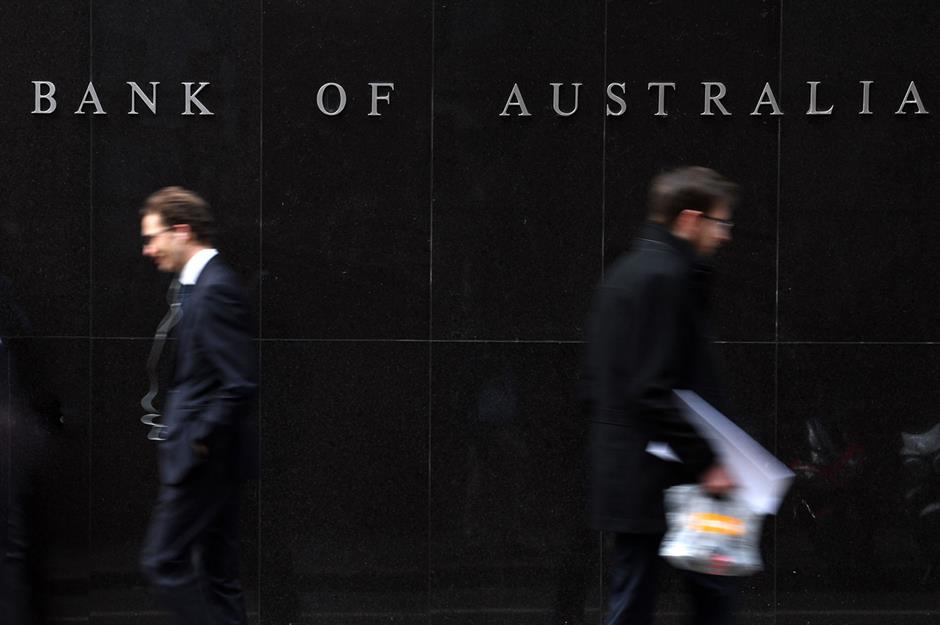
Australia's debt-to-GDP ratio remains on the low side, but it has snowballed since the late noughties when it stood at around 10%.
This speedy increase has sparked sustainability concerns, putting pressure on the government to rein in public spending and avoid burdening future generations. The country is also now spending significantly more on servicing its debts amid rising interest rates. Adding to the anxiety is Australia’s household debt-to-GDP ratio, which is the second-highest in the world at 114%.
Liking this? Click the Like button above. And click the Follow button above for more great stories from loveMONEY
Mexico: 62.1% of GDP
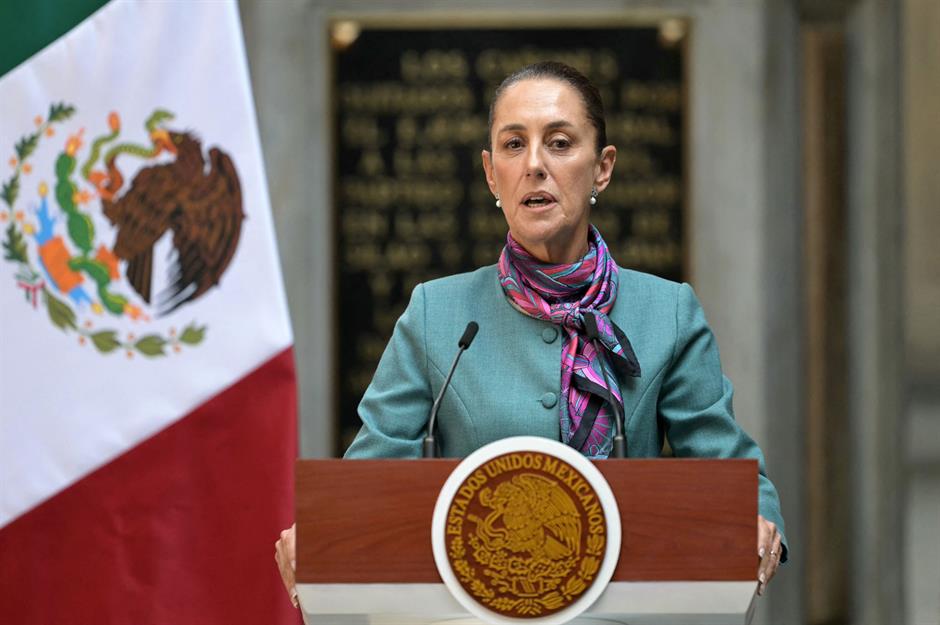
Mexico's debt-to-GDP ratio has swelled significantly over the past couple of decades. President Claudia Sheinbaum and her Morena administration inherited a substantial budget deficit from the previous government, which heavily invested in grand infrastructure projects.
Despite headwinds such as the Trump tariffs, her government appears committed to bringing the country's debt levels under control, having promised to narrow the fiscal deficit. However, the country's debt-to-GDP ratio has continued to creep slowly up.
Germany: 64.6% of GDP

Public spending is on the rise in Germany, and with it, the nation's debt-to-GDP ratio. In March 2025, the nation's parliament gave the green light to a massive boost in infrastructure and defence expenditure to upgrade the nation and counter Russia's increasing aggression. A break with the country's pacifist stance and fiscal discipline, the move was met with protests.
The expectation is that the investment will generate sufficient returns to limit the impact on the debt-to-GDP ratio. However, some analysts believe the figure may reach the mid-70s by the end of the decade.
Sponsored Content
India: 83.1% of GDP
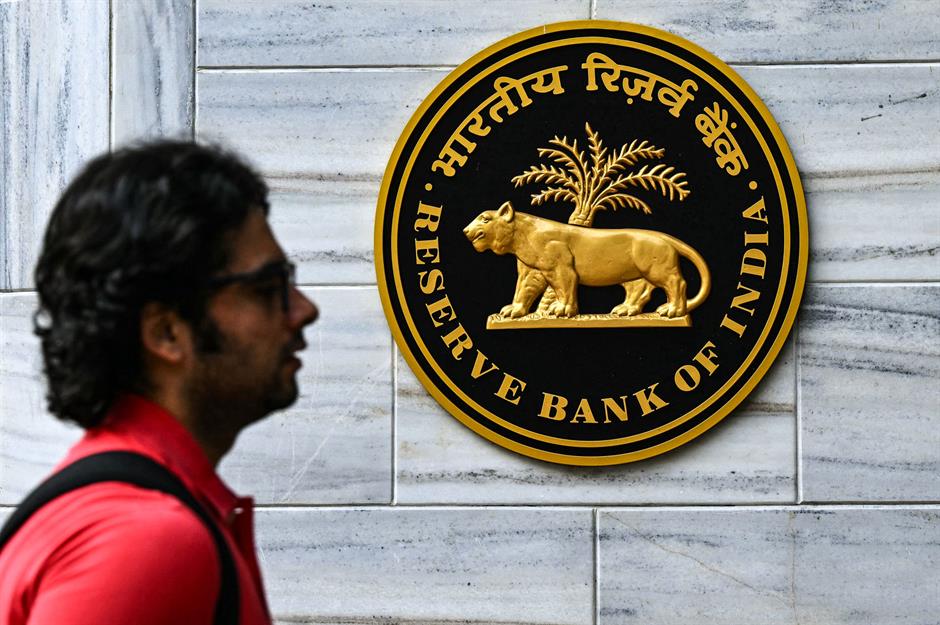
Bolstered by stellar economic growth and judicious fiscal policies, India's debt-to-GDP ratio has declined from its pandemic peak of 88.4% in 2020 and is trending to return to its pre-COVID figure of 75%.
In 2025, the government announced a roadmap to reduce the federal government debt-to-GDP ratio to 50% by 2031, affirming its emphasis on fiscal responsibility.
Brazil: 97% of GDP

Brazil's debt-to-GDP ratio has been on the increase since 2023, reversing a post-pandemic decline, with President Lula's generous spending on social programmes a key driver. With interest rates stubbornly high, the country's debt trajectory is becoming increasingly unsustainable, and a debt crisis could well be on the horizon.
To put this into perspective, Brazil spends 9% of its GDP on interest for its public debt.
Spain: 97.6% of GDP

Spanish government borrowing and spending have risen sharply in recent years, driven by rising public sector consumption and increasing costs for pensions and defence. Yet the nation's debt-to-GDP ratio actually declined as strong growth outpaced the rise in public debt.
It now stands at 97.6% of GDP, down from its pandemic peak of 119.2% in 2020. The figure is forecast to drop to 90.7% by 2030.
Sponsored Content
UK: 102% of GDP

Public sector debt officially passed the £3 trillion ($4tn) mark in the UK in 2026, although the debt-to-GDP ratio is forecast to edge downwards, albeit very slowly.
Meanwhile, the cost of servicing that debt is surging, with around $167 billion (£125bn) going to interest payments each year as a result of higher global inflation and elevated borrowing rates.
China: 104.4% of GDP

China's economy is in the doldrums, and the government is borrowing big to spend its way out of the crisis. Plans are afoot to increase its long-term debt to stimulate growth and reduce public debt, but many people think the strategy is extremely risky.
This approach has seen the country's debt-to-GDP ratio escalate to 104.4%, a jump from 70.6% at the beginning of the decade and a stark contrast to the 26% recorded in 2005.
Canada: 115.6% of GDP
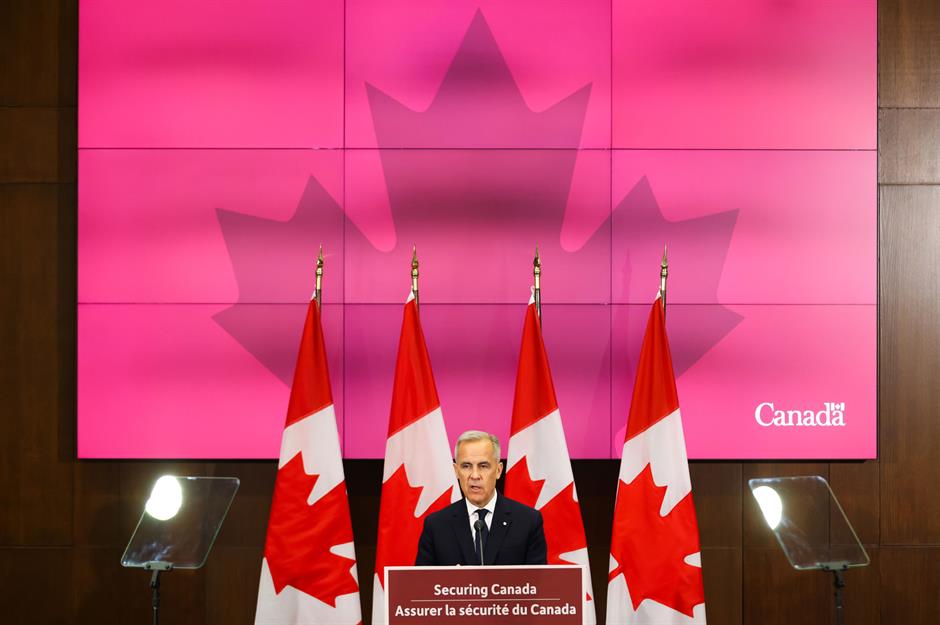
Canada's debt-to-GDP ratio stands at 115.6% of its GDP, up from 113.6% in 2025. However, it is forecast to trend down from this point on.
The Carney government is tackling the public debt issue with a spend rather than a save approach. Instead of resorting to austerity, it's aiming to cut the country's liabilities by boosting economic growth through increased spending on infrastructure and defence.
Sponsored Content
France: 118.5% of GDP

France is one of seven member states the EU has chastised for racking up an OTT budget deficit. With its famously generous welfare state and the tendency of the French public to resist reforms aimed at cutting public spending, the government is having a hard time reducing its debt.
France owes a staggering $3.6 trillion (£2.7tn), and the interest payments alone eclipse the entire French defence and education budgets. This helps explain the student protests in the country, sparked by chronic underfunding of schools.
USA: 126.8% of GDP

The US sits on the biggest public debt pile in the world. Government liabilities amount to a bewildering $40 trillion (£29.9tn), more than doubling in a decade. To put it into perspective, the interest payments on that debt exceed what America spends on both defence and Medicare.
With US national debt on an unsustainable path, efforts to cut government spending have been made, chiefly through Elon Musk's controversial DOGE, though the initiative hasn't saved all that much in real terms. In fact, the IMF is forecasting that the debt-to-GDP ratio will reach a staggering 145% by 2031.
Italy: 137.9% of GDP
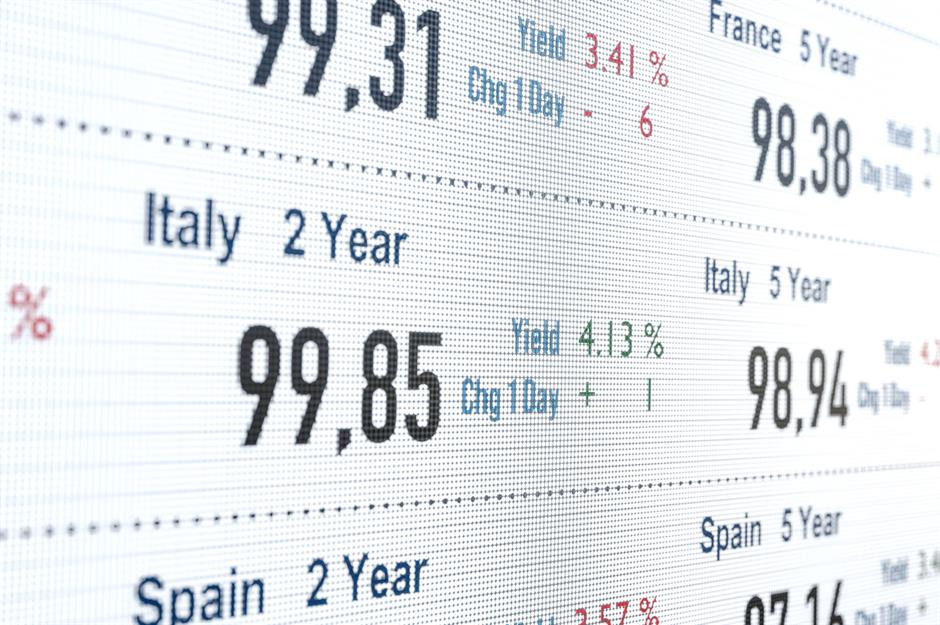
Drowning in liabilities, Italy just can't stop accumulating debt, which is becoming ever more unsustainable and a growing drag not just on the country but on the eurozone as a whole. One of the seven nations subject to the EU's excessive debt measures, Italy urgently needs to reduce the amount it owes. But the country's debt-to-GDP ratio is going in the opposite direction as growth stagnates.
This is likely to deter buyers of Italian bonds, further increasing the government's borrowing costs and worsening the nation's debt spiral.
Sponsored Content
Japan: 199.4% of GDP

Japan's debt-to-GDP ratio is the second-highest in the world at an astonishing 199.4% of GDP (only war-torn Sudan has a higher figure). This level of debt would spell disaster for many countries. But Japan is doing just fine, with its creditworthiness in the upper A category. Japan's debt is mostly held in yen, which is itself a leading reserve currency, and is owned domestically. Interest rates are very low by global standards, making the liabilities manageable, plus the government has ample foreign reserves and assets.
That said, the long-term sustainability of the debt is being questioned given Japan's rapidly ageing population, which means soaring social costs and a shrinking tax base.
Liked this? Click the Like button above. And click the Follow button above for more great stories from loveMONEY
Now discover the cheapest and most expensive countries to live and work abroad