Are UK people overtaxed compared to other countries?
What taxpayers really pay around the world
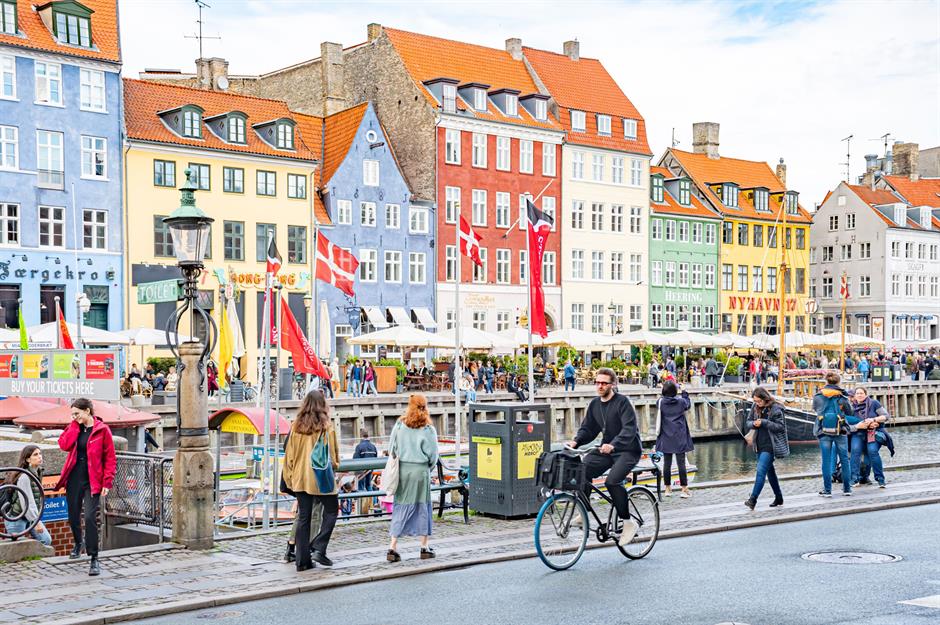
Think you hand over too much to the government? Death and taxes may be life's only certainties, but what you have to cough up varies enormously depending on where you live. And income tax is only part of the picture, with social security contributions, sales taxes and numerous other levies adding to the bill.
But do higher taxes mean better public services?
Read on to discover how 25 countries compare and what their taxpayers get in return.
All dollar amounts in US dollars
UAE
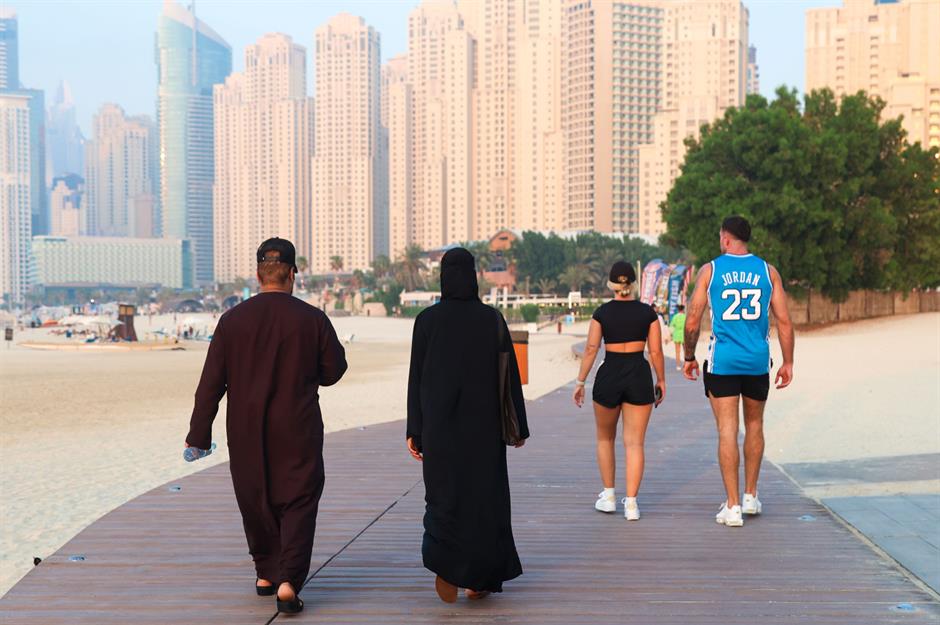
The UAE is a low-tax paradise, with no personal income tax and generally zero tax on personal capital gains or inheritances. Residents do have to shell out on municipal and property fees, but VAT comes in at just 5%.
So how does the government pay for everything? Oil and gas revenues, investment income, business taxes and fees help fund public services and infrastructure. However, while Emirati citizens enjoy generous state benefits, expats generally have to pay for schooling and rely on private health insurance for medical care.
Singapore
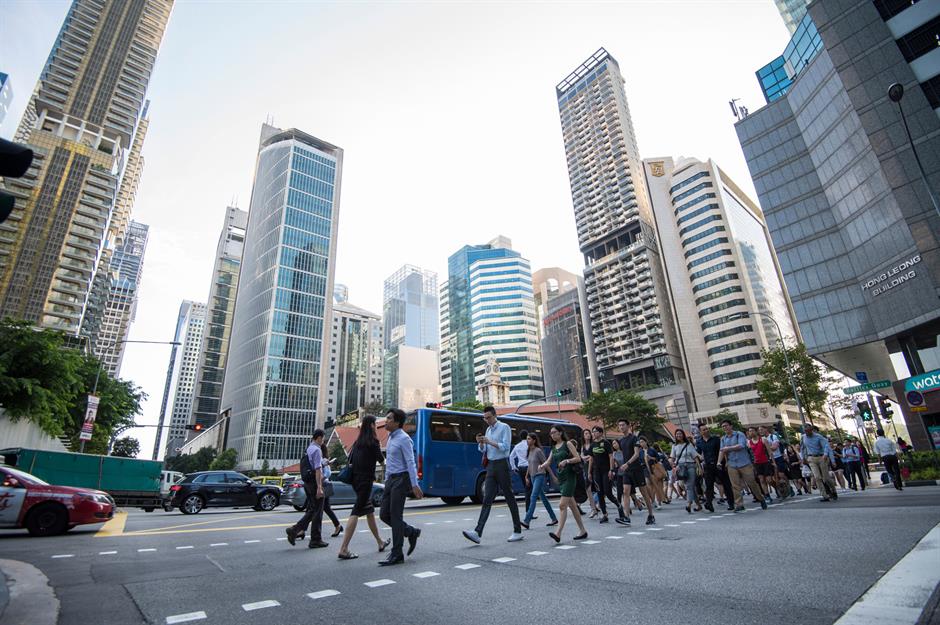
Singapore is another low-tax idyll in most respects. Personal income tax starts at 0% and tops out at 24%, while the Goods and Service Tax (GST), the local equivalent of VAT, is just 9%. There's generally no capital gains tax or inheritance tax, although property taxes can bite and the stamp duty rate for foreigners buying residential real estate is the highest in the world at over 60%.
Working citizens and permanent residents under 55 must also typically contribute 20% of their wages to compulsory retirement and healthcare savings. In return, they benefit from impeccable infrastructure, subsidised healthcare, public education and extensive government-backed housing schemes.
Sponsored Content
India
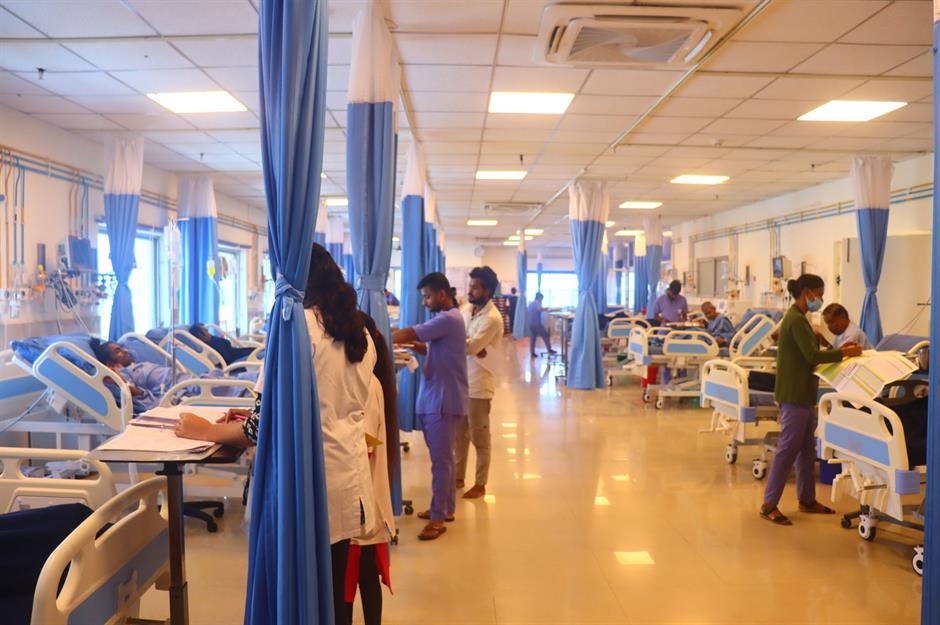
India's overall tax take is fairly modest by global standards, though personal income tax reaches 30%, with additional charges for higher earners. Most goods and services attract GST of 5% or 18%, with a 40% rate on certain products. Long-term capital gains are generally taxed at 12.5%, while inheritance tax is non-existent.
But public services remain patchy. Government schools and hospitals offer free or subsidised services, yet quality can be poor, and sanitation remains a major challenge. Despite considerable improvements, a third of the population still lack access to toilets with proper waste disposal.
China
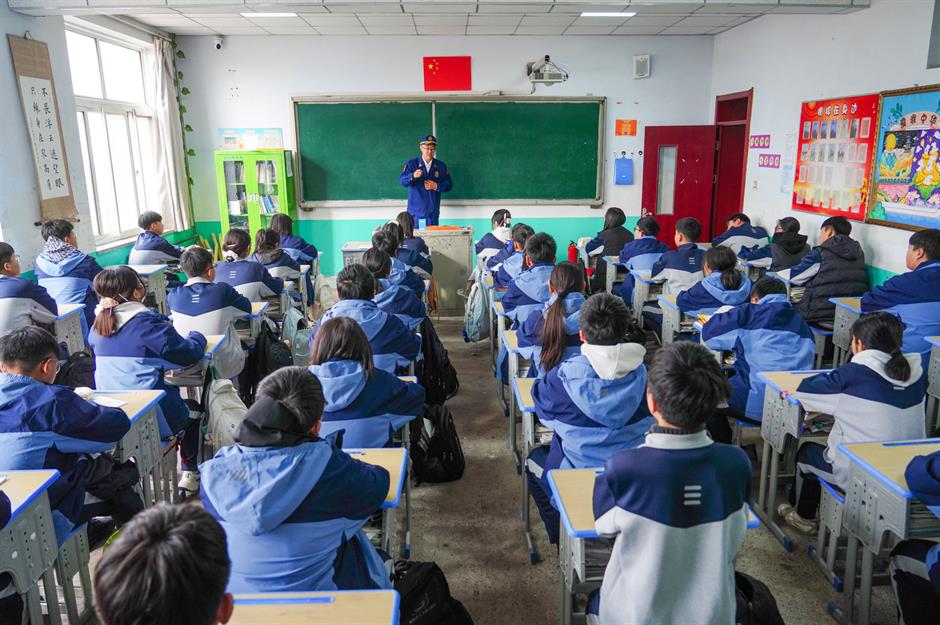
China collects less tax compared with Western countries, but workers can still face sizeable bills. Personal income tax ranges from 3% to 45%, while VAT varies from 6% to 13%. Capital gains are generally taxed at 20%, though exemptions apply, and there's no inheritance tax. Employees also pay compulsory social security contributions.
In return, the state provides extensive public infrastructure and tuition-free primary and middle-school education, while basic health insurance covers 95% of the population. However, patients are stung with hefty out-of-pocket costs, and services vary considerably between urban and rural areas.
Mexico
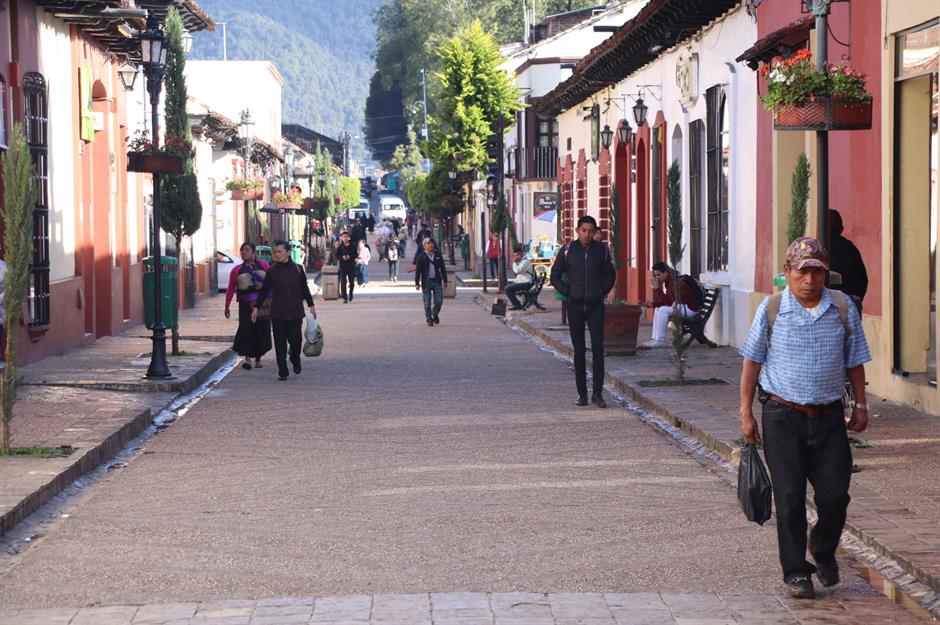
Mexico has the lowest overall tax burden in the OECD, but it's far from a tax haven. Income tax reaches 35%, VAT is 16%, and employees pay social security contributions. Capital gains are taxable, although listed shares generally attract a 10% rate. Inheritances are usually tax-free.
Yet the low tax take comes with shortcomings. Infrastructure is often inadequate and public education suffers from shoddy standards and underfunding. The government could also do far more to protect citizens from violent cartel-linked crime. Healthcare, on the other hand, is improving, with plans to introduce universal free coverage from 2027.
Sponsored Content
New Zealand

New Zealand has one of the lowest individual tax burdens among developed countries, quite a bit lighter than neighbouring Australia's. Income tax tops out at 39%, compared with Australia's 45%, although there's no tax-free allowance. GST is higher at 15% versus 10%. Neither country has inheritance tax, but New Zealand also has no general capital gains tax, although certain property profits are taxable.
Both countries offer free state schooling and universal public healthcare. However, New Zealanders generally pay for GP appointments, whereas most are free in Australia.
Switzerland
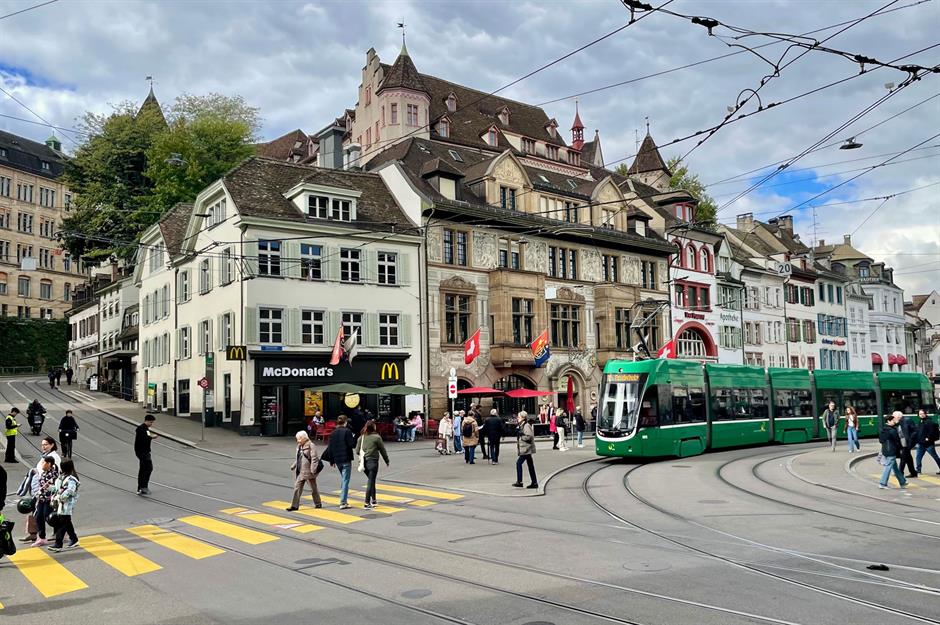
The Swiss tax system is generally favourable, although rates vary between cantons. The top combined income tax rate ranges from around 22% to 43%, while VAT is just 8.1%. Capital gains on personal investments are generally tax-free, but property profits and inheritances can be taxed locally. There's also an annual wealth tax.
Switzerland boasts exceptional infrastructure, ranked first globally in 2025. State education is free and highly regarded, while healthcare is also world-class, with 89% satisfied with its availability. However, compulsory health insurance premiums and medical bills can be expensive.
South Korea

South Korea's taxes pack a few surprises. Income tax starts at 6% and climbs to 45%, plus local income taxes, while VAT is a comparatively modest 10%. Employees also pay compulsory pension and health insurance contributions. Most ordinary investors pay no capital gains tax on listed Korean shares, but inheritance taxes can reach a painful 60%.
Taxpayers benefit from stellar public transport, hi-tech infrastructure and a strong education system. Universal health insurance is another plus, although patients still shoulder substantial medical costs, and South Korea has relatively few doctors per person.
Sponsored Content
Australia

Australia's tax burden isn't OTT, although income tax reaches 45%, with an additional 2% Medicare levy for most earners. GST is just 10%, and there's no inheritance tax. Capital gains are taxed as income, but individuals generally receive a 50% discount on gains from assets held for at least a year.
In exchange for their tax dollars, Australians enjoy robust infrastructure, free public schooling and universal healthcare through Medicare. Public hospital treatment is generally free, although dental care, ambulance trips and some medical services can land patients with unwelcome bills.
USA
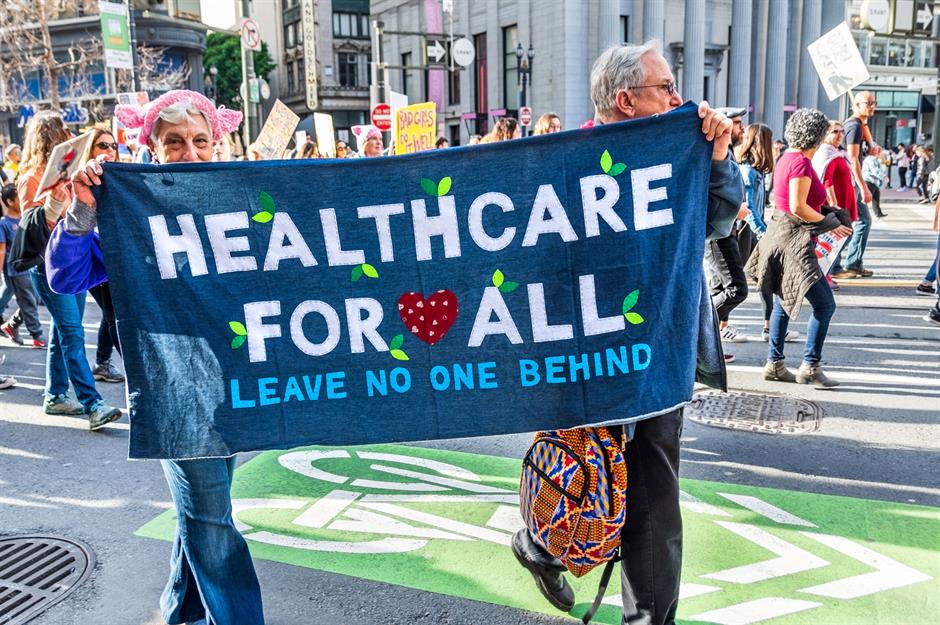
Americans carry a relatively light tax burden, but the bill varies considerably by state. Federal income tax reaches 37%, with state and local taxes adding more. Employees typically pay 7.65% in Social Security and Medicare contributions, while sales and property taxes also bite. Long-term capital gains face federal rates of up to 20%, and large estates can be taxed at 40%.
Americans benefit from high-quality infrastructure and free public schooling, but healthcare is a major expense. Unlike every other developed country, the US lacks universal coverage, and insurance premiums and out-of-pocket medical costs can be astronomical.
South Africa

The tax burden in the Rainbow Nation isn't all that heavy from an international perspective. But higher earners pay pretty steep rates, with income tax topping out at 45%. VAT is 15% and capital gains can attract an effective tax rate of 18%. Estates worth more than $210,000 (£159k) can also face estate duty of 20% to 25%.
Sadly, taxpayers don't get much back. Public healthcare and education are available, but quality can be abysmal, while infrastructure is notoriously unreliable. And despite paying taxes to fund policing and public safety, South Africans endure shocking levels of violent crime.
Sponsored Content
Canada
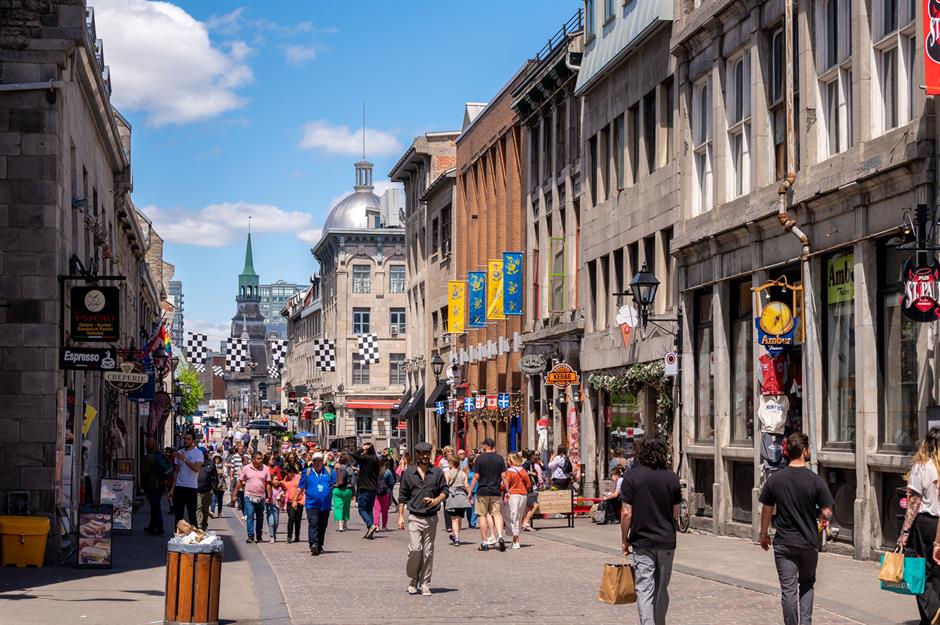
Canadians generally pay more tax than Americans, although the difference for average workers is surprisingly small. Federal income tax reaches 33%, with provincial rates adding up to 21.8%. Sales taxes range from 5% to 15%, while property taxes and pension contributions add to the bill. There's no inheritance tax, but capital gains can be taxed upon death.
Canada has excellent infrastructure, ranked fifth globally in 2025, ahead of the US in 11th place. Free public schooling and universal healthcare are further benefits, although dental care and prescription medicines aren't always covered.
UK
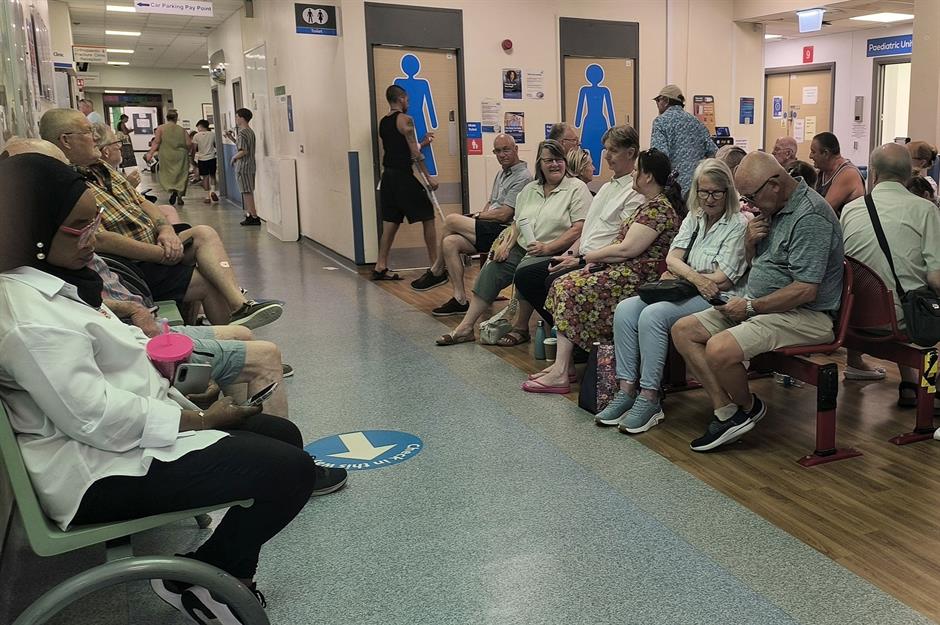
The UK has more taxes than at any time since 1834, with the overall burden at its highest since 1945. With frozen thresholds adding to the squeeze, income tax reaches 45%, or 48% in Scotland, while workers also pay National Insurance. VAT is 20%, capital gains tax reaches 24% and inheritance tax can hit 40%. Council tax and stamp duty add more.
The UK is rightly proud of its NHS, which provides universal healthcare largely free at the point of use. But, like the nation's infrastructure and public education system, it faces immense funding pressures, raising questions about whether taxpayers are getting value for money.
Ireland
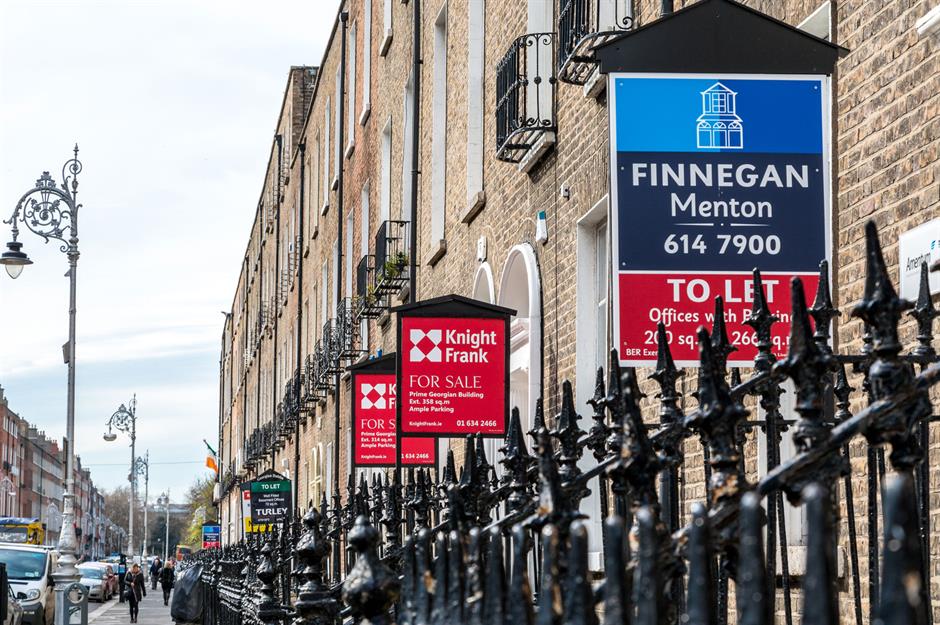
Ireland's 40% top income tax rate is only part of the story. People in work also pay the Universal Social Charge and social insurance contributions, while VAT sits at 23%. Capital gains tax was recently cut to 31%, but inheritance and gift taxes remain at 33%, above tax-free allowances. Property taxes add to the bill.
Education, various social benefits and universal healthcare are provided by the state. However, many adults must pay for GP appointments, while high housing costs and infrastructure pressures complicate the picture for taxpayers.
Sponsored Content
Japan
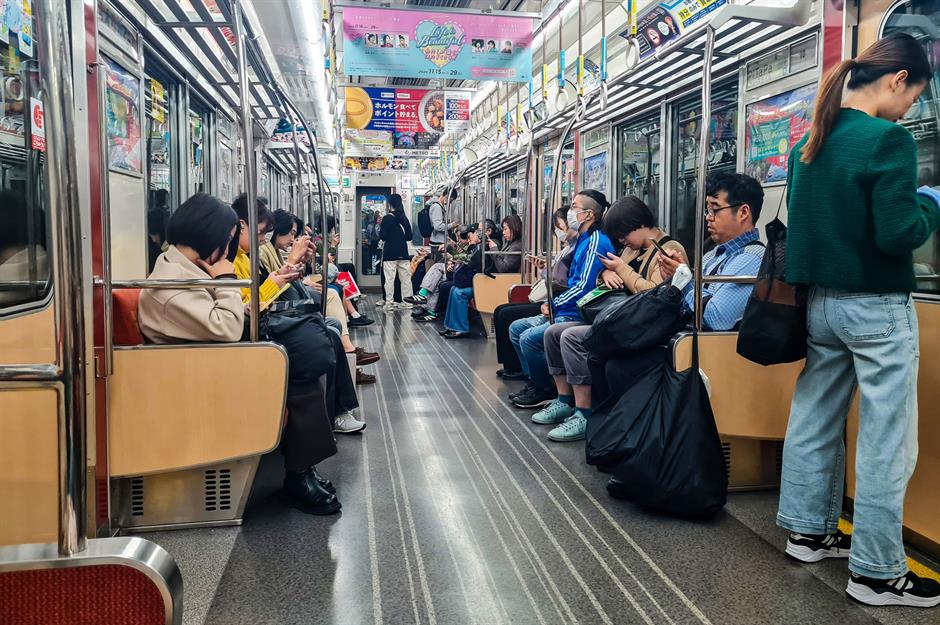
Japan's income tax tops out at 45%, with local taxes adding roughly 10% more. Workers also pay considerable social insurance contributions, while consumption tax is just 10%. Capital gains on shares generally attract a 20.3% levy, and inheritance tax can reach a punishing 55%, one of the highest rates in the world.
Japan offers fantastic public transport, well-maintained infrastructure and high-quality state education. Universal healthcare is also top-notch, though patients must have mandatory insurance and typically pay 30% of their medical bills.
Argentina
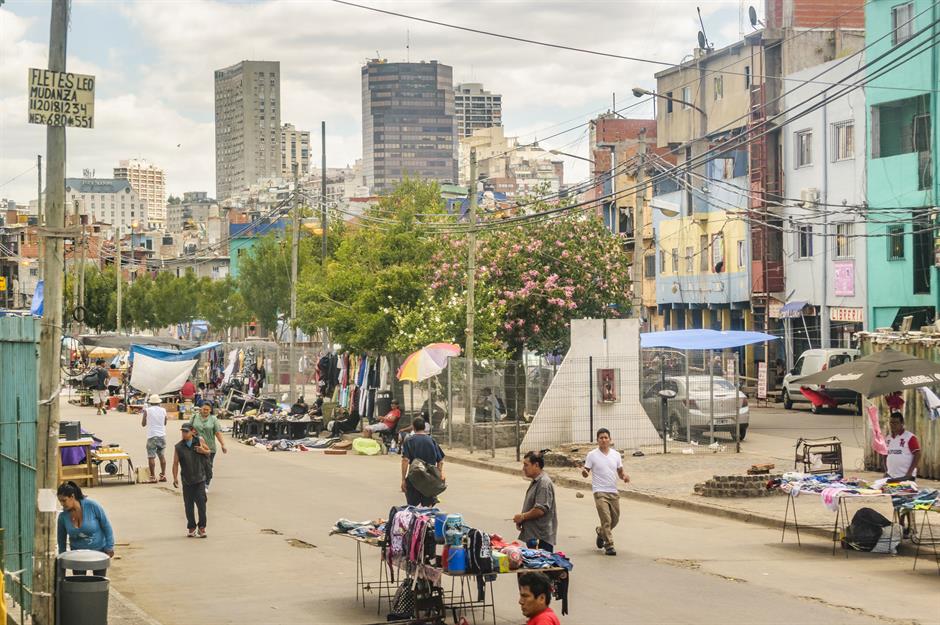
Argentina's tax system is more demanding than its 35% top income tax rate suggests. Employees contribute 17% to social security, VAT is 21%, and capital gains can attract a 15% levy. There's also an annual wealth tax, although its maximum rate has fallen to 0.75% in 2026. Inheritance tax is absent, except in Buenos Aires Province.
Argentinians can access free public healthcare and state education, but quality is often mediocre. Making matters even worse, President Milei's government has cut public services to the bone as part of its austerity programme.
Poland
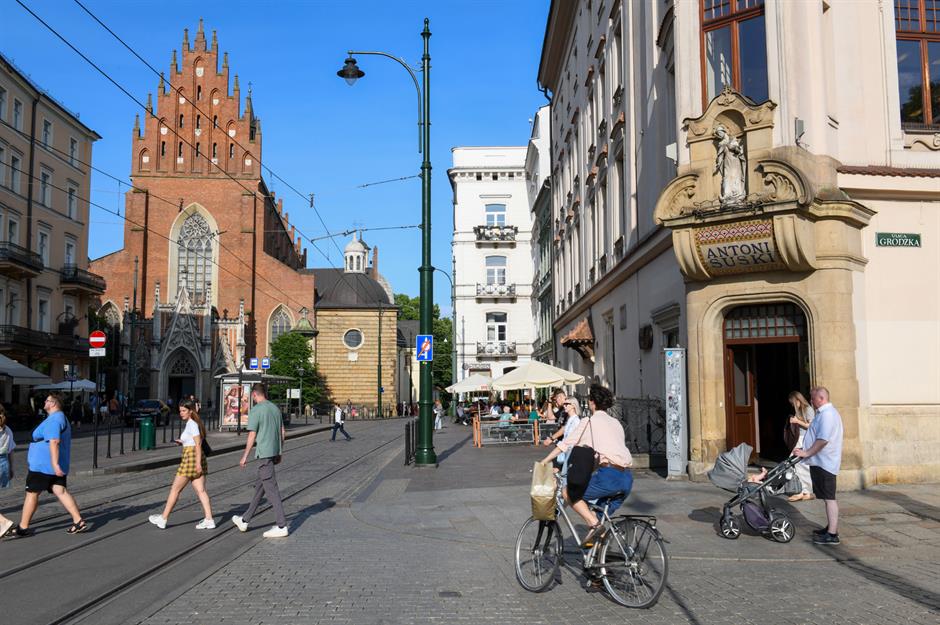
Poland's income tax rates look relatively modest at 12% and 32%, but workers also face major deductions. Employees typically pay 13.71% in social security contributions, plus 9% towards healthcare. VAT is 23%, while capital gains are generally taxed at 19%. Inheritance tax applies too, although close relatives can qualify for exemptions.
Poland provides free state schooling and public healthcare, but these services face challenges. Just 51% of people are satisfied with healthcare availability, according to the OECD, while infrastructure still lags behind much of Western Europe.
Sponsored Content
Denmark
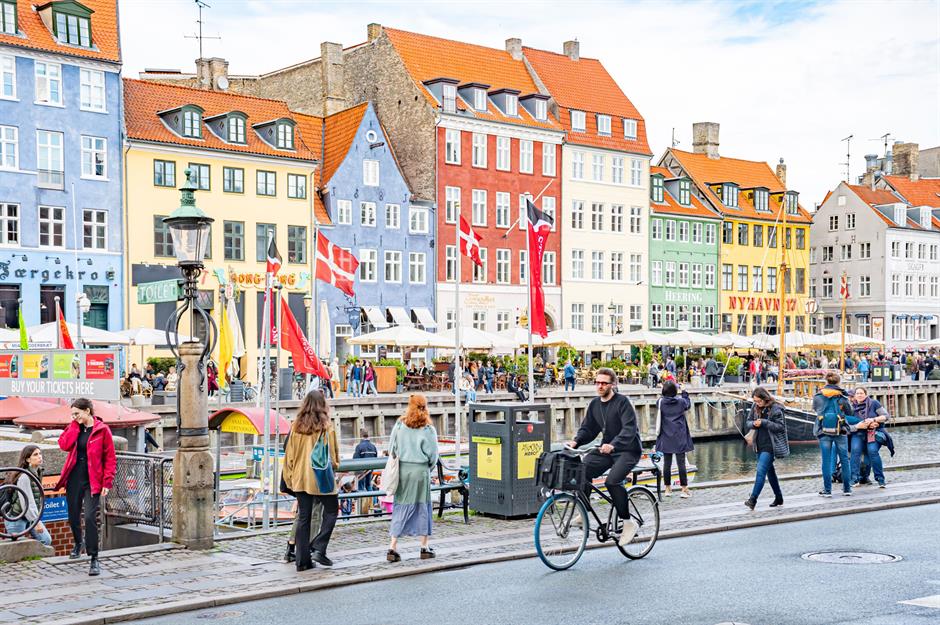
Denmark collects more tax relative to GDP than any other OECD country, at 45.2%. Yet other nations put a heavier burden on individuals. Be that as it may, income tax can reach a whopping 60.5%, while VAT is 25%. Capital gains on shares are taxed at up to 42%, and inheritance tax can top out at 36.25%, although spouses are exempt.
But Danes get plenty for their tax kroner. Enviable healthcare, education, generous childcare subsidies and extensive social benefits are complemented by outstanding infrastructure, ranked second globally in 2025.
Netherlands

The Dutch tax system takes an ample slice of people's earnings, with income tax and national insurance contributions reaching a combined 49.5%. VAT is 21%, while inheritance tax can hit 40%. The Netherlands also taxes investment returns, including those calculated on savings and shares, even when no profit has been realised. Property and local taxes add to the bill.
The country offers first-rate infrastructure, gratis school education, and comprehensive social benefits. Healthcare is high-quality and universal, although residents must purchase compulsory health insurance.
Brazil

Brazil has one of Latin America's heaviest overall tax burdens, despite personal income tax topping out at a not overly taxing 27.5%. Workers also pay social security contributions, while a complicated mix of sales taxes is being overhauled. Capital gains tax ranges from 15% to 22.5%, and inheritance taxes reach 8%.
Brazilians have access to free public healthcare and education, but quality can be substandard. Infrastructure is another weak spot, with inadequate sanitation and poor roads particularly affecting poorer communities.
Sponsored Content
Sweden
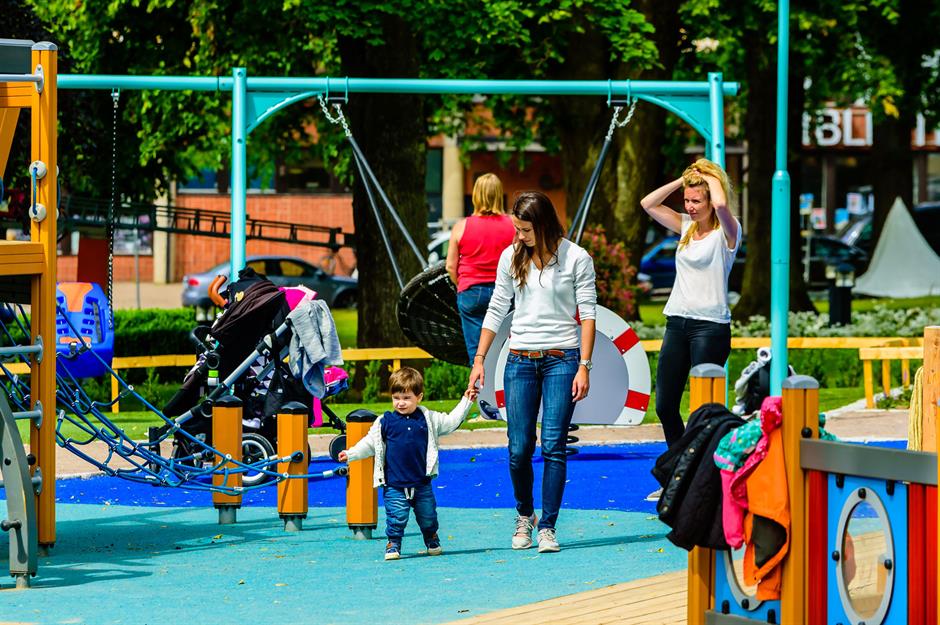
In Sweden, income tax reaches around 52%, including municipal and national levies. VAT stands at 25%, while capital gains are generally taxed at 30%. However, the Scandinavian nation abolished inheritance tax in 2005 and wealth tax in 2007. Property owners still pay an annual charge, and employers make large social security contributions.
Swedes enjoy excellent infrastructure, universal healthcare, free education and generous parental leave and childcare subsidies. The country's extensive welfare system helps support high living standards, although healthcare access isn't without its problems.
Spain

Spain's taxes can be particularly onerous for higher earners, with income tax reaching 47% or more in some regions. Workers also pay social security contributions, while VAT is 21% and capital gains tax is up to 30%. Inheritance and property taxes vary considerably by region, and Spain is unusual in also taxing substantial personal wealth.
Taxpayers benefit from universal public healthcare, free state education and extensive transport infrastructure, including countrywide high-speed rail. Healthcare performs well internationally, with life expectancy among the highest in the OECD, although regional disparities remain.
Italy
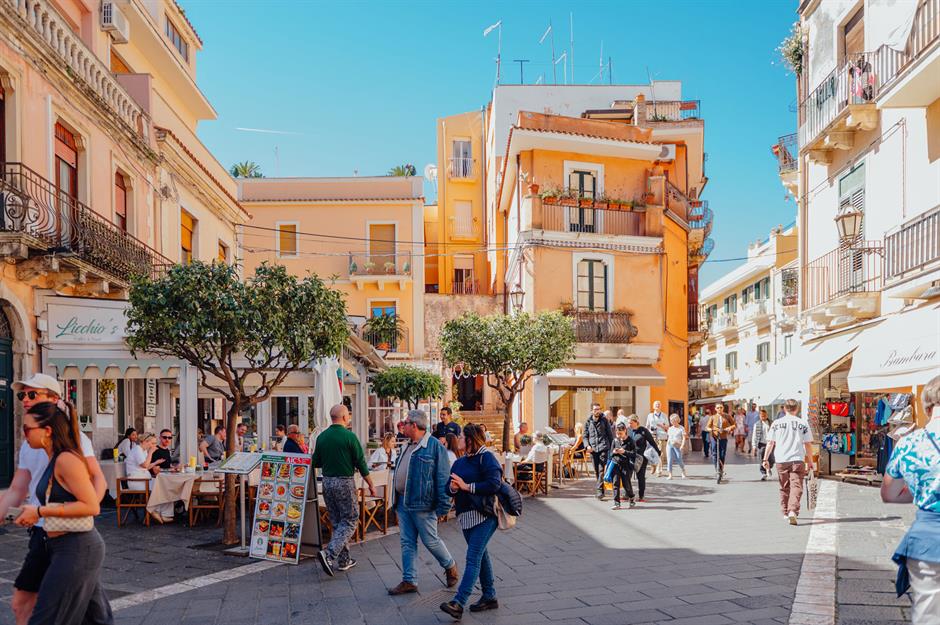
Italy places a heavy tax burden on workers, with income tax reaching 43%, plus local levies and social security contributions. VAT is 22%, capital gains are generally taxed at 26% and inheritance tax ranges from 4% to 8%, with generous family allowances.
Yet tax evasion is rife. The OECD estimates that $112 billion (£85bn) in taxes and social contributions went unpaid in 2023. Italians get universal healthcare, free state education and generous pensions, although public services vary considerably between the north and south.
Sponsored Content
France
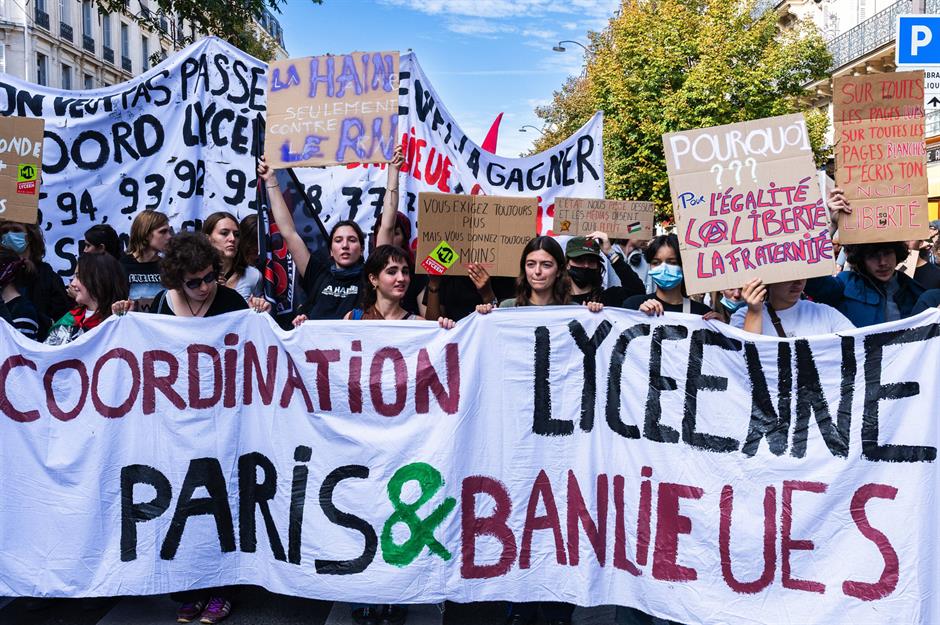
France's workers also carry a weighty tax burden, with income tax reaching 45% and huge social security contributions. VAT is 20%, while capital gains on shares are generally taxed at 31.4%, including social charges. Inheritance tax can reach 45% for children, and substantial property holdings attract an annual wealth tax.
French taxpayers do get quite a lot in return, from free schooling and universal healthcare to lavish welfare benefits. However, public services are under pressure. A decline in educational standards is causing particular concern, with the recent nationwide school protests highlighting the issue.
Germany
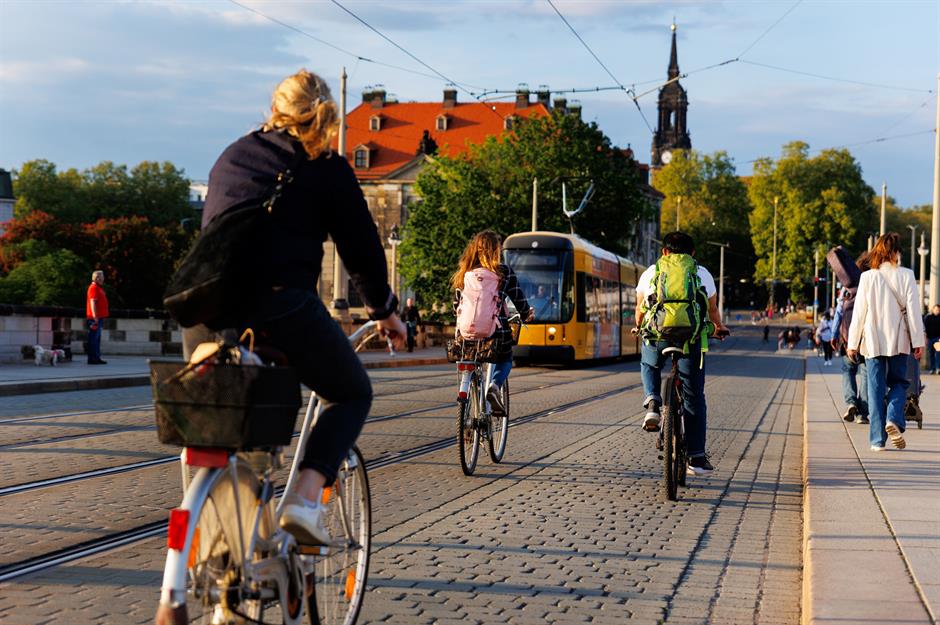
German workers lose a significant chunk of their earnings to tax and social security contributions, with income tax reaching 45%. VAT is 19%, capital gains on shares are generally taxed at 26.4%, and inheritance tax can reach 50%, although generous family allowances apply. Other liabilities include property taxes.
For their supersized contributions, German taxpayers get universal healthcare, free state education, a raft of social benefits and generally high-quality infrastructure. While parts of the transport network are ageing, the government has earmarked $560 billion (£424bn) for infrastructure and climate investment by 2037.
Now see if your government is making you poorer