The changing value of your money: how the pound compares to key currencies
How much has your money lost since 2020?

From soaring inflation to wildly fluctuating exchange rates, the world's currencies have had a turbulent six years amid everything from pandemic turmoil to wars in Ukraine and the Middle East.
Some have strengthened considerably on the international stage, while others have suffered spectacular collapses. But even currencies that have gained ground abroad have lost purchasing power at home as prices have risen.
Read on to discover how 21 major currencies have performed, from the best to the worst, and find out how much inflation has eaten into their value.
All dollar amounts in US dollars
How do you measure a currency's value?
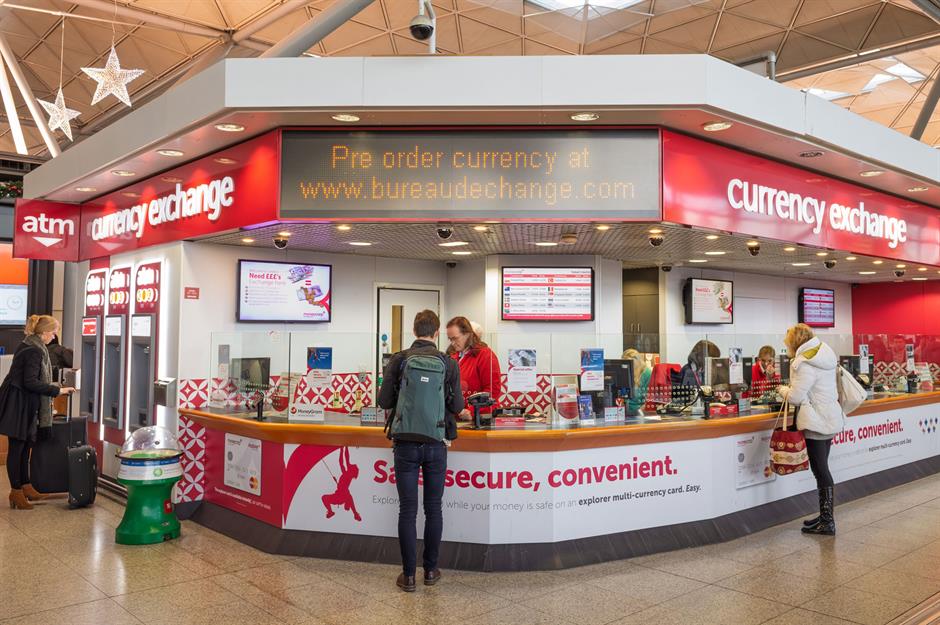
A currency can strengthen internationally while losing purchasing power at home. That's because exchange rates and inflation measure two different things. A stronger currency can purchase more foreign money, but rising prices domestically mean it buys less in its own country.
To compare the 21 currencies, we've used the Bank for International Settlements' trade-weighted exchange rates covering July 2020 to July 2026. They measure each currency against a basket of others rather than just the US dollar.
We've also calculated how much domestic purchasing power inflation wiped out over the same six-year period, based on each nation's consumer price index.
Mexico's peso: +32.4% since 2020
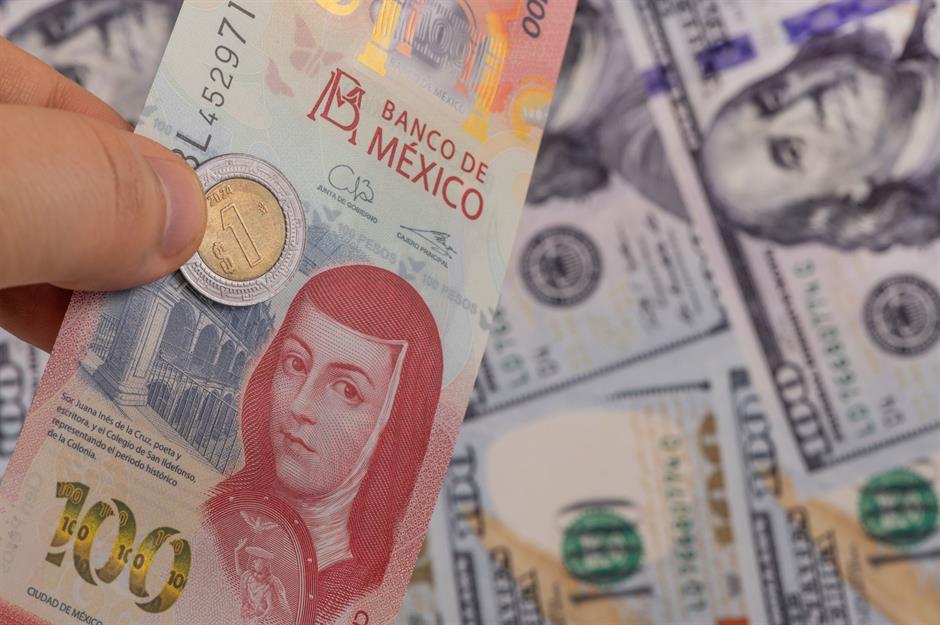
The Mexican peso takes the top spot, having appreciated by an impressive 32.4% since 2020. Dubbed the super peso, it's benefited from relatively high interest rates, which have attracted foreign investors, and growing demand for Mexican exports as companies move production closer to the US.
But the picture isn't entirely rosy. While the peso has surged internationally, inflation has eroded 26% of its purchasing power at home. Its strength has also made Mexican exports more expensive for overseas buyers, putting pressure on businesses.
Sponsored Content
Israel's shekel: +31.4% since 2020

Despite the war in Gaza, attacks on Iran and wider regional conflict, Israel's shekel has strengthened by 31.4% since 2020. The country's robust central bank, thriving technology sector and flourishing exports have worked wonders supporting the currency.
The stronger shekel has helped contain inflation by making imports cheaper, although rising prices have nonetheless reduced its domestic purchasing power by 16%. Meanwhile, Israeli exporters have faced headwinds as their goods have become pricier overseas.
Switzerland's franc: +21.2% since 2020
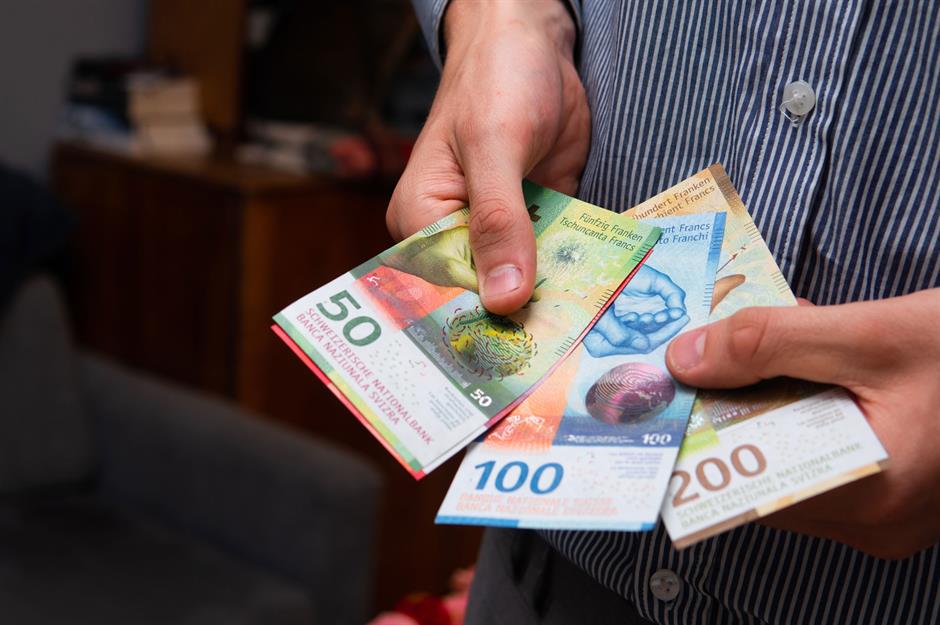
Long regarded as a safe-haven currency, the Swiss franc has gained 21.2% since 2020, as investors have sought refuge from the global chaos. Switzerland's political stability and sound finances make it the perfect place to stash away money when times are rocky.
Over the past six years, inflation has eroded just 7% of the franc's domestic purchasing power, one of the smallest losses in our ranking. But its strength has also caused problems for exporters, while cheaper imports contributed to the dreaded deflation in 2025.
Brazil's real: +18.1% since 2020
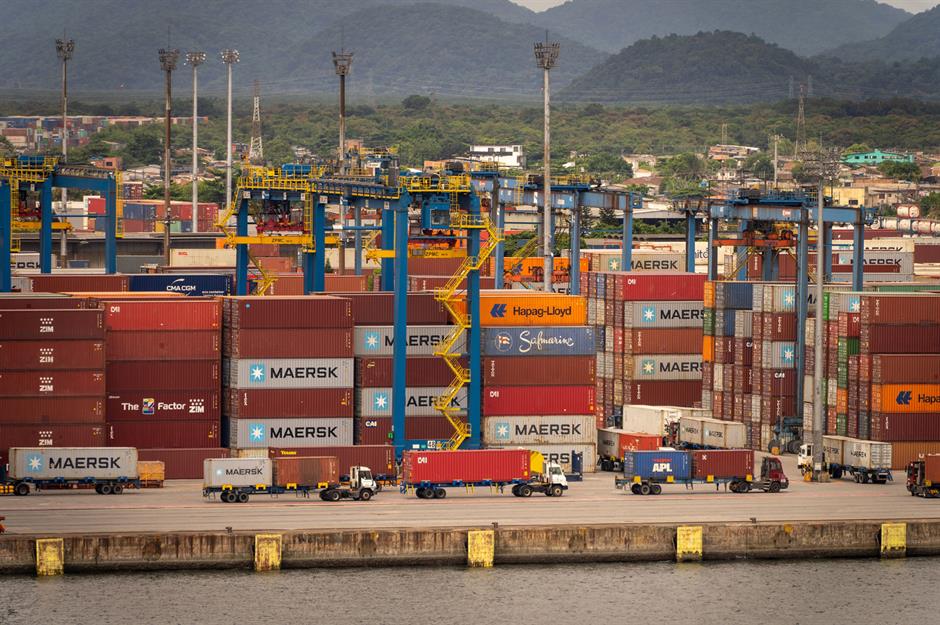
Brazil's real has appreciated by 18.1% since 2020, buoyed on by high interest rates that have attracted foreign investors in their droves. Fierce demand for Brazilian exports including soybeans, iron ore and oil has also shored up the currency.
However, this boom triggers the same currency paradox seen in Mexico, Israel and Switzerland: a strong real makes Brazil's commodities more expensive, threatening to stall the very exports driving its growth. In the meantime, rising prices have wiped out 30% of the currency's domestic purchasing power.
Sponsored Content
China's renminbi: +15.9% since 2020

The Chinese renminbi, aka the yuan, has strengthened by 15.9% since 2020. But many analysts believe it should have appreciated much more. Beijing allegedly limits its rise to protect exports, which generated a record trade surplus in 2025. US and European policymakers argue the currency remains artificially undervalued, a claim China denies.
Inflation has shaved just 5% off the yuan's domestic purchasing power, the smallest loss in our ranking. Be that as it may, weak consumer demand and a troubled property market have fuelled deflationary pressures, squeezing profits and hampering economic growth.
Singapore's dollar: +14% since 2020
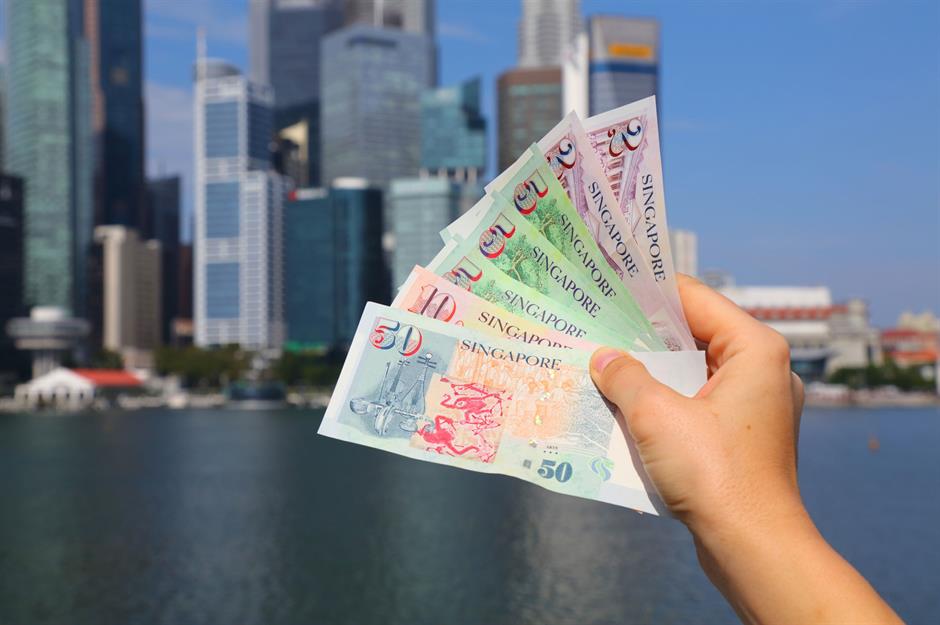
Singapore's dollar is up 14% since 2020, thanks partly to an unusual approach to monetary policy. Unlike most central banks, which adjust interest rates to control inflation, the Monetary Authority of Singapore manages the currency's exchange rate directly, allowing it to appreciate to keep imported goods and services affordable.
This is particularly important for Singapore, which relies heavily on imports. The strategy has helped contain price rises, although the dollar buys 17% less at home compared to 2020 due to unavoidable inflation.
Britain's pound: +13.1% since 2020

Despite the UK's post-Brexit economic woes and years of political upheaval, the pound has strengthened by 13.1% since 2020, outperforming both the euro and US dollar. Relatively high interest rates have helped support sterling, pulling in investors after better returns.
But the picture at home is less encouraging. Inflation, driven by snowballing energy and food prices following the pandemic and Russia's invasion of Ukraine, has eroded 23% of the pound's domestic purchasing power.
Sponsored Content
Poland's zloty: +9.6% since 2020

The Polish zloty has appreciated by 9.6% since 2020, despite taking a painful hit following Russia's invasion of neighbouring Ukraine in 2022. The currency subsequently recovered, helped by higher interest rates versus the eurozone and renewed investor confidence.
But Poland has suffered one of the biggest inflation shocks in our ranking, with rising prices wiping out 32% of the zloty's domestic purchasing power. Mushrooming energy and food costs, exacerbated by the war in Ukraine, have taken a heavy toll on household finances.
Euro: +7.8% since 2020

The euro has gained 7.8% since 2020, weathering the pandemic, an energy crisis triggered by Russia's aggression, trade tensions with the US and years of sluggish economic growth. Interest rate hikes by the European Central Bank have helped keep the currency buoyant, though mounting government debt in countries such as France and Italy has rattled investors.
In the meantime, inflation has destroyed 21% of the euro's purchasing power across the eurozone.
South Africa's rand: +7.5% since 2020

South Africa's notoriously volatile rand is up 7.5% since 2020, helped by skyrocketing gold and platinum prices, two of the country's key exports. The weaker US dollar has also boosted the currency, particularly during its rally in 2026.
Yet the rand's recovery masks serious economic problems, including anaemic growth, ailing infrastructure and widespread unemployment. The country's jobless rate reached 33.6% in the second quarter of 2026, while inflation has devoured a quarter of the rand's domestic purchasing power over the past six years.
Sponsored Content
Australia's dollar: +3.6% since 2020

The Aussie dollar has edged up just 3.6% since 2020, reflecting its sensitivity to global commodity prices and muted demand from China, the nation's largest trading partner. Exports of iron ore, coal and natural gas have supported the currency, while China's economic slowdown has periodically dragged it down.
Higher interest rates have enabled the dollar to regain ground in 2026, but the Reserve Bank of Australia is still grappling with stubborn inflation. Escalating prices have eroded 22% of the currency's domestic purchasing power since 2020.
US dollar: +2.1% since 2020

The world's dominant reserve currency has gained a modest 2.1% since 2020. The dollar surged in 2022 as the Federal Reserve hiked interest rates, wobbled in 2023 and much of 2024, then climbed again at the end of that year. Since January 2025, it's been trending down amid concerns over President Trump's trade policies, ballooning government debt and economic uncertainty.
As for the greenback's domestic purchasing power, it has weakened by 22% over the past six years, exactly the same loss as the Australian dollar.
Hong Kong's dollar: +0.7% since 2020
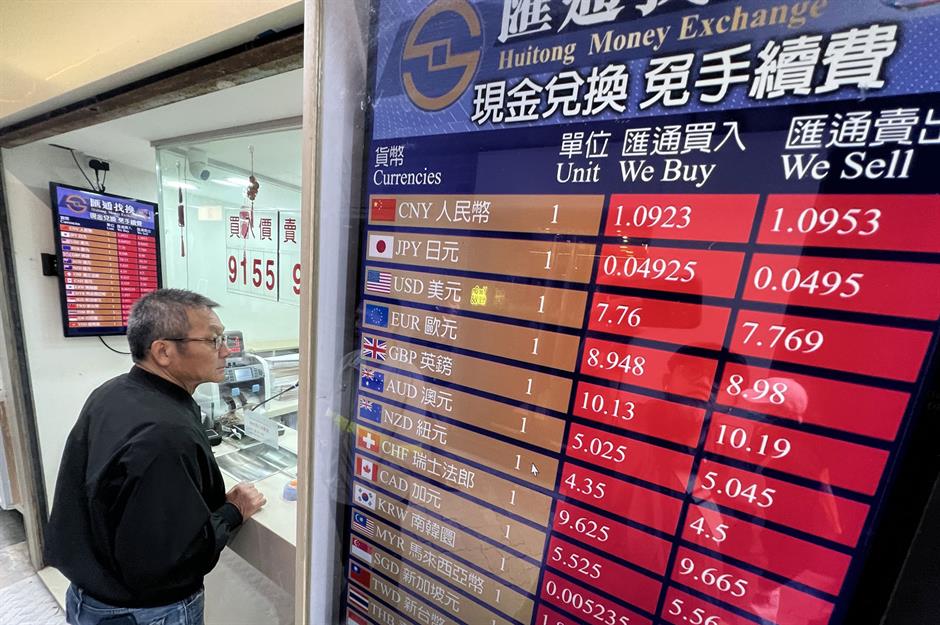
While mainland China's renminbi has gained 15.9% since 2020, the Hong Kong dollar has barely budged, creeping up just 0.7%. Unlike the yuan, it's pegged to the US dollar, with its exchange rate kept within a narrow band. This arrangement has been in place since 1983.
The peg provides stability but also ties Hong Kong's monetary policy closely to America's, limiting its flexibility. In any case, inflation has eroded only 12% of the currency's domestic purchasing power since 2020, considerably less than the US dollar's 22% loss.
Sponsored Content
Sweden's krona: -2.6% since 2020
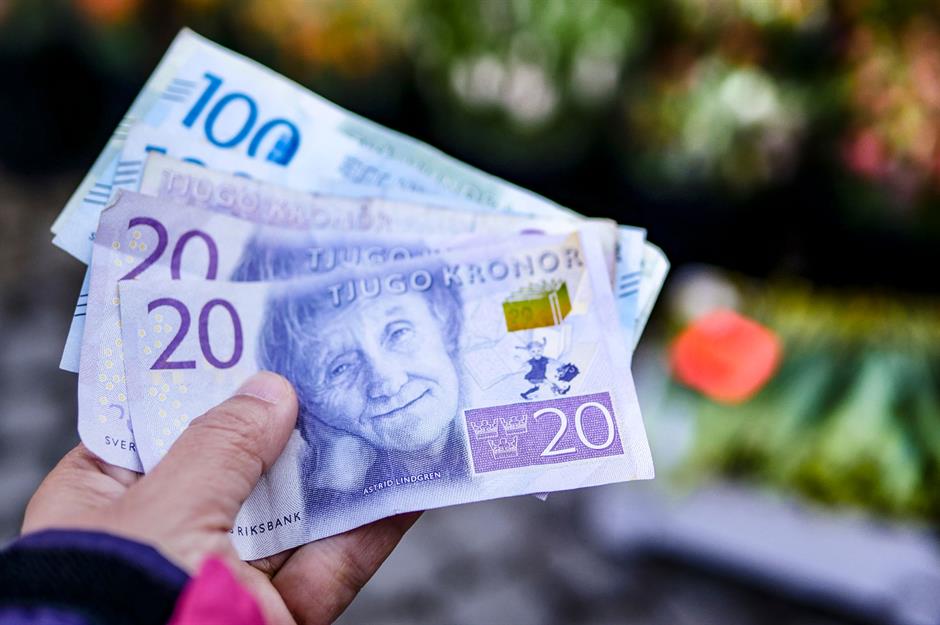
Sweden's krona has shed value internationally since 2020, slipping 2.6%. A property market downturn, disappointing economic growth and relatively low interest rates have dragged it down, as have investors flocking to safe haven currencies.That said, investment in Sweden's booming technology sector stimulated something of a recovery in 2025.
The weak krona has also made imports more expensive, adding to Sweden's inflation problems. Overall, rising prices have wiped out 20% of its domestic purchasing power since 2020.
Canada's dollar: -3.1% since 2020
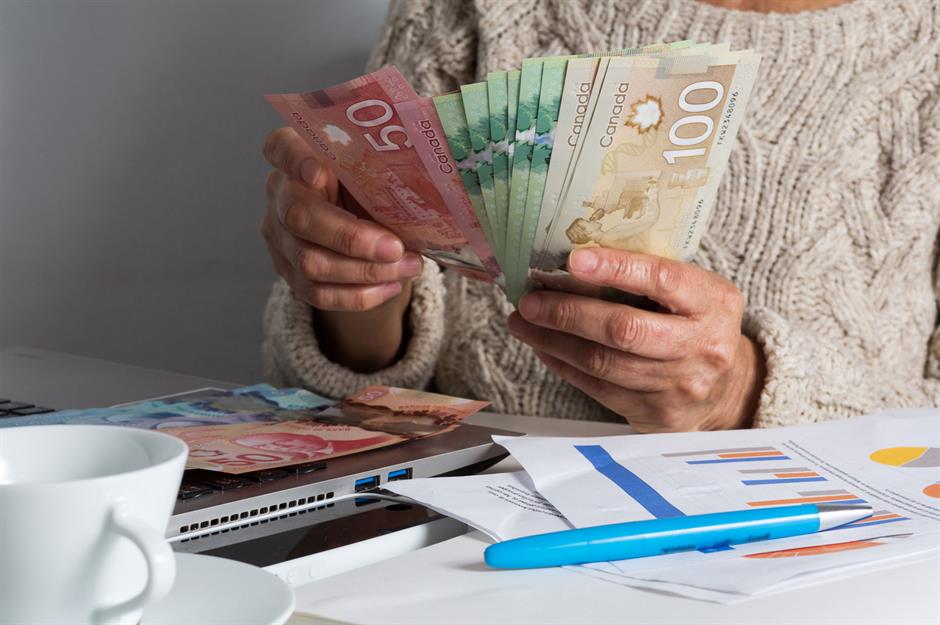
Nicknamed the loonie, the Canadian dollar has dropped 3.1% since 2020. The currency's fortunes are closely tied to oil prices, but lacklustre economic growth and interest rate cuts have also weighed on its value. More recently, the all-out trade conflict with the US has further unsettled investors.
The loonie's weakness comes as inflation has erased 19% of its domestic purchasing power. Rising living costs, particularly housing and food, have squeezed Canadian households, although they have fared slightly better than their American counterparts.
New Zealand's dollar: -8.4% since 2020
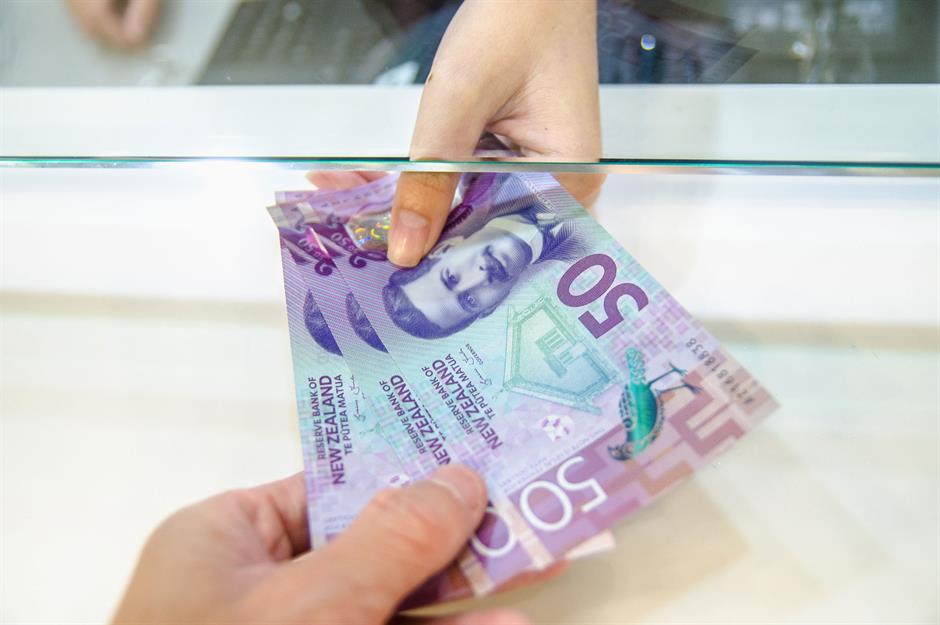
New Zealand's dollar has lost 8.4% of its international value since 2020. A meh economy, falling interest rates and uncertainty over demand from major trading partner China have done the currency no favours, although strong dairy and meat prices have offered some support.
At home, inflation has eroded 23% of the dollar's purchasing power, slightly more than Australia's 22%. New Zealand's central bank slashed interest rates to revive the economy, but renewed inflationary pressures forced it to begin raising them again in July.
Sponsored Content
South Korea's won: -14.3% since 2020
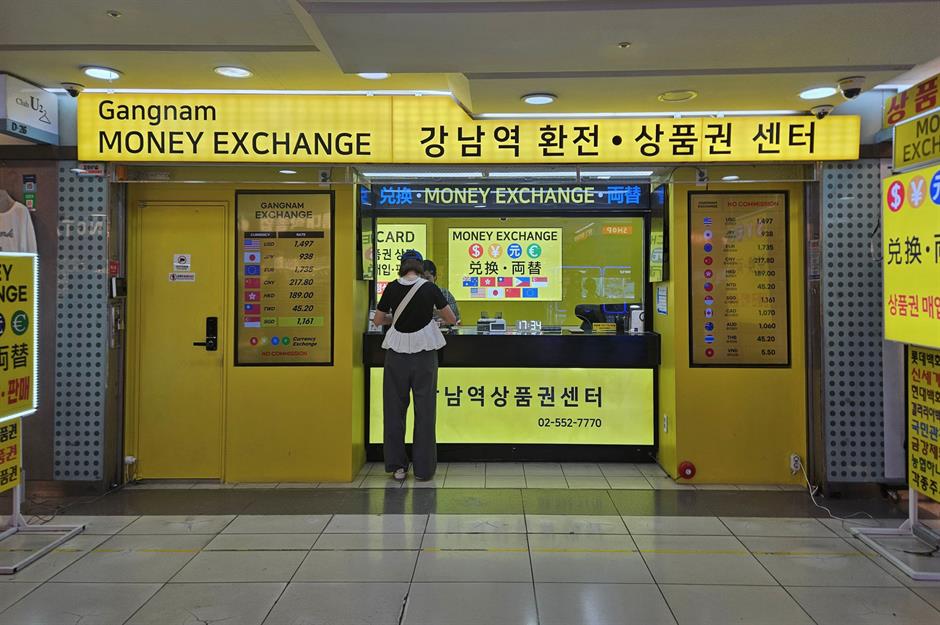
On shaky ground, the South Korean won has tumbled 14.3% since 2020, undermined by political instability, interest rate cuts and Korean investors shifting billions into US stocks. The currency came under particular pressure following the country's martial law crisis in December 2024, prompting authorities to intervene.
Even South Korea's booming semiconductor industry, powered by global demand for AI chips, hasn't been enough to offset the decline. On a more positive note, domestic purchasing power has declined by 17%, which is considerably less than in many other economies.
India's rupee: -18.5% since 2020
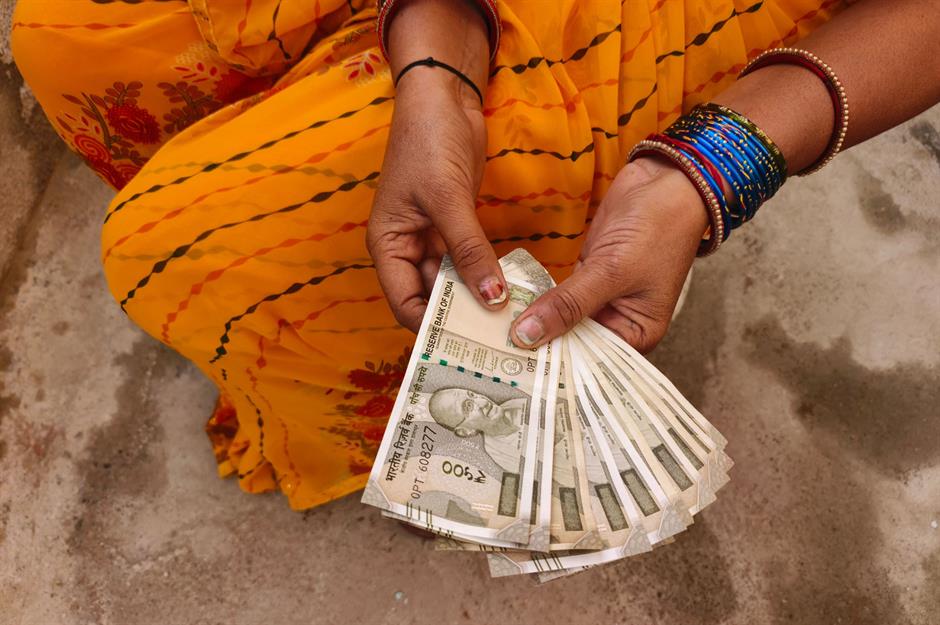
India may be one of the world's fastest-growing major economies, but its rupee has kissed goodbye to 18.5% of its international value since 2020. Heavy reliance on imported oil has left the currency vulnerable to surging energy prices, while foreign investment outflows and a widening trade deficit have added to the pressure.
The Reserve Bank of India has repeatedly intervened to support the rupee, which has neared record lows in 2026. Inflation has compounded the pain, wiping out 24% of its domestic purchasing power since 2020.
Japan's yen: -32.9% since 2020
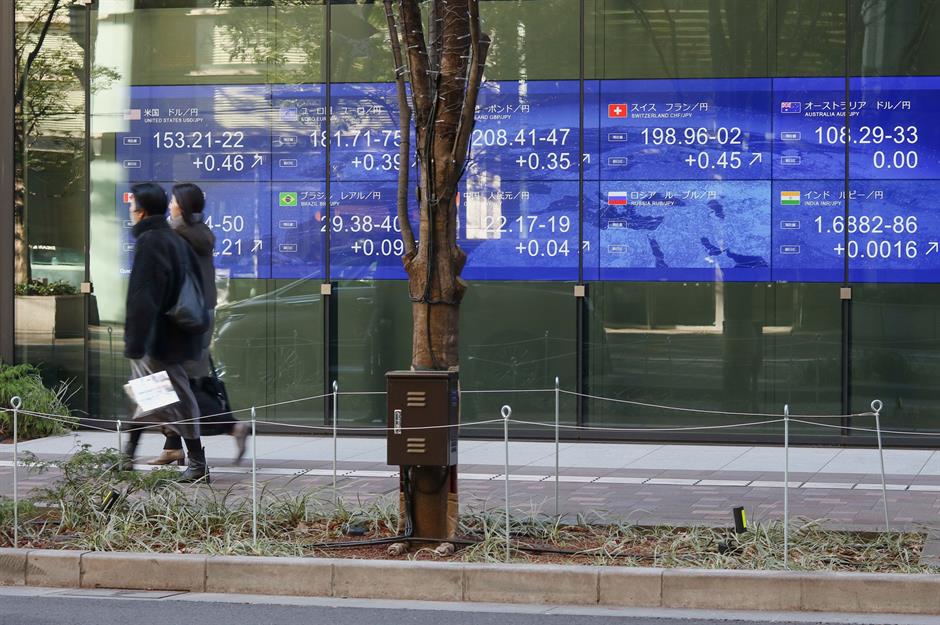
The Japanese yen has plunged by a third since 2020. Years of ultra-low interest rates, while other central banks raised theirs, encouraged investors to borrow cheaply in yen and invest elsewhere. Even Japan's recent rate hikes have failed to reverse the decline.
The weak yen has made Japan cheaper for foreign visitors, helping fuel a tourism boom, but it's also pushed up the cost of imported food and energy. Still, inflation has eroded only 12% of the currency's domestic purchasing power over the past six years.
Sponsored Content
Türkiye's lira: -85.1% since 2020
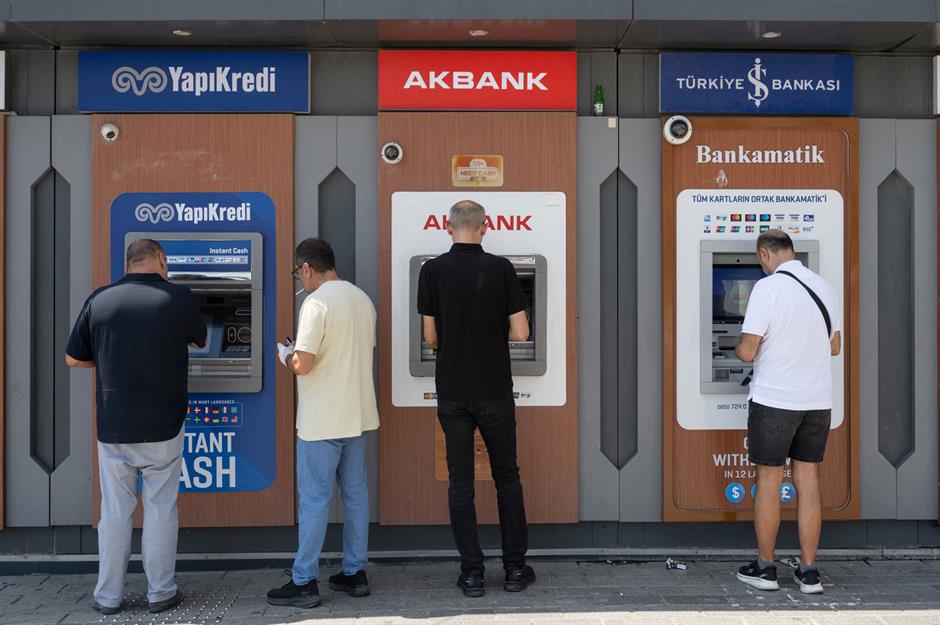
Türkiye's lira has suffered a catastrophic collapse, losing 85.1% of its international value since 2020 and hitting a record low against the US dollar. President Erdogan's insistence on cutting interest rates, even as inflation spiked, helped trigger a currency crisis in 2021. Türkiye reversed course in 2023, dramatically raising rates, but the damage was already done.
The impact on ordinary Turks has been devastating. Prices have gone through the roof since 2020, wiping out a staggering 89% of the lira's domestic purchasing power. And while inflation has calmed over the past couple of years, the figure has remained above 30% in 2026.
Argentina's peso: -95.1% since 2020
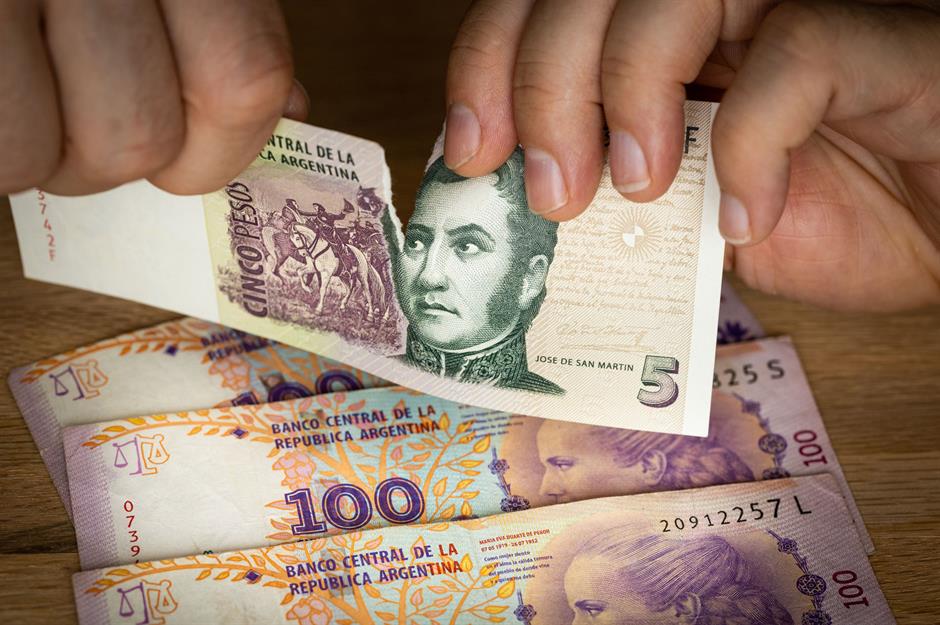
The Argentinian peso finishes rock bottom in our round-up of major currencies, having lost an extraordinary 95.1% of its international value since 2020. Decades of economic mismanagement, government deficits and repeated currency crises culminated in annual inflation exceeding 200% in 2023. President Milei's sweeping austerity measures have since brought inflation down considerably.
But the peso has been all but destroyed. Prices have risen 36-fold since 2020, obliterating 97% of its domestic purchasing power. In other words, money that could buy 100 items in 2020 can now buy fewer than three.
Special mentions: currencies devastated by crisis
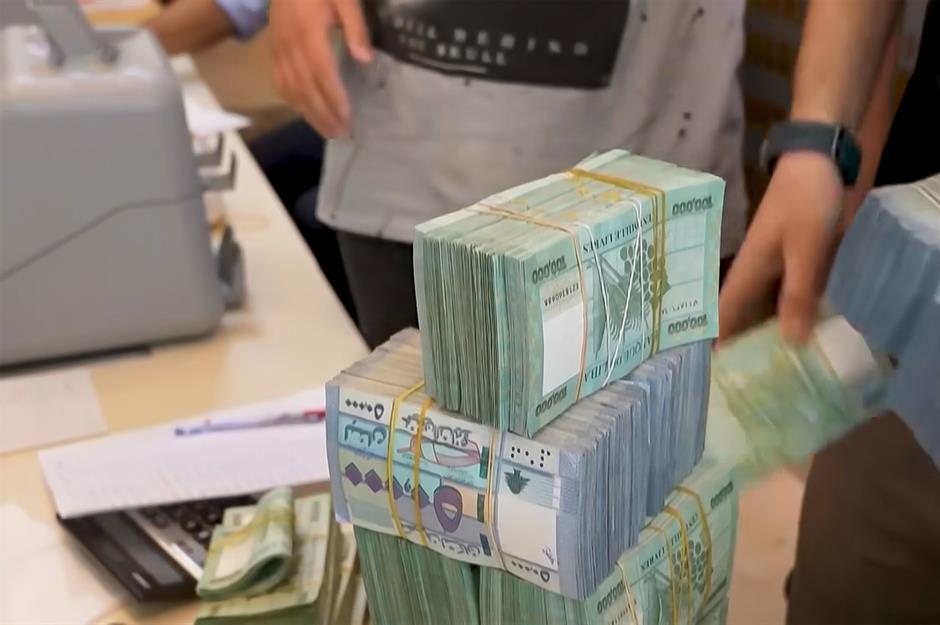
Some currencies have fared even worse but lack comparable trade-weighted data.
Lebanon's pound (pictured) has lost around 98% against the US dollar since 2020, while Venezuela's bolivar has been devastated by hyperinflation. Civil wars have wrecked Sudan's pound and Yemen's rial, while Iran's war with the US and Israel has finished off its rial.
Russia's rouble and Ukraine's hryvnia have faced immense pressures since the 2022 invasion. Sanctions, capital controls and wartime restrictions have distorted currency markets, complicating global comparisons.
Now see how wealthy people in different countries really are