How the government is making you poorer
The policies draining your wealth

Ever wonder why your salary buys less every month? Part of the blame falls on government and central bank policies.
From skyrocketing public debt and massive money printing to artificially low interest rates, official decisions taken over the past quarter-century have helped stoke inflation and steadily eroded your hard-earned purchasing power.
But the damage doesn't stop at the supermarket checkout.
Read on to discover how these policies have quietly drained your savings, squeezed your wages, raised your taxes, warped the housing market and shrunk the real value of your pension.
All dollar amounts in US dollars
Your money is losing its value

Inflation doesn't just mean rising prices. It also means the money in your pocket is worth less than it used to be.
For example, at an annual inflation rate of 3%, something costing $100 (£76) today would cost around $134 (£101) in 10 years. Unless your income rises at the same pace, your purchasing power steadily declines.
While factors such as energy shortages and supply disruptions can drive prices higher, government spending and borrowing decisions, along with central bank monetary policies, play a crucial role in fuelling inflation.
Why policymakers actually want inflation
You might assume governments and central banks want to eliminate inflation altogether, but that's not the case. Most major Western central banks deliberately target annual inflation of 2%, meaning prices are expected to keep rising rather than remain stable.
The reasoning? A little inflation is considered beneficial for economic growth, while falling prices, known as deflation, can discourage spending, harm businesses and lead to job losses.
Sponsored Content
How policymakers helped fuel the 2008 crash

Low interest rates, lax financial regulation and government policies encouraging homeownership helped create a borrowing boom in the years leading up to the 2008 financial crisis.
Banks compounded the problem by issuing risky mortgages and repackaging them into complex financial products. When the housing bubble burst, the fallout spread worldwide, destroying jobs, wiping out wealth and forcing governments to rescue struggling banks.
The magic money tree
Following the 2008 crash, central banks began creating vast sums of new money electronically through a process called quantitative easing (QE). They used this money to buy government debt and other financial assets, making borrowing cheaper and encouraging spending.
The scale was staggering. By the spring of 2022, when major central banks began reversing QE amid soaring inflation, the US Federal Reserve held an astonishing $8.5 trillion (£6.4tn) in purchased securities, while the Bank of England's equivalent holdings had peaked at $1.2 trillion (£895bn).
The era of cheap money
Following the financial crisis, central banks slashed interest rates to historic lows, keeping borrowing exceptionally cheap for years. The aim was to revive economic growth by encouraging households and businesses to spend and invest.
But cheap credit also encouraged borrowing and helped drive up property and share prices. While existing homeowners and investors benefited from rising asset values, first-time buyers faced increasingly expensive homes, and savers earned meagre returns on their deposits.
Sponsored Content
The government borrowing binge

Governments borrow money by selling bonds, essentially IOUs, to investors. Quantitative easing made this borrowing cheaper because central banks bought up existing bonds, helping push down the interest rates governments had to pay.
With borrowing so affordable, governments accumulated vast debts. Then COVID-19 struck in 2020, prompting another explosion in public borrowing as governments spent astronomical sums supporting workers, businesses, healthcare systems and struggling economies.
How the pandemic turbocharged inflation
The enormous government support packages introduced during COVID-19 helped prevent economic collapse, but they also contributed to an inflation surge. Cash payments and other financial assistance boosted spending just as lockdowns, factory closures and supply chain disruptions restricted the availability of goods.
With demand massively outstripping supply, prices soared during 2021 and 2022.
Russia's invasion sent prices soaring
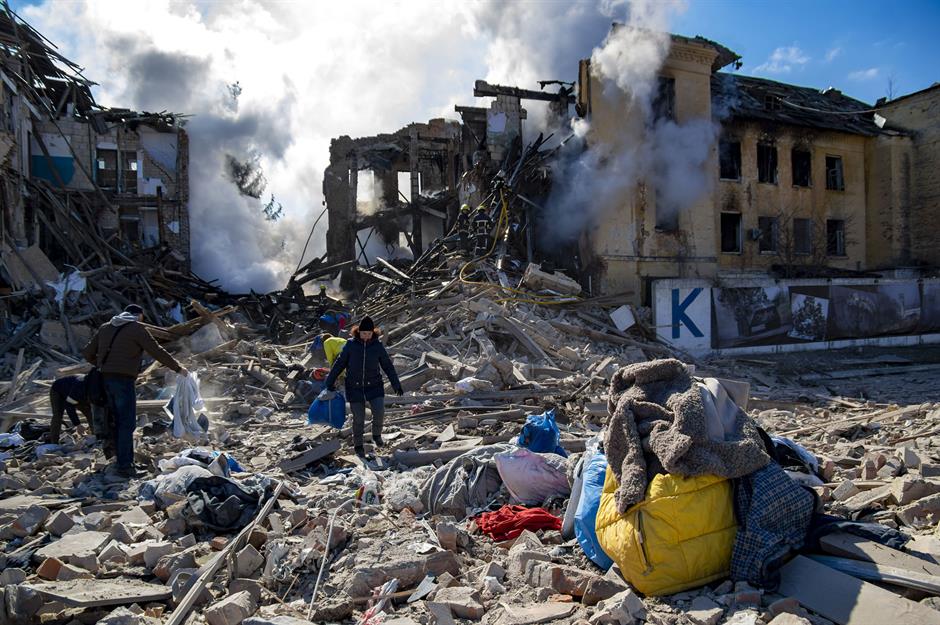
Russia's invasion of Ukraine in February 2022 could hardly have come at a worse time for the global economy, already reeling from the pandemic and spiralling inflation. Disrupted supplies of Russian oil and gas sent energy prices heavenward, particularly in Europe, while interruptions to Ukrainian grain exports pushed up food prices worldwide.
This intensified the inflation crisis, with higher energy costs also making manufacturing and transport more expensive. The World Bank described it as the biggest commodity price shock since the 1970s.
Sponsored Content
Could the inflation crisis have been avoided?
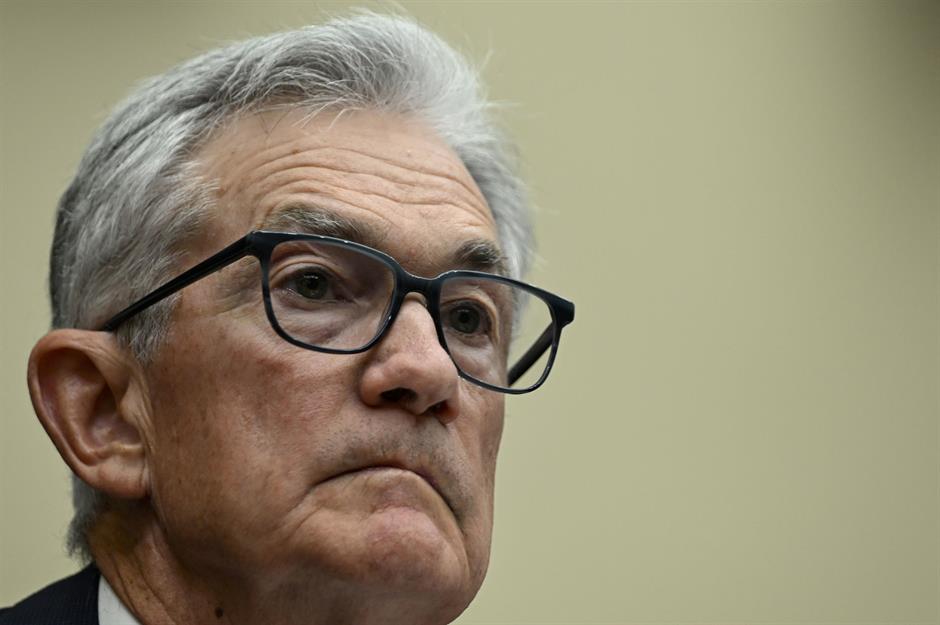
While the pandemic and Ukraine war were largely beyond policymakers' control, their responses to rising inflation have come under scrutiny. Critics argue that excessive government stimulus, wasteful spending and central banks' reluctance to raise interest rates made the crisis worse.
The US Federal Reserve waited until March 2022 to raise rates, despite mounting inflation throughout 2021. Fed chairman Jerome Powell later conceded that acting sooner might have helped. That said, earlier intervention could also have increased unemployment and slowed economic recovery.
How governments helped create the housing crisis
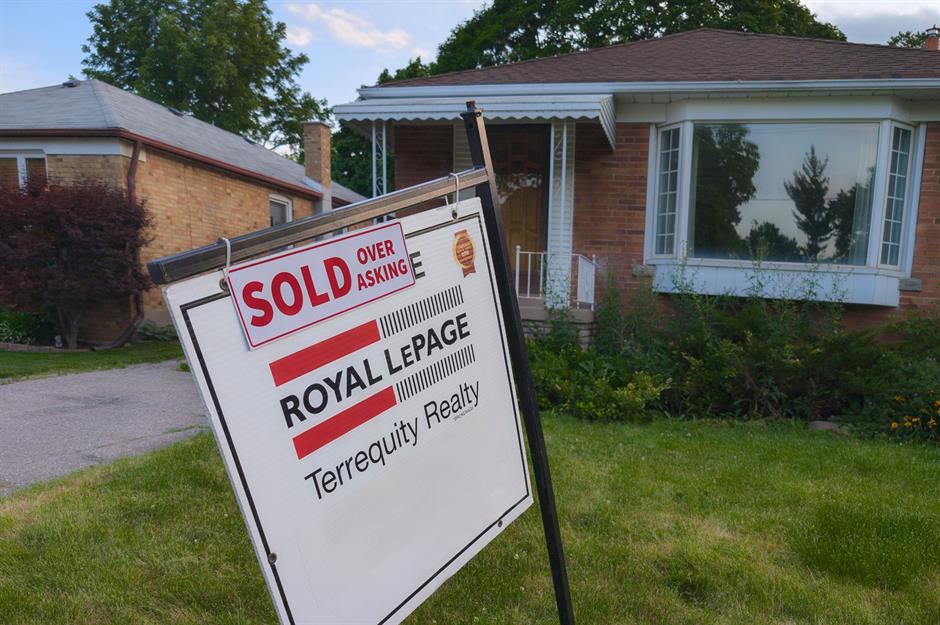
House prices were soaring long before 2008, bolstered by easy mortgage lending, weak financial regulation and policies favouring homeownership. Lending tightened after the crash, but the historically low interest rates post-2008 helped drive prices back up.
Meanwhile, restrictive planning rules, inadequate housebuilding and declining investment in social housing worsened shortages. The result? More buyers competing for too few homes, pushing prices increasingly beyond the reach of ordinary earners.
How property speculation made things worse
As house prices escalated, investors increasingly scooped up properties hoping to profit from further increases. Buy-to-let mortgages made it easier to purchase homes to rent out, adding to competition with first-time buyers.
Government policies encouraged the trend. Cheap borrowing and favourable tax treatment in some countries made property investment more attractive. More money poured into housing as a source of profit rather than simply somewhere to live, pushing prices further beyond the reach of regular buyers.
Sponsored Content
How surging house prices pushed up rents

Rents surged in tandem with house prices. Landlords paying more for properties need higher rental income to cover their costs and make a profit. Meanwhile, people priced out of homeownership remain tenants for longer, increasing competition and pushing rents higher.
Governments have frequently prioritised supporting homeownership and property values over protecting tenants, leaving renters exposed to steep increases.
Why governments don't want house prices to fall
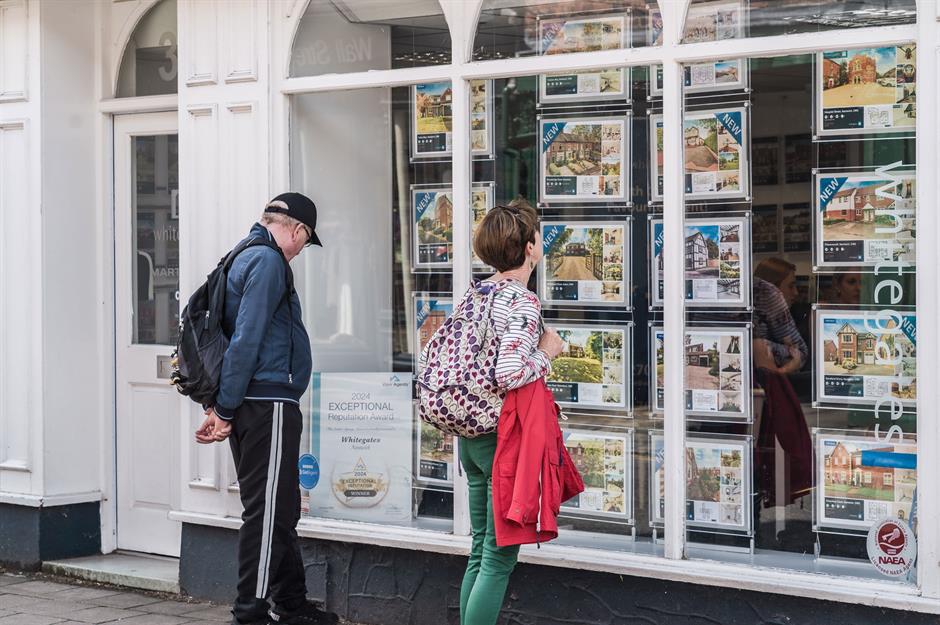
Sky-high property prices are bad news for first-time buyers, but a windfall for existing homeowners, particularly those who've paid off their mortgages. And politicians have powerful incentives to keep these voters happy, especially as older homeowners tend to turn out in greater numbers at elections.
Falling prices can also leave mortgage holders owing more than their homes are worth, discourage consumer spending and threaten financial stability, all potential disasters for governments hoping to stay in power.
Why your pay rises aren't making you richer
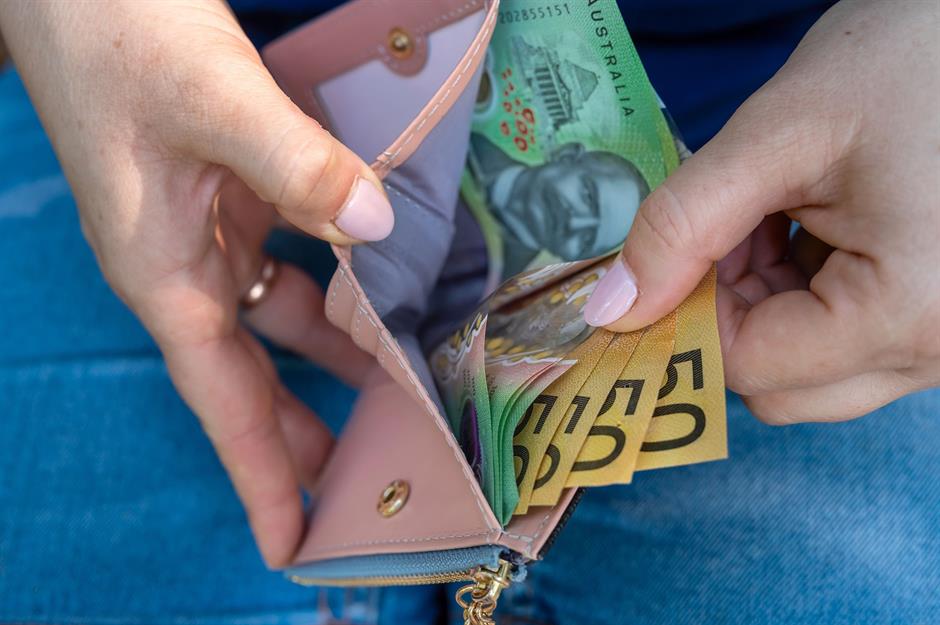
A bigger salary doesn't necessarily mean you're better off. When inflation rises faster than wages, your pay buys less than before, effectively leaving you poorer even after a pay rise.
The recent inflation crisis demonstrated this starkly. According to the OECD, wages adjusted for inflation were still below their early 2021 levels in 13 of 37 countries surveyed in early 2026, despite subsequent pay increases. In Italy, real wages remained 6.1% lower, while workers in Australia and New Zealand had also suffered significant losses.
Sponsored Content
How inflation eats away at your savings

Savers suffered during the era of ultra-low interest rates, earning next to nothing while inflation eroded their purchasing power. And when central banks finally raised rates, savings returns initially lagged far behind soaring prices.
In December 2022, UK inflation hit 10.5%, against average interest of just 0.83% on instant-access deposits. US inflation stood at 6.5%, against 0.3% interest. Savings rates subsequently improved, with many eventually beating inflation, but the earlier losses in purchasing power weren't automatically reversed.
The stealth tax eating into your pay
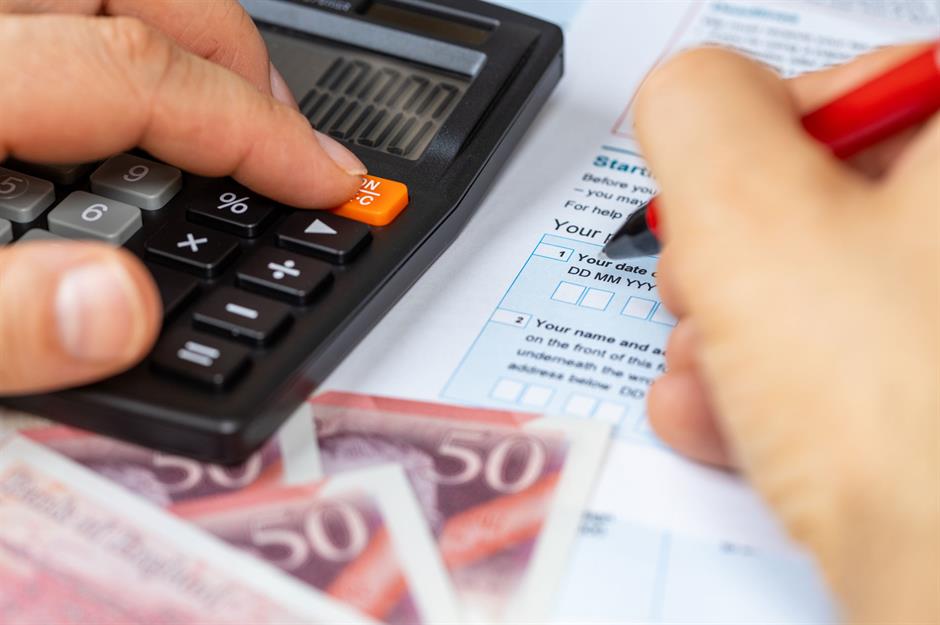
Inflation can also leave you paying more income tax, even without governments raising tax rates. By freezing tax-free allowances and income tax thresholds, policymakers allow rising wages to push workers into higher tax brackets. This is known as fiscal drag.
The UK offers a striking example. According to official forecasts, frozen thresholds will push an additional 4.8 million people into higher-rate income tax between 2022 and 2031, leaving them handing more of their earnings to the taxman.
How inflation is shrinking your pension

Inflation can take a serious toll on retirement income too. Pensions that pay a fixed amount lose purchasing power as prices rise, while retirement savings must grow fast enough to keep pace with the cost of living.
Government pension policies make a difference. Some countries automatically increase state pensions in line with inflation, but others offer less protection or delay increases. According to the OECD, just over half of its member countries fully protect pensioners against inflation over time.
Sponsored Content
Are governments taking more of your money?
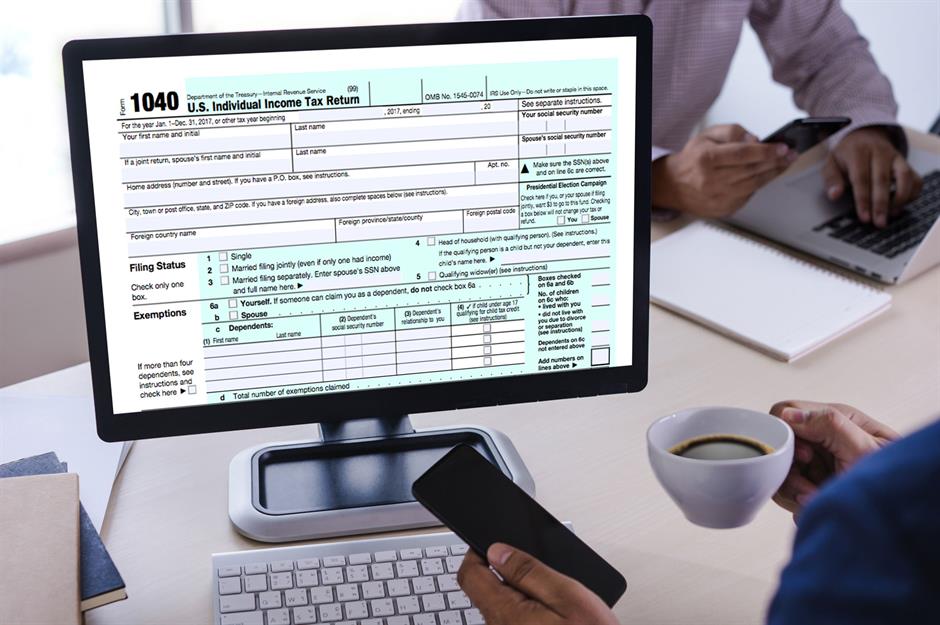
Income tax, social security contributions and other levies fund everything from healthcare and pensions to schools and infrastructure. But the overall tax burden has increased across the OECD over the past quarter-century, while the quality of public services hasn't necessarily improved.
According to the OECD, total tax revenues rose from 32.7% of GDP in the UK in 2000 to 34.4% in 2024. Germany's climbed from 36% to 38%. The US bucked the trend, falling from 28.3% to 25.6%, although state sales taxes, which disproportionately burden lower-income households, have generally risen.
More debt, poorer public services
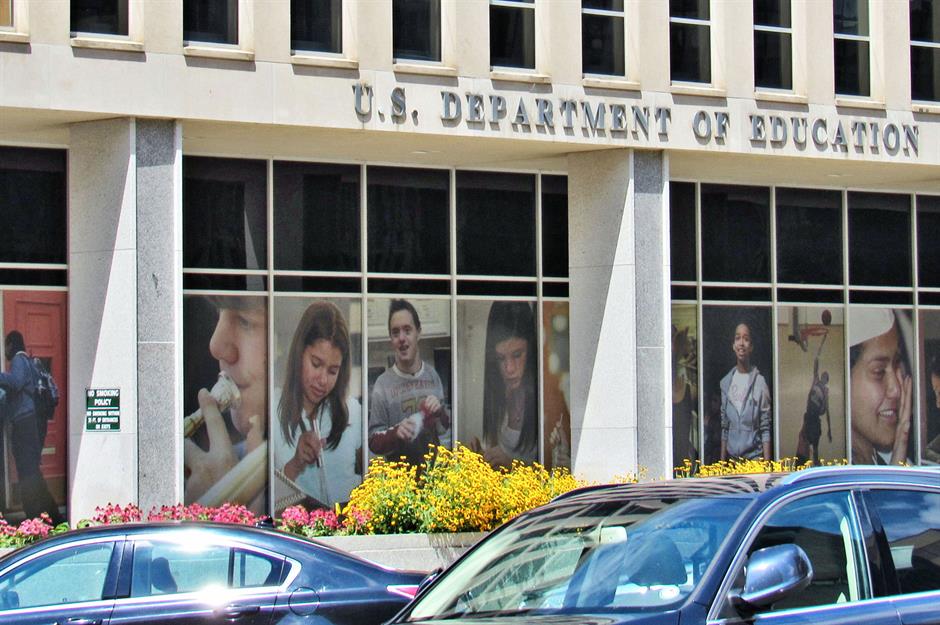
One reason taxpayers aren't necessarily getting better public services for their money is the spiralling cost of servicing national debt. Every penny spent on interest is money unavailable for healthcare, education and infrastructure unless governments hike taxes or borrow even more.
In 2025, the US forked out almost $1 trillion (£757bn) on debt interest, almost as much as total federal discretionary spending on non-defence programmes, including education and transport. Meanwhile, the UK's $148 billion (£110bn) interest bill for 2025/26 is equivalent to more than half the NHS England budget.
The generations paying the price
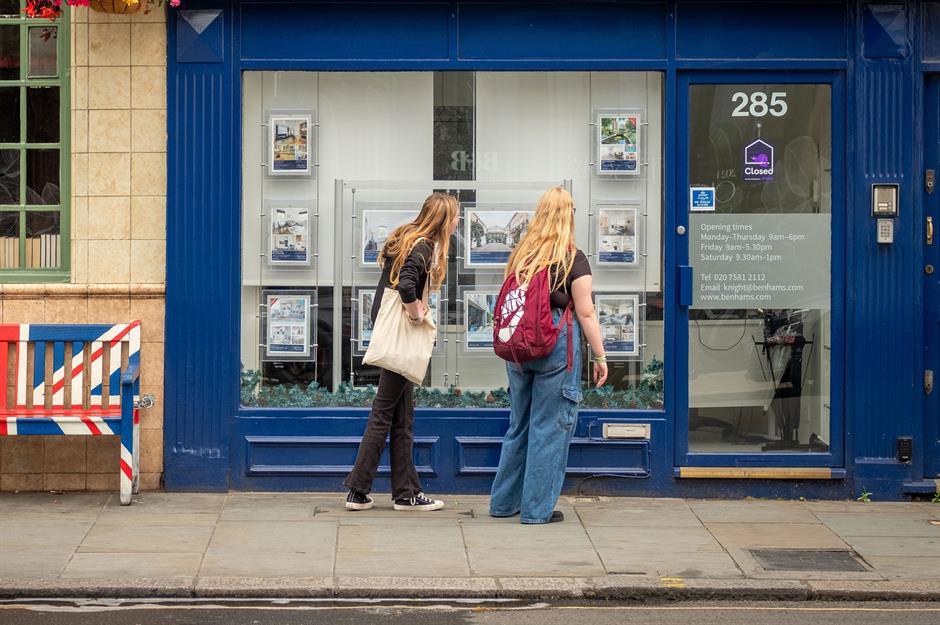
For younger generations, getting ahead financially has become increasingly difficult. According to the OECD, homeownership among people in their 30s has declined in 17 of 24 countries over the past three decades. Family wealth and parental assistance are becoming increasingly important in determining who can afford to buy a home.
Without substantial changes to housing and economic policies, the gap between generations risks becoming even more entrenched, with opportunities increasingly determined by what people inherit rather than what they earn.
Sponsored Content
The cumulative cost of government policies

Taken together, the financial consequences of the past quarter-century's economic policies are enormous. Inflation has eroded purchasing power, soaring property prices have made homeownership much harder to achieve, and higher taxes and debt interest bills have placed additional pressure on household finances and public services.
Not everyone has suffered equally though. Rising property and share prices have also created substantial wealth for richer, older people who already owned assets, leaving a widening divide between the winners and losers.