The minimum wage in every US state in 2026
Who's guaranteeing higher wages?
The federal minimum wage hasn't changed since 2009, when it increased from $6.55 to $7.25. If it had kept pace with inflation, most Americans would be earning at least $11.40 per hour. Had it increased in line with productivity, every working American would be earning a minimum of $21.50 an hour.
More than 20 states have raised their minimum wage for 2026, and 18 have a minimum wage of at least $15 per hour. Meanwhile, five US states don't offer a minimum wage at all.
Click or scroll on to discover the minimum wage in every state as of today...
Louisiana: no minimum wage

Louisiana is one of five states without a minimum wage law, meaning the federal minimum of $7.25 applies to all non-tipped workers while tipped workers receive just $2.13 an hour. Despite growing pressure from underpaid workers, who have successfully campaigned for raises in other parts of the country, there are no plans to change this.
It's much better news in New Orleans, where the City Council has introduced a minimum wage of $15.00 an hour for city employees, while musicians performing at city-funded events receive a minimum of $200 per hour.
Mississippi: no minimum wage

Mississippi is the most impoverished state in the US, with a poverty rate of around 18% according to the US Census Bureau. It's also the last state to adopt an equal pay law ensuring workers doing the same job receive the same pay, regardless of gender, a law that legislators only enacted in July 2022.
Like Louisiana, Mississippi defaults to the federal minimum wage of $7.25 an hour, without imposing a minimum wage of its own. According to data from the Bureau of Labor Statistics, the state also has the lowest hourly median wage in the nation at £19.29.
Sponsored Content
Alabama: no minimum wage

Alabama is another southern state with no minimum wage and no plans to change it.
In fact, legislators have actively prevented individual jurisdictions from creating their own rates, a decision made after Birmingham voted in favor of a $10.10 hourly wage in 2015. The state has upheld this rule despite legal challenges from workers.
South Carolina: no minimum wage

South Carolina's minimum wage has matched the federal rate of $7.25 since 2009. Nationwide, campaigners have been pushing for $15 an hour since 2012 as part of a national movement called "Fight for $15."
Around 3% of South Carolina's hourly-paid workforce earns minimum wage or less, while almost one in five workers across the state are paid less than $15 an hour.
Tennessee: no minimum wage

Likewise, workers in Tennessee make the default federal minimum of $7.25, while the state has a higher-than-average poverty rate.
Several attempts have been made to increase the minimum wage, including the Tennessee Minimum Wage Act, which aimed to require a minimum of $12 an hour but was axed in May 2021. A bill to raise the minimum wage to $20 never made it out of committee in 2024.
Sponsored Content
Georgia: $5.15

One of just two states where the minimum wage is below the federal rate, Georgia has clung to its $5.15 hourly rate since 2001 and has no plans to raise it in line with the national trend. For most workers, however, the $7.25 federal minimum wage applies. Only employees not covered by the Fair Labor Standards Act (FLSA) earn less than this.
In Savannah, meanwhile, the minimum wage for hourly city employees is $15.
Wyoming: $5.15

Joining Georgia with the lowest minimum wage in the country is Wyoming, where employees who aren't protected by the FLSA can earn just $5.15 an hour. Wyoming also has one of the biggest gender wage gaps in the country, with women earning around 74 cents for every $1 earned by a man.
In early 2021, a bill to raise the wage to $15 an hour was proposed but failed to generate support. The state has declined to increase its minimum wage ever since.
Texas: $7.25

Texas is one of 13 states that imposes the federal minimum wage of $7.25 across the board (with the exception of tipped employees who, as we mentioned earlier, are guaranteed just $2.13 an hour). Like the previous states in our round-up, Texas won't be raising its minimum wage anytime soon.
This is despite the fact that, according to the Massachusetts Institute of Technology (MIT) Living Wage Calculator, a single adult with no children would have to earn nearly $22 per hour to make a living wage in Texas. This figure accounts for the cost of food, housing, transportation, and other necessities.
Sponsored Content
Oklahoma: $7.25

Oklahoma will maintain the federal minimum wage of $7.25 into 2027, having declined to change it since 2008. In July 2019, all five members of Oklahoma’s delegation to the US House of Representatives voted against raising the federal minimum wage to $15 an hour by 2025.
The median hourly wage in the state is currently $21.92.
Liking this? Click the Like button above. And click the Follow button above for more great stories from loveMONEY
Kansas: $7.25

Kansas has also declined to raise its minimum wage in 2027 and will keep the federal minimum of $7.25.
There are some notable exceptions. For example, Overland Park established a $15-per-hour minimum for city employees in October 2023.
New Hampshire: $7.25
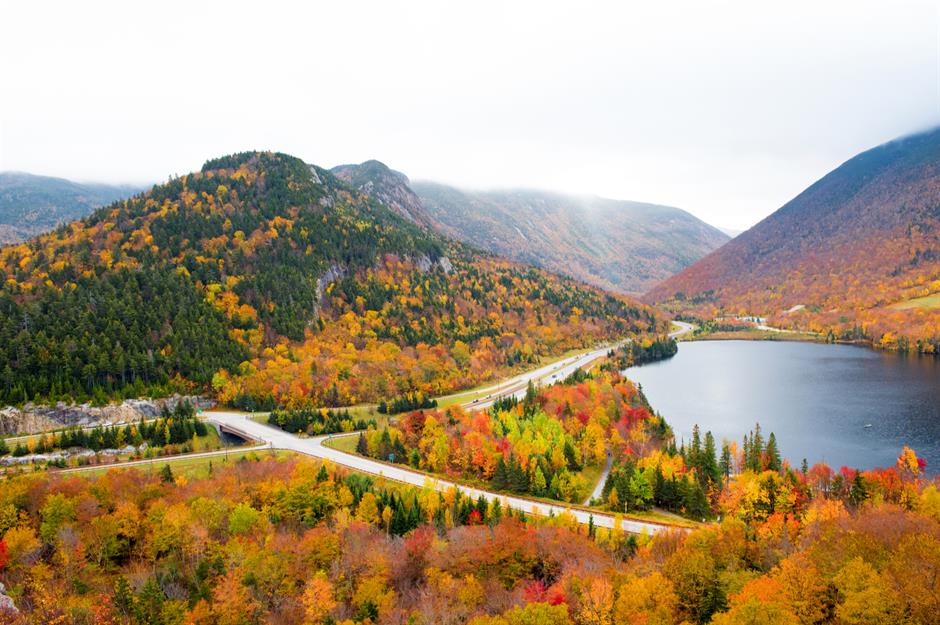
New Hampshire is the only New England state with a minimum wage that matches the federal rate of $7.25.
A House bill to raise the state's minimum wage to $17 an hour by 2029 failed in 2024, so very little will change for low-wage workers in the Granite State anytime soon.
Sponsored Content
North Carolina: $7.25

North Carolina also has the federal rate of $7.25, which won't change in 2027.
This is despite the fact that the current living wage in North Carolina ranges from $22.47 an hour for a single adult with no children to $29.86 for a family of five. Meanwhile, the state's median hourly wage is $23.06.
Utah: $7.25

Utah also implements the federal minimum wage of $7.25, which is less than a third of the state's lowest estimated living wage of $24.71.
State Congressman Brett Garner hoped to change that by introducing a House bill in 2024 to increase the minimum wage starting in 2025. It didn't even make it to committee.
Kentucky: $7.25

Despite having one of the highest child poverty rates in America, Kentucky is sticking with the current federal minimum wage in 2027.
Democrat Reggie Thomas has repeatedly tried to increase the minimum wage, introducing bills into the state senate more than five times in recent years. However, his proposal to raise the wage incrementally to $15 an hour has fallen flat every time.
Sponsored Content
Iowa: $7.25

Iowa's minimum wage has stayed at $7.25 for more than a decade. If a working single parent earns that amount, the family is below the official poverty line.
It's been predicted that nearly 400,000 people across Iowa would benefit from an increase to $17 an hour – roughly a quarter of the state's workforce. That won't happen in 2027, despite Representative Ken Croken's recent efforts to push for an increase to $15 an hour.
Indiana: $7.25

Yet another state refusing to raise its $7.25 minimum wage is Indiana, even though a living wage for a single person with no children in the state is $21.79 per hour.
Lawmakers killed a bill to incrementally raise the minimum wage in April 2024, and there are apparently no plans to counter this in 2027.
Pennsylvania: $7.25

Unlike many of its neighboring states, Pennsylvania is sticking with the federal minimum wage of $7.25. Governor Josh Shapiro has urged state legislators to more than double the rate to $15 by 2029. The Pennsylvania House of Representatives passed a bill to do just that, but it has since moved to the Republican-controlled State Senate, where it has stalled in committee.
Sponsored Content
Idaho: $7.25

There is also no change in Idaho – though it's not for lack of trying. A bill introduced in 2025 sought to increase the state's minimum wage to $15 by July 2027. However, it received very little traction.
Idaho's median hourly salary is $23.06, while the living wage estimate for a single adult with no children is $23.60.
North Dakota: $7.25

Unlike its neighbors, North Dakota has yet to increase the minimum wage above the federal rate. The Peace Garden State also followed in Alabama's footsteps by forbidding cities from adopting their own minimum wages.
Wisconsin: $7.25

Although it matches the federal minimum wage, Wisconsin does have some protections in place that aren't seen in other low-wage states. Agricultural and farm employees, who are usually exempt from the federal rate, are guaranteed $7.25 an hour, while camp counselors are eligible for special minimum pay rates of up to $350 per week.
Democratic lawmakers have proposed a bill to raise Wisconsin's minimum wage to $16.25 per hour from January 2027, increasing to $20.00 by 2030. However, the bill faces opposition in the state legislature and has not been enacted into law.
Sponsored Content
West Virginia: $8.75

As of 2016, the minimum wage in West Virginia is $8.75 an hour and this will not change in 2027.
While it's higher than the federal rate, it's still more than $10 less per hour than what a single worker without children needs to earn a living wage, according to MIT.
Montana: $10.85

Montana is one of several states that tie the minimum wage to the Consumer Price Index (CPI). Every year, by September 30, the wage is adjusted for recent increases in the cost of living and kicks in at the start of the following year.
In January 2027, the state minimum wage will rise to $11.20 per hour.
Ohio: $11

On January 1, 2026, Ohio increased its minimum wage to $11 an hour. In 2027, it will rise to $11.40 in line with current inflation.
However, this doesn't apply to all workers statewide. Workers under 16 are only entitled to the federal minimum of $7.25 an hour. Similarly, if an employer's gross income is less than $405,000, the federal minimum also applies.
Sponsored Content
Arkansas: $11

Arkansas was another one of 20 states that increased its minimum wage on January 1, 2021, but it has no plans for further increases. Instead, Arkansas is keeping its current rate of $11 an hour for non-tipped employees in 2027.
While these wages are considerably better than the wages offered by several neighboring states, money may still be tight for many workers. The living wage in Arkansas is $20.01 for a single adult with no children, $9 higher than the minimum wage.
Minnesota: $11.41

Minnesota raised its minimum wage in January 2026 to $11.41 per hour, and it will increase again in January 2027 to $11.87. However, employers are allowed to pay a 90-day training wage of $9.31 an hour for anyone under the age of 20, rising to $9.68.
Separately, in Minneapolis, the minimum wage increased to $16.37 on January 1, 2026. The same applies to larger businesses in neighboring St. Paul, but with exceptions for smaller employers.
South Dakota: $11.85

As in neighboring Montana, South Dakota's increases are tied to the CPI following a successful ballot measure in 2014. The current minimum wage stands at $11.85, rising to $12.30 in January 2027.
Increases are also applied to tipped employees, with the hourly minimum of $5.925 effective at the start of 2026. This is half the minimum wage for non-tipped employees, and wages and tips combined must at least equal the minimum wage.
Sponsored Content
New Mexico: $12

New Mexico’s minimum wage hovered just 25 cents above the federal rate for a decade – but there have been big changes in the last couple of years.
In 2020, a new rate of $9.00 was introduced, and it's been steadily increasing ever since. What's more, several cities have set their minimum wages even higher. In Santa Fe, for example, the lowest-paid workers take home $15.40 per hour.
Nevada: $12

Nevada's minimum wage rose to $12 on July 1, 2024, thanks to a 2019 law that gradually raised the rate from $8.25 per hour without healthcare benefits. This won't increase in 2027.
While $12 is higher than what most states mandate, a single adult without children still needs to earn another $12 per hour to come close to the state living wage of $24.16.
Virginia: $12.77

Virginia followed the federal minimum wage until 2021. It then saw the largest minimum wage increase of any state when it raised the base hourly pay to $9.50 in May that year.
This has been swiftly followed by more raises, and it will jump from its current $12.77 to $13.75 at the beginning of 2027.
Sponsored Content
Michigan: $13.73

Michigan's minimum wage is currently $13.73 an hour and will reach $15 in January 2027.
The state's minimum wage was close to the federal figure for some time before rising to $8.50 an hour in 2016 under the Workforce Opportunity Wage Act. It's steadily increased since then, and after the 2027 rise to $15, future annual adjustments will be tied directly to the rate of inflation.
Alaska: $14

Alaska's minimum wage increased to $14 in July 2026 and will jump again to $15 in July 2027. While this is higher than the minimum wage in many other states, it does little to offset Alaska's notoriously high living costs. An adult without any children needs to make at least $24.98 per hour for a living wage, and this figure jumps to nearly $33 for households with two working adults and two children.
Voters passed a ballot initiative in November 2024 to raise the minimum wage to $15 per hour by 2027 and offer one paid hour of sick leave for every 30 hours worked.
Vermont: $14.42

As of January 1, 2026, the minimum wage in Vermont increased from $14.01 an hour to $14.42. Tipped employees also received a raise, as they are entitled to 50% of the non-tipped minimum wage.
Unlike other states, Vermont hasn't passed a bill setting a target date for raising the minimum wage to $15. Increases for the years leading up to 2023 were approved in 2019. From 2023 onward, annual adjustments are based solely on the CPI, and the minimum wage is set to rise to $14.91 in 2027.
Sponsored Content
Nebraska: $15

In November 2022, Nebraskan voters approved a measure to increase the minimum wage from $9 to $15 by 2026. It's one of several states that chose to gradually increase it over a series of years.
As in Nebraska, future adjustments after the $15 is reached are tied to inflation, and in January 2027, it will rise to $15.26 per hour.
Missouri: $15

Missouri's minimum wage reached $15 in January 2026. The state was scheduled to see CPI adjustments from 2027, but a House bill repealed these automatic increases, and the rate remains fixed unless new federal or state laws change it.
Tipped employees must be paid at least $7.50 per hour plus tips, provided the combined total equals at least $15.00 per hour, while retail or service businesses with an annual gross income under $500,000 are exempt from the state minimum wage requirement.
Florida: $15
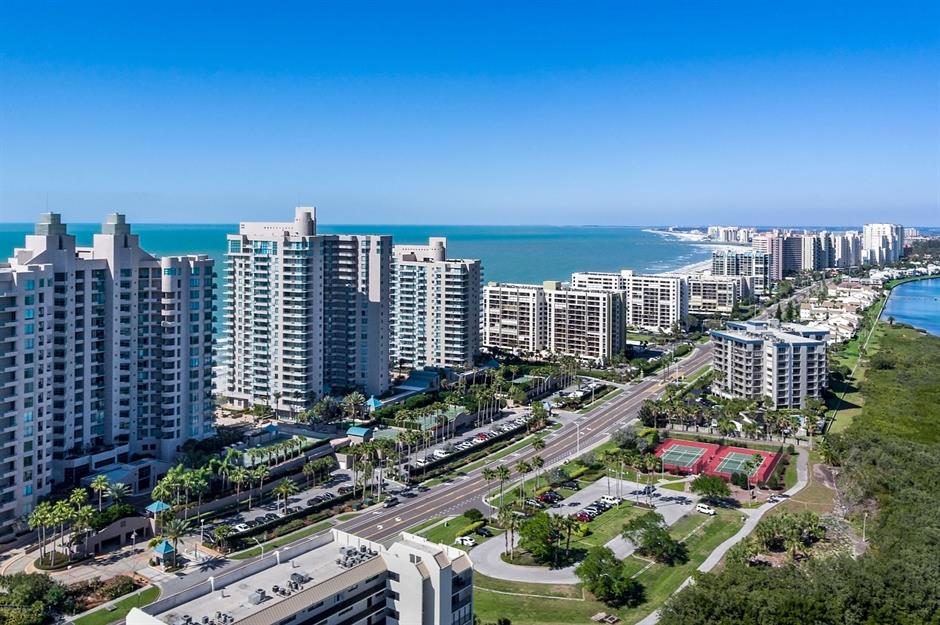
In 2020, voters approved an amendment that added a dollar to the hourly minimum wage each year until it hit $15 in 2026. Previously, Florida had increased the minimum wage every year or so, but never by as much as the increases enshrined in the new amendment.
From September 2027, future increases to the state's minimum wage will be tied to inflation.
Sponsored Content
Maryland: $15

Maryland had planned to raise the minimum wage to $15 an hour by 2025, but lawmakers apparently couldn't wait. Instead, they passed a new bill in January 2024 that enshrined the $15 minimum.
The rate has remained the same ever since, although proposals to raise it to $20 have been tabled.
Illinois: $15

Illinois realized its plan to introduce a $15 hourly minimum wage in 2025 after a series of incremental increases. There are no plans to boost it in 2027.
Meanwhile, tipped workers in Chicago are guaranteed at least $12.96 an hour, well above what many minimum wage earners make across the country. Chicago's standard minimum wage is currently $17.05.
Delaware: $15

Delaware's minimum wage reached $15 in January 2025 and has remained at that level ever since, with no plans to change it in 2027.
Back in June 2021, Governor John Carney signed a law mandating a $15 minimum wage by 2025. On January 1, 2022, the minimum started at $10.50, with increases kicking in on the first of each year. There are exceptions, though, and tipped workers still have a minimum of only $2.23 per hour.
Sponsored Content
Massachusetts: $15

The minimum wage in Massachusetts reached $15 per hour in 2023 after completing a five-year schedule of incremental increases. It's stayed at that level ever since, and there are no plans to change it in 2027.
Massachusetts remains one of the most expensive parts of the country, and a living wage of $30.58 per hour is needed for a single adult with no children.
Maine: $15.10

Maine approved a motion to increase its minimum wage in line with the cost of living back in 2016. Its lowest-paid workers made $7.50 per hour at the time, and that figure has since more than doubled to reach $15.10 in 2026.
A 60-cent increase based on the Northeast cost-of-living index is due to take effect in January 2027, lifting Maine's minimum wage to $15.70.
Arizona: $15.15

Another state where the minimum wage is tied to inflation, Arizona increased its hourly wage from $14.70 to $15.15 on January 1, 2026. That's more than double the federal minimum wage.
Tipped employees are guaranteed no less than $3 below the non-tipped wage, which works out to a minimum hourly wage of $12.15. That will rise to $12.65 from January 2027, as the state's minimum wage increases to $15.65.
Sponsored Content
Colorado: $15.16

Since 2020, Colorado's minimum wage has been tied to the cost of living, measured by the CPI and adjusted annually. In January, it increased to $15.16 and will climb to $15.71 in January 2027.
However, Denver residents passed the $15 milestone on New Year's Day 2022, when the city's minimum wage increased to $15.87. It continues to increase each year; as of January 1, 2027, workers in Denver are guaranteed a minimum wage of $19.84 per hour.
Oregon: $15.55

Where you work in Oregon determines the minimum hourly rate an employer must pay you, and inflation-linked increases take effect every July.
The standard state minimum wage is currently $15.55. However, employers in the Portland metropolitan area need to pay a minimum hourly wage of $16.80. Meanwhile, 18 non-urban counties in the south and west of the state have their own minimum wage of $14.55 per hour.
New Jersey: $15.92

New Jersey met the $15 minimum wage threshold in 2024 after several years of steady increases. Now the rate is tied to inflation, and in 2026 it increased to $15.92 per hour, rising to $16.48 in 2027.
Initially, there were exemptions for seasonal and small employers, but they must now pay a minimum of $15.23.
Sponsored Content
Hawaii: $16
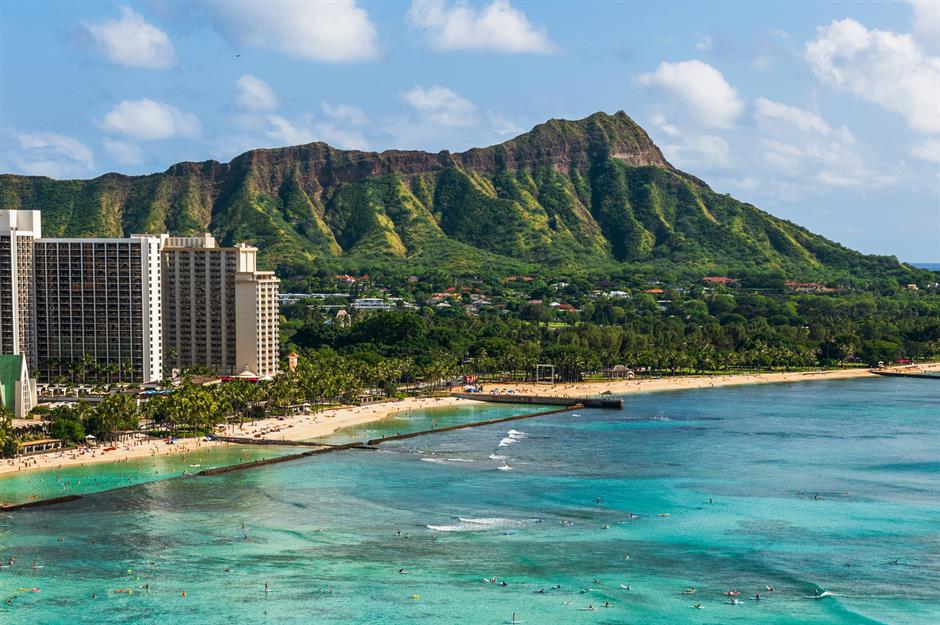
At present, Hawaii’s minimum wage is $16 an hour and is scheduled to rise to $18 by 2028.
Although generous, it still falls far short of the island's living wage, which currently stands at a huge $31.01 an hour for a single adult with no children. According to World Population Review, Hawaii remains the most expensive US state to live in.
Rhode Island: $16

Like other states, Rhode Island enacted a plan to increase the minimum wage to $15 by 2025 through a law signed by Governor Dan McKee in May 2021. It's now $16 and will rise to $17 in 2027.
The tipped minimum wage, however, has stayed at $3.89 per hour. Though employers must cover the difference if tips don’t add up to $16 per hour, advocates say this doesn't always happen and are pushing for an increase.
New York: $16

In the state of New York, the minimum wage is now $16. But the rules are different in New York City, Long Island, and Westchester County, where the minimum wage increased by an additional $1 per hour to $17.
The state's minimum wage was set to rise with inflation every year. However, increases are frozen for 2027 after an "off-ramp" in the law was triggered due to a decline in statewide jobs.
Sponsored Content
California: $16.90

Back in 2016, California set a goal to raise its minimum wage to $15 by 2022, and it has continued to increase it annually, with $17.40 the new rate as of January 2027.
Some jurisdictions are going even further. 40 cities and towns in California already have minimum wages that are higher than the state's mandated rate of $16.90.
Connecticut: $16.94

The situation in Connecticut is similar to that in New Jersey. In June 2023, the minimum wage increased to $15 after several years of steady increases and is now tied to the CPI.
As of today, the minimum wage is $16.94 and will rise to $17.48 in 2027. This means Connecticut's lowest-paid workers are guaranteed to make more than double the federal minimum wage of $7.25 that's adopted by so many states across America.
Washington: $17.13

Washington raised its minimum wage to $17.13 on New Year's Day 2026, the highest of any state (DC's minimum is $18.40 an hour, in case you're wondering). On top of that, Seattle-based employers must pay an even more generous minimum of $21.30 per hour.
These figures will increase to $17.73 and $22.14 respectively in 2027. That said, in the Seattle-Tacoma-Bellevue area, the living wage for a single adult without children is $29.21, meaning even the highest minimum wage in America falls short of what's needed to provide a comfortable standard of living.
Liked this? Click the Like button above. And click the Follow button above for more great stories from loveMONEY
Now discover the average salary in every state