The average US salary by state revealed. How does yours compare?
Typical annual wages across America today

Ever wondered whether you earn more or less than the typical person in your state?
The Bureau of Labor Statistics (BLS) has crunched the numbers to find both the average and median wage for each state and DC. The median offers a more accurate picture of typical pay because it isn't skewed by a relatively small number of super-low or mega-high salaries.
From least to most, we've ranked each state by its median salary. Click or scroll on to discover how your annual paycheck compares.
51st. Mississippi, median salary: $40,120

Mississippi has long been one of the poorest states in America. The Magnolia State has the lowest median yearly wage in the country, significantly below the national median of $50,980, and the lowest average too, at just $50,810. But why?
Agriculture, which doesn't tend to pay well, is the state's number one industry, employing roughly 17.4% of the workforce. Educational attainment is also low, with around 13% of the population not graduating high school. Exacerbating the issue is the lack of a state minimum wage; Mississippi is one of only five states without one, while the flat-rate 4% income tax effectively penalizes low-paid workers.
50th. Arkansas, median salary: $43,630

Arkansas' median salary is not all that better at $43,630, while its average salary is $54,890.
High-paying jobs are relatively lacking in the state, with less than 10% of the workforce engaged in managerial occupations. Other indicators at play include the high poverty rate and comparatively low life expectancy of 73.9. But it's not all bad; Arkansas has a fairer income tax system than Mississippi – it's one of 27 states with a graduated rate, which in its case ranges from 0% to 3.7%.
Sponsored Content
49th. West Virginia, median salary: $45,300

West Virginians tend to scrape by: the median salary is $45,300, while the state average is $56,470.
The state has a graduated income tax structure, with workers paying between 2.11% and 4.58%, and some local entities collect additional taxes. Like so many low-paying states, however, West Virginia's key saving grace is its affordable cost of living.
48th. Louisiana, median salary: $45,520

Louisiana's median salary is $45,520, while the state's average yearly wage is $56,600. The Pelican State's poverty rate of 18.9% is the worst in America. Moreover, it's one of the five states without a state minimum wage, though employees are covered by the federal minimum wage of $7.25 per hour.
47th. Oklahoma, median salary: $45,600

Oklahoma's median salary is considerably lower than the national figure of $50,980, and its average yearly wage is also low at $53,450, compared to the countrywide average of $69,770.
Most indicators are poor. Poverty is relatively rampant in the Sooner State and life expectancy is lower than average, while Oklahoma is also among the least educated states. The state minimum wage equates to the federal base, and managerial jobs tend to be scarce.
Positives include Oklahoma's cheapness – it has the lowest cost of living according to World Population Review – and graduated income tax rates that begin at just 0.5% for the lowest paid.
Sponsored Content
46th. Alabama, median salary: $45,670

Alabama is one of the cheapest states to live in, with the fourth lowest living costs in the US, according to World Population Review. This is just as well because the median annual wage is $45,670, while the average stands at $57,500. Plus, Alabama lacks a state minimum wage, with employees having to make do with the federal minimum.
Unemployment in the state is below the US average, but most job openings are for entry-level positions. Poverty is a major issue, with 15.6% of Alabamians living below the breadline. State income tax is graduated, ranging from 2% to 5%, though some jurisdictions collect local income taxes on top.
45th. South Carolina, median salary: $46,490

South Carolina's median salary is only marginally higher at $46,490, as is its average yearly wage of $59,280. Both the poverty rate and life expectancy are worse than the US average, as is educational attainment.
South Carolina lacks a state minimum wage, but owing to its graduated income tax system, low earners pay the state less than 2%, while those on the highest salaries pay 5.2% of their income.
44th. Kentucky, median salary: $46,920

Kentucky is one of the least educated states and has a low median wage of $46,920 and an average of $58,990. The Bluegrass State's scores on a range of additional indicators are among the worst nationally, including life expectancy, poverty level, income equality, and unemployment.
Other cons include Kentucky's minimum wage, which matches the federal bare minimum of $7.25, and a flat-rate income tax of 3.5%, which essentially penalizes lower-income employees.
Sponsored Content
43rd. South Dakota, median salary: $47,080

South Dakota's median salary is a not-too-impressive $47,080, while its average figure is $57,610. The state's modest typical wages are surprising since it has one of the lowest unemployment rates in the country.
That said, South Dakota is reasonably affordable and a minimum hourly wage several dollars higher than the federal base. Plus, it's one of only a handful of states that levy no state income tax; workers there simply pay the relevant federal rate.
Liking this? Click the Like button above. And click the Follow button above for more great stories from loveMONEY
42nd. New Mexico, median salary: $47,210

New Mexico has a very high poverty rate – the third worst in the nation at 17.8%. Life expectancy is below the US average, and other indicators such as educational attainment are also poor. The Land of Enchantment's not-so-enchanting median wage of only $47,210 and average of $62,330 underscore the state's poor showing.
Living costs are reasonable, but 18 other states are cheaper. The state minimum wage is a fairly decent $12 per hour, and graduated income tax rates start at $1.5%.
41st. Tennessee, median salary: $47,380

Another Southern state where folks generally don't earn that much is Tennessee. Its median salary is $47,380, while the average salary is $60,800.
The state, which lacks its own minimum wage, is one of the worst for workers due to its policies on pay, employment protections, and rights to organize, according to a recent Oxfam analysis. But it's not all doom and gloom, as Tennessee doesn't impose a state income tax.
Sponsored Content
40th. Nevada, median salary: $47,660

Nevada's median salary isn't much higher than Tennessee's at $47,660, though its average is $62,050. Nevada's low median wage figure can be attributed to several factors, including its relatively low educational attainment and high proportion of poorly paid, low-skilled roles.
Unlike many states where low pay is eased by low living costs, Nevada is comparatively expensive. At least workers there don't pay state income tax, which is one of the state's few pros.
39th. Missouri, median salary: $47,800

The median salary in Missouri is close to Nevada's at $47,800, while its average is also slightly higher at $62,160.
The poverty rate of 12% falls just under the US average, living costs are among the cheapest in the country, and the minimum wage is now a respectable $15 per hour. Missouri does levy an income tax, though it's graduated, ranging from 0% to 4.8%.
38th. Indiana, median salary: $47,860

The Rust Belt state of Indiana has never really recovered all the well-paying, highly skilled manufacturing jobs it lost over the past few decades. This is echoed in its comparatively modest median salary of $47,860 and average of $60,840.
It doesn't help matters that Indiana is one of the most poorly educated states. But there are some positives. Living costs are generally affordable, income disparities are relatively narrow, and the poverty rate is 12.3%, below the nationwide average of 12.5%.
Sponsored Content
37th. Florida, median salary: $47,880

Florida's median salary stands at $47,880, while its average is significantly higher at $64,670. Again, this reflects wider pay disparities, and the Sunshine State has one of the largest gaps between rich and poor nationwide.
Although the state doesn't collect income taxes, Florida isn't the best place for those on low incomes, though the state minimum wage isn't terrible at $15 per hour. Making ends meet can be tough as the cost of living is much higher than the US average. Florida is among the 20 most expensive states today.
=35th. Idaho, median salary: $47,970

Idaho's median salary stands at $47,970, while its average is $61,170. The low-paying state has a low minimum wage to match – at $7.25, it's no higher than the federal base. Another disadvantage for those on modest incomes is its regressive flat-rate income tax of 5.3%, which favors higher earners.
While lower than average, living costs aren't all that economical, with Idaho only the 29th most affordable state.
=35th. North Carolina, median salary: $47,970

North Carolina has a higher median salary than its southern counterpart at $47,970 and an average of $64,290, though both figures are below the national average.
Compared to South Carolina, the Tar Heel State has proportionally more lucrative tech, research, aerospace, and higher education jobs and fewer low-paying manufacturing and tourism roles.
Sponsored Content
34th. Kansas, median salary: $48,010
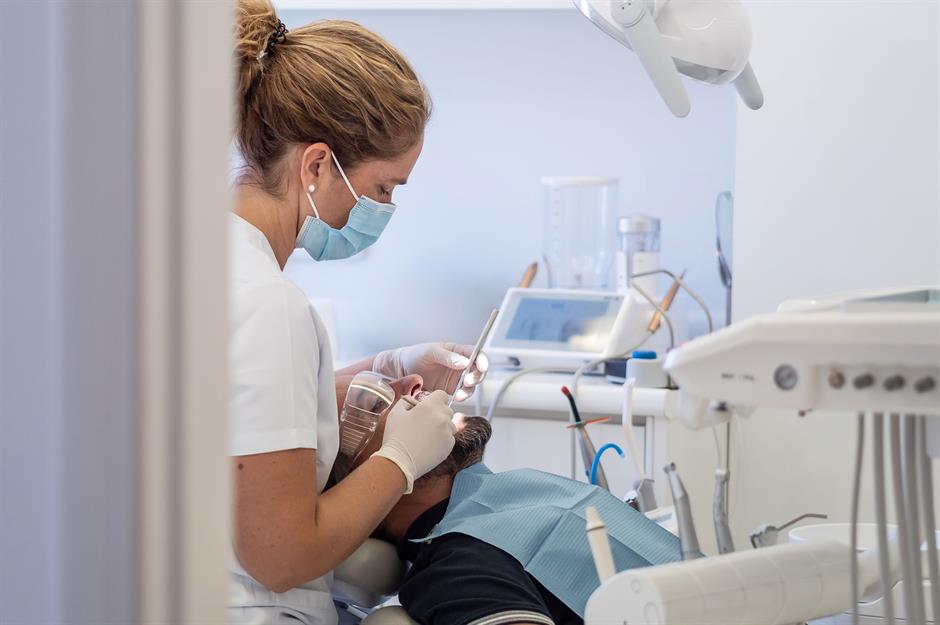
Kansas is the fifth most affordable state when it comes to the cost of living. This goes a long way toward easing the financial pressures that come with the state's modest salaries. The median is $48,010, and the average stands at $60,640.
The poverty rate is below the national average at 11.2%, and the Sunflower State scores well on opportunity, educational attainment, and various other factors, though income tax rates aren't the lowest.
33rd. Georgia, median salary: $48,170

Georgia's median salary is $48,170, and the average comes in at $65,920. The state minimum wage is the joint lowest in the nation at $5.15 per hour, but it's offset by the federal base of $7.25.
Other negatives include Georgia's poor educational attainment, while the state's flat individual income tax rate of 4.99% doesn't help low earners.
32nd. Iowa, median salary: $48,540

Up in Iowa, the median salary stands at $48,540, but the average of $59,830 is significantly lower than Georgia's. This makes sense because Iowa has a considerably narrower wage gap.
Though median pay is relatively low in the Hawkeye State, Iowans are less financially squeezed than many Americans. The state is the eighth most affordable, and the poverty rate is below the national average at 11.3%. Meanwhile, the state has a flat income tax rate of 3.8%.
Sponsored Content
31st. Texas, median salary: $48,620

They say everything is bigger in Texas, but the state's median salary is relatively small at $48,620. The average is larger at $65,750, indicating a wider-than-typical gap between the haves and have-nots.
While the Lone Star State has more than its fair share of well-compensated jobs in the oil sector and other lucrative industries, low-paying roles are plentiful, and the poverty rate is high at 13.7%. Living costs are somewhat steep, and the minimum wage is in line with the federal base. The good news is that Texans pay no state income tax.
30th. Montana, median salary: $48,740

Montana's median salary is $48,740, and its average is $60,880. The state scores well across a range of metrics, from job openings and educational attainment to income equality, life expectancy, and unemployment. But while the general cost of living is reasonable, housing is rather expensive.
Other negatives include Montana's graduated income tax rates, which start at a pretty high 4.7%.
29th. Nebraska, median salary: $48,980

In Nebraska, the median salary comes in at $48,980, while the average is $62,400.
Nebraska has one of the lowest unemployment rates in the country at just 2.9%. Job openings are so plentiful that there's a labor shortage, despite the Cornhusker State's reasonable cost of living, fairly high minimum wage of $15 per hour, and low starting state income tax rate of 2.46%.
Sponsored Content
28th. Michigan, median salary: $49,270

Michigan's median salary is $49,270, while its average figure is $64,920. According to the most recent data, it also has one of the highest unemployment rates in the country.
The state has a minimum wage of $13.73 per hour. But low-income earners pay the same state income tax rate as higher earners at 4.25%, and some jurisdictions collect additional local income taxes.
27th. Ohio, median salary: $49,380

The median salary is $49,380 in Ohio, while the average stands at $64,390.
Ohio has the 12th most affordable cost of living in the US and is one of the cheapest states in America to buy a home, so paychecks go further in the state. The minimum wage of $11 an hour is higher than the federal base, and the entry-level income tax rate is reasonably low at 2.75%.
26th. Pennsylvania, median salary: $49,690

Pennsylvania's median salary stands at $49,690, and the average is $65,730. Unemployment is below the nationwide average, and the cost of living is just below the average as well.
The state minimum wage matches the federal base, while income tax is levied at a flat rate of 3.07%, but some areas collect additional local income taxes.
Sponsored Content
25th. Arizona, median salary: $50,060

Arizona's median salary is below the nationwide figure of $50,980, while its average stands at $67,620. The state has a broad mix of key industries with differing pay levels, including mining, agriculture, and tourism.
The cost of living is relatively high, but the state minimum wage is comparatively generous at $15.15 per hour. The state income tax is a flat rate, but it's not all that high at 2.5%.
24th. Utah, median salary: $50,110

Utah's economy has diversified in recent years and become more high-tech, with the state a hub for data centers. Its median salary is $50,110, while its average yearly pay is $66,290.
The cost of living in the Beehive State is around the US average, but Utah has the second lowest poverty rate in the nation at just 9%, along with lower-than-average unemployment. Utah's flat-rate state income tax of 4.45% could be fairer though.
=22nd. Wyoming, median salary: $50,270
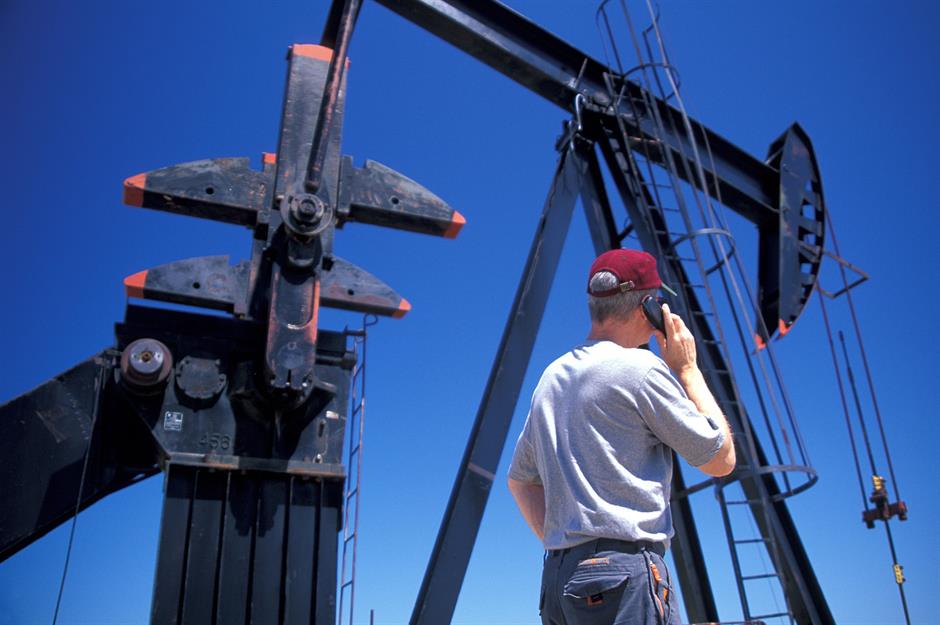
The median salary in Wyoming comes in at $50,270, while the average is $61,560. Although Wyoming's economy is heavily reliant on energy (a high-paying industry) and hospitality (a lower-paying one), the state ranks high for income equality.
Living costs are below the US average, plus the state doesn't levy income tax. Wyoming does have the joint lowest state minimum wage though at $5.15. However, that's moot because of the federal minimum of $7.25.
Sponsored Content
=22nd. Wisconsin, median salary: $50,270

Wisconsin has the exact same median salary as Wyoming, but its average is higher at $64,270. America's Dairyland has lower living costs and the fourth lowest poverty rate in the nation at just 8%.
Wisconsin has a narrower gap between rich and poor since it's ranked ninth for income equality. However, it scores less well on educational attainment and has a slightly lower life expectancy – 77.7 compared to Maine's 78.2. In terms of income tax, the state collects between 3.5% and 7.65% of paychecks depending on salary level.
21st. Maine, median salary: $51,430

Maine's median salary is $51,430, and the average is $65,780. The state's chief industries are fishing, logging, shipbuilding, and farming. Apart from shipbuilding, these sectors don't tend to pay particularly well.
The state minimum wage is a generous $15.10 per hour. State income tax rates aren't the lowest though, ranging from 5.8% to 9.15%.
20th. Illinois, median salary: $51,960

Illinois' median salary is higher than the nationwide number at $51,960, and its average is higher too at $71,130. Chicago's bumper pay rates likely contribute to this, but pay disparities exist across the state.
That said, the state minimum wage is higher than most at $15 per hour. Other pros include Illinois' high educational attainment levels, but over 20 states have lower living costs and the flat-rate state income tax of 4.95% is a negative.
Sponsored Content
19th. Delaware, median salary: $52,190

Delaware has a median salary of $52,190, while its average yearly wage is a very decent $69,880. The state is among the best educated and boasts formidable STEM-based industries employing a high concentration of science and engineering PhD grads.
Living costs aren't cheap, but they're not overly pricey either, while the state minimum wage is set at $15 an hour. Income tax-wise, the state has a graduated system, with rates ranging from 0% to 6.6%, though certain jurisdictions collect additional income taxes.
18th. North Dakota, median salary: $52,480

North Dakotans fare relatively well as the state's median yearly wage is above the national average and the cost of living is very affordable. Oil drilling and natural gas extraction are North Dakota's main industries, and both tend to pay handsomely.
Jobs are abundant, with unemployment at just 2.2%, the second lowest figure in the US, behind only South Dakota, and state income tax rates are reasonable, ranging from 0% to 2.5%.
17th. Virginia, median salary: $55,690

Virginia's median salary of $55,690 and average of $74,040 are very high for a Southern state. This is primarily thanks to its proximity to the nation's capital, together with its strong, diverse economy and highly educated workforce.
However, the state's expensive living costs can eat into its citizens' paychecks, and Virginia has wider wage disparities than many states. As for state income tax, it ranges from 2% to 5.75%.
Sponsored Content
16th. New Hampshire, median salary: $55,880

New Hampshire has a median salary of $55,880, while its average is $71,360.
Unemployment is very low at just 2.8%, while the state's income tax of 3% on interest and dividend income has been repealed. The one catch is New Hampshire's punishing living costs, which place it well above the national average.
15th. Hawaii, median salary: $56,320

Hawaii has a median salary of $56,320, and its average is $70,270. Given these high numbers, you may think Hawaiians are flush with money. However, the Aloha State has the highest cost of living in America, putting immense financial strain on the workforce.
Unemployment is impressively low at 2.7%, and the state's income tax system is progressive, featuring brackets ranging from 1.4% to 11%. Other positives include the state's high level of educational attainment and life expectancy.
14th. Vermont, median salary: $56,390

Vermont's median salary stands at $56,390, and its average is $69,050. Tourism and agriculture, which aren't high-paying, are major industries, but the state also has pockets of lucrative industries such as aerospace and defense.
Vermont has the third lowest unemployment rate nationwide at 2.6%, so work is easy to come by. Other pluses include its generous minimum wage, low poverty rate, long life expectancy, and very high educational attainment levels. State income tax is graduated and starts at 3.35%.
Sponsored Content
13th. Rhode Island, median salary: $56,780

Little Rhody has quite a big median salary of $56,780 and a sizable average to match at $71,900. Living costs in the tiny state are high, but income equality is better than the nationwide average, and the poverty rate is significantly lower.
The workforce is well-educated, and the minimum wage is strong at $16 per hour, rising to $17 at the start of 2027. Meanwhile, the state income tax is graduated and ranges from 3.75% to 5.99%.
12th. Minnesota, median salary: $56,920

Minnesota's vibrant economy is supported by a variety of robust sectors, including advanced manufacturing, biotech, clean energy, food and agriculture, and finance. The state's median salary is high as a result, standing at $56,920, with an average of $71,160.
The cost of living is around the national average and educational attainment levels are high while unemployment is very low. Drawbacks include the state minimum wage and Minnesota's graduated income tax system, which has relatively high rates of between 5.35% and 9.85%.
11th. Oregon, median salary: $57,000

Oregon's median salary stands at $57,000, while its average annual wage is $72,460. The minimum wage depends on location, ranging from $14.55 in non-urban areas to $16.80 in Portland. Educational levels are higher than the national average.
Cons include the hefty cost of living – Oregon is the 13th most expensive state – and income taxes. In addition to a graduated state levy of between 4.75% and 9.9%, workers are hit with extra taxes in some jurisdictions.
Sponsored Content
10th. California, median salary: $58,240

California is beaten only by Hawaii when it comes to the cost of living. While its median and average salary are high at $58,240 and $80,690 respectively, paychecks are eaten up by the cost of housing, utilities, and groceries.
Despite having a very high minimum wage, which is $16.90 per hour, income inequality is rife. The Golden State has a progressive tax system, which ranges from 1% to a substantial 12.3% for the highest earners. There's also a payroll tax of 1.1%, which bumps up the top rate.
9th. New Jersey, median salary: $58,570

New Jersey has a median salary of $58,570 and an average of $78,040. The Garden State benefits from its closeness to New York City and impresses with a wealth of flourishing industries, from state-of-the-art healthcare and pharmaceuticals to financial services.
Living costs are high, but the state has one of the highest minimum wages in the land at $15.92 per hour, though the smallest businesses get away with paying their staff less. Other indicators are very healthy too, including educational attainment, and New Jersey's graduated income tax system is fair, with rates ranging from 1.4% to 10.75%.
8th. Maryland, median salary: $59,510

The best-paying Southern state, courtesy of its prosperous diversified economy, highly educated workforce, and proximity to DC, Maryland's median salary is $59,510, while its average stands at $77,580.
The state's minimum wage is an ample $15 per hour. In terms of state income tax, workers pay between 2% and 6.5% depending on income level. The downside is Maryland's cost of living: the Old Line State is the seventh most expensive.
Sponsored Content
7th. New York, median salary: $59,670

New York's median salary is $59,670, while its average is much greater at $82,460. A state of vastly differing incomes, from the high wages of Manhattan to the lower pay in more disadvantaged boroughs of New York City and upstate, New York is one of the worst states for income equality. It's also the fifth most expensive too.
State income tax is on the heavy side, with rates ranging from 4% to 10.9%. The minimum wage is $17 per hour for workers in New York City, Long Island, and Westchester County, and $16 for the rest of the state.
6th. Connecticut, median salary: $59,690

Affluent Connecticut has a median salary of $59,690, and its average amounts to $77,420. The 12th most expensive state, it has steep living costs and ranks among the worst for income equality.
State income tax is levied at rates between 2% and 6.99%, and the state minimum wage stands at $16.94 per hour.
5th. Colorado, median salary: $59,800

Colorado's median salary is on a par with New York's, but its average is lower at $77,190. It's also less expensive, but by no means cheap, given the state has the 17th highest cost of living nationwide.
Colorado's minimum wage is decent at $15.16 per hour. While great for higher-income earners, its flat-rate income tax of 4.4% isn't so brilliant for those on lower wages.
Sponsored Content
4th. Alaska, median salary: $61,000

Alaskans have a lot to be thankful for when it comes to pay. The state's median and average salaries are very high at $61,000 and $74,720 respectively. Living costs aren't the most economical though, and Alaska is firmly in the top 10 when it comes to the cost of living.
Alaska doesn't collect income taxes, but the minimum wage of $14 per hour could be improved.
3rd. Washington, median salary: $62,990

Washington's median salary is $62,990, while its average salary is $83,330. These figures are high, but wages have to stretch far because the state is one of the most expensive in the country. Most of the state's high-paying jobs are in tech, and these are concentrated in the Seattle metro area.
Washington is among the best educated states in America and has the most generous minimum wage at $17.13 per hour. What's more, workers in the Evergreen State get to keep more of their paychecks because Washington doesn't collect income taxes.
2nd. Massachusetts, median salary: $63,590

Massachusetts is brimming with industries that offer plenty of high-paying jobs, from finance and biotech to higher education and healthcare. It's no wonder that it boasts median and average salaries of $63,590 and $85,610 respectively.
Massachusetts' minimum wage is open-handed at $15 per hour, but living costs are very high, with the state behind only California and Hawaii on this measure. The state has a flat income tax rate of 5%, although an additional 4% "millionaire's tax" is applied to the highest earners.
Sponsored Content
1st. District of Columbia, median salary: $91,540

Befitting its status as America's capital, DC has the highest median salary in the country at $91,540. The average is the highest too, at an impressive $111,010. But not everyone in the nation's seat of government is raking it in, and DC has a massive gap between rich and poor.
The minimum wage is higher than any state at $17.95, but living costs are sky-high, and DC's unemployment rate is the highest in the country. Meanwhile, income taxes range from 4% to 10.75%.
Liked this? Click the Like button above. And click the Follow button above for more great stories from loveMONEY
Now discover what the average person earns in different countries around the world