14 brilliant inventors who changed the world but never got rich
Innovators who didn't cash in on their creations
Throughout history, people have come up with incredible inventions which have achieved global success without reaping the full rewards of their genius.
Click or scroll on as we look at inventors who could have become rich from their creations but, for various unfortunate reasons, didn't...
John Walker – friction match
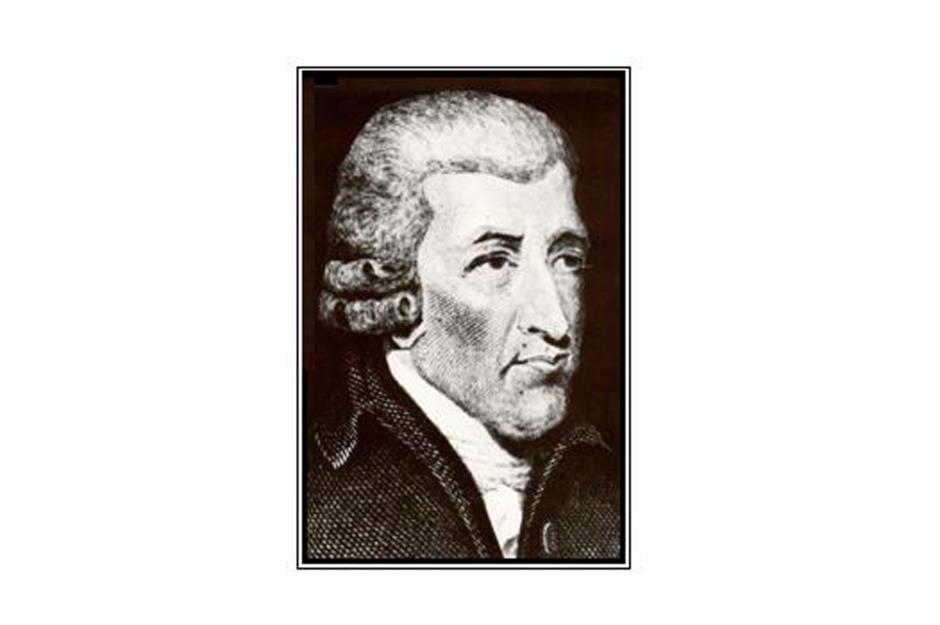
In 1826, John Walker, a chemist from Stockton-on-Tees, England invented the first friction match and began selling cardboard matches packaged in boxes with sandpaper strike pads the following year. An instant success, word of Walker's invention soon spread. Walker steadfastly refused to patent his invention, ignoring advice from notable inventors of the time including Michael Faraday, and his matches were copied by all and sundry. Needless to say, Walker made very little money from his pioneering innovation.
Jerry Siegel and Joe Shuster – Superman
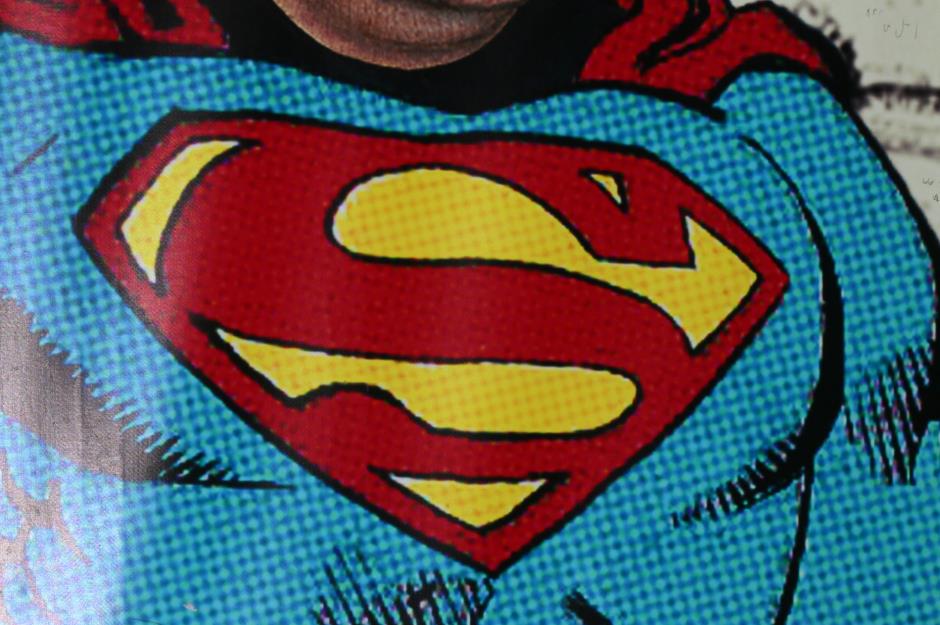
Jerry Siegel and Joe Shuster had spent years trying to find a publisher for their comics featuring a hero called Superman. So when they finally found one they didn't haggle over the price. They sold the rights to DC Comics for just $130 in 1937. Superman then became the most famous superhero of all time and comic books have gone on to become a billion-dollar industry.
After protracted legal battles, in the late 1970s they were both given $30,000 each a year for life and credits in all future Superman publications and movies. In 2012 the original $130 check sold at auction for $160,000, with the money going to the heirs of a DC Comic employee who had stashed the check away for years.
Sponsored Content
László Bíró – ballpoint pen
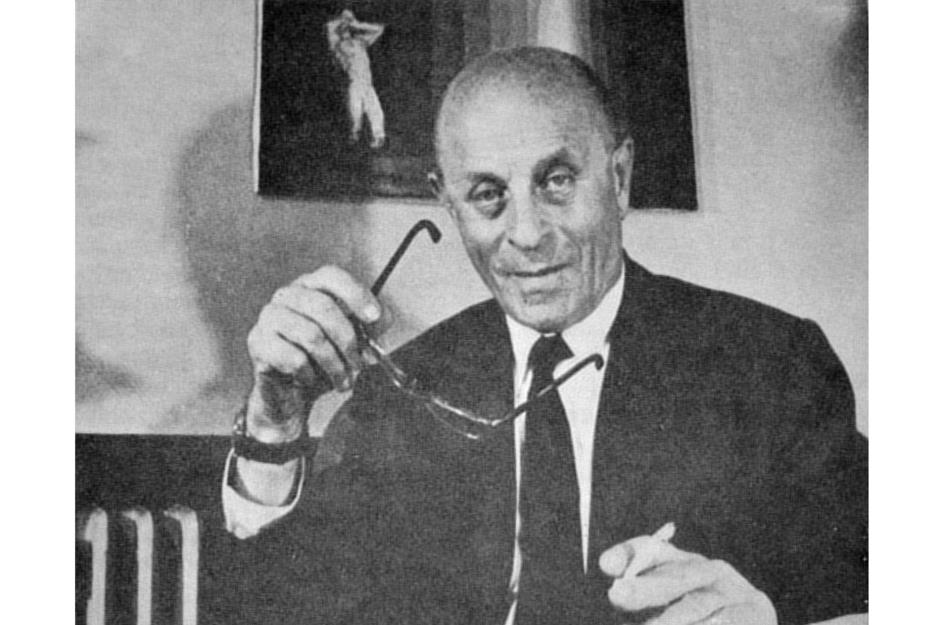
László Bíró was lucky enough to have his invention named after him, at least in a generic sense, but not fortunate enough to make any serious money from it. The Hungarian-Argentine innovator patented the first commercially viable ballpoint pen in 1938. However, Bíró fled Nazi-occupied Hungary and escaped to Argentina in World War II, where he further perfected his invention. Losing his right to any future royalties, Bíró sold the patent to Marcel Bich in 1945, and Bich's Bic company went on to sell a staggering 100 billion of the pens.
The McDonald brothers – McDonald's
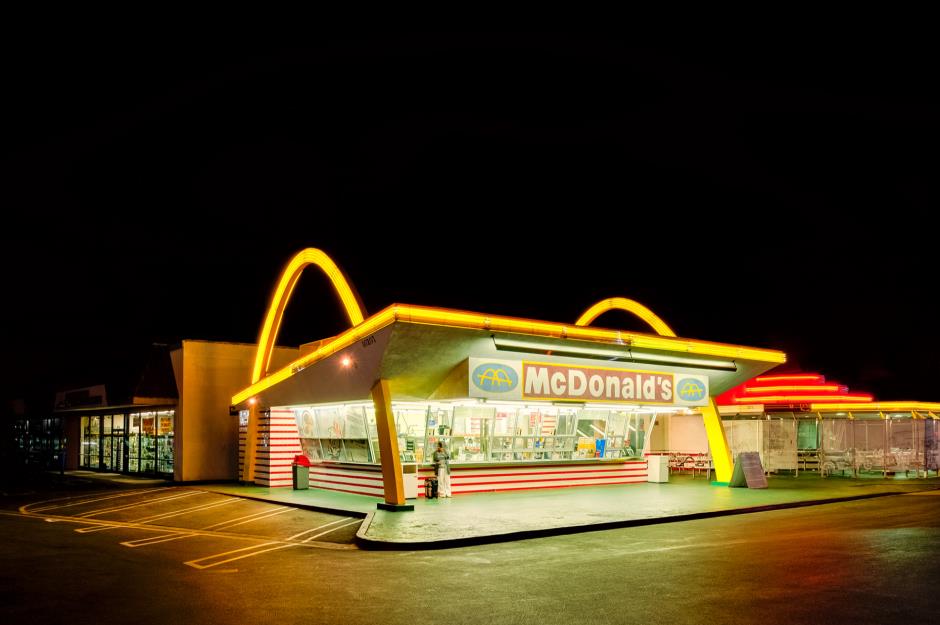
In the 1950s, Richard and Maurice McDonald invented a revolutionary way to make burgers better and quicker than anyone else. Then they met a down-on-his-luck salesman called Ray Kroc who convinced them to franchise it. Soon there were McDonald's outlets springing up all over the US, but trouble was brewing. In the end they agreed to sell the business for $2.7 million, but Kroc expanded the chain across the globe, making billions in the process.
Nick Holonyak, Jr. – LED light

In 1962, General Electric scientist Nick Holonyak, Jr. created the first practical LED light while attempting to create a laser, and he predicted the innovation would one day replace Edison's incandescent light bulb. Holonyak wasn't wrong, LEDs are ubiquitous these days. Sadly, their inventor didn't make any money from them and even missed out on a much-deserved Nobel Prize for the innovation.
Sponsored Content
Ron Klein – credit card strip
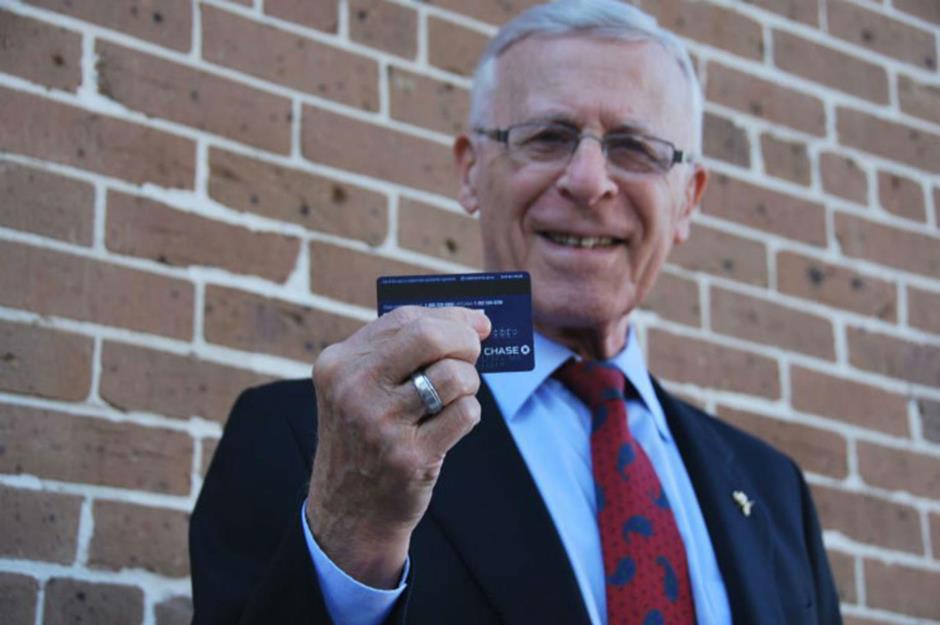
The so-called 'Grandfather of Possibilities', American innovator Ron Klein has invented plenty of cash-generating things, but didn't make any money at all from his most famous invention, the magnetic credit card strip, which he developed in the 1960s. Klein's firm Ultronic Systems Corp. was granted a patent for his invention in 1969, but rival companies soon got in on the act, ripping off the technology and rolling it out worldwide. Ultronic never enforced the patent. As a result, Klein never made any cash from his innovation.
Liking this? Click the Like button above. And click the Follow button above for more great stories from loveMONEY
Douglas Engelbart – computer mouse
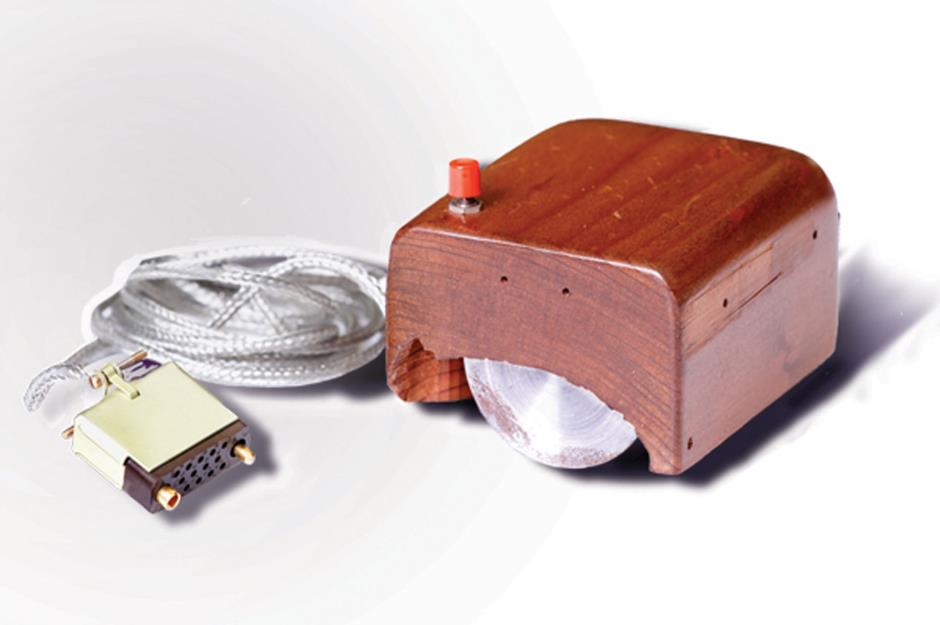
Obtaining a patent doesn't always protect your intellectual property from being imitated, especially if your patent runs out before the technology becomes commercially viable. Cue Douglas Engelbart. The computer pioneer filed a patent for the first mouse, a “position indicator for a display system”, way back in 1967. By the time the technology had gained serious commercial viability in the late 1980s, Engelbart's patent had expired and he made no money from the innovation.
Daisuke Inoue – karaoke machine
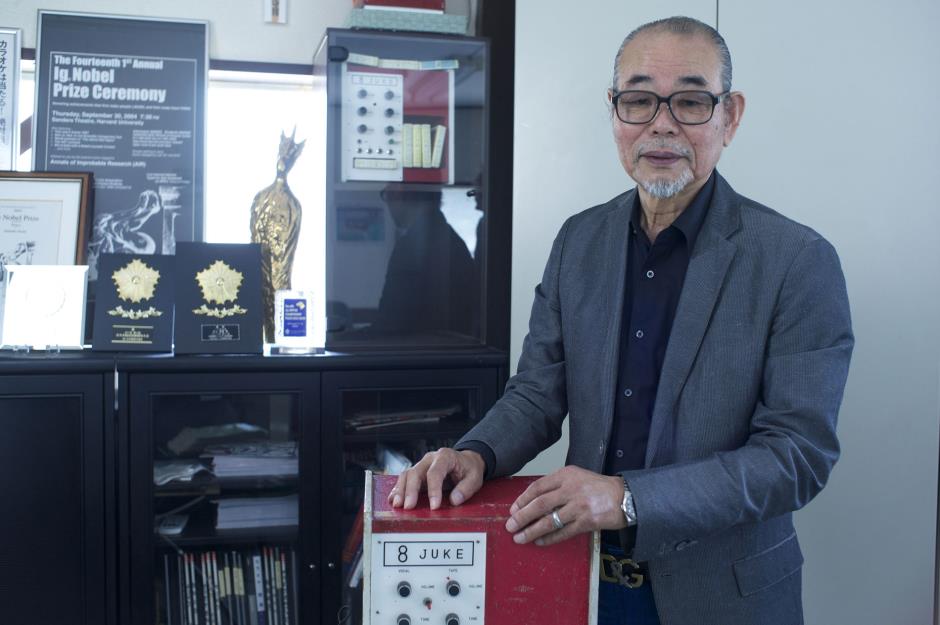
Osaka-born innovator Diasuke Inoue came up with idea of karaoke (which translates as "empty orchestra") in the late 1960s when he started providing back-up tapes for businessmen to sing along to in bars. Inoue created the first makeshift karaoke tape and microphone machine in 1971, and the rest is history. But Inoue never patented his invention and made no money directly from it.
Still, Inoue has received plenty of recognition, both positive and negative – the Japanese inventor won an Ig Nobel Prize in 2005 and Time magazine has described him as one of the most influential Asians of the 20th century.
Sponsored Content
Trevor Baylis – wind-up radio
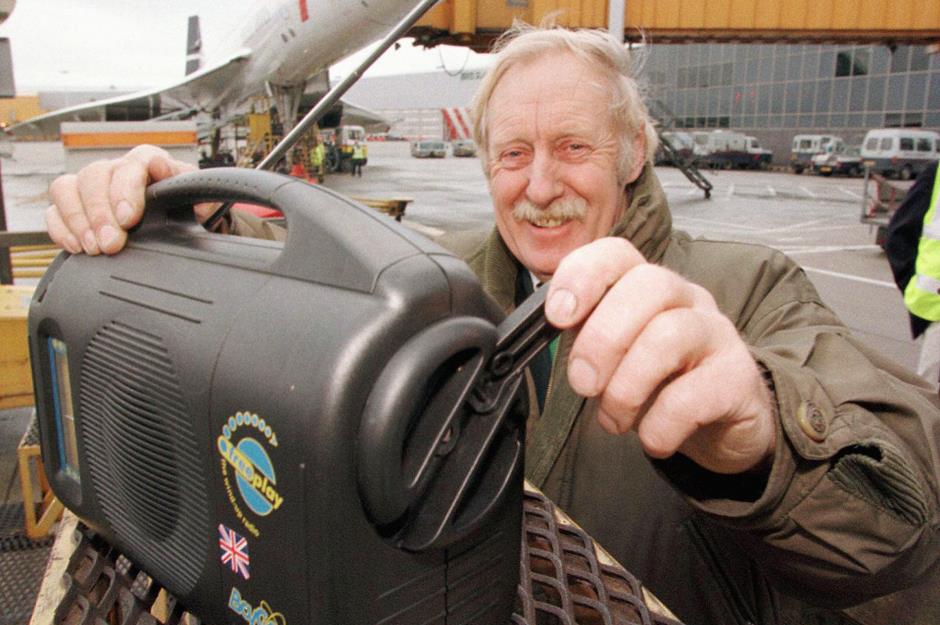
British inventor Trevor Baylis developed the first wind-up radio in the early 1990s. A TV report on the spread of HIV in Africa inspired Baylis to create the radio, which he intended to be used to improve HIV awareness via radio educational programs in parts of Africa with poor access to electricity. The London-born innovator filed his first patent in 1992, but actually made more money from the publicity surrounding the radio than from sales of the gadget itself. According to Baylis, large corporations circumnavigated his patents and were able to 'copy' his device and undercut him on price.
Alexey Pajitnov – Tetris computer game
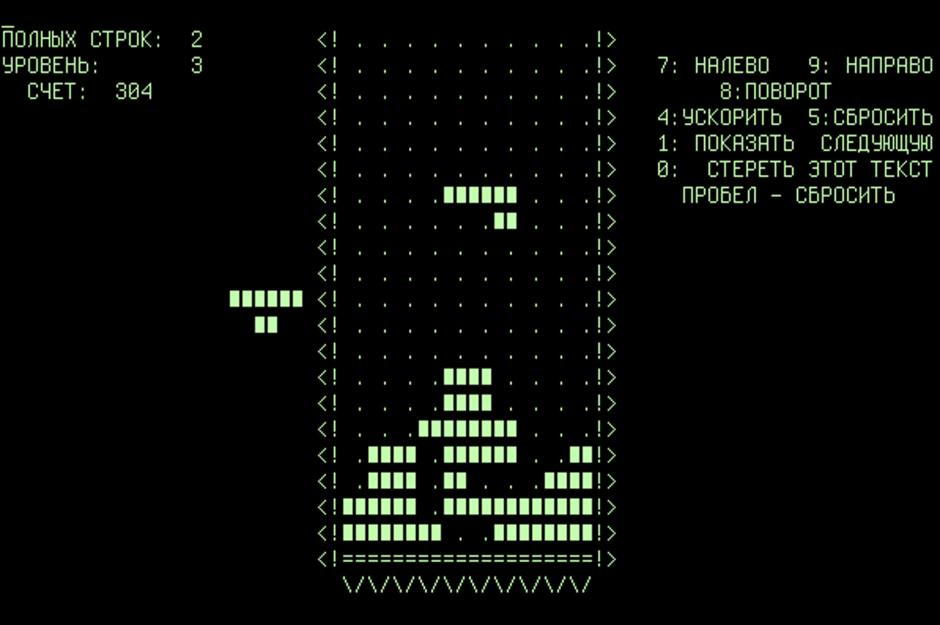
Programmer Alexey Pajitnov created the wildly successful Tetris computer game in 1994. An employee of the Soviet Union's Academy of Science, Pajitnov wasn't permitted to profit personally from his invention. Given its communist ideology, the Soviet government retained the rights to the popular game, and it wasn't until the collapse of the regime in the 1990s that Pajitnov was allowed to receive any royalties.
Sir Tim Berners-Lee – the World Wide Web
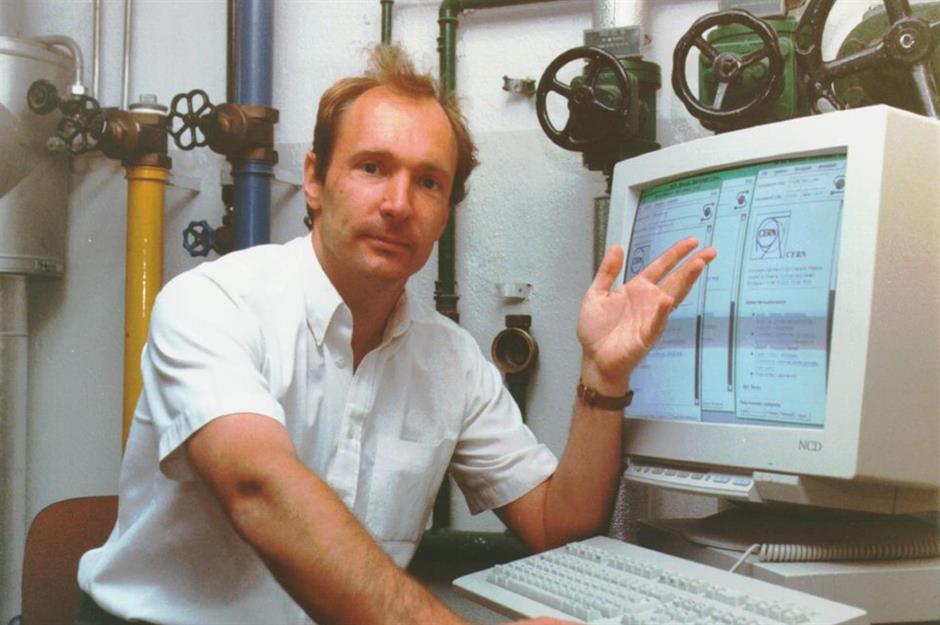
The originator of one of the most important inventions of the 20th century has earned nothing directly from it. Sir Tim Berners-Lee developed the first system for distributing information on a global network in 1989 at CERN in Switzerland, and named his creation the World Wide Web. The British computer scientist chose not to patent the concept and opted instead to make his invention freely available. In fact, if Berners-Lee hadn't offered his creation to the world free of charge, it's doubtful the technology would have ever taken off.
Sponsored Content
Shane Chen – hoverboard
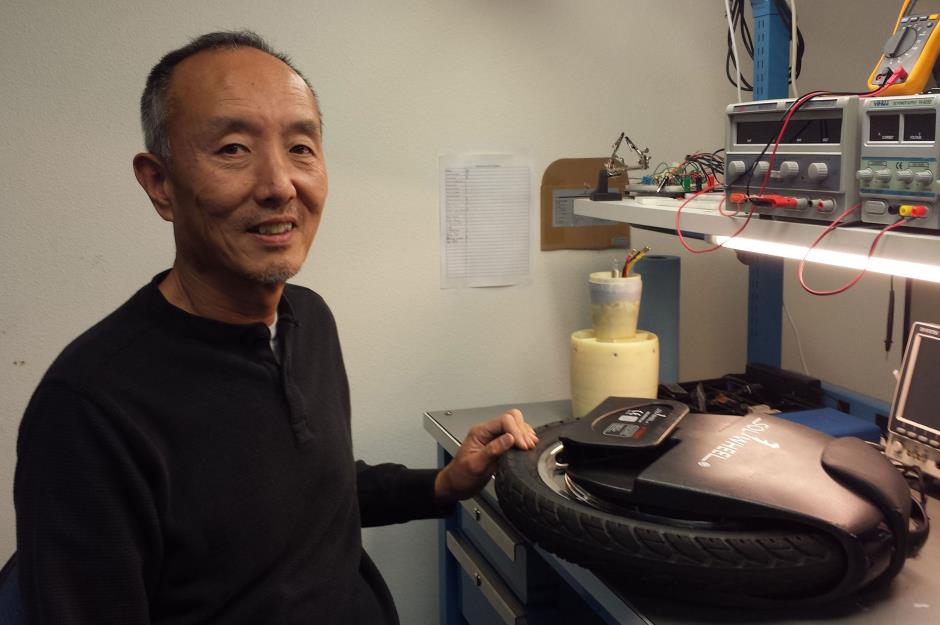
The victim of cheap knockoffs, US inventor Shane Chen developed the first hoverboard in the early 2010s and was granted a patent for his self-balancing board in 2014. Chen marketed his Hovertrax creation for $1,000 a unit via crowd funding site Kickstarter and sales were buoyant for a time. Then Chinese counterfeiters and copycat firms started pumping out cheap copies of Chen's invention, despite the patent. They flooded the market with the budget imitations and, by the end of 2015, Chen's original version had pretty much flopped.
Liked this? Click the Like button above. And click the Follow button above for more great stories from loveMONEY
Now discover the unbelievable products you won't believe you can actually buy