Secrets shops use to make you buy more
Clever marketing tricks that make you spend
Fancy packaging
...and fancy labels
Sponsored Content
Playing music
Fruit and vegetables at the front
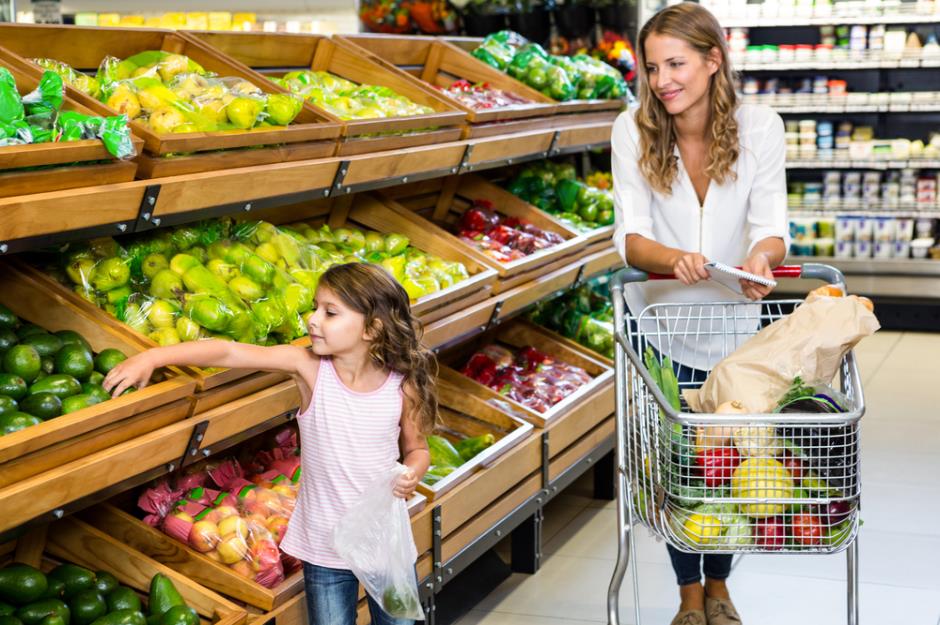
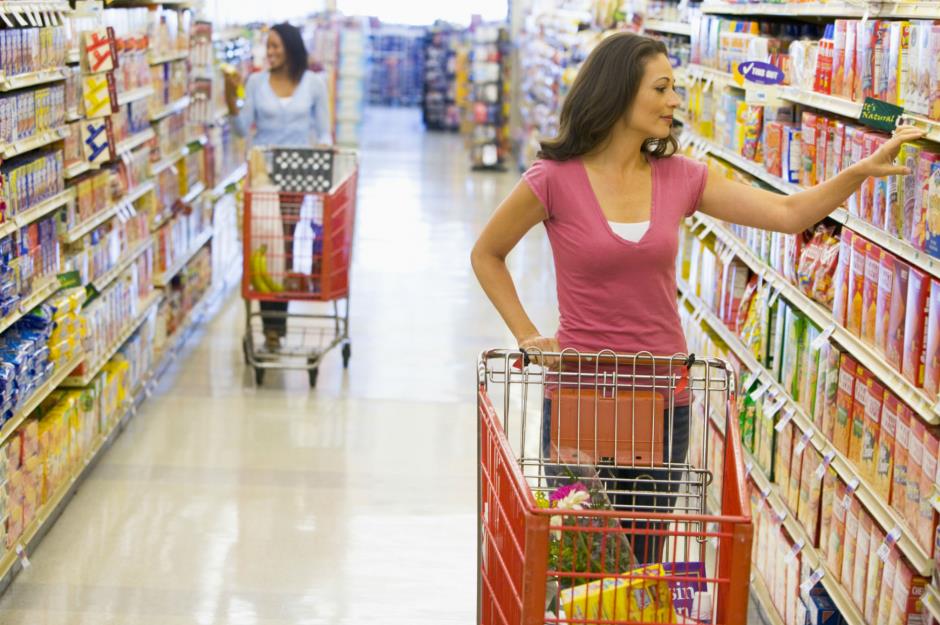
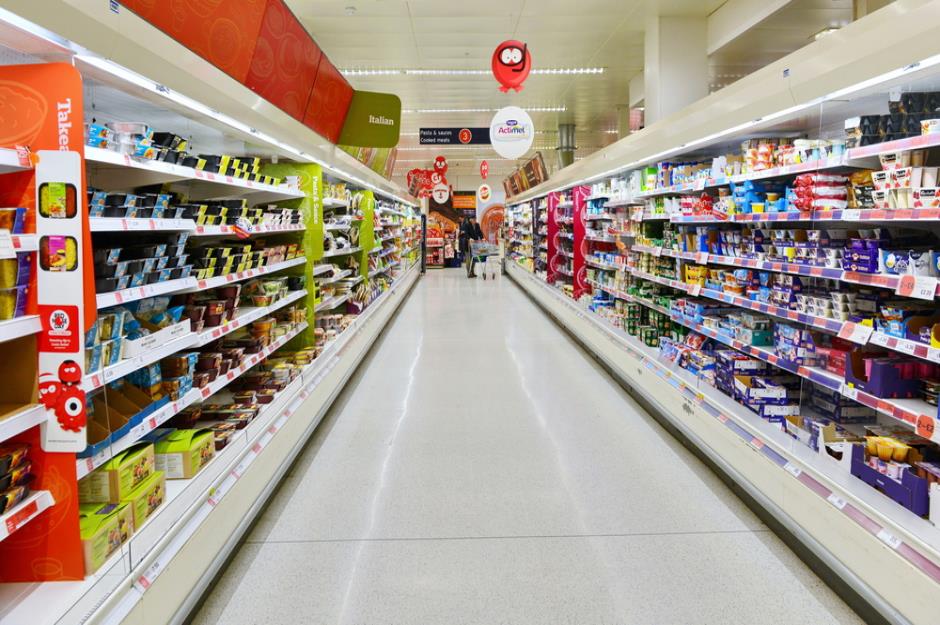
Fruit and vegetables are often placed near the front of grocery stores, and for good reason. The sensory impact of fresh fruit, vegetables, and often flowers – think bright colours and fresh smells – is thought to put us in a good mood and make us hungry. What’s more, this placement may actually make us spend more: in an experiment at a campus grocery store in Warwick University in the UK, researchers found that when fruit and vegetables were placed at the front of the store, sales increased by 15%.
Essentials at the back
Sponsored Content
...except freshly-baked bread
Bigger trolleys
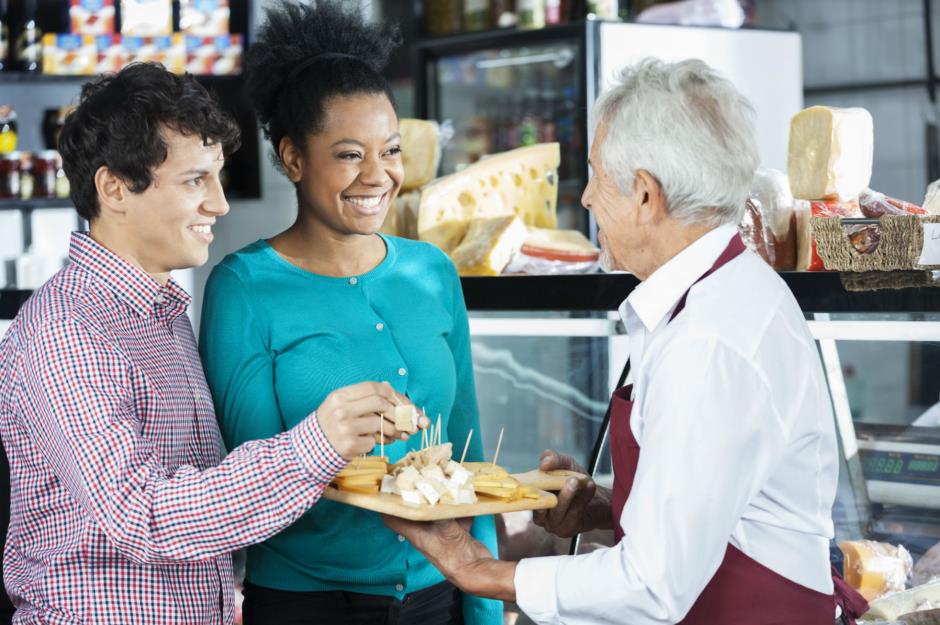
Free food
Sponsored Content
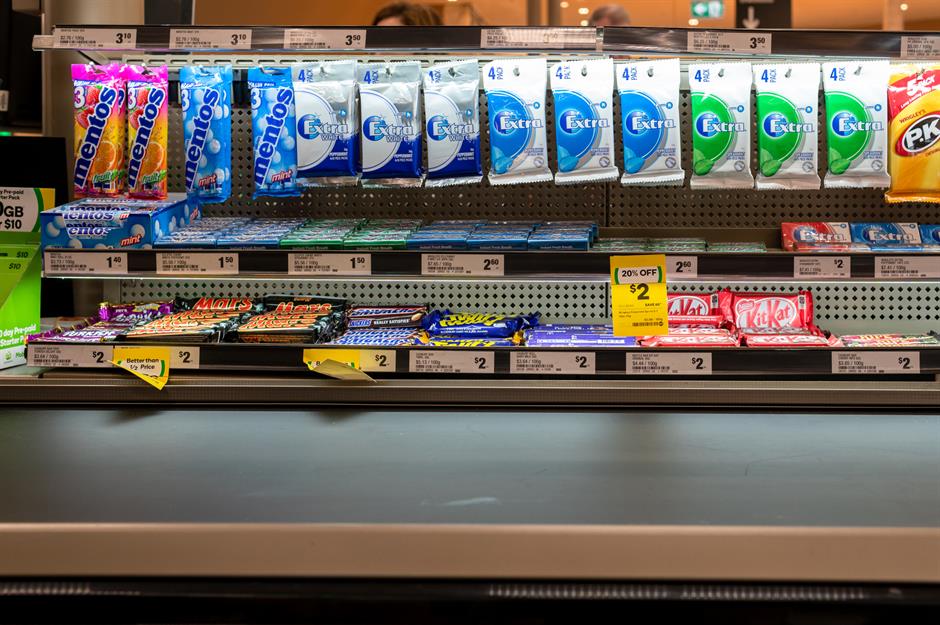
Food at the till
Store layout changes
Eye level is buy level
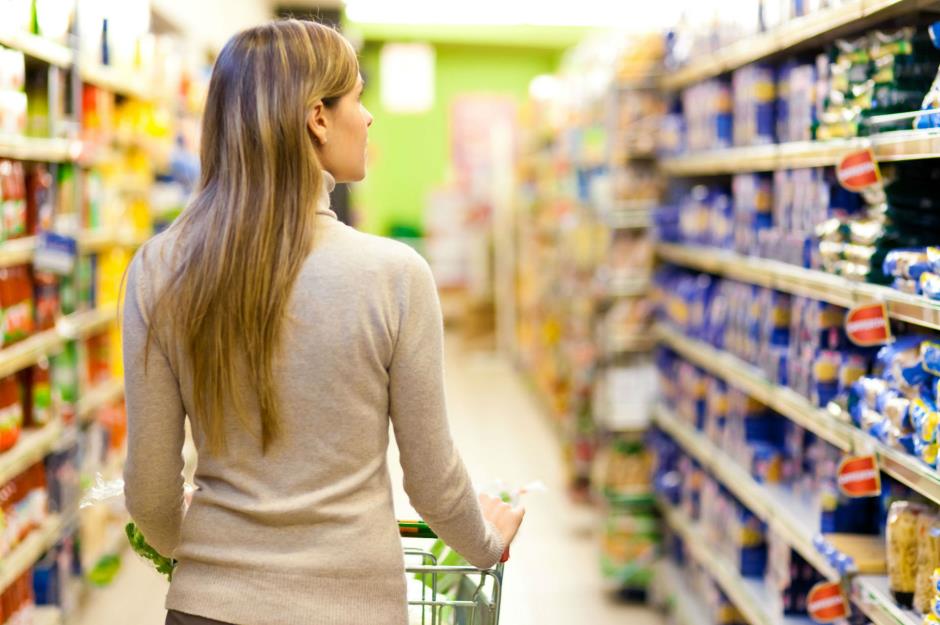
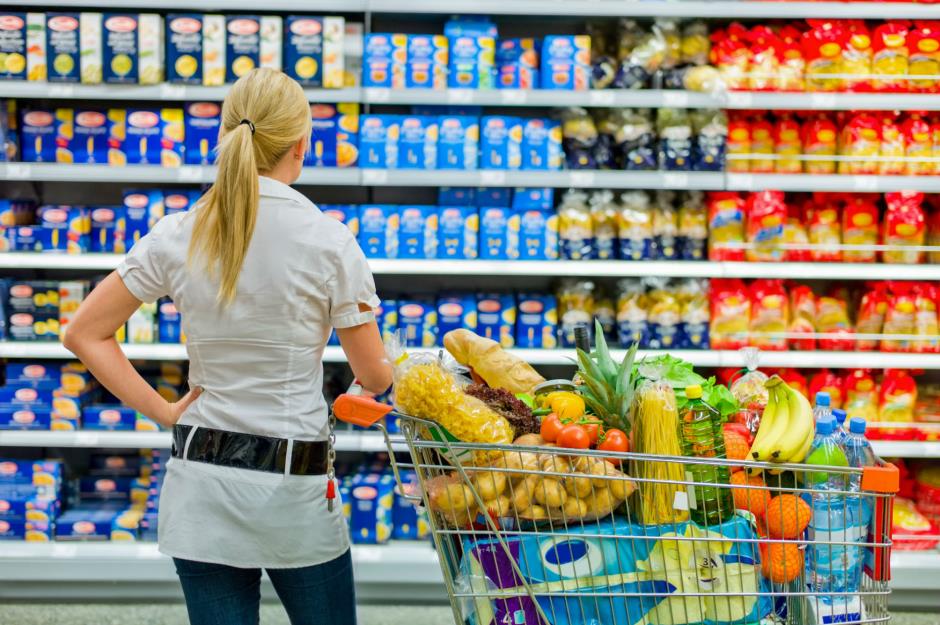
Most supermarket shoppers want to spend as little time and money as possible. Yet clever marketers take advantage of our haste and place the most expensive products at eye level, often encouraging us to spend more without us realizing it – hence the phrase ‘eye level is buy level’. According to a study published in Store Design and Visual Merchandising, products placed at eye level (around four to five feet off the ground) receive 35% more attention than those on lower shelves.
Sponsored Content
…and the same goes for kids
Loyalty cards
Accessories are well signposted
Sponsored Content
Bold sale signs
Offering free shipping/delivery
Strategic escalator placement
Sponsored Content
Seats
End cap displays
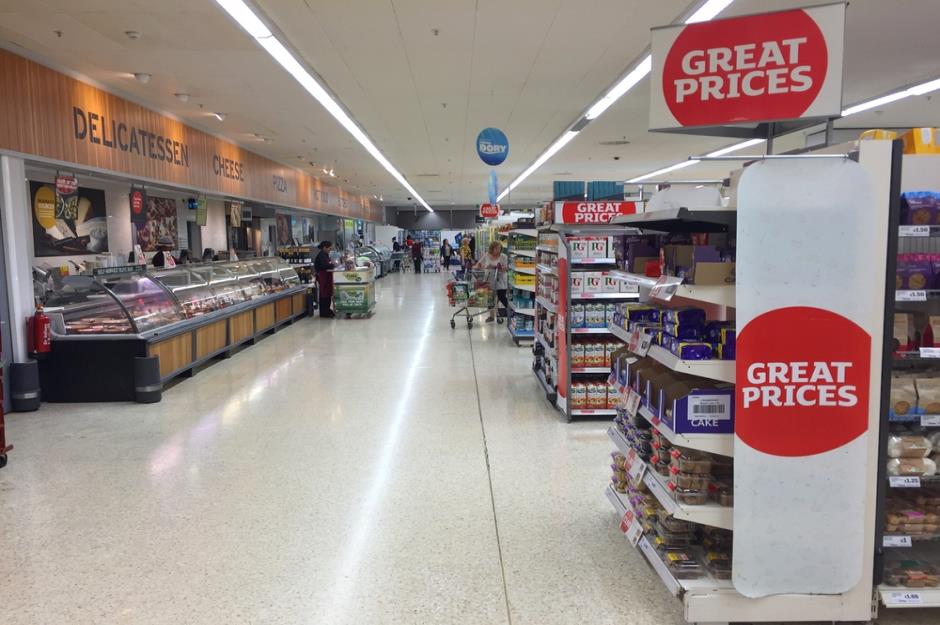
An ‘end cap’ is the name given to the big displays at the end of aisles. They attract your attention because they're bigger than normal displays, very visible when you're browsing between aisles, plus they make you think that a product is on offer, even if that's not always the case. They're definitely effective: according to research by the US-based National Retail Hardware Association, a product placed on an end cap display sells eight times faster than the same product placed elsewhere on the aisle.
Pairing items
Sponsored Content
Touching the products
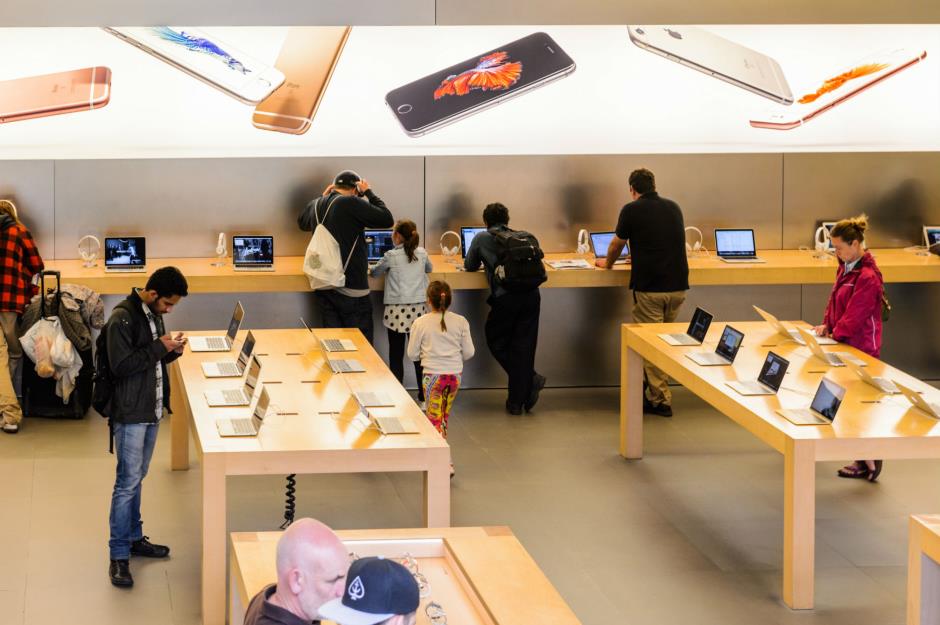
Researchers have found that touching products in store gives us a sense of ownership over items, making us more likely to buy them. What’s more, the longer we hold items for, the higher price we’re willing to pay: according to a study by Ohio State University, participants who held a mug for a 30 seconds were willing to pay on average $1.47 more than those who held the same mug for 10 seconds. In tech stores like the Apple stores, trying before buying is crucial and they’re laid out accordingly.
Staff befriending you
Premeditating store traffic
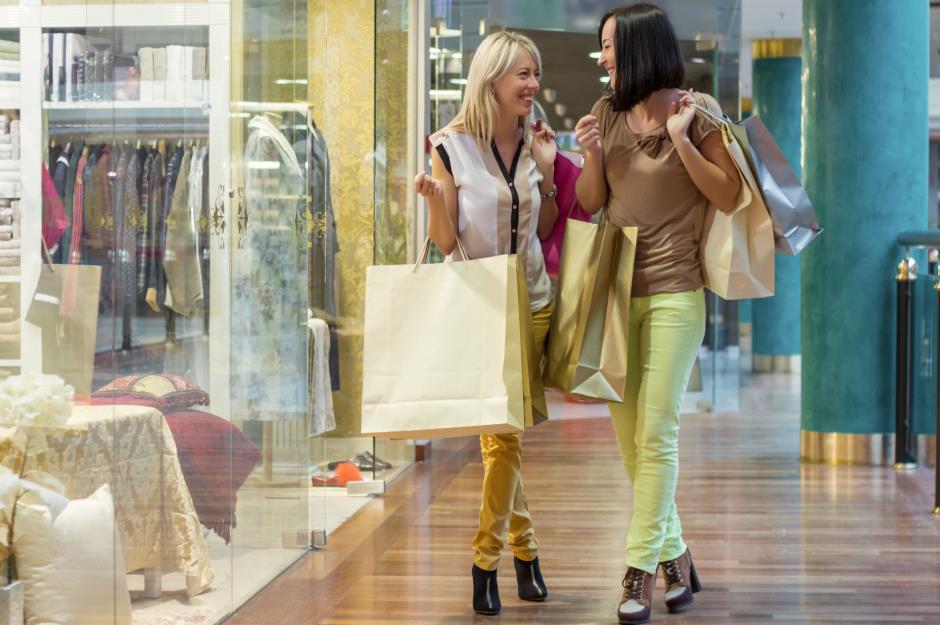
Think you’re just walking around shops however you please? Think again. Research suggests that 90% of shoppers in North America will go to the right side of the store when they walk in, which consumer psychologists have linked to right-handedness. Clever stores have clocked onto this and place most high-value items on the right wall. Marketing professor Dr Paul Harrison found that shoppers travelling anti-clockwise spent, on average, $2 (£1.50) more than those going clockwise.
Take a look at the best-selling products in the decade you were born
Sponsored Content
'Deals' that make you buy more
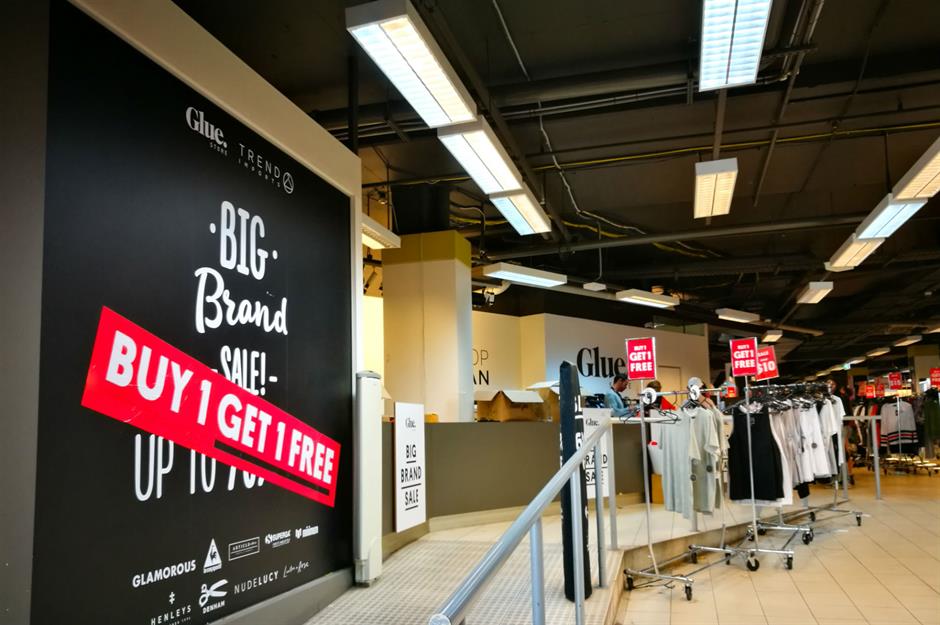
It’s hard to ignore a great deal, but exercise caution – most offers are just engineered to make you buy more. The popular Buy One Get One Free (BOGOF) offer is used by stores to shift products they’re trying to get rid of, which were often overpriced originally: think big boxes of chocolates at Christmas and sharing packs of snacks. Items on BOGOF don’t tend to have a long shelf life too, so they’re only worth buying if you can actually use them up.
Clever lighting
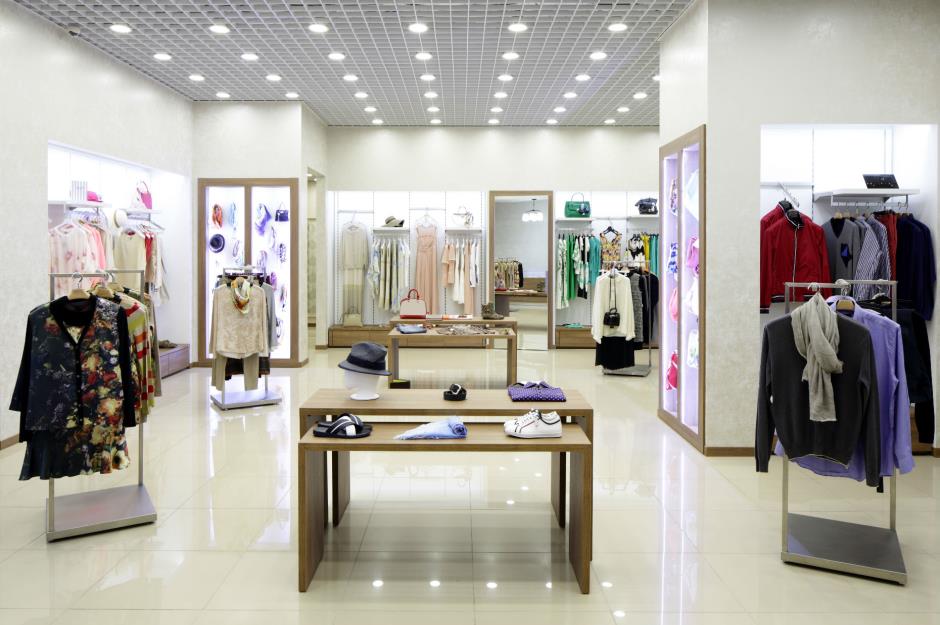
The right lighting can make or break a shop. In luxury clothing stores and lingerie stores, dimmer lighting is used, as it's associated with relaxation and makes shoppers slow down and spend more time there. Conversely, in budget stores bright light encourages shoppers to think quickly, often leading to impulse purchases. In clothing store changing rooms, dimmer light is often used to make clothes look more flattering on and increase the chance of a purchase.
Ending prices with 9s
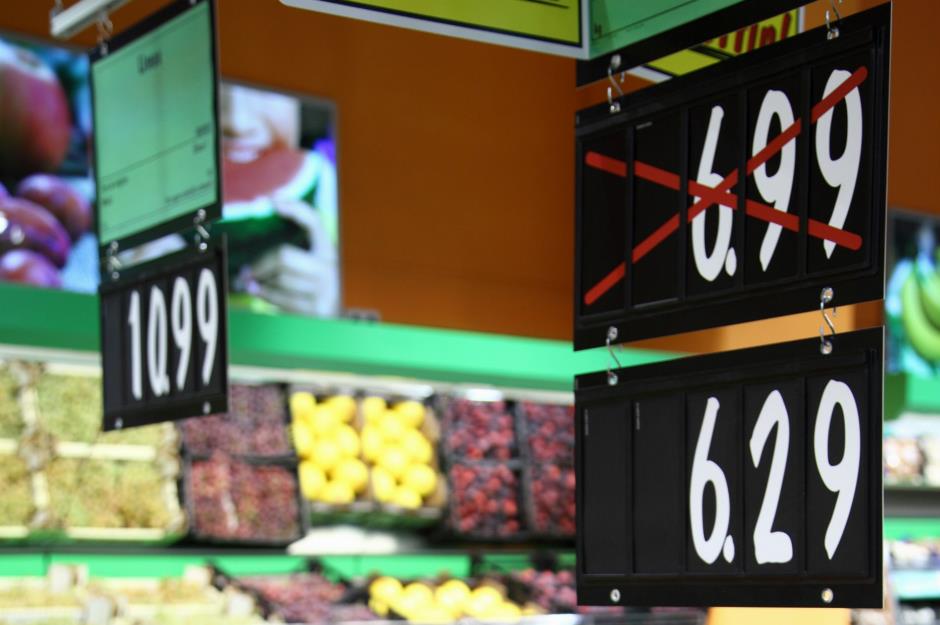
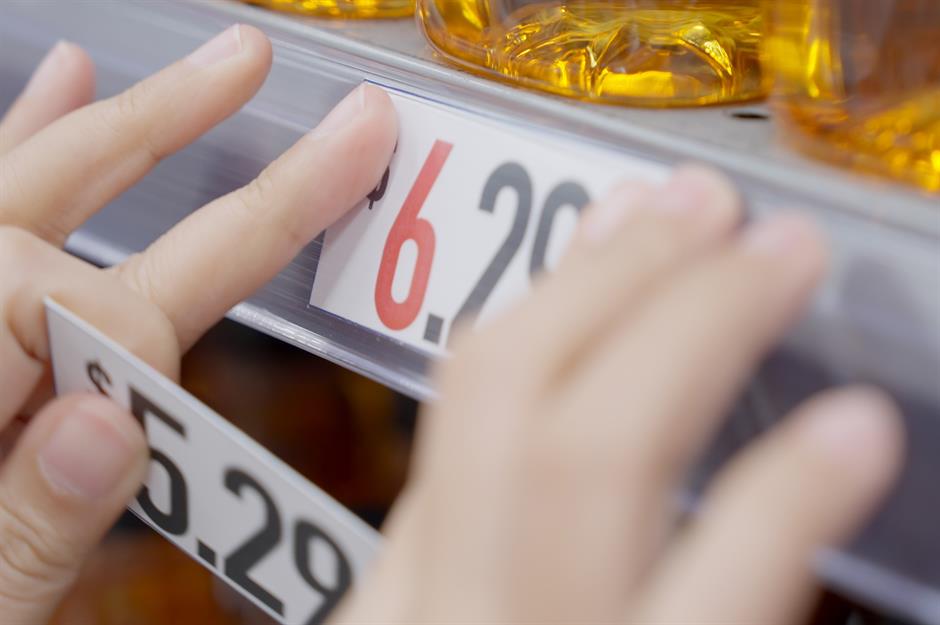
‘Charm prices’ end in 9s and are a tactic used by shops because of what is known as ‘the left digit effect’. Simply put, the theory dictates that minds focus on the first left digit – before the decimal point – and we perceive the product to be a different price than it actually is, and often end up rounding the price down. Research published in Priceless, by the aptly-named William Poundstone, shows that use of charm pricing on average increased sales by 24% compared with 'rounded' prices.
Now discover 20 ways to make extra money today that you couldn't 20 years ago