Aldi: the incredible story of the German supermarket taking over the world
08 April 2016
The budget store billionaires
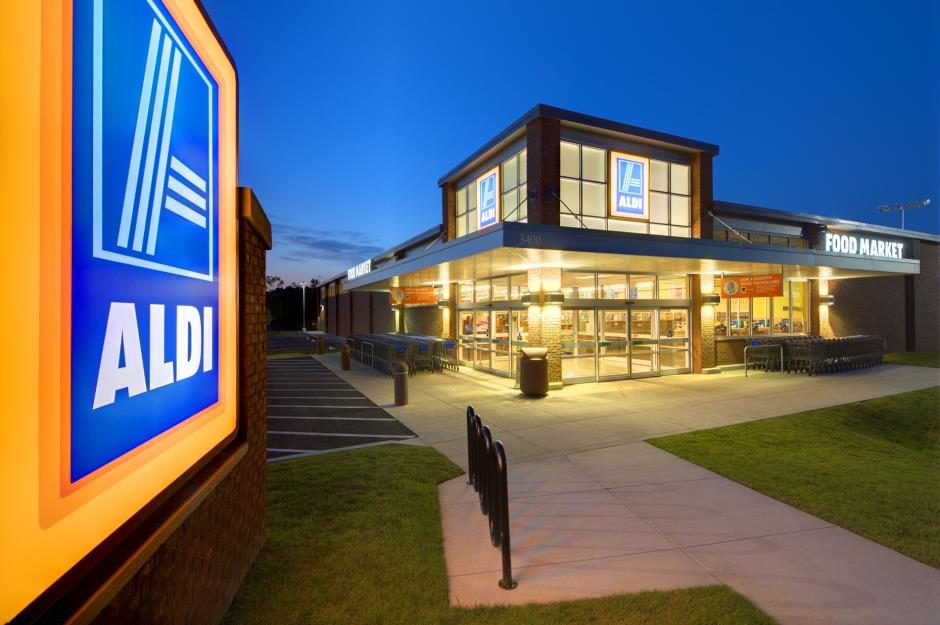
While other supermarket groups around the world are struggling, the rise of the Teutonic budget chain has been unstoppable. We chart its progress from neighbourhood store to global discount giant.
Humble roots
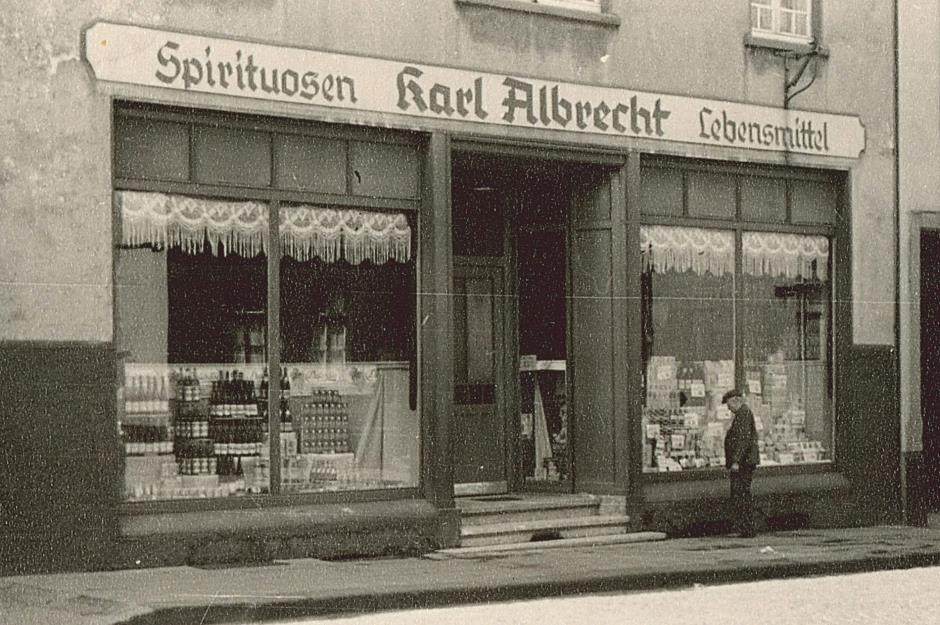
Aldi's rags to riches story began back in 1913 when Frau Anna Albrecht opened the Karl Albrecht Spiritousen and Lebensmittel grocery store in Schonnebreck, a low-income suburb of Essen, Germany.
'The world's first discount store'
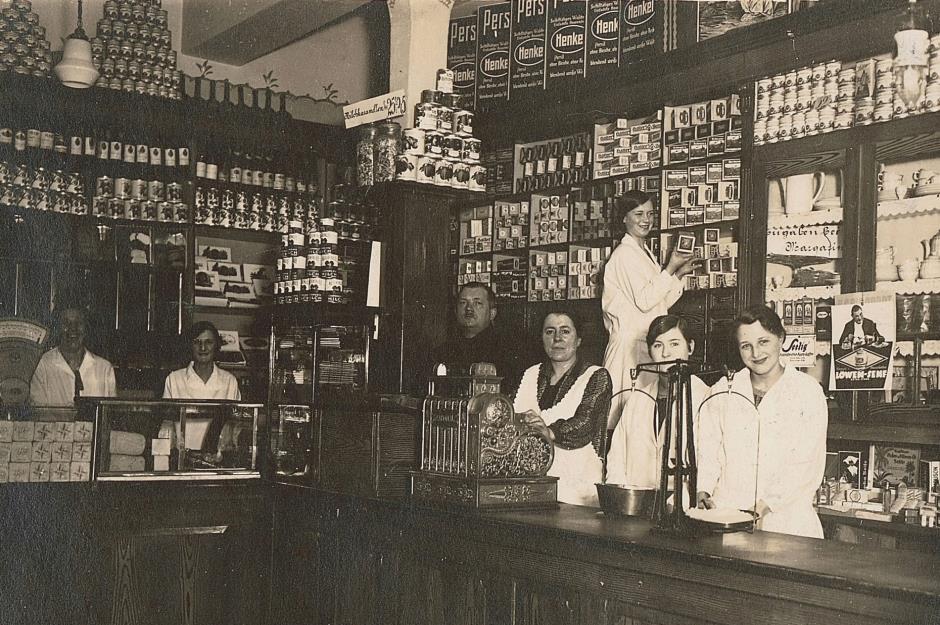
Not long after the end of World War II, Anna's sons Karl and Theo took over their mother's business and transformed it into 'the first discount store in the world'.
Sponsored Content
Fledgling success
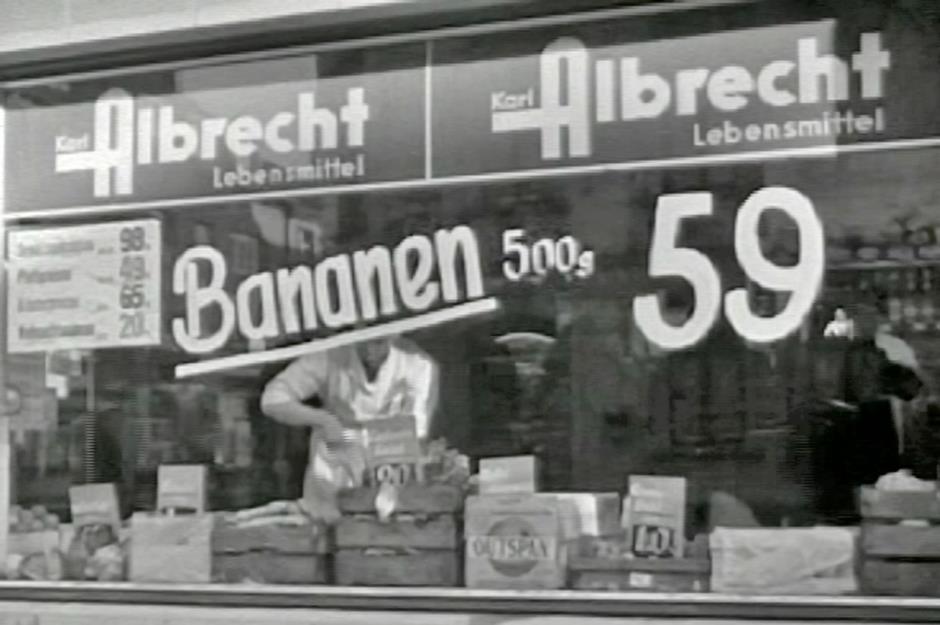
The brothers founded Albrecht KG in 1948, opening four stores in the local area not long after.
Thrifty family

The family as a whole were noted for their thrifty ways. Obsessed with saving money, Theo was said to recycle used pencil stubs, wear old, worn suits and eschew any form of luxury even after he had made his fortune.
Savvy business plan

The thrift-conscious brothers devised a simple yet super-successful business plan: they kept prices rock-bottom by only stocking non-perishable items, quickly removing slow-sellers from the shelves.
Sponsored Content
Size isn't everything
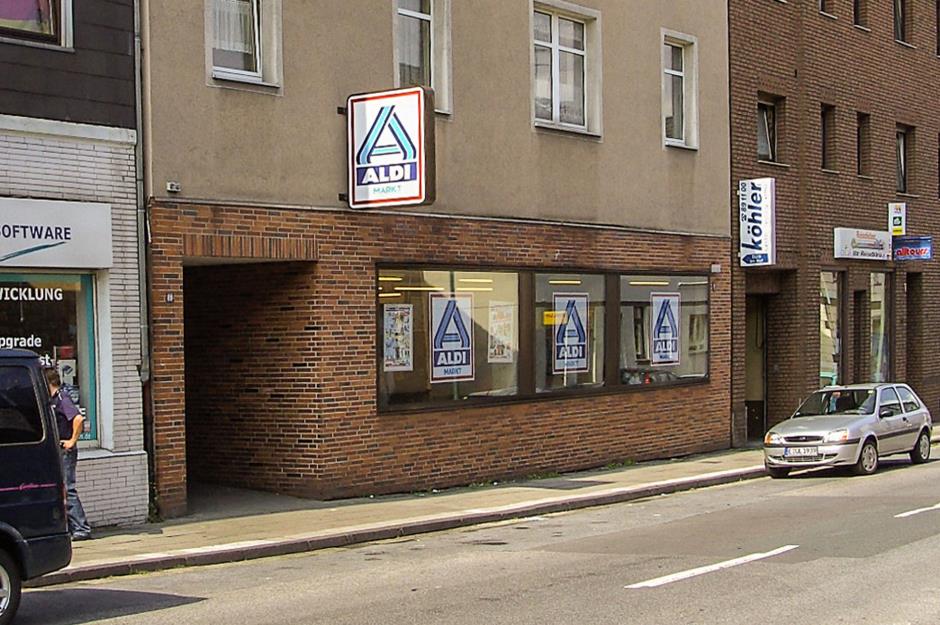
To avoid paying expensive overheads and to build their business slowly but surely, Theo and Karl Albrecht decided to concentrate on developing a chain of small stores.
Growing popularity

The compact stores' popularity spread through word of mouth – the Albrechts kept costs down by refusing to pay for advertising. By 1950, they owned 13 stores in Germany's Ruhr Valley.
Germany's first self-service store

In 1954, keen to innovate, the entrepreneurial brothers made retail history again by opening Germany's first self-service store.
Sponsored Content
Early expansion

By 1960, Theo and Karl Albrecht owned 300 stores with an annual turnover of DM90 million (£18m at the time).
The great Aldi cigarette split

That same year, the brothers split the chain into two separate groups after falling out over whether they should sell cigarettes. Theo headed Albrecht-Diskont Nord, which sold cigarettes, while Karl became the CEO of Albrecht-Diskont Süd, which did not.
Albrecht-Diskont's new name

In 1962, the brothers, who were still working together despite their disagreement, decided to name the groups Aldi Nord and Aldi Süd, taken from the first two letters of Albrecht and Diskont.
Sponsored Content
North and south
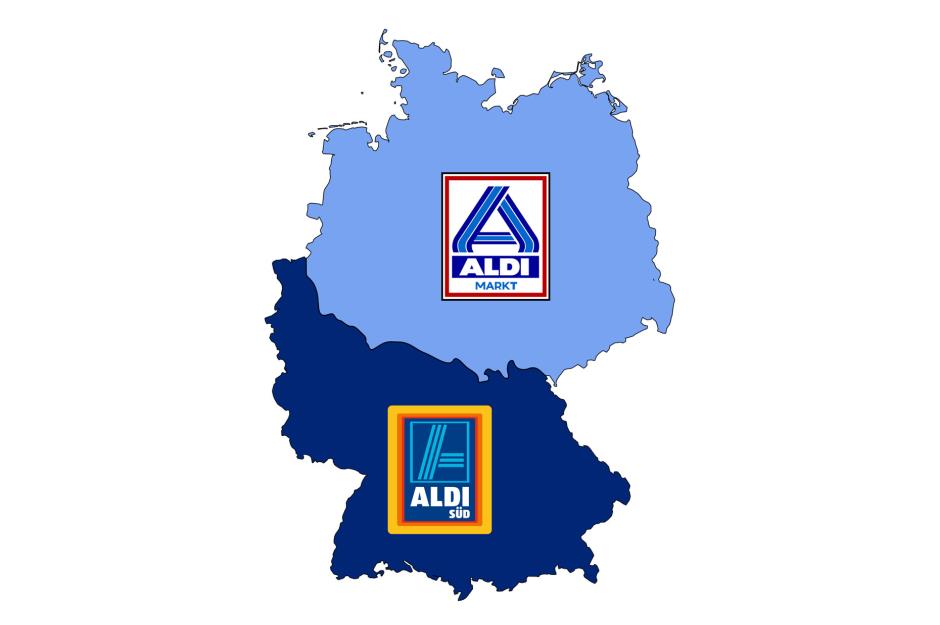
Aldi Nord took over stores in the north of Germany while Aldi Süd became responsible for stores in the south. The border between the two became known as the 'Aldi Equator'.
The two Aldi's cut ties

The two businesses became financially and legally separate in 1966. By this time, there were 200 Aldi Süd stores in Germany.
International expansion

The Aldi group made its first forays into the international market in 1967 when Aldi Süd took over Hofer, an Austrian grocery chain. Aldi Nord joined in when it expanded to Belgium in 1973.
Sponsored Content
Theo Albrecht kidnapped

In 1971, Theo Albrecht was kidnapped by a disgruntled lawyer called Heinz-Joachim Ollenburg and his accomplice Paul Kro, and held at gunpoint.
Ransom request
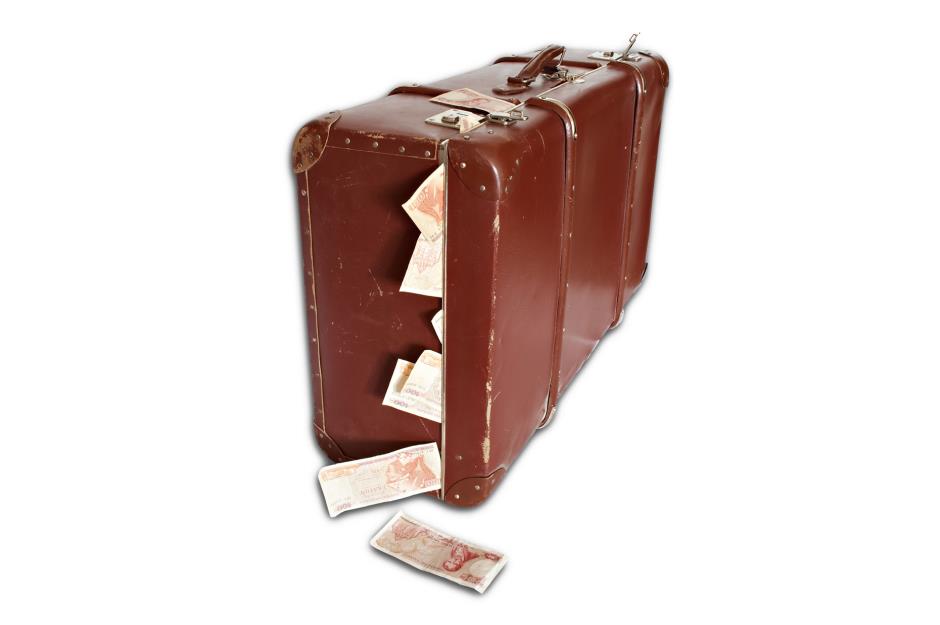
A ransom of DM7 million (£1.4m at the time) was paid and Albrecht was released after 17 days in captivity. As money-conscious as ever, he later tried to claim the ransom as a tax-deductible expense.
Reclusive CEOs

Possibly as a consequence of the kidnap, the Albrechts have become extremely secretive about their private lives and Forbes dubbed Theo 'more reclusive than a yeti'.
Sponsored Content
Camera shy brothers

The last photo published of limelight-shunning Theo Albrecht alone dates way back to 1971, a day after he was released by his kidnappers, and the last picture of the brothers together was published in 1987.
Island escape

Reports suggest the Albrecht brothers owned an island in the North Sea where they used to play golf and admire their beloved collection of typewriters.
US launch
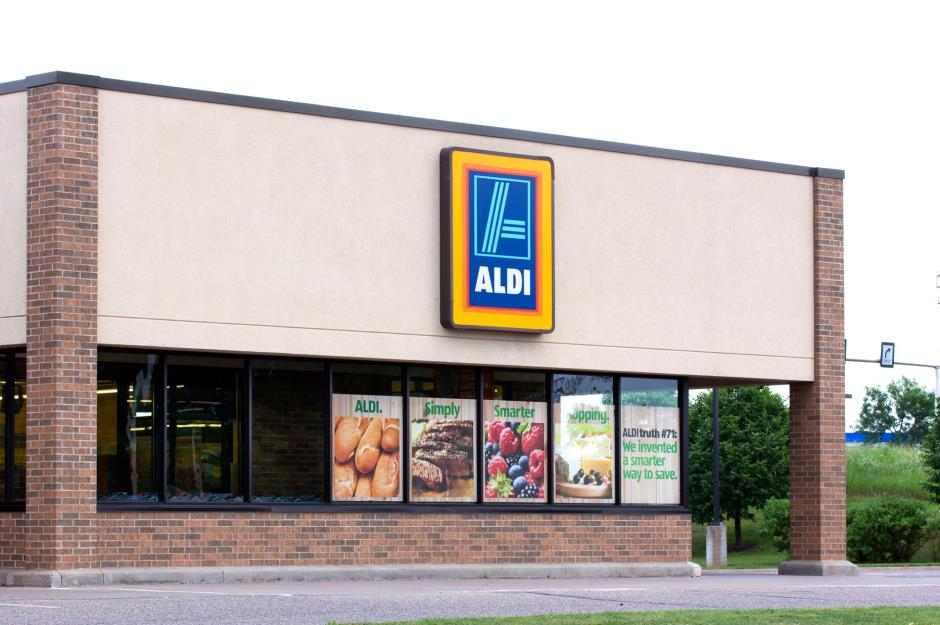
Aldi expanded to the US in 1976, opening its first store on American soil in Iowa. There are currently 1,300 Aldi stores in the US.
Sponsored Content
Trader Joe's acquired
In 1979, a trust headed by Aldi Nord's Theo Albrecht bought trendy discount chain Trader Joe's, which now operates 475 stores in the US.
German reunification

After the Iron Curtain fell, the Aldi group enjoyed a massive fast-paced expansion in the reunified Germany.
UK launch

The group expanded to the UK in 1990, opening its first store in Birmingham. Aldi now boasts over 550 stores in the UK and opens a new one almost every week.
Sponsored Content
Unstoppable International expansion

By 1991, the Aldi group was operating stores in eight European countries and the US. Over the next three decades the group expanded to Ireland, Australia, Spain, Slovenia, Switzerland, Portugal, Hungary and Poland.
Aldi's Grexit

It's not all been plain sailing for the Aldi Group, however. In 2010, Aldi Süd pulled out of Greece after just two years having invested a cool £670 million.
31st richest person in the world
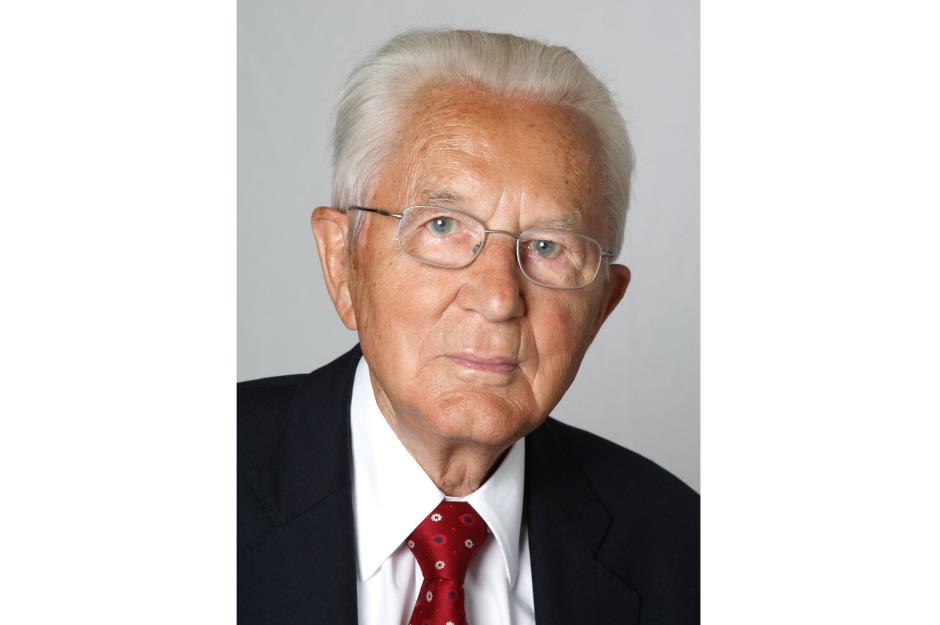
In 2010 Theo Albrecht died a very wealthy man – he was ranked by Forbes as the 31st richest person in the world, with a net worth of £11.8 billion.
Sponsored Content
Aldi Nord worldwide
As well as operating Trader Joe's in the US, Aldi Nord looks after Aldi stores in Northern Germany, France, Spain, Denmark, Poland, Portugal, Belgium and Luxembourg.
Aldi Süd worldwide
Aldi Süd is responsible for the Aldi stores in Southern Germany, the UK, Ireland, Australia, Switzerland and the US, as well as the Hofer chain in Slovenia.
Richest man in Germany
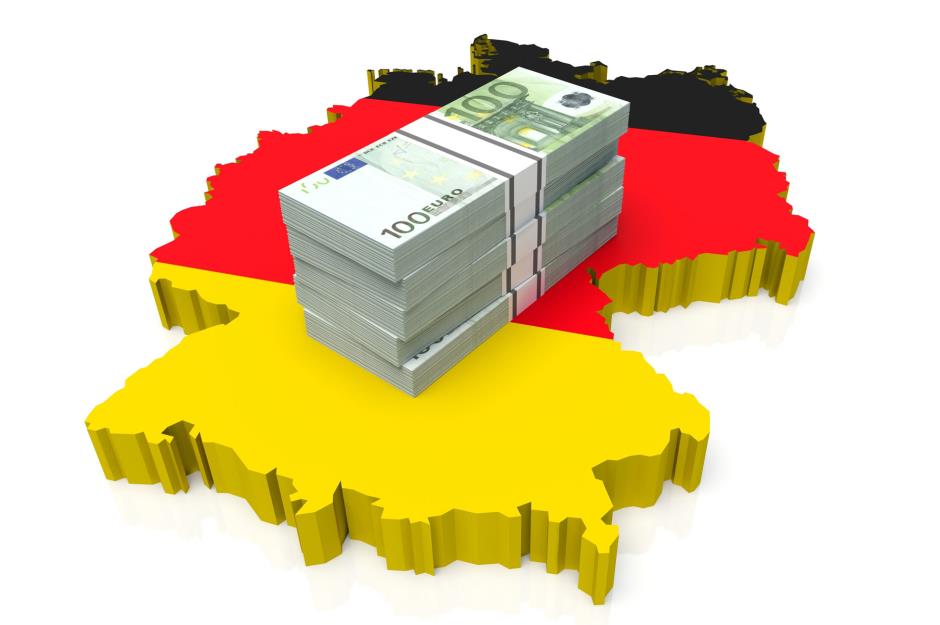
When he died in 2014, Karl Albrecht was the richest man in Germany, with a personal wealth of £13.9 billion.
Sponsored Content
Global domination

Aldi now operates over 10,000 stores in 18 countries worldwide, with a staggering turnover of £40 billion.
Comments
Be the first to comment
Do you want to comment on this article? You need to be signed in for this feature