Discover Life In The 1940s With These Incredible Retro Images
Travel back in time
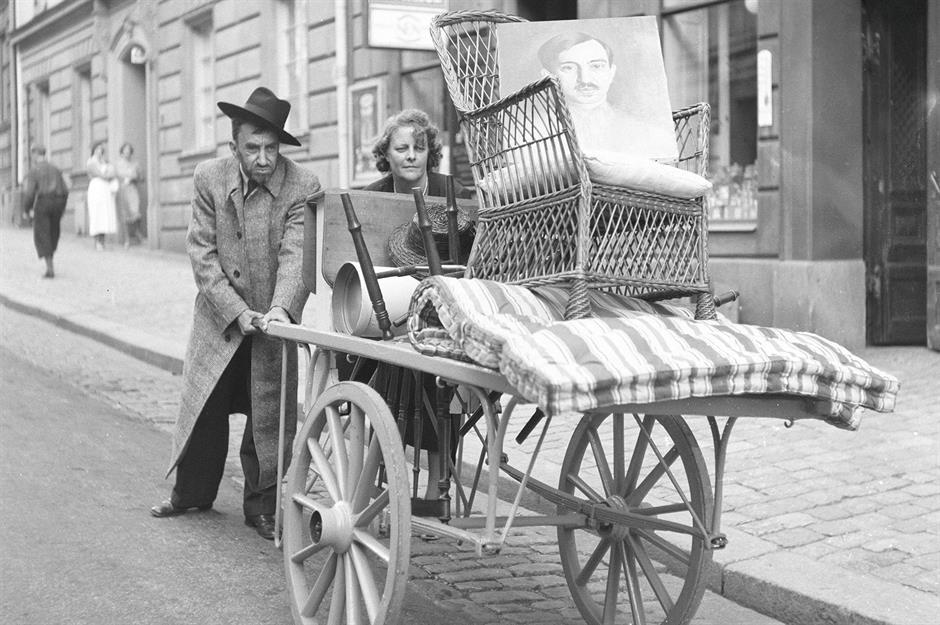
After the glitz and glamour of the 1920s and 1930s, the party came to an abrupt halt in 1939 as the world went to war once again. We take a look at the impact this important decade had on everyday life, discovering the architecture, décor, and habits of a 1940s home both during and after World War II.
Click or scroll through this gallery to discover life on the home front and find out how people 'kept calm and carried on' when the whole world went to war…
The world at war
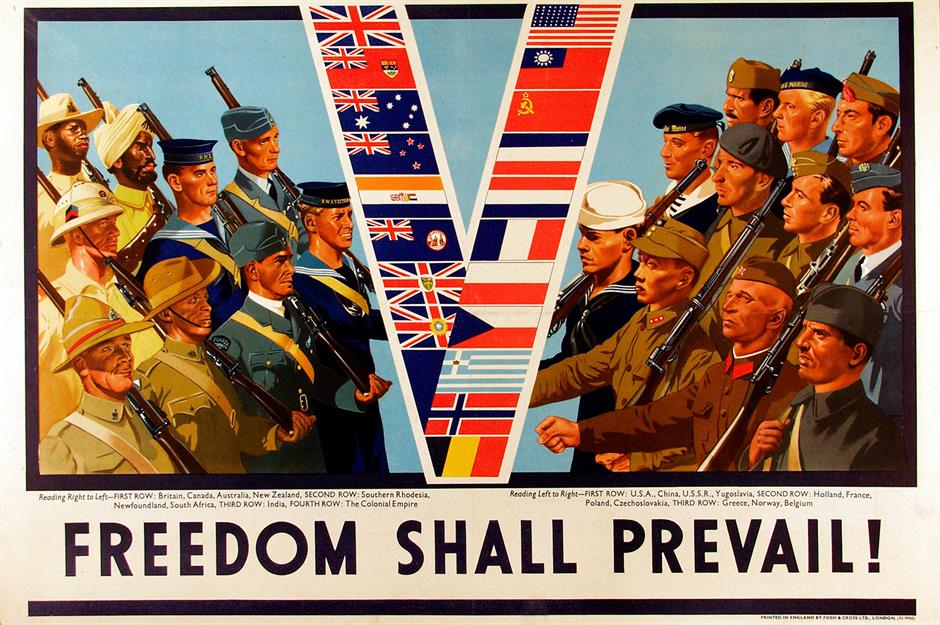
The outbreak of the Second World War marked the end of normalcy, bringing drastic changes to daily life, much like the economic crash a decade earlier. On September 1, 1939, Germany invaded Poland, prompting France and Great Britain to declare war two days later. The conflict rapidly expanded to involve major powers like Russia, China, Japan, Italy, and eventually the United States, leading to the deaths of over 60 million people worldwide and widespread destruction.
An international conflict
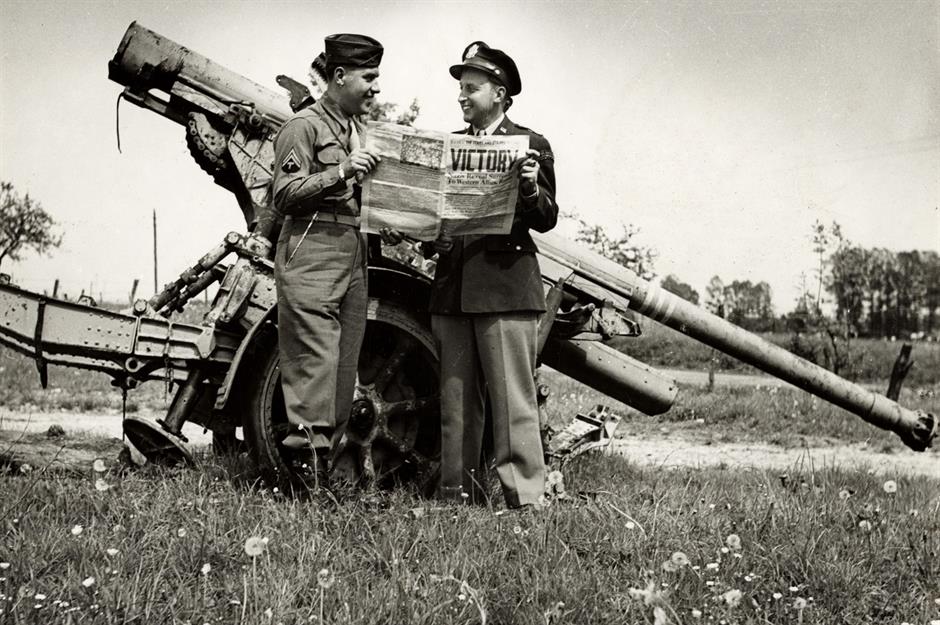
The US entered the war in December 1941 after Japan’s surprise attack on Pearl Harbor, which claimed over 2,400 lives. By 1945, the Allied Forces (Great Britain, America, Russia, and China) emerged victorious. The war’s impact reshaped societies globally, altering everyday life, from clothing and food to overall living conditions.
On both sides of the Atlantic, a genuine community spirit developed and often transcended class and other barriers as people 'battened down the hatches' to protect their homes and lives.
Sponsored Content
War on the home front

While the war effort was, of course, focused on the frontlines, it dramatically altered the lives of those left behind as well. With the majority of men of working age engaged in combat, women in Britain and America rolled up their sleeves and joined the workforce in droves to fill in the gaps left behind by husbands and fathers. Home lives were simplified, family units condensed and many people moved away from cities, where possible.
Rationing and reduction

With supply chains cut off all over the world, the 1940s saw a dramatic reduction in consumption across the board from food and clothes to home goods. Plus, the majority of factories were repurposed to aid the war effort by producing uniforms, weaponry, and other equipment, putting a halt on the production of whatever goods they had previously produced and reducing the quantity of consumer items available.
Back to basics
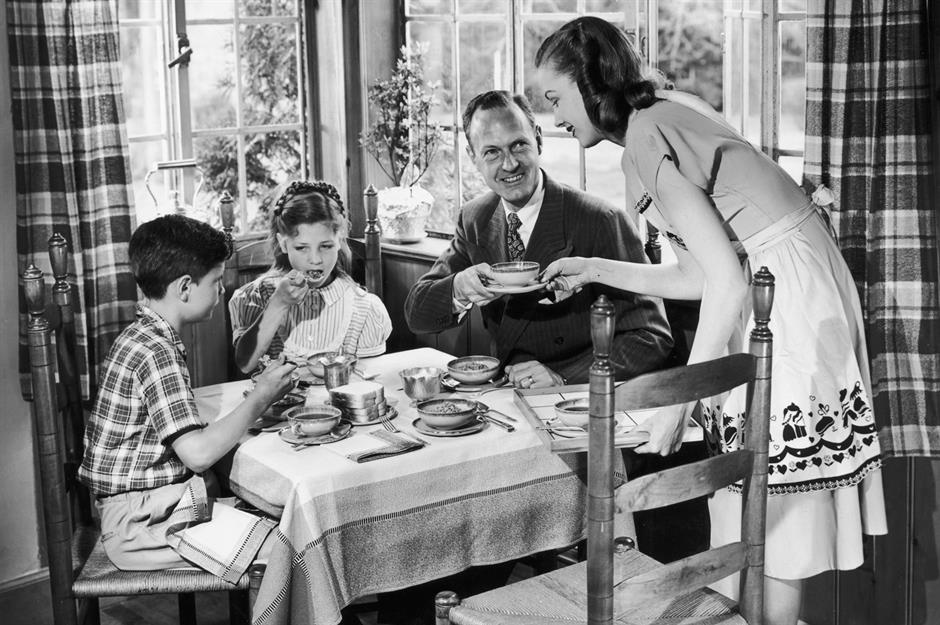
On both sides of the Atlantic, families queued for hours to collect ration books. These were forms of documentation which outlined the holder’s entitlement to the various goods in short supply due to import reductions. Rationing forced families in both Britain and the US to limit ‘luxury’ items such as coffee, sugar, butter, alcohol, and certain meats.
Sponsored Content
The average 1940s home

The war had an impact on homebuilding and architecture for similar reasons. The high industrial demands on steel and other construction materials during wartime led to new developments in products such as aluminum and synthetics. Simple, efficient, and effective, modernist-style homes dominated the construction market during the war years.
In the US, minimal traditional architecture, which had developed in the 1930s in response to the economic strains, remained popular into the early 40s for the same reasons. What these homes lacked in style, they made up for in simplicity, space efficiency, and cost-effectiveness.
1940s kitchens
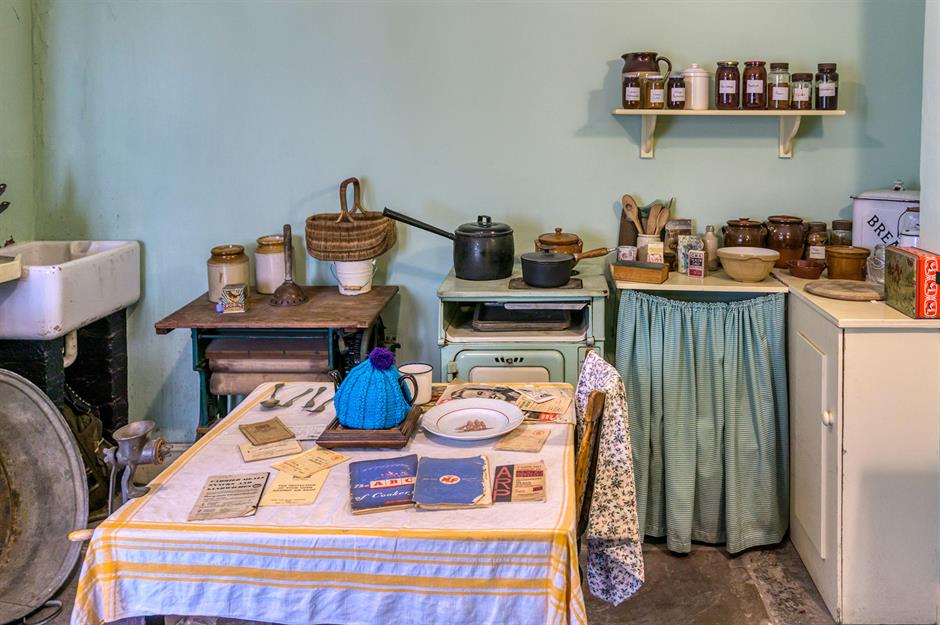
A 1940s kitchen was compact, practical, and designed for efficiency. Built-in cabinets were rare; instead, freestanding store cupboards and tables were used, with wall-mounted shelving or big pieces such as a dresser or sideboard added for extra storage. Color schemes often featured muted pastels, with floral or checkered patterns on walls and curtains in pinks, pale blues, soft greens, and cheery yellows.
With wartime rationing in full effect, kitchens were geared for frugal cooking, preserving food through canning, pickling, and preserving, and making the most of limited supplies. They also served as multi-purpose spaces for housework like laundry and sewing, making them the hub of daily home life.
Old and new technologies
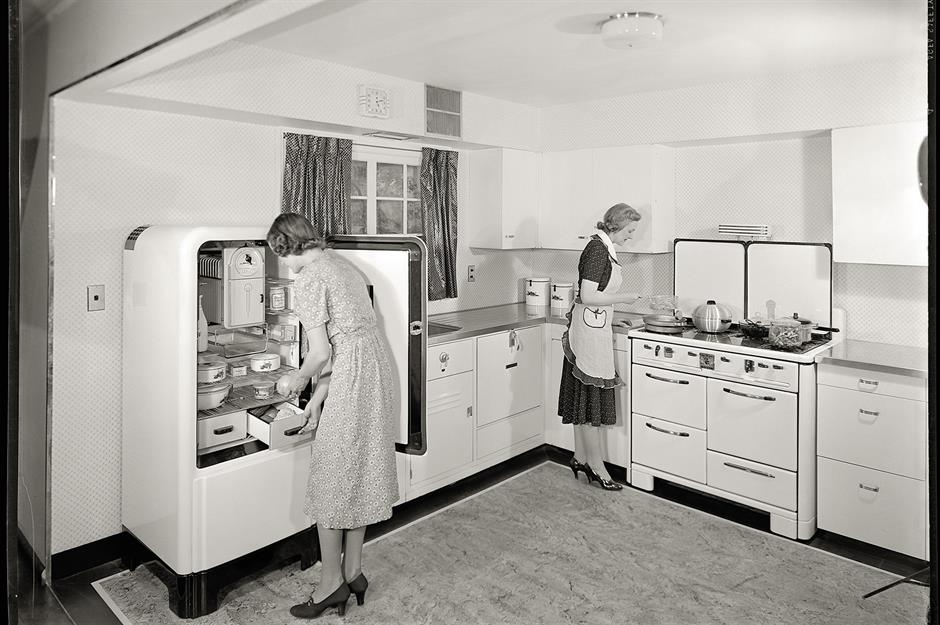
1940s kitchens also frequently featured a hodgepodge of appliances, depending on the wealth and location of the household. A new Frigidaire refrigerator might be seen next to an antiquated Chambers stove, for example. Essentials included a gas or coal stove and an icebox or basic refrigerator, while electric gadgets were minimal and most things were done by hand. Meanwhile, newly developed materials were on full display, with linoleum floors, enamel tabletops, and chrome fixtures and fittings.
Sponsored Content
Living rooms in the 40s

The heart of the home, the living room was where families gathered to listen to the radio, anxiously following the world’s news. Most living rooms also featured phonographs, later better known as gramophones, which played the latest hits from Bing Crosby and Glenn Miller when spirits needed lifting.
In terms of interior design, the 1940s were an eclectic mix of leftover Art Deco glamor and the dawn of mid-century modern minimalism. With furniture, like most goods, in short supply, most families kept their furniture from the 1930s throughout the war.
Liking this? Click on the Follow button above for more great stories from loveMONEY
Dining rooms and parlours
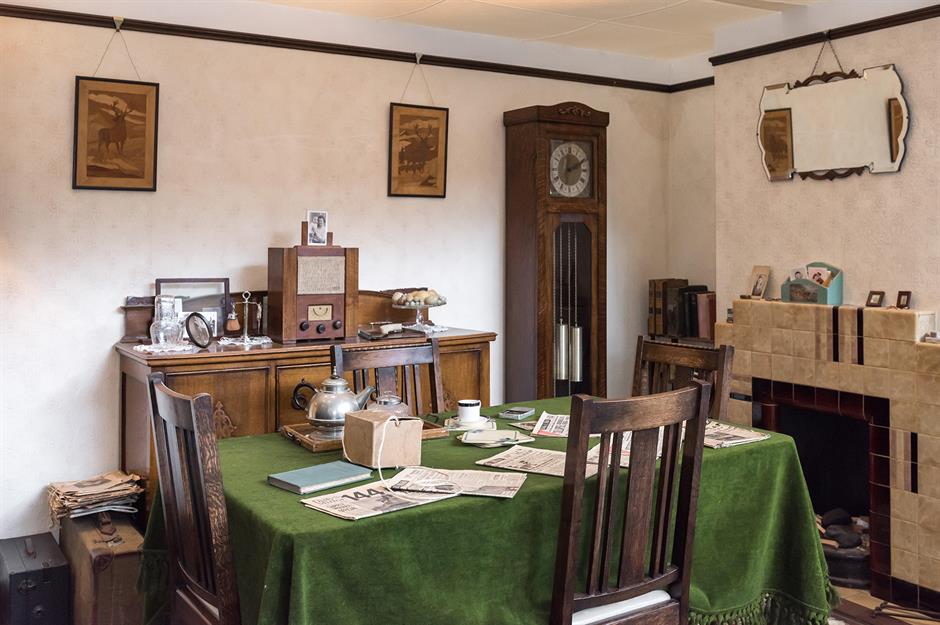
Dining rooms underwent a similar stylistic shift over the course of the decade. The traditional setup for a wartime dining room was a table and chairs, a buffet (a store cupboard with plenty of storage inside) a china cabinet, and a phone nook. There would often be a timepiece of some sort, perhaps a mantel or grandfather clock, and a fireplace for heat and warmth.
The phone was traditionally kept in this room to prevent calls from interrupting important radio broadcasts in the living room.
Dining room décor
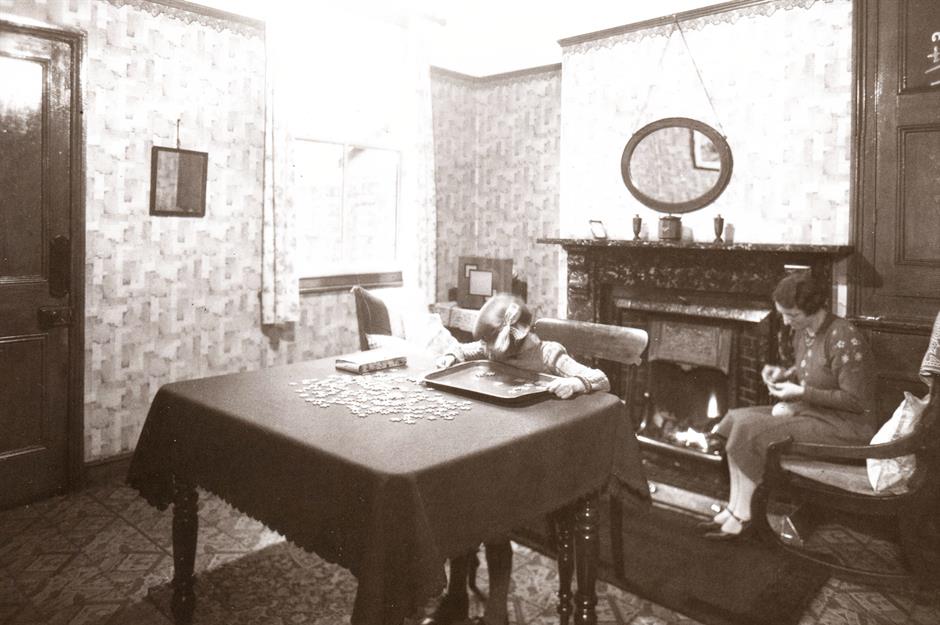
This picture shows a dining room in Yorkshire, England around 1940. Popular decorations included mirrors, bouquets of wax flowers, and chandeliers, even in middle-class homes. Wallpaper was a popular choice when it came to decorating and there would have been a stash of candles and matches kept close to hand.
Sponsored Content
The 1940s bedroom

Clearly more comfortable than a converted table, most 1940s bedrooms featured either a double or twin beds with a down-filled duvet, though hot water bottles were often required in colder months due to fuel rationing.
This illustration from the Ladies’ Home Journal is representative of a traditional bedroom from the time. Replete with ruffles, this cheerful yellow room features a canopied bed and hardwood furnishings.
Glamorous boudoirs
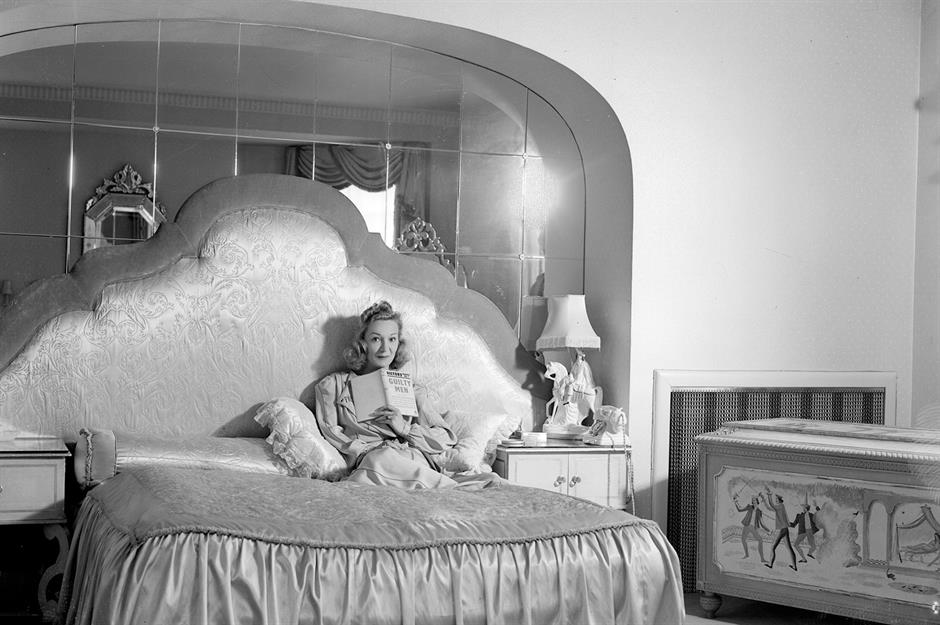
This picture shows a substantially more glamorous bedroom from the period belonging to popular screen actress Florence Desmond, complete with a mirrored niche and sumptuous oversized satin headboard.
Floral and chintz fabrics were popular for bedding and drapes and large mirrors were standard for both practical and ornamental purposes.
1940s bedroom furniture

While wardrobes (closets in America) were becoming standard features in new builds, many older homes still used chifforobes, a piece of furniture that combines a wardrobe and a chest of drawers, or dressers instead.
However, wartime rationing of clothes and fabrics in both the UK and the US also meant that people had fewer garments to store than in previous decades.
Sponsored Content
Bathrooms in the 1940s

Bathrooms in the US were transformed in the 1940s, thanks in part to new plumbing codes which meant all new houses were built with hot and cold piped water, a bathtub or shower, and an indoor flushing toilet as standard. Like kitchens, 1940s bathrooms generally featured tiles in cheery pastel shades though the war meant that decorative coloured tiles had to be imported at great expense.
After the war and toward the end of the decade, luxury became more commonplace and the Baby Boom effect meant growing American families wanted bigger bathrooms and more than one in their homes. Powder rooms, ensuite master baths, and 'Jack-and-Jill' shared bathrooms became more popular as prosperity grew towards the 1950s.
Growing their own
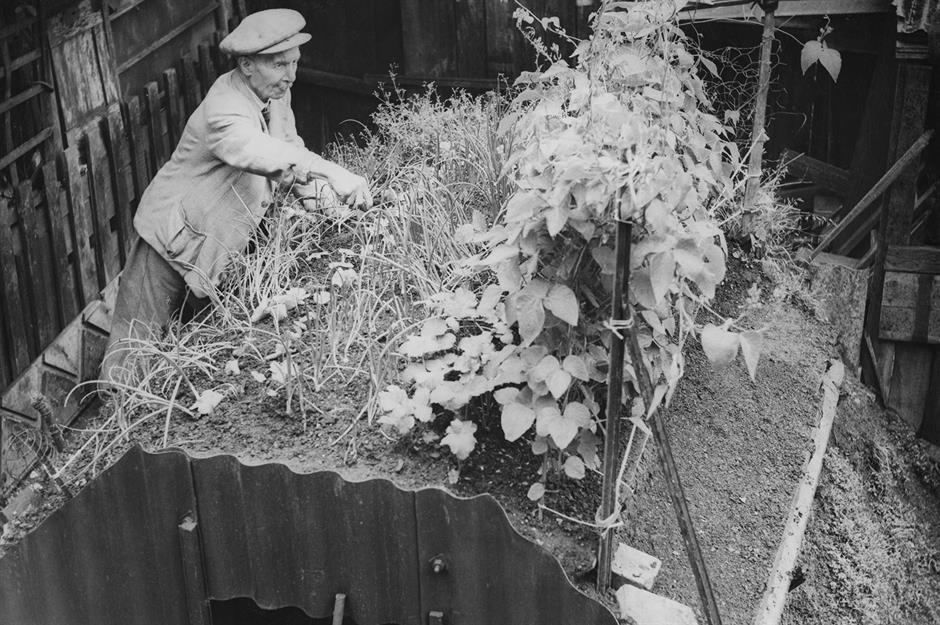
Victory gardens were another popular addition to British and American homes during the war, a trend carried over from the First World War. With widespread food rationing in both countries, home production of fresh fruit and vegetables became essential.
The publicity campaigns were a great success and by the end of the war in 1945 American victory gardeners had grown between 8 and 10 million tons of food, according to the National Park Service.
Rural living in the US

In the 1940s, rural communities in America saw significant changes and faced unique challenges. With many young men enlisted in the military, women, older adults, and even children took on extra responsibilities to cover labor shortages and meet demand for food production. Rationing of goods like sugar, gasoline, rubber, and metal made it difficult to obtain essential supplies for farming operations. However, farms also benefited from being largely self-sufficient, with many still growing their own food and raising livestock for personal consumption.
While many aspects of farm life – such as clothing, home furnishings, and architecture – remained similar to earlier decades, a major shift occurred as World War II spurred a massive migration. The war effort drew families away from farms and small towns, driving them into larger urban centers. After a period of stagnant urban growth during the Depression, city populations surged as rural counties emptied out.
Sponsored Content
Luxury homes in the 1940s
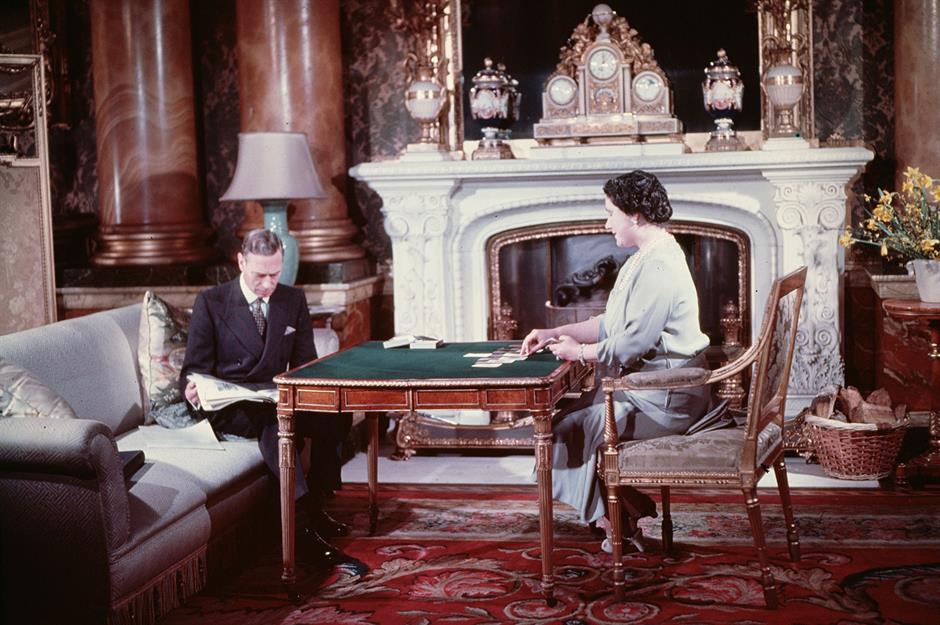
During the 1940s, the lifestyles of wealthy homeowners in the UK and US underwent significant transformations due to the Second World War. In Britain, affluent families often contributed their estates to the war effort, with grand country houses being converted into facilities such as hospitals, schools, and depots.
The war also led to increased taxes and economic controls targeting the wealthy, with estate and income taxes reaching high levels. Wealthy individuals were also subject to rationing, with even the royal family adhering to clothing coupons. Fearing invasion, some prominent British families even evacuated their children to the US and Canada.
Luxury homes in the 1940s

In the United States, similar economic measures impacted the affluent, with higher taxes and stricter economic regulations introduced to support the war effort. Despite their wealth, American elites also experienced rationing and other constraints. The wealthy in both nations adjusted to these changes by sacrificing luxury items and supporting national goals. This era marked a departure from the opulent lifestyles of the 1920s and early 1930s, as many of the rich shifted focus to patriotism and survival.
The end of World War II
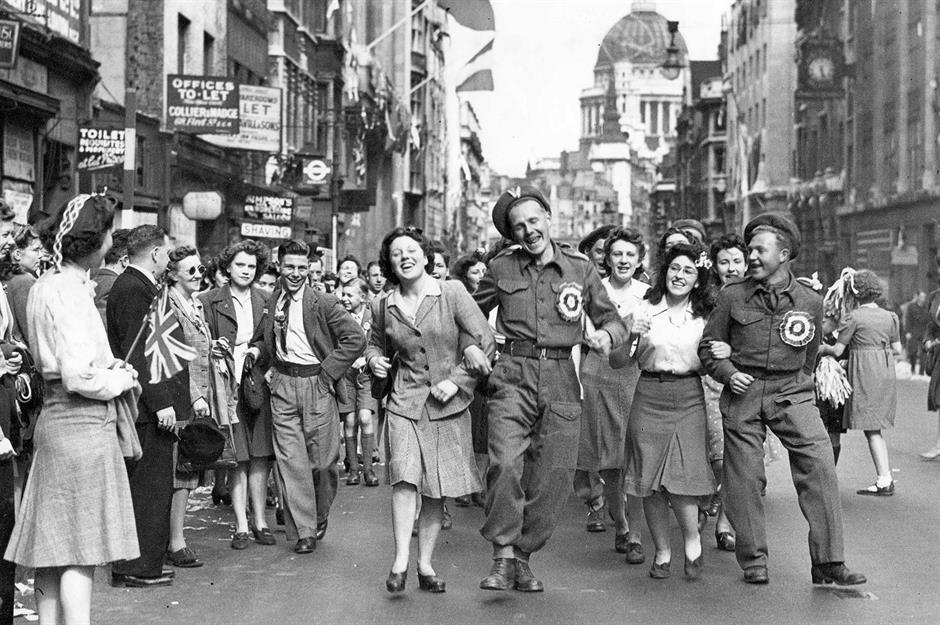
The Second World War ended in 1945 with Germany's surrender on May 7, followed by the official acceptance on May 8, known as VE Day (Victory in Europe.) Massive celebrations erupted across the UK, France, and Europe, with parades, street parties, and joyous crowds.
In the Pacific, the war continued until Japan surrendered on August 15, after the atomic bombings of Hiroshima and Nagasaki, marking VJ Day (Victory over Japan.) The formal surrender was signed on September 2. The end of the war brought widespread relief, celebrations, and hope for lasting peace across the war-torn world.
Sponsored Content
Urban migration

The war had generated a massive spike in urbanization in both the US and the UK. Increased production to meet the material needs of the conflict resulted in a vast number of factory jobs, which attracted many migrants and saw people moving from countryside to the city. After the end of the war from 1945 to 1950, some cities experienced another dramatic shift as wealthy families moved out of the centers into the newly created suburbs. During 1940 to 1950, 21% of Americans moved to a different county or state.
Overcrowding in the US

In the US, the result was the highest national mobility rates either country had ever seen, with one in every five Americans having moved by the end of the war according to the National Park Service of America. With so many people flooding into cities to take up industrial, ‘war-worker’ jobs, urban areas quickly became overcrowded.
The American government began encouraging people to take on boarders, while simultaneously constructing new war-worker housing at lightning speed. Unfortunately, the pace at which these new homes were constructed meant that the workmanship was shoddy at best, resulting in poor plumbing, paper-thin walls, and minimal privacy, such as the Chicago tenements pictured here.
The dawn of prefab architecture
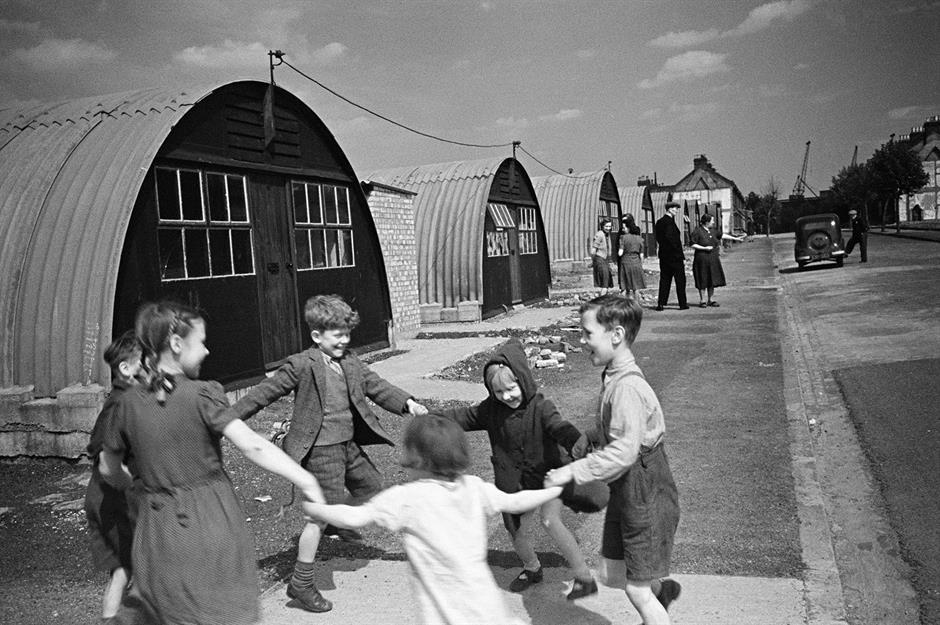
The subsequent housing crisis brought about the dawn of prefab architecture, born of the Housing (Temporary Accommodation) Act 1944.
In his 12-year plan, British Prime Minister Winston Churchill outlined the UK's housing future after the war was won, which required the Ministry of Works to produce Emergency Factory Made Houses, or EFMs. These later came to be known more commonly as prefabs – prefabricated homes.
Sponsored Content
Cheap and speedy
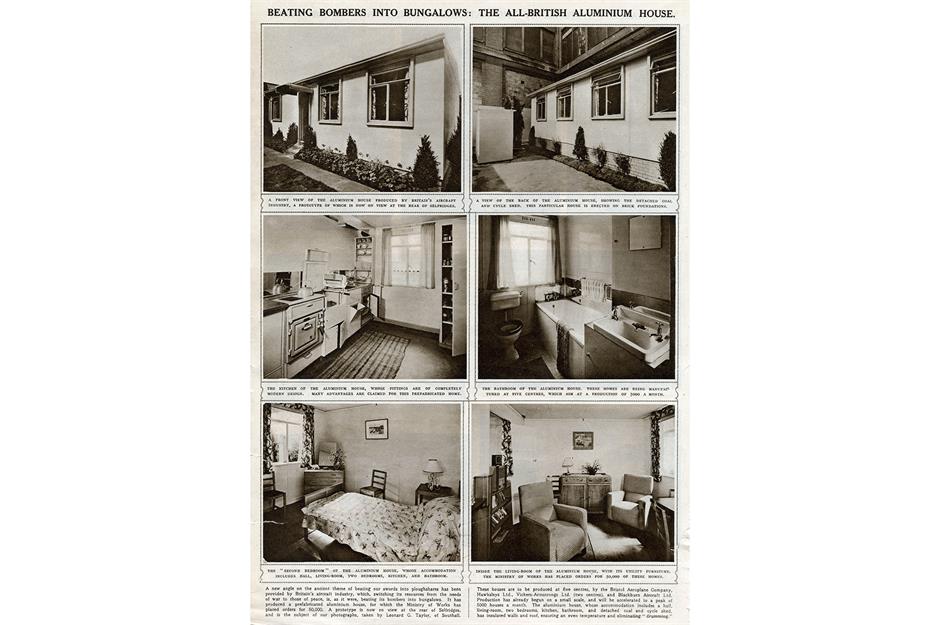
Prefab models were single-story detached bungalows consisting of two bedrooms, a living room, a fully equipped kitchen, and a bathroom, as this advertisement from 1945 illustrates.
They were designed to be cheap to produce and quick to assemble, and, while far from ideal, were a significant improvement on previous emergency housing, which included encampments in Epping Forest and bunk beds set up underground in tube stations.
American prefab

The US made use of prefab homes too, as a solution to the housing shortage following the return of soldiers from battle. These were largely produced from surplus wartime materials such as aluminum and fiberglass. They were advertised as an affordable alternative to the traditional house.
One particularly popular model was the Lustron house (pictured here) invented by Chicago industrialist Carl Strandlund. They were made from enameled steel and more durable than those made from most prefab building materials. Many Lustron houses are still standing today and are on the National Register of Historic Places.
Out with the old, in with the new
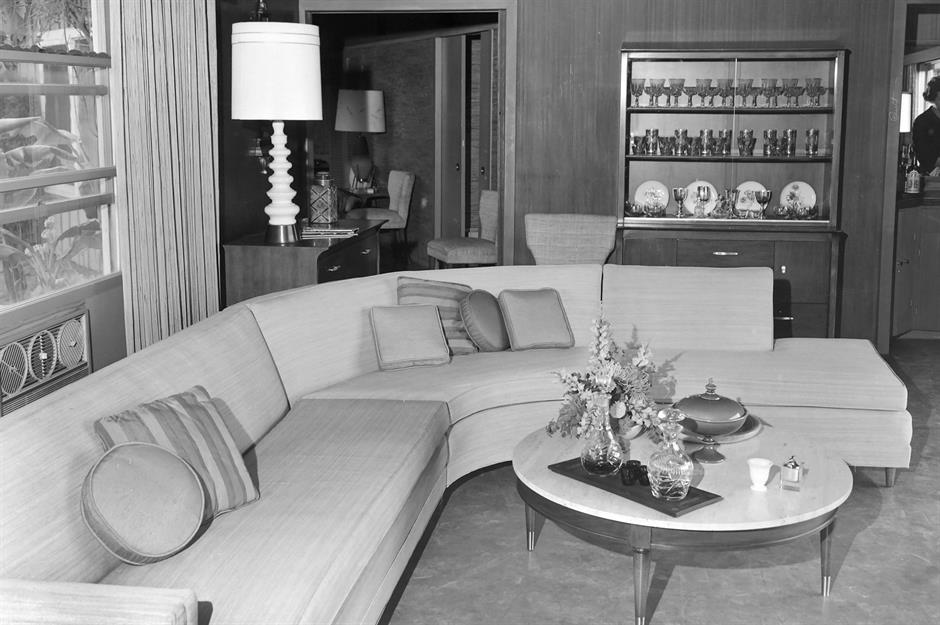
Meanwhile, for those not facing a housing crisis, the end of the war brought about dramatic changes in interior design. As rations were lifted and economies shuddered back into life, both America and the UK saw a rise in consumer culture. Homes became more functional and less formal, with an emphasis on material goods which could now be mass-produced thanks to new processes developed during the war.
Sponsored Content
Moving towards mid-century modernism

In the second half of the decade, once wartime restrictions and rations were lifted and families were free to spend again, many living rooms got a mid-century minimalist facelift. Mid-century furnishings featured sleek, streamlined silhouettes, plywood paneling, glass tables, geometric prints, and orange, brown, and green color palettes. Man-made materials such as plastic and fiberglass came into prominence, as did warm woods such as teak and rosewood.
Building the suburbs

Architecture, too, received a post-war facelift. In the US, the Federal Housing Administration and Servicemen's Readjustment Act helped to fuel the housing industry, driving yet another mass migration away from cities and into the newly emerging ‘suburbia.’
These new builds were characterized by peaked roofs, picture windows, smaller living spaces, attached garages…and the fact that they all looked very similar…
The dawn of a new decade

As the 40s gave way to the 50s, both the US and the UK entered a new era of rebuilding, reimagining, and reinventing what the modern home should look like – a new style of home for a new style of living. Several distinctive architectural styles emerged inspired by the optimism and technological leaps of this transformative decade. People's homes, buildings, and lives would never be the same again...
Liked this? Click on the Follow button above for more great stories from loveMONEY