13 Creatures It’s Illegal To Remove From Your Home And Garden
These critters and creatures are protected by law
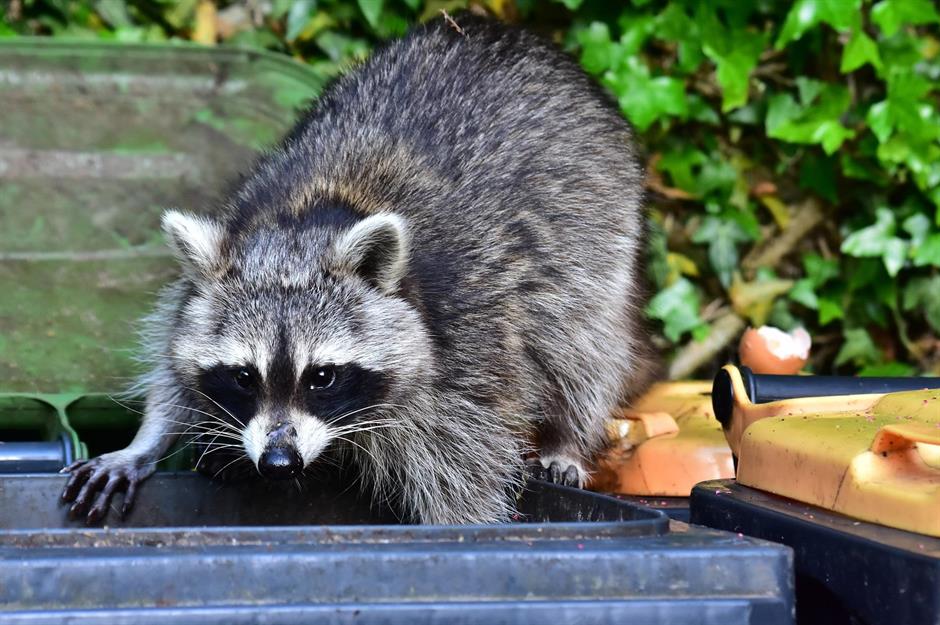
All too often, time, energy, and money is spent making your home an inviting oasis, but have you inadvertently created a haven for a whole host of critters and creatures? While some common household pests can be deterred and removed with ease, others are protected by law, making it illegal to disturb or harm them. From barn owls to snakes, and skunks, these protected pests are somewhat untouchable.
Click or scroll through this gallery to learn how to handle them if they begin to infiltrate your home or garden...
Protected species: barn owls

Beautiful and beguiling, barn owls are defined by their heart-shaped faces, speckled feathers, and pure white bellies. They can be found in almost every part of the world, in countryside and farmland locations, since they require large areas of open land for hunting. However, they do sometimes encroach on fringe urban areas, which is where issues can arise.
When nesting, barn owls may take up residence in buildings, leaving pellets, feces, and endless feathers in their wake. Like all birds, barn owls can carry a range of parasites that can infect humans and pets, too, including fleas, lice, and tapeworms.
How to get rid of barn owls legally

Barn owls are protected in the US and Canada, since their numbers have severely decreased in recent years, due to factors including loss of habitat and pesticides. This means humans can't interfere with their nesting spots, eggs, or young. Essentially, it's illegal to disturb or remove the bird once it has began nesting.
Protection against disturbance ends when the last young owl becomes independent, so at this stage you can call in a professional to discuss your options. The best action is to try to deter them from returning. Install bird netting to seal off attractive nesting spots, such as lofts, rafters, and voids. If you come across a nest on your property, stay clear, as owls can become aggressive when defending their young. It's also worth noting that other birds, such as hawks, are also protected.
Sponsored Content
Protected species: skunks

Skunks might look adorable, but these small, fluffy mammals have big personalities. They are known for their ability to spray a liquid from their glands when they feel threatened, which has a stubborn and very unpleasant odor. They can be found in both South and North America, including southern Canada and northern Mexico, and depending on the species, their fur varies from black and white to ginger and cream.
They generally live within two miles of water in forested areas and grasslands, but can also infiltrate urban areas. Since they like to burrow, they can damage buildings and cause structural issues. Skunks can also ruin gardens, digging up lawns and flowerbeds in search of food.
How to get rid of skunks legally

So, what can you do if you have a skunk problem? Well, the main thing to note is that striped skunks are not protected by law in most states in America, while spotted skunks (pictured) are fully protected in some states. Since the rules vary depending on geographic location, you'll need to check with your state's wildlife officials before attempting to remove a skunk.
Skunks dislike the smell of citrus fruits, so to deter them, place orange or lemon peels around your yard as a natural repellent. A mixture of castor oil and dish soap, diluted in water, can also be sprayed around boundaries. You can also ensure your yard is free of overgrown bushes and shrubs, where they can hide out, while bright garden lights are also said to keep them at bay.
Protected species: frogs and toads

Frogs and toads are little amphibians that might look similar, but there are some key differences. Frogs tend to have sleek, smooth skin that looks wet, even when they’re not in water. They have long legs and are excellent jumpers. Toads (pictured) on the other hand have bumpy, warty skin, are squat, and have short legs.
Both frogs and toads eat bugs and woodlice. Frogs love slugs and snails, while toads favor ants, so they're great for natural pest control. As amphibians, they need water to survive and love moist conditions, so they can usually be found in and around ponds and marshy areas around the world. In fact, they can be found on every continent, except for Antarctica.
During spring, amphibians return to ponds to breed, so can be seen in large numbers at this time. This is where some homeowners panic, but there's really no need to worry about frogs and toads being present in your garden...
Sponsored Content
How to get rid of frogs and toads legally

Sadly, many frogs and toads are endangered. In fact, according to the IUCN Red List, 41% of all amphibian species are thought to be threatened with extinction. In the USA and Canada, frogs and toads are protected, since their numbers are in decline. Therefore, you cannot do anything to harm or deter them. Instead, you should leave them be.
If you feel a frog or toad needs assistance, move it to another part of the garden that provides cover from predators and extreme weather, such as a compost heap or underneath a shed. Always wear gloves. However, unless one is trapped or in danger, you shouldn't attempt to move it. If you have large numbers during the breeding season, don't panic. They will disperse naturally during the following days and weeks.
Protected species: bats

Thanks to folklore and fantasy stories, bats have gained a bit of a bad reputation. However, these nocturnal flying mammals are fascinating. Contrary to popular belief, bats are not blind. They have small eyes and sensitive vision, which helps them see in pitch-black conditions, with the help of echolocation, or bio sonar.
Essentially, they emit high-frequency sound pulses and listen to the echo to find their way and track down food. There are over 1,400 species in the world and they utilize various habitats throughout the year, for feeding, roosting, and traveling. Bats like quiet, dark spaces for sleeping and breeding, so can often find their way into people's attics and outbuildings. This can cause problems if you're hoping to renovate a space that is inhabited by bats.
How to get rid of bats legally

Bats are globally protected since they play an important role in many habitats. In some places, plants depend partly or wholly on bats to pollinate them. All North American species are protected by law, since they help control insect populations. Therefore, you cannot take, injure or destroy a wild bat, or intentionally disturb roosting bats.
Bats can also carry rabies viruses called European Bat Lyssaviruses, so you should never approach one. If you discover bats nesting in a property you own, then the roost is protected by law. You must ensure all exit points are not blocked and seek advice from your country’s Statutory Nature Conservation Organisation (SNCO.)
While bat roosts are protected, you are not expected to create a habitat for them, so if you don't have an issue and want to avoid one, ensure your eaves and roof tiles are secure, and any small holes in buildings are fixed.
Sponsored Content
Protected species: great crested newts

Much like frogs and toads, great crested newts are amphibians that require a water source to survive. They can grow up to 17cm long and boast a distinctive skin. They are almost black in color, with spotted flanks and a striking, orange belly. Great crested newts, like toads, have warty skin, and males have a long, wavy crest that runs down their bodies during breeding season.
These newts can be found in ponds, but also spend long periods of the year in woodlands, hedgerows, and marshes. However, they have exacting pond requirements, so typically don't venture into garden ponds. But, if you're planning on building a house on a site that is home to newts, then you'll need to proceed with caution.
How to get rid of great crested newts legally

Great crested newts are legally protected in the USA, since their numbers are threatened. Habitat fragmentation, disease, and the effects of climate change are all thought to have led to dwindling numbers, so if anything, we need to be encouraging these critters.
If you have a large pond in your garden, then you can encourage great crested newts by ensuring one side gradually slopes up to dry land, enabling young amphibians to leave the water. A ramp covered in chicken wire can help. Since they can be preyed upon by birds, growing plants around the pond helps provide shelter and protection.
Liking this? Click on the Follow button above for more great stories from loveMONEY
Protected species: badgers
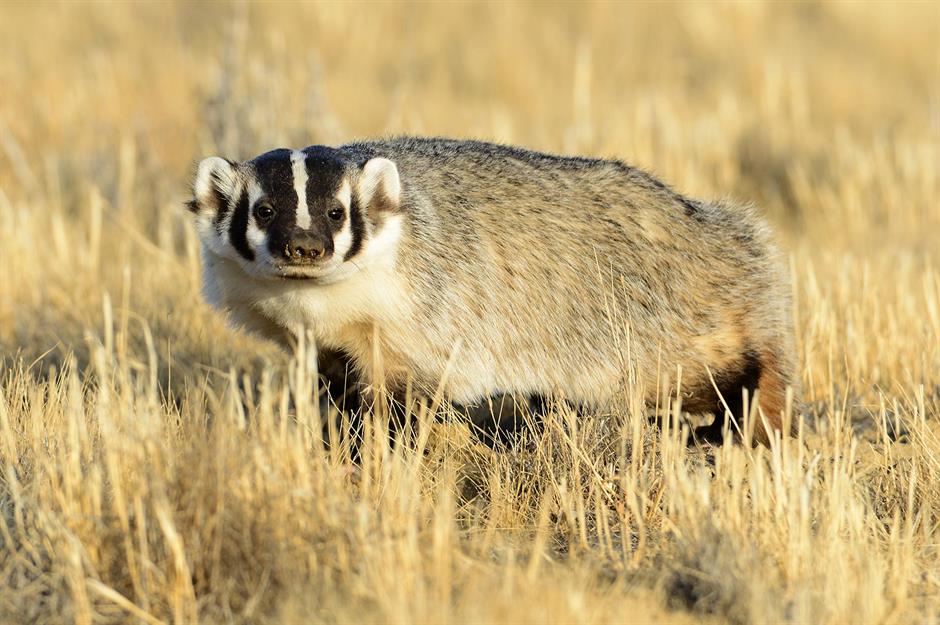
American badgers are short-legged omnivores, with a black-and-white striped face, fluffy tail, black belly, and paws. They are fantastic diggers, thanks to their strong claws, and are mainly nocturnal. They live in setts (tunnels that they dig underground) and are native to much of North America including the United States, northern Mexico, and south-central Canada.
Though they can generally be found in the countryside, where prey is in abundance, badgers can find their way into gardens, in search of food. This can lead to damage to lawns and flower beds, but aside from that, these timid creatures pose no real threat to humans.
Sponsored Content
How to get rid of badgers legally
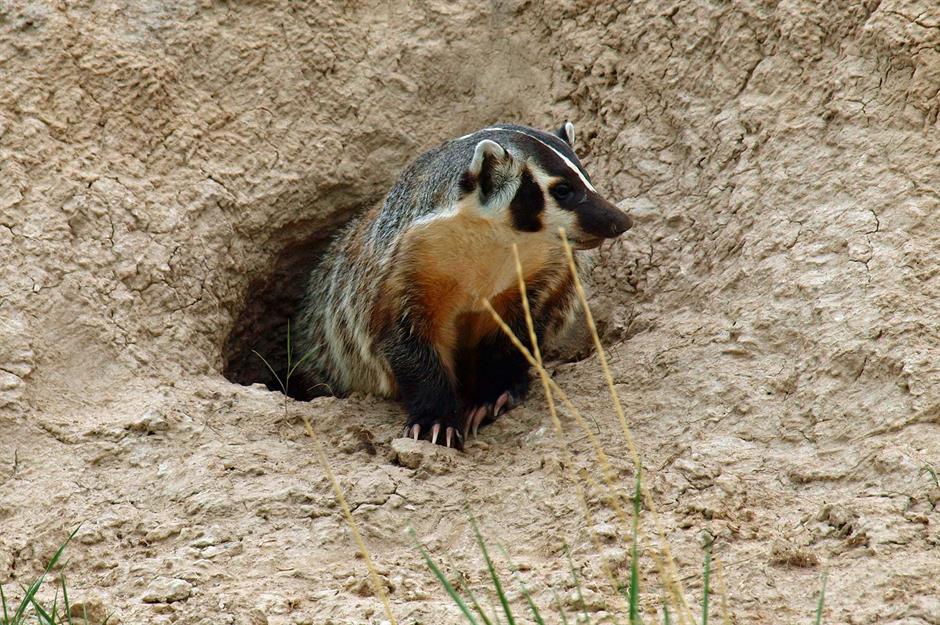
If you're struggling with badgers digging up your garden and want to do something about it, then it's worth knowing that they are protected in North America. Essentially, it is illegal to harm, disturb, or remove a badger. This means you cannot dig to find them or allow your dog to enter a sett. Instead, you need to consider detering them from your garden. Do this by blocking access to whatever is attracting them, such as food sources or shelter.
Badgers are fantastic for the ecosystem since they disperse seeds through their dung and create new habitats for amphibians, plants, and small mammals.
Protected species: beetles

Did you know that one in five of all known species on earth is a beetle? In fact, there are thought to be over 400,000 different beetles around the world. They often get a bad rep, but they play a vital role in a healthy planet. In the US, countless species are protected, including the Stag Beetle (pictured) and American Burying Beetle.
Beetles are nutrient recyclers and therefore contribute to soil fertility. They are important pollinators, too, and are predators of destructive pests, such as greenflies and snails.
How to get rid of beetles legally

Many gardeners might wish to get rid of beetles, but many are entirely harmless and can actually help to make your outside space better. Since stag beetles only feed on dead wood, they pose no threat to living trees or shrubs, so there's really no need to panic if you see them in your garden. Instead, encourage them to thrive and you will reap the rewards, with a healthy and diverse garden.
Encourage stag beetles by retaining old wooden stumps, when trees or woody shrubs die, fall, or are cut down. This provides essential decaying wood for them to eat. Since they are protected, you should not interfere with them. Avoid using pesticides and insecticides in your garden and take care when digging, as they lay their larvae underground.
Sponsored Content
Protected species: squirrels
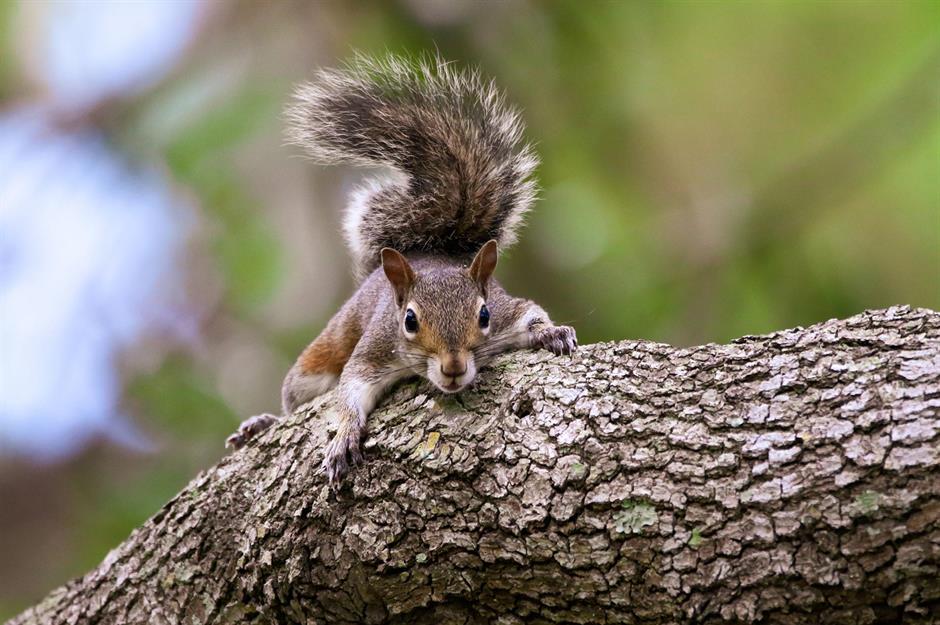
While the eastern gray squirrel thrives across eastern and midwestern parts of the United States and southern areas of Canada, it's a different story for its western cousin. Sadly the western gray squirrel was recently placed on Washington State's endangered list due to major wildfires destroying their habitat.
North America is also home to numerous other tree squirrel species including the American red squirrel, Douglas squirrel, fox squirrel, and northern flying squirrel, however, their protection varies between states.
How to get rid of squirrels legally
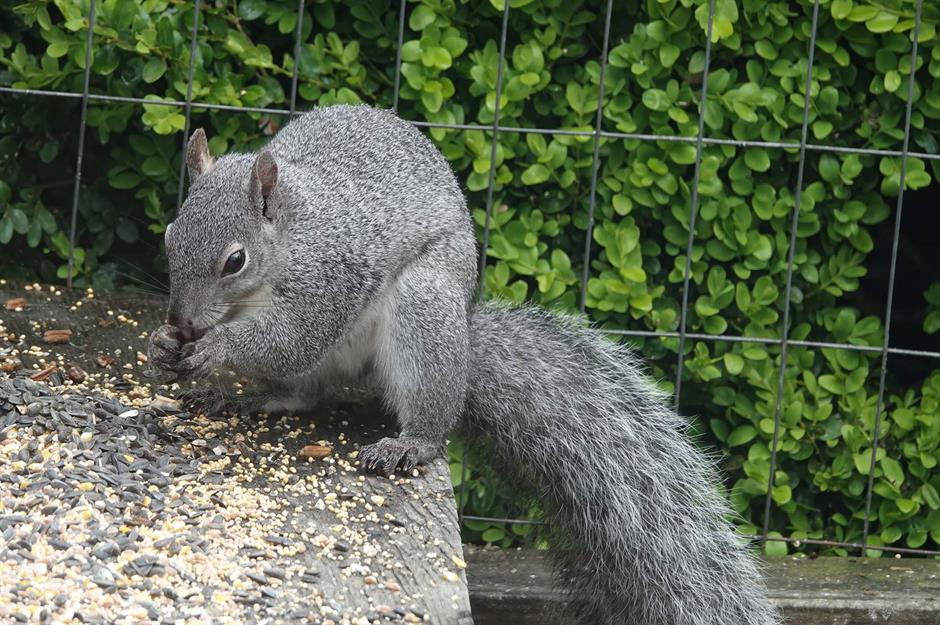
According to the South Carolina Department of Natural Resources, fox and gray squirrels (pictured) are usually classified as game animals, whereas red squirrels may be unprotected in some states. Flying squirrels often are fully protected as non-game wildlife.
Squirrels have a naughty habit of damaging lawns and ravaging plant beds by burying and digging up nuts. They also enjoy munching on ornamental trees and often take seeds from feeders intended for birds.
If they're causing particular bother, there are several repellents available, however, permits for shooting and trapping may be required in certain states so check with your local authority. If one finds its way into your home, then call an expert pest control firm with the right credentials.
Protected species: opossums

No, that's not a misspelling of possums – opossums are members of the marsupial order, Didelphimorphia, and are native to the Americas. There are said to be more than 100 different opossum species. They have pointed snouts, rounded bodies, and nearly hairless, prehensile tails.
Generally, they live in forests or swamps that get plenty of rainfall, but they have adapted well to living among humans in open country and urban areas. They will riffle through garbage in search of food, which can lead to damage and destruction to both gardens and property. Though harmless, if they are protecting their young and feel threatened, they could bite.
Sponsored Content
How to get rid of opossums legally

So, what can you do if you have an opossum problem? Firstly, if you spot opossums in your garden and they're causing no issues, then leave them alone. If they're going through your waste, then ensure you secure bin lids or lock them away so animals can't get to them. Opossums sometimes build dens under homes, in attics, or garages, so you'll want to block any openings where they could get inside.
It's worth noting that laws and regulations vary among US states, so if you want to remove an opossum, you'll need to check with your local authorities for options. There will likely be a set season for hunting and trapping them, so be sure to do your research before taking action.
Natural deterrents, such as peppermint oil or cayenne pepper mixed with water can help keep them at bay.
Protected species: snakes

It isn't hard to see why some people simply don't like snakes. With their long, legless bodies, scaly skin, and forked tongues, they can be quite an intimidating sight. Around the world, there are countless species, with America home to the likes of the common watersnake and the Northern Pacific rattlesnake, to name a few.
There are a variety of snake habitats around the world, including forests, deserts, and woodlands, but since reptiles have no concept of borders, they can find their way into gardens.
How to get rid of snakes legally

If you spot a snake in your garden, then you should keep your distance and wait for it to leave. Snakes generally do this in good time, so there shouldn't be need for interference.
In America, snakes are considered "nongame wildlife" and are therefore protected by law in most states. Unless they are about to cause injury to a person, you cannot do anything to harm or disturb them.
If you think you have a problem, call a professional and never attempt to deal with the snake yourself, as many species are venomous. You can deter snakes with some key scents, too, including cinnamon, onion, garlic, and lime.
Sponsored Content
Protected species: foxes

Foxes can be found in Europe, parts of Asia, northern Africa, and most of North America. This omnivorous mammal is undeniably regal and beautiful, with upright, triangular ears, a pointed snout and a long, bushy tail. For the most part, they are harmless.
However, during mating season, they can exhibit more adventurous behaviors, as they search for a mate and a den for raising their young. These habits can bring them closer to humans and cause unexpected and expensive issues.
Since they like to dig, they can quickly weaken the foundations of decks, porches, and sheds, causing structural damage over time. A family of foxes could also destroy your lawn and flower beds. They can also riffle through rubbish and cause a significant mess. So, what can be done about it?
How to get rid of foxes legally

While not fully protected, foxes are partially protected in the USA and Canada. In America, foxes are considered to be “protected furbearers” or game animals in most states. Most state wildlife agencies allow for the removal of foxes to protect private property, but check your state’s regulations in advance. In parts of Canada, the gray fox is considered to be endangered.
The best thing to do is deter foxes. Do so by removing food sources – secure or lock bins away, invest in bird feeders that don’t spill food onto the ground, protect edible crops, and promptly clear up any fallen fruits. Fish, blood, and bone fertilizer can also attract foxes, so consider switching to a plant-based product.
If a fox has already made its burrow in your garden, wait until the cubs have left the den in late summer, before actioning the above deterrents. You can encourage the mother fox to move her cubs by making noise and walking nearby.
Protected species: raccoons

Cute, playful, and just a little bit mischievous, raccoons are nocturnal mammals that live throughout the world, from Asia to North and South America. They can be found in both rural wooded areas and big cities, which means they will eat everything from fruits and seeds to human food scraps.
In fact, raccoons have become problematic scavengers and in cities and towns can often be found rummaging through garbage bins in search of food. Despite being cute, many homeowners in America find them to be problematic pests, since they can cause damage to gardens and structures (when searching for shelter). They can also carry rabies and spread raccoon roundworm, alongside other diseases.
Sponsored Content
How to get rid of raccoons legally

Despite being a nuisance, raccoons are "protected furbearers" in most US states and there are established seasons in place for hunting and trapping them. Most states have provisions for landowners to control furbearers that are damaging their property, so check with your local authority for information. They are also protected under the BC Wildlife Act in Canada.
Since prevention is better than cure, there are some steps you can take to deter raccoons from your land. For starters, invest in a wildlife-proof trash can, or secure lids with cords, ropes, or weights. You can also keep your bins locked away until collection day and avoid feeding pets outside, as any leftovers could attract wild animals.
Finally, never feed raccoons, as this will encourage them to return. You'll also want to ensure any outbuildings are secure, with no openings an animal could squeeze through in search of shelter.
Protected species: moles

Moles are undeniably adorable, but they are also very unusual. These small mammals live mostly underground, in elaborate burrows they create using their powerful forelimbs and large paws. They have velvety fur and inconspicuous eyes and ears, with scientists believing they are both colorblind and near-sighted.
Moles can be found in most parts of North America, Europe, and Asia and tend to set up home in fields, woodlands, and, to the annoyance of homeowners, gardens. Sadly, moles are often seen as pests, since they can cause damage to lawns, thanks to their above-ground mounds. However, they are great for ecosystems, since they help with soil aeration and feed on other annoying garden pests, like slugs.
How to get rid of moles legally

Star-nosed moles are the most common species across the northeastern US, while the eastern and hairy-tailed moles may also cause problems. In America, moles are unprotected in most states, but it's always best to do your research before acting as restrictions on control, trapping, and releasing may apply.
Frequent lawn mowing and other noisy activities can help to deter moles, while some say vibrating probes, embedded in lawns, are a good way to keep them at bay.
Liked this? Click on the Follow button above for more great stories from loveMONEY