The Plant Diseases That Could Destroy Your Back Yard – And How To Stop Them
Backyard problems and how to tackle them
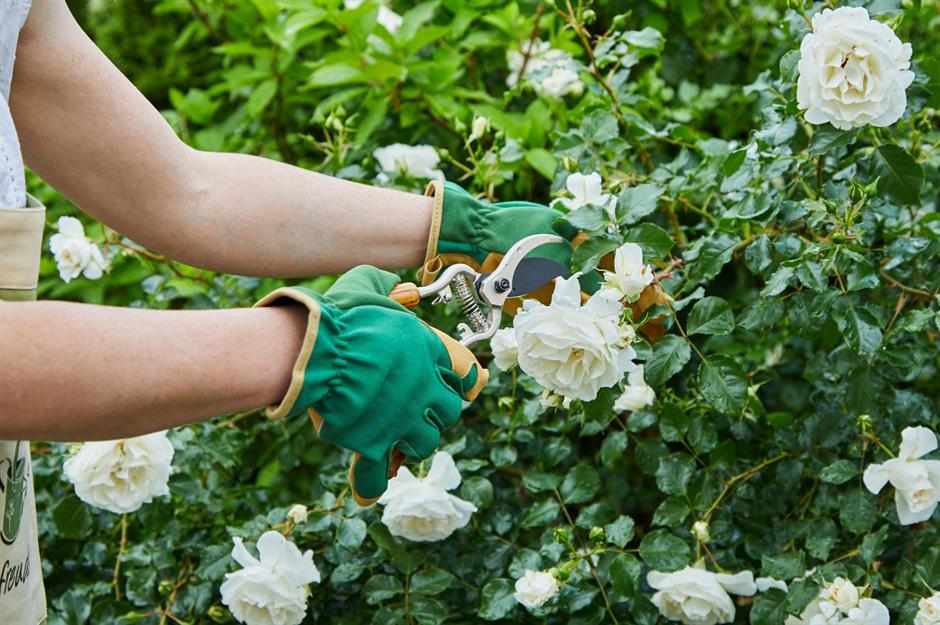
Even the most manicured of backyards can become victime to disease and disorders. Many of these problems can be cured, but in most cases, prevention is the best way forward. Here are some common problems. Click or scroll through to see how you can keep them from getting through the gate...
Damping off: symptoms

Maybe you're trying to plant up a new garden by growing from seed and you notice the new shoots are not doing so well. A fungal disease that attacks seedlings especially if overcrowded, overwatered and in a badly ventilated environment. It can destroy an entire newly-seeded plant rapidly and the young plants collapse at the base and die. Meanwhile the fungal spores rest in the soil ready to strike again.
Damping off: treatment

Ensure that all pots and tools are thoroughly cleaned so any resting spores are killed. Make sure to use fresh compost and sow seeds thinly. Lastly, place your pots or trays where there is good airflow and don’t over water them.
Sponsored Content
Box blight: symptoms

An epidemic that has seen gardeners shun the box hedge in favor of more robust alternatives. This disease can be identified by the yellow and brown discoloration of the evergreen leaves, because parts of the plant dies revealing dead and bare stems. It spreads easily and although it doesn’t kill the roots, areas affected don’t tend to recover well.
Box blight: treatment

Honey fungus: symptoms

A titan of a disease, surviving in the soil for up to 30 years and insidiously spreading underground by three feet every 12 months to infect and kill the roots of trees and shrubs. Symptoms include a white fungus underneath the bark which eventually turns to black ‘bootlaces’ and honey-colored toadstools around the base of the trunk.
Sponsored Content
Honey fungus: treatment

Powdery mildew: symptoms

A fungus that grows on leaves, stems or flowers and is clearly visible as a gray/white powder. It stunts growth and the spores spread to infect neighboring plants. It can impact a wide range of plants and is prevalent from spring onwards.
Powdery mildew: treatment

Sponsored Content
Potato and tomato blight: symptoms

This disease strikes fear into the heart of anyone trying to grow their own vegetables and fruit. Affecting crops mostly in wet weather when spores can spread, it infects the foliage and causes fruit to rot. The leaves also wither and go brown. This can occur from early summer onwards and unfortunately once an infection takes hold there’s no turning back.
Potato and tomato blight: treatment

Drought: symptoms

A disorder is when the plant is detrimentally affected by something that is not living. We have all experienced harsh drought conditions this summer; parched lawns, cracked earth, plants wilting and dying, crops failing and ponds drying up. Water is essential for our yards and for healthy plant growth. It's a scary thought to think: what if this weather change is here to stay?
Sponsored Content
Drought: treatment

Simply put, the solution to drought is watering! If a pot is particularly affected sit it in a bucket of water to drench the soil. It is better to deeply water once a week than a little every day. Consider saving water by installing a water butt or trough. Recycle water from your house, often called gray water (i.e. used bath water) to use on the garden. Choose more drought resist plants such as lavender, rosemary, sedum, geranium, eryngium and grasses too.
Fasciation: symptoms

Fasciation: treatment

Sponsored Content
Frost damage: symptoms

Frost damage: treatment

Tender plants should be given protection over winter. Either by placing them in a cold frame or greenhouse, porch or garage. With more hardy plants which may still be susceptible, a horticultural fleece can be wrapped around them to provide protection. Mulches around the base of plants can also help. Keep an eye on the weather, especially during early spring, and if a particularly cold spell is due – rush out and cover them up!
Rose black spot: symptoms

A disease is an infection by a micro-organism, either a fungus, a bacteria or a virus. Characterized by yellow discoloration with brown and purple spotting on leaves which eventually causes them to drop. The disease spreads easily from infected areas especially during wet weather and greatly reduces the plants vigor. The fungus is carried on wind-blown rain, so expect recurrences and be vigilant at the first signs of illness.
Sponsored Content
Rose black spot: treatment

Waterlogging: symptoms

Waterlogging: treatment

Make sure your soil has adequate drainage, consider adding grit, sand or perlite to improve aeration. With pots add crocks or large stones to the bottom off the pot and use pot feet so the water can flow away. If your yard is prone to flooding consider installing soakaway drains, altering the gradient of the plot or using raised beds. Certain plants love having wet feet so do your research and find the water lovers.
Sponsored Content
Shade: symptoms

Whether you're putting your greenery in the wrong spot indoors or it's struggling in the yard, too much or too little light is never good. Plants that are struggling in the shade will exhibit either stunted growth or leggy growth towards the light, as well as, failed or reduced flowering and a loss of foliage color.
Shade: treatment

Consider the canopy above the area and the option to cut back surrounding trees or shrubs which are creating the shade. This really is a case of using the right plant for the right place. Many plants thrive in shade, from ferns to hostas, astilbes to foxgloves, there’s a myriad of plants to choose from. Embrace your dark side!
Rose balling: symptoms

Sponsored Content
Rose balling: treatment

This disorder isn’t severe and can be easily remedied by taking action. Cut off all the damaged buds until all that is left is a healthy shoot. This prevents mold from taking hold and causing further problems for the rose.
Liked this? Click on the Follow button above for more great stories from loveMONEY