Why base rate hasn't been cut to 0%

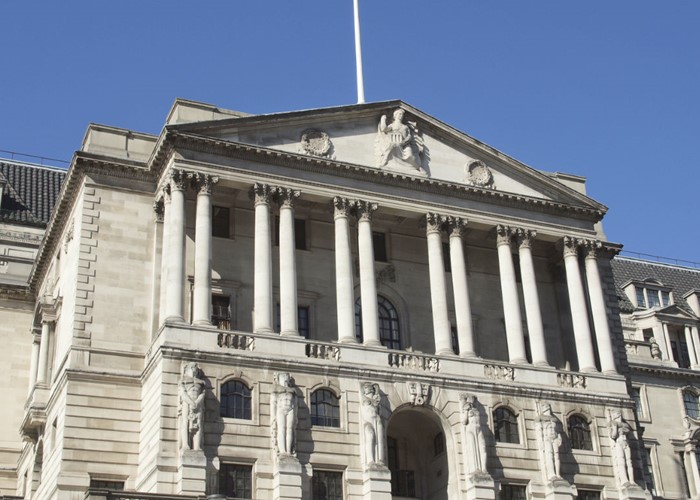
The Bank of England has resisted pressure to cut base rate, possibly right down to 0%. Here's why.
Last Thursday, in the latest of its monthly meetings, the MPC again voted to hold the base rate at 0.5% a year. Remarkably, this is the 41st time that the committee has agreed to keep the base rate at this level.
Then again, given the widespread weakness of the British economy, why hasn't the MPC voted to cut the base rate to 0.25% or even zero? After all, the US Federal Reserve openly operates a zero interest rate policy, so why don't we follow suit? Surely millions would benefit?
What's more, almost 60% of you voted that you thought base rate should be cut in our poll last week. Check out Should the base rate be cut to 0.25%?
Winners and losers
By reducing base rate to zero (perhaps by two quarter-point cuts), the Bank of England would provide much-needed support to hard-pressed British businesses and borrowers. In particular, companies and individuals with debts directly linked to base rate would immediately benefit from any future cuts to it.
For example, homeowners with tracker mortgages would immediately and fully benefit from more cuts to base rate, no matter how small. Indeed, home loans with no-margin or negative-margin rates linked to base rate could produce zero or even negative rates. Imagine having a mortgage where your lender pays you!
Likewise, businesses and homeowners with variable-rate loans would eventually enjoy lower rates should further cuts to base rate take place. Even so, lenders will take their time passing on reductions to these borrowers and may not pass on base-rate cuts in full.
Of course, savers would suffer if the base rate did fall to zero. Already, savings rates are at all-time lows, making it tough for British savers to earn decent returns on their spare cash. If base rate hits zero, then I suspect that the majority of UK savings accounts will pay no interest or only the tiniest returns. This will cause further hardship to tens of millions of savers, especially pensioners.
QE: the alternative to cutting base rate
Rather than make further cuts to base rate, the Bank of England has so far resorted to quantitative easing (QE). By electronically 'printing money', the Bank pumps fresh funds into the economy by buying bonds from banks. In theory, this should bring down the cost of borrowing for banks and businesses alike.
In several rounds of QE since March 2009, the Bank has injected a total of £375 billion into the UK money supply. Sadly, this seems to have had little effect, because bank lending remains subdued. Even though banks have more cash on their balance sheets, demand for new loans remains weak.
As a result, QE doesn't seem to have spurred credit growth and has hardly stimulated the economy. Then again, it's hard to know how bad things would have been without QE, which may have restrained the latest recession. Check out Pensioners deserve compensation! for more.
Inflation: the lurking danger
In my view, the ongoing weakness of the UK economy provides more than enough motivation for the Bank of England to cut the base rate again.
For example, if economic growth is negative or zero this quarter, then perhaps the Bank should respond with a 0.25% cut to base rate in October or November. If this weakness continues into the final quarter of 2012, then the Bank could respond with a similar cut in February or March 2013, taking the base rate to an unprecedented 0%.
Then again, I suspect that the Bank is not quite ready to give up on QE just yet by resorting to lowering base rate. This is because it remains afraid of inflation -- the rising cost of living. The Bank's target is to keep inflation at around 2% a year, based on the Consumer Prices Index (CPI) measure.
Unfortunately, the bank has done a spectacularly poor job of meeting this goal. Since adopting the CPI target of 2% in December 2003, inflation has been above-target for 70 months out of 103. In other words, the Bank has met its CPI goal less than a third of the time, for a failure rate of 68%.
So while it has room to cut the base rate all the way to 0%, I suspect that the Bank will not act by cutting its base rate this year, even as companies and citizens suffer further hardship!
More on the economy: