Six scams to shun

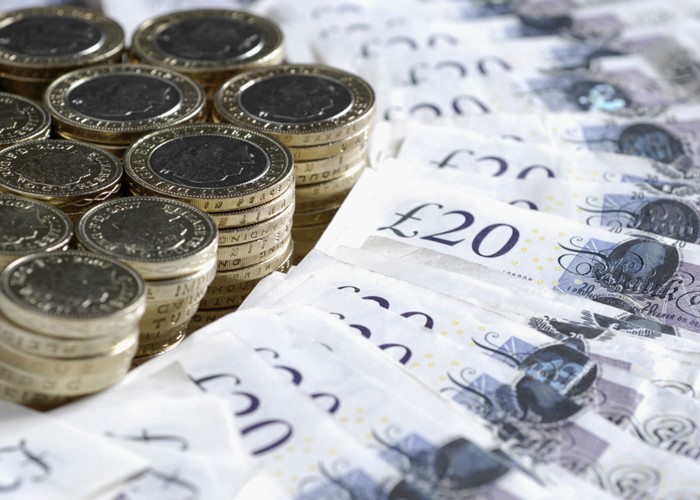
Don't fall for these sick tricks!
1) Advance-fee frauds and fake lotteries
Advance-fee fraud is also known as the Nigerian or 419 scam, because of its ongoing popularity among Nigerian criminals. Quite simply, with advance-fee fraud, you are offered a share in a mysterious fortune (typically millions of dollars) in return for your help with spiriting this money from one country to another, usually your own.
However, in order to gain access to this untold wealth, the fraudsters demand various fees from you before releasing the non-existent cash. After handing over your personal and bank details, you can expect these crooks to empty your bank account in days and then disappear as abruptly as they appeared.
The same goes for fake lotteries. You know that you have no chance of winning Camelot's Lotto if you haven't bought a ticket, and the same rule applies for all other lotteries elsewhere in the world. Hence, if someone contacts you to explain that you've won a prize in a foreign lottery, remember that all they're after is your cash.
So, ignore those emails, faxes and phone calls promising you a king's ransom, because they're nothing but lies!
2) Bogus charities
I live in one of the wealthiest boroughs in the country, and this affluence explains why my neighbourhood is often targeted by bogus charity collectors. I get loads of leaflets through my letterbox asking for old clothes, toys and other goods -- and giving the impression that these will benefit good causes.
Donna Werbner gets your two pence on the scams you hate, and finds out how you can protect yourself and stop the scammers from stealing your cash.
However, on closer inspection, almost all of these flyers come from commercial, for-profit companies, not registered charities. In other words, donations go to a company which sells on these goods for a profit. The most that any good cause might receive from these collectors could be a couple of pence in the pound -- or nothing at all.
In addition, you should watch out for bogus charity collectors going door-to-door or collecting in streets or pubs. Never hand money over to someone unless you are absolutely certain that s/he works for a genuine charity and has shown you documentary proof to back up this claim. For more advice, read this warning issued by the Charity Commission.
3) Boiler rooms
It's common for investors to be called by persuasive salespeople who urge them to invest in the latest hot stock with promises of mega-returns. In reality, these boiler-room cheats are dumping worthless or even non-existent shares on their unsuspecting victims.
No reputable, UK-regulated stockbroker would ever cold-call members of the public with absurd offers of this kind. Hence, you can safely ignore these calls, especially those which play on your greed and fear by offering you the chance of a lifetime -- unless you're really keen to lose your life savings, that is!
4) Investment seminars
I see daily advertisements in the press for Become a Millionaire seminars. Some promise a swift road to riches by investing in shares; others claim that the right approach is through property investing. Naturally, you need to hand over several grand to the organisers before you're given access to the inner secrets of these schemes.
Recent question on this topic

- ADH asks:
Does anyone know of a company called Golden Equity Solutions in Hong Kong? Any contacts (by phone or mail)? Any comments?
- manzanilla answered "Never invest in a company that it hard to find things out about. Googling that name produces..."
- MikeGG1 answered "Did they contact you? If so, that is another reason for hands off. Mike..."
- Read more answers


To be frank, if I discovered an absolutely foolproof way to make huge amounts of money with little effort, I'd keep it to myself. Why risk spoiling the fun by sharing my secrets? The reality of get rich quick schemes is that the only people who really make it big are the organisers themselves, many of whom make utterly false claims about the success of their schemes!
5) Phishing emails
Watch out for emails which pretend to come from your bank or other financial firms, particularly those which ask for personal or confidential information, such as your credit-card number or bank details. 99% of these are phishing emails designed to steal your financial passwords, which can then be used to empty your bank account or defraud your credit card.
Never click on any links in these emails, because you'll be taken to a fake look-alike of your bank's website. In fact, just delete all emails of this type without opening them, unless you're 100% sure that they are indeed the genuine article.
6) Ponzi and pyramid schemes
In 1920, Charles Ponzi swindled millions of dollars from American investors through a fake investment scheme. Ponzi guaranteed to turn $100 into $150 in 45 days by trading in hoax postal coupons. As with all schemes of this kind, the investment returns were make-believe. In reality, no profits were generated and no new money was created: Ponzi simply used money from new investors to pay off previous investors.
Ponzi (and pyramid) schemes are still going strong today. However, they are easy to spot, because they promise high, risk-free returns, which is impossible in the real world. For example, Best Buy everyday savings accounts pay annual interest rates of less than 6% a year before tax, or around ½% a month. Any scheme offering a return greater than this will put your capital at risk and could lose you money, regardless of what the promoters say!
Related blog post

- Jane Baker writes:
#11 Don't fall victim to a scam
It's a pretty obvious piece of 'what not to do' advice, but those scamsters can be a lot more devious than you think.
Read this post
For more information on avoiding scams, visit the Office of Fair Trading's Scambuster website, the Canadian Crimes of Persuasion website, and use our own Q&A tool to ask other lovemoney.com readers for their tips. And keep your wits about you at all times, because millions of crooks are keen to relieve you of your hard-earned cash!
More: Use lovemoney.com to find squeaky-clean credit cards, mortgages, personal loans and savings accounts! | Free online banking tool
This article was updated from an earlier version published in 2006.
Comments
Be the first to comment
Do you want to comment on this article? You need to be signed in for this feature