Steer Clear Of Secured Loans

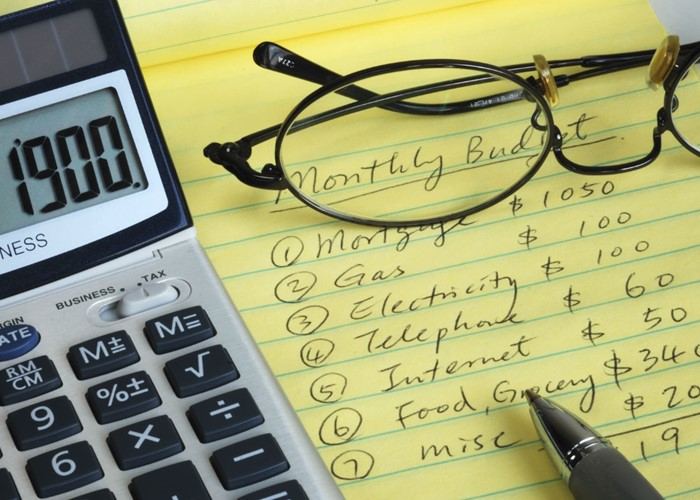
The Bank of England's base rate has dived from 5% in October to 1% today. However, secured personal loans and second mortgages remain stubbornly expensive.
This article was first sent to readers as an 'Afternoon' email.
To boost the flagging economy, the Bank of England has reduced its base rate five times in five months. Since early October, the base rate has fallen from 5% to 1%, reducing monthly mortgage repayments for millions of homeowners. Furthermore, there are indications that this rate cutting will continue, possibly taking the base rate close to zero.
However, not all borrowers have seen their monthly repayments go down. Those with fixed-rate mortgages must watch enviously as tracker rates plummet. Likewise, borrowers with rates linked to their lender's standard variable rate (SVR) must wait for the lender to decide when -- and by how much -- its SVR will come down.
In addition, the high cost of consumer credit (non-mortgage borrowing such as credit cards, overdrafts and personal loans) has been largely unaffected by the falling base rate. In some cases, credit-card issuers have increased the rates charged on purchases, cash withdrawals and balance transfers. So, it's not all good news for British borrowers.
You're never alone with a secured loan
What's more, although the base rate has plummeted, secured personal loans and second mortgages aren't getting much cheaper. Indeed, thanks to falling competition and increased risk aversion, the secured loans on offer today don't look appealing.
The principle behind a secured loan is simple. By securing a loan against your housing equity (the value of your home minus any mortgage), this loan becomes less risky from a lender's perspective. Therefore, a secured loan should attract a lower interest rate than an unsecured loan, all else being equal.
Then again, as with any mortgage, a secured loan does put the roof over your head at risk. Indeed, in the early Nineties, all of the home repossessions which I witnessed involved homeowners who had secured loans or second mortgages, as well as a homebuyer loan. The other problem is that many providers of secured loans are less than reputable.
So, how low do secured-loan rates go? Take a look at these Best Buys, courtesy of Fool partner Moneyfacts:
Lender | Rate (% APR) | Max. Loan (% LTV) | Will lend (£k) | Term (years) |
|---|---|---|---|---|
7.9 | 85 | 25 to 100 | 5 to 25 | |
8.9 | 95 | 25 to 125 | 5 to 25 | |
Ocean Money* | 8.7 | 90 | 40 to 100 | 5 to 30 |
9.0 | 90 | 30 to 100 | 5 to 30 | |
9.6 | 75 | 25 to 75 | 5 to 25 | |
10.4 | 75 | 75,001 to 100 | 5 to 25 |
* fixed-rate loans; the remaining loans are variable rate
LTV = Loan to value: the proportion of your property value up to which you can borrow
As you can see, these three well-known firms will lend as much as £75,000 to £125,000 to homeowners who have plenty of housing equity. However, their interest rates aren't cheap, with the lowest being 7.9% from Paragon Personal Finance (for loans up to 85% of a property's value).
When you compare these rates with those available to homeowners who decide to remortgage with a new or existing lender, they are far from attractive. Indeed, low-risk borrowers can get a mainstream home loan with an interest rate under half those listed above. Then again, this is probably the most dangerous time to lend to homeowners since the mid-Nineties, so the above rates reflect the risks and reality of a serious housing slump.
In summary, I continue to be a confirmed critic of secured loans. If you need to borrow less than £25,000 for under ten years (say, for a major purchase such as a new car), then an unsecured personal loan is a better bet. Alternatively, if you want to borrow a larger sum over a longer period (say, for major home improvements), then remortgaging is likely to leave you much better off.
Compare mortgages and personal loans
Comments
Be the first to comment
Do you want to comment on this article? You need to be signed in for this feature