The difference between cleaning and disinfecting revealed

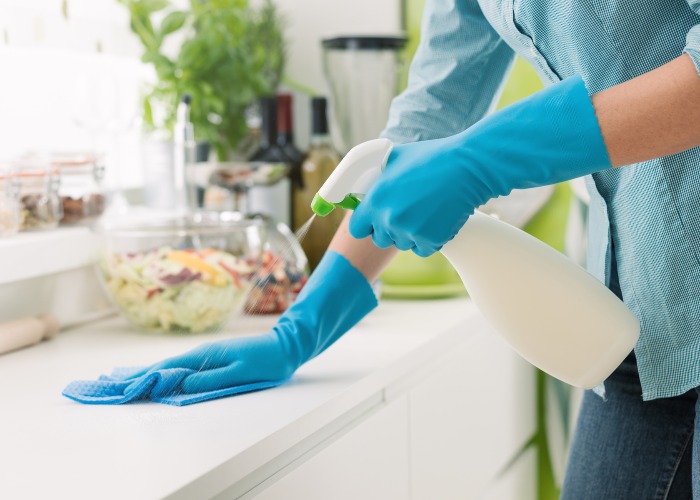
Want to banish germs from your home for good? Some methods are more effective than others...
When it comes to tackling the spread of household germs, bacteria and viruses, there’s one important point to remember: not all cleaning methods are created equal.
To do an effective job, it’s vital to get to grips with the difference between a good clean and a deep disinfect. Here's what you need to know to see the back of harmful microbes in your home...
How to get rid of harmful germs
A general clean with an all-purpose product will remove visible marks, stains and debris. It will leave household surfaces seemingly sparkling and fresh – at face value, your home will look clean.
However, it won’t eliminate lurking germs in the dirtiest places in your home, including bacteria, viruses and fungi, that are invisible to the naked eye.
To blitz the remaining germs, you’ll need to disinfect the surfaces thoroughly – especially those in high-touch areas. Disinfecting involves the use of chemicals to kill microbes that are present.
While this may not help much when it comes to tackling stubborn stains, it will help prevent the spread of bacteria and viruses, including colds and flu.
Which cleaning products are best?
A high-quality disinfectant should remove 100% of microscopic organisms on your home’s surfaces.
Household bleach can be especially helpful against bacteria and viruses – the CDC recommends creating a homemade disinfectant spray by combining four teaspoons of bleach with around a liter of water.
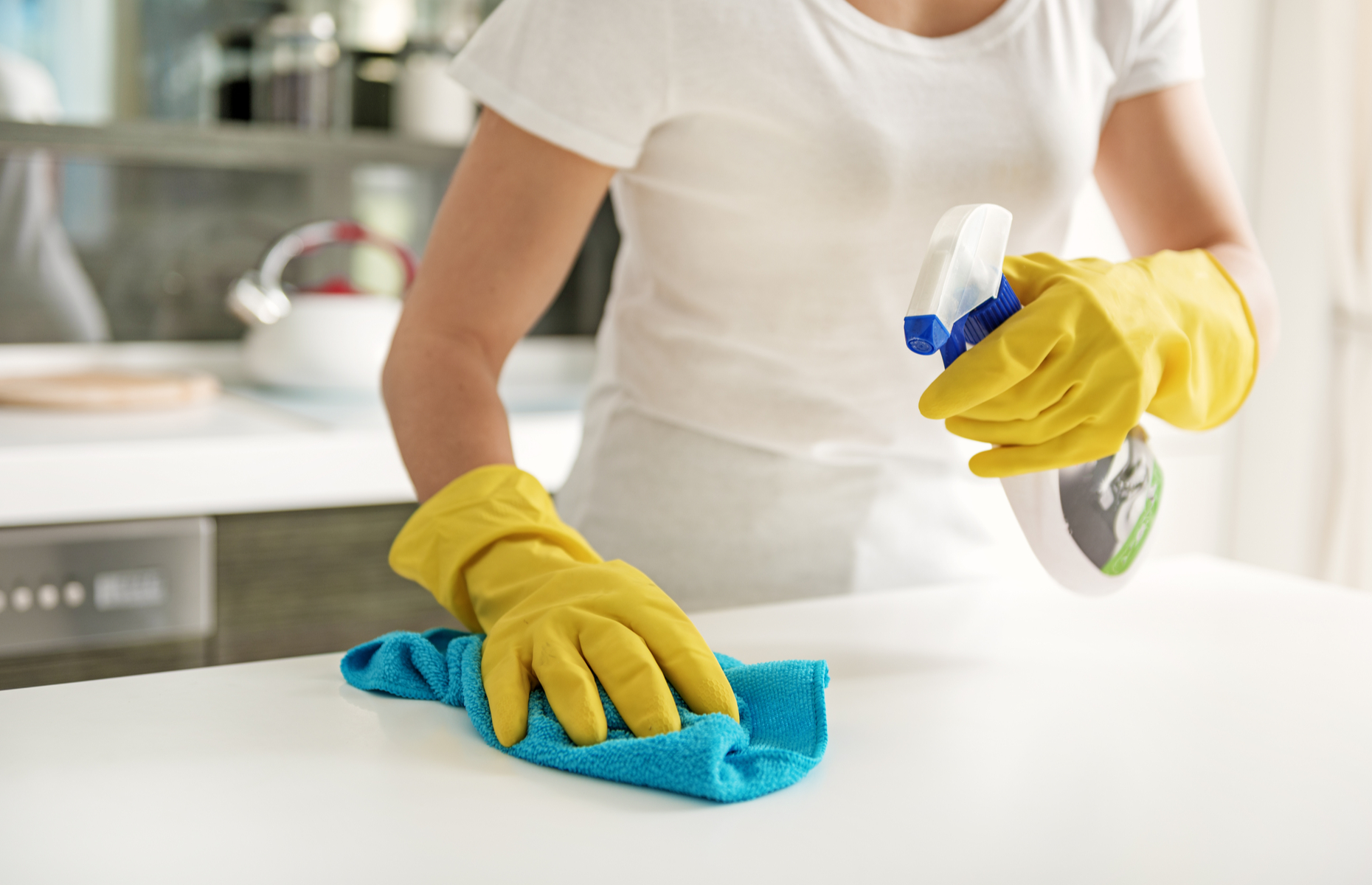
For an extra-strong product to remove these hidden hazards, you could invest in a commercial disinfectant as opposed to a household one, but read the instructions carefully to ensure you don't damage fixtures or worktops.
Another good rule of thumb is to look out for shop-bought wipes or sprays that contain at least 70% alcohol. Some products come with a list of viruses they are effective against, such as flu, SARS and other coronaviruses.
The US’s Environmental Protection Agency has produced this list of disinfectant ingredients to look out for to kill harmful viruses in your home, which includes chemicals like isopropyl alcohol and hydrogen peroxide.
Disinfecting common household items
The kitchen sponge is one of the most germ-ridden items in the house, so be sure to sterilize it daily by soaking it in a diluted bleach solution for five minutes before rinsing.
Alternatively, you could zap it in the microwave for two minutes. Before blasting your sponge with heat, make sure it is wet (dry sponges are a fire hazard). Be careful when you take it out of the microwave, too, as it will still be hot.
For high-touch areas of the home, such as door handles, kitchen and bathroom countertops and taps, the first step is to clean the surface to remove any dust or organic dirt.
You can do this by wiping the area down with soapy water or a multipurpose surface cleaner. Next, apply a disinfectant product. The simplest way to banish all bacteria, viruses and germs is to use disinfecting wipes or a surface-appropriate spray.
It's important to note that in general, wipes labelled as antibacterial will not contain effective disinfectant ingredients.
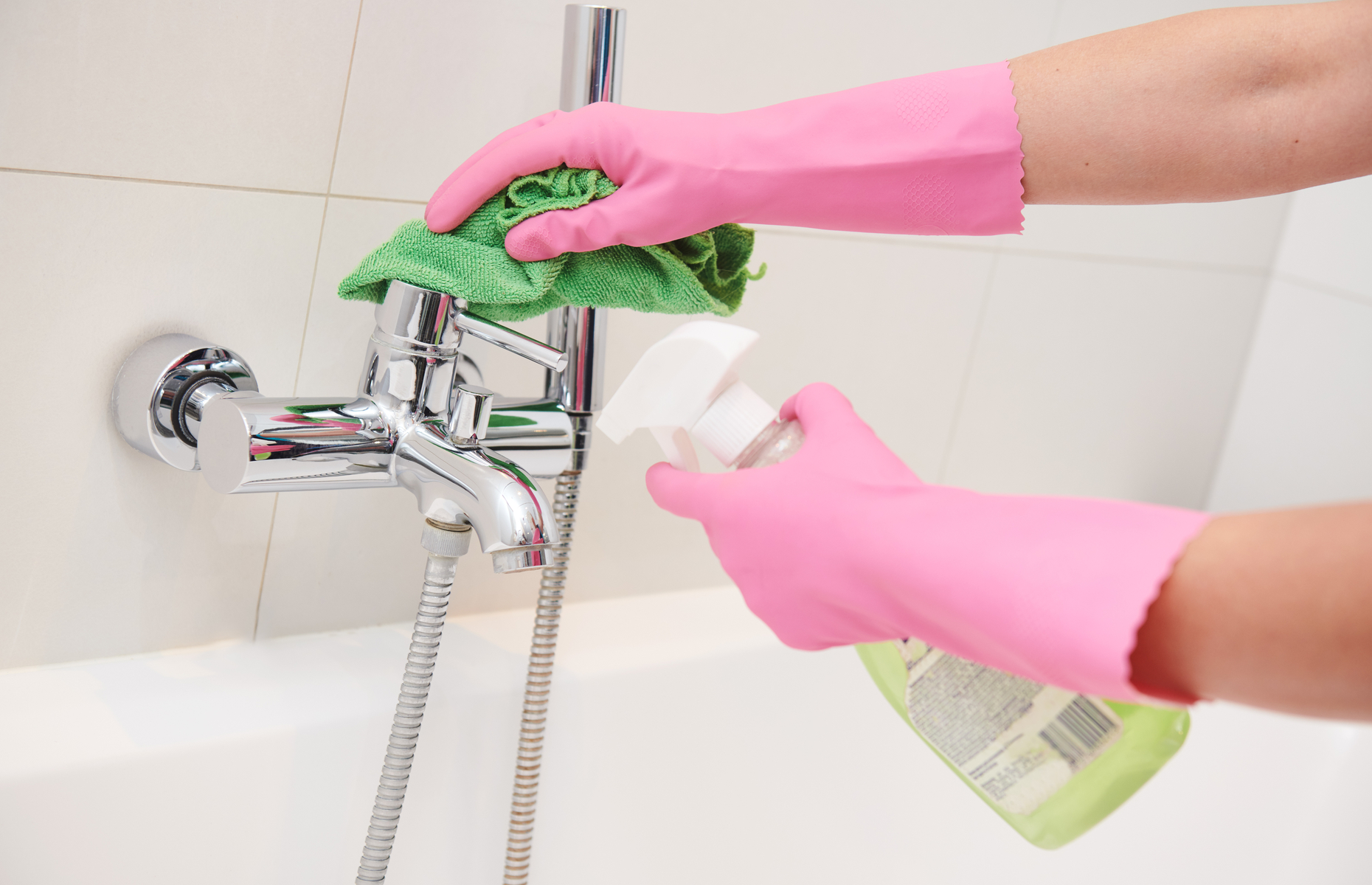
Taps and faucets are one of the grubbiest areas of the kitchen and bathroom, so use a small brush (like a toothbrush) to work the product into all the nooks and crannies.
Don’t neglect light switches, remote controls, phones and gadgets when you're disinfecting your home. Clean these items with a disinfecting wipe or a 70% alcohol solution that’s specifically designed for electronic devices.
While clothes and bedding are important to clean, you don’t need to worry too much about disinfecting them fully unless someone in your home has recently been ill. Remember, the higher the temperature of the water in your washing machine, the more germs you will kill in your wash.
Some washing machines have high-temperature sanitizing cycles to eliminate germs from fabrics. If your machine doesn’t have this setting, look out for a washing detergent sanitizer that kills up to 99.9% of germs.
To disinfect your whites, adding chlorine bleach to your wash is another solution.
Featured image: Stock-Asso / Shutterstock
Comments
Be the first to comment
Do you want to comment on this article? You need to be signed in for this feature