Pensioners, savers, borrowers, commuters and others affected by high inflation

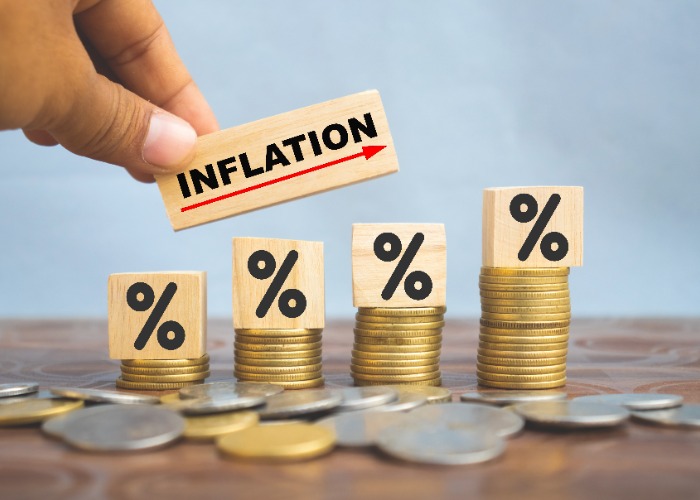
Rising inflation impacts our finances in many more ways than simply higher prices at the till. Here, we look at the implications for all types of Brits.
As we head into the final months of 2025, it seems inflation is creeping up once again.
According to the latest figures from the Office for National Statistics (ONS), consumer prices rose by 3.8% in the 12 months to July 2025, up from 3.6% the month before.
Meanwhile, the Retail Prices Index (RPI), which is still used to calculate rail fares and some other bill increases, stands at 4.8%.
Why should we care?
While these figures may not seem relevant to our day-to-day lives, they can, in fact, impact almost every aspect of our personal finances.
Most importantly, inflation affects the price we pay for essentials, the amount we receive in State Pensions and the interest rates on our savings and mortgages.
And while the default reaction is to see inflation as bad news, the truth is more complicated.
The winners
Let’s start with the small number of positives…
While it’s difficult to believe, inflation can be welcome news for some Brits.
Here are the groups that may benefit from rising inflation, with the caveat that it must occur at the right time.
Pensioners: the triple lock comes in handy
While pensioners often receive a hammering during a cost-of-living crisis, older people could be among the biggest winners if high inflation continues.
Thanks to the triple lock system, the State Pension rises each April by whichever is higher: inflation, earnings or 2.5%.
Under current rules, the inflation-related link is set by the previous September’s CPI figure.
So, if inflation remains high over the coming months – and it's forecast to hit 4% soon – this could represent a decent increase for pensioners.
While we’d never suggest this makes up for meagre retirement benefits, an inflation-linked increase is better than nothing for hard-pressed older people, already surviving on a pittance.
Likewise, those receiving other inflation-linked State Benefits such as Universal Credit and disability benefits could see a similar rise in percentage terms.
Savers: better returns for longer
When inflation is high, this can also be good news for those with a chunk of money to set aside.
As a rule of thumb, cutting the Base Rate of interest tends to drive up inflation.
So, when inflation is already well above target, the Bank of England is more likely to hold interest rates higher for longer, and a higher Base Rate of interest generally translates into higher rates for savers.
And the losers…
Unsurprisingly, the picture isn’t so rosy for most Brits.
Food bills: up £275
Sadly, inflation typically bites hardest when it comes to the cost of essentials such as food, fuel and energy.
And this isn’t good news for any of us.
Although utility bills are slightly lower than during the 2022/23 energy crisis, food inflation remains above the headline rate.
According to a BBC report from July 2025, the cost of a typical weekly grocery shop is on course to rise by approximately £275 during 2025, or between £5 and £6 per week.
For lower-earning households, where a bigger share of income goes on basics, this squeeze is particularly punishing.
Borrowers: more pain for homeowners
Last week’s inflation announcement is also bad news for borrowers.
Unless inflation falls, the Bank of England is unlikely to cut central interest rates – this is the rate many lenders use to determine how much they charge their customers.
As a result, mortgages, credit cards and personal loans will probably remain more expensive for longer.
Train fares: up 5.8% (£310 for some)
If you commute by train, inflation is your enemy.
Following these most recent figures, next year’s regulated rail fares look set to rise by RPI (plus 1%), which works out at approximately 5.8%.
Take the cost of a season ticket from Gloucester to Birmingham – already pushing £5,400 a year. According to reports in The Guardian, a 5.8% rise would add more than £310.
For a Woking to London commuter, with a current annual ticket of around £4,260, the jump could be almost £250.
Even if you don’t use the train daily, higher fares often feed into bus and tram prices too.
The bigger picture
So, is inflation good or bad news?
For the majority of people, it’s obviously bad. It pushes up the cost-of-living, squeezes disposable income and keeps borrowing costs high.
However, there are always exceptions. Savers get to enjoy higher returns for longer, and it could also benefit pensioners via the triple lock (provided inflation peaks at the right time).
And with inflation now running at its highest since early 2024, the big question is whether the Bank of England can bring it back to target without driving down the economy.
Until then, we can expect more pain at the ticket office, at the supermarket checkout and on our monthly mortgage statements.