Sainsbury's slashes prices on 900 products

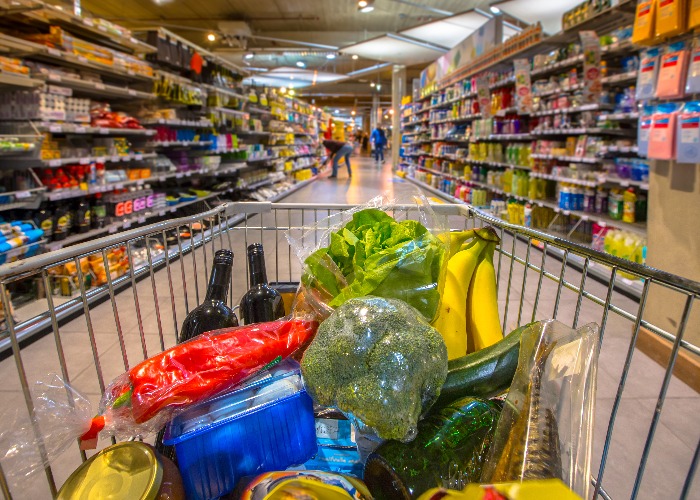
Around 900 products will now be cheaper for shoppers who are members of the Nectar loyalty scheme.
Sainsbury’s has trebled the number of products included in its new Nectar Prices money-saving scheme.
The scheme will now be available on dairy and bakery products for the first time, meaning that in total 900 products are included.
Saving with a Nectar card
Nectar Prices was launched back in April, and allows members of the Nectar loyalty scheme to benefit from lower prices on specific products.
When Nectar Prices first rolled out, there were 300 products covered, across the household, pet food and confectionary categories.
However, the included categories has been increased significantly since then, and now includes health and beauty, beers, wines and spirits, baby and food cupboard items, as well as now dairy and bakery products.
The discounts on offer will vary between individual products. Here is a selection of some of the new additions:
-
Cathedral City mature cheese ‒ usually £4.75, Nectar Price £2.75;
-
Yeo Valley organic semi-skimmed milk ‒ usually £2, Nectar Price £1;
-
Lurpak 500g butter ‒ usually £5, Nectar Price £3.25;
-
Warburtons bagels ‒ usually £1.85, Nectar Price £1;
-
Soreen fruit loaf ‒ usually £1.50, Nectar Price £1;
-
Taste the Difference Carrot Cake ‒ usually £1.35, Nectar Price £2;
-
Sainsbury’s plain tortilla wraps ‒ usually £1.20, Nectar Price £1.
Sainsbury’s has promised that further items and categories will be added to the Nectar Price scheme in time.
Rewarding loyalty
The Nectar Prices scheme is an easy one to benefit from. All you have to do is swipe your loyalty card at the till, or scan your app, and the discounts will be automatically applied. It’s the same process when shopping online too.
Nectar Prices is just one recent example of supermarkets trying to win ‒ and keep ‒ our custom by offering lower prices to members of their specific loyalty scheme. Similar programmes are in place at Tesco and Co-op.
All of these loyalty schemes are free to join, and offer the chance of shoppers to save a few quid on their shop, whether it’s a one-off visit or a regular occurrence.
With all of these schemes, the products included are clearly marked both in store and online so you can identify where savings can be made.
Of course, the reality is that it’s only really a saving if that’s the item you were planning to buy anyway.
Getting a £1 or so off a fruit loaf is all well and good if that’s a staple part of your weekly shop, but not so good if it’s not something you really want.
As a result, just how effective these loyalty scheme discounted prices will be for your own budgeting comes down to what you are looking to buy, and whether those items are included.
Our spending on food
There’s been no escaping the way that our food prices have risen over the last year or so.
According to data from the Office for National Statistics (ONS), food price inflation currently sits at a rate of 19.1%, the highest seen in 45 years, and that’s only because it dropped slightly in April from the 19.2% registered the month before.
The ONS also found that while two-thirds of us have reported our cost of living increasing in the past month, that rises to a whopping 97% when just looking at the price of our food.
Understandably, around 44% of us are looking to spend less on food and essentials, while half have said they are now looking to buy less food when they hit the supermarkets.
There has been speculation that food price inflation may have peaked, though there is little sign of that really happening.
It’s worth remembering that even if inflation does start to slow, that doesn’t mean we will see a saving at the till ‒ it just means that the price of our food will increase more slowly.
Given the other pressures on our household finances, that may not really be noticed.
As a result, it’s little wonder that many of us are making big changes to our shopping habits, beyond looking to buy less.
Recent months have seen far more of us look to spend at the deep discounters rather than the big names.
Data from Kantar World Panel shows that the market share of Aldi and Lidl since Christmas has increased from 9.1% to 10.1% and from 7.2% to 7.7% respectively.
By contrast, Tesco, Sainsbury’s, Asda and Morrisons have all seen their market share decline.
More on loveMONEY.com:
This week's top supermarket deals
Comments
Be the first to comment
Do you want to comment on this article? You need to be signed in for this feature