The countries who own the most gold
Who's stockpiling gold?
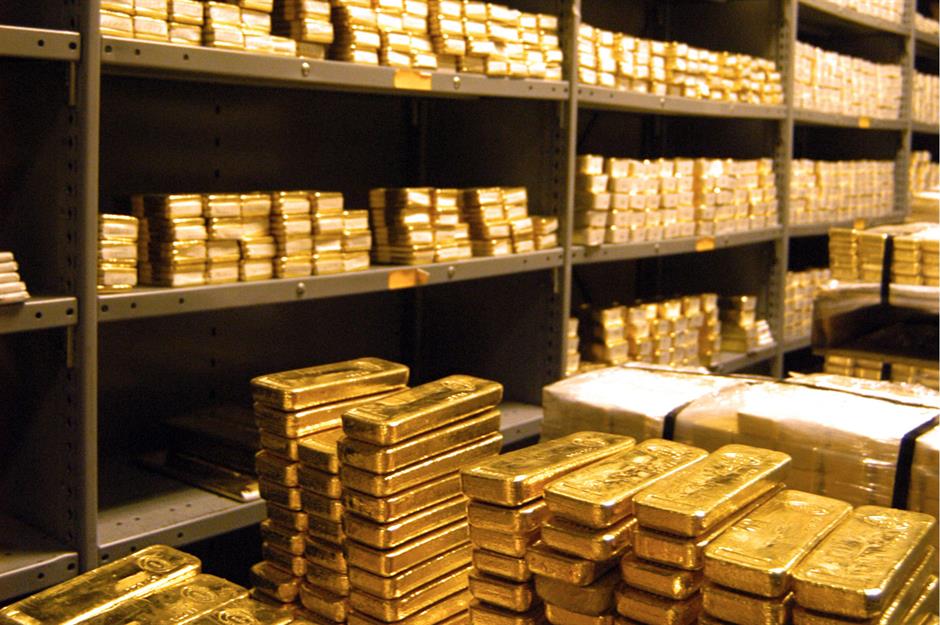
Gold has long been viewed as the ultimate financial asset, and never more so than during times of financial crisis such as the current one caused by the coronavirus pandemic. While we no longer use the ‘Gold Standard’ to determine the value of currencies, the precious metal is still incredibly useful and held by many central banks because it provides stability as it’s not impacted by political changes or economic shocks, plus it’s a liquid asset which means it can be converted to cash if needed. But who has the most stashed away? Using the 2020 World Official Gold Holdings Chart, click or scroll through the top 30 countries that own the most gold.
30) Sweden: 125.7 tonnes
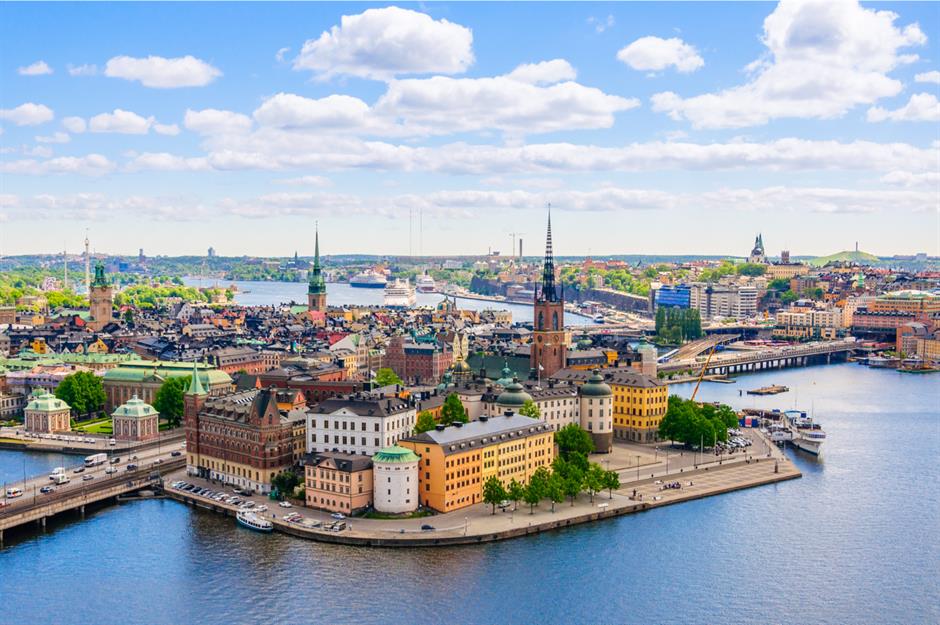
Sweden isn't an obvious choice as a major player in the gold market, but this Scandinavian country actually owns 125.7 tonnes of gold bars. It doesn't keep all of its stocks on home ground, however. As well as Sweden's central bank – the Riksbank – the country's gold is also reportedly held within the Bank of England, the Bank of Canada, the Federal Reserve Bank in America and the Swiss National Bank.
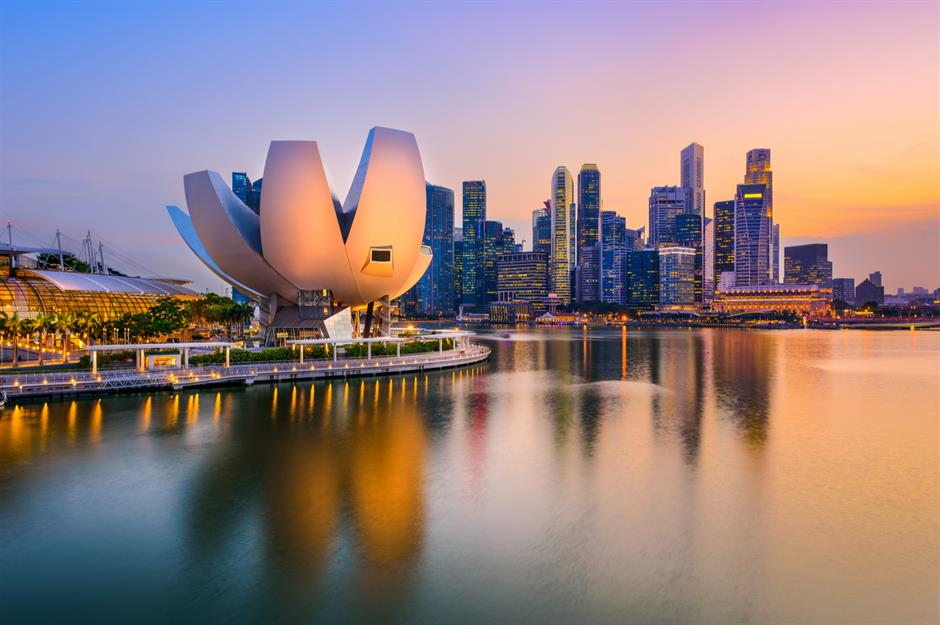
29) Singapore: 127.4 tonnes
Sponsored Content
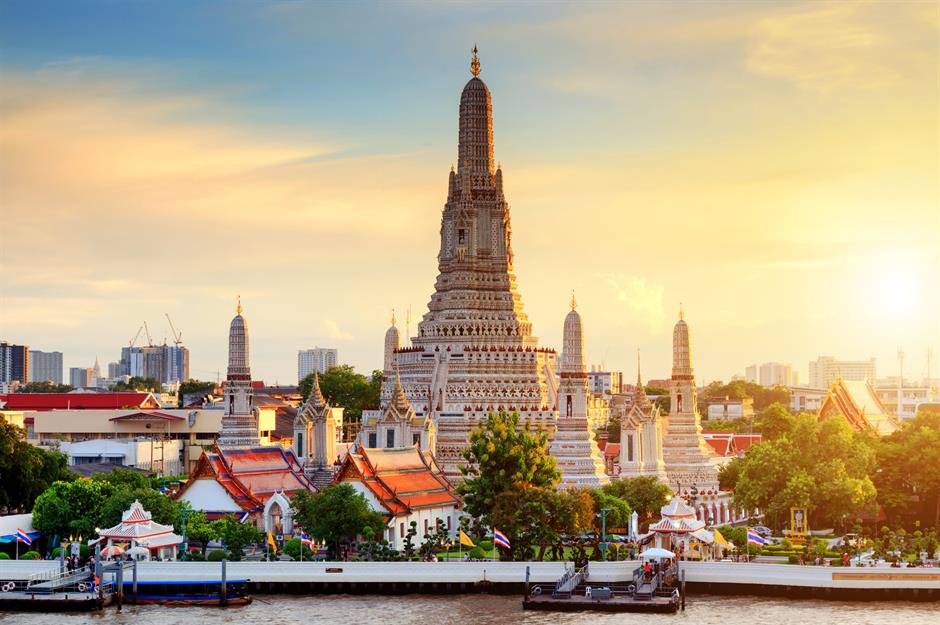
28) Thailand: 154 tonnes
27) Venezuela: 161.2 tonnes
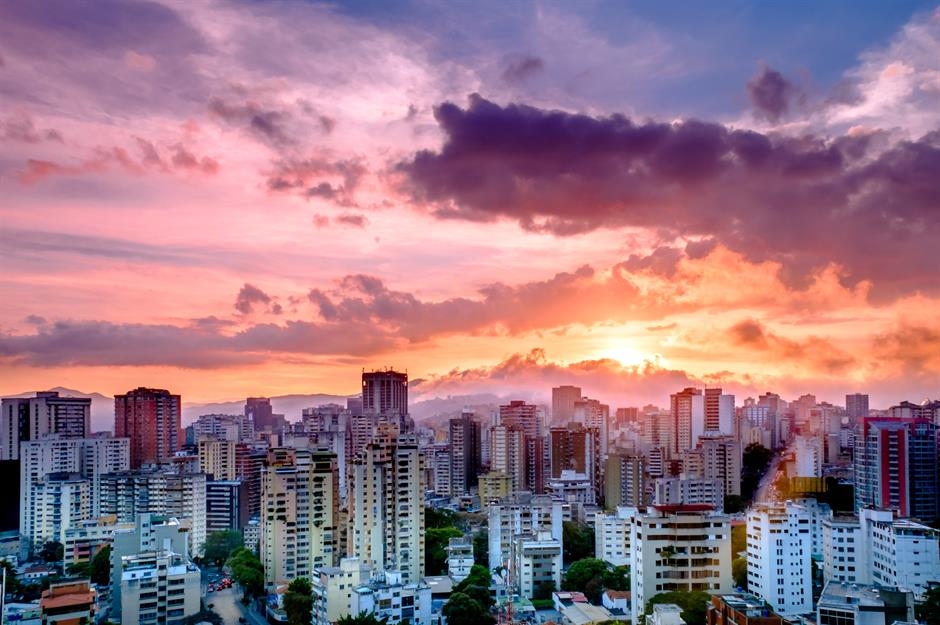
Venezuela was in the top 20 gold owners until a few years ago. But in a bid to reduce its vast debts and fend off economic crisis it sold off about $1.7 billion (£1.2 billion)-worth of gold in early 2016 and it's now down to 161.2 tonnes. In September, it was reported that the country's reserves had fallen to a 75-year low, as the government sold off gold to restructure debt. Venezuela is trying to liquidate more of its gold reserves to combat the effects of the pandemic by pumping it into the United Nations Development Programme, which will allow the nation to buy more medical equipment, medicines and food. However, the Bank of England, which holds around a third of its gold reserves, has refused Venezuela access amid US sanctions against the South American country. In retaliation Venezuela launched a lawsuit against the Bank in May.
26) Algeria: 173.6 tonnes
Sponsored Content
25) Philippines: 197.9 tonnes
24) Belgium: 227.4 tonnes
23) Poland: 228.6 tonnes
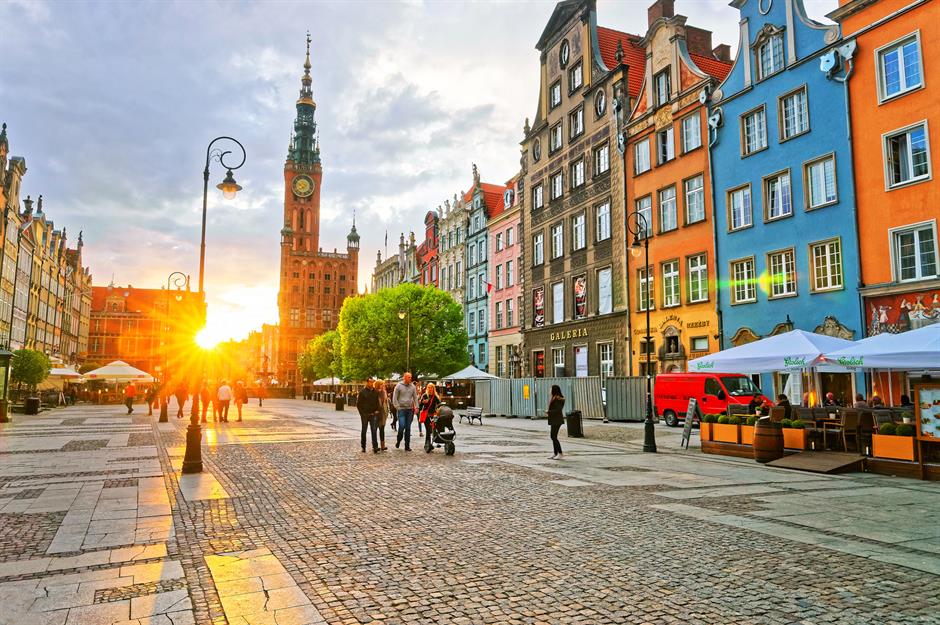
Poland has recently been expanding its gold reserves in a bid to protect domestic currency values against the rising dollar, bringing them to their highest level in 35 years at 228.6 tonnes. In November 2019, Bloomberg reported that Poland had transported $5.2 billion (£4bn) worth of Polish-owned gold bars from the Bank of England, where they had been stored since the Second World War to hide them from the Nazis, to secret vaults in Poland.
Sponsored Content
22) Austria: 280 tonnes
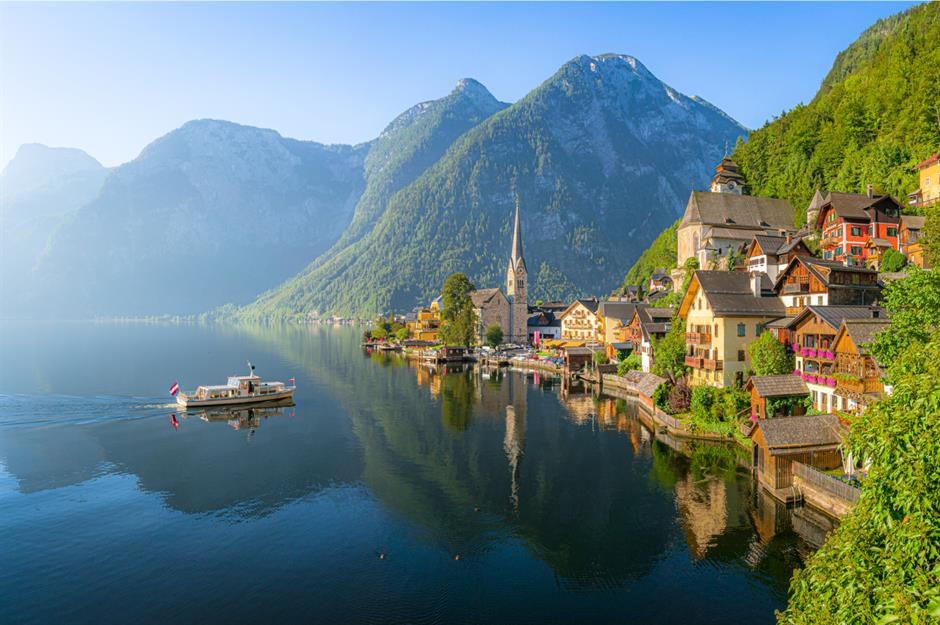
21) Spain: 281.6 tonnes
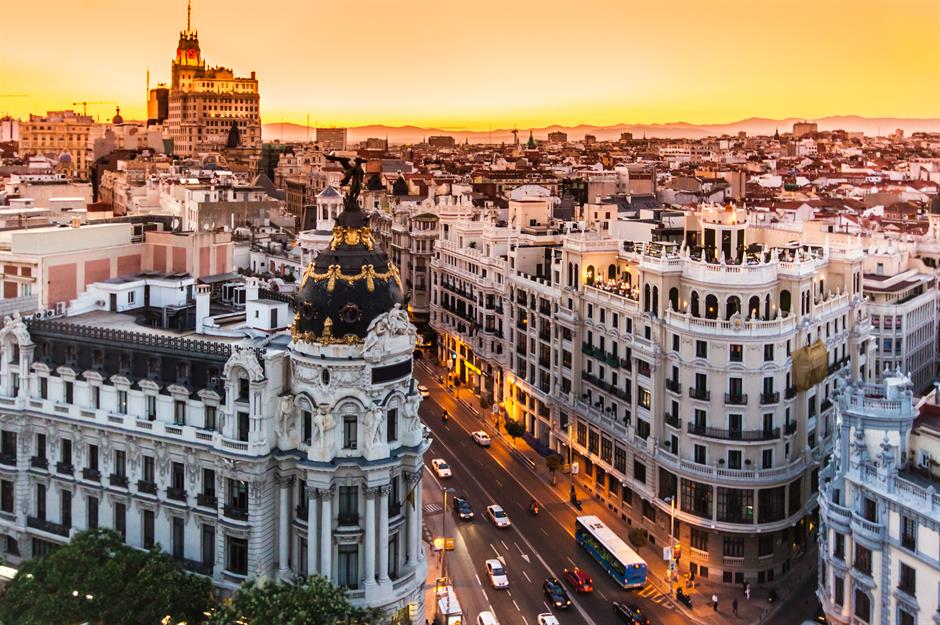
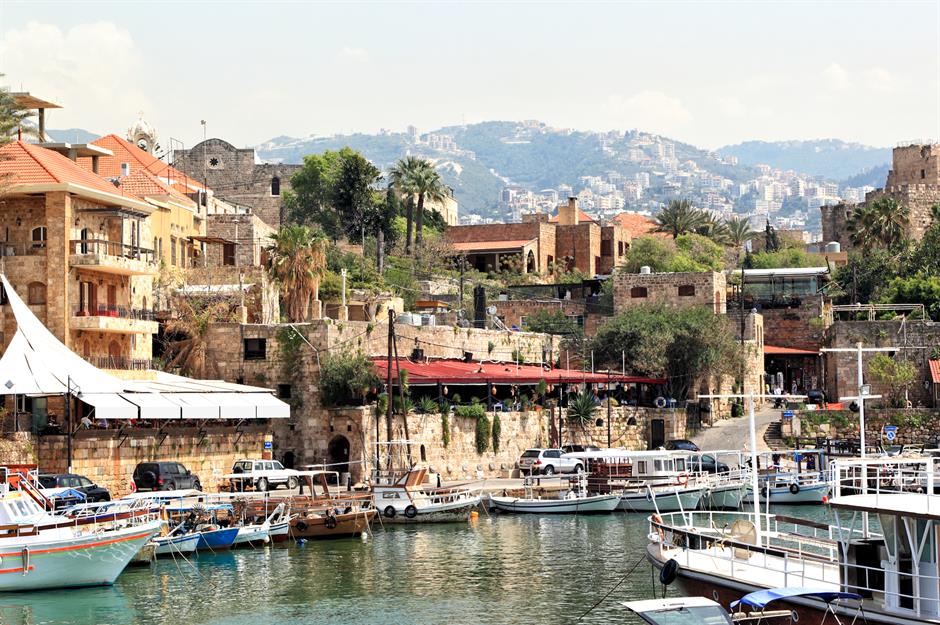
20) Lebanon: 286.8 tonnes
Sponsored Content
19) United Kingdom: 310.3 tonnes
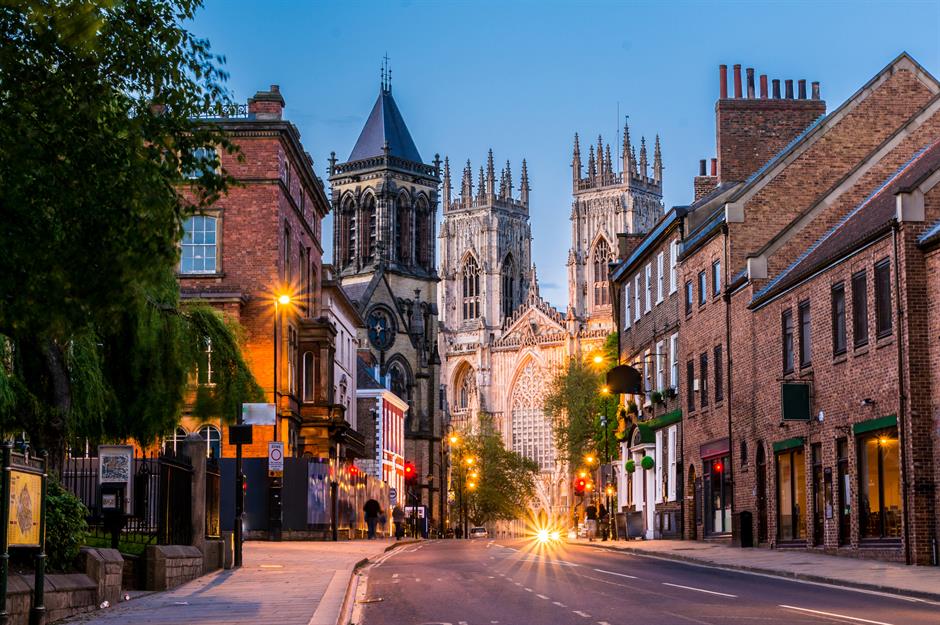
Many countries choose to store their gold in the heavily-fortified Bank of England vault, the second largest in the world after the vault at the New York Federal Reserve. The UK has its fair share of gold reserves too, with 310.3 tonnes of the precious metal held in its name. Despite there being no active gold mines in the UK, it has long been seen as the centre of the wholesale gold market and a major importer and exporter of the metal. However, this is a much-reduced reserve after the nation's Chancellor at the time (and later prime minister) Gordon Brown made the controversial decision to sell more than half of the UK's gold reserves – 401 tonnes – for $3.5 billion in 1999, but the price of gold skyrocketed in the years that followed and many consider that it was the wrong time to sell.
Now read about gold panning and the rivers where you can still find gold
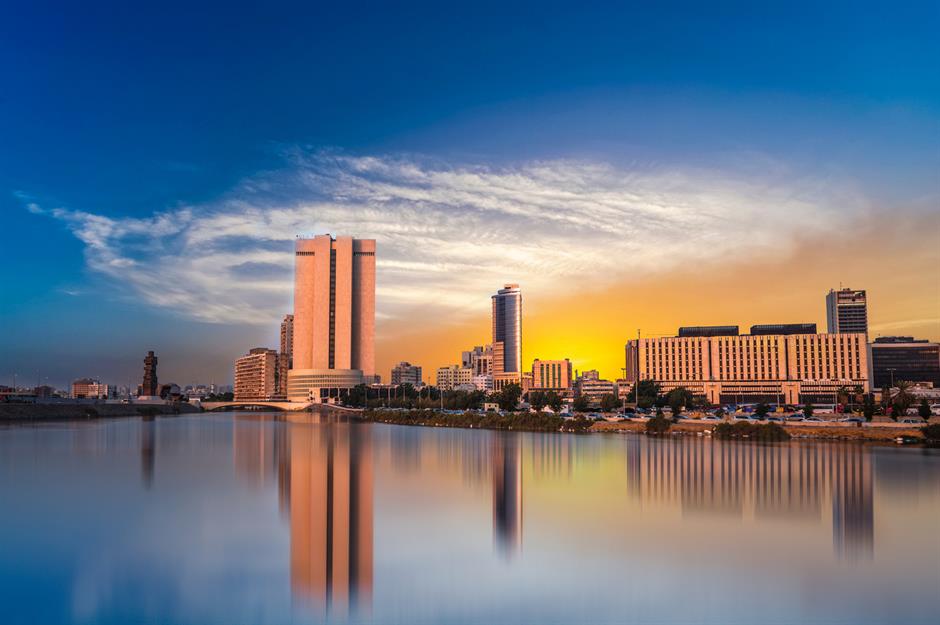
18) Saudi Arabia: 323.1 tonnes
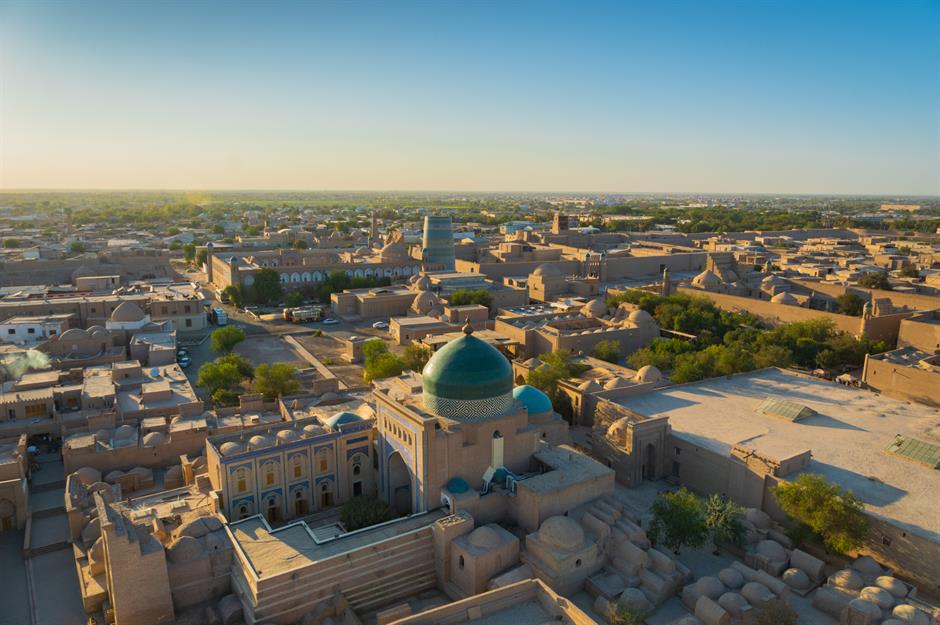
17) Uzbekistan: 335.9 tonnes
Sponsored Content
16) Portugal: 382.5 tonnes
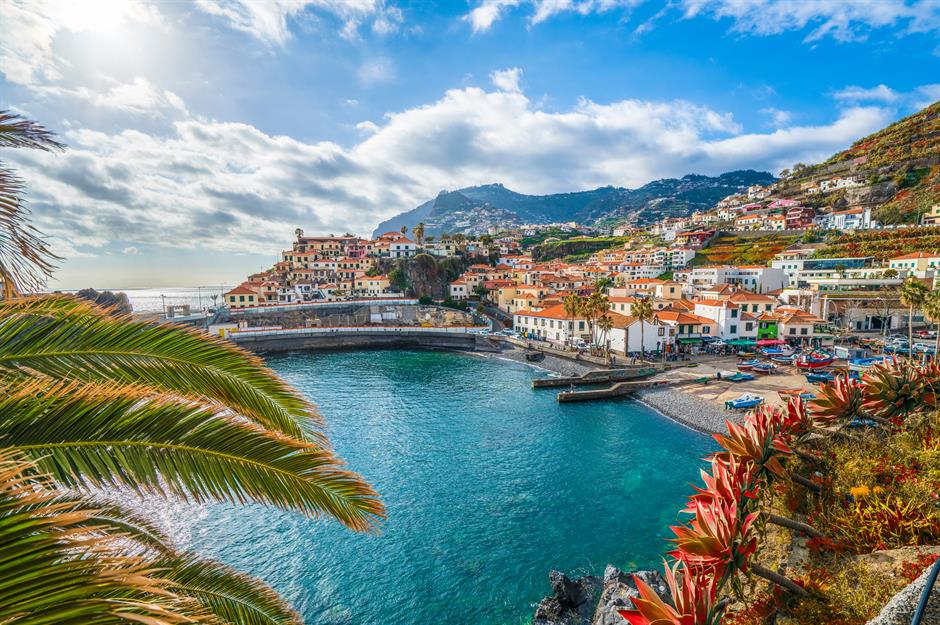
15) Kazakhstan: 385.5 tonnes
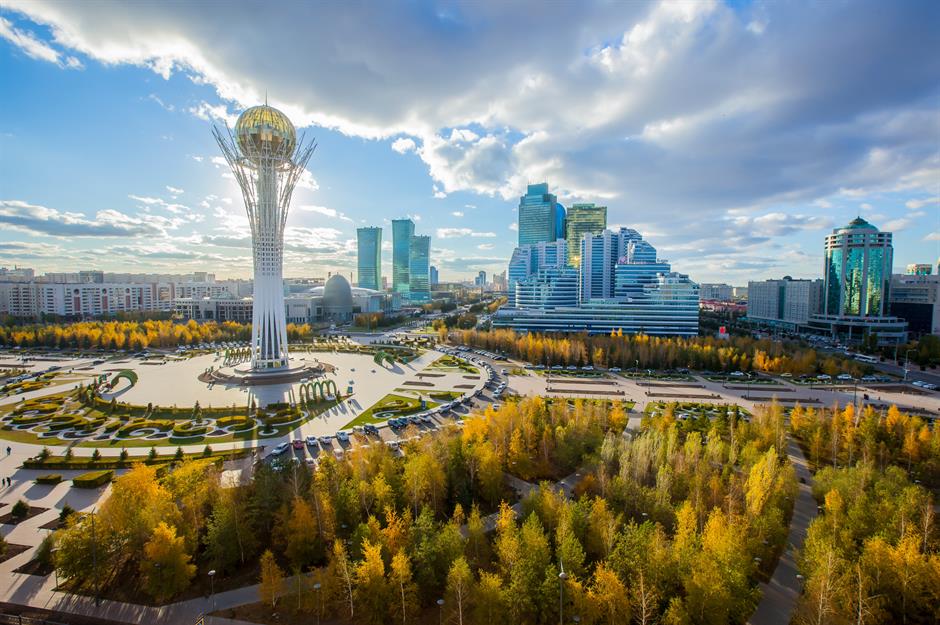
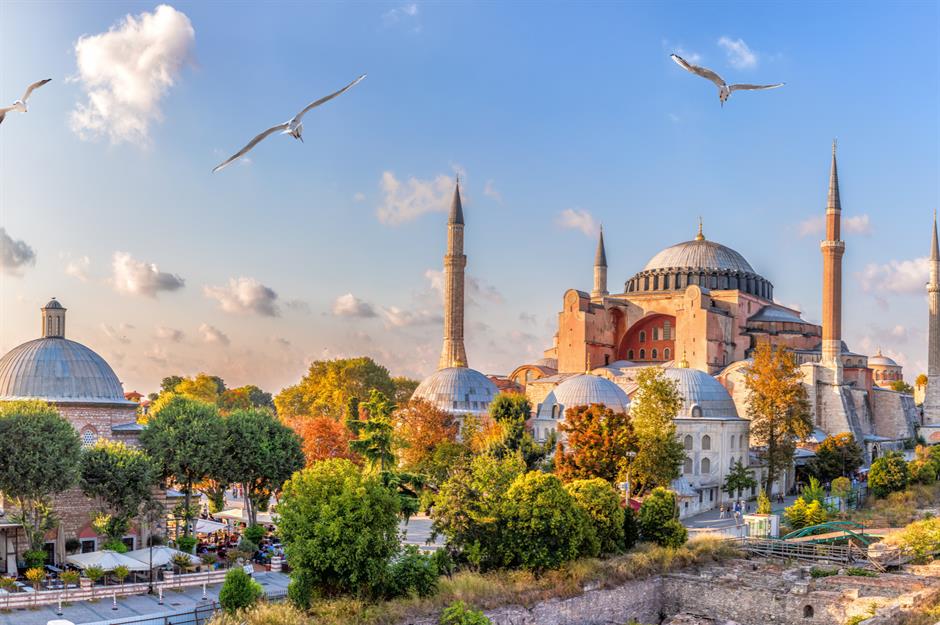
14) Turkey: 412.5 tonnes
Sponsored Content
13) Taiwan: 422.4 tonnes

12) European Central Bank: 504.8 tonnes
.png)
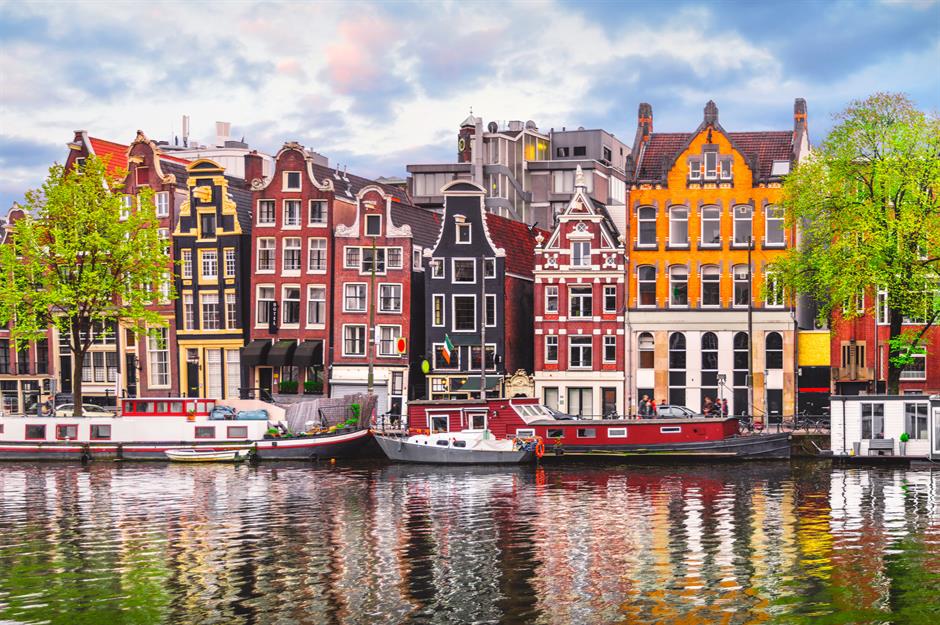
11) The Netherlands: 612.5 tonnes
Sponsored Content
10) India: 633.1 tonnes
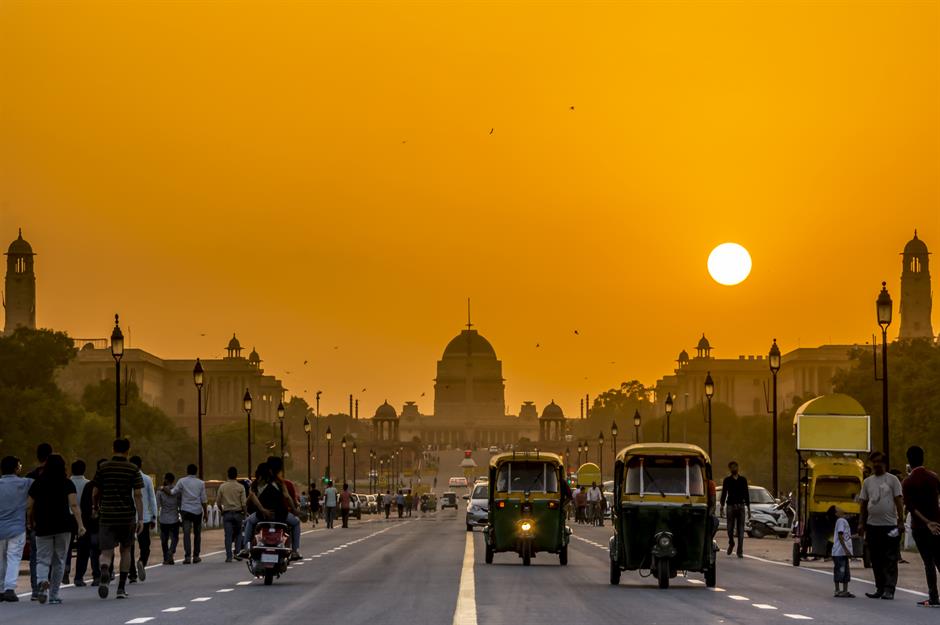
India's gold reserves have increased by more than 70 tonnes in the past two years, although much of it is in the form of household reserves and jewellery, as the country places a high value on gold storage. Although India does have a small gold mining industry, it can't support the national demand and most of its yellow metal is bought in from abroad.
9) Japan: 765.2 tonnes
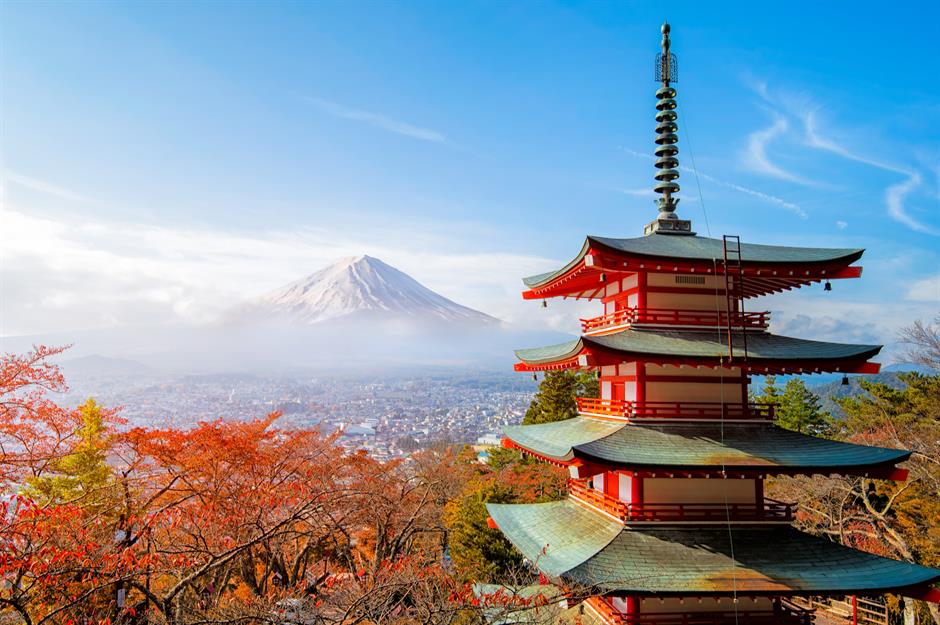
8) Switzerland: 1,040 tonnes
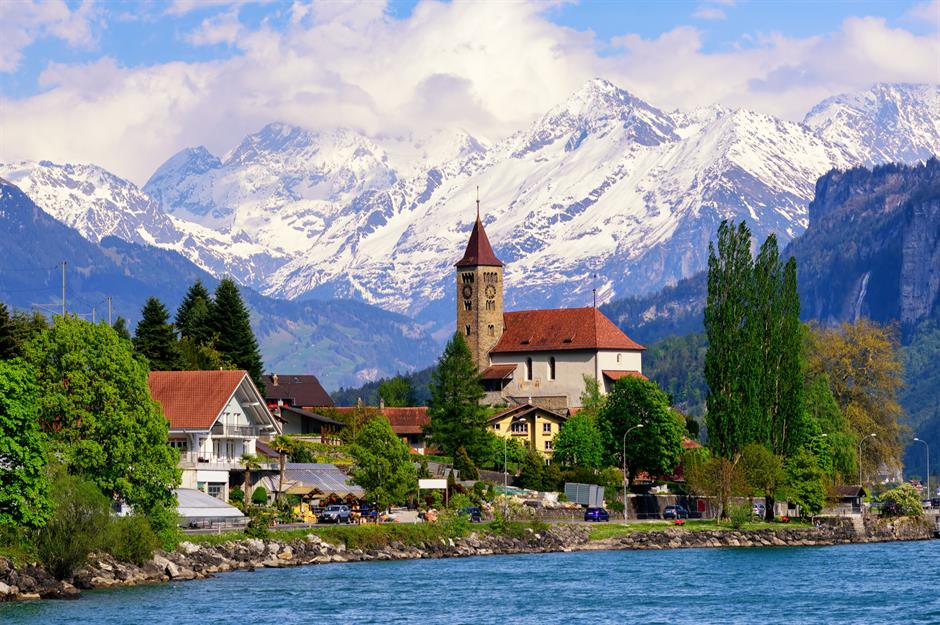
The gold stocks move into four figures now with Switzerland holding 1,040 tonnes. The majority of this gold is held on home soil, but some of it is stored at the Bank of England and Bank of Canada. In 2014 there was a referendum to decide on whether the Swiss National Bank (SNB) should expand its gold reserves from 7% to 20%. The status quo prevailed and 78% of voters were against the SNB increasing its share.
Sponsored Content
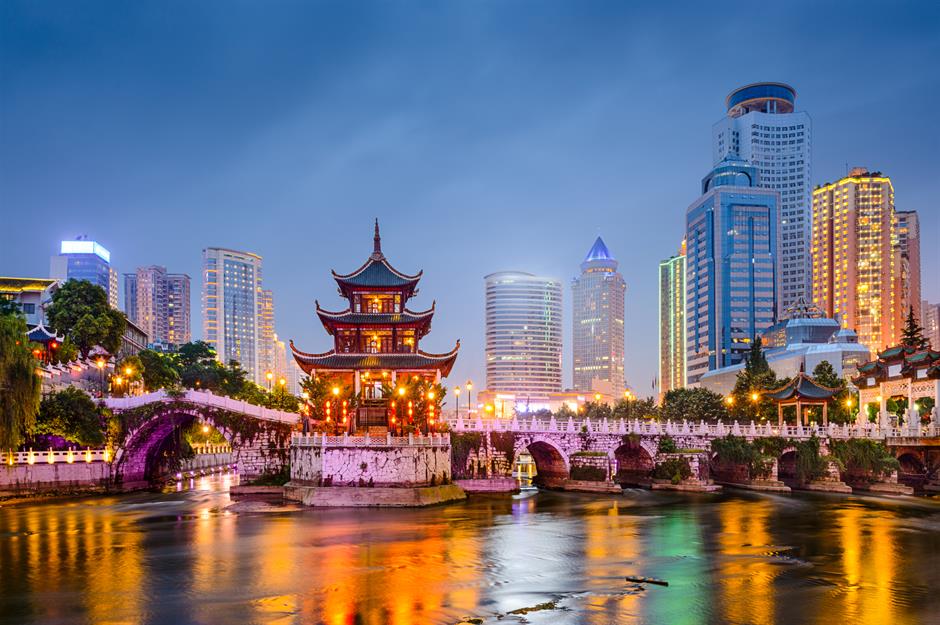
7) China: 1,948.3 tonnes
6) Russia: 2,271.2 tonnes
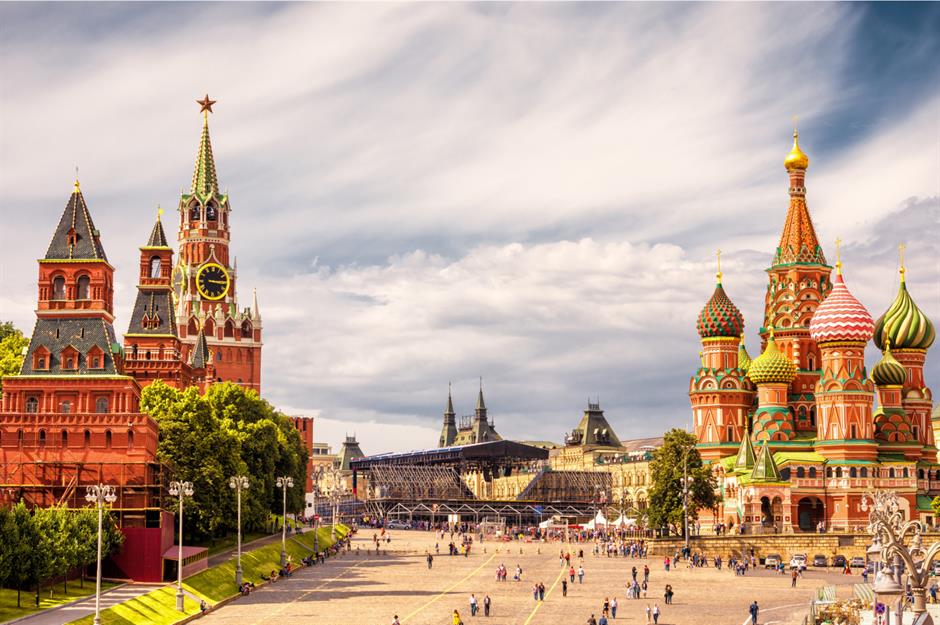
5) France: 2,436 tonnes

Sponsored Content
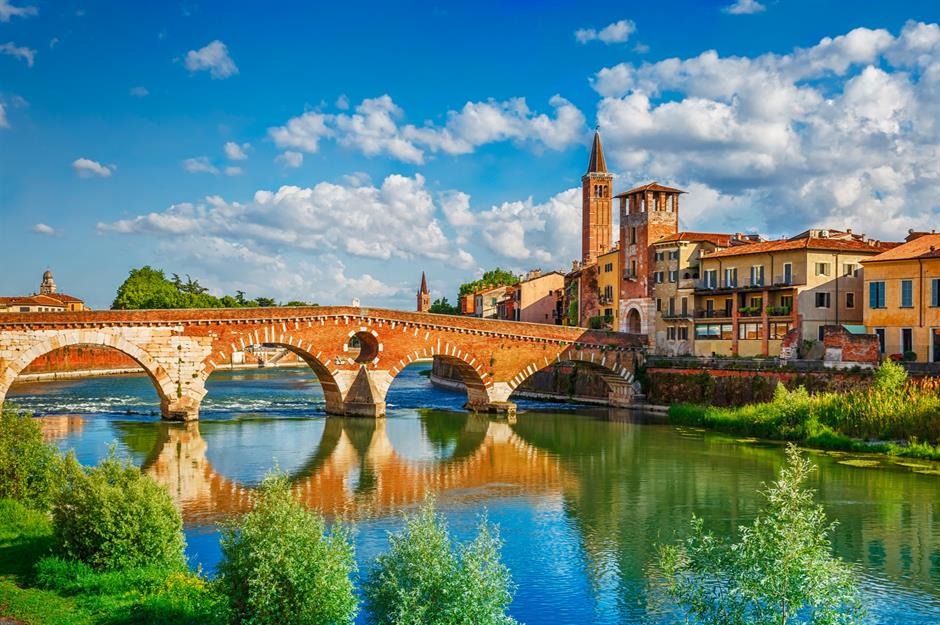
4) Italy: 2,451.8 tonnes
3) International Monetary Fund: 2,814 tonnes
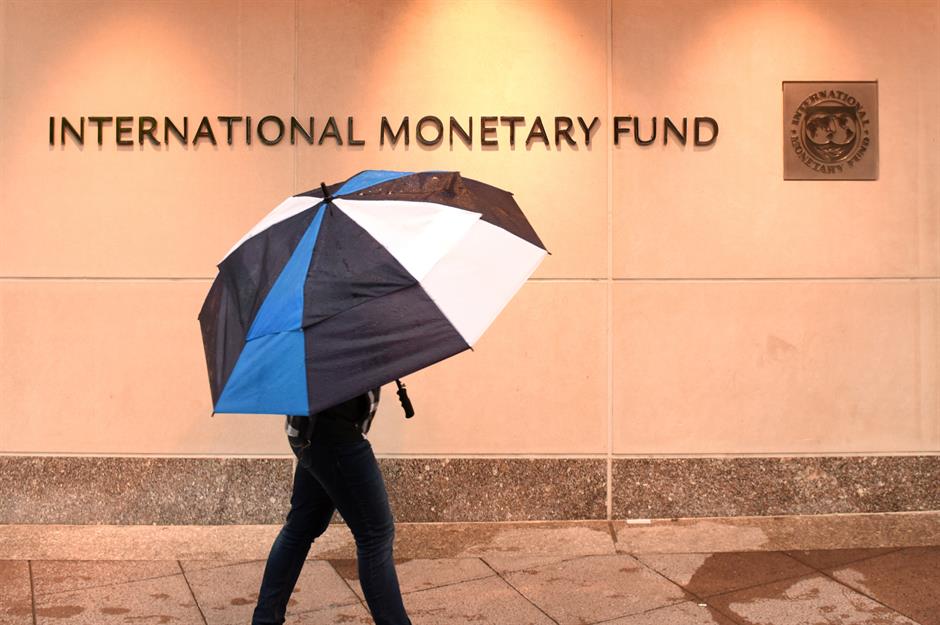
The International Monetary Fund (IMF) is a group of 189 countries that work to foster global monetary co-operation. When it was founded in 1944 it was decided that 25% of initial quota subscriptions and subsequent quota increases were to be paid in gold. That remains the main source of the 2,814 tonnes of gold it holds. The coronavirus pandemic boosted the value of the IMF's gold reserves by $19.3 billion (£15.4bn) in just three months (January to April 2020), and led to calls from charity Oxfam to sell some of the gold in order to "expand debt relief and help poor countries fight the virus and save lives". The IMF has sold gold in the past to help poor nations with huge debts, but there are criteria that countries need to meet for such aid to be released.
2) Germany: 3,366.5 tonnes
Sponsored Content
1) USA: 8,133.5 tonnes

The USA is the country with the most gold in the world with a stockpile of 8,133.5 tonnes of gold bullion. That's nearly as much as Germany, the IMF and Italy combined. The majority of this gold is thought to be held in depositories across America, such as the United States Bullion Depository, better known around the world as Fort Knox.
Now read about the ordinary people who stumbled upon extraordinary amounts of gold