Steak secrets: easy ways to cook restaurant-quality meat at home
Raise the steaks
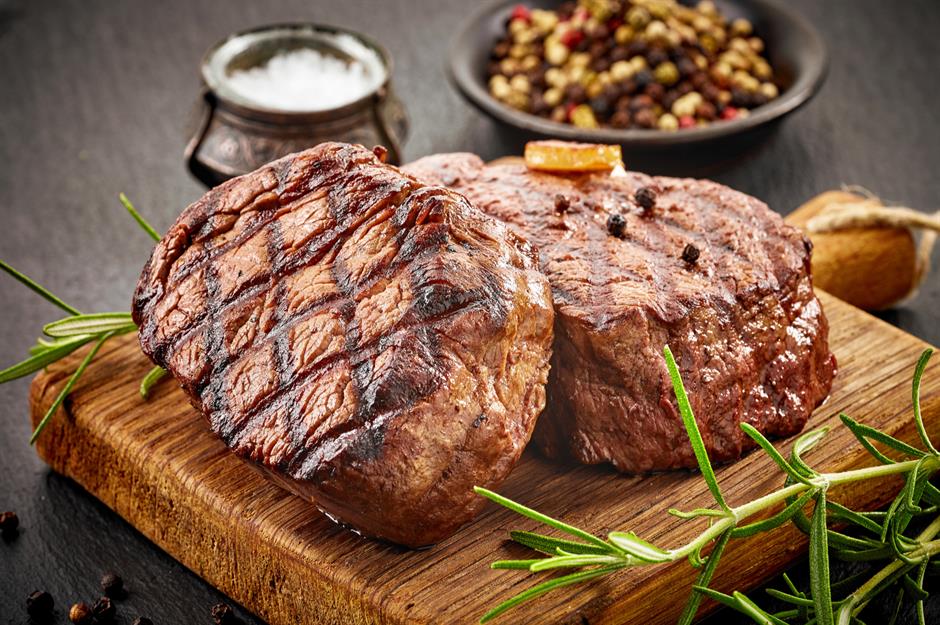
Trust your butcher
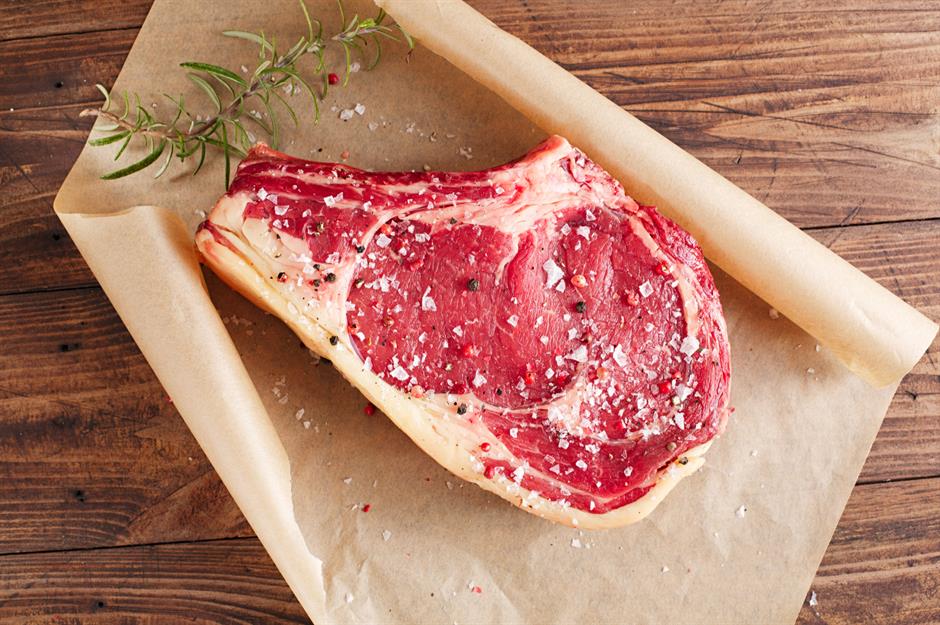
Know your cuts: rump, tenderloin and flank
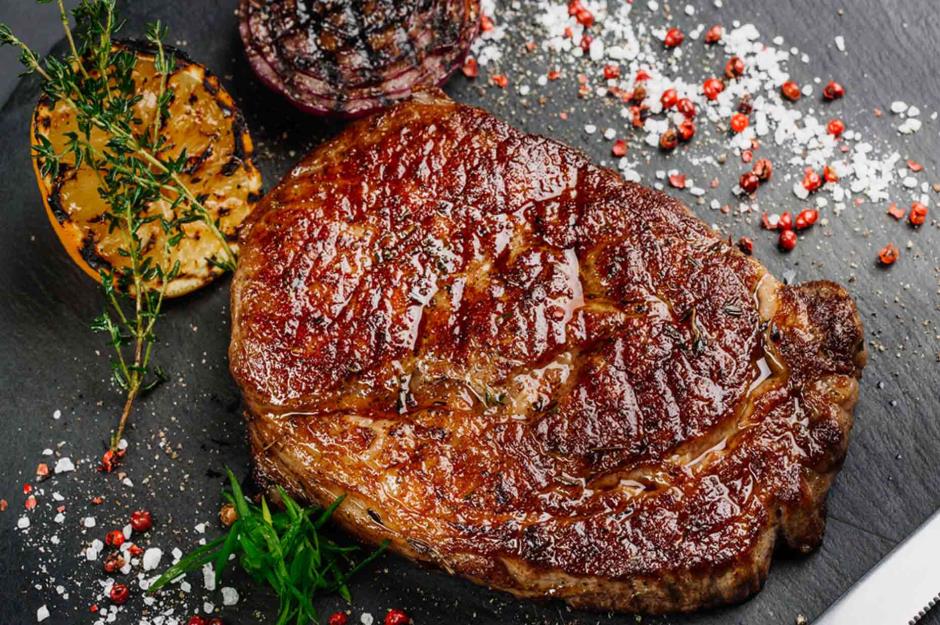
Choose the right cut, depending on what you want from your steak. Sirloin (rump in the UK) is cheap, hearty, fatty and full of flavor. It can be fried, grilled or sliced for stir-fries. Tenderloin fillet (also known as filet mignon) is pricey, but tender and lean. It’s ideal for raw meat dishes such as carpaccio and tartare. Flash-fry or barbecue a flank steak (also known as bavette) – it's flavorful and cheaper than other cuts. As well as being a good bistro steak, it can be sliced and added to salads, stir-fries and burritos.
Sponsored Content
Know your cuts: flat iron, hanger, skirt, rib-eye and more
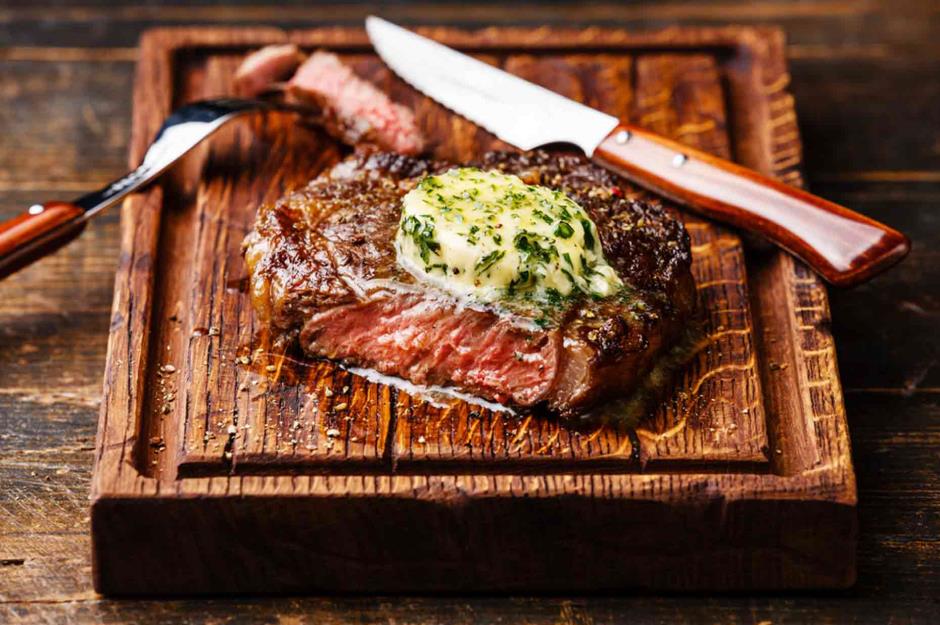
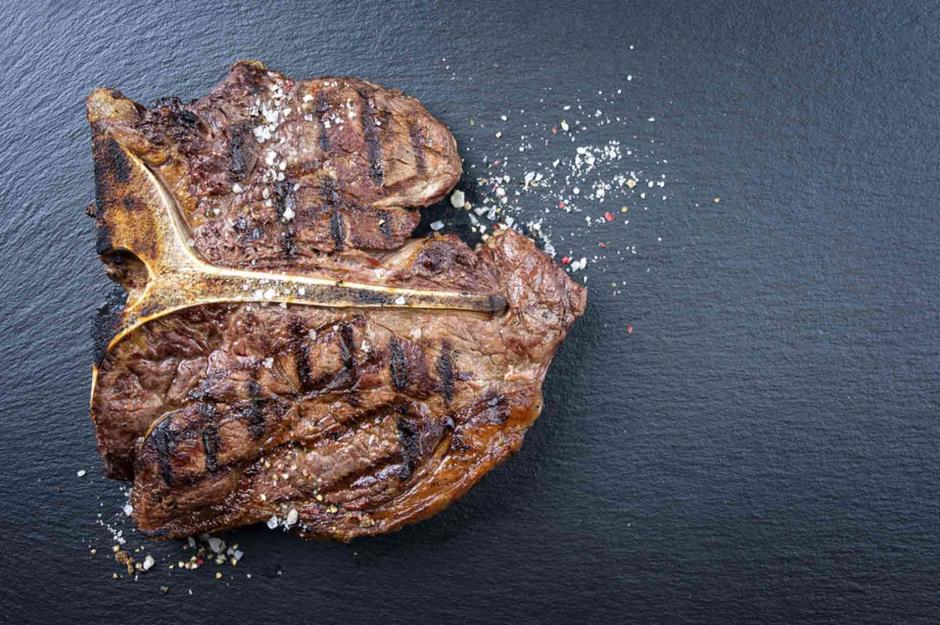
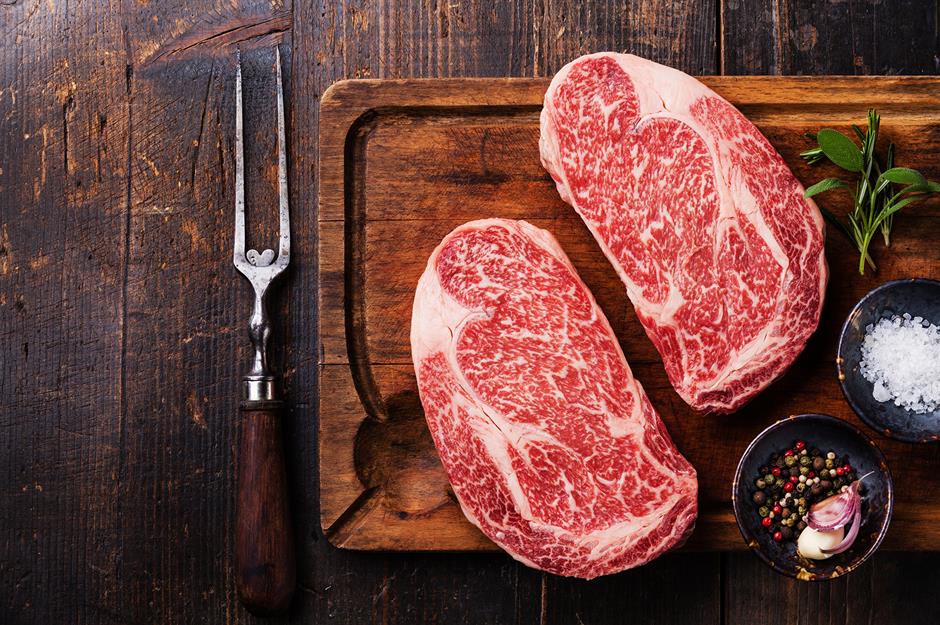
Flat iron steak is gaining favor – it’s particularly good when marinated. New York strip steak (also known as the Kansas City steak) is well-marbled and succulent, whereas hanger steak (also known as onglet) is inexpensive and tasty. Skirt steak (not to be confused with hanger) is often used for fajitas and is best cooked either hot and fast or low and slow. Rib-eye is the hands-down favorite: well-marbled with a good depth of flavor, it’s perfect for grilling and barbecuing. Entrecôte steak is very similar – it’s effectively a rib-eye cut more thinly.
Know your cuts: sirloin, T-bone, porterhouse and chateaubriand
Don’t lose your marble
Sponsored Content
Don’t cook steak cold
Ways to cook steak
What oil?
Sponsored Content
Butter or no butter?
Oil the steaks or the pan?
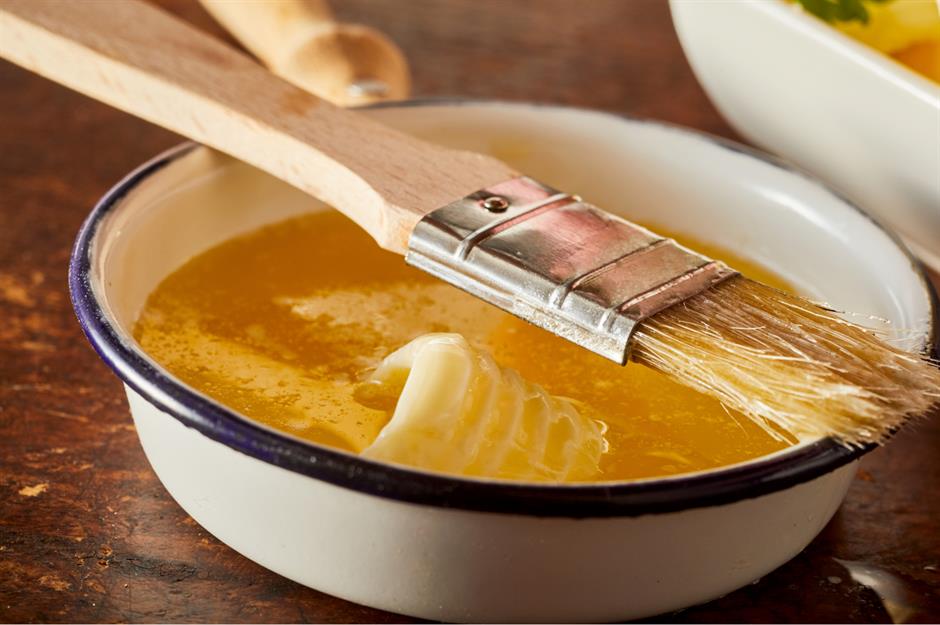
Do you always oil your pan before frying? That’s the case for many foods but the general consensus is that it’s better to brush steaks – not the pan – with oil or fat, and massage it in before cooking. If you prefer the other way, don’t use too much oil and make sure it’s so hot it separates before adding the steak to the pan.
The right way to season
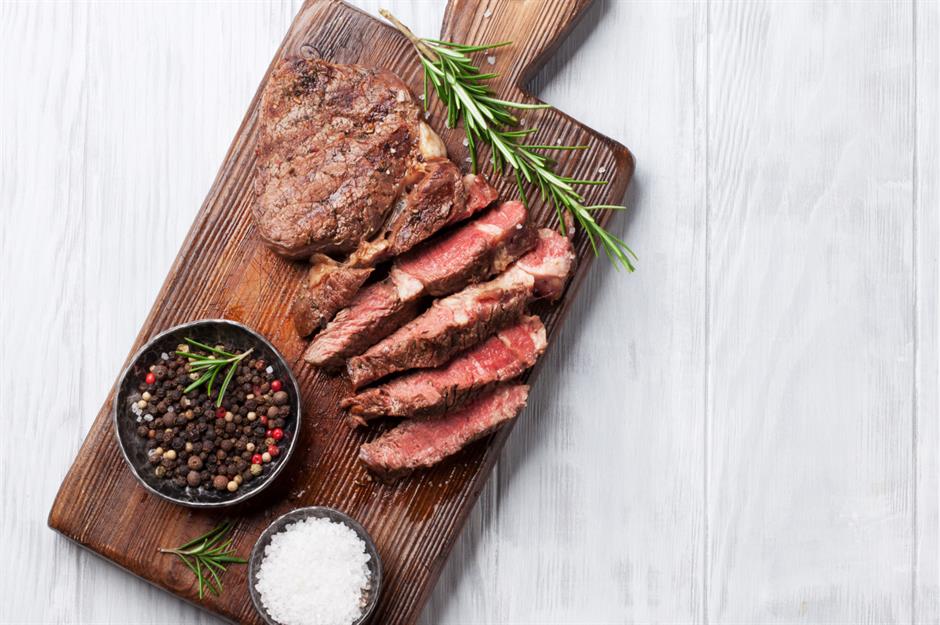
Generously salt the meat with salt flakes just before cooking. If you do it too early, the salt will start drawing out the moisture from the steak. When you think you've seasoned it enough, get it straight in the pan – the coarse salt crystals will help create caramelization on the surface. Season with finely ground black pepper before cooking but reserve coarsely ground peppercorns for after, otherwise they'll burn. Finish with a light sprinkle of salt flakes just before serving to intensify the flavors.
Sponsored Content
Which pan?
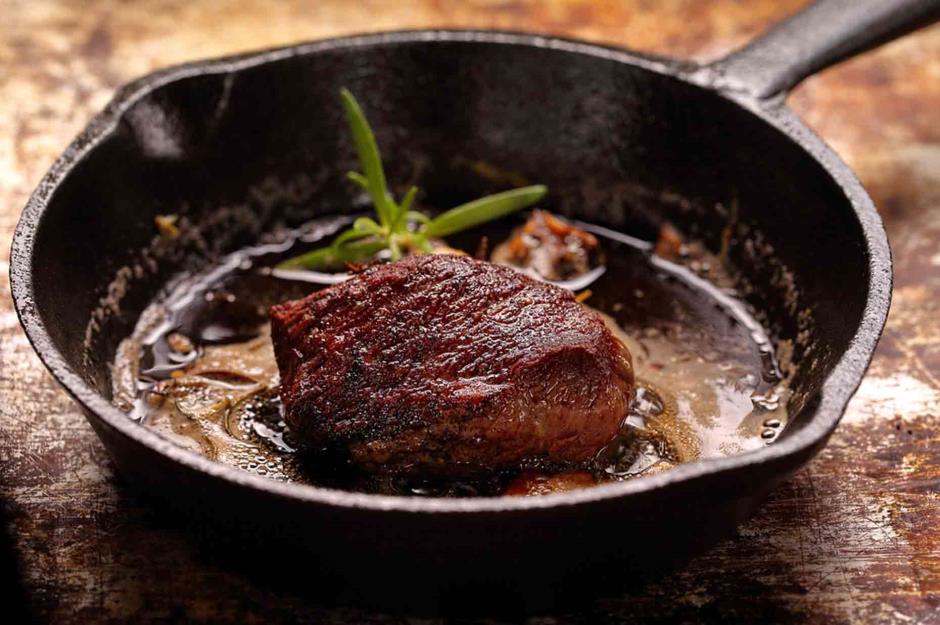
The pan should be smoking hot
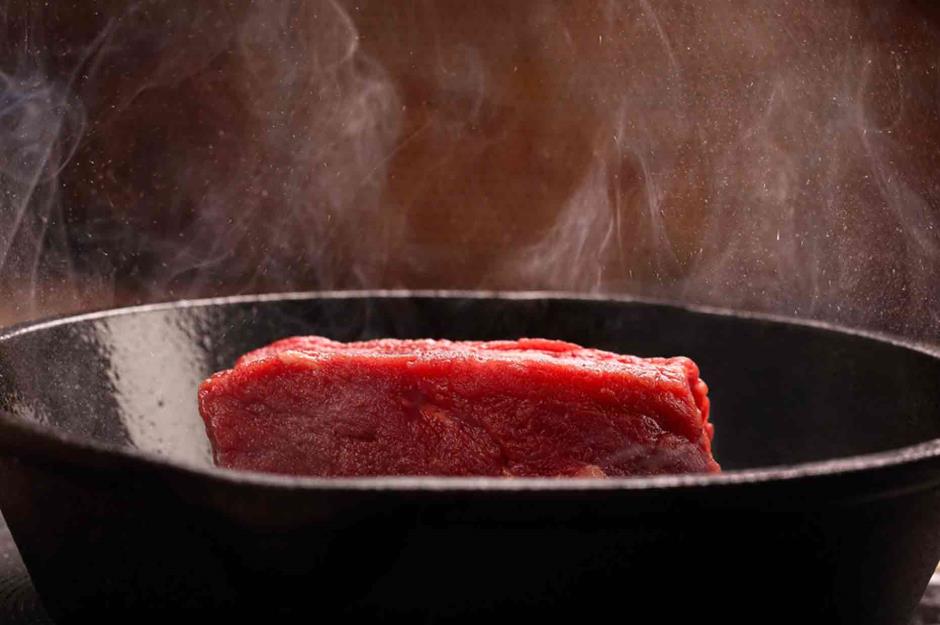
Render the fat
Sponsored Content
Avoid overcrowding
What is temperature?
Hands off!
Sponsored Content
Pan? Or pan then the oven?
How to tell your steak’s done
Or determine the temperature instead
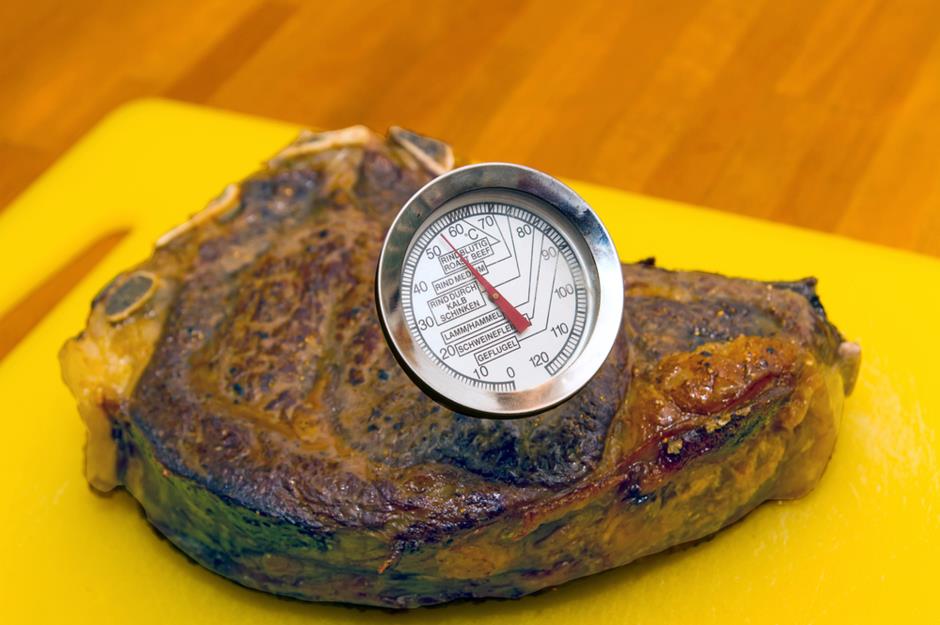
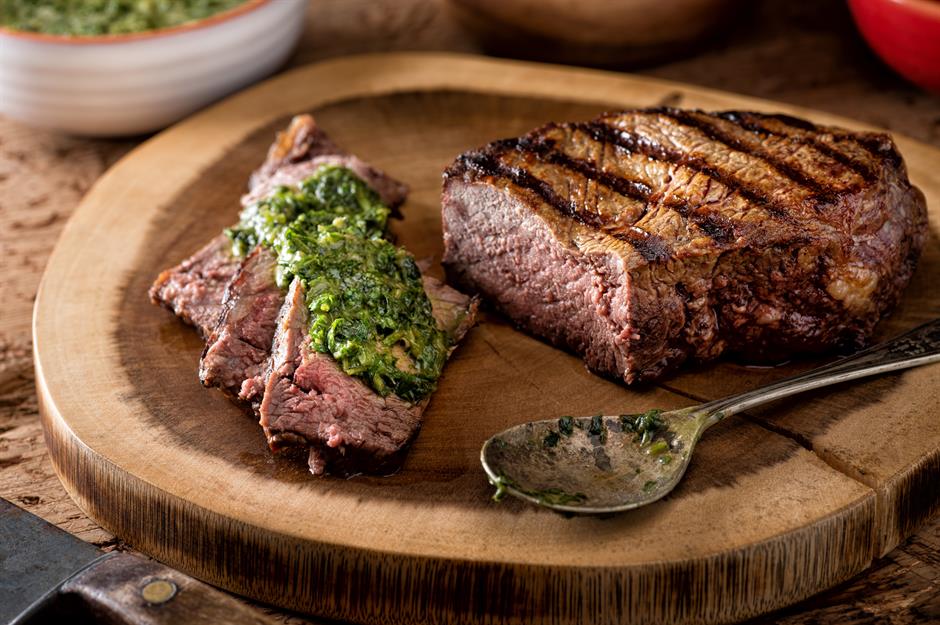
If you prefer absolute precision, use a meat thermometer to test if the steak's cooked as you want. Most guides suggest around 131°F (55°C) for rare, 140°F (60°C) for medium-rare, around 149°F (65°C) for medium and 167°F (75°C) for well done.
Sponsored Content
And relax…
Go against the grain
Sauces: béarnaise
Sponsored Content
Sauces: blue cheese
Sauces: mushroom
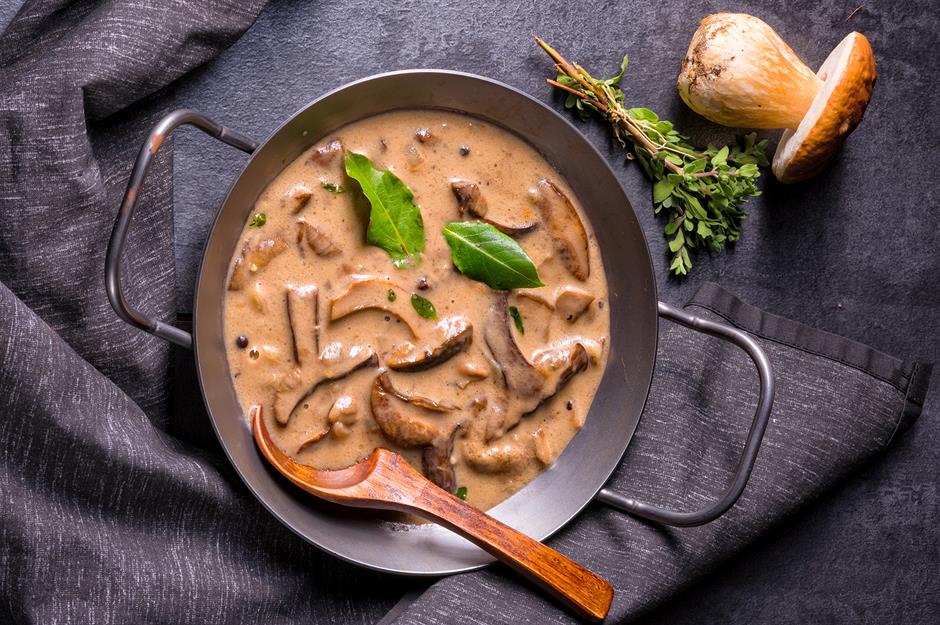
Mushroom sauce, often called sauce Diane, is creamy and rich so best served with thick and meaty cuts. It usually consists of beef stock or the cooking juices, cream, garlic, mushrooms, shallots and herbs. Steak Diane is a much-loved classic.
Sauces: red wine jus
Sponsored Content
Sauces: salsa verde
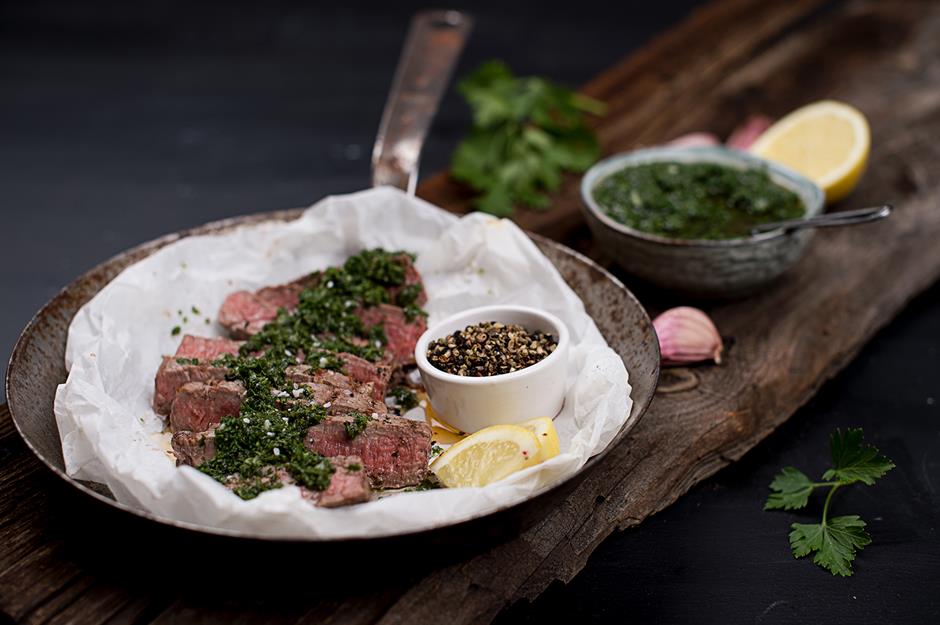
Salsa verde literally translates to 'green sauce' so it's not surprising the main ingredient is a variety of herbs. It's also made with capers and anchovies, the latter helps bring out the meatiness of red meat. It’s a sauce that requires no cooking and is often served with lamb but goes just as well with steak.
Sauces: peppercorn
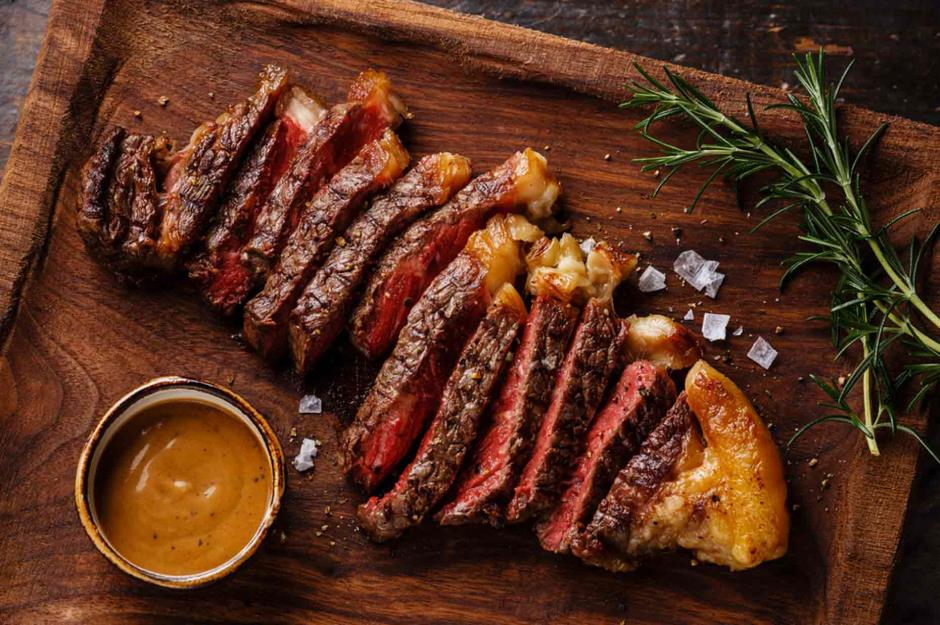
Rich and decadent, peppercorn sauce is a creamy addition to beef. Made with crushed peppercorns, shallots, butter, brandy, stock and cream, it's one of the classic steak sauces.
Sauces: teriyaki
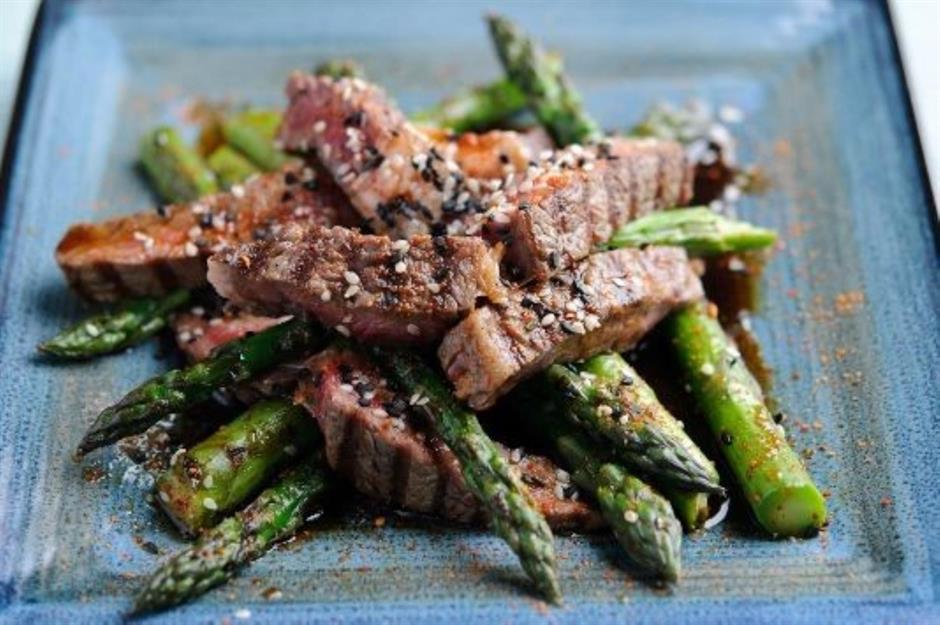
Putting a steak on the barbecue at home? Mix it up with a bold Japanese-inspired teriyaki sauce. Soy, mirin, Japanese rice wine, sake and sugar are key ingredients.
Sponsored Content
Sauces: mustard sauce
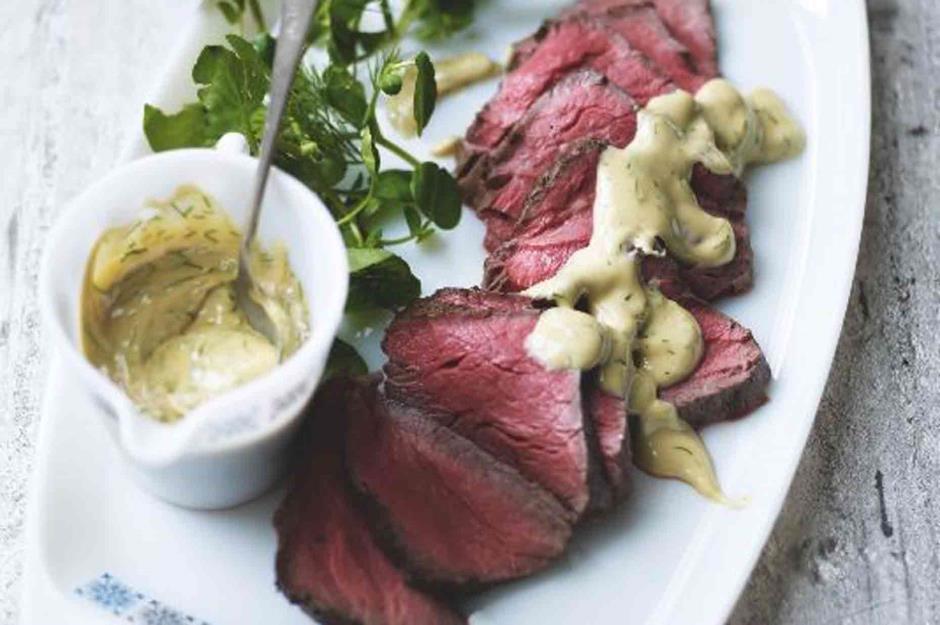
Mustard sauce, made from Dijon mustard, red wine vinegar, sugar, oil, water and dill, is ideal for cold cuts of beef. Use the sauce and leftover steak in a green salad or in a steak sandwich.
Sauces: garlic butter
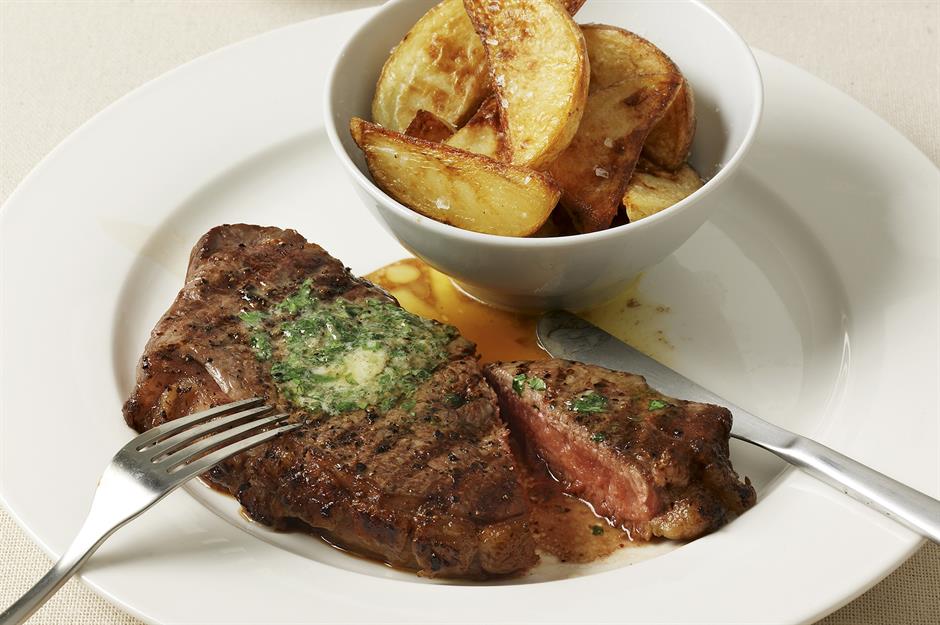
Garlic butter is incredibly easy to make – mix softened butter with chopped parsley and garlic, roll into a cylinder, cover with plastic wrap and refrigerate. After your steak is cooked, add a thick disc of butter and flash under a hot grill until the butter begins to melt.
Make it go further: stir-fry
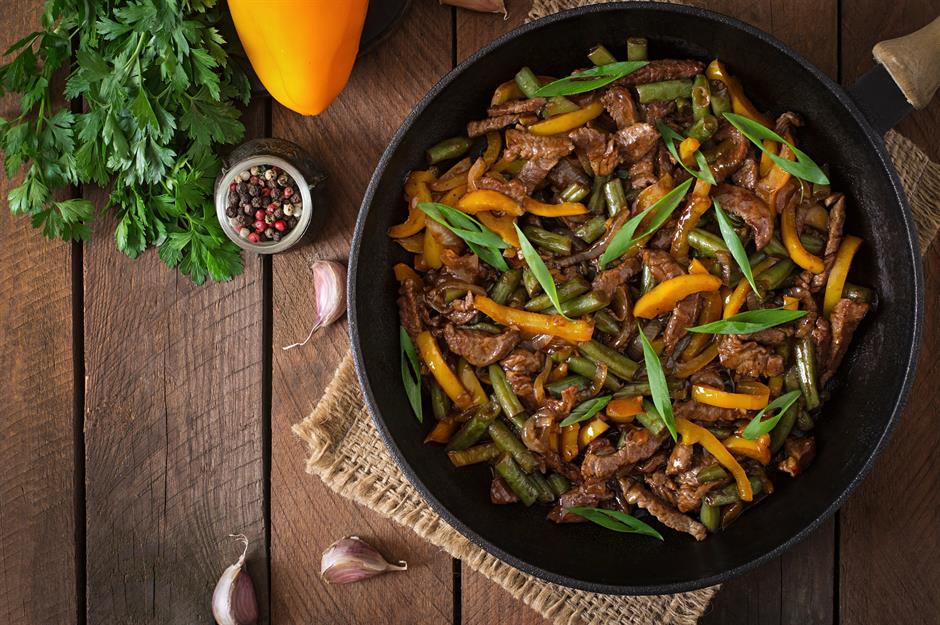
If you need to feed a crowd or make a steak go further, there are plenty of dishes to try. A stir-fry is a great option as it'll work well with a lot of different cuts, plus it's a great way to use up any veg hanging around. Our recipe uses pork but you can swap for whatever steak you have.
Sponsored Content
Make it go further: Philly steak nachos
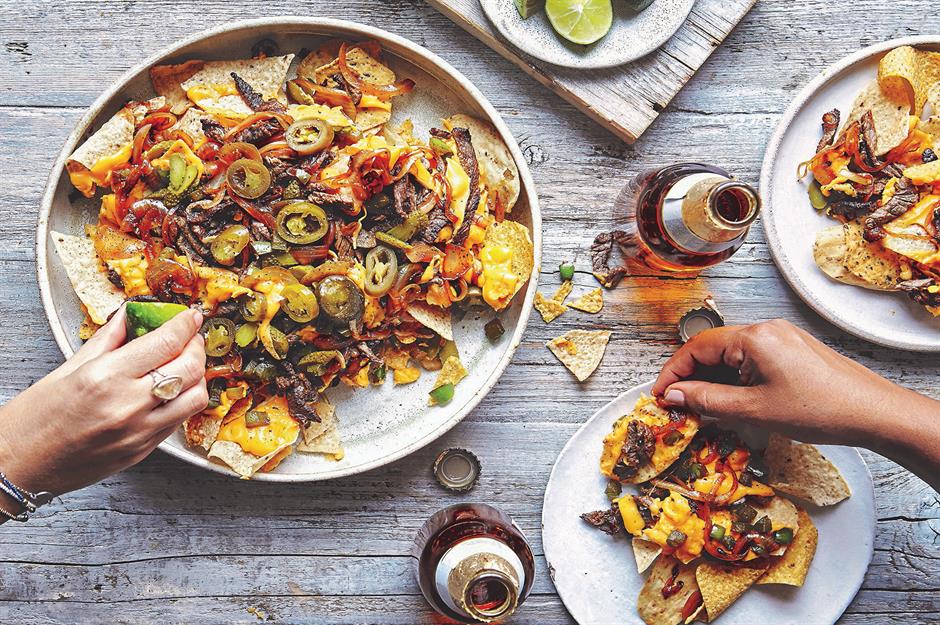
The crowd-pleasing flavor of Philly steak with nachos is a winning combination. This brilliant sharing dish sees crunchy tortilla chips topped with creamy cheese sauce, thinly chopped steak (which has been marinated in pickle brine) and sliced jalapeños.
Make it go further: Vietnamese steak salad
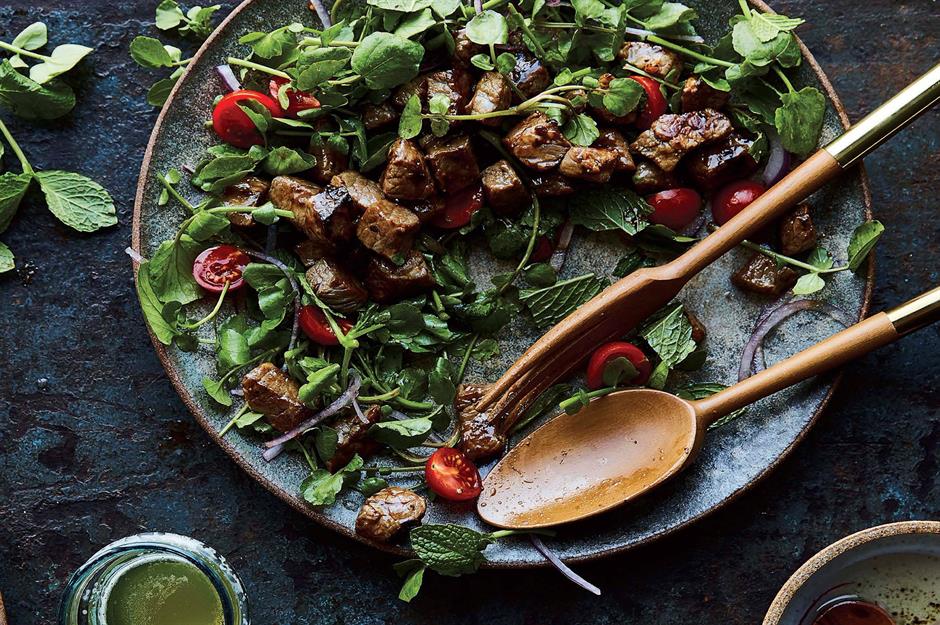
When the seared beef hits the greens of this Vietnamese salad, the leaves wilt slightly and the beef juices and dressing blend together into a tangy sauce. It's great spooned over rice or other grains.
Comments
Be the first to comment
Do you want to comment on this article? You need to be signed in for this feature