From the boomerang to the black box: Australian products that changed the world
Australian ingenuity at its finest

From the boomerang to the precursor to the modern refrigerator, black box flight recorder and even Wi-Fi, heaps of game-changing innovations have come from a land Down Under. Looking all the way back to the southern hemisphere nation's prehistory, read on to find out 30 of the most awesome Australian inventions ever.
Up to 50,000 years ago: Boomerang

Up to 40,000 years ago: Didgeridoo

Like the boomerang, the didgeridoo is synonymous with Aboriginal culture. Originally crafted from eucalyptus trunks or large branches hollowed out by termites, the didgeridoo may be the world's oldest woodwind instrument, though its origins aren't completely clear. While some experts believe the instrument dates back 40,000 years, the earliest archaeological evidence is just a few thousand years old.
Sponsored Content
1843: Mechanised grain stripper
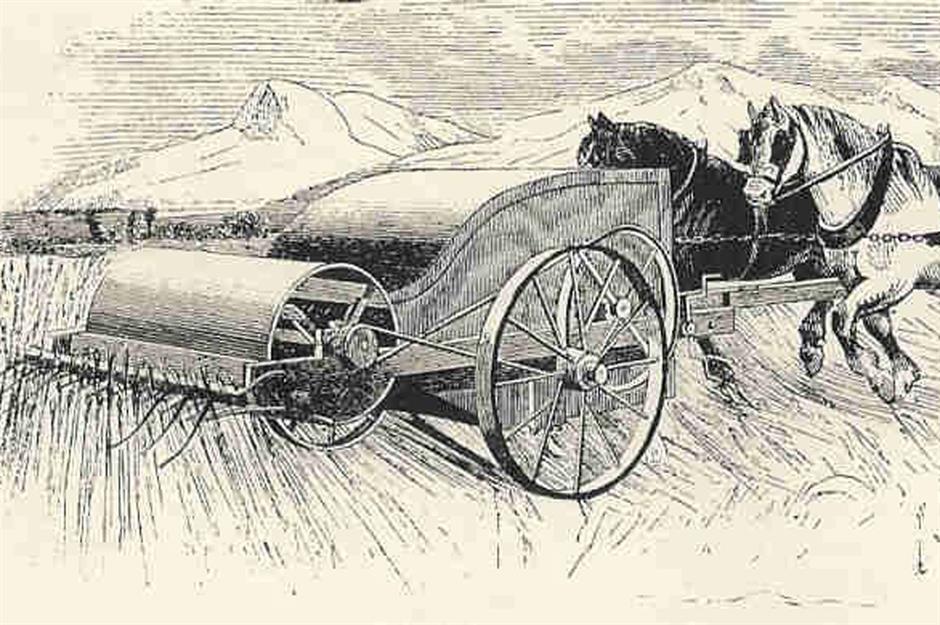
In 1843 miller John Ridley (who may or may not have been inspired by a model created a year earlier by John Wrathall Bull) manufactured the world's first mechanised grain stripper in South Australia. Capable of harvesting an impressive 28 hectares of wheat a week, the contraption was exported globally and provided the inspiration for the modern wheat harvester.
1851: Refrigerator
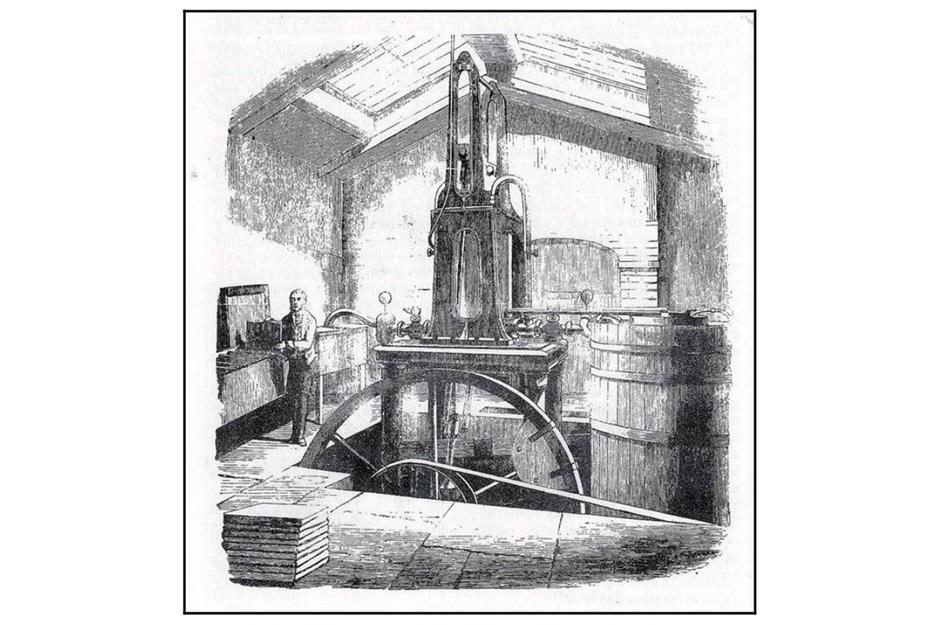
1856: Ballot box
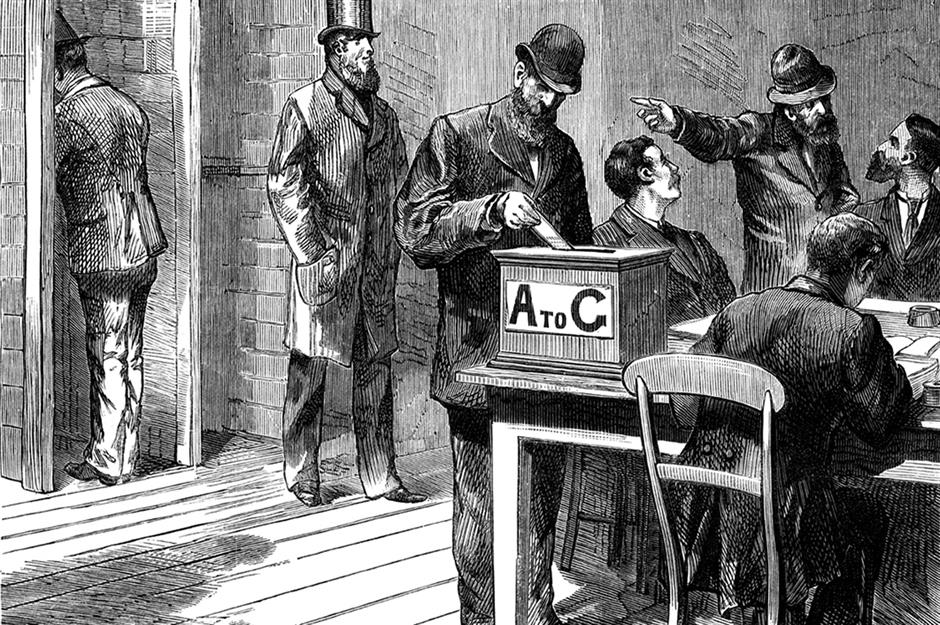
Sponsored Content
1868: Granny Smith apple
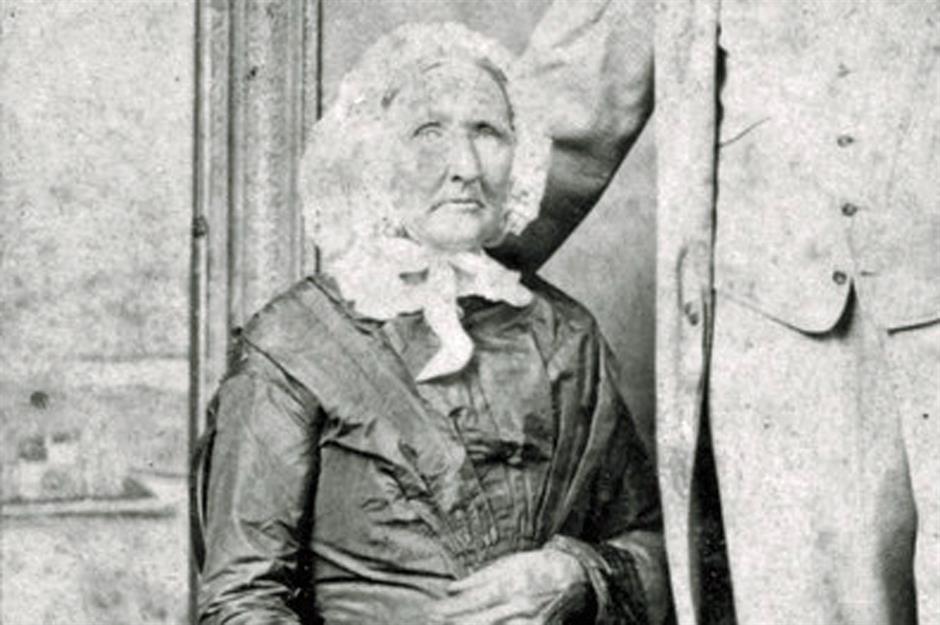
1877: Sheep-shearing machine
1889: Electric drill
Sponsored Content
1894: Powered flying machine
1902: Notepad
1906: Kiwi Boot Polish

Sponsored Content
1912: Tank
1920s: Clapperboard
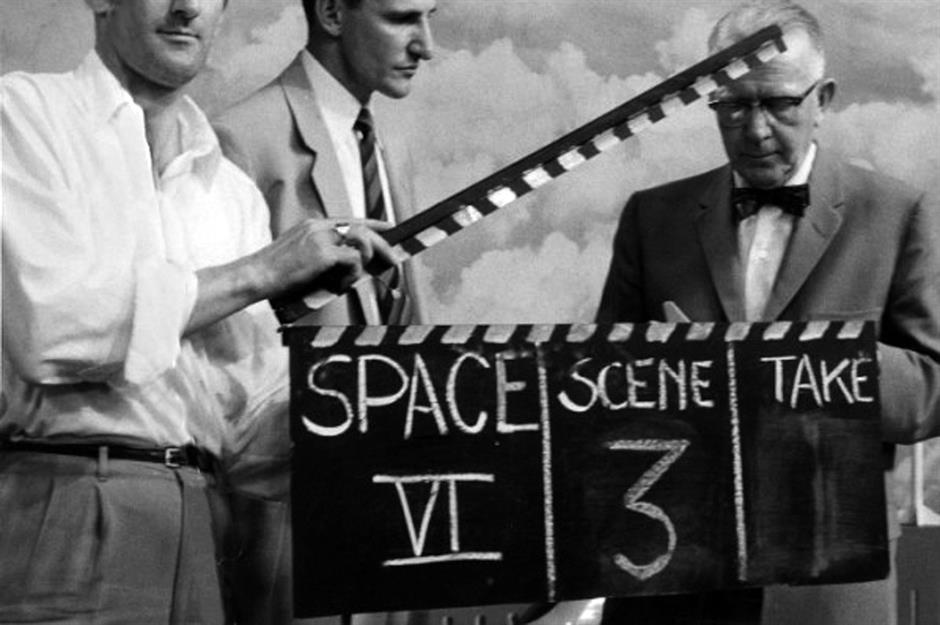
The humble clapperboard, which is used to synchronise picture and sound, is an essential piece of kit for filmmakers and video producers. Though you might think Hollywood invented the gizmo, it was actually first devised sometime during the 1920s by Australian movie pioneer F. W. Thring, who was the head of Melbourne's Efftee Studios. Incidentally, the world's first feature film The Story of the Kelly Gang was shot in Australia in 1906.
1926: Electronic pacemaker
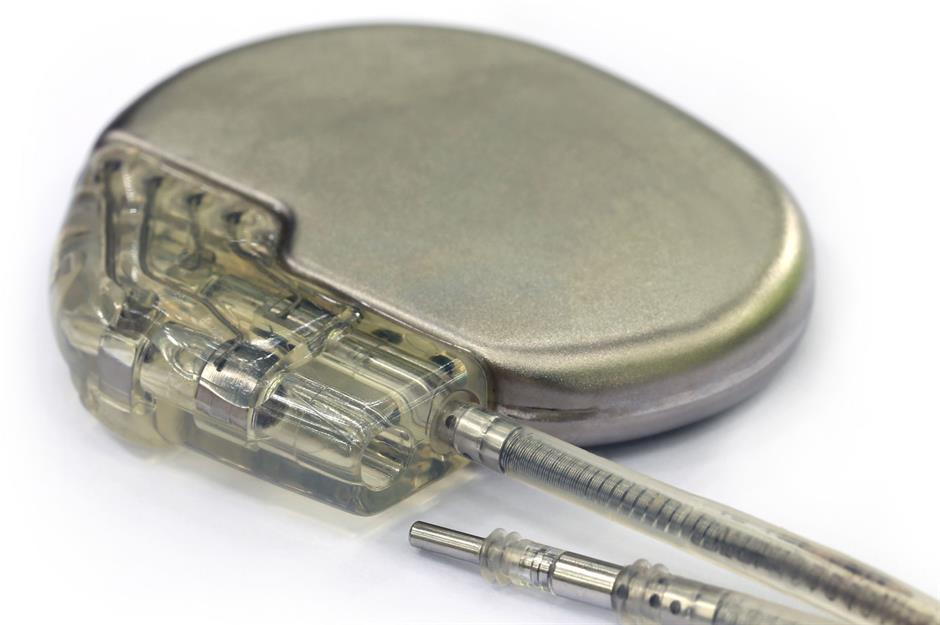
An Aussie invention that has gone on to save millions of lives worldwide, the electronic cardiac pacemaker was the brainchild of doctor Mark Lidwill and physicist Edgar Booth. The duo came up with the device in 1926, and it was first used in 1928 to successfully revive an infant in cardiac arrest.
Sponsored Content
1939: Commercial penicillin
1940: Zinc cream
1944/45: Distance measuring equipment

Sponsored Content
1949: Disposable hypodermic syringe
1953: Solar water heater
1953: Black box flight recorder
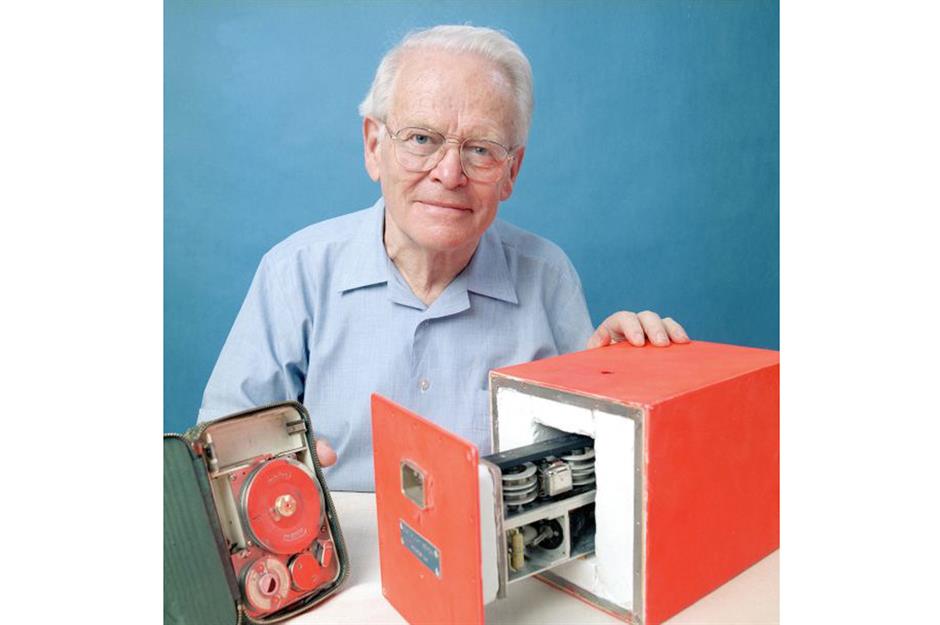
A spate of unsolved crashes of de Havilland Comet jetliners prompted Aussie researcher David Warren to come up with the idea for a device that could record cockpit sounds back in 1953. Warren, whose father perished in 1934 in a mysterious plane crash, created a prototype in 1956 and the gadget was commercialised not long after, improving airline safety considerably.
Sponsored Content
1957: Shrink- and crease-free wool
1960: Plastic spectacle lenses
1964: Disposable latex gloves

Sponsored Content
1965: Box/cask wine
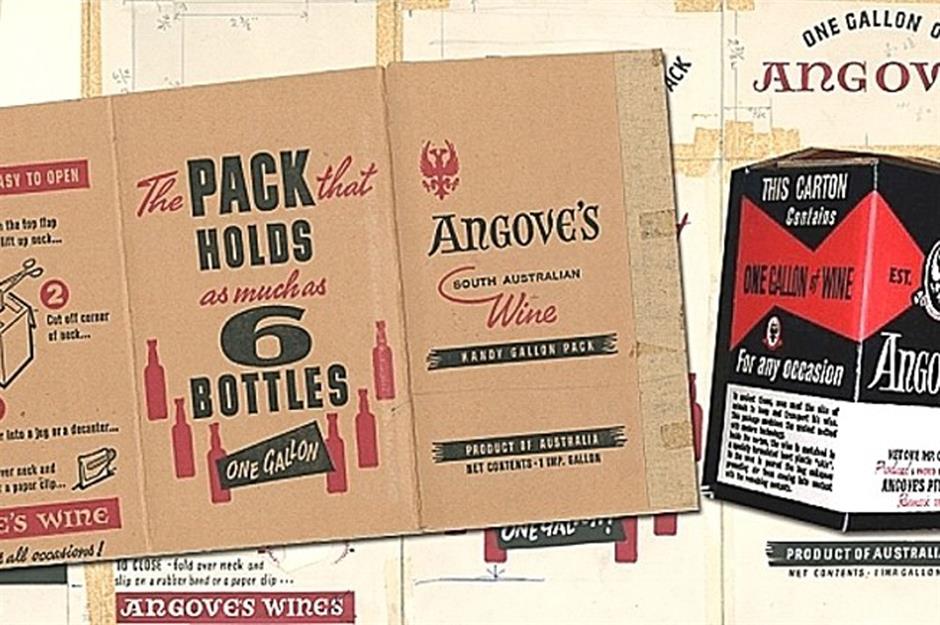
Dubbed 'Chateau Cardboard' or 'goon' on its home turf, box or cask wine may be sneered at by connoisseurs of the grape, but even they can't deny its ingenuity. The process for packaging vino in plastic bladders contained within boxes was invented and patented in 1965 by South Australian winemaker Tom Angove, who based his innovation on a bag in a box product containing battery acid.
1965: Inflatable escape slide and raft

1989: Zanamivir/Relenza
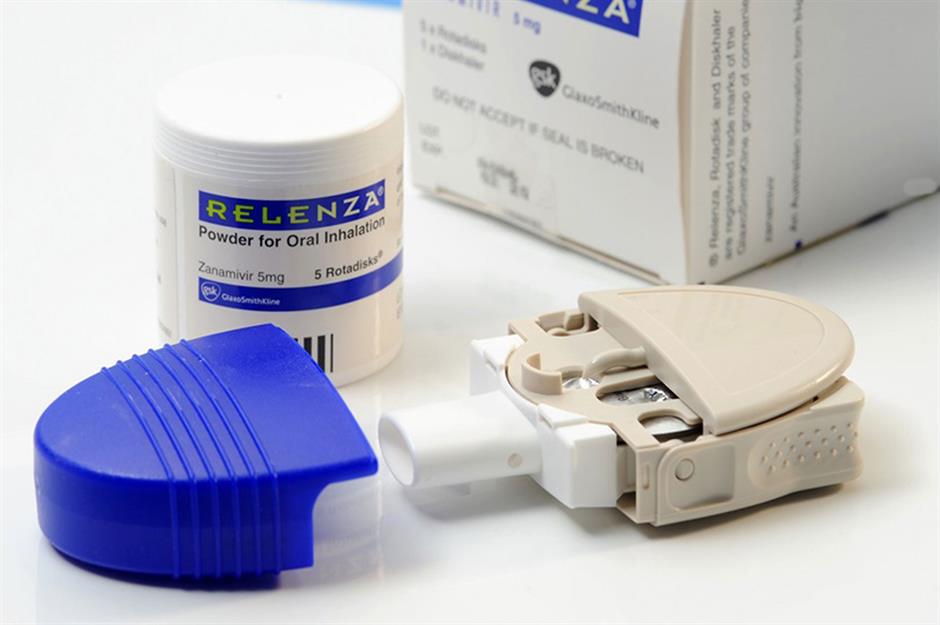
The world's first effective influenza treatment was invented in 1989 by a team of scientists from the Victorian College of Pharmacy and Monash University in collaboration with the CSIRO. While other flu-fighting medications including Tamiflu and Rapivab have since been developed, Zanamivir, which has the trade name Relenza, remains the best broad-spectrum flu drug on the market.
Sponsored Content
1988: Polymer bank note
1992: Wi-Fi

Where would we be today without Wi-Fi? Yet another marvel developed by the CSIRO, the groundbreaking technology was perfected in 1992 by a team led by electrical engineer John O'Sullivan, who chanced upon the breakthrough while researching equipment to detect black holes. The CSIRO has since raked in hundreds of millions of dollars thanks to its ownership of Wi-Fi patents.
1991: Extended wear contact lenses
Sponsored Content
1999: Spray-on skin

This near-miraculous method of reconstructing burn-damaged skin involves taking a culture of the patient's healthy skin, growing it in a lab and spraying the results on damaged areas. The technology was developed in the 1990s by Perth-based plastic surgeon and burns specialist Fiona Wood together with scientist Marie Stoner. To date it has been used to great effect on more than 1,000 patients including victims of the 2002 Bali bombings.
Now discover Australia's biggest private landowners