The world’s most amazing buildings at risk of falling down
Iconic architecture in need of repair
.jpg)
The Spanish Steps, Rome, Italy
.jpg)
Built in the early eighteenth century, the Spanish Steps, which link the Piazza di Spagna to the Piazza Trinità dei Monti, is one of Rome's most popular tourist attractions. The millions of sightseers who have traipsed up and down the steps over the years, however, have taken the toll. The stairs were closed for ten months in 2016 for a €1.5 million ($1.7m/£1.3m) clean and restoration. The bill for this was picked up by Italian jeweller Bulgari. The steps are now almost like new – until the next few millions of visitors have made them crumble again.
The Great Wall of China, China
.jpg)
Measuring more than 13,170 miles, over a third of the Great Wall of China has disappeared since construction began on it in the third century BC. This is down to natural erosion, tourists taking pieces of it home as souvenirs and locals stealing bricks to build houses. A crowdfunding campaign was set up in 2016 to raise $1.6 million (£1.1m) to help restore it. The work has begun, but some of the modern methods employed have sparked controversy.
Sponsored Content
The Eiffel Towel, Paris, France
.jpg)
The Eiffel Tower was built as a temporary structure to mark the 1889 Universal Exhibition in Paris. It might be still standing over a century on, but it's starting to show its age. The first floor was closed to the public for two years in 2014 and now a further €300 million ($330m/£270m) restoration project is underway. Some of this is going towards overhauling the original lift workings and modernising the lights, as well as improving security and the visitor experience.
Florence Cathedral, Italy
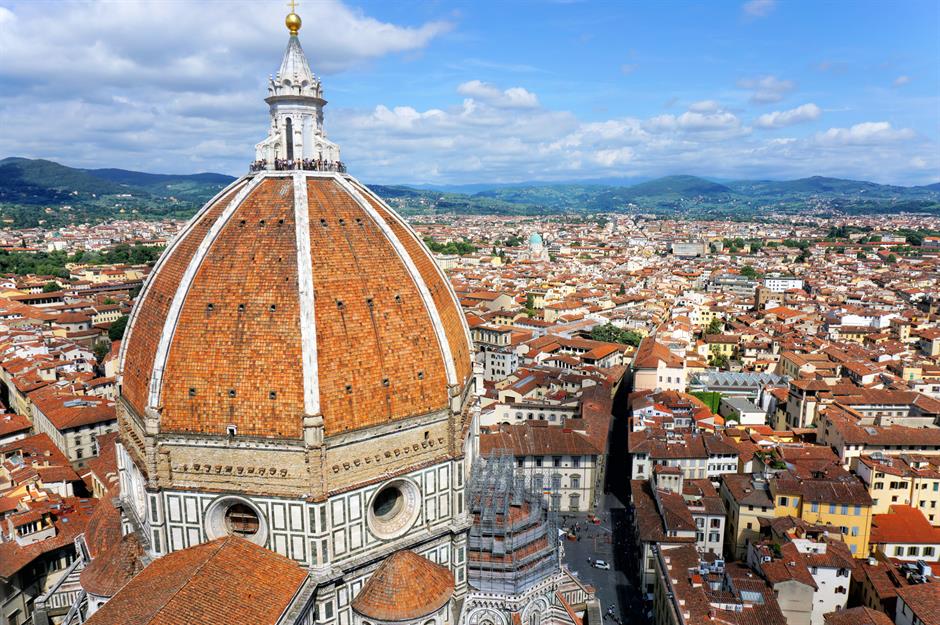
Constructed more than 500 years ago, the brick dome of Santa Maria del Fiore in Florence remains the largest ever built. However, the dome is cracking under its own weight and no-one knows exactly how it was constructed, as there are no sketches of the structure. Even though the cracks are meticulously monitored and the dome isn't expected to fall down any time soon, a solution to the restoration problem isn't in sight, let alone how much it would cost. Scientists are currently using cosmic rays to collect data about the exact architecture.
The Taj Mahal, Agra, India
.jpg)
The Taj Mahal is almost 400 years old and, unsurprisingly, it has started to look its age. All is not lost though; all it actually needs is a mud pack. Packs of non-abrasive and non-corrosive mud have been started to be applied to its marble to restore its whiteness and gleam. The cost of the eco-cleaning process, which is carried out bit by bit, has not been made public but is thought to be significant.
Sponsored Content
Buckingham Palace, London, England
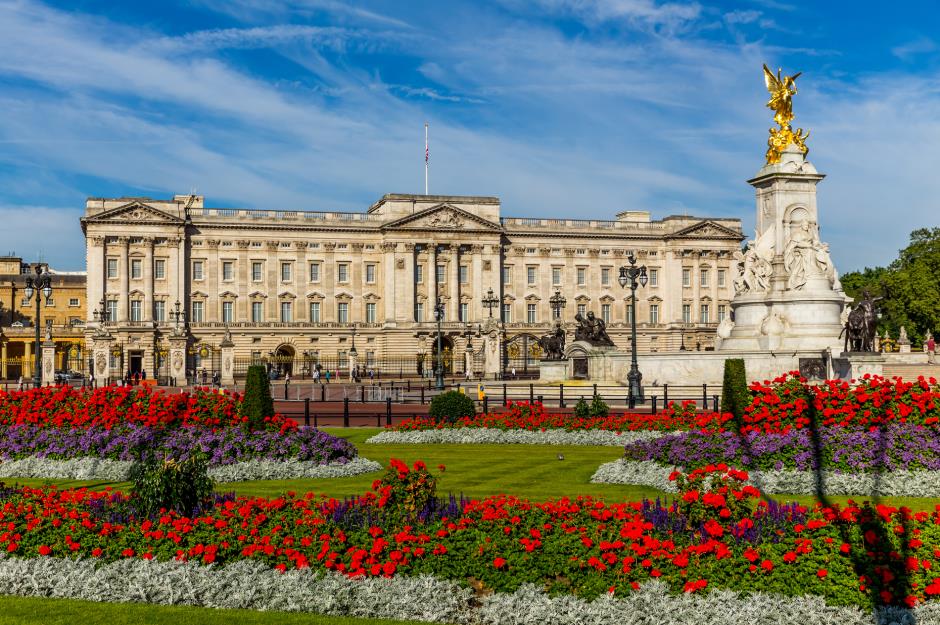
Queen Elizabeth II's official London residence Buckingham Palace is currently in the middle of a 10-year renovation programme to restore its crumbling structure and replace its boilers, much of its wiring and pipework. Dating back to the 17th century, the property hasn't been decorated since the 1950s. The works are estimated to be costing $495 million (£370m). Restoration of the Queen's bedroom is planned from 2025.
Angkor Wat, Cambodia
.jpg)
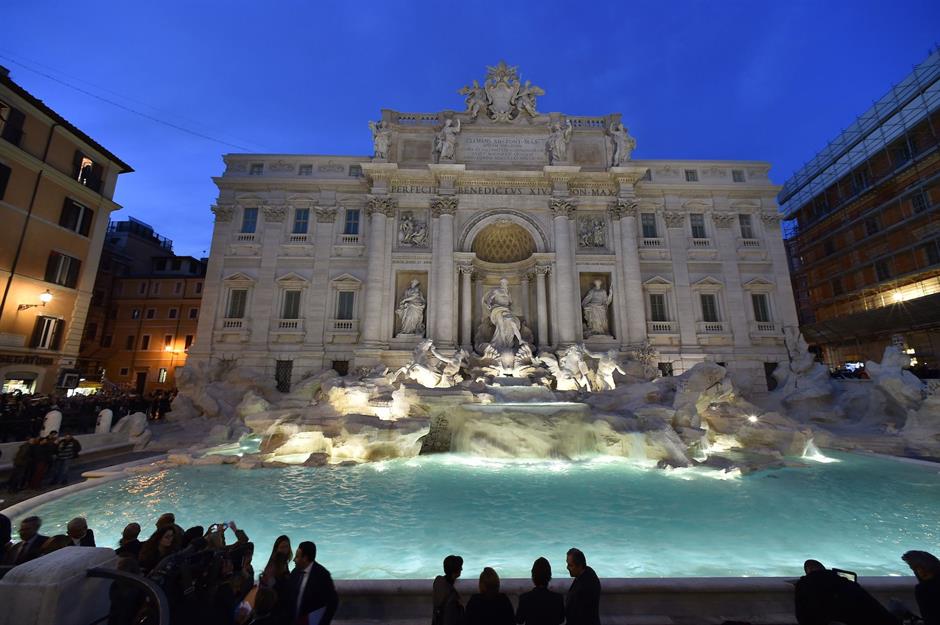
The Trevi Fountain, Rome, Italy
Sponsored Content
Colosseum, Rome, Italy
.jpg)
Palace of Versailles, France
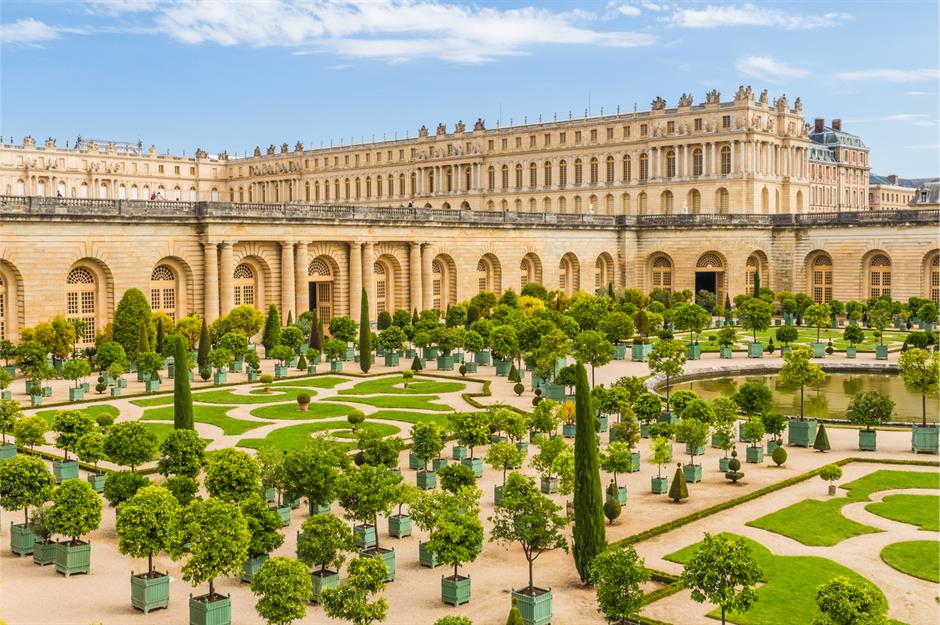
The restoration of the Palace of Versailles is a never-ending job. Since 1978, the French government has spent millions of dollars restoring the hundreds of rooms in the main building and those rooms in the Petit and Grand Trianons. The living quarters of the palace's royal tenants have also been overhauled, as have the gardens. After the restoration of the Queen's library the Royal Chapel is now one the latest areas to have the builders in and due to be finished in 2020.
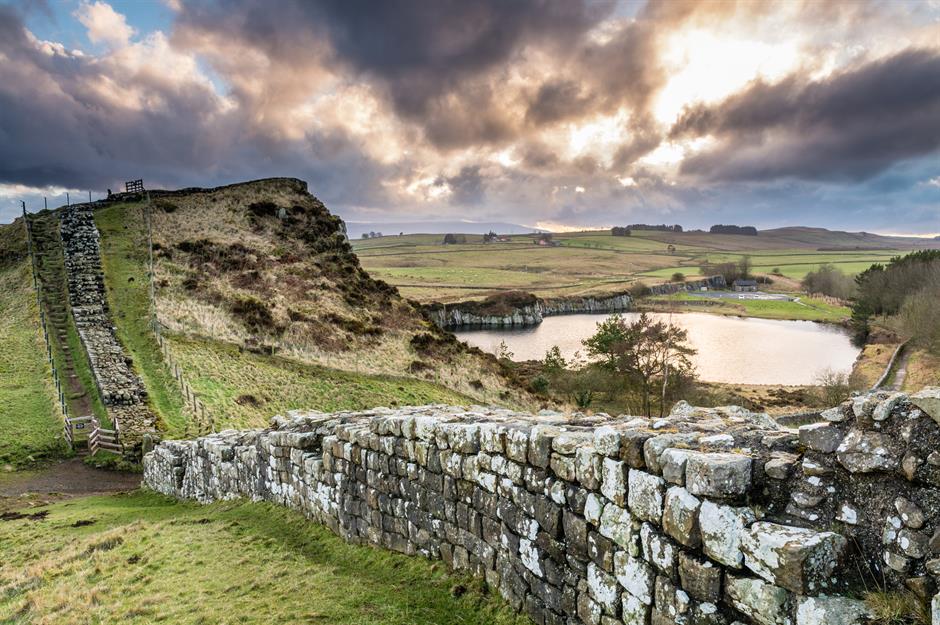
Hadrian's Wall, England
Sponsored Content
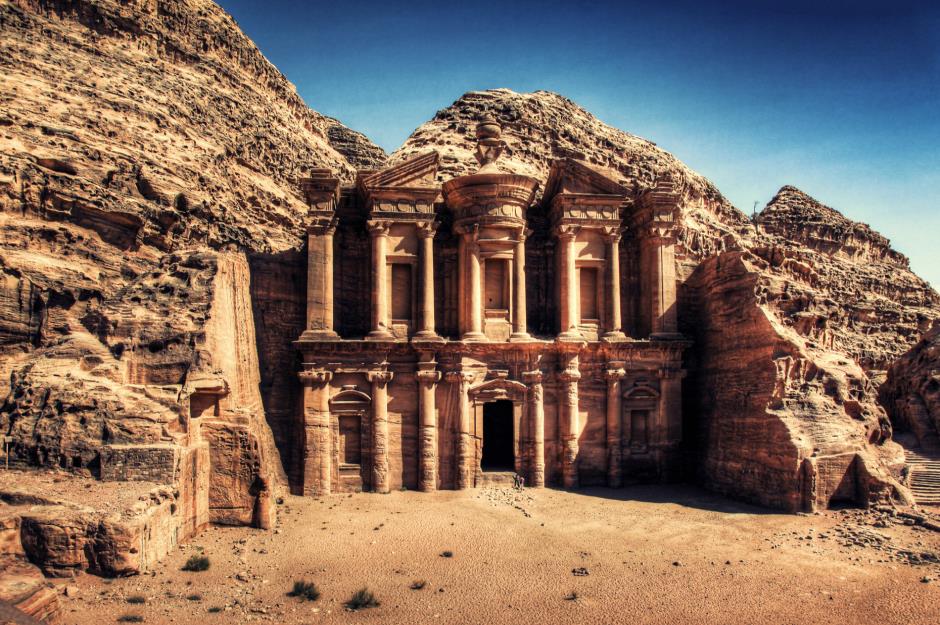
Petra, Jordan
The Houses of Parliament, London, England
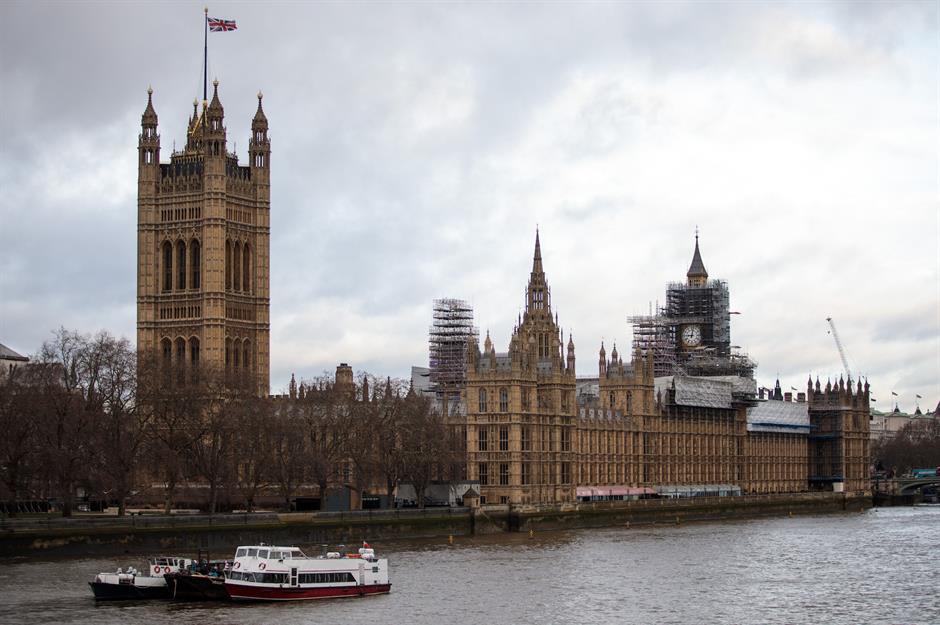
It is estimated that repairs to the UK's Houses of Parliament will cost between $4.3 billion (£3.5bn) and $6.9 billion (£5.6bn). The essential restoration works are required to reduce the risk of fire, fix damp and leaks and replace cabling. The parliament will even have to move out to temporary premises while the work is carried out, which is estimated to start in 2025 at the earliest. The bill is so vast that parliamentarians have questioned whether a cheaper solution could be found. Repairs to the iconic clock tower that houses the famous Big Ben bell have already begun (pictured).
The Hanging Gardens of Babylon, Iraq
Sponsored Content
The Acropolis of Athens, Greece
.jpg)
The Royal Palace, Caserta, Italy
.jpg)
Djingareyber Mosque, Timbuktu, Mali
.jpg)
Sponsored Content
Pompeii, Italy
The House of Wonders, Zanzibar
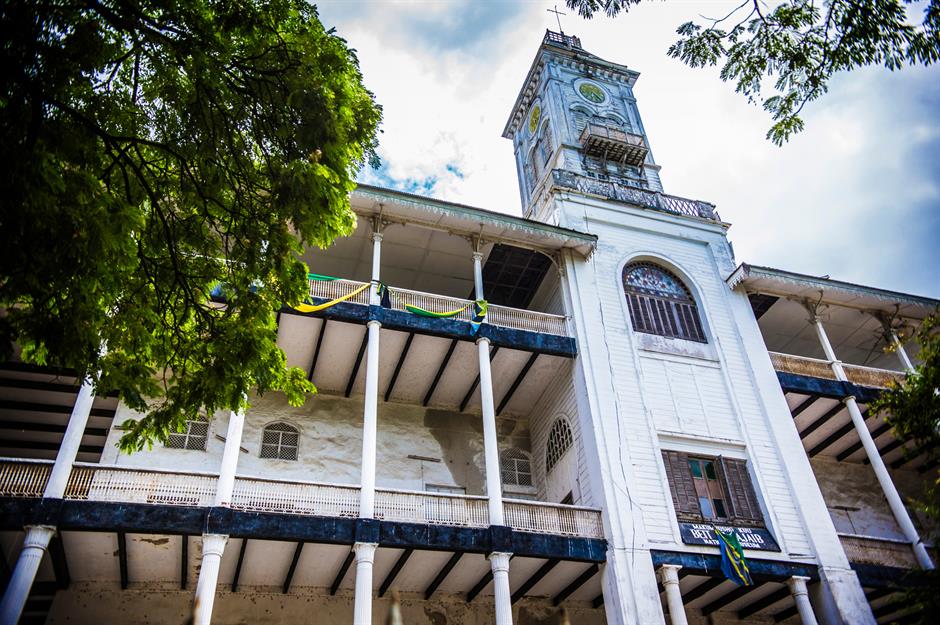
Built in the late 19th century, the House of Wonders was one of East Africa's most modern buildings at the time and the first to have electricity and a lift. It was made a UNESCO World Heritage site in 2000 and most recently operated as the Museum of Zanzibar focusing on Swahili culture. However, in 2012 part of the eastern corner of the building collapsed and the museum moved to a different location. The house is now closed to visitors due to disrepair, still awaiting a costly repair operation.
Fort Santiago, Manila, The Philippines
.jpg)
Built by the Spanish in the 16th century and heavily shelled during World War II, it was feared that the ancient building of Fort Santiago in Manila could become a shopping mall as commercial advancement was taking over. Some of the old moats surrounding the building were filled and turned into a golf course. Now there is more local interest in preserving the Fort as a historical artefact and restoration works have been carried out in recent years.
Sponsored Content
The Alhambra Palace, Granada, Spain
Neuschwanstein Castle, Germany
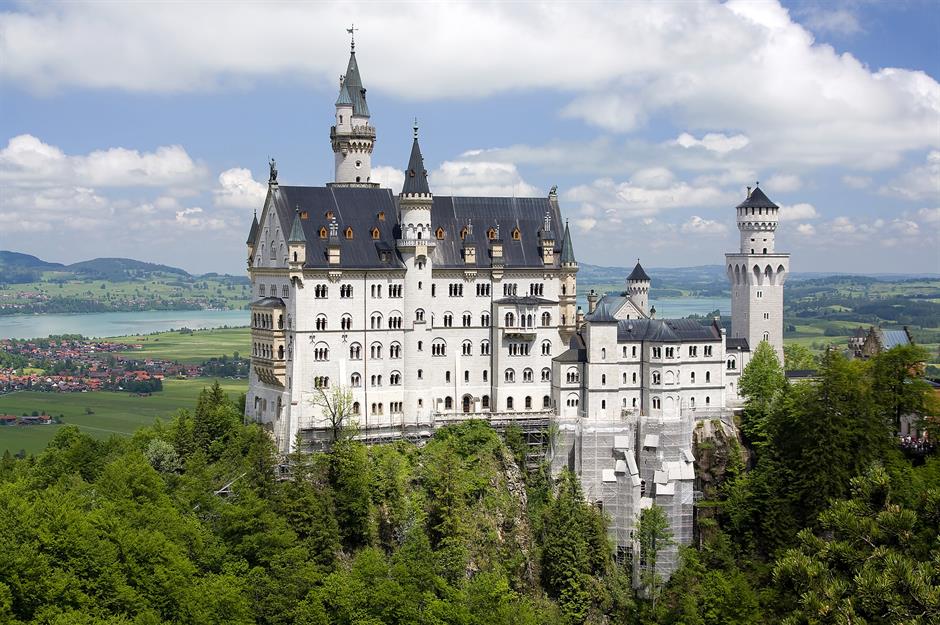
King Ludwig II's Neuschwanstein Castle is what fairytales are made of, but around 1.5 million people visit it every year and all that footfall has taken its toll. Sunlight has also damaged the furnishings and fabrics and the harsh mountain weather has eroded some of its limestone facade. A €20 million ($22m/£18m) restoration project is now underway to restore it to its former glory; this is due to be completed in 2022.
San Miguel Mission, California, USA
.jpg)
Sponsored Content
Castle of Good Hope, South Africa
.jpg)
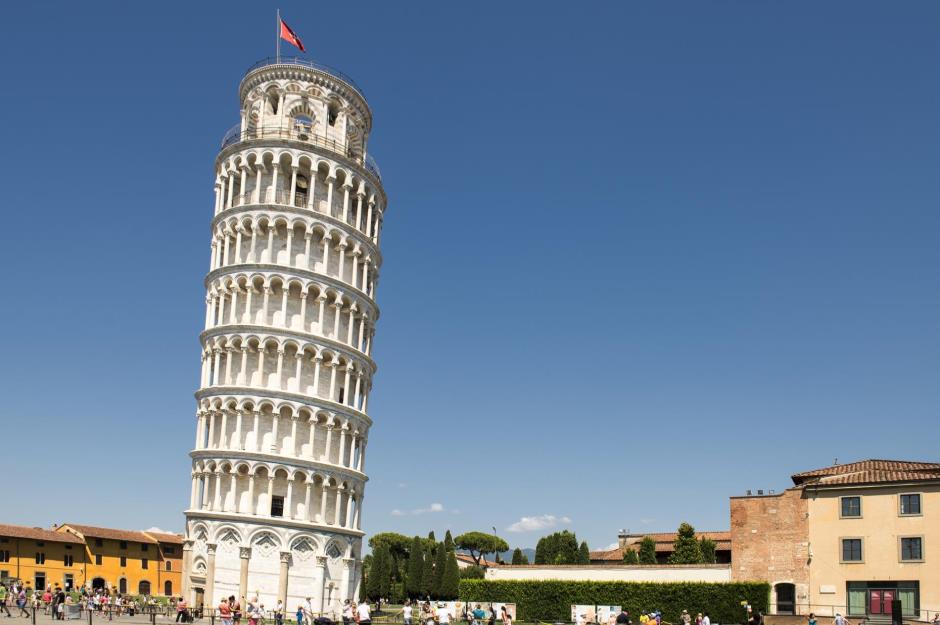
The Leaning Tower of Pisa, Italy