Real retirement ages around the world revealed
How do average retirement ages compare globally?

The official retirement age is slowly creeping up in most countries as governments try to balance stretched public finances with supporting their older populations. But while many governments want people to work until they're 67, the age at which people actually retire is often lower than you might expect.
Using the latest data from the Organisation for Economic Cooperation and Development (OECD), click or scroll on to find out which major countries have the highest and lowest retirement ages.
South Africa: 53.55 years

The average South African will retire shortly before turning 54, and the effective labour market exit age has been dropping steadily in recent years.
The government doesn't impose an official age as such, so it's left to employees to liaise with employers to find an "agreed" age of retirement. That said, the Government Employees Pension Fund (GEPF) does provide for specific retirement ages, starting from 55 years.
Türkiye: 60.65 years
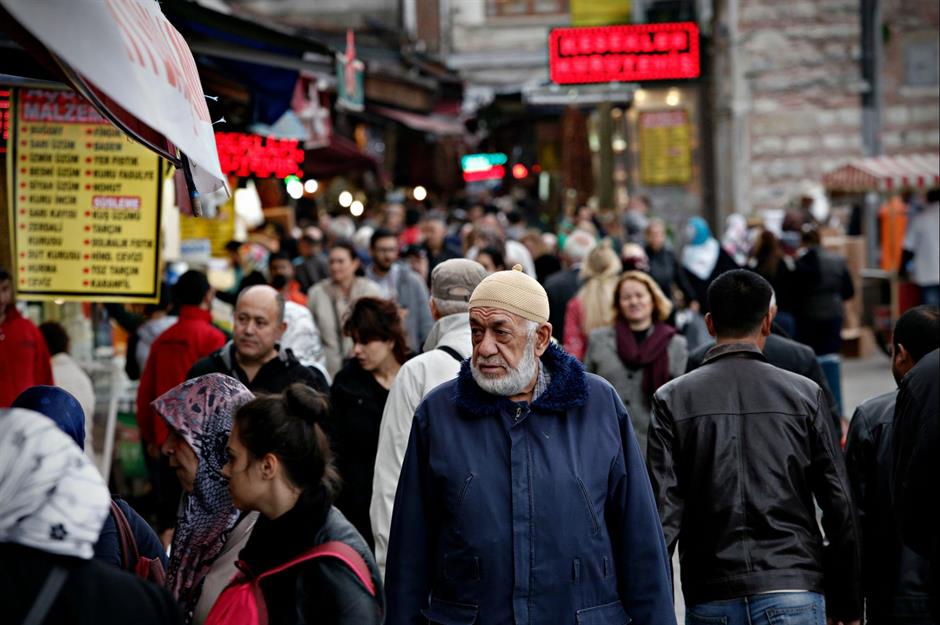
Türkiye doesn't have a specific retirement age, with President Erdogan eliminating the previous retirement ages of 60 for men and 58 for women in December 2022. Instead, a worker's retirement eligibility is now calculated based on the length of their social security-registered working life, a move which enabled over two million Turkish employees to retire immediately after Erdogan's announcement.
The average man in Türkiye retires at 60.8 while the average woman retires at 60.5, giving an overall average of 60.65.
Sponsored Content
Belgium: 61.5 years
The official retirement age in Belgium is 66 years as of 2025, and it's set to increase to 67 years in 2030. It stood at 65 just a few years back and has been creeping up, a trend common across many OECD nations. The average effective age for men is 62.4, while women tend to leave work at 60.6.
To keep more people in the workplace longer and ensure the pension system's financial sustainability, the government has introduced stricter early-retirement criteria, requiring a minimum of 42 years of service before the state pension can be drawn. Bonuses are also available for workers who voluntarily delay retirement past the statutory age.
Austria: 61.95 years

The official pension age in Austria is 65 years for men and 60.5 for women, rising gradually to 65 by 2033.
Austrian women tend to work slightly longer than the current age and will typically retire at 61.2, while men leave work at 62.7, giving an average effective retirement age of 61.95.
France: 62.15 years
In France, men retire at an average age of 61.9 while women retire at 62.4. This gives an average retirement age of 62.15.
Retirement age remains a contentious issue in France, stemming from a deeply unpopular 2023 legislative push by President Emmanuel Macron to raise the statutory retirement age from 62 to 64. Massive protests and civil unrest derailed the move, and amid political gridlock, the planned age increases have been delayed until after the 2027 presidential election.
Sponsored Content
Poland: 62.55 years

Bucking the global trend, the Polish government slashed the retirement age from 67 to 65 for men and 60 for women in 2017.
The move by the right-wing Law and Justice Party proved popular with voters, especially after the previous government had increased the retirement age in 2012. Most Polish men actually work until they're 63.7 years old, whereas the average Polish woman stops working at 61.4 years.
Spain: 62.7 years

The official retirement age in Spain – whose residents have one of Europe's highest life expectancies at 84.3 years – is gradually increasing and will reach 67 in 2027. However, on average, Spanish people retire at 62.7 years, with men retiring at 62.4 and women at 63.
Like most European governments, the Spanish government has been under pressure to carry out pension reforms to qualify for EU post-pandemic recovery funds. Unions threatened to strike over the age increase but backed down after the government said workers could still retire at 65 if they had a specific number of years’ worth of contributions, a figure that will hit 38.5 years in 2027.
Greece: 62.8 years

On average, Greek men retire at 63.7, while Greek women stop working at 61.9. It was little wonder that authorities sparked protests when they raised the official retirement age by two years to 67 in 2012.
The age increase was part of austerity measures introduced after other European nations bailed out the country due to its debts. Some creditors across the continent resented helping the Greek government when many citizens were drawing pensions in their 50s.
Sponsored Content
Italy: 63.3 years

The average retirement age for men in Italy is 64, while women typically work until they're 62.6. The 'Quota 100' early retirement scheme, introduced in 2019 by the coalition government, allowed individuals to retire at 62 with 38 years of contributions and was a temporary three-year pilot that's since concluded.
Today, the official statutory retirement age is 67 for both men and women.
Liking this? Click the Like button above. And click the Follow button above for more great stories from loveMONEY
UK: 63.45 years
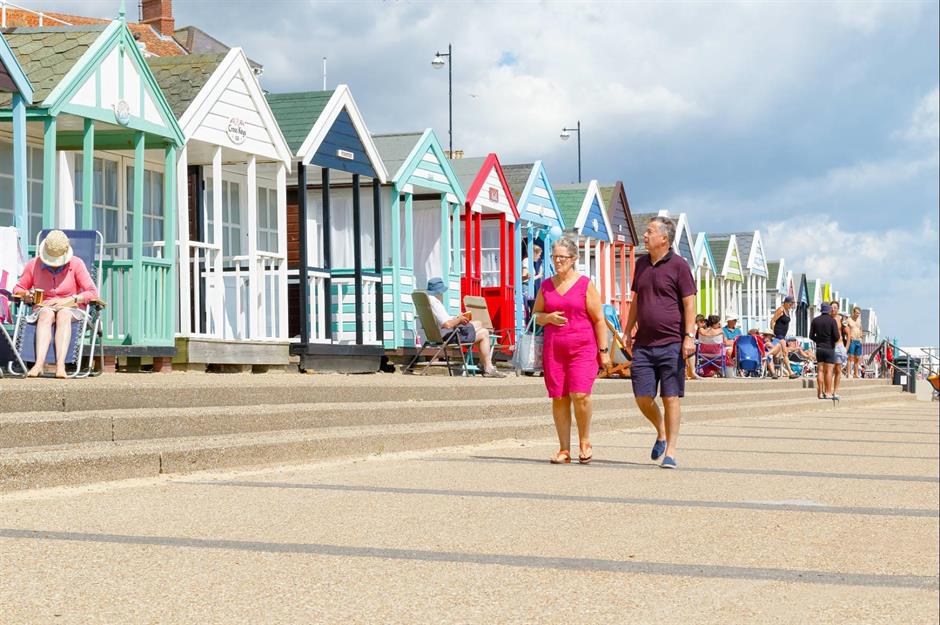
The retirement age in the UK is currently 66, but will rise to 67 by 2028. Men typically retire at 63.8 years on average, while women finish slightly earlier at 63.1.
Women also saw a controversially steep rise in their pension age from 60 to 65 in 2018, and both sexes saw the state pension age increase to 66 in October 2020. There are plans to increase the official retirement age to 68 by 2046.
Norway: 63.7 years
Norway’s state pension age has been 67 for men and women since the 1970s. Despite this, most men stop working at 64 years, while women retire even earlier at 63.4.
The retirement age is flexible for earnings-related pensions, which Norwegians can draw from as early as the month after their 62nd birthday. While some experts have suggested gradually increasing the retirement age, there are no confirmed plans to do so.
Sponsored Content
Germany: 64.05 years

German men tend to retire at 64.2 years old, while German women retire slightly earlier at 63.9. The country has raised the retirement age to 67 for those born in 1964 or later. According to a 2021 report from Germany's Federal Ministry of Economics' advisory council, this was partly to tackle "shocking increases in financing issues for the statutory pension system from 2025 onwards".
The German government has discussed further reforms to link the retirement age directly to life expectancy and potentially raise the standard retirement age to 70 in the future, although there's currently no sign this will be adopted.
Canada: 64.2 years

Canadians can draw a means-tested state pension from age 65 if they've lived in the country for 40 years. The system is flexible, with workers able to take less money from age 60, or receive a higher pension if they delay it until their late 60s.
The average age is slightly below the official one, with men retiring at 65.2 and women at 63.2, putting the overall retirement age at 64.2 years.
Switzerland: 64.35 years
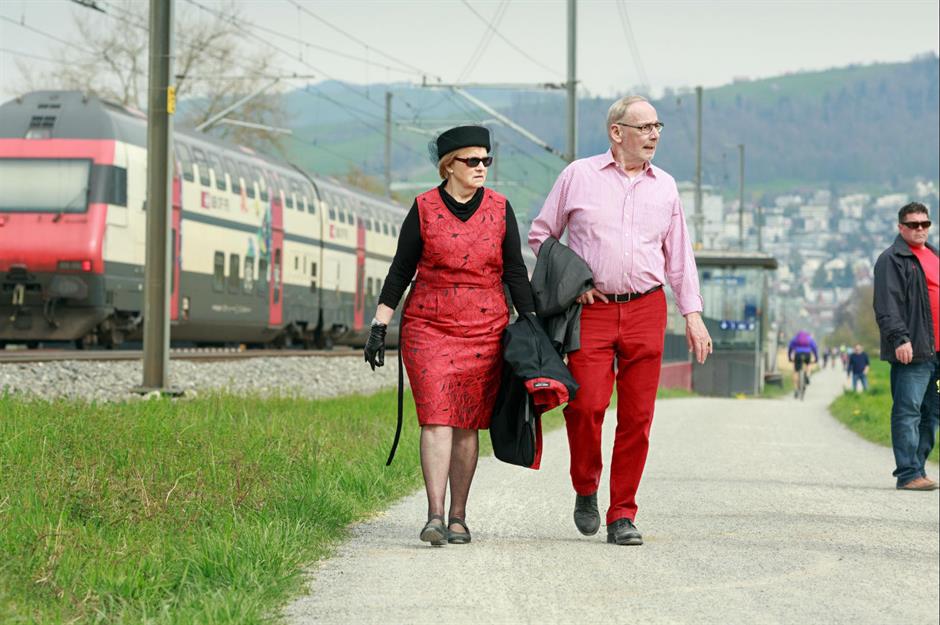
In Switzerland, the average effective retirement age is 64.2 years for men and 64.5 for women, making an overall average of 64.35. This sits roughly in line with the official retirement age of 65 for men and 64 for women.
However, like Canada, the Swiss state offers a flexible pension age, and pensions can be drawn much earlier but with lower entitlements. They can also be accessed up to five years later, with bigger payments.
Sponsored Content
Australia: 64.65 years

While Australia doesn't have a mandatory retirement age, recent changes mean both men and women can't start drawing their state pensions until 67. The Liberal Party previously tried to increase the retirement age to 70, but this idea was scrapped when other parties shied away from an even bigger hike.
At what age does the average Australian actually step back from work? Men retire at 64.9 on average, while women stop working at 64.4, making the average retirement age 64.65 years.
Netherlands: 64.85 years
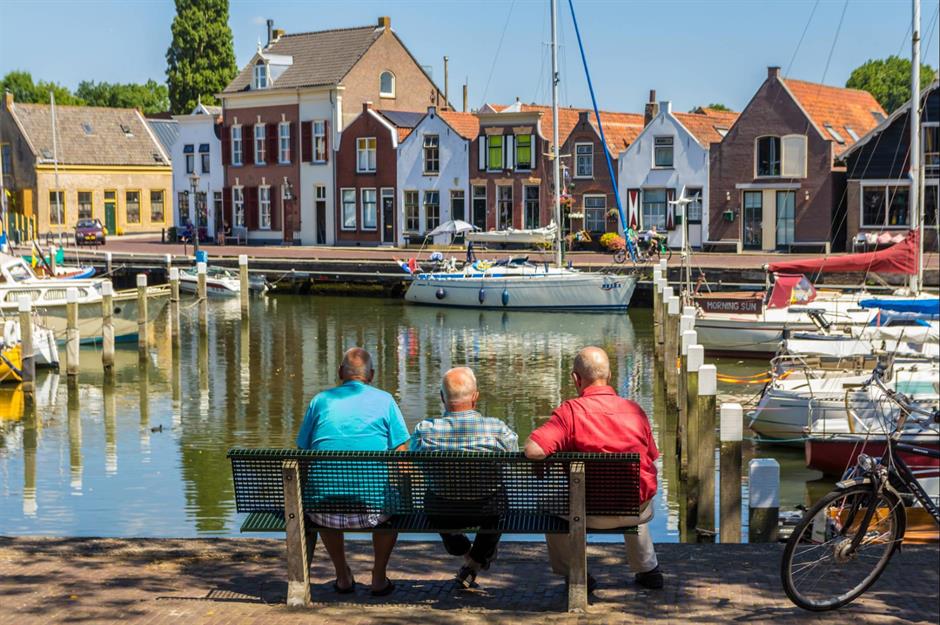
Men and women in the Netherlands can currently retire at 67 years. However, the real average retirement age is lower, at 64.85 years old (65 years for men and 64.7 for women).
The government has gradually increased the official retirement age in recent years, amid concern over the costs of an ageing population. It's also trying to incentivise citizens to work longer, with higher contributions for those still employed above pension age and bonuses for the employers who hire them.
Ireland: 66.05 years

Men and women in Ireland can draw their pension from age 66, with most men retiring at 66.1. Women typically leave work slightly earlier, retiring at 66 years on average, although that number has climbed in recent years.
The retirement age was due to rise to 68 from 2028, which would have made it one of the highest in the world. However, this measure was scrapped in 2020.
Sponsored Content
Mexico: 66.75 years

Mexico’s official retirement age is 65 for both men and women. In reality, the typical man leaves work at 67.8 years, while the average woman works until 65.7, for an average age of 66.75.
Workers can retire early between the ages of 60 and 64, though not everyone will find this easy. According to data from CONEVAL, Mexico's National Council for the Evaluation of Social Development Policy, an estimated 31% of elderly Mexicans are officially considered poor. However, recent changes to the social pension, including a universal provision, have seen this figure drop from 42% in 2018.
New Zealand: 66.9 years

There's no official retirement age in New Zealand, although pension payments start at age 65. On average, men and women work beyond that age, with both retiring at 66.9
Various New Zealand politicians have floated plans to increase the pension age to 67 in the 2030s, although these have yet to come to fruition.
USA: 67 years

In America, anyone born between 1943 and 1954 can retire at 66, while those born after 1960 must work until 67. The retirement age will increase gradually up to 67 for those born in between. However, on average, American men retire at 67.3 years, while women retire at 66.7.
The average retirement age has been climbing steadily in recent years, and may be partly due to declining confidence in the retirement system. The Wall Street Journal recently revealed that just 61% of workers think they have enough money to live comfortably through retirement, down from 72% in 2021.
Sponsored Content
Japan: 67.15 years

It's not surprising that Japan's citizens work until they're 67.15 years old on average, even though the official retirement age is 65. After all, the nation has one of the highest life expectancies in the world – not to mention one of the oldest populations.
Japanese men typically work until they're 66.9 years old, while the average woman retires at 67.4 years. Japanese citizens can retire at 60, although companies are legally required to provide continued employment or re-employment options until 65.
Iceland: 67.3 years
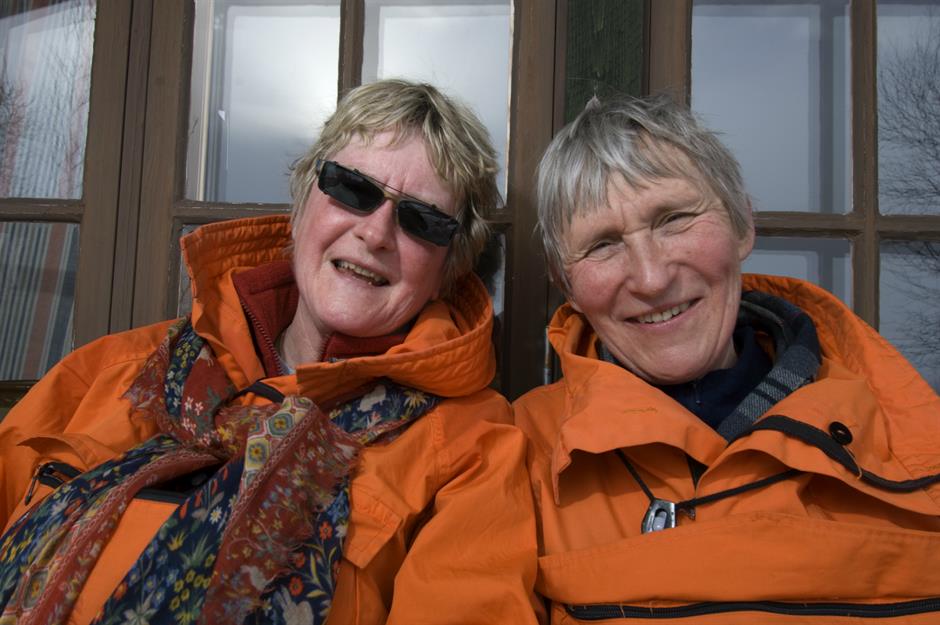
Icelandic men and women have some of the longest life expectancies on the planet – though they also have to work until they're 67, with full pensions based on at least 40 years’ residency in the country.
The retirement age is slightly younger for public sector workers, who can leave the workforce at 65. Most men actually stop working at 68.7, while the average woman works until she's 65.9, resulting in an overall average retirement age of 67.3 years.
Liked this? Click the Like button above. And click the Follow button above for more great stories from loveMONEY
Now discover the countries that will rule the world in 2040