Are we overworked? How the average UK work week compares to other countries
Are you putting in more hours than most?

The working week is shrinking in many countries as innovations like automation and AI turbo-charge productivity, and people place more emphasis on work-life balance. But the typical time spent on the job varies wildly across the world, even among OECD (Organisation for Economic Co-operation and Development) nations. While some countries have pretty much gone part-time, others continue to celebrate gruelling job schedules as a badge of honour and a marker of success.
Ready to see where you stand? Click or scroll on for the average weekly hours worked in 21 selected OECD nations based on the latest data, starting with the longest...
Colombia: 45.7 hours on average

Colombians get a raw deal work-wise, typically toiling an arduous 45.7 hours a week, well above the OECD average of 36.9. The nation also clocks the longest hours per worker, per year among OECD countries at 2,252. The good news is that the numbers have been steadily falling since at least 2010 and are set to drop even more dramatically.
Thanks to a law passed in 2021, Colombia has been reducing its standard working week from 48 to 42 hours in increments since 2023, all while maintaining employee salaries and benefits. The final adjustment came into effect in July 2026.
Türkiye: 44.9 hours on average
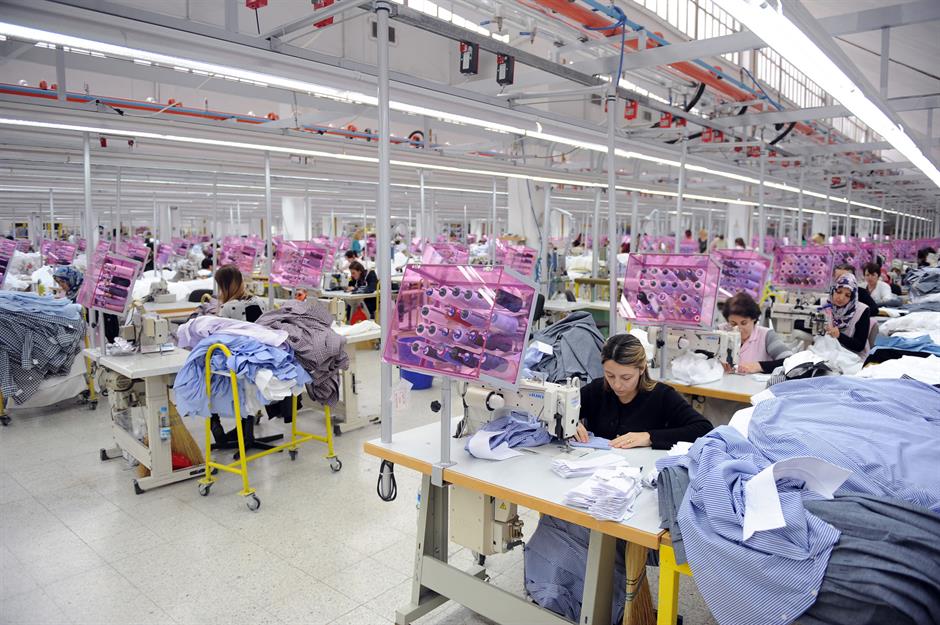
The standard working week in Türkiye is legally set at 45 hours, the longest in Europe. Since wages are among the lowest on the continent, many workers, particularly those on lower incomes, have to work six days a week to make ends meet, with the average figure bumped up by overtime.
Fortunately, the typical number of hours worked per week has been trending down in the country for years – the figure topped 50 back in 2010 – and the Turkish government is now considering plans to bring it below 40 hours, although legislation remains at draft stage.
Sponsored Content
Mexico: 44.3 hours on average

Mexico's official working week is even longer at 48 hours. The average has hovered stubbornly around 45 hours for the past 15 years or so, and the mean number of hours worked per worker per year remains super-high at 2,228.
A constitutional reform passed by the government in March 2026 is gradually reducing the maximum limit to 40 hours by 2030. The first reduction of two hours comes into effect in 2027.
Chile: 41.7 hours on average

Chileans also work long hours, averaging 41.7 hours a week and 1,953 hours per year. As in Mexico, paid time off is relatively meagre in Chile, coming in at only 20 days annually. That said, the country is also transitioning to a shorter standard working week.
The number of weekly hours is being cut from 45 to 40 in accordance with Chile's new labour law, with the change set to take full effect by 2028.
Portugal: 39.4 hours on average

Portugal is an interesting anomaly. The average number of hours worked per individual each year is surprisingly low at 1,769, given the typical weekly figure of 39.4 hours and a standard 40-hour working week.
Paid leave and other absences aren't included in the weekly total, which helps explain this discrepancy – Portugal has very low levels of presenteeism and paid leave is generous. Looking ahead, the government has been seriously exploring plans to introduce a four-day week.
Sponsored Content
Poland: 39.3 hours on average

The standard working week is 40 hours in Poland as well, though the average figure is slightly lower at 39.3 hours. The number hasn't actually strayed far from 40 over the past 15 years, though a marked change could be coming.
The Polish government recently implemented a pilot scheme to reduce working hours without decreasing salaries and benefits. Employers in the trial will have options to achieve this by working a four-day week, working shorter hours per day or by increasing holiday entitlement. The scheme will run through 2026, with final reporting due in 2027.
Greece: 39.1 hours on average

Bucking the global trend, Greece introduced a 48-hour, six-day working week for some industries in 2025 in a bid to address worker shortages and muted productivity. Needless to say, the move has attracted plenty of criticism, with trade unions blasting it as “barbaric”.
The average number of hours worked per week has reached its highest level since 2011, so the change must be sending shockwaves through the country's workforce, though substantial overtime rates are no doubt taking the edge off the extra work.
USA: 38.2 hours on average

Long-hours work culture reigns supreme in America, though the average weekly tally stands at 38.2 hours, fewer than the 40-hour standard. Yet the typical number of hours put in per worker each year is comparatively high, totalling a hefty 1,805.
Americans aren't entitled to paid leave by law, nor is pay mandated for the country's federal holidays. Time off work is generally fleeting. Plus, the weekly figure also omits second jobs, a common reality for many Americans who juggle a side hustle or two. A new bill introduced into Congress in September 2026 is seeking to move the US toward a 32-hour standard workweek, with supporters arguing that workers should benefit from productivity gains linked to AI and automation.
Sponsored Content
New Zealand: 37.4 hours on average

The average working week has actually lengthened in New Zealand since 2012, when the figure stood at 37 hours, though the standard remains at 40. The share of employees working very long hours has reached 14% in the country, above the OECD average of 10%, and a 2023 study found that New Zealanders are under huge pressure to put in long days at work.
Change could be afoot, however. High-profile companies from various industries have introduced a four-day working week and other measures, including unlimited paid annual leave, to improve work-life balance for their staff and attract new talent.
Liking this? Click the Like button above. And click the Follow button above for more great stories from loveMONEY
Spain: 36.5 hours on average

Spain's working week clocks in at 36.5 hours on average. Again, the standard is 40 hours. Spanish employees enjoy a substantial number of paid leave days, but they are only entitled to sick pay after three days of absence and then at a reduced rate. This could explain the relatively low levels of absenteeism in the country.
A government proposal to reduce the statutory limit to 37.5 hours was rejected by lawmakers, but a four-day week trial in Valencia proved successful and is influencing broader discussions.
UK: 36.4 hours on average

At 36.4 hours, the UK's typical working week has changed little over the past 15 years. A long-hours work culture has persisted, and the country grapples with presenteeism. But while the UK government isn't planning to cut the standard 40-hour working week, it has expanded flexible working rights, and the private sector is going full steam ahead with the four-day working week.
Over 250 UK firms officially offer a permanent four-day working week with no loss of pay, while over a million workers report working full-time hours compressed across four days.
Sponsored Content
Italy: 36.3 hours on average
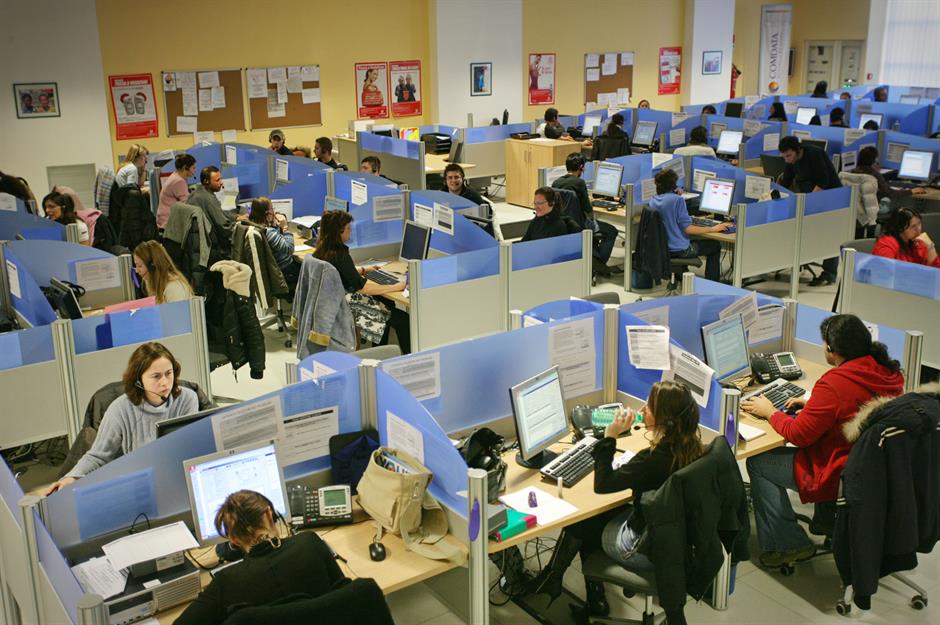
Italy's standard working week is 40 hours, but the typical hours worked total 36.3. The nation has the highest share of employees working involuntarily part-time among OECD countries. A significant 8.6% of the workforce would like a full-time job but are stuck in part-time work, which skews the average figure.
While the Italian government has no plans to shorten the 40-hour, five-day standard, a number of companies are experimenting with four-day working weeks and other initiatives. These efforts may prove to be a happy medium for boosting full-time employment by redistributing available working hours.
France: 36.2 hours on average

A trailblazer in reducing working hours, France famously trimmed the working week to a mere 35 hours way back in 2000. Anything above that is overtime.
The average figure has remained largely static in recent years, hovering above those 35 hours, though it's important to note that France has one of the highest numbers of paid annual leave days in this round-up. Likewise, it's one of the countries with a lower average number of hours worked per person each year, so France is among the best of the best in terms of work-life balance.
Switzerland: 35.7 hours on average
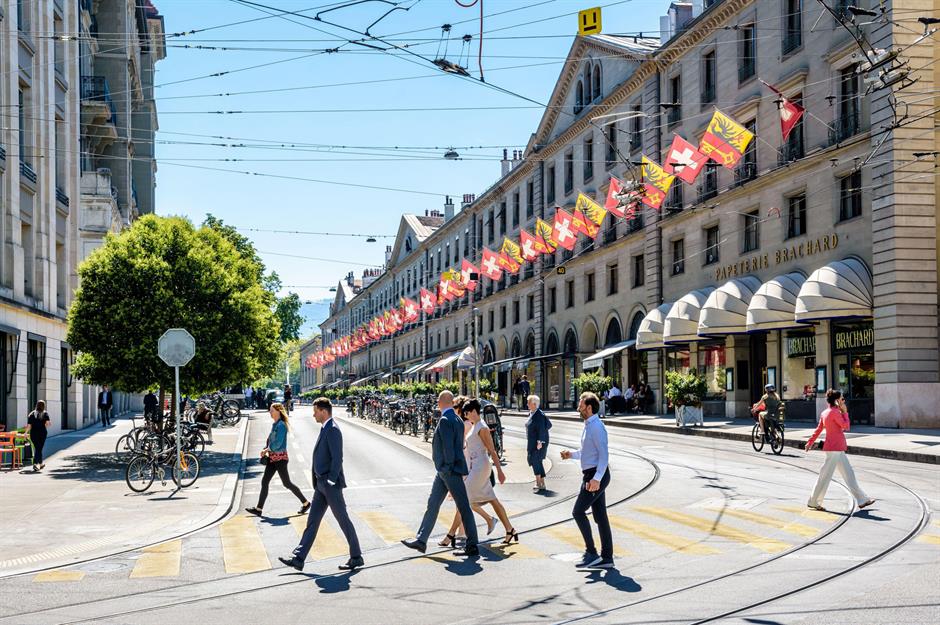
Switzerland has the largest discrepancy between the standard working week and the actual hours worked per employee in this round-up: a standard of 42 hours, rising to 50 hours in some industries, versus an average of 35.7 hours. This boils down to the large share of workers in part-time jobs.
In fact, Switzerland's official working week is the longest in Europe. Past proposals to reduce it have been voted down, though there's no shortage of companies in the country embracing a four-day week and other ways of improving work-life balance for their staff.
Sponsored Content
Australia: 35.6 hours on average

Australia's standard working week is 38 hours, while the average working week has been steadily falling over the past decade. The country has long had a comparatively high rate of people in part-time jobs, particularly those who'd prefer full-time employment; among the OECD, only Italy has a higher share of employees working reduced hours involuntarily.
On top of that, working a second job has also become common in the nation, particularly among Gen Zs. Meanwhile, Australian unions and political groups are pushing for a national shift toward a four-day work week
Canada: 35.5 hours on average

The OECD doesn’t have comparable data for Canada, although according to Statista, the country’s average working week was 35.5 hours in 2025, down from 35.8 hours in 2020.
The standard working week is 40 hours, with a maximum of 48 hours permissible, though this can vary by province and industry.
Ireland: 35 hours on average
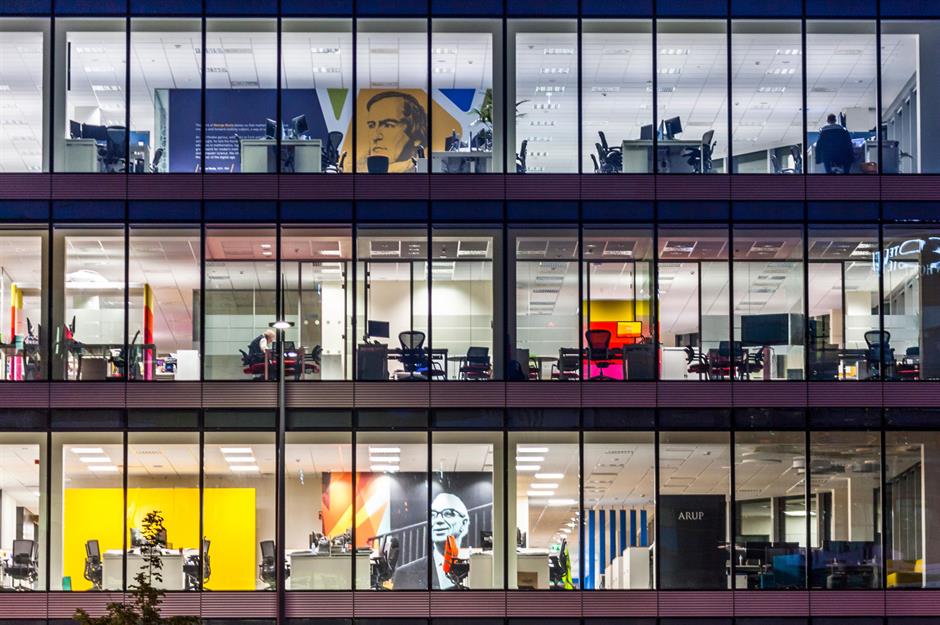
Ireland doesn't have a standard working week enshrined in law, but it does set a maximum of 48 hours. In reality, most people clock in much less, with the average of 35 hours actually an increase from 2010, when the figure was just 33.9. The country's relatively large number of part-time employees brings the average down, but some sectors remain tough, including agriculture, which typically has a 48-hour working week.
Partly for this reason, campaigners in the country are pushing hard for a four-day week.
Sponsored Content
Austria: 34.9 hours on average
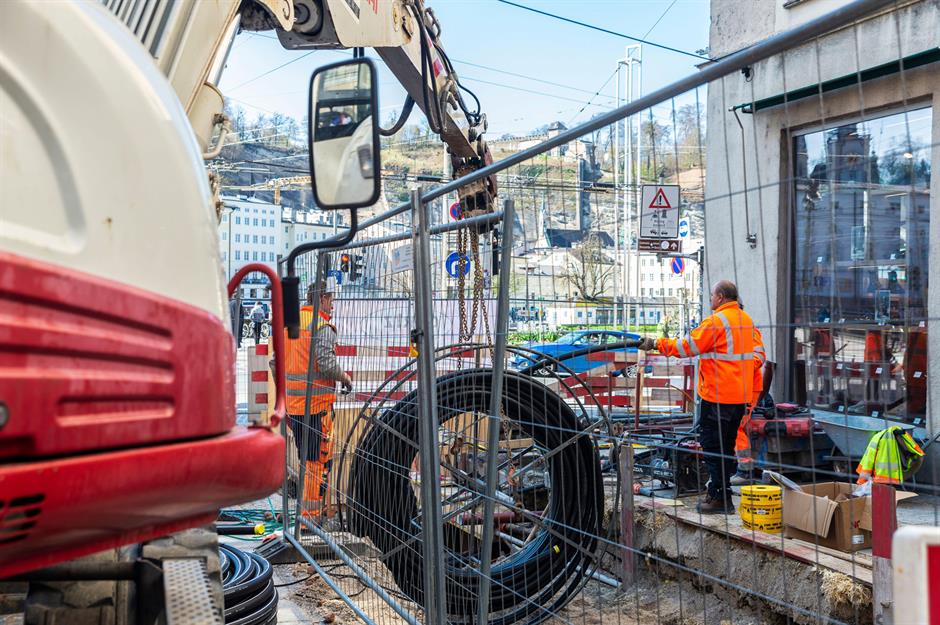
Austria's typical working week has decreased from 36.7 hours to 34.9 since 2010, as more employees opt for a better work-life balance. The country offers its workforce more paid leave days than most others in this round-up, so Austrians already have it pretty good.
There are calls to introduce a four-day working week in the country, but some experts say it could worsen labour shortages and isn't even necessary, given that working hours are already falling.
Belgium: 34.7 hours on average

Belgium's average working week has hovered around 35 hours since at least 2010, while the standard number has stayed at 38. In 2022, the country's government gave workers the right to request a four-day week, albeit with the same number of hours.
As it turns out, fewer than 1% of the country's employees have signed up, with many reluctant to squeeze their working week into four days. This low uptake highlights a key limitation of four-day-week initiatives when the total working hours aren't also reduced.
Germany: 34.1 hours on average
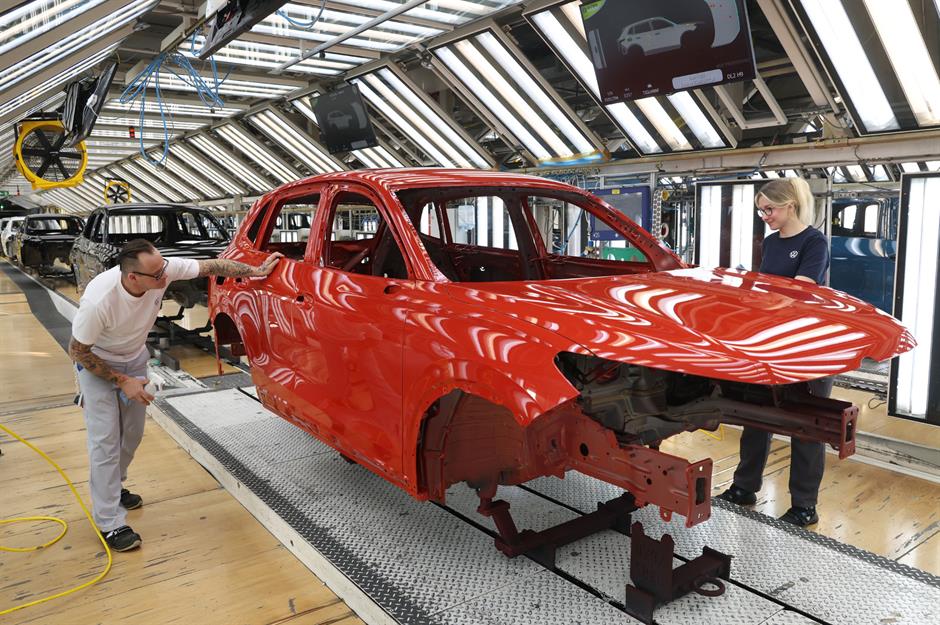
The typical German worker puts in 34.1 hours a week and only 1,339 hours a year in total, the lowest figure in this round-up. Going part-time has become de rigueur in the country and a recent nationwide four-day week trial was a resounding success. But not everyone is happy, including the Minister President of Saxony, Michael Kretschmer.
The politician has decried the move towards part-time work and says Germany must return to the 40-hour working week to boost growth and get its economy back on track.
Sponsored Content
Netherlands: 30.3 hours on average

Part-timers make up more than a third of the Dutch workforce, the largest proportion in the OECD. Workers have the right to reduce their hours on the job unless there's a “substantial business reason” not to, and many are only too happy to do so. And it certainly helps that salaries in the Netherlands are among the highest in the world.
A shorter working week is already standard for many people in the country, and the nation's largest trade union, FNV, is pushing for a 32-hour, four-day working week for all employees.
Liked this? Click the Like button above. And click the Follow button above for more great stories from loveMONEY
Now discover the 25 countries leading the EV revolution, ranked