Princess Diana's family fortune revealed
The Spencers' centuries-old wealth
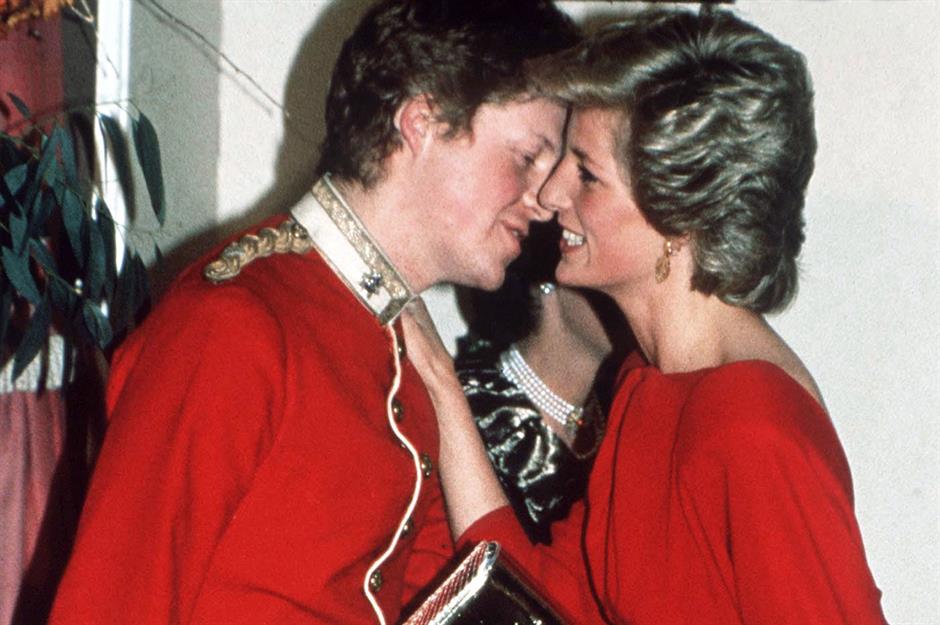
With Earl Spencer's book about his beloved sister sending shockwaves through the Royal Family, attention has once again turned to one of Britain's most famous dynasties. Yet the Spencers were rich and powerful long before Diana married into royalty. One of England's great ancestral lines, they've even been regarded in some blue-blooded circles as grander and more prestigious than the House of Windsor.
From a fortune built on the Tudor wool trade to magnificent estates, priceless art and modern-day millions, read on to discover the extraordinary wealth of Princess Diana's family.
All dollar amounts in US dollars.
The Spencer fortune begins with sheep
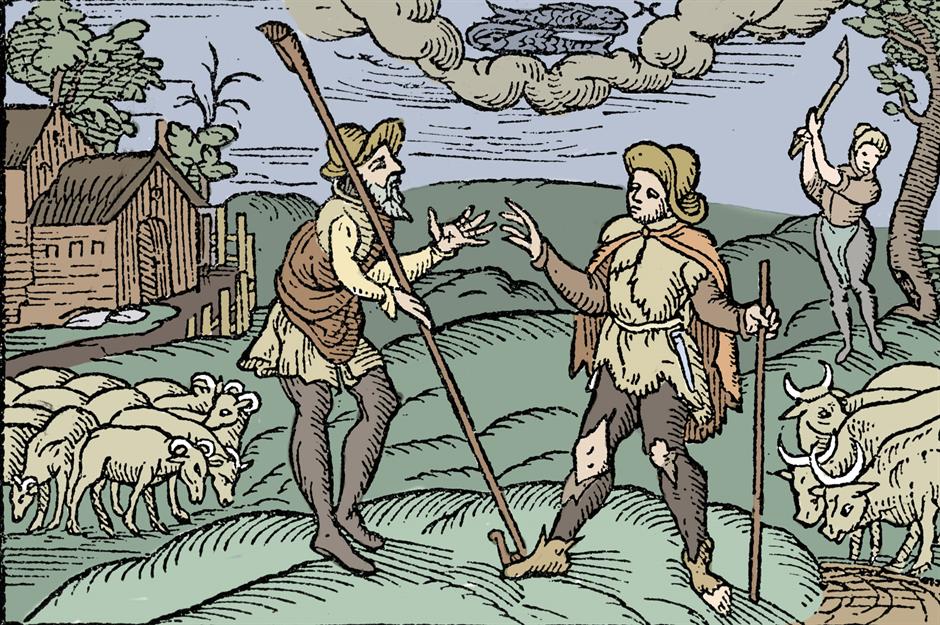
The Spencers rose from relatively modest farming origins. Yet by the 15th century their increasingly successful sheep business was already helping them climb the social ladder and marry into local gentry families. John Spencer then took the family's fortunes to another level, grazing sheep largely on rented land and reinvesting the profits in property.
That shrewd strategy paid off spectacularly. He bought the manor of Wormleighton in Warwickshire in 1506 and, two years later, acquired Althorp in Northamptonshire from the Catesby family, paying them the sum of £800, equivalent to around $1.1 million (£820k) today.
Sheep make the Spencers super-rich
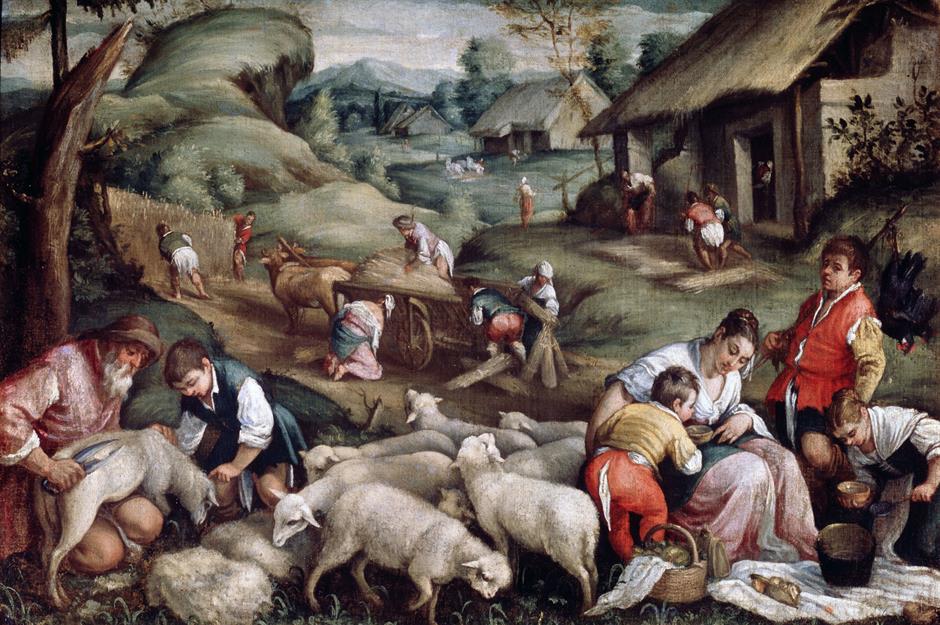
As the Spencer fortune grew, so did the family's social standing. John Spencer and his brother were granted a coat of arms in 1504, and John was knighted by Henry VIII in 1519. His descendants continued expanding the family's vast sheep-farming operation.
By 1577, surviving estate records show the Spencers had almost 14,000 sheep. Their breeding stock became highly sought after, while large-scale sales of wool and livestock kept money pouring in. In a little more than a century, the family had risen from comparatively humble farming roots into England's wealthy landed elite.
Sponsored Content
The Spencers join the nobility
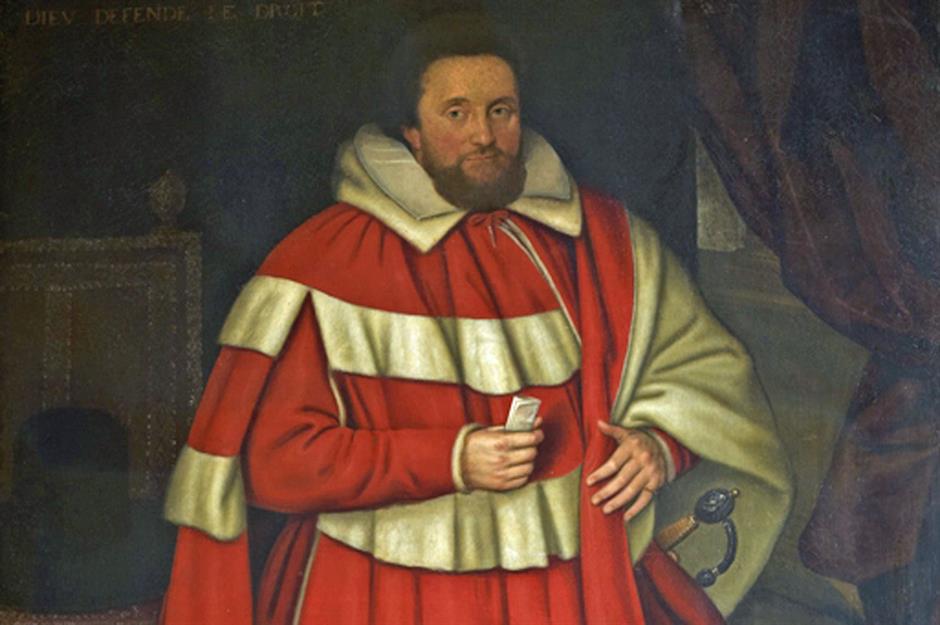
By the dawn of the 17th century, the family's sheep business had made the Spencers phenomenally rich. Robert Spencer, who inherited Althorp in 1599, was reputed to be the wealthiest man in England when James I took the throne in 1603.
That same year brought another leap in status. After entertaining the new king's wife, Queen Anne, and their son, Prince Henry, at Althorp, Robert was created the 1st Baron Spencer of Wormleighton on 21 July. Now mixing with royalty, the former sheep-farming family had officially joined the English peerage.
The Spencers become earls
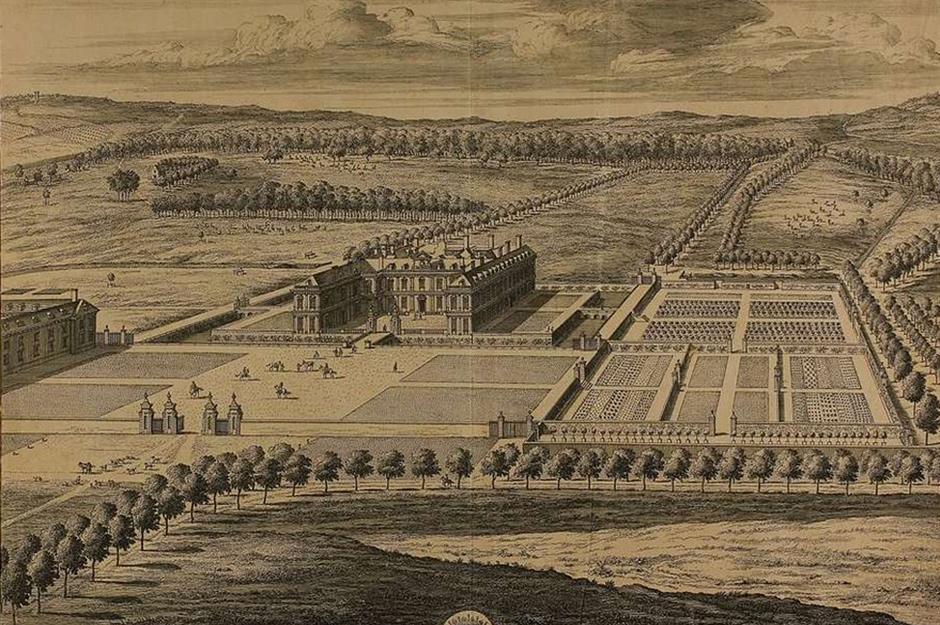
Heavily involved in English politics by this time, the Spencers climbed another rung of the aristocratic ladder in 1643, when Henry Spencer was created 1st Earl of Sunderland by Charles I. The honour came during the turmoil of the English Civil War, with the family firmly backing the Royalist cause.
That same year, the 22-year-old cavalier was killed at the First Battle of Newbury, while much of the family's old manor at Wormleighton was destroyed during the conflict. Despite the losses, the Spencer fortune survived. Althorp was established as the family's principal seat, and the current palatial house was built in 1688, replacing the earlier Tudor building.
The Spencers marry into even greater wealth
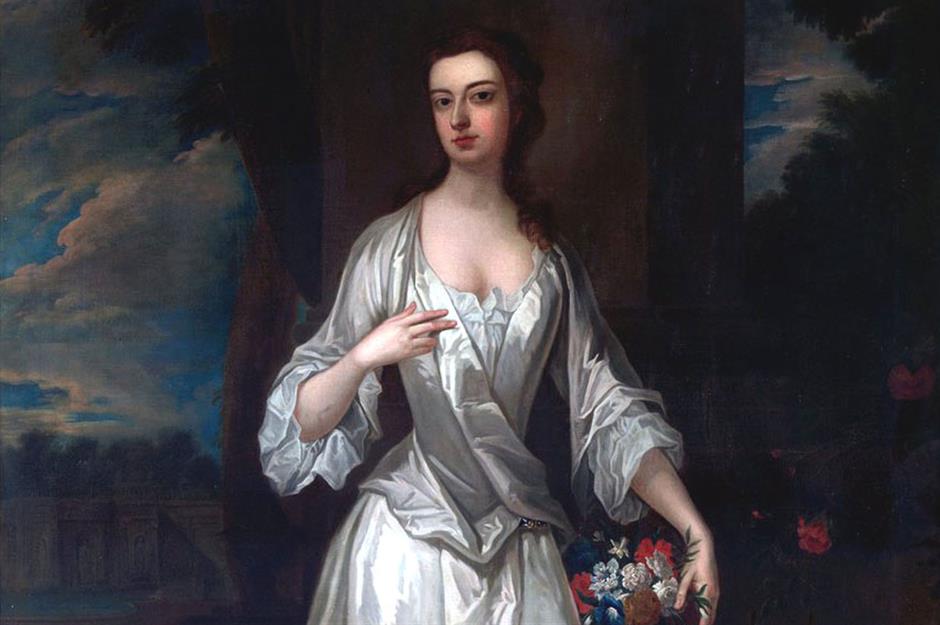
The dynasty made a highly lucrative match in 1700, when Charles Spencer, future 3rd Earl of Sunderland, married Lady Anne Churchill. She was the daughter of John Churchill, later Duke of Marlborough, and his wife Sarah, one of the richest and most influential women of her age.
Anne reportedly brought £20,000 to the marriage, equivalent to $5 million (£3.7m) today. Charles rose to become one of Britain's most powerful politicians, though his backing for the ill-fated South Sea scheme of 1720, often described as the first global economic crash, ultimately forced him from office.
Sponsored Content
The Spencer dynasty splits

In 1733, the family divided into two branches. The senior line inherited the Dukedom of Marlborough and Blenheim Palace, while the cadet Althorp branch would eventually produce Diana. The Marlborough Spencers later adopted the double-barrelled surname Spencer-Churchill, though their most famous scion, Winston Churchill, dropped the Spencer name.
Today, the senior branch is headed by Charles James Spencer-Churchill, 12th Duke of Marlborough, also known as Jamie Blandford. Recent estimates have put the wider family fortune at around $245 million (£183m), showing that this offshoot of the Spencer dynasty remains incredibly wealthy.
The Althorp branch gets even richer
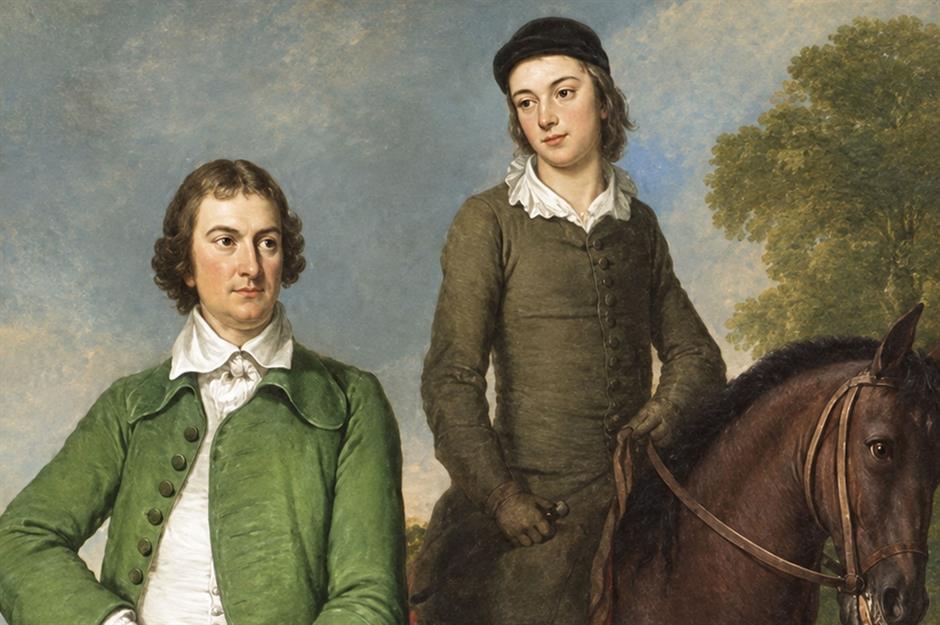
The cadet branch hardly struggled, though. When his elder brother inherited the Dukedom of Marlborough in 1733, prominent politician John 'Jack' Spencer received Althorp and other family estates. Then, in 1744, his grandmother Sarah, Duchess of Marlborough, left him a substantial share of her immense personal fortune.
John died just two years later, reportedly enjoying an income of nearly £30,000 a year, which translates to about $8 million (£6m) today. His enormous inheritance passed to his only son, also John, who was just 12 years old.
The 1st Earl Spencer
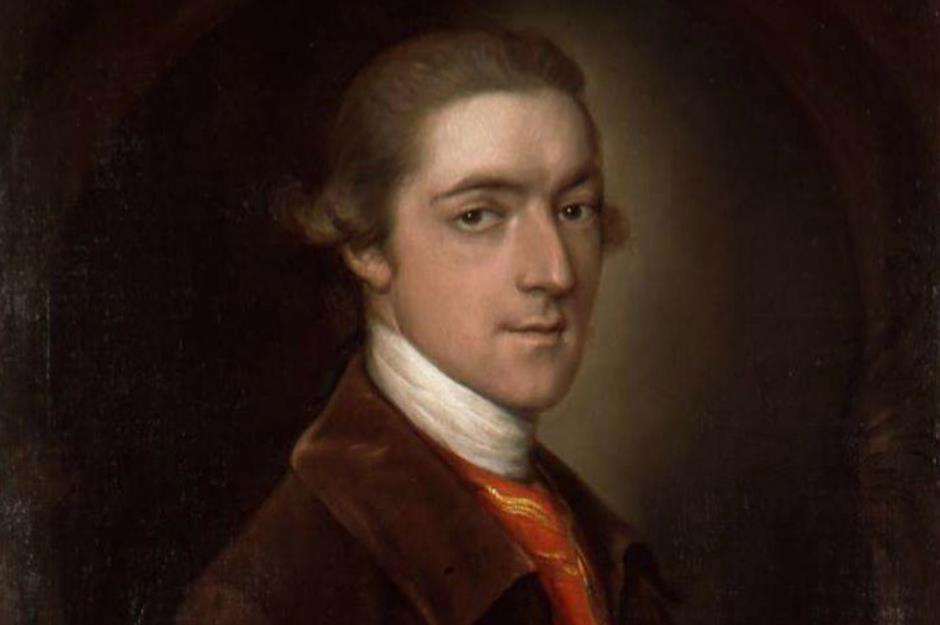
Along with Althorp and other estates, John inherited the wealth amassed by generations of Spencers, and a considerable share of the Marlborough fortune.
He would put that inheritance on display, and then some. In 1756, the young aristocrat and Whig MP began building Spencer House beside Green Park, creating one of London's grandest private residences. Nine years later, George III elevated him to the peerage as the 1st Earl Spencer.
Sponsored Content
A fortune in rare books
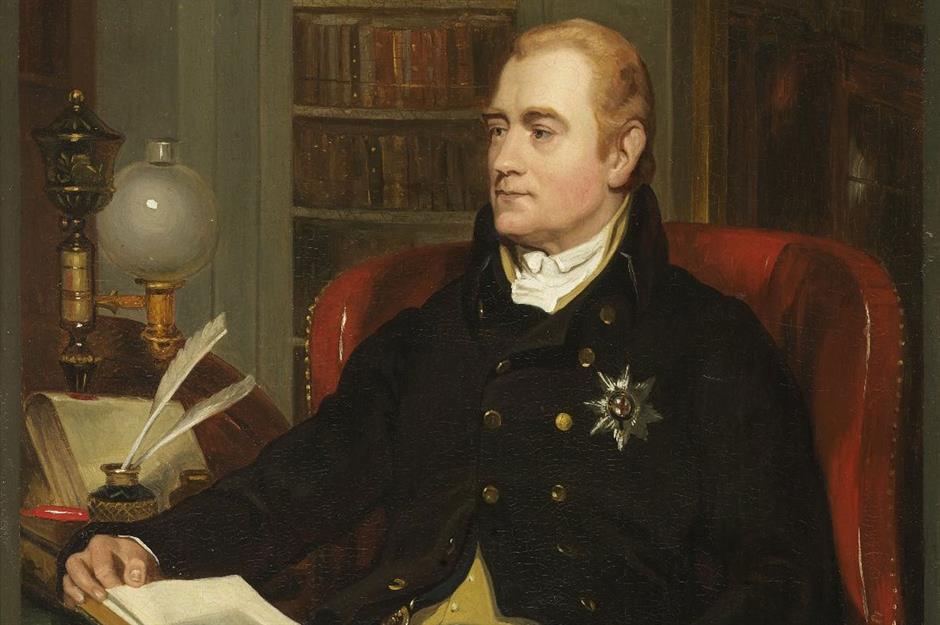
The Spencer fortune increasingly took the form of spectacular collections as well as land. George John Spencer, 2nd Earl Spencer (pictured), served as Home Secretary from 1806 to 1807. But his real passion was for books, and the peer went on to create one of the finest private libraries in the world at Althorp.
In 1892, John Poyntz Spencer, 5th Earl Spencer, sold more than 40,000 volumes to Enriqueta Rylands for £210,000, equivalent to about $32 million (£24m) today. Rylands had founded the John Rylands Library in Manchester as a memorial to her late husband, and the Spencer collection became one of its foundational treasures.
The political dynasty winds down
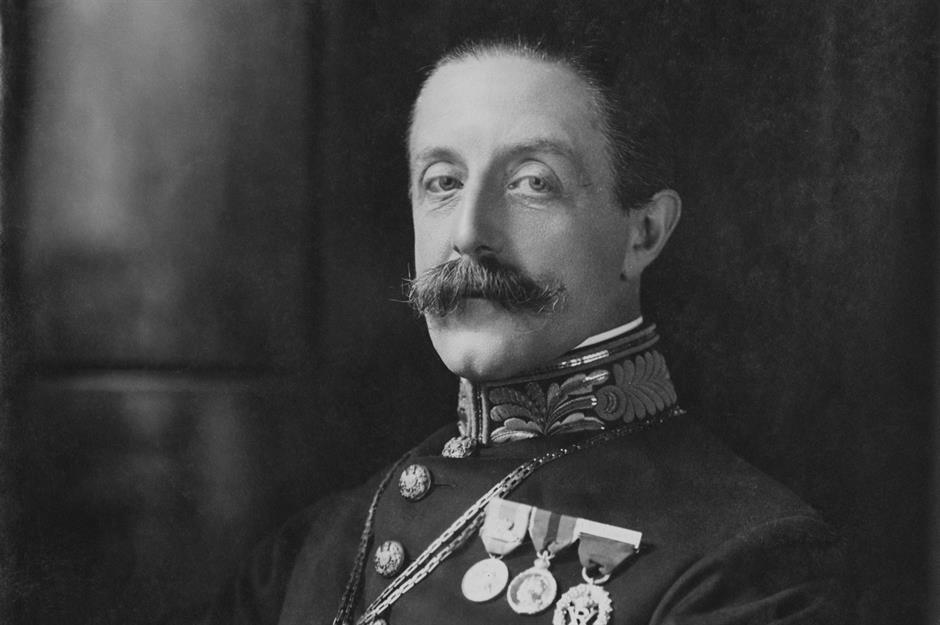
The Spencers' old Whig tradition evolved naturally into Liberal politics during the 19th century. The 5th Earl became one of the party's leading figures, serving twice as Lord Lieutenant of Ireland and later as First Lord of the Admiralty.
His half-brother and successor Charles Spencer, 6th Earl Spencer (pictured), also pursued a Liberal political career. But when Princess Diana's grandfather Albert Spencer, 7th Earl Spencer, succeeded to the earldom in 1922, the family's long run at the heart of national politics effectively came to an end. He focused instead on Althorp, as well as charitable and cultural work.
Land rich, cash poor
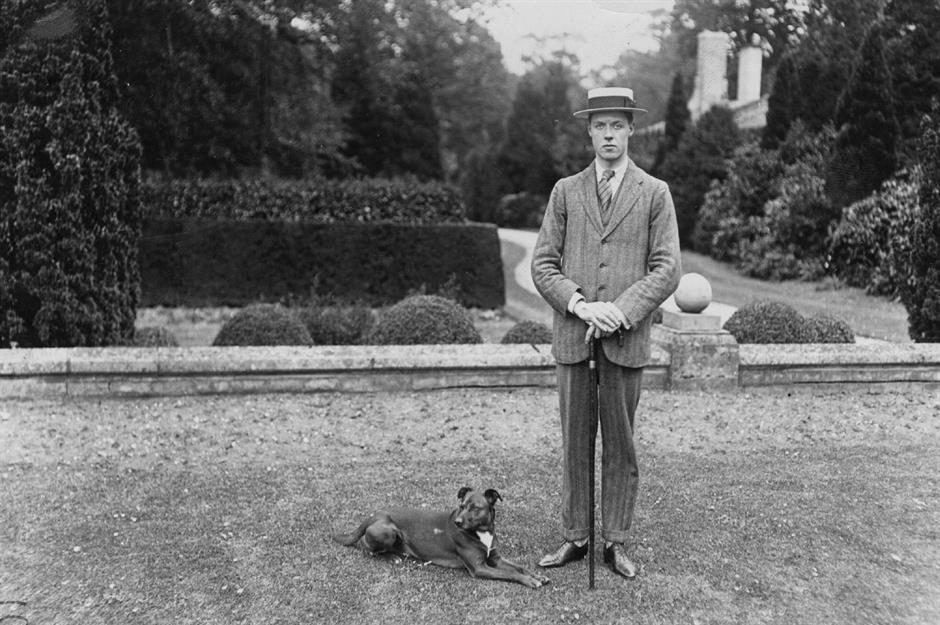
By the early 20th century, the Spencer fortune was under increasing pressure. Falling agricultural income, taxes and the enormous cost of maintaining great houses meant that vast estates no longer guaranteed plentiful cash. In 1921, The New York Times even described the 6th Earl as "poor" despite his extensive landholdings.
The problem would only intensify for the next generation. When the 7th Earl inherited Althorp, he faced debts, mortgages, death duties and estates in dire need of expensive repairs.
Sponsored Content
Selling off heirlooms
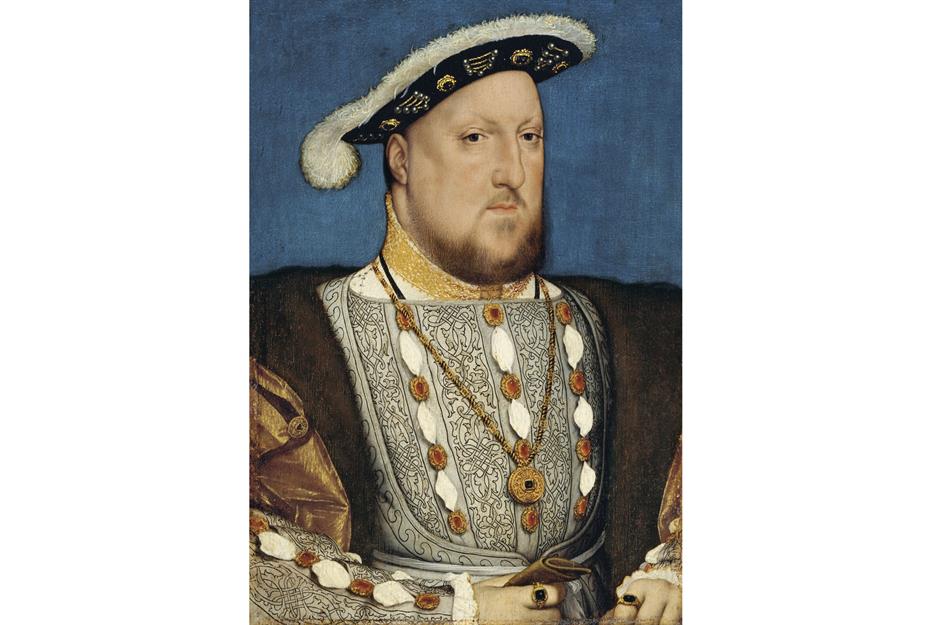
The financial squeeze forced the 7th Earl to make some difficult choices. The family left Spencer House permanently in 1926, leasing it out to generate income while retaining ownership of the property. Despite being an avid art connoisseur, the earl sold works from the family collection, including this celebrated Holbein portrait of Henry VIII, which left Spencer ownership in the 1930s.
The painting reportedly fetched £10,000, around $1.3 million (£970k) today. The masterpiece, which is worth considerably more these days than the inflation-adjusted figure, now hangs in Madrid's Thyssen-Bornemisza Museum.
Althorp opens to the public
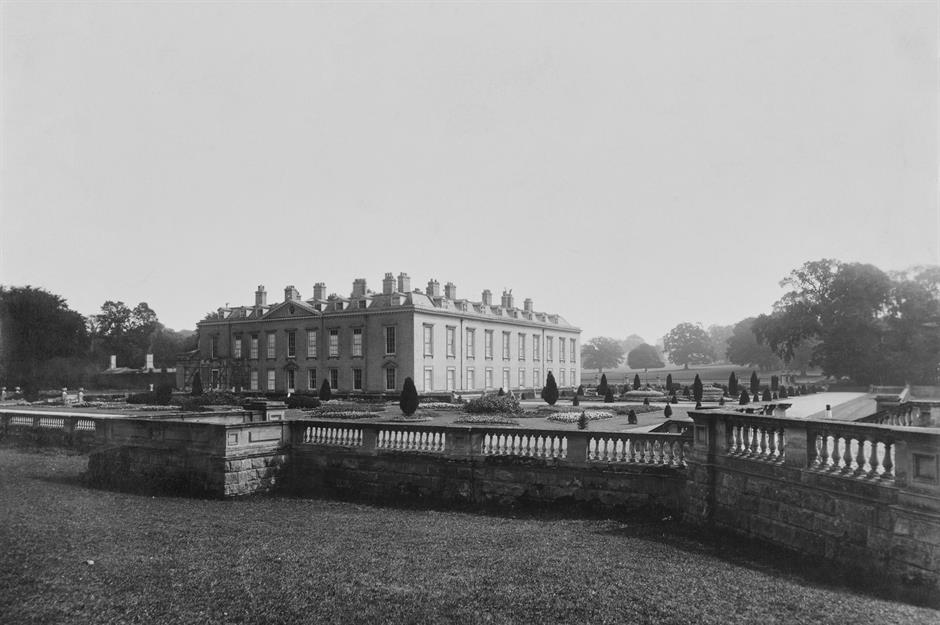
The 7th Earl found another way to make Althorp pay its way in 1953, when he opened the historic house to the public for the first time, helping offset its heavy tax burden.
Albert's son John, Diana's father, became 8th Earl Spencer in 1975, inheriting Althorp along with onerous debts and a huge inheritance tax bill. A former army officer and royal equerry, the earl remained close to the Crown, but keeping Althorp afloat required further sacrifice.
Princess Diana's father sells off more treasures
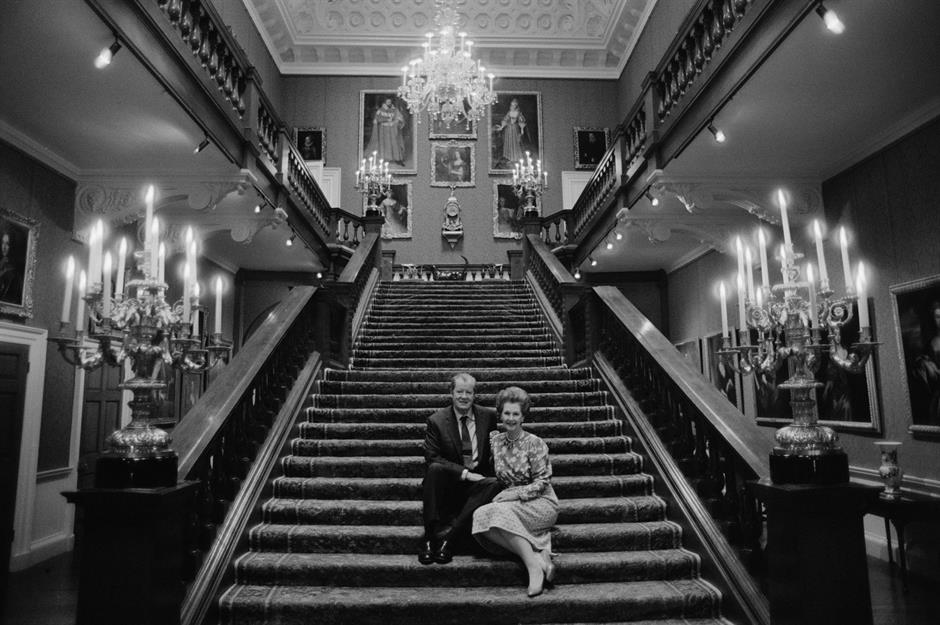
During the 8th Earl's tenure, around 20% of the house's contents were sold, including some 200 works of art and furnishings. Among the losses were 11 Van Dycks, not to mention paintings by Reynolds and Teniers.
Spencer also reportedly considered selling replicas of Princess Diana's wedding dress to raise money for the estate, but abandoned the plan after widespread criticism. He's pictured here in 1986 on Althorp's stunning staircase with his second wife and Diana's stepmother, Raine.
Sponsored Content
The 8th Earl Spencer's impressive wealth
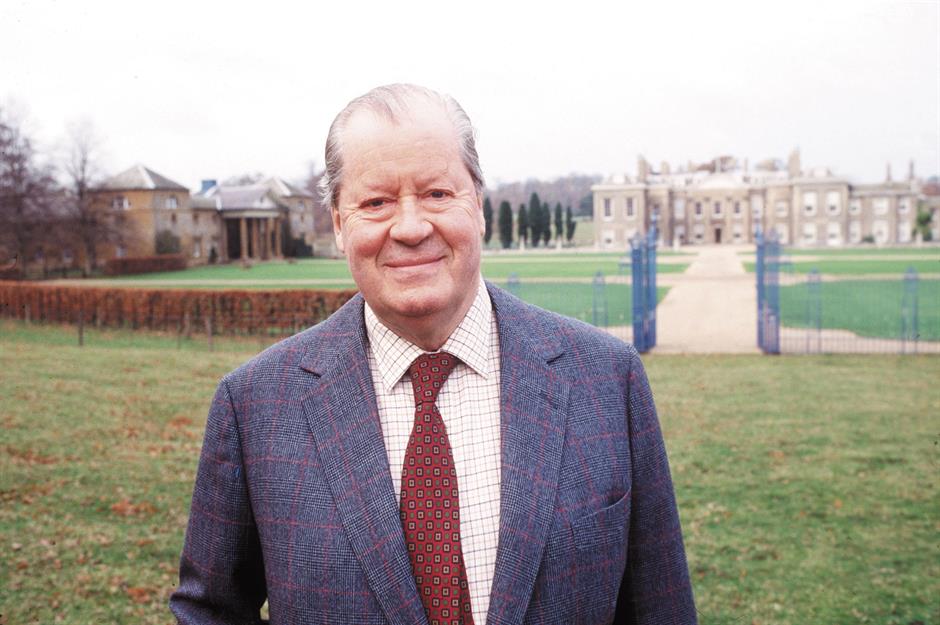
Despite the debts, taxes and repeated sell-offs, the Spencer fortune remained formidable. When the 8th Earl died in 1992, his estate was valued at around £88 million, equivalent to roughly $270 million (£200m) today.
Most of that wealth was tied up in Althorp, its furnishings and other family assets rather than cash. The lion's share of the estate was placed in trust for his children and grandchildren.
Charles Spencer inherits Althorp
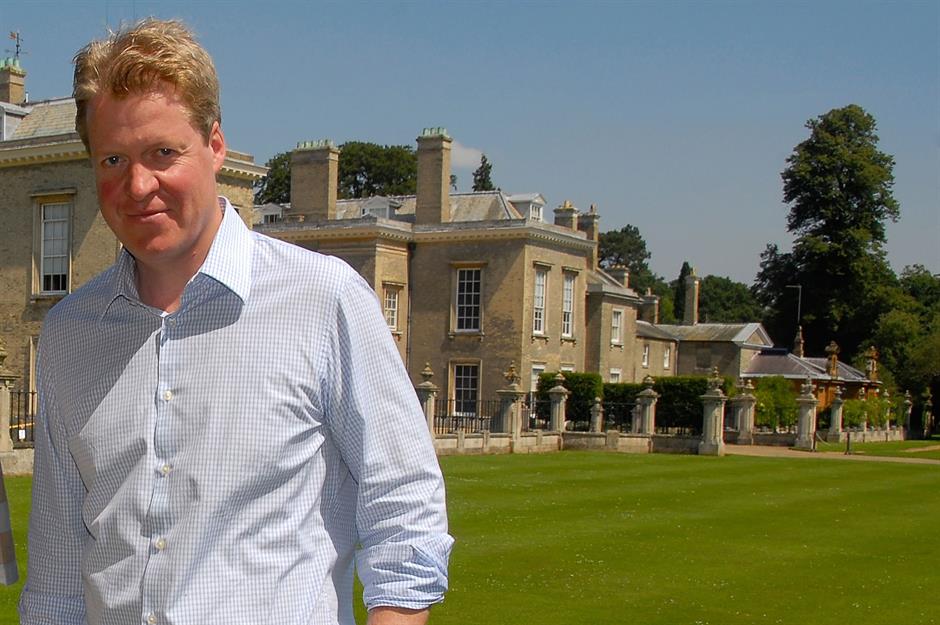
John's death in 1992 made his only son Charles the 9th Earl Spencer at just 27. He took over Althorp and responsibility for preserving the family's centuries-old estate, but the inheritance came with hefty running costs and expensive restoration needs.
Charles would later embark on major renovation work at Althorp, while also continuing the family tradition of selling selected treasures to secure the estate's long-term future.
Princess Diana builds her own fortune
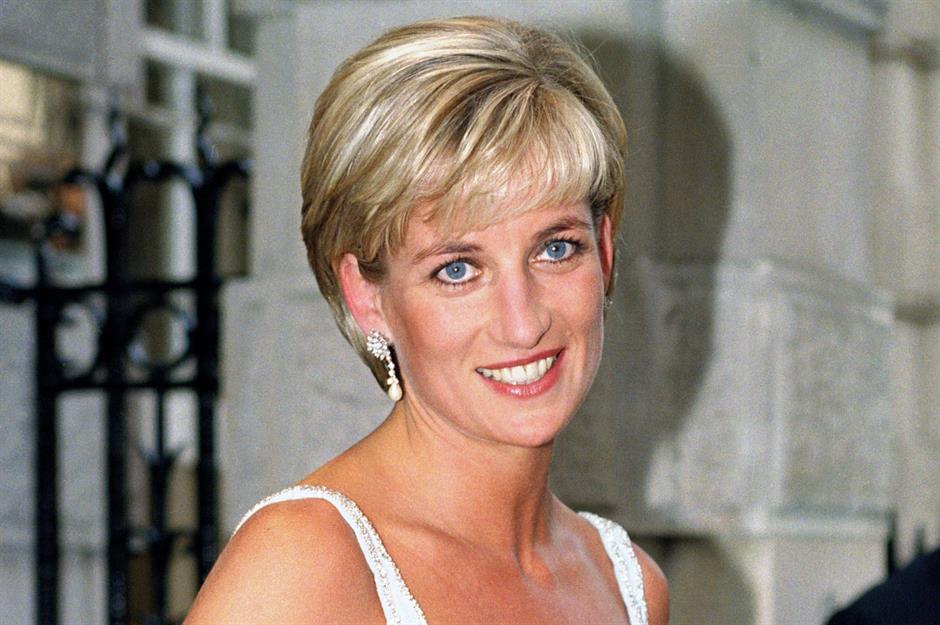
Diana became independently wealthy after her 1996 divorce from Prince Charles. She reportedly received a lump-sum settlement of around £17 million, equivalent to about $45 million (£34m) today, as well as funding for her private office.
By the time of her death in 1997, Diana's estate included investments, jewellery, cash, clothes and other possessions. It was eventually valued at £21.5 million, around $58 million (£43m) today, with the bulk of the fortune left equally to Princes William and Harry.
Sponsored Content
The 9th Earl Spencer's asset sales
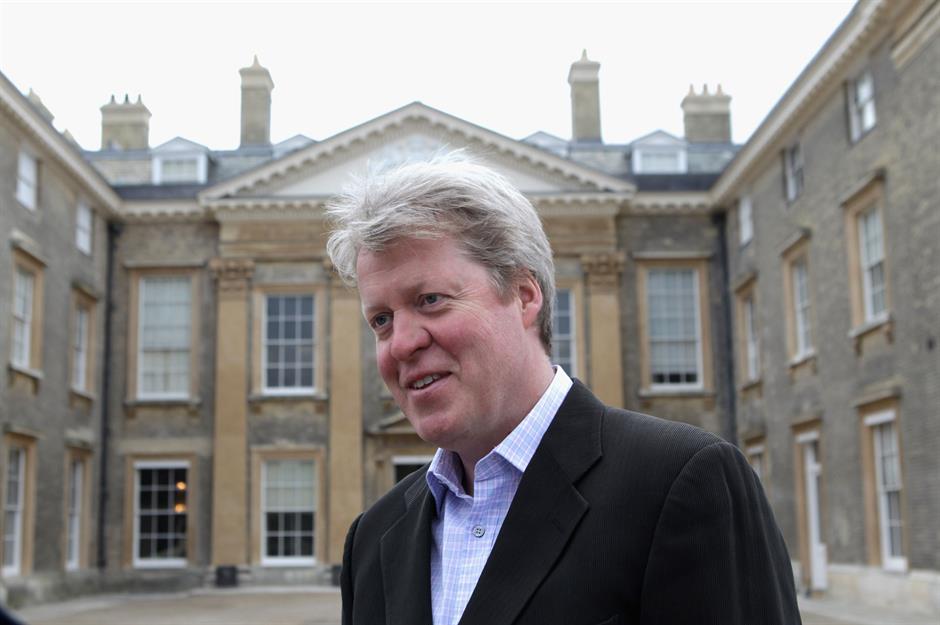
Charles has repeatedly sold off assets to keep the Spencer finances on track. In the late 1990s, he put several historic manorial titles up for sale, partly to reduce future inheritance-tax liabilities. And a few years later, more than 300 items from Althorp were put up for auction.
The biggest disposal came in 2010, when paintings, furniture and other treasures fetched more than £21 million, equivalent to $45 million (£33.5m) in today's money.
The 9th Earl Spencer's net worth
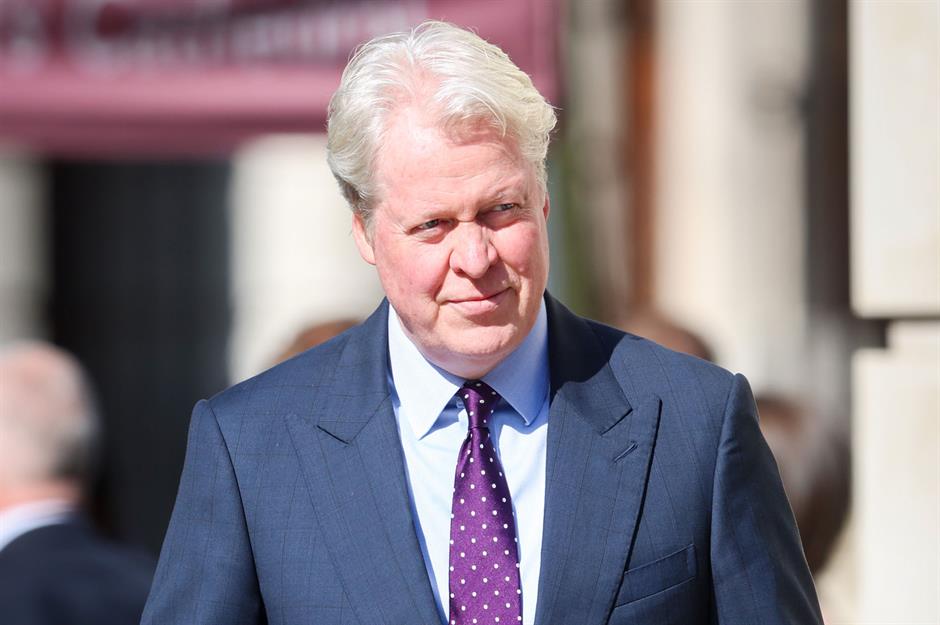
The 9th Earl's three divorces have also taken their toll on the Spencer finances. Nonetheless, the aristocrat is far from hard-up.
While a reliable up-to-the-minute wealth estimate is non-existent, The Sunday Times Rich List pegged the earl's net worth at $170 million (£125m) in 2020, making him the joint 955th-richest person in the UK. He disappeared from the ranking the following year when it was cut from 1,000 entries to 250.
Princess Diana's sisters share in the Spencer fortune
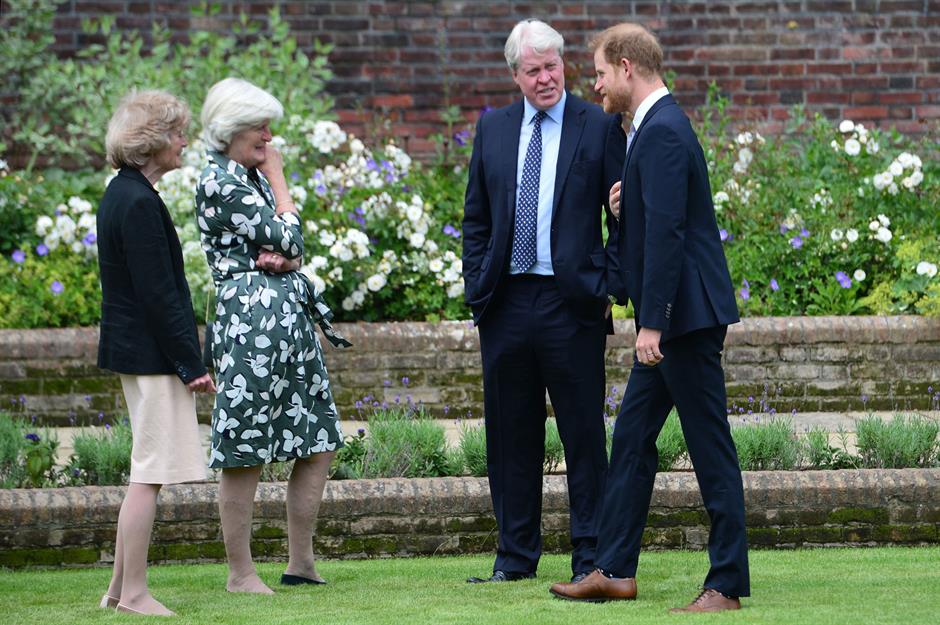
Diana's older sisters, Lady Sarah McCorquodale (pictured far left) and Lady Jane Fellowes, have also benefited from the Spencer fortune, although neither has a reliable published net worth. Sarah was one of the principal beneficiaries of their father's multimillion-pound estate and married wealthy Lincolnshire landowner Neil McCorquodale.
Jane married senior royal courtier Robert Fellowes, later Baron Fellowes. When he died in 2024, his estate was valued at around £1.5 million ($2m), with almost all of it left to his wife.
Sponsored Content
The Spencer sisters make their own money
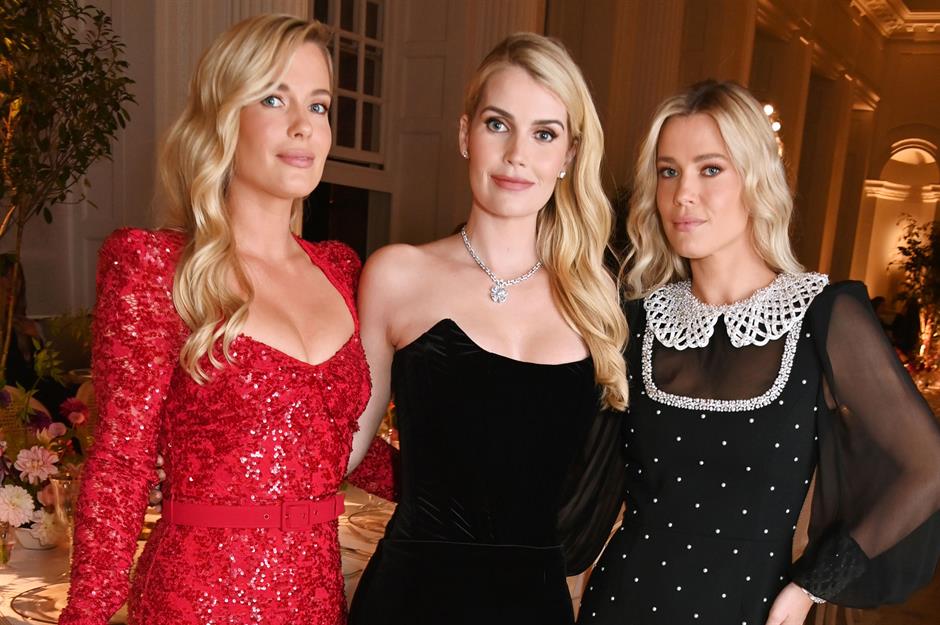
Charles' three eldest daughters have built lucrative careers beyond Althorp. Lady Kitty (pictured centre), Lady Eliza (pictured left) and Lady Amelia Spencer are all signed to Storm Model Management, with Kitty particularly successful in fashion, including a long-running relationship with Dolce & Gabbana.
Kitty's wealth was boosted further by her 2021 marriage to fashion tycoon Michael Lewis, whose fortune has been pegged at $108 million (£80m). One 2023 estimate put the couple's combined wealth at around $200 million (£150m), while their London home alone was reportedly worth $26 million (£19m).
The heir to the Spencer riches

Despite having three older sisters, Charles's eldest son Louis Spencer, Viscount Althorp, is set to inherit the family's ancestral home under the tradition of male primogeniture. That means the 13,500-acre Althorp estate, its 90-room mansion, and extensive art collection are expected to pass to him rather than to Lady Kitty, Lady Eliza, or Lady Amelia.
The future earl, who works as an actor under the stage name Louis Lyons, has already attended trustee meetings in preparation for eventually assuming the family seat.
An enduring family fortune
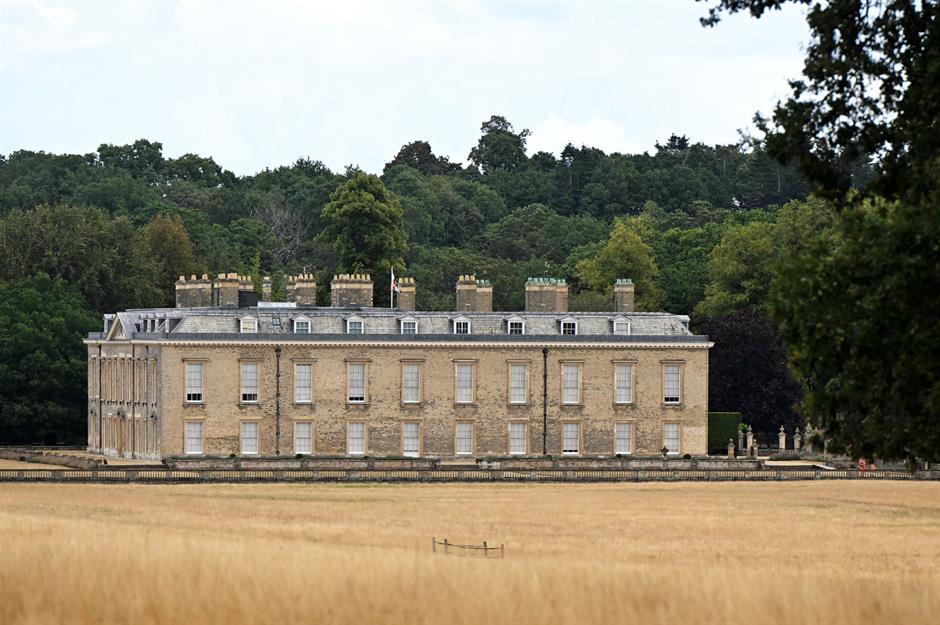
More than five centuries after sheep farming first made the Spencers rich, the dynasty remains one of Britain's most prominent aristocratic families. Wars, taxes, financial crashes, costly divorces and repeated sales of family treasures have all chipped away at the fortune, yet Althorp and Spencer House remain, along with valuable collections and substantial inherited wealth.
With Charles Spencer now revisiting the family's most famous member in his new memoir, the Spencer story continues. And with another generation waiting in the wings, this remarkable old-money dynasty shows little sign of disappearing.
Now discover the world's richest families today