Where the UK ranks in the best countries to retire to
What makes a good retirement country?
Ever wondered which country could provide the best prospects for your golden years?
The latest Natixis Global Retirement Index (GRI) ranks nations based on four key factors crucial to the security of older people: Health, Finances in Retirement, Material Wellbeing and Quality of Life. These factors are then broken down into sub-indexes covering everything from government health spending and inflation to air quality and happiness levels. The closer the scores are to 100%, the more impressive the performance.
Click or scroll on to discover the top 21 countries for seniors in 2026.
21. USA, overall score: 70%

America has risen one place in the rankings in the most recent set of data, although it's still a way off the 15th spot it occupied 10 years ago. Quality of Life is the major issue, with the score down 4% on the previous year. A decline in happiness is the key driver, largely attributed to younger Americans and higher levels of loneliness.
The biggest win comes in the Health index, with a 4% gain overall year-on-year, driven by a rise in life expectancy. Meanwhile, the nation's Finances in Retirement score is up slightly, although government spending remains a sticky issue.
20. Canada, overall score: 70%

Canada has slipped an astonishing seven places in the latest ranking, falling to 20th overall due to declines across all four major indexes. The most significant fall comes in the Material Wellbeing index, with the 8% drop driven largely by the country's unemployment rate, while income inequality has also fallen.
When it comes to Quality of Life, Canada has registered decreases across the board, with its air quality, happiness, and biodiversity and habitat scores all heading downwards.
Sponsored Content
19. Malta, overall score: 70%
As was the case last year, Malta is the best-performing Mediterranean country. Its overall ranking is steady, now standing at 70% in 19th place. Malta's health score has increased slightly, although not enough to improve its ranking overall, which is still low compared to other countries.
Among the positives for retirees in Malta are the country's good healthcare system, as well as relatively low and stable inflation and unemployment levels. Its air quality and biodiversity and habitat scores have also increased significantly year-on-year.
18. Sweden, overall score: 71%
Sweden continues its downward trend, falling another place in the most recent ranking. Rising unemployment has caused its Material Wellbeing sub-index to fall, even as its income equality score recovers significantly. Once again, a high Quality of Life ranking (fourth place) comes to the rescue.
Sweden is also exceptionally well placed in the Health ranking, at number three overall, mainly thanks to better life expectancy. However, consistently strong performance on governance and an improving inflation indicator are offset by the tax pressure that comes with the country's enviable but costly social services, knocking its overall Finances in Retirement score.
17. Belgium, overall score: 71%

Belgium has dropped two spots due to declines across all four major sub-indexes. Material Wellbeing is the biggest culprit, driven by falling unemployment and income inequality indicators, while the country's Finances in Retirement score has also taken a hit thanks to one of the heftiest tax burdens of all OECD nations.
When it comes to Quality of Life, Belgium now ranks 13th in happiness, a score that puts it below some of its closest neighbours.
Sponsored Content
16. Israel, overall score: 72%

Israel is up three places despite having a consistent overall score, a position largely affected by movements in other countries. The country boasts a solid performance in the Material Wellbeing ranking, with advances in all indicators, while it's also seen improvement in Finances in Retirement.
Despite ongoing conflict in the region, Israel retains a top 10 spot when it comes to happiness, but does lose ground in Quality of Life overall, mainly due to drops in its biodiversity, water and sanitation, and environmental scores.
15. Austria, overall score: 72%
Austria’s position in the rankings is up and down like an Alpine horizon. Having risen three places last time around, it's fallen three spots in the latest ranking. While its Health score remains consistent, Quality of Life takes a hit thanks to a four-place drop on the happiness chart.
Elsewhere, a sharp drop in the unemployment indicator brings down its Material Wellbeing score, while the country's substantial tax burden and worsening old age dependency take their toll on Finances in Retirement.
14. UK, overall score: 72%
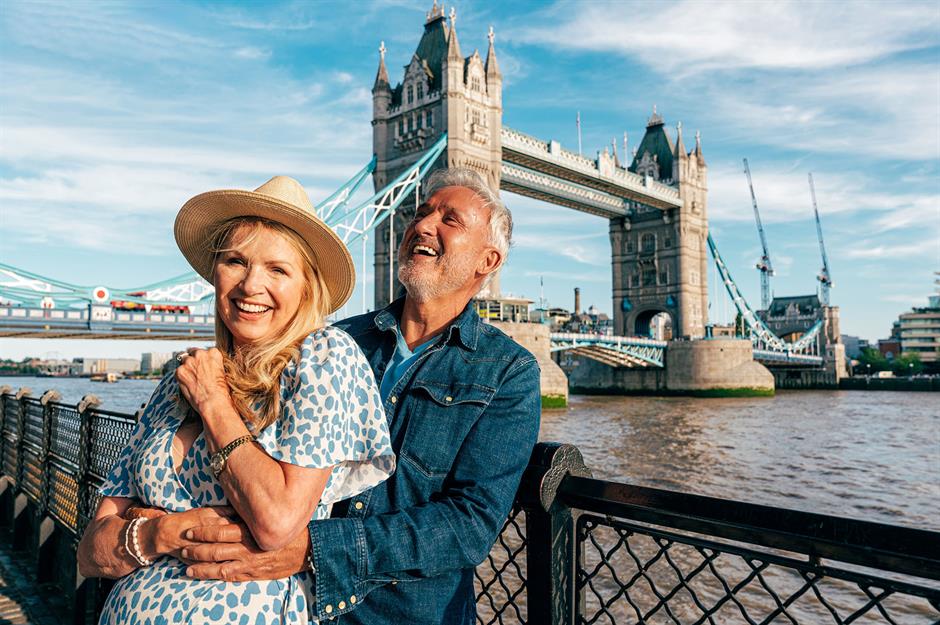
The UK retains its 14th spot, despite a 2% drop in its overall score. Despite intense pressure on the country's public health system, the Health category score is up by 3%. The reasons for this include rising life expectancy and insured health expenditure per capita.
Material Wellbeing is affected by a gloomier outlook for unemployment, while its income equality and income per capita scores have also declined. The UK's overall Finances in Retirement and Quality of Life scores have remained consistent, although it's worth noting its happiness score has slipped from 18th to 21st place.
Sponsored Content
13. Singapore, overall score: 73%

Singapore continues its remarkable rise in the GRI. Two years ago it made the top 25, and now it's rocketed up to 13th place, the biggest leap of any country in this round-up.
A huge surge in its Material Wellbeing score is the main driving factor, with the city state sitting top of the unemployment and income per capita ranks. When it comes to Finances in Retirement, it continues to perform well on the old age dependency and tax pressures indicators. Singapore's Quality of Life score remains sticky though, weighed down by relatively poor environmental and biodiversity and habitat factors.
Liking this? Click the Like button above. And click the Follow button above for more great stories from loveMONEY
12. New Zealand, overall score: 73%

New Zealand has dropped out of the top 10 thanks to an overall 4% decline. Quality of Life and Material Wellbeing are the biggest drags, with a plunging biodiversity score bringing down the former and unemployment, income per capita and income equality down in the latter.
Still, it’s hardly impoverished. Many will retire to this country for the great outdoors, the celebrated air quality and other environmental factors. But with indicators for interest rates, inflation and government indebtedness improving or holding reasonably steady, there might be solid financial appeal for many senior citizens too.
11. Czech Republic, overall score: 74%

The Czech Republic fell out of the top 10 last time around, but this year it’s recovered some of its lost ground in the rankings, climbing to 11th overall with a score of 74%.
The big success story is Health. The country boasts one of the highest levels of public funding across the EU, and this investment in healthcare benefits is paying dividends when it comes to improved life expectancy outcomes. The remainder of the nation's key indicators remain consistent, although Material Wellbeing is a particular bright spot. The Czech Republic scores highly on income equality and has one of the lowest unemployment rates in the EU.
Sponsored Content
10. Slovenia, overall score: 75%
Slovenia cracks the top 10 in the latest set of data, thanks to its overall score rising one point to 75%. Čestitke! as they say in Ljubljana.
The country's Material Wellbeing and Finances in Retirement scores remain steady, but Quality of Life is down slightly due to a poor air pollution score. That drop is offset by an increase in its Health score – Slovenia enjoys the highest life expectancy in Eastern Europe.
9. Luxembourg, overall score: 75%

The extremely affluent grand duchy of Luxembourg remains in the top 10 but drops three places overall this time around, with a score of 75%. It continues to perform strongly in the Health and Quality of Life indicators, but has lost ground in the other two.
Material Wellbeing is the biggest culprit with an 8% decline. Luxembourg's unemployment score has tumbled thanks to one of the highest youth unemployment rates in the EU, while its income equality rank has also taken a significant hit. Meanwhile, declining tax pressures and interest rate indicators weigh on its Finances in Retirement performance.
8. Germany, overall score: 76%
Germany stays in 8th place in the most recent GRI. Health and Quality of Life remain consistent, but Material Wellbeing and Finances in Retirement have fallen.
The hit to Material Wellbeing comes from drops in its unemployment and income equality indicators. Meanwhile, old age dependency continues to drag on its Finances in Retirement score. Germany’s old-age dependency ratio has risen sharply since the 1960s, placing mounting pressure on its public finances and pension system. Still, Germany is in the top spot for its biodiversity and habitat – both of which will be seen as important by many retirees.
Sponsored Content
7. Australia, overall score: 77%
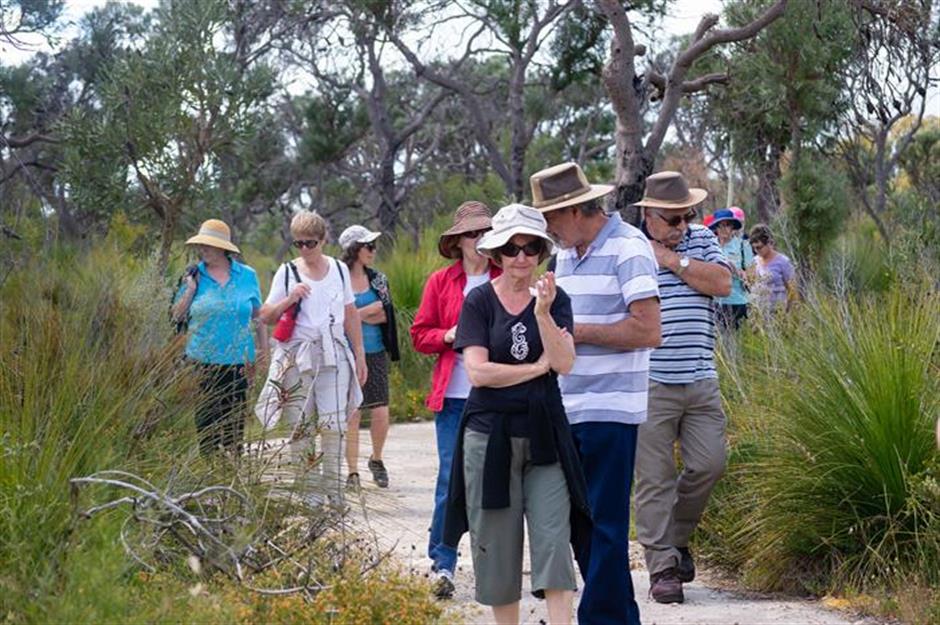
Fair dinkum: Australia keeps the number seven spot and a very respectable score of 77% in the most recent index. It’s nothing new since it’s reached the top 10 every year for the past decade.
Australia’s investments in public health, preventive care and lifestyle initiatives have paid dividends when it comes to life expectancy, pushing its overall Health score to a spectacular 91% and sixth place overall. In Finances in Retirement, it does even better with a number five ranking. With sunshine, space and the Great Outdoors, the factors influencing its impressive Quality of Life score are what attract many people Down Under. That said, it has slipped slightly in this area, with minor falls in biodiversity and habitat, air quality and happiness.
6. Netherlands, overall score: 79%
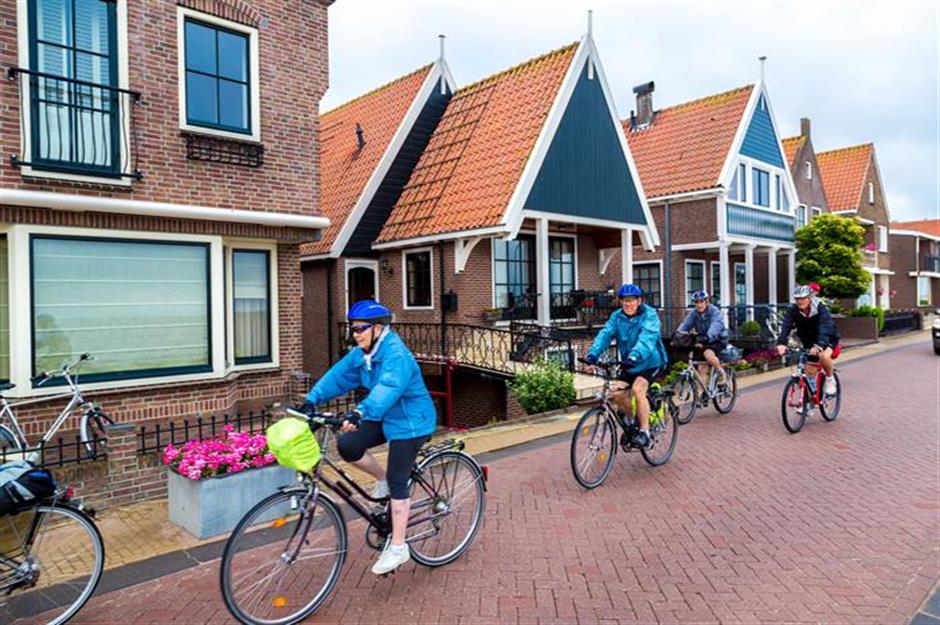
The Netherlands is a very good all-rounder, with consistently strong performances in the Health and Finances in Retirement categories. However, it has fallen a spot this time around, largely thanks to a decline in its Quality of Life score. This is driven by dramatic drops in its water and sanitation and biodiversity and habitat rankings.
That said, the nation's happiness score has nudged up slightly, and Natixis has previously declared the Netherlands especially retiree-friendly because it has world-class pension and healthcare systems, decent income equality and a robust banking system. So, ride a bicycle, wear clogs, put tulips on the table: spending your golden years here could be as sweet as a pancake.
5. Denmark, overall score: 79%
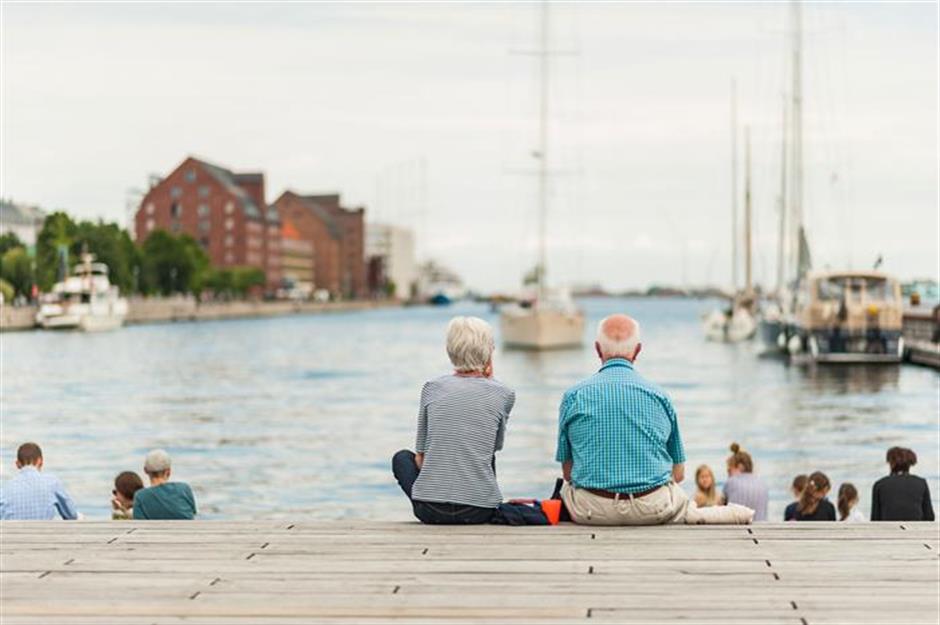
Denmark has jumped four places in the GRI to land in the top five thanks to a staggering 13-percentage-point increase in the Material Wellbeing indicator, driven by low unemployment levels. This boost offsets a worrying drop in its Quality of Life score, where its biodiversity and habitat indicator took a notable hit.
Denmark's enviable Health score has slipped slightly due to a drop in health expenditure per capita. Meanwhile, its Finances in Retirement indicators remain largely stable but are a weak point for the country, as high taxes and old-age dependency weigh on its overall score.
Sponsored Content
4. Iceland, overall score: 79%

Iceland drops one place in the overall rankings and sees its overall score decline from 81% to 79%. The country continues to boast enviably high scores overall, but has seen drops across the board, with the exception of Quality of Life.
The largest plunge comes in the Material Wellbeing sub-index, with a significant drop in its unemployment score the main contributing factor. Quality of Life remains a strong point. Iceland's happiness score is unmoved, biodiversity and habitat record a significant increase, and its air quality is the best in the world with a perfect score of 100%.
3. Switzerland, overall score: 81%
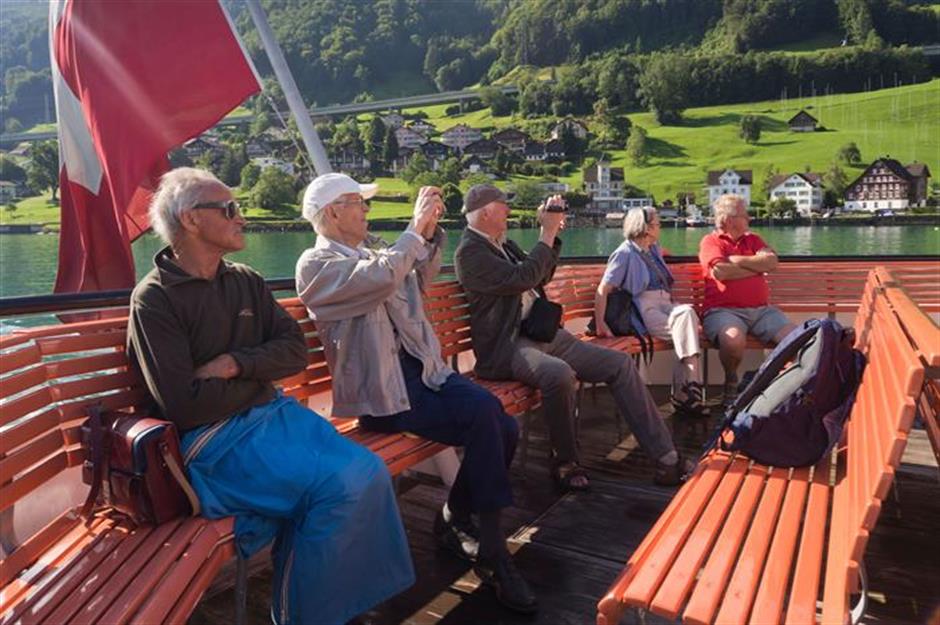
The best place to retire to in the previous GRI, Switzerland has tumbled two places this time around. Despite making top 10 appearances in all four main indexes, minor declines in Quality of Life and Material Wellbeing have cost the Alpine nation the coveted top spot.
A substantial decline in the air quality indicator is one of the biggest culprits, along with a fall in happiness. That said, the country claims top spot overall when it comes to environmental factors, and retains top billing for water and sanitation.
Health remains a strong suit. While there's no 'free' healthcare – all citizens must take out health insurance – Switzerland's healthcare system is held in high regard with an unchanged score of 91%.
2. Ireland, overall score: 82%
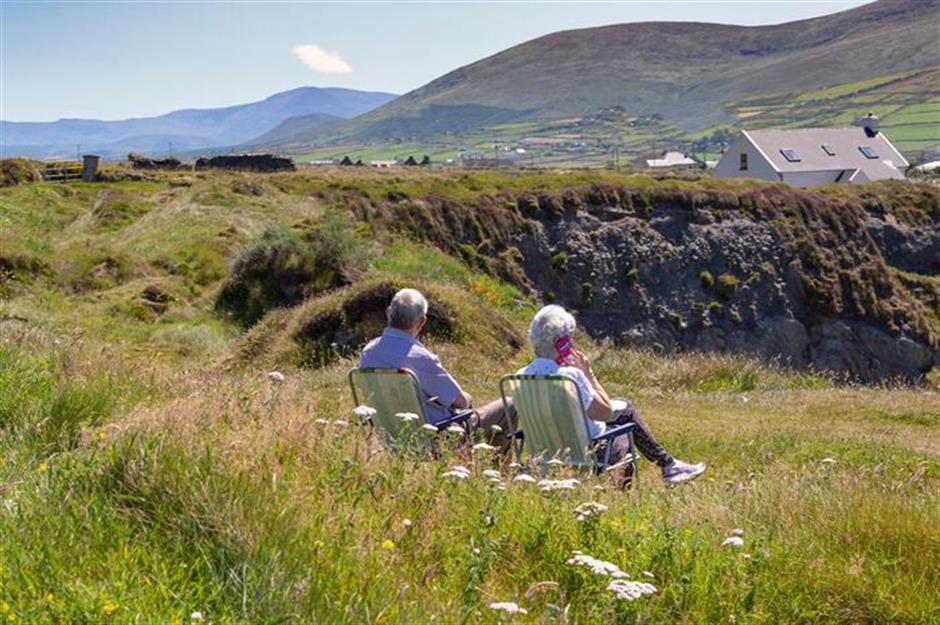
Ireland records its best-ever ranking in the GRI, jumping two percentage points and two places overall. The country performs particularly strongly in Finances in Retirement and Health, where it ranks first and second respectively. It also finishes in the top 10 for the other sub-indices.
Ireland is unbeaten for Finances in Retirement, thanks especially to its low government indebtedness. But it’s also surged ahead in Health with all indicators unchanged or improving and life expectancy jumping 11 places. A marked improvement in its unemployment indicator has fuelled a jump in its Material Wellbeing score, while its income per capita and income equality are also on the rise.
Sponsored Content
1. Norway, overall score: 83%
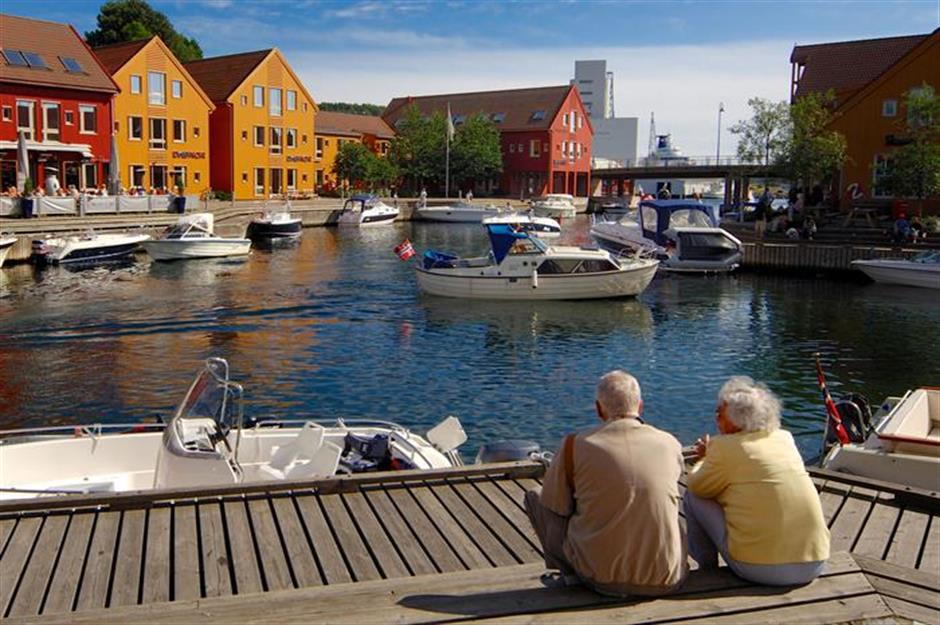
Taking second spot last time around, Norway has powered to the top of the GRI following gains in Health and Material Wellbeing, as well as strong scores across the board.
Strong performances in the income equality and unemployment indicators are behind the six-percentage-point Material Wellbeing surge. Despite a drop in life expectancy, health expenditure per capita is also rising. It’s top 10 material in all the sub-indices except Finances in Retirement, where high taxes and weaker ratings in the old age dependency and governance categories dent its score.
Meanwhile, Norway ranks second overall for Quality of Life, with consistent happiness, air quality and water and sanitation scores.
Liked this? Click the Like button above. And click the Follow button above for more great stories from loveMONEY
Now discover which countries will have the best life expectancies by 2050