Are you making any of these 26 common money mistakes?
Are you making these expensive financial fails?

Keeping a tight grip on your money can be tough, especially in times like these, but there are tips and tricks to make sure you hold on to more of what you've got.
Read on to discover the money mistakes you should stop making to live a smarter, and richer, life.
Sticking your head in the sand

The first step to sorting out your finances is accepting that they might not be in great shape. The challenge then is deciding to take action instead of sticking your head in the sand. Ignoring money worries can seem like an appealing short-term solution, but you've got to tackle your problems head-on if you're serious about getting cash savvy.
Living without a budget

Sponsored Content
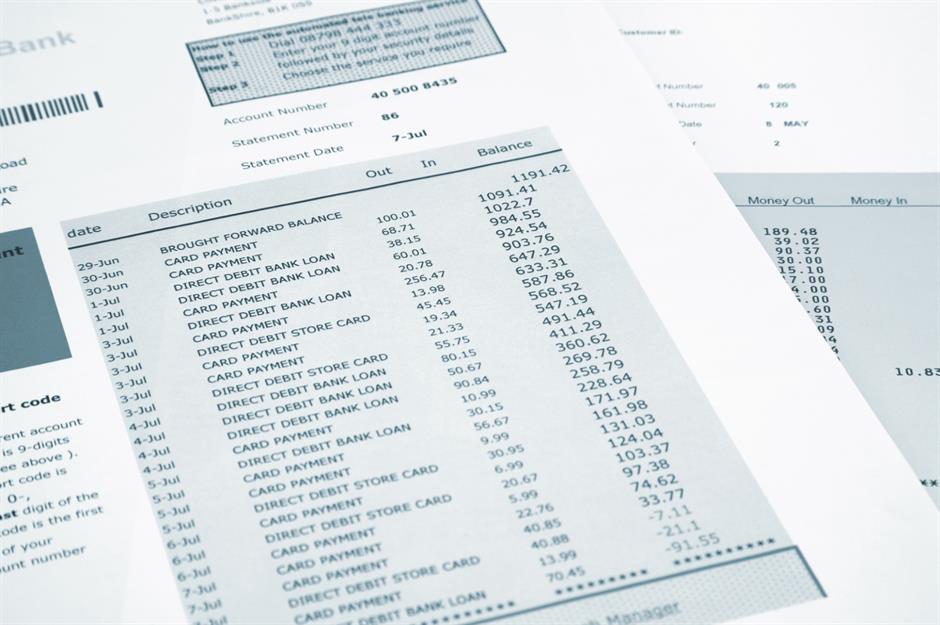
Ignoring bank statements
Buying what you don't need

The one-click culture of online shopping makes it easy to buy things that we often don't need, especially during the pandemic as digital shopping has been our main means of making a purchase. Now stores are starting to re-open, retailers will be hungry to boost sales so make sure you watch out for the tricks retailers use to lure us in, particularly when it comes to big-ticket buys. Avoid unnecessary purchases, and you'll save a stack of cash.
Paying for things you don't use
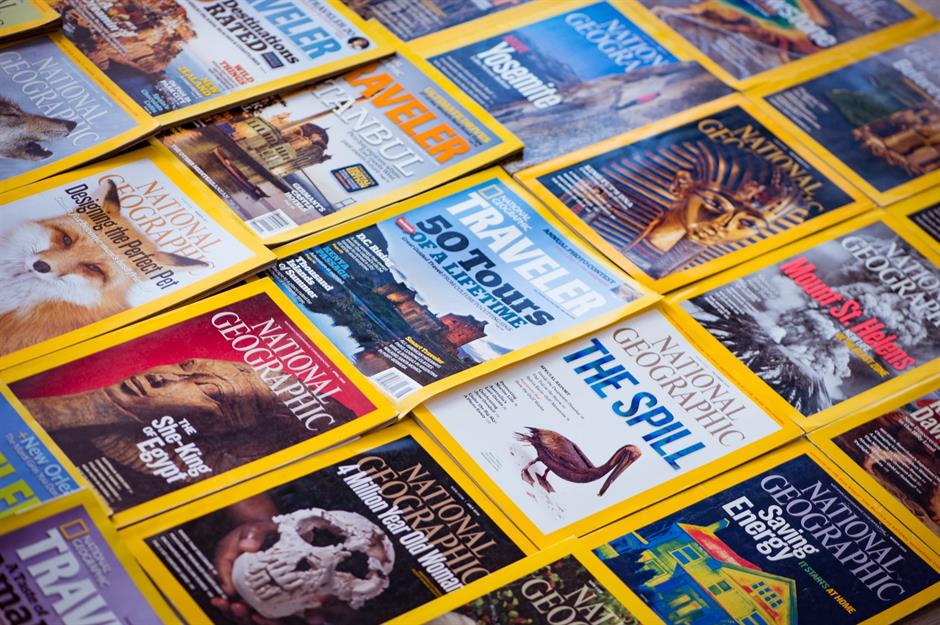
It's easy to rack up a bunch of memberships and subscriptions that you don't use – gym memberships, magazine subscriptions, or even phone contracts leaving you with unused data each month can all be trimmed back, leaving you with fewer monthly outgoings.
Sponsored Content
Sticking to branded goods

There are definitely products where it's worth investing in well-known brands, but a lot of items are pretty standard across the board – the only difference is the name and how much you pay. Groceries are a great place to start, and you can shave a fair amount off your weekly food shop by sticking to own-brand when it comes to items such as chopped tomatoes, salt, and a whole heap of other store cupboard essentials.
Not buying in bulk when it's sensible to do so

Stockpiling has been a controversial issue over the last few years, but buying larger packs of products that have a long shelf life can save you a lot of money in the long run. Toilet paper, for example, is a great item to buy in its larger packs, as it won't go out of date and the price per roll is much lower when you do so.
Tossing coupons and vouchers

The logical way to save more is to spend less, which means holding onto those money-off coupons and discount vouchers. Loyalty cards are also a great way to get money off and it's usually free to sign up. Retailers do know what they're doing though, and perks and freebies might entice you to spend more than you'd originally planned. If you're savvy about only buying what you originally set out for, then you're only going to benefit from the deals. Discount codes aren't just for face-to-face buys, and plug-ins such as Honey and Swagbucks will scour the internet and apply discount codes to your basket whenever you shop online.
Sponsored Content
Falling for scams
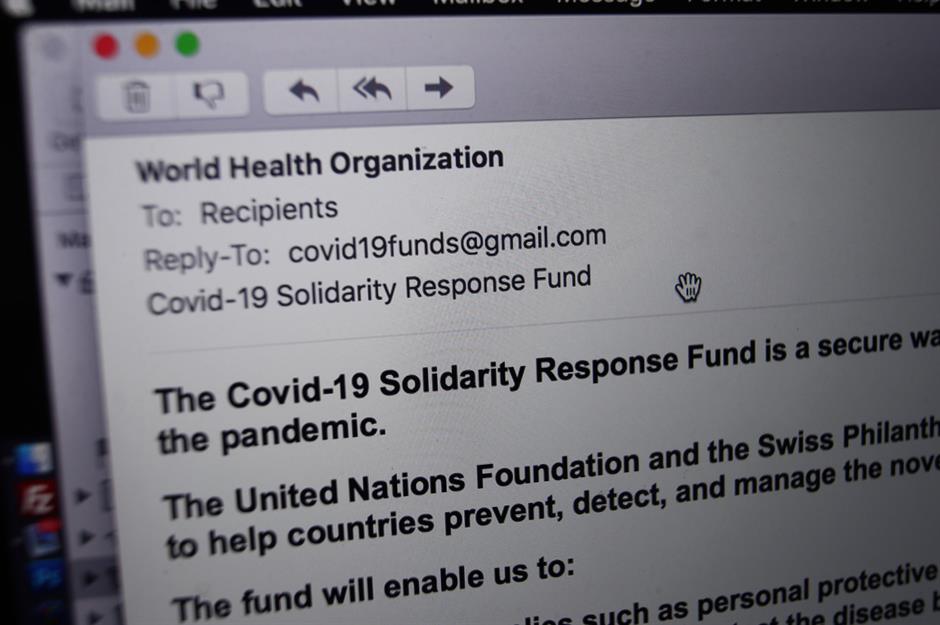
But don't trust every tempting-looking offer you see, as it might not be real. Not falling for scams might be easier said than done, but the best rule of thumb is that if it looks too good to be true, it probably is.
Liking this? Click the Like button above. And click the Follow button above for more great stories from loveMONEY
Rushing to make decisions
.jpg)
Working life is busy, meaning that some decisions have to be made in a rush. Make sure that isn't the case when it comes to your finances. It can take time to find the right insurance or investment opportunity, but that extra time will pay off in the long run and will help you to make the decision that's best for you.
Buying without comparing prices
Sponsored Content
Spending more than you earn

In other words, don't spend more than you have. Credit cards and other forms of borrowing offer the option to delay your payments, which can seem tempting if money is tight during these uncertain times, but avoid this becoming a habit if possible, as they can quickly cause a spiral into debt.
Allowing policies to auto-renew

Wasting energy

The advantages of saving energy are twofold – it's not only great for your wallet, but it comes with environmental perks too. Switching off appliances in between uses, getting a smart thermostat fitted and washing clothes at a lower temperature are quick and easy ways to embrace energy-efficient living. It really pays dividends, and in hard cash too.
Sponsored Content
Relying on in-branch products

It can be reassuring to discuss your finances with somebody face to face, but with some financial products it's a privilege you pay a large premium for. The savings accounts with the best rates tend to be online only, as money isn't being poured into the vast overheads that come with having physical branches.
Paying bills by cash or check

Paying by cash or check is definitely on its way out, but if you need an extra push to pick up the plastic, consider this: there are often numerous perks to paying by card – particularly when it comes to your bills. Agreeing to pay by direct debit/auto pay will often slash the cost of your utility bills and comes with the added bonus of not having to remember to pay each month.
Living paycheck to paycheck
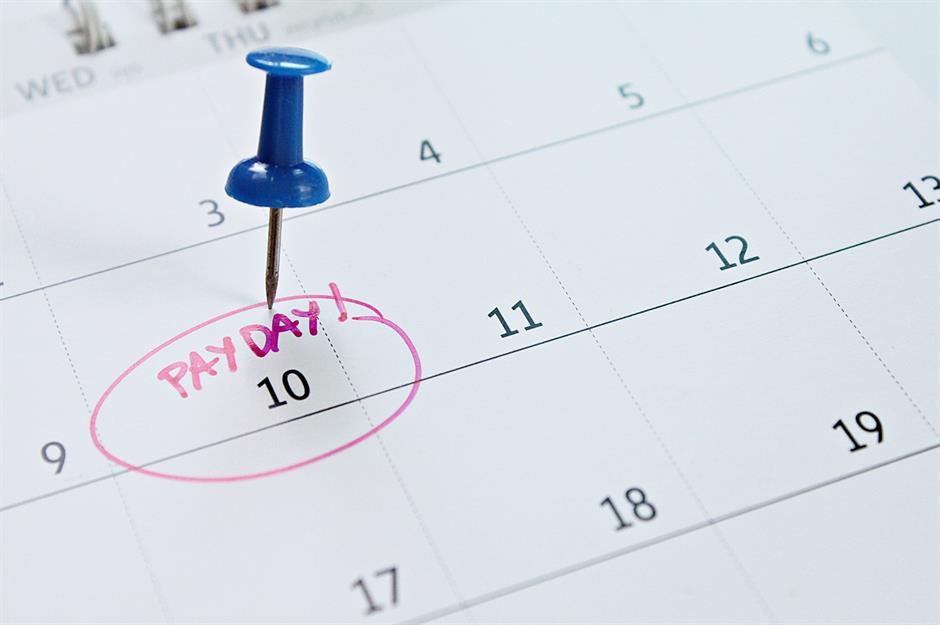
If you're living paycheck to paycheck, chances are that you finances aren't shock-proof. This can make it very easy to rely on credit cards and loans if you suddenly find yourself in a sticky situation, so try to put aside at least some money each month to build up that rainy day pot.
Sponsored Content
Ignoring your credit score
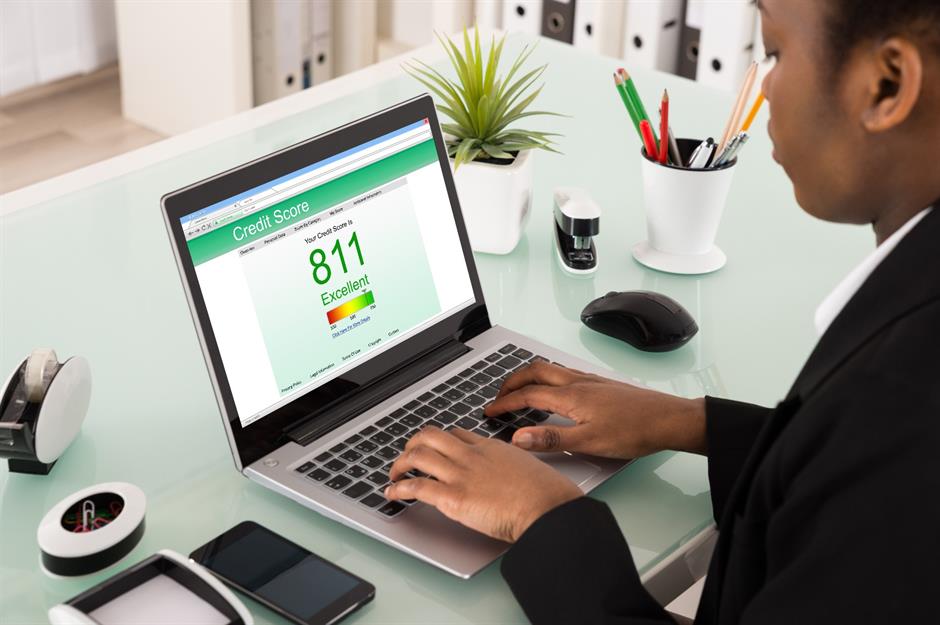
Losing track of your retirement savings

Saving steadily for retirement is a must, and having money stashed away for your golden years is essential. Keeping track of what money you have where, in terms of both work and personal savings and pensions, will make everything much easier in the longer term.
Underinsuring yourself

It's all well and good making sure that you're insured, but if your policy doesn't cover everything you need it to then you won't be getting the money you need if you have to make a claim. The coronavirus pandemic, for example, left a lot of big companies and events worse-off because of their failure to insure themselves for cancellation as a result of "an act of God", like pandemics. Wimbledon was one of the few sporting events to have adequate insurance, and there are lessons to be learnt from that; whether it's investing in fully comprehensive coverage for your car rather than just third-party damage, or ensuring that your policy covers any extreme sports you'll be doing on vacation, make sure you'll be able to claim if you need to.
Sponsored Content
Underestimating the value of your time

Time is money, and by underestimating the value of your time you're selling yourself short. It could be as simple as paying somebody else to do a difficult job for you, as the cost might be worth the hours you'll be saving yourself. Equally, if you're working for someone else make sure that you're being fairly compensated for your time.
Being scared of stocks and shares
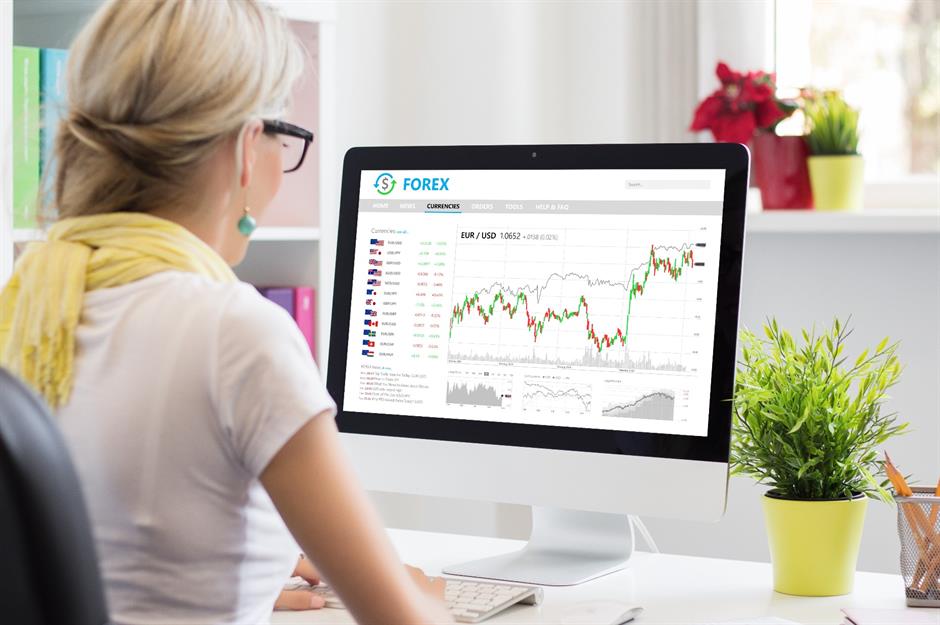
Films like The Wolf of Wall Street are enough to put anybody off the idea of the stock market, but if you read up on how to invest sensibly, you'll see it's nothing to be scared of. Stocks and shares can be hugely lucrative, and as some company share prices are at rock-bottom because of the pandemic, now is as good a time as any to get thinking about trading. Just make sure you're comfortable with the idea that your investments may go down as well as up.
Investing in expensive managed funds

Sponsored Content
Being greedy with investments

Focusing on short-term gain

Investing is generally a long-term game, and those looking to make a quick buck are likely to just lose out. Chasing short-term gain means that you're more likely to be affected by noise in the market, whereas five- to ten-year investments have a better shot at weathering turbulence and giving you more impressive returns.
Not asking for help

There's no shame in asking for help when times get tough. Even if friends or family aren't in a position to help you themselves, they may have some useful advice or be able to point you in the right direction for seeking help. Sharing financial worries is also likely to do you the world of good in terms of your mental health, so try not to keep things to yourself if you are struggling.
Liked this? Click the Like button above. And click the Follow button above for more great stories from loveMONEY
Now discover the secret tricks retailers use to make us spend more