11 once-desirable things that are now worthless
Pricey purchases that lost all value
Trends fade, technologies change and bubbles burst. The result? Items and investments that cost a fortune can eventually end up with little or zero value.
From over-hyped collectables that fell out of fashion to tech gadgets replaced by smartphones and speculative assets that collapsed, plenty of once-coveted purchases now belong on the scrapheap.
Read on for 11 once-expensive things that are effectively worthless these days.
All dollar values in US dollars
Beanie Babies
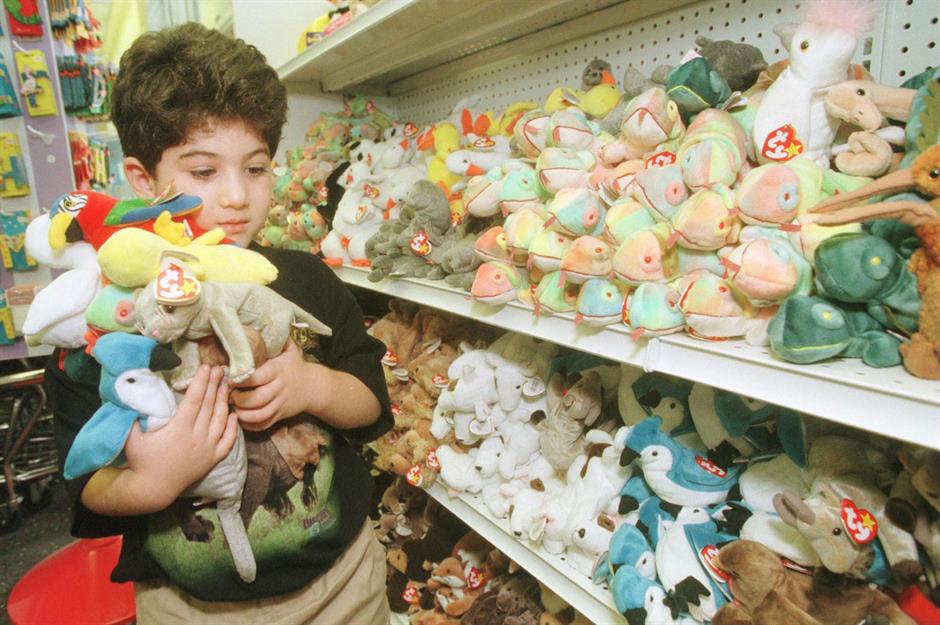
During the 1990s collecting fad, Beanie Babies became a speculative phenomenon. Some buyers spent hundreds or even thousands of dollars hoping rare versions would become valuable heirlooms. At the height of the craze, limited editions were traded like revered collectibles.
But when the hype faded in the early 2000s, prices nosedived. Most of the plush toys ended up being worth barely 1% of their original market price.
Today, the vast majority sell for next to nothing, if they sell at all, with only a small handful of ultra-rare specimens still attracting considerable prices.
Encyclopaedia Britannica volumes
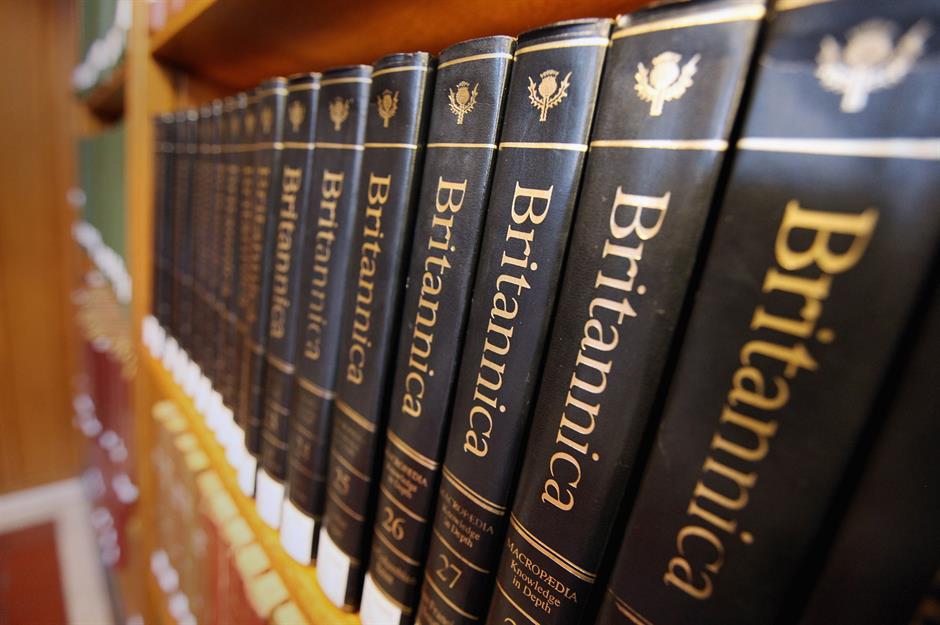
For much of the 20th century, a full set of Encyclopaedia Britannica was a prized household possession. Families often stumped up the equivalent of hundreds or even thousands in today's money for the multi-volume collection. But the rise of the internet and free resources like Wikipedia made physical encyclopaedias obsolete.
Britannica stopped printing its encyclopaedia in 2012, and used sets today often struggle to even be given away. But while the cumbersome books have become relics, the firm behind them has successfully reinvented itself as a digital education and AI-powered learning business.
Sponsored Content
Standard pianos
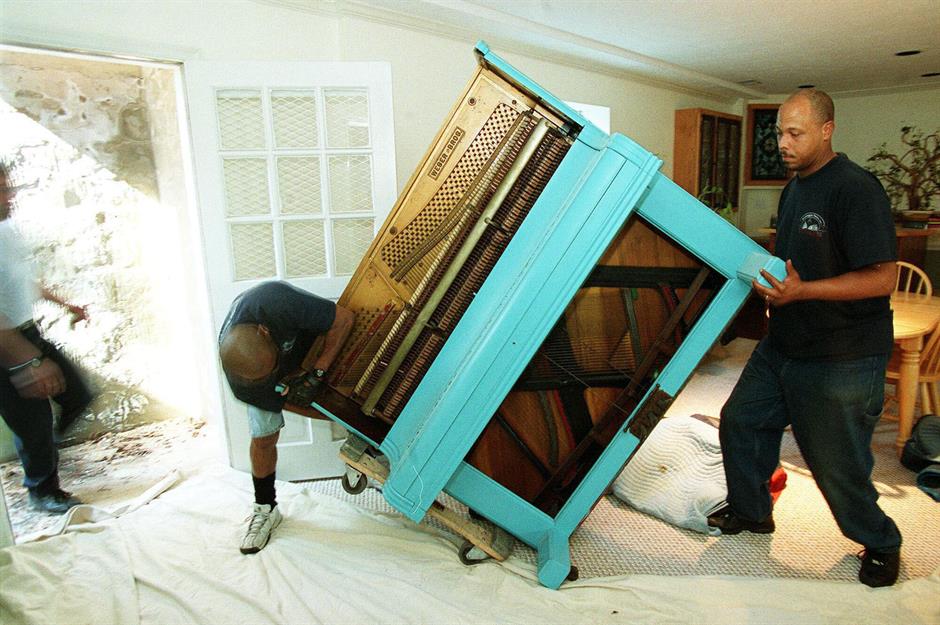
Many old upright pianos were once expensive household purchases, often bought on instalment plans and intended to last for generations. But today a huge oversupply of ageing instruments means most have little or no resale value.
Restoring and retuning can cost far more than the piano is worth. As a result, owners can have a hard time trying to give their old pianos away, and in some cases must pay through the nose to get an unwanted instrument removed or scrapped. Only rare or prestigious brands tend to retain significant value.
Fax machines
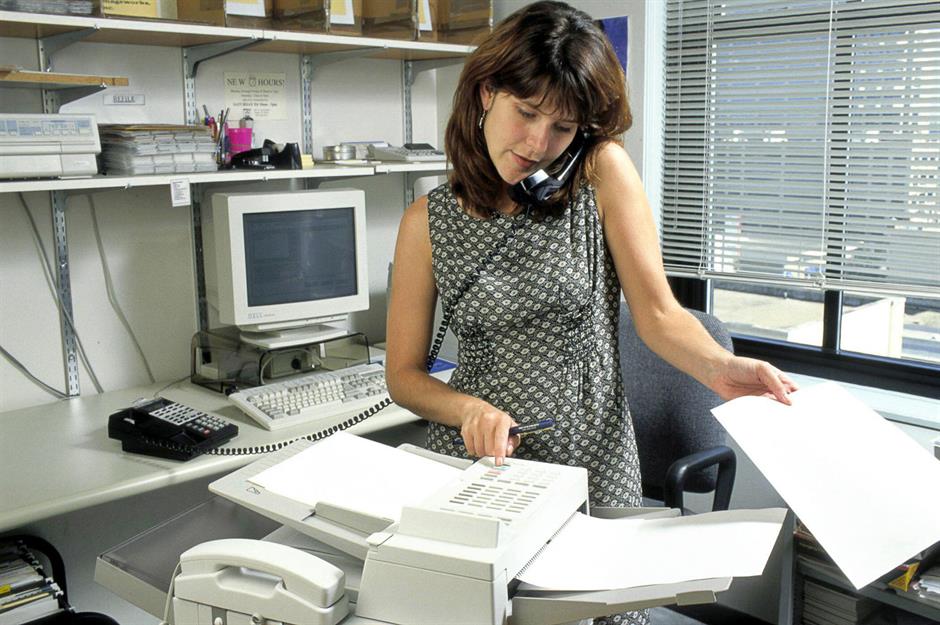
For decades, fax machines were a staple of offices around the world. Businesses spent serious money on reliable models to send contracts, invoices and documents over phone lines.
Today, that hardware has been almost completely replaced by email, cloud file sharing and digital fax services. With little practical use left, second-hand fax machines are basically valueless e-waste destined for the recycling pile.
Portable CD players
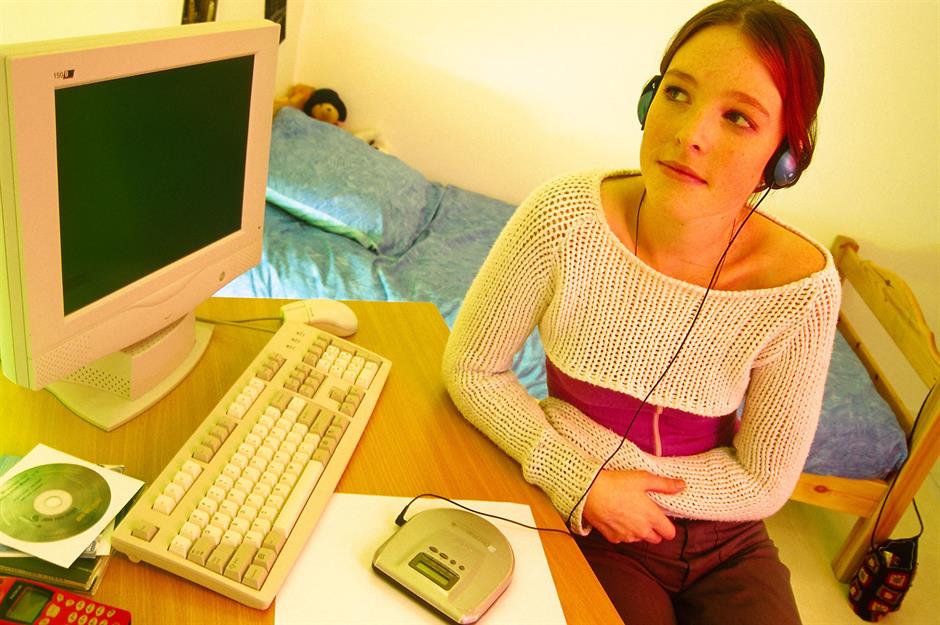
Popularised by devices like the Sony Discman, portable CD players were once a must-have gadget for music fans, with premium models costing hundreds of dollars. On the downside, they were notoriously jumpy, with even a short jog or bump causing the music to skip.
That problem disappeared when MP3 players and later smartphones arrived. Needless to say, portable CD players swiftly became obsolete.
Meanwhile, many old CDs are now scratched or degraded, leaving both the players and most discs with little value beyond nostalgia or rare collectors' items.
Sponsored Content
Plasma TVs
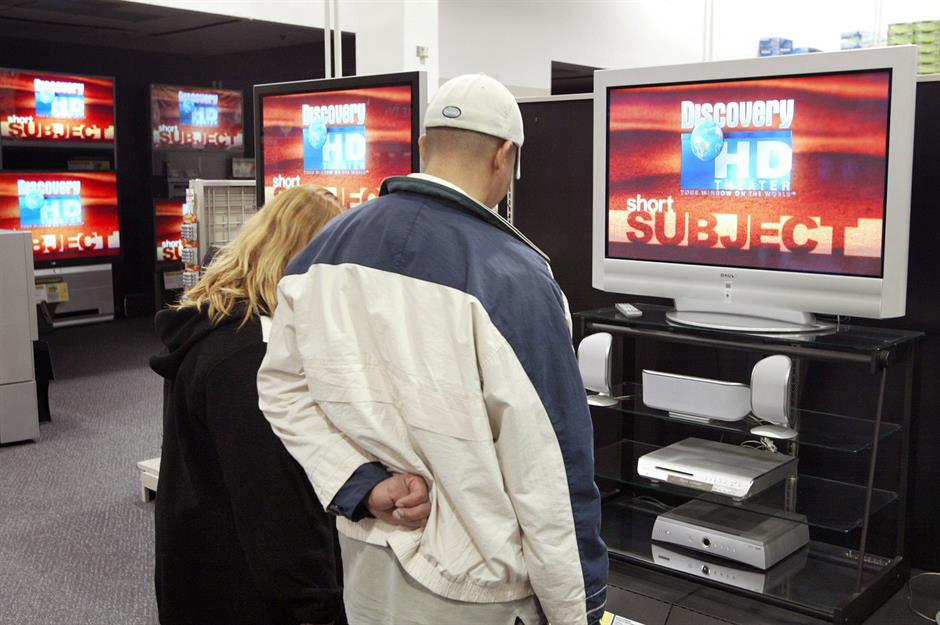
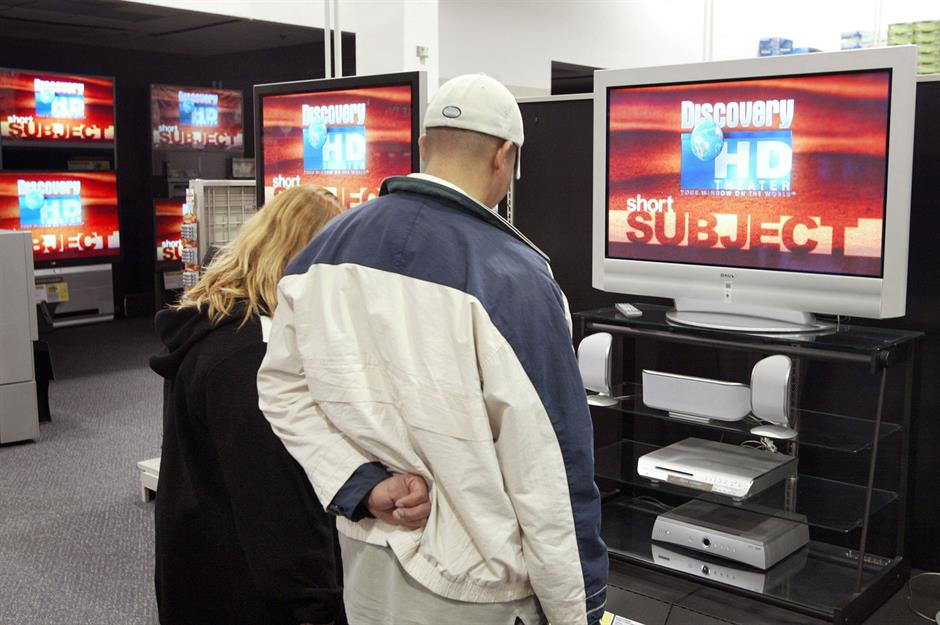
Plasma TVs were the height of home entertainment during the noughties. In the early part of the decade, a large flat-screen model could cost thousands, making it a luxury purchase for many households. But improvements in LCD and LED technology firmly pushed plasma sets out of the market.
Nowadays, even large models in excellent working condition can sell for not much more than $20 (£15) on sites like eBay, partly because they're heavy, energy-hungry and expensive to transport compared with modern TVs.
HD-DVD players
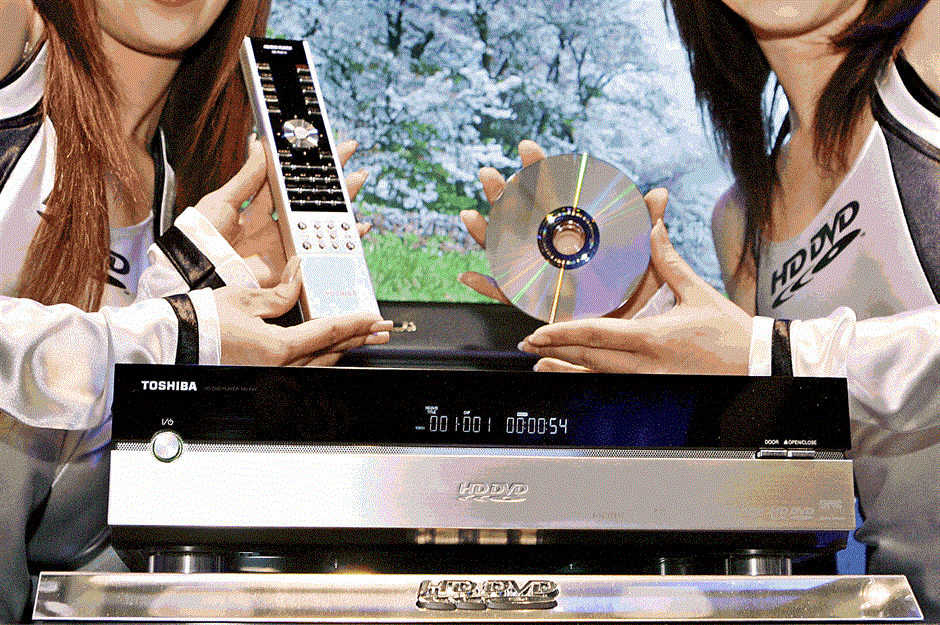
Likewise, HD-DVD players briefly looked like the future of home entertainment in the mid-2000s. Developed by Toshiba, the format used a blue laser to store high-definition video and early players cost hundreds.
In the end, the technology lost a bitter format war with Sony's Blu-ray. A major blow came when Sony built Blu-ray players into its hugely popular PlayStation 3, putting millions into homes overnight.
As studios and retailers switched sides, Toshiba abandoned HD-DVD in 2008. These days, most players and most HD-DVD movie collections are virtually worthless.
Google Glass
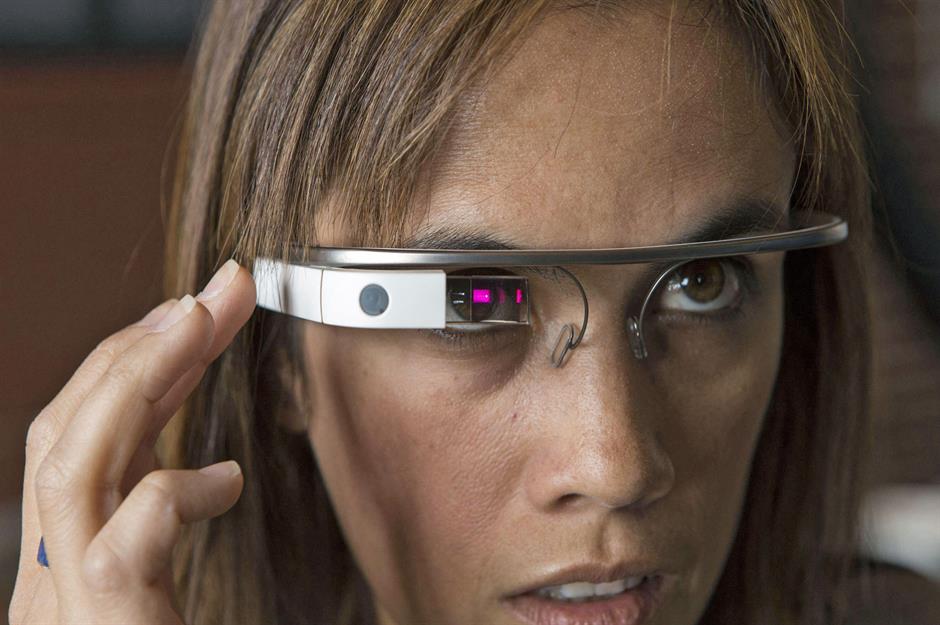
When Google Glass debuted in 2013, the futuristic smart glasses cost a hefty $1,500 (£1,125). The wearable device displayed information directly in the user's field of vision and allowed photos, video and internet access through voice commands. However, the massive price tag – along with privacy concerns, awkward design and limited usefulness – meant the product never caught on.
Consumer sales were discontinued in 2015 and the gizmo was finally killed off in 2023 when Google called time on the enterprise model.
Sponsored Content
NFTs

Non-fungible tokens (NFTs) became a huge craze during the pandemic, when online hype and easy crypto money fuelled a rush into digital collectables. People paid enormous sums for blockchain-linked ownership of images, memes and virtual art, with some NFTs selling for millions of dollars. But the boom was largely driven by speculation.
When the hype died down, the market fell like a pack of cards. Today, researchers estimate around 95% of NFTs are effectively worthless.
FTT tokens
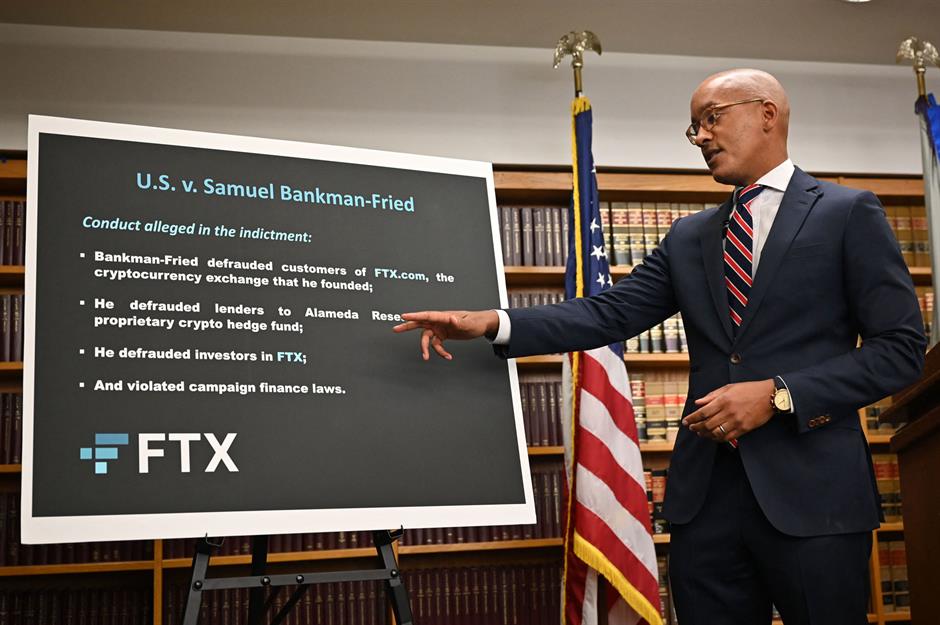
FTT was the cryptocurrency created by the crypto exchange FTX, founded by the now notorious Sam Bankman-Fried. Launched in 2019, the token acted like loyalty points for the platform: holders received trading discounts and VIP perks. At its peak in 2021, FTT was worth nearly $80 (£60) per token and helped push FTX's valuation above $30 billion (£22.5bn).
Yet much of the token supply was controlled by FTX and its sister hedge fund Alameda Research, which used it as collateral for risky bets. When confidence collapsed in 2022, the price crashed and FTX went bankrupt.
Bankman-Fried was later convicted of fraud and sentenced to 25 years in prison.
BrewDog Punk Equity
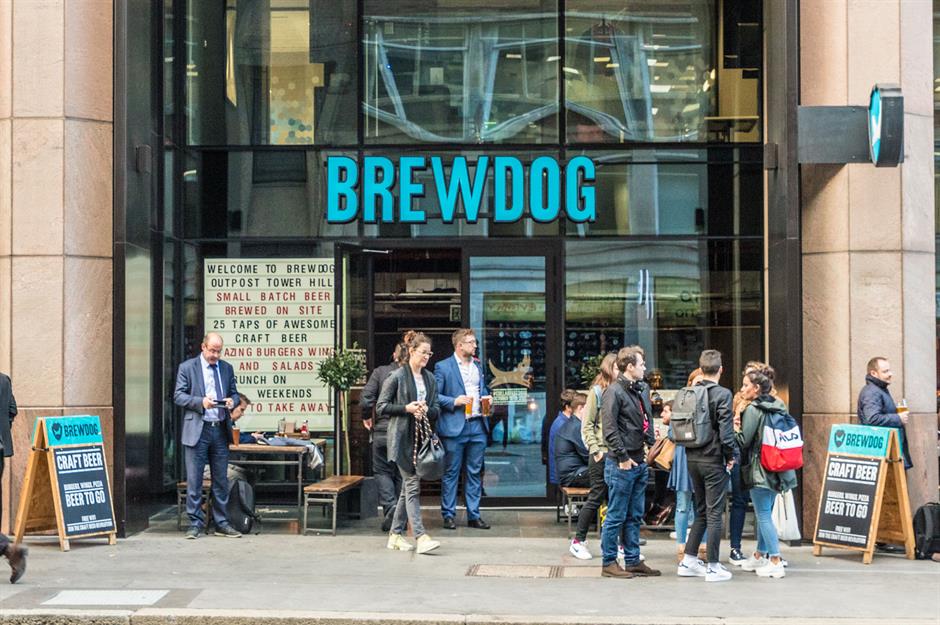
BrewDog raised money through its Equity for Punks scheme, where more than 220,000 fans bought shares hoping to profit from the Scottish craft brewery's rapid growth. At its peak, the business was valued at around $2.7 billion (£2bn) and the scheme was marketed as letting ordinary drinkers invest in a rebellious indie brewery.
Sadly, after years of losses and slowing demand, BrewDog collapsed and was sold to a US firm in March 2026. The deal wiped out the small investors' $100 million (£75m) stake, leaving 'equity punks' with nothing.
Now meet the inventors who made a fortune from just one product