11 things Zoomers get cheap
What Boomers paid a fortune for

Gen Z often argues that Baby Boomers had an easier financial path. And in many ways they did, especially when it came to housing, university tuition and other big life expenses.
But the economic story has shifted in other ways. Many consumer goods that once cost serious money have become dramatically cheaper thanks to factors like globalisation, the rise of China as the world's manufacturing powerhouse and significant advances in technology.
Read on to discover 11 things Zoomers can enjoy for a fraction of what earlier generations once paid.
All dollar values in US dollars
TVs
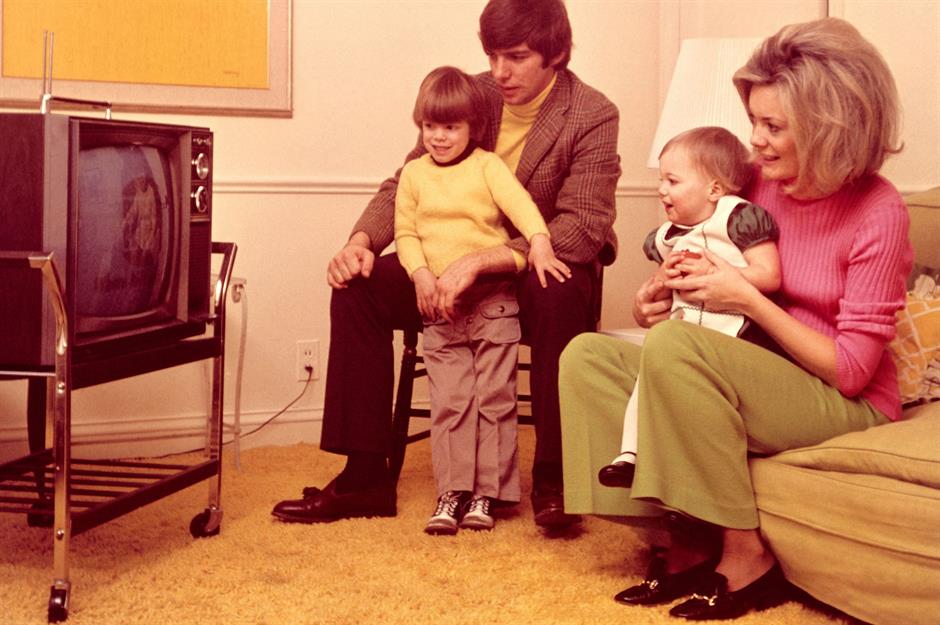
A TV used to be a major purchase. In 1970, a decent 21-inch model cost the equivalent of thousands today. Since then, prices have collapsed by a jaw-dropping 99%.
Cheap mass production and technological advances have been key. Screens are now cut from giant mother-glass sheets, components such as chips cost much less, and fierce competition from China and elsewhere has squeezed margins.
Periods of oversupply have pushed prices down further, while some smart TVs are sold as loss leaders, with companies making money through ads and data instead.
Mobile phones

The first widely available mobile phone, Motorola’s DynaTAC 8000X, aka the yuppie brick, was priced at the equivalent of $12,500 (£9,300) in 1985. Only the wealthiest business execs and entrepreneurs could afford it.
A modern flagship smartphone usually costs less than a tenth of that. And it packs far more inside.
Amazingly, the camera, portable CD player, gaming console and myriad other gadgets it replaces would have set you back more than $32,000 (£24,000) in today's money if you'd bought the equivalents separately back in the mid-1980s, according to an analysis by digital marketing agency WebFX.
Sponsored Content
Phone calls
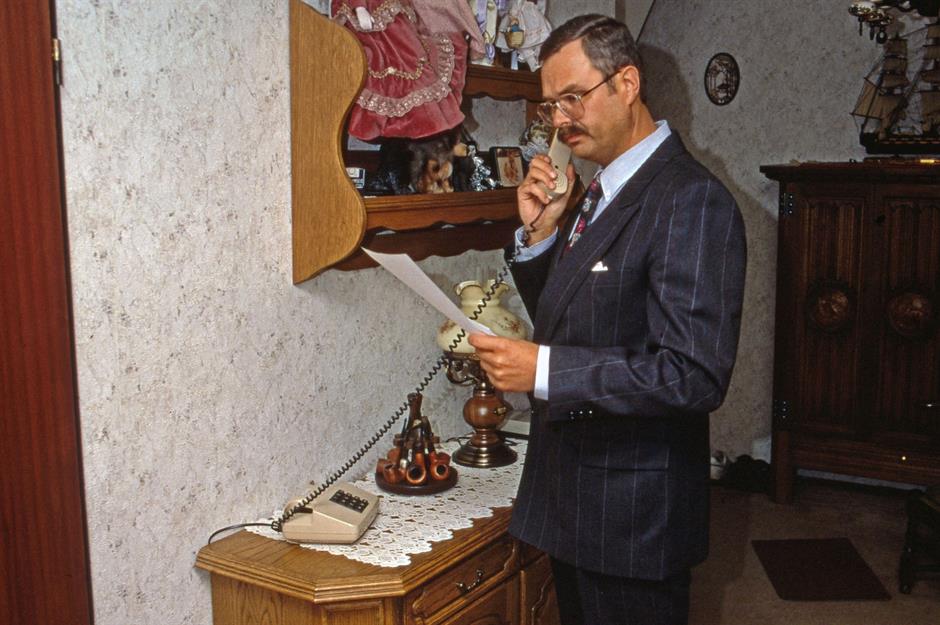
Making a phone call used to cost real money.
For much of the late 20th century, landlines often charged by the minute, and long-distance or overseas calls could quickly rack up hefty bills. Calls from payphones were expensive and notorious for swallowing up your change. Markedly worse were mobile phone calls, which were extortionate in the early days, with international calls outrageously expensive.
The picture looks very different today. Many mobile plans, including the budget options, now offer unlimited minutes for local and national calls, while apps such as WhatsApp and FaceTime allow people to call almost anywhere in the world for very little or zero cost.
Laptops
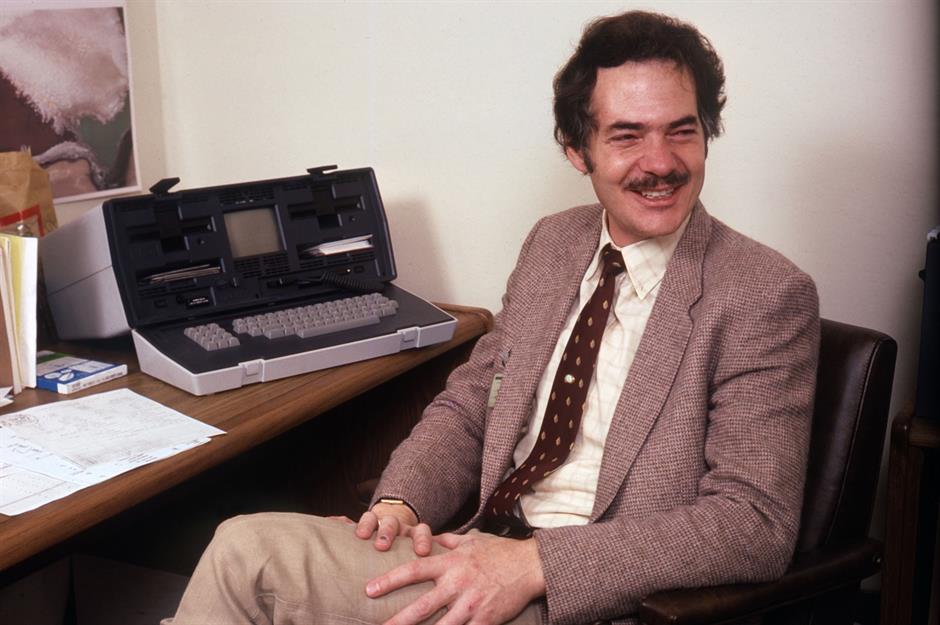
Early portable computers were extraordinarily expensive. The Osborne 1 (pictured), widely considered the first commercially successful portable machine, cost the equivalent of about $6,400 (£4,770) in today's money when it launched in 1981.
Laptops remained pricey throughout the 1980s. Debuting in 1989, Apple's first portable model would equal around $19,000 (£14,000) today.
Prices began falling in the 1990s and became far more affordable in the 2000s. By 2016, a typical laptop was 96% cheaper and 1,000 times more powerful than a comparable machine from 1994. And that was a decade ago. Today, laptops are even more affordable.
Calculators
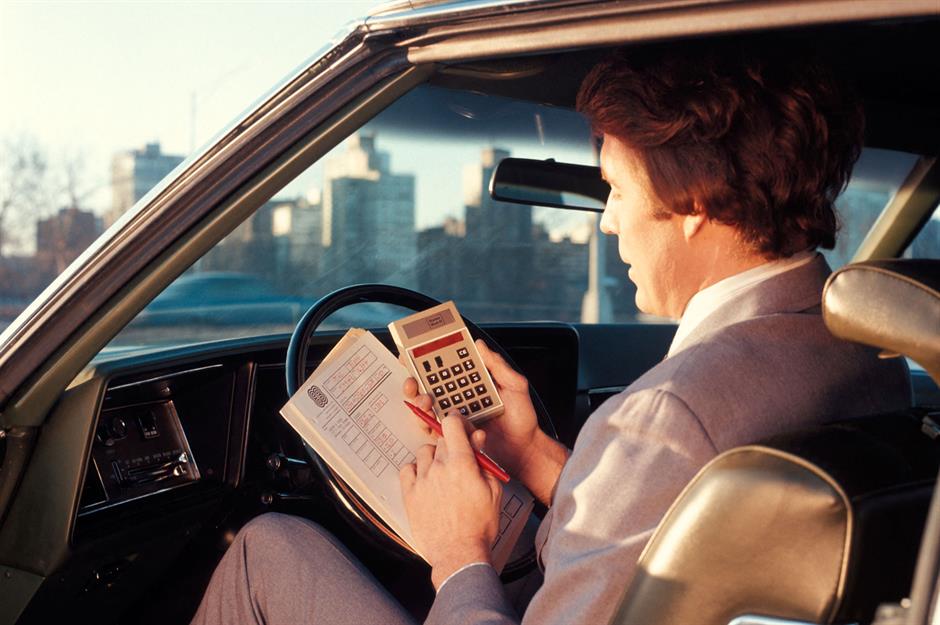
Calculators once came with astronomical price tags. Back in the late 1960s, some electronic models cost the equivalent of several thousand dollars in today’s money.
Prices plunged in the 1970s as the technology improved and mass production ramped up. By the 1980s, basic pocket calculators could be bought for about $10, roughly $30 (£22) today, though advanced scientific models remained steeply priced. Nowadays, basic models can sell for less than a dollar, while scientific versions cost only a little more.
In any case, many people now simply use a free calculator app on their smartphones or PCs.
Sponsored Content
Microwaves
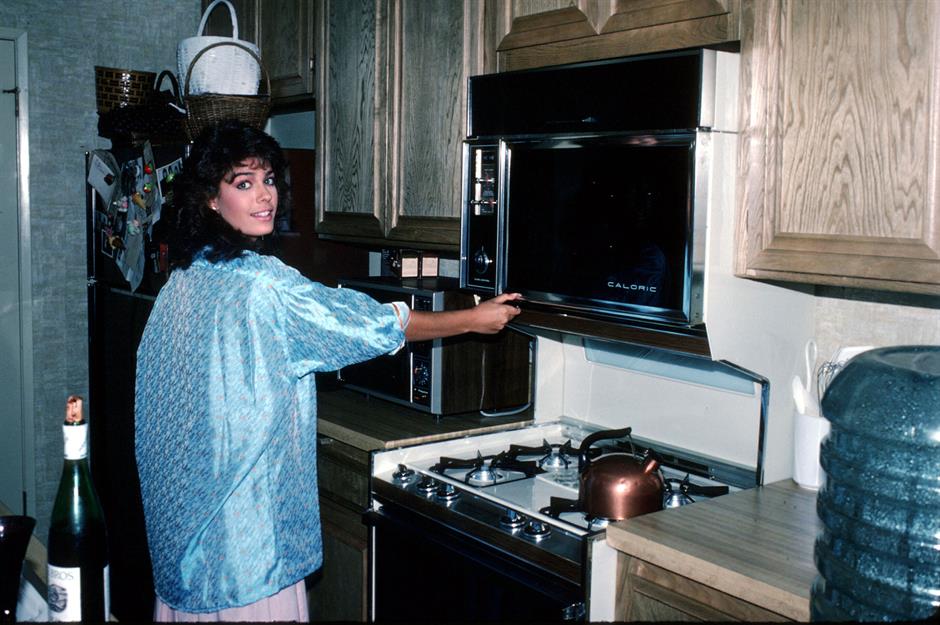
Microwave ovens were once a pricey kitchen luxury. By way of example, in 1984, US chain Sears sold a Kenmore microwave for $249.99, the equivalent of $617 (£460) in today's money.
Prices have tumbled since then. A similar Kenmore model can now be bought for around $60 (£45), meaning the earlier machine was effectively over 10 times more expensive.
Mass production, cheaper electronics and growing global competition have pushed costs down drastically, turning what used to be a high-end appliance into an everyday household item.
Toys

Many popular toys of the 1970s and 1980s were surprisingly expensive once you adjust their original prices for inflation. Compared with the modern equivalents, kids' playthings often cost far more than parents pay today.
Again, prices have dropped thanks largely to global manufacturing. Production shifted to lower-cost countries such as China, factories began churning out toys at huge scale and manufacturing techniques improved. Meanwhile, competition among retailers intensified in a major way, putting further downward pressure on prices.
Clothing
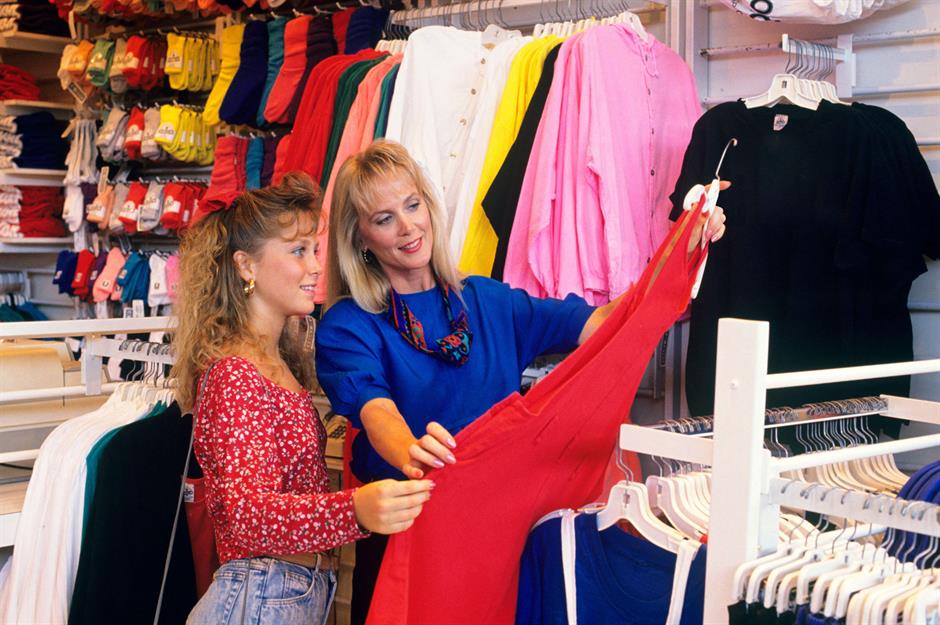
Before the 1990s, clothes were relatively expensive. People typically bought far fewer items. with the focus on quality rather than quantity. Fast fashion as we know it today barely existed and much of the stock on offer was produced domestically at comparatively high cost.
From the 1990s onwards, manufacturing shifted to lower-cost countries, especially China, driving prices down.
In the 2000s, budget chains such as H&M, Zara and Primark spread cheap fashion worldwide. The 2010s brought even lower prices with the rise of online players like Shein and Temu, which produce huge volumes at ultra-low cost. Nowadays, many garments sell for next to nothing.
Sponsored Content
Air fares
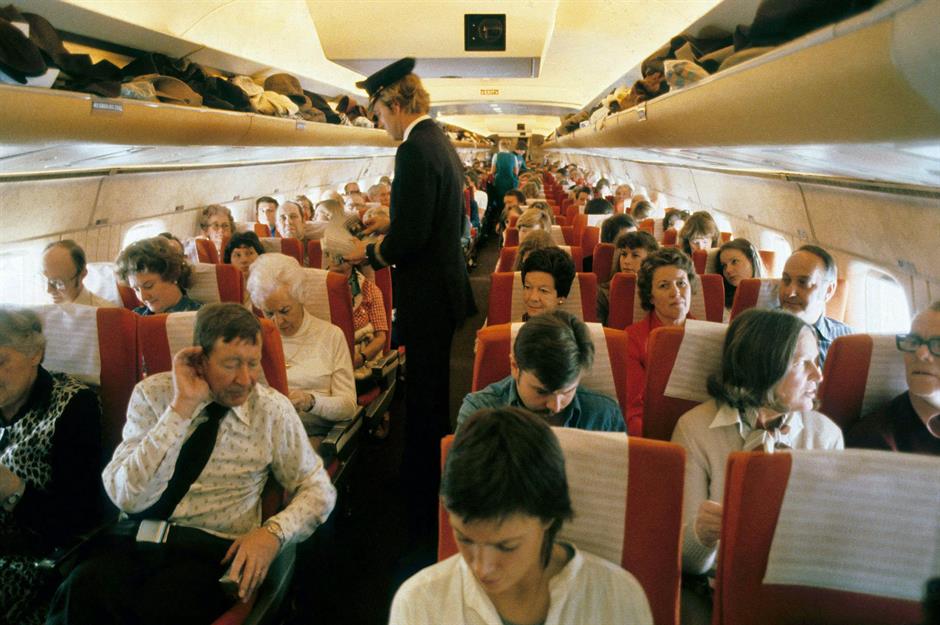
Cheap flights were once rare. For much of the late 20th century, air travel was relatively expensive and often treated as a premium service. Many routes were dominated by national airlines and competition was strictly limited.
The picture began to change after airline deregulation in the US in the 1970s and similar liberalisation elsewhere. Low-cost carriers such as Southwest, Ryanair, easyJet and AirAsia expanded rapidly in the 1990s and 2000s, offering no-frills service and budget fares. Now, bargain flights that once seemed unimaginable are common on many routes, even long-haul.
Encyclopedias
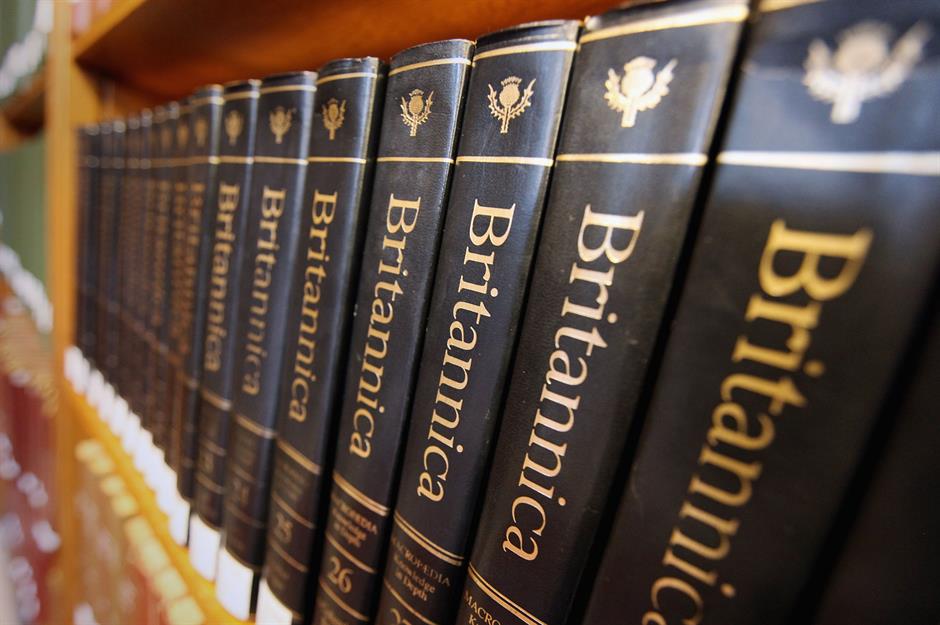
Before the internet, access to reliable information could be expensive. Many families bought multi-volume encyclopedia sets such as Encyclopaedia Britannica, which often cost the equivalent of hundreds or even thousands of dollars in today's money.
Fast-forward to today, and vast libraries of knowledge are available free online through websites such as Wikipedia, digital archives, search engines and AI chatbots. Information that once filled shelves of costly books can now be accessed instantly from a smartphone or PC at little or no cost.
Diamonds
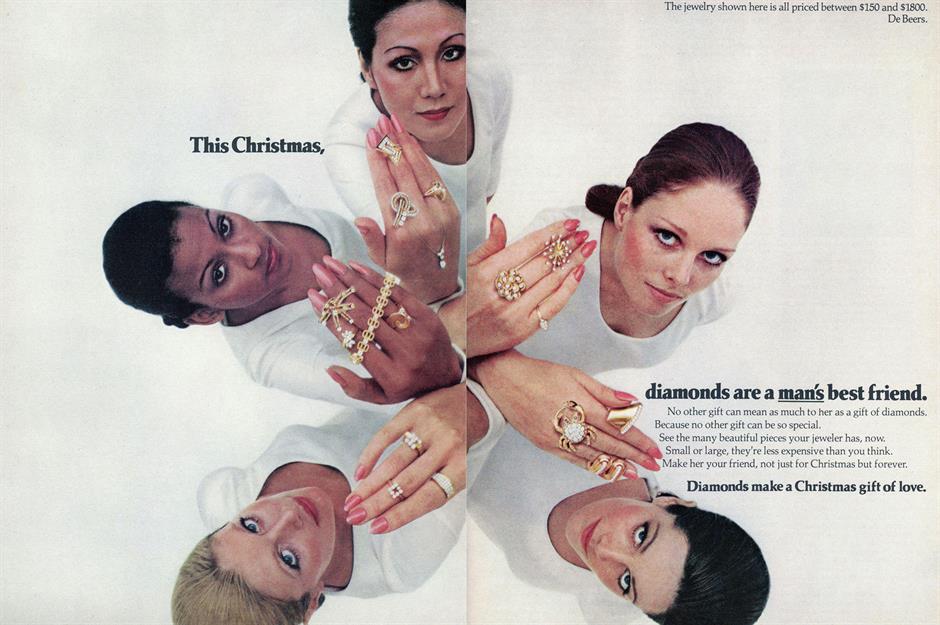
Diamonds aren't exactly cheap, but they're much more affordable than they once were.
Prices have plunged in recent years as lab-grown diamonds have flooded the market. Produced in factories rather than mined from the earth, these stones are virtually indistinguishable from natural diamonds but far cheaper to make.
The impact has been dramatic. Lab-grown diamonds, which barely registered a decade ago, now account for a significant share of the market and can cost up to 90% less than mined stones. As supply has surged, prices for natural diamonds have also fallen sharply, dropping by as much as 80% since 2020, according to the deVere Group.
Now discover the things Baby Boomers got cheap