11 things the Baby Boomers got cheap
You won't believe how affordable life was

Baby Boomers came of age during what many economists describe as a golden age for working- and middle-class prosperity in Western countries. Consumer goods like TVs and electronics could cost a small fortune, but the big milestones of adult life were far more affordable.
From housing to university tuition, the essentials took up a much smaller slice of household budgets than they do today. Millennials and Gen Z often point this out when debates flare up about whether younger people should simply skip the avocado toast or the latest iPhone and save more.
Read on to discover 11 things Boomers could buy far more cheaply than younger generations these days.
All dollar values in US dollars
Housing
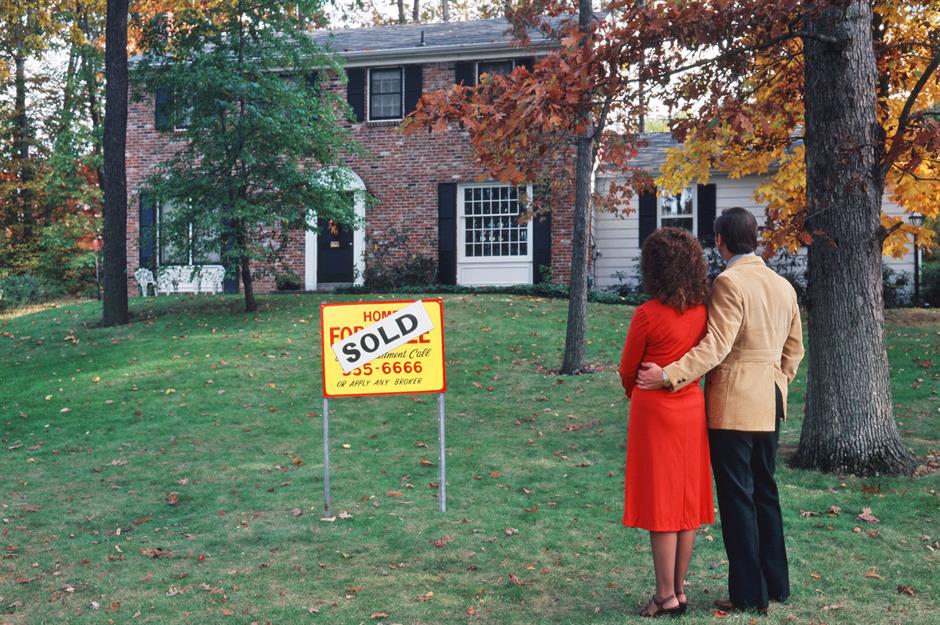
Home ownership was far more attainable when Boomers were starting out.
From the 1960s to the 1980s, a typical house cost around three to four times the average annual salary in countries such as the US, UK, Canada and Australia. Today that figure comes in at between five and 10 times yearly income, and goes even higher in some locations.
While mortgage rates were often much steeper back then, markedly lower property prices meant buying a home was considerably more achievable. Since the 1990s, soaring demand, limited housing supply and the growing view of homes as investments have all helped drive prices sharply higher.
University tuition

Most students these days can only dream of the low and sometimes non-existent tuition fees many Boomers enjoyed. Universities in the UK were free for domestic students until the late 1990s, while Australia briefly introduced free higher education from 1974 to 1989. Meanwhile, fees in the US and Canada were far more affordable compared to today.
Scotland still offers free tuition for local students, and public universities remain free or very low-cost in parts of continental Europe and Latin America. But in most countries, higher education now costs far more than it once did.
Sponsored Content
Concert tickets
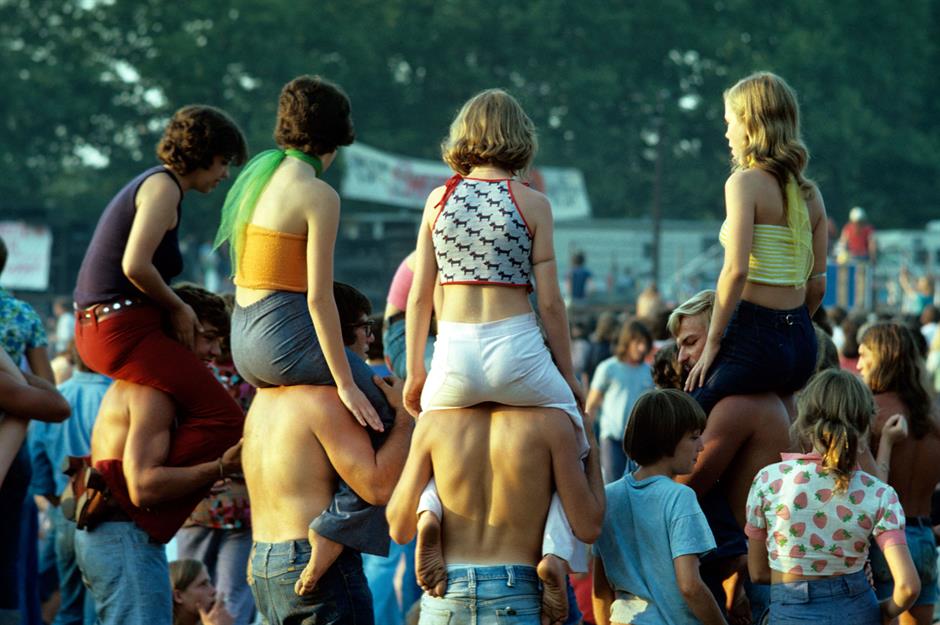
Seeing a major live act used to be a lot more affordable. Back in the late 1970s, Boomers in the US could catch artists such as Bruce Springsteen and Elton John for the equivalent of $50 (£37) in today’s money. Today, average tickets for major tours run far higher.
In the UK, the typical concert ticket price rose more than fivefold between 1996 and 2025, far outpacing inflation. It's a similar story in other parts of the world. Prices have surged due to dynamic pricing, resale markets, costly stadium productions, higher touring expenses and the music industry's shift toward live performances as streaming eroded recorded music revenues.
Sports tickets
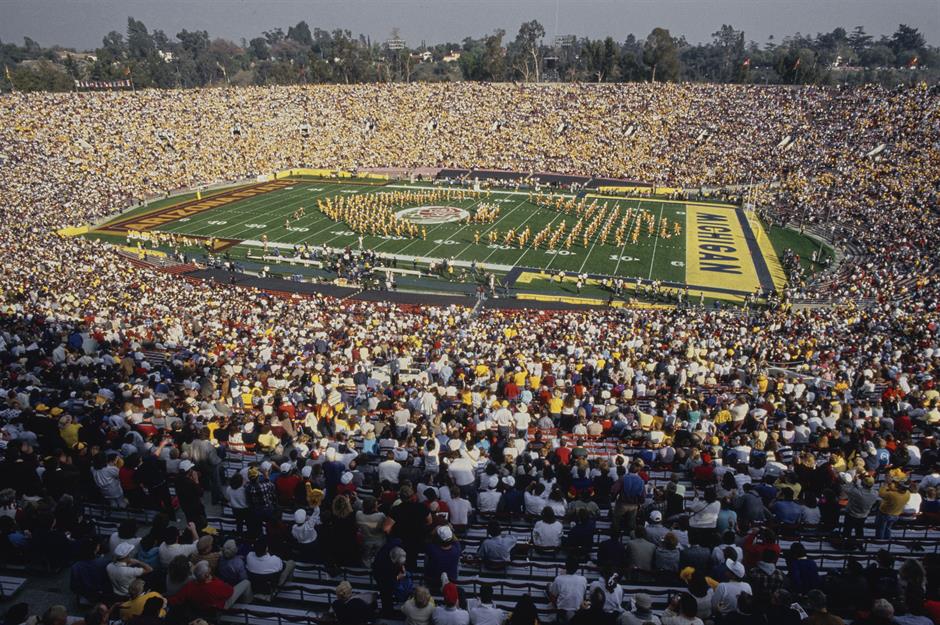
Likewise, watching top-level sport used to be far more affordable. In the late 20th century, tickets to major sporting events such as football, baseball or rugby games typically cost only a small fraction of what fans pay today.
Across the globe, prices have surged as leagues expanded, players' pay skyrocketed, TV rights exploded and stadiums were rebuilt with more premium seating. Growing global demand, along with dynamic pricing and resale markets, has pushed prices even higher. For many fans, attending live games has gone from being a routine pastime to an occasional luxury.
Theme park tickets
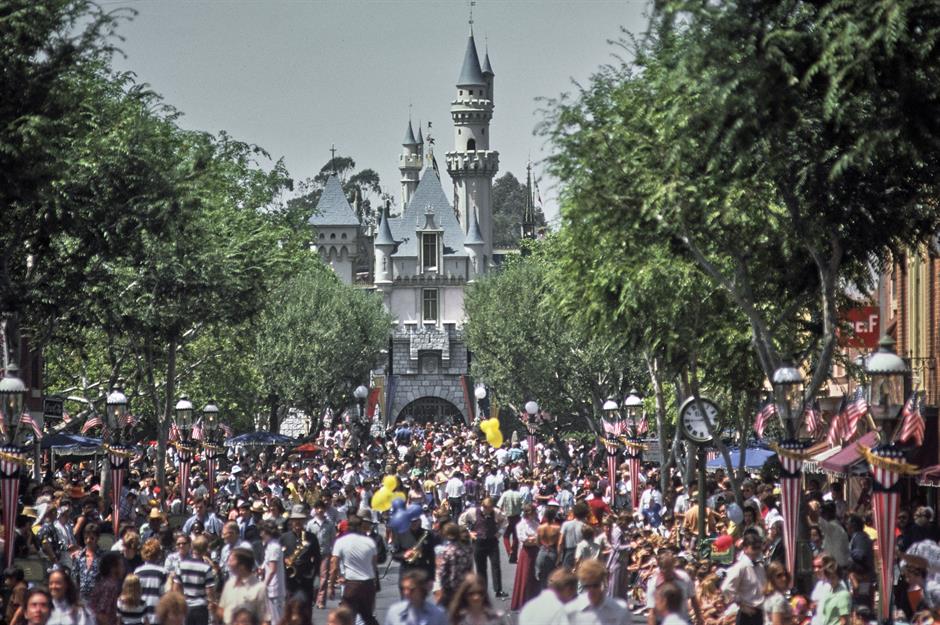
Admission prices at major theme parks have also climbed steeply over the past few decades. In the early 1970s, entry to large parks such as Disneyland was very reasonable. Even after adjusting for inflation, today's tickets are significantly more expensive.
Part of the change reflects how parks themselves have evolved. Modern theme parks are far larger and feature elaborate rides, themed lands, hotels and entertainment complexes that barely existed in earlier decades. So while visitors now pay much more, the overall experience has expanded enormously.
Sponsored Content
Postage
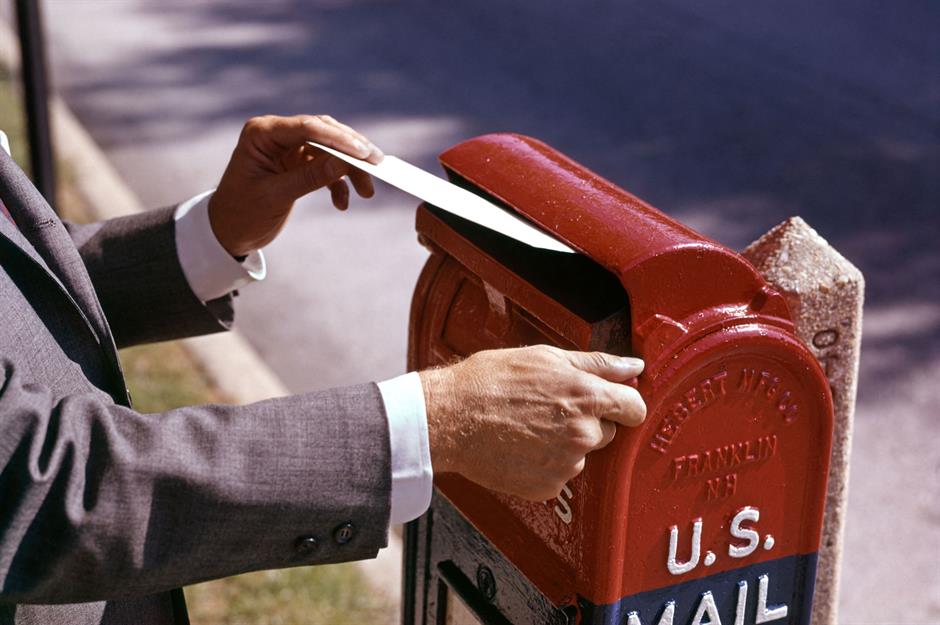
Sending a letter used to be extremely cheap. In the UK, the cost of a first-class stamp has increased far faster than wages. Between 1971 and 2022, average annual pay rose about 230%, but first-class stamp prices increased by roughly 3,067%, more than 13 times faster. The sharpest increases have come in the 21st century, particularly the past few years.
Similar trends have appeared in countries such as the US, Canada and Australia as email and other digital communication slashed letter volumes, forcing postal services to raise prices to cover rising delivery costs.
Weddings
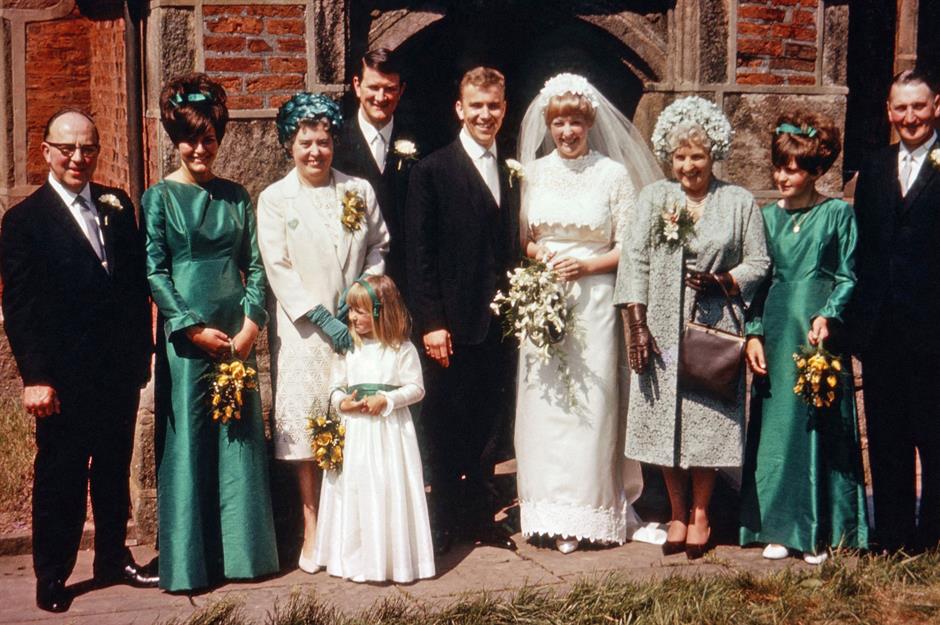
Getting married was far cheaper when Boomers were walking down the aisle. In past decades, many weddings were relatively modest affairs held in local churches, community halls or family homes. Today's nuptials tend to be grander. Meanwhile, the cost of venues, catering, photography, entertainment and other marriage expenses has climbed dramatically.
In many countries, the average wedding now costs in the tens of thousands, turning what was once a simple celebration into one of the biggest single expenses many couples face.
Having a baby
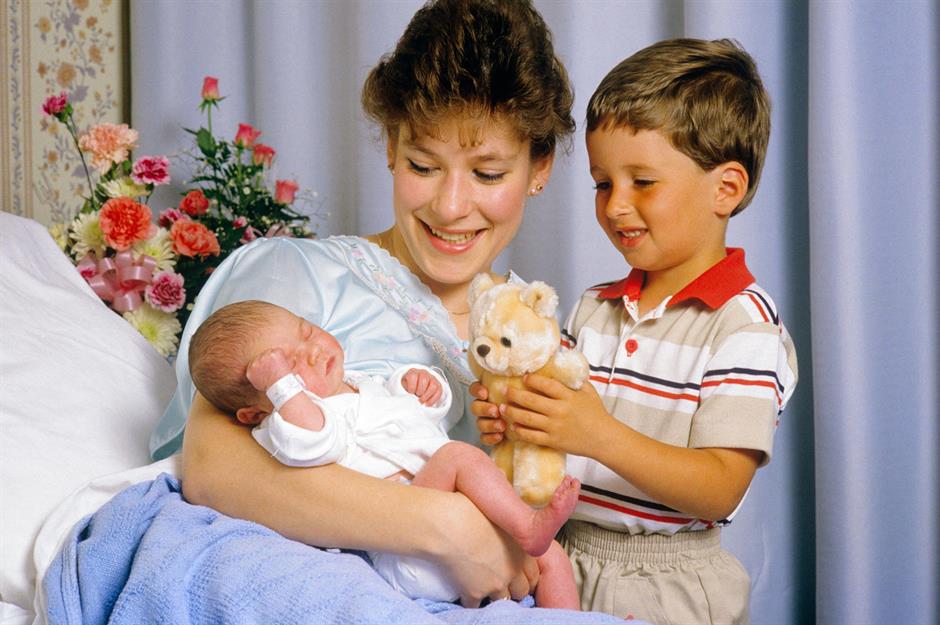
Having a baby used to be far less expensive. In countries such as the US, the cost of childbirth in hospitals has risen substantially over the past few decades as healthcare costs have soared.
Even in countries with public healthcare systems like the UK, Canada and Australia, families often face higher associated costs such as childcare and baby products. For many parents today, starting a family can come with a far larger financial burden than it did for Boomers.
Sponsored Content
Parking
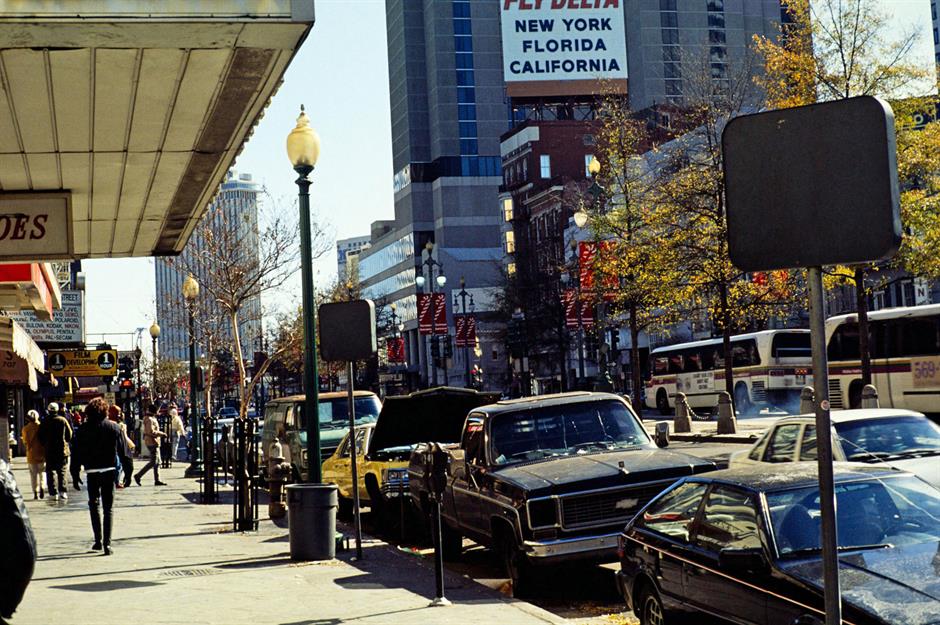
Parking once cost very little or nothing at all in many towns and cities. Decades ago, a young Boomer driver could leave their vehicle on the street for a modest fee or for free pretty much anywhere. Today, the picture looks very different.
Across the world, free spaces have become much scarcer and parking charges have climbed sharply as urban populations grew and space became more limited. Local governments have also raised fees and introduced stricter controls to manage pollution and congestion, turning parking into a far bigger expense than it once was.
Chocolate
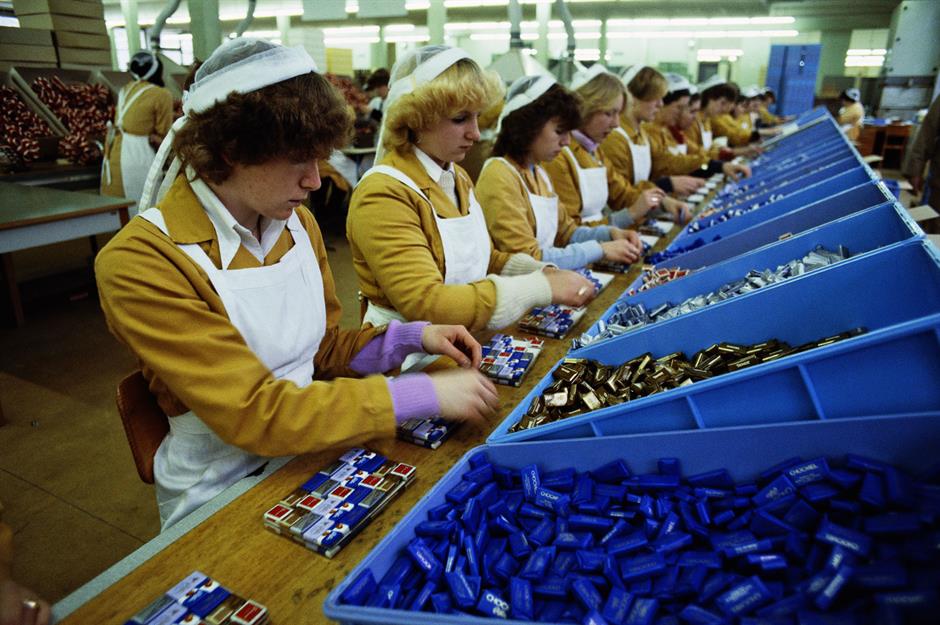
Many everyday foods are cheaper today thanks to improvements in industrial farming and global supply chains. But chocolate has increasingly bucked that trend. For Boomers growing up in the late 20th century, a chocolate bar was typically an inexpensive treat.
In recent years, prices have surged in many countries as cocoa harvests have been hit by extreme weather and crop disease in major producing regions of West Africa. Milk prices have jumped too.
And shoppers are also grappling with shrinkflation, with bars getting smaller while prices creep higher. As a result, chocolate now costs noticeably more than many older people remember.
Dentistry
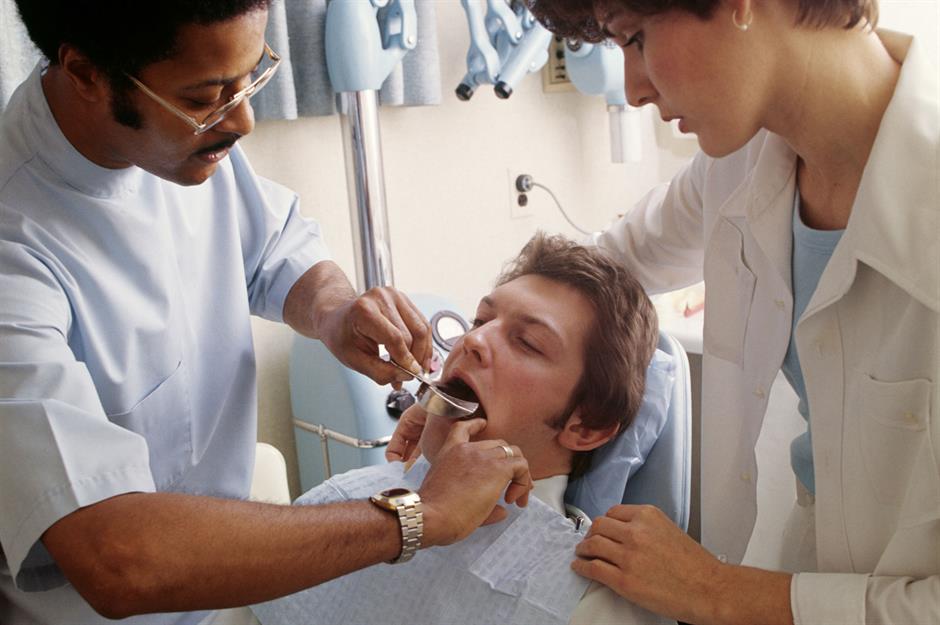
Perhaps it's just as well chocolate is pricier more these days, given sugary treats and dentist visits have always gone hand in hand.
Dental care now costs far more than it did in the late 20th century. In the US, dentistry has long been largely private and insurance as well as treatment costs have climbed steadily.
In countries with public healthcare systems such as the UK, shortages of public dentists and long waiting lists increasingly push patients toward expensive private care. The result is a booming dental tourism industry, as people flock to places like Mexico and Turkey for cheaper treatment.
Now see the billion-dollar industries that didn't exist 20 years ago