20 hugely successful films you've probably never heard of
Blockbusters that likely slipped under your radar
Gone with the Wind, Titanic, ET... the biggest international box office smashes are pop-culture icons adored the world over. But not every major earner becomes an enduring global household name. Mixed in are largely forgotten Hollywood record-breakers from decades past, along with foreign-language mega-hits that were enormous in some parts of the planet, but barely registered in others.
Think you know the most successful films ever? Read on for 20 huge money-spinners that might have passed you by.
All dollar amounts in US dollars with box office grosses adjusted for inflation into today's money
The top-grossing movies of all time
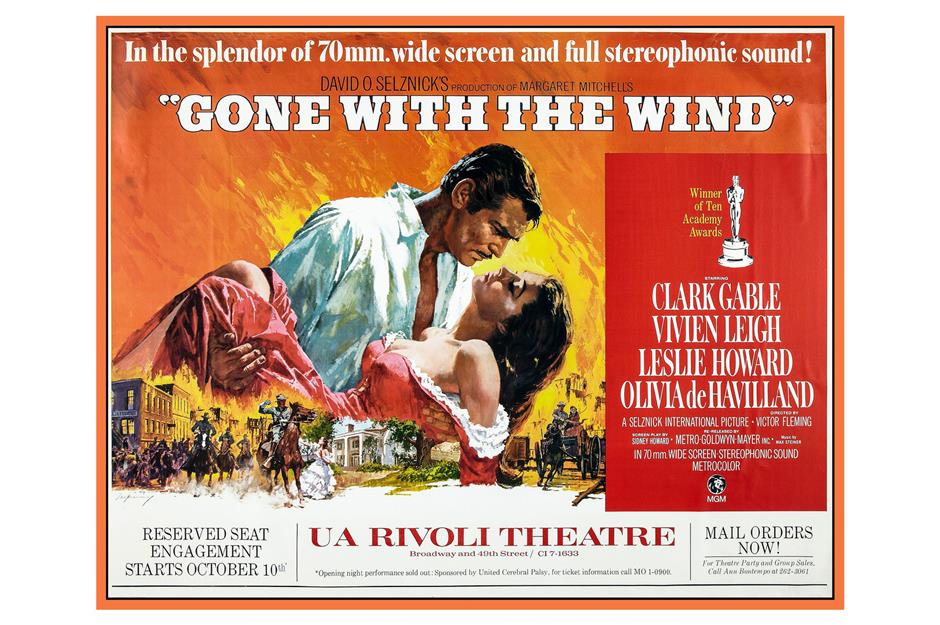
For context, here's what the very top of the global box office looks like. Gone with the Wind reigns supreme as the highest-grossing film of all time. Since its release in 1939, the epic historical romance has pulled in an inflation-adjusted total of $2.4 billion (£1.8bn) according to Box Office Mojo, though some sources put the figure at up to $4.5 billion (£3.4bn).
Riding high in the rankings are classics like the original Star Wars film, The Sound of Music, ET, Titanic, Jaws, and Avatar, which have each made over a billion dollars in today's money. Now for those lesser-known mega-hits...
Quo Vado?, adjusted gross: $100 million (£74.3m)
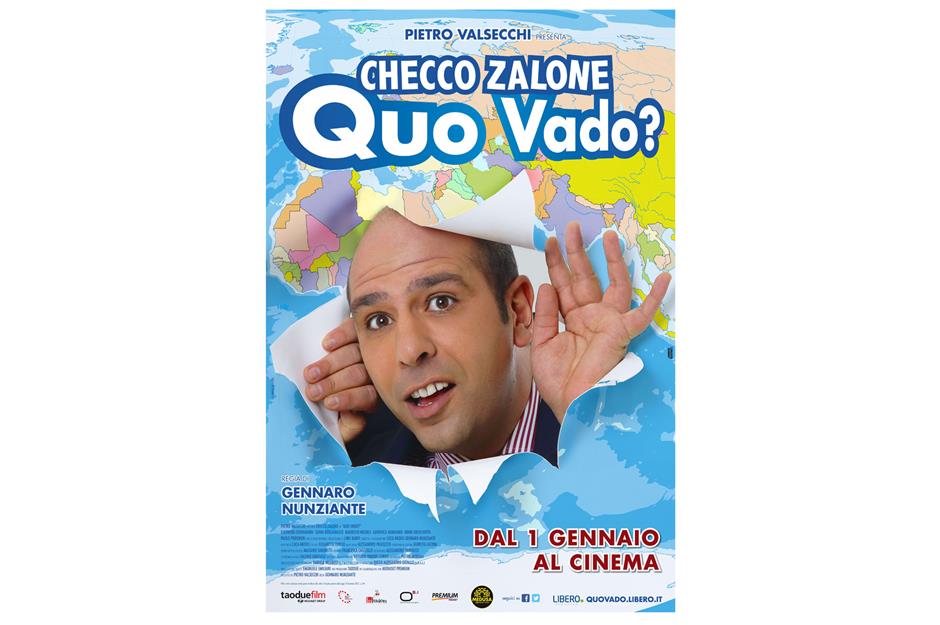
Italy's number one homegrown hit, 2016's Quo Vado? ('Where Am I Going?') surpassed Avatar to become the highest-grossing movie in the nation's box office history. Starring Checco Zalone, who features in four of Italy's biggest-earning films, the comedy follows a man desperately clinging to his civil service 'job for life', only to be shipped off to increasingly punishing posts, including a stint in the Arctic.
Also a hit in Spain, the movie made a tidy $100 million (£74.3m) in today's money and even led to a significant tourism boost for the Norwegian city of Bergen, where it was shot.
Sponsored Content
Cheburashka, adjusted gross: $101 million (£75.1m)
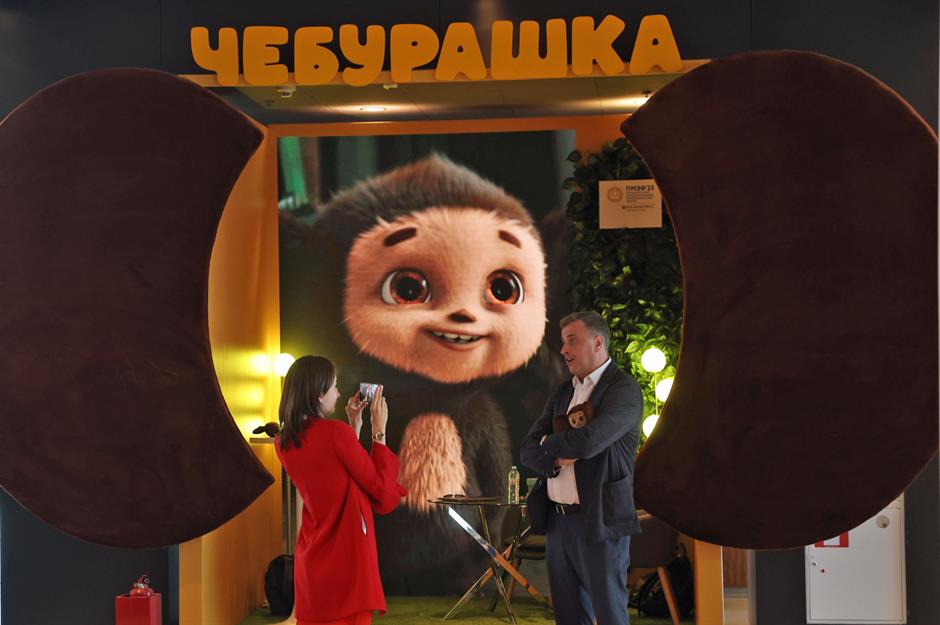
In 2023, a new film about Cheburashka, the famously big-eared, much-loved Soviet children’s character, became Russia's biggest cinema hit ever, overtaking Avatar. But the real reason the cuddly cartoon blew up is anything but cute.
Partly funded by the Russian state, the movie faced little competition, given Hollywood titles were blocked or withdrawn due to Western sanctions. And it barely registered outside Russia, with the international market showing little appetite for a Kremlin-backed family film.
The Gods Must Be Crazy, adjusted gross: $107 million (£79.5m)
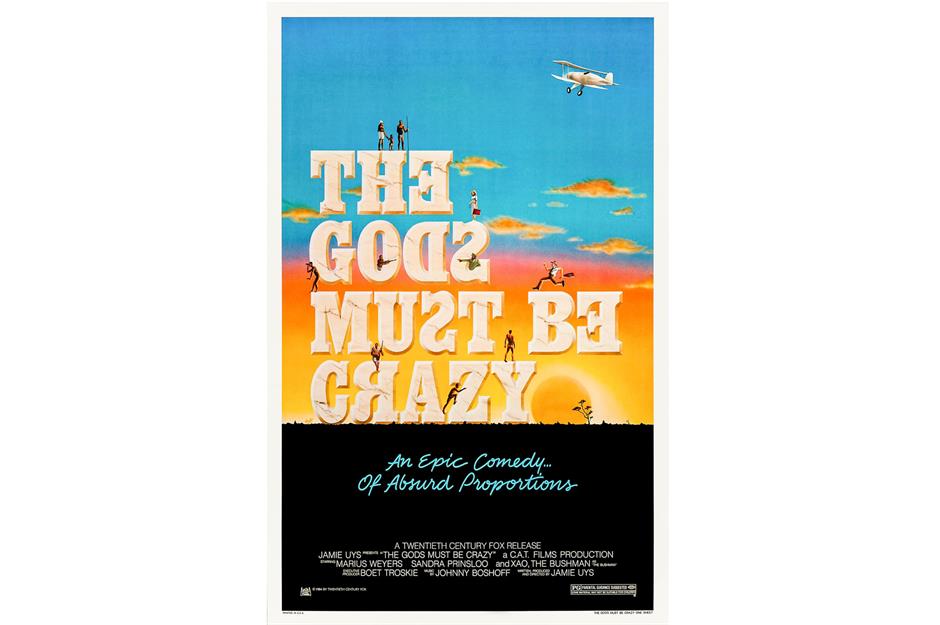
This oddball 1980 South African comedy became the world's biggest non-US box office hit during its release year, staying in cinemas for months and drawing huge crowds from Japan to the US.
Yet its success was built on shaky ground. The film was partly funded through Apartheid-era subsidy schemes and sold a deeply patronising, mythologised view of Indigenous Khoisan life. Once celebrated, the title has now vanished from mainstream circulation, with its racist stereotypes and political baggage making it an uncomfortable relic.
The Admiral: Roaring Currents, adjusted gross: $183 million (£136m)
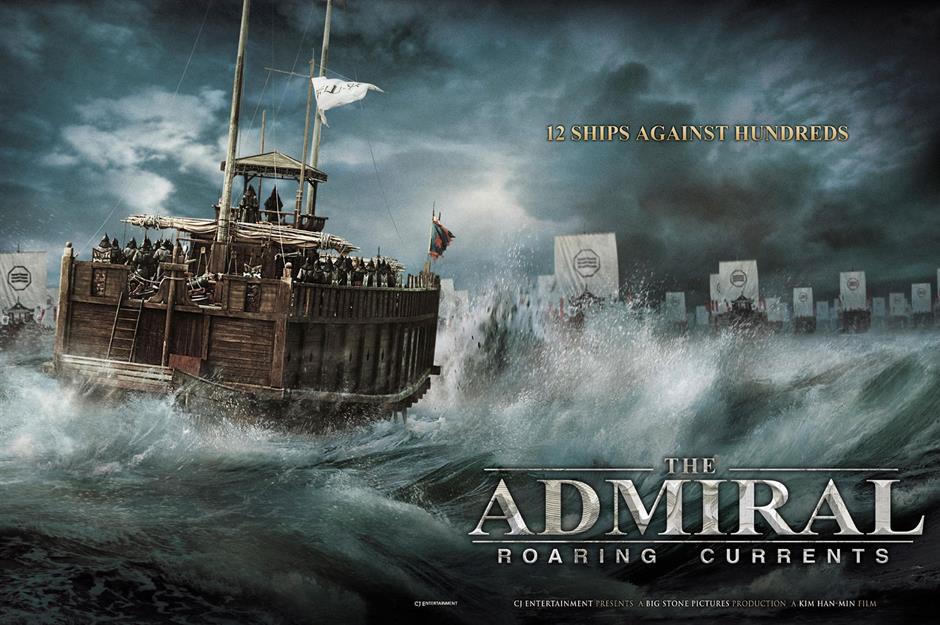
While 2019's Parasite became South Korea's global breakout, the country’s biggest homegrown hit is actually this 2014 naval epic. Roaring Currents stunned the local box office, drawing an incredible 17.6 million admissions in a nation of 50 million and overtaking Avatar to become its all-time number one film.
Centred on Admiral Yi Sun-sin’s legendary 12-ship stand against a huge Japanese fleet, its patriotic, history-driven story struck a major chord at home, but for the same reason made much less of an impact overseas.
Sponsored Content
Dangal, adjusted gross: $326 million (£242m)

Bollywood films enjoy huge audiences across Asia, the Middle East, and Africa, yet many still fly under the radar in Western countries. Dangal is a prime example. This inspirational 2016 Hindi-language biopic stars Aamir Khan as wrestler Mahavir Singh Phogat, who trains his daughters Geeta and Babita to become champions.
A smash domestically, it also became the highest-grossing Indian film ever at the Chinese box office, but remains little-known in much of the West despite its enormous haul.
Sholay, adjusted gross: $345 million (£256m)
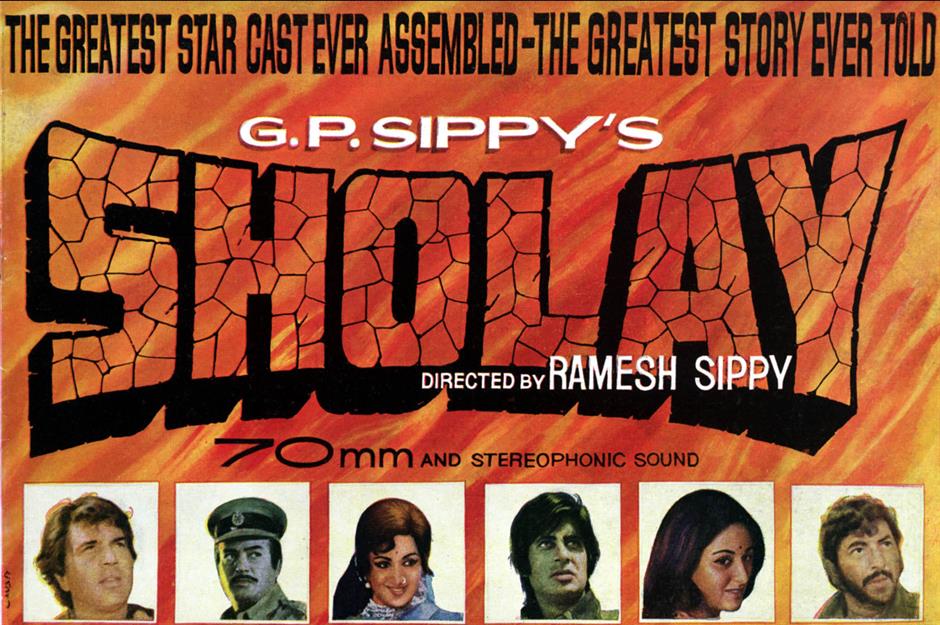
Staying with Bollywood blockbusters, 'curry western' Sholay is the second highest-grossing Indian movie ever when inflation is taken into account. Released in 1975, the Ramesh Sippy action-adventure epic follows ex-convicts Jai and Veeru, who are hired by a retired policeman to capture an infamous bandit.
While the movie reached few Western audiences, its blend of drama, humour, and operatic shootouts turned it into a cultural landmark in India.
Bienvenue chez les Ch'tis, adjusted gross: $373 million (£277m)

This 2008 French comedy became a phenomenon at home, breaking records to become France's highest-grossing film ever. Titled as Welcome to the Sticks in English, it centres on a postal worker who's exiled from sunny Provence to the chilly northern town of Bergues, only to discover that the locals with their thick Ch’ti dialect aren't the nightmare he expected.
The movie is now considered a classic across francophone Europe and Canada, but you'd be hard-pressed to find an American, Brit, or Australian who's even heard of it.
Sponsored Content
The Four Horsemen of the Apocalypse, adjusted gross: $420 million (£312m)
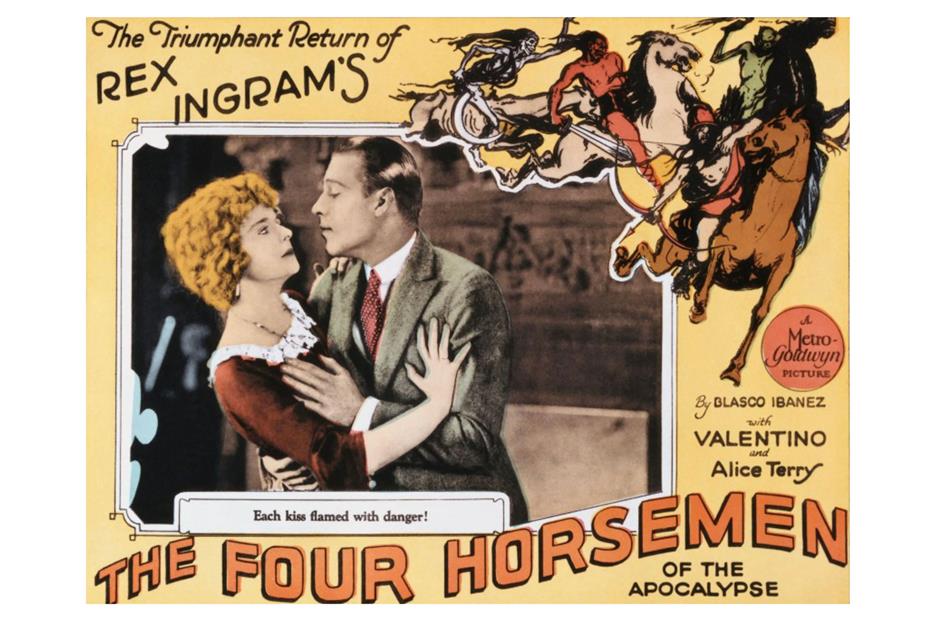
The oldest movie in this round-up, this 1921 silent epic didn’t just conquer the global box office, it created Hollywood's first international heartthrob. World War I melodrama The Four Horsemen of the Apocalypse transformed Rudolph Valentino into 'the 'Latin Lover', thanks in part to his electrifying tango scene.
A critical and commercial knockout, it became one of the earliest films to clear a million dollars at the box office, earning an inflation-busting haul that rivals the biggest modern blockbusters.
Sergeant York, adjusted gross: $440 million (£327m)

The 1940s produced several colossal box office hits that aren't widely remembered today, including 1941’s Sergeant York.
The patriotic biopic dominated its year's box office, pulling in a whopping $440 million (£327m) in 2026 money. It also netted leading man Gary Cooper a Best Actor Oscar. Yet the movie has effectively slipped out of the modern conversation.
Mughal-e-Azam, adjusted gross: $447 million (£332m)

The biggest Indian hit movie when adjusted for inflation, 1960's Mughal-e-Azam ('The Great Mughal') was a cinematic sensation. K. Asif’s lavish historical epic attracted an astonishing number of cinemagoers, with a jaw-dropping 150 million tickets sold worldwide.
More than six decades on, the film's dominance of the box office remains unmatched in India, though many Western moviegoers would struggle to name it today.
Sponsored Content
Duel in the Sun, adjusted gross: $467 million (£347m)
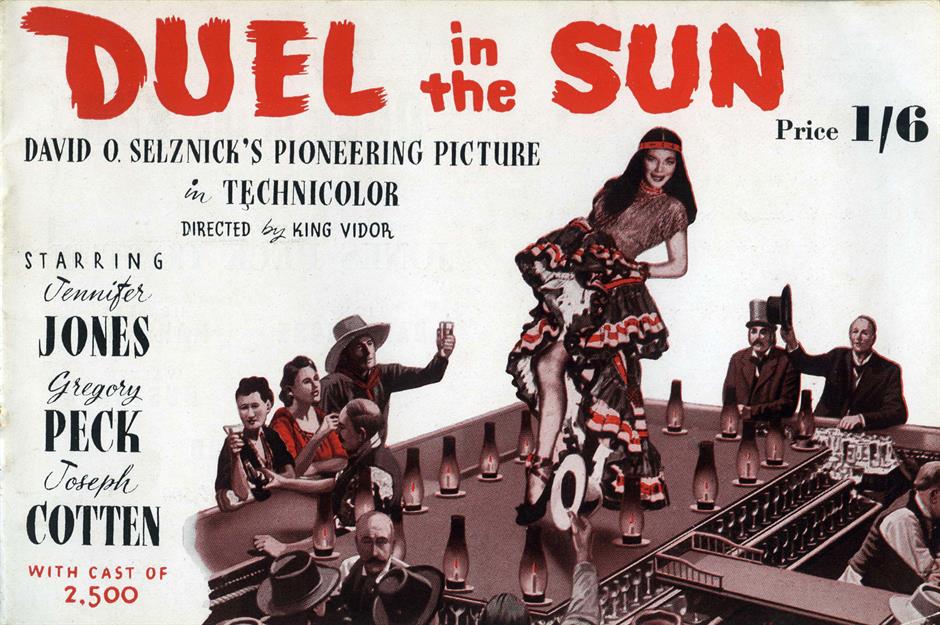
Producer David O. Selznick set out to recreate the magic of Gone with the Wind with 1946's Duel in the Sun, a sprawling, scandal-tinged Western billed as an event movie.
While it was a towering box office success in its day, its notoriety didn't translate into lasting fame. Despite pulling in plum earnings, the film is now a relatively obscure relic compared with Selznick's 1939 masterpiece.
The Best Years of Our Lives, adjusted gross: $503 million (£374m)

One of the biggest hits of the 1940s, The Best Years of Our Lives is an intimate post-war drama that resonated deeply with audiences when it was released in 1946. Following three veterans struggling to readjust to civilian life, it became the year's top-grossing film and won seven Oscars, including Best Picture.
Despite its resounding success, the movie is far less widely remembered today than many of Hollywood's other mid-century box office giants, such as the Christmas classic It's a Wonderful Life, which came out the same year.
The Bells of St Mary's, adjusted gross: $574 million (£427m)
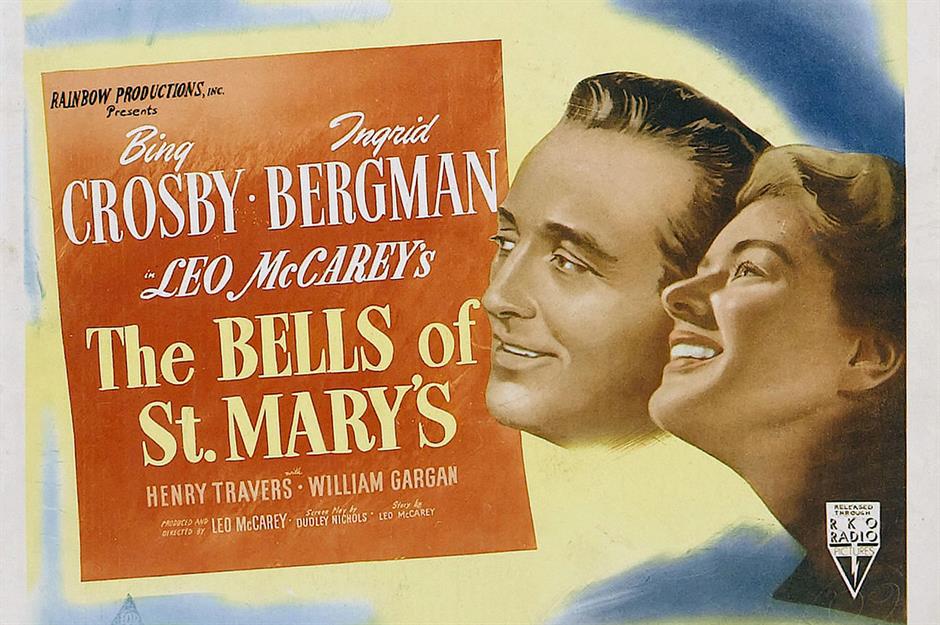
Bing Crosby and Ingrid Bergman drew legions of filmgoers in 1945 with The Bells of St Mary's, a feel-good sequel to 1944's Going My Way. Released just after the Second World War ended, this tale of a priest and a nun working together to save a struggling school offered comfort to a weary public, becoming the year's highest-grossing film and a global hit.
The movie earned nine Oscar nominations to boot. Yet outside of classic film buff circles, it's been pretty much forgotten.
Sponsored Content
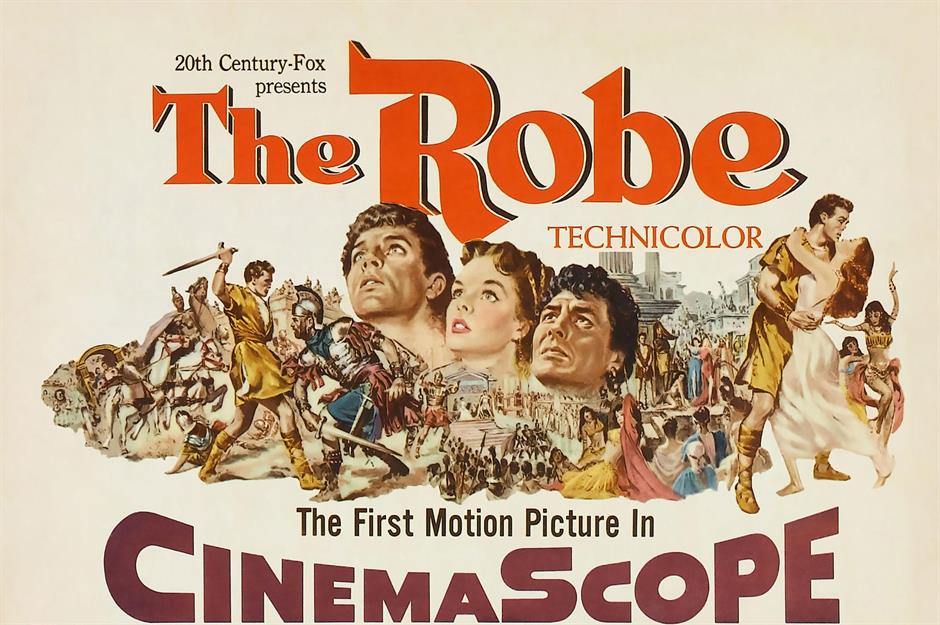
The Robe, adjusted gross: $599 million (£445m)
The 1950s produced some of Hollywood’s most famous Biblical epics: think 1956's The Ten Commandments and the 1959 classic Ben-Hur. But not every humongous religion-themed hit from the era has stayed in the public consciousness. A case in point is 1953's The Robe, a spectacular drama about the soldier tasked with crucifying Jesus Christ.
The very first film released in CinemaScope, it was a tremendous box office success. Today though, the movie is far less widely remembered than its later, more iconic counterparts.
Demon Slayer – Mugen Train, adjusted gross: $643 million (£478m)

Demon Slayer pepped up the pandemic-struck global box office in 2020 when Mugen Train became Japan’s highest-grossing film ever, out-earning even 2001's Spirited Away. Following Tanjiro and his allies as they battle a demon aboard a cursed train, the film became a cultural phenomenon across Asia and a breakout anime hit worldwide.
But unless you're plugged into the genre, this record-smashing blockbuster probably came and went without you noticing.
Demon Slayer – Infinity Castle, gross to date: $781 million (£580m)

Released in 2025, Infinity Castle has leapfrogged Mugen Train to become the highest-grossing Japanese movie of all time. Riding the Demon Slayer franchise's formidable fanbase, the film adapted one of the story's most dramatic arcs and dominated the box office.
Yet the title remains mostly invisible outside of anime fandom, another mega-hit many mainstream Western viewers have never even heard of.
Sponsored Content
Hi, Mom, adjusted gross: $928 million (£690m)

One of China's biggest-ever blockbusters, 2021's Hi, Mom became the third highest-grossing film in the world that year, but it barely made a ripple in Western markets. Written, directed by, and starring Jia Ling, the touching time-travel comedy follows a woman who is transported back to the 1980s, where she befriends her young mother in the hope of giving her a better future.
The film's runaway success also set a milestone: it became the highest-grossing movie ever directed by a woman, a record it held until Barbie came along in 2023.
The Battle at Lake Changjin, adjusted gross: $989 million (£735m)

Also released in 2021, The Battle at Lake Changjin was that year's top-grossing movie in China and the second-biggest earner globally. Commissioned by the Chinese Communist Party's propaganda arm, the war epic retells the brutal Chosin Reservoir battle during the 1950 to 1953 Korean War, all from the party's incredibly biased perspective.
The movie was far more contentious than successful overseas. In South Korea, critics condemned it for distorting history, and the film struggled to secure a local distributor. It also failed to gain traction elsewhere, drawing little interest beyond the People's Republic.
Wolf Warrior 2, adjusted gross: $1.1 billion (£817m)

If The Battle at Lake Changjin showcased China's taste for patriotic blockbusters, Wolf Warrior 2 helped spark the trend. A follow-up to 2015's Wolf Warrior, itself a major domestic hit, the 2017 action thriller sends a former special-ops soldier to Africa to take on mercenaries, in what is essentially an unabashed celebration of China's growing global power.
The movie was an unstoppable force at home, becoming the highest-grossing film in Chinese box office history. But its overt nationalist tone meant it travelled poorly, drawing only modest interest outside the country.
Sponsored Content
Ne Zha 2, adjusted gross: $2.2 billion (£1.6bn)

Chances are you haven't heard of Ne Zha 2. But in China, the movie has been nothing short of a juggernaut. The 2025 fantasy sequel boasts an extraordinary 324 million admissions in the People's Republic, making it both the nation's most-watched and highest-grossing film of all time, as well as the top-earning non-English-language movie ever made.
Yet for all its domestic dominance, the animated movie has barely made headway internationally, with its impact decidedly muted outside China.
Now discover which star of Stranger Things is richest today