The 20 countries with the biggest central bank reserves, ranked
Revealing the nations sitting on the largest balances
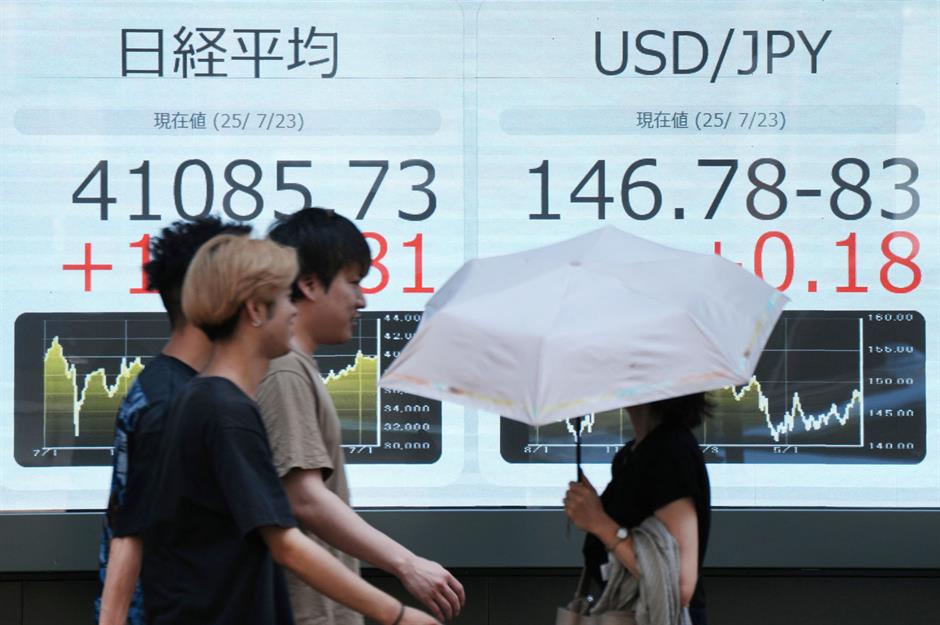
Central banks act as the guardians of a nation's rainy-day funds: vast pools of money and assets set aside to keep economies steady and shield them when global markets turn stormy. In US dollar terms, these reserves can reach hundreds of billions or even trillions in value. But the size and makeup of these reserves vary widely, shaped by everything from trade patterns and monetary policy choices to global risk exposure.
Read on to discover the 20 countries with the fattest central bank reserves, ranked from smallest to largest. All dollar amounts in US dollars and figures are for 2024, based on data from the CIA World Factbook.
What are central bank reserves and why are they so important?
Reserves are assets held by a country's central bank to protect the economy in good times and bad. They're mainly made up of currencies such as the US dollar, euro, yen, and pound sterling, along with gold and IMF reserve assets.
Most reserves are held in US dollars, reflecting its role as the world's dominant reserve currency, though many central banks have been diversifying their holdings in recent years. These assets help stabilise the local currency, reassure investors, pay for essential imports, and act as a buffer during crises. These crises could range from financial shocks to natural disasters or pandemics, providing liquidity and national self-insurance.
Why do some countries hold more reserves than others?
A country's reserve levels reflect its trade patterns, currency system, and exposure to global risks. Export-heavy economies naturally build up foreign currency through trade surpluses, while others intervene to stop their currencies from rising too fast.
Nations with freely traded reserve currencies tend to hold smaller reserves because they can borrow easily in their own currency and attract capital in times of stress. Some countries facing geopolitical uncertainty or volatile markets, and with no reserve currency to call their own, often hold large stockpiles as insurance. Many have also turned back to gold in recent years, not just for diversification, but to bolster confidence and hedge against geopolitical risk. Now, let's begin the countdown...
Sponsored Content
20. UK: $174.6 billion (£130bn)
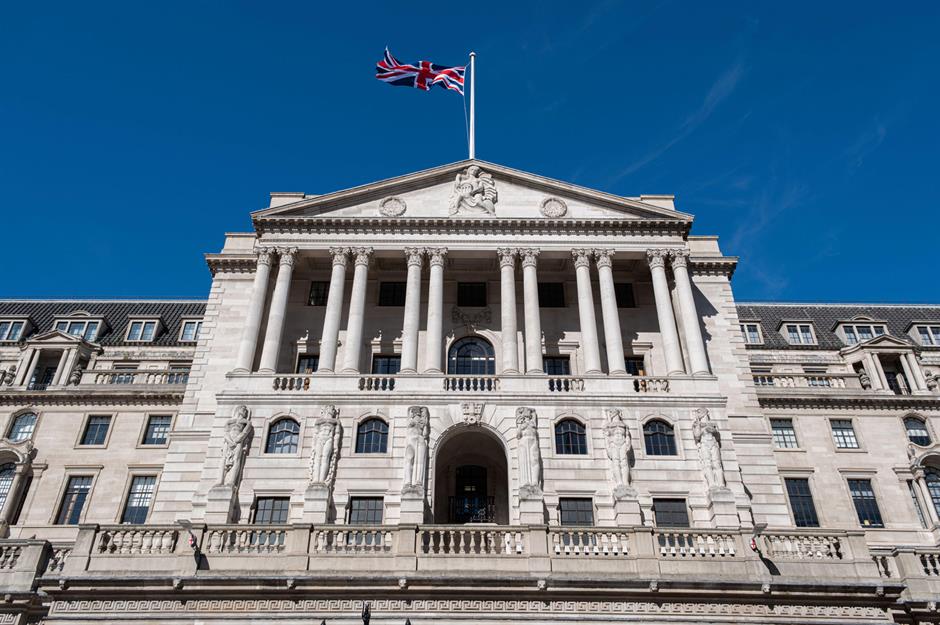
The UK holds relatively modest reserves, amounting to about 5% of GDP, despite being the world's sixth-largest economy. This is partly because sterling is a reserve currency, which is widely held, freely traded, and free-floating, so the Bank of England has less need to stockpile foreign assets or defend the pound. It's also because the UK isn't an export-driven economy that routinely builds surpluses.
The bank focuses on maintaining liquidity at an ample but efficient level under its unique Preferred Minimum Range of Reserves (PMRR) framework, rather than hoarding cash for intervention.
19. Israel: $214.5 billion (£159.8bn)
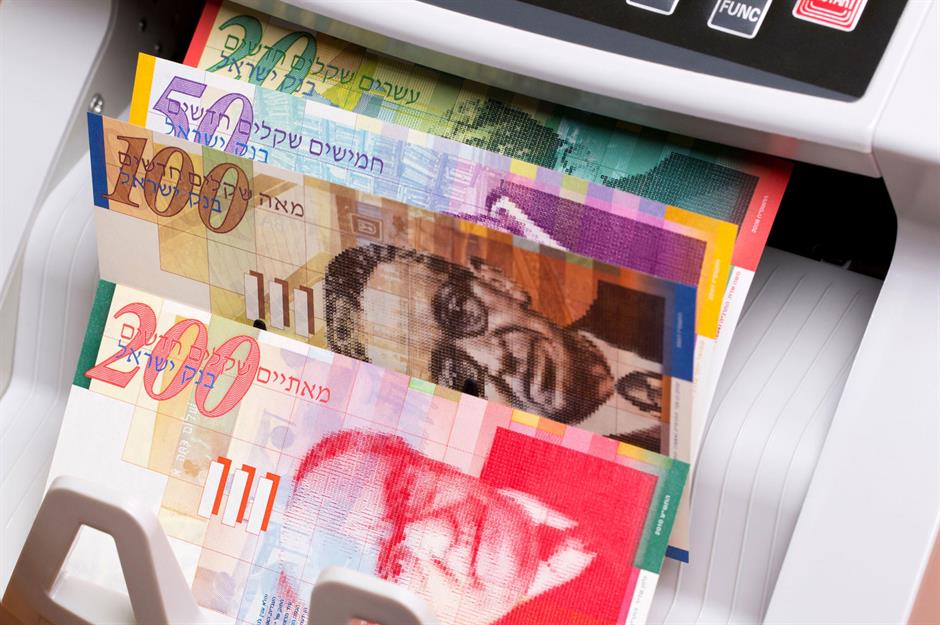
Israel's reserves amount to nearly 40% of GDP. These bountiful assets relative to the country's output reflect a long-standing policy of financial caution amid regional instability, not to mention strong foreign currency earnings from its hi-tech export sector.
The Bank of Israel uses these holdings to steady the shekel and reassure markets during shocks, as seen after the October 2023 Hamas attacks, when it sold $8.2 billion (£6.1bn) of foreign currency to curb volatility.
18. Poland: $223.1 billion (£166.2bn)

Interestingly, the Bank of Israel holds zero gold reserves, having sold them off in the 1980s to focus on more liquid, income-generating assets. In contrast, Poland's central bank has been aggressively stocking up on the precious metal to boost its prestige and the nation's financial security as it sits at the sharp end of Russia's invasion of Ukraine.
The National Bank of Poland bought more gold than any other central bank in 2024 and now aims to lift the precious metal’s share to a substantial 30% of total reserves, which equates to around a quarter of its GDP.
Sponsored Content
17. Mexico: $232 billion (£172.8bn)
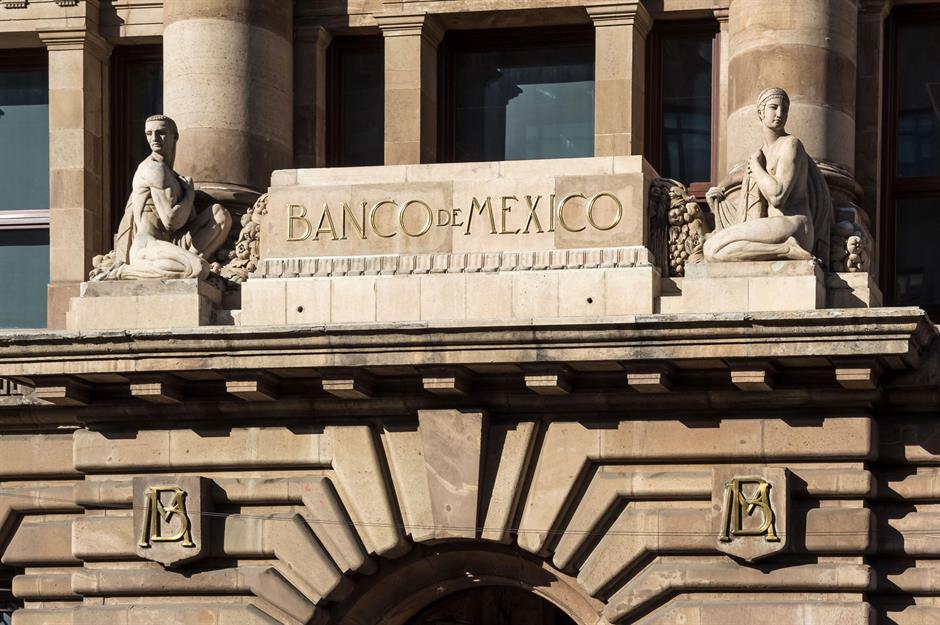
Mexico's reserves, which are equal to around 13% of GDP, are moderate for a large emerging economy. Although Mexico is a major exporter, the peso is free-floating and the central bank rarely intervenes in currency markets.
The country also maintains reliable access to foreign capital and IMF credit lines, reducing the need to build massive reserves. Softer oil revenues from state-owned petroleum company Pemex have further limited inflows of foreign currency.
16. Thailand: $236.9 billion (£176.4bn)

Thailand's reserves represent a hefty 45% of its GDP. The Bank of Thailand has actively built them up through currency management, buying dollars and selling baht to curb rapid appreciation. Rising gold and asset prices have also boosted valuations, while persistent trade surpluses and capital inflows have kept the balance of payments strong.
These generous reserves have worked wonders in stabilising the baht and protecting Thailand's economy from external shocks, but they risk drawing scrutiny from the US for possible currency manipulation.
15. UAE: $237.9 billion (£177.2bn)
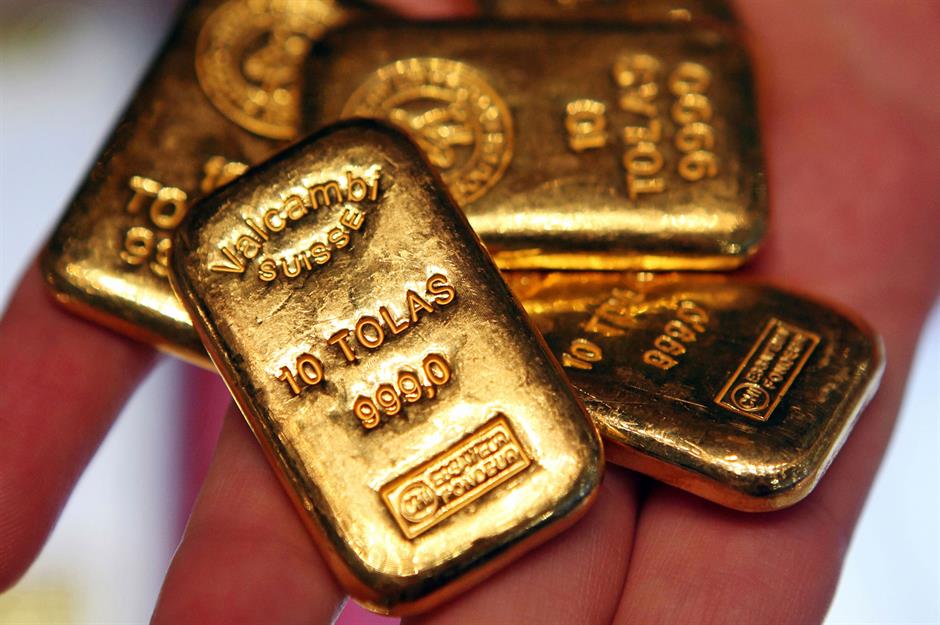
Coincidentally, the UAE has a similar GDP to Thailand, as well as a similar proportion of central bank reserves, which roughly equate to 44% of its output.
Like many other nations around the world, the UAE has been building up its gold reserves in order to strengthen its finances. During the first eight months of 2025, the nation's central bank increased its holdings of the precious metal by just under a third.
Sponsored Content
14. France: $282.9 billion (£210.7bn)
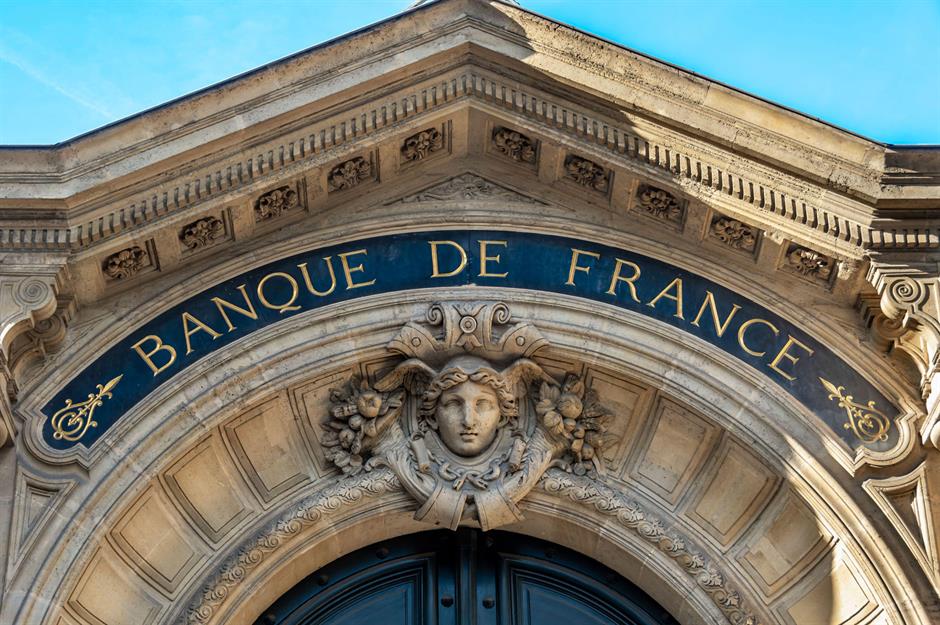
As a large advanced economy that uses the euro, the world's second most important reserve currency, France's central bank reserves are understandably modest in relative terms, equal to around 9% of GDP.
The country does hold a lot of gold, however. Its reserves amount to 2,437 tonnes, placing it fourth in the world. By way of example, the UK ranks 17th, with a mere 310 tonnes.
13. Italy: $290.5 billion (£216.4bn)
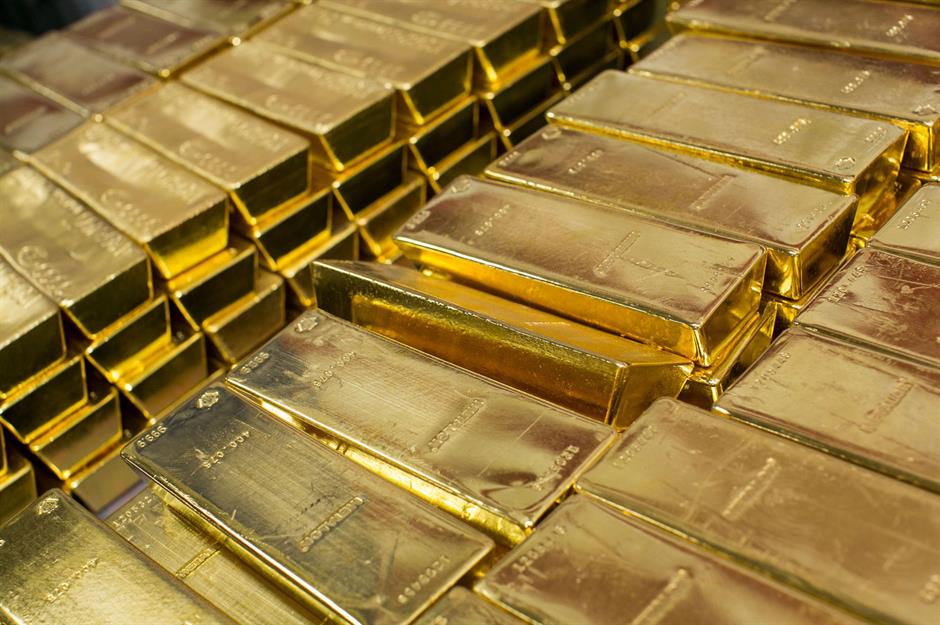
Italy’s reserves are equivalent to about 12% of GDP, slightly higher than France's but lower than many other countries. Like France, Italy benefits from using the euro and also stands out for its enormous gold holdings. At 2,452 tonnes, the total ranks third globally.
This gold stockpile, built up after World War II, remains a key pillar of Italy’s monetary credibility and a symbol of fiscal resilience. And with gold prices at record highs, it's becoming an increasingly valuable asset on the Bank of Italy's balance sheet.
12. Brazil: $329.7 billion (£245.6bn)
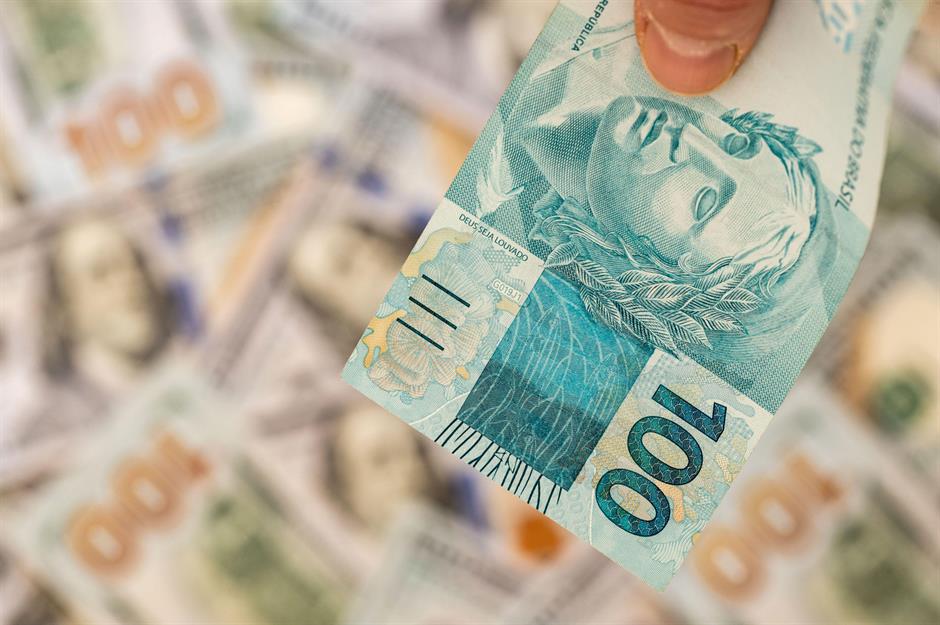
The Bank of Brazil's reserves represent approximately 15% of its GDP, which isn't all that big for an emerging economy with a currency that doesn't enjoy reserve status. And its gold reserves aren't anything to write home about either, at just 130 tonnes.
Brazil has been burning through its central bank reserves in a bid to prop up the ailing real. Last year, its total holdings dwindled, dropping by an eye-popping 8% in December 2024 alone as the bank fought to maintain the value of the country's currency against the surging US dollar.
Sponsored Content
11. Germany: $377.9 billion (£281.5bn)
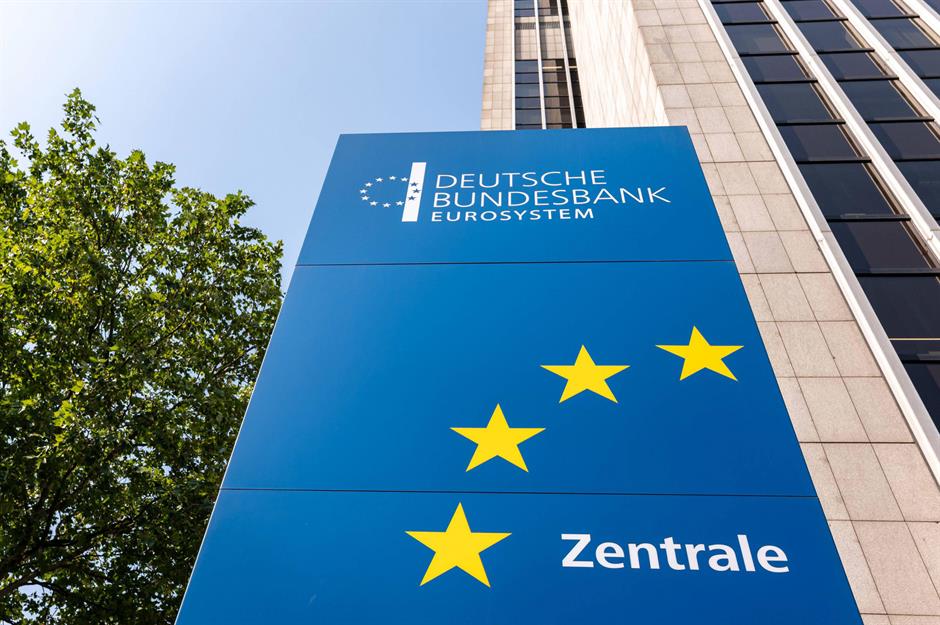
Like other major advanced eurozone economies, Germany doesn't require formidable central bank reserves, which amount to about 8% of GDP. In any case, the Deutsche Bundesbank holds 3,350 tonnes of gold, the second-largest stockpile on the planet.
The bulk is held in Frankfurt, but a third of the total is stored in the vaults of the New York Federal Reserve. This has stirred unease among some politicians amid growing tensions with the Trump administration. The Bundesbank insists its US holdings are safe and that the Fed remains a trusted custodian, but recent political frictions have reignited calls for greater oversight or even repatriation.
10. Singapore: $383.9 billion (£285.9bn)
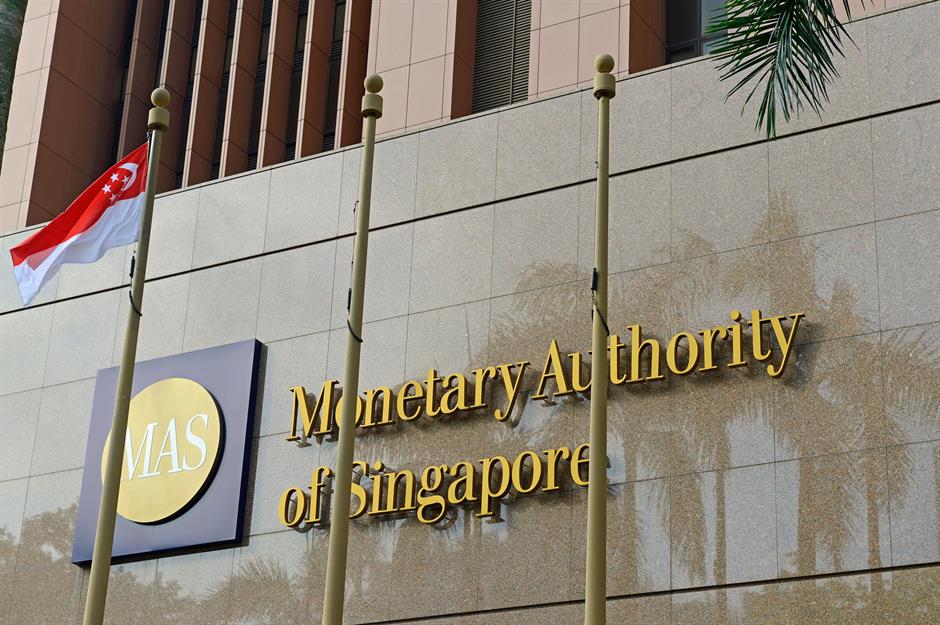
Singapore's reserves are exceptionally large, amounting to around 70% of GDP, reflecting its persistent trade surpluses and the city-state's disciplined saving culture.
They serve three purposes: to act as a buffer in times of crisis, to generate investment income for the government, and to maintain confidence in Singapore's exchange-rate-centred monetary policy. Unlike most central banks, the Monetary Authority of Singapore manages the currency rather than interest rates. It has also joined the global gold-buying spree, significantly expanding its bullion holdings of late.
9. South Korea: $418.2 billion (£311.5bn)

Equal to around a fifth of GDP, South Korea's reserves dropped to a five-year low in April as the Bank of Korea intervened to stabilise the won after it slid amid US tariff tensions.
The nation's reserves have since recovered, but concerns persist over a proposed $350 billion (£261bn) US investment agreement, which represents 84% of current holdings. Demanded by President Trump in exchange for tariff relief, the outlay could stretch South Korea's financial buffers unless phased and backed by a dollar swap line.
Sponsored Content
8. Hong Kong: $425.6 billion (£317bn)
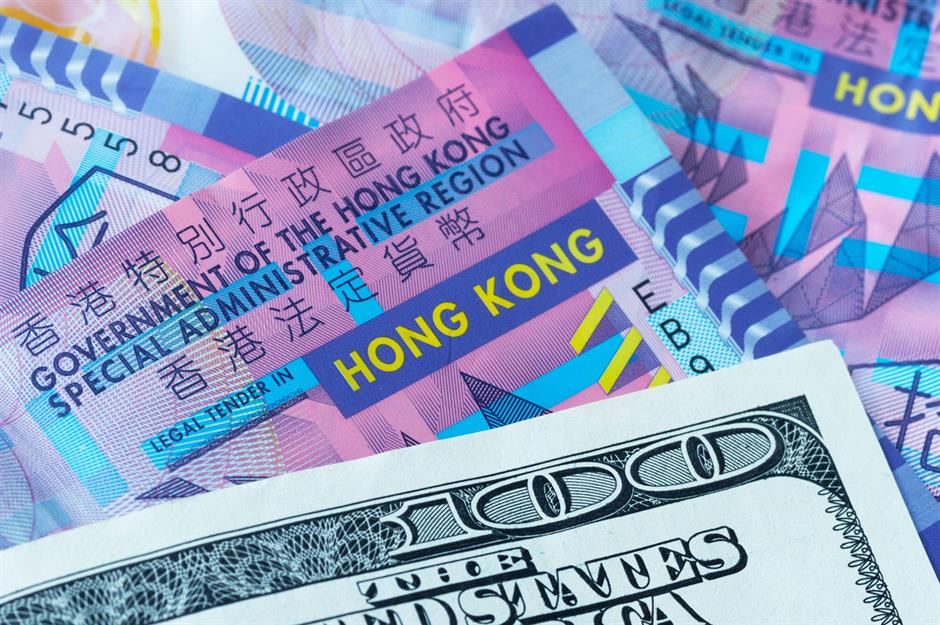
Hong Kong's reserves are colossal, equivalent to around 105% of the territory's GDP, the highest ratio among the top 20. Given that the Hong Kong dollar is pegged to the US dollar, the Hong Kong Monetary Authority must hold large amounts of US dollar assets to maintain and defend the peg, around five times the Hong Kong dollars in circulation.
Plus, as a global financial and export hub, Hong Kong runs consistent capital and trade surpluses, further swelling its reserves. For these reasons, almost all are held in US dollars, with gold holdings relatively scant at just over two tonnes in total.
7. Saudi Arabia: $463.9 billion (£345.5bn)
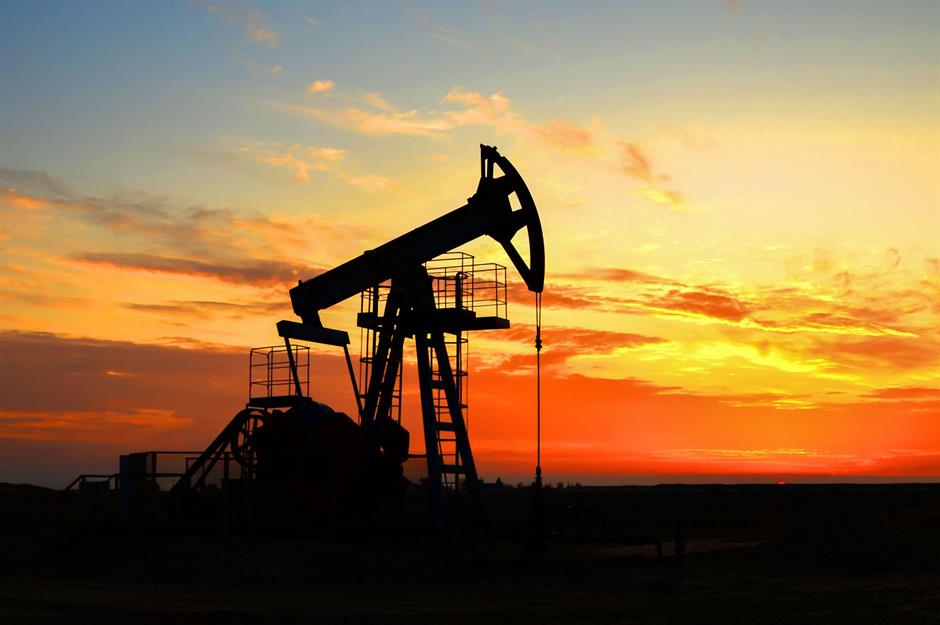
Fuelled by enormous oil export surpluses, Saudi Arabia's reserves are immense. They amount to about 43% of GDP.
These gargantuan holdings are essential to defend the riyal's fixed peg to the US dollar, with most assets kept in US securities. The Saudi Central Bank has been diversifying its reserves of late through foreign investments and sovereign wealth funds, but the US dollar remains at the heart of the kingdom's monetary system.
6. Russia: $597.2 billion (£444.8bn)

Russia's reserves amount to around 28% of GDP, though roughly half of its foreign assets abroad remain frozen under Western sanctions. To help mitigate the fallout from these sanctions, the Bank of Russia shifted heavily into gold and yuan holdings over the past decade.
It now holds 2,330 tonnes of the precious metal – the world's fifth-largest stash – and crucially, every ounce is stored domestically. Largely built up during a pre-war gold-buying spree after 2014, this hoard has surged in value by more than 70%, cushioning the blow from frozen foreign reserves.
Sponsored Content
5. India: $643 billion (£478.9bn)
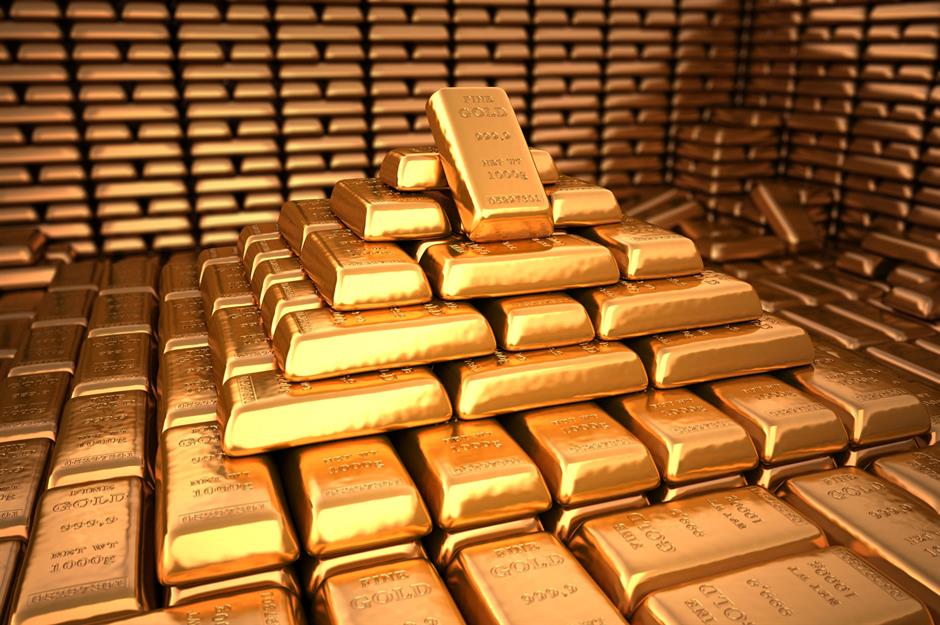
Equating to about a fifth of GDP, India's reserves underpin the rupee, reassure investors, and provide a vital cushion against crises and natural disasters. A growing share now comes from gold. The Reserve Bank of India holds 880 tonnes, valued at over $100 billion (£74.5bn), the eighth-largest stockpile globally.
This reflects a deliberate shift toward diversification and resilience, with the bank viewing gold as a hedge against currency volatility, US dollar dependence, and other geopolitical and financial risks.
4. Switzerland: $909.4 billion (£677.3bn)
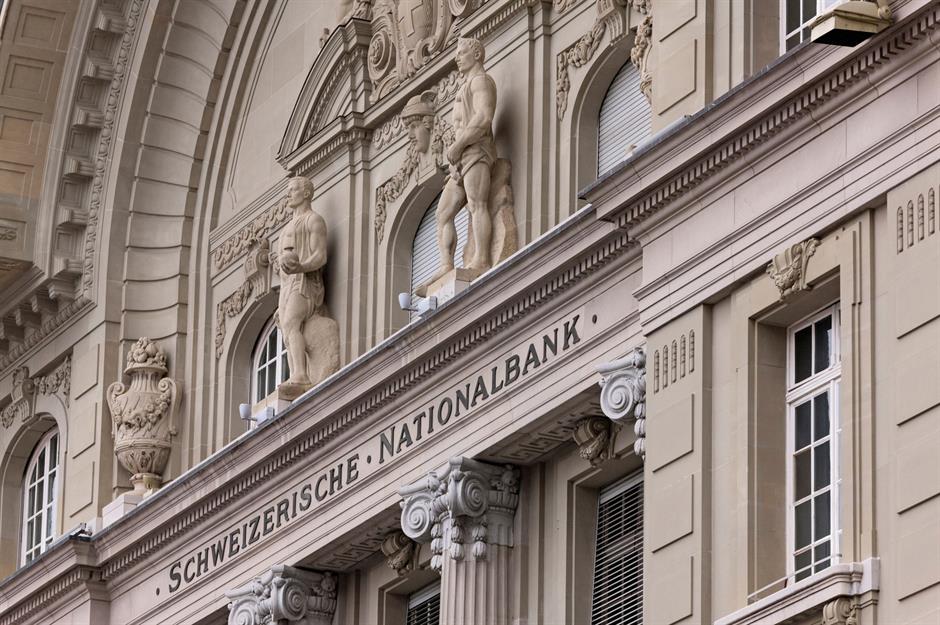
Switzerland's reserves are mammoth at around 97% of GDP, reflecting years of intervention by the Swiss National Bank to stop the franc from appreciating too sharply. The SNB's balance sheet swelled after 2007 as investors poured into the safe-haven currency, forcing it to buy vast amounts of foreign assets to keep inflation and exports stable.
The reserves consist mostly of foreign bonds and equities. Switzerland also has 1,040 tonnes of gold, the world's seventh-largest holding. About 70% of the precious metal is stored domestically, with the rest in the UK and Canada for security and access in a crisis.
3. USA: $910 billion (£677.7bn)
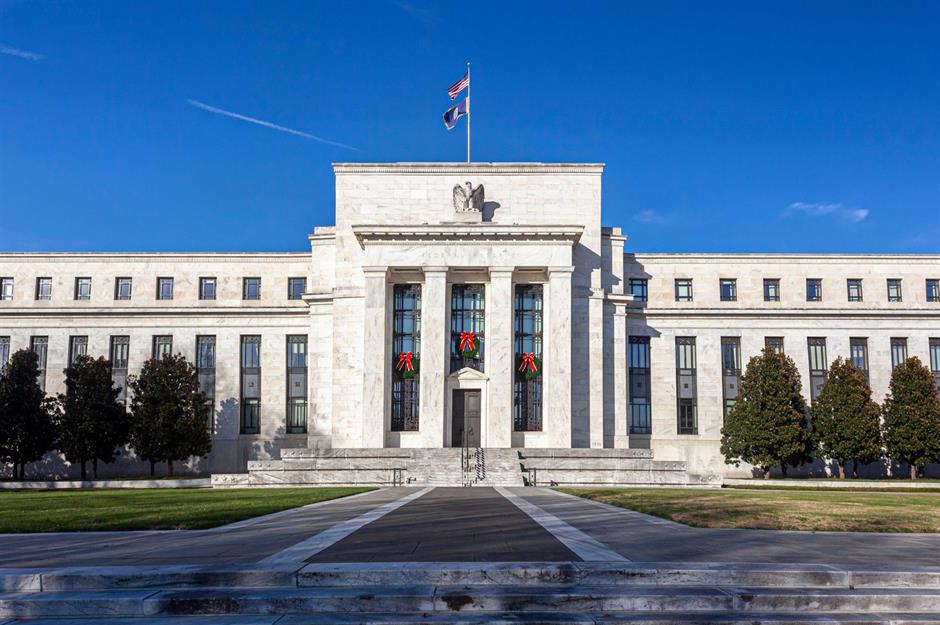
America has massive reserves in absolute terms, but they amount to only around 3% of GDP – the lowest ratio in the top 20. Since the US dollar is the world's dominant reserve currency, the nation has little need to hold vast foreign assets to defend it.
Instead, the Federal Reserve focuses on maintaining ample but not OTT reserves to manage liquidity and interest rates through its balance sheet. The country also sits atop the world's largest gold hoard, an eye-watering 8,133 tonnes, which ultimately underscores global confidence in the mighty US dollar.
Sponsored Content
2. Japan: $1.23 trillion (£916.8bn))
Equal to about 30% of GDP, Japan's reserves surpass a trillion US dollars. They stem from decades of trade surpluses, foreign investment, and the Bank of Japan's long battle against deflation through aggressive quantitative easing, which has seen it buy huge amounts of government bonds and other assets. This has expanded its balance sheet and created excess reserves across the banking system.
Most of Japan's reserves are in US dollars, but it also possesses 846 tonnes of gold, the ninth-largest holding globally. These assets help prevent the yen from appreciating too sharply and maintain liquidity and stability in one of the world's most export-dependent economies.
1. China: $3.46 trillion (£2.58tn)

China has boasted the world's largest central bank reserves for almost two decades, with the 2024 total representing around 19% of GDP. The gigantic stockpile stems from years of massive trade surpluses and capital inflows, managed through a policy of 'sterilisation', where the People's Bank of China offsets the inflationary impact of foreign exchange interventions to stabilise the yuan's exchange rate.
In parallel, Beijing is pursuing an ambitious gold accumulation strategy, having amassed 2,299 tonnes, the world's sixth-largest holding. This is part of its wider effort to strengthen financial sovereignty and diversify away from the US dollar amid deepening trade tensions with Washington.
Now discover the biggest economic bubbles of all time