How will the world's biggest economies fare in 2026?
Revealing the IMF's updated GDP growth forecasts

The International Monetary Fund's (IMF) latest World Economic Outlook, released in October, makes for sobering reading. While the Fund has nudged its 2026 global growth forecast up slightly, from 3.1% in the July update to 3.2%, the overall outlook remains “dim”. Much of the drag stems from US tariffs and the wider shift towards protectionism, which is sapping international trade, undermining confidence, and rattling markets.
Against this uncertain backdrop, read on to discover how the world’s 30 largest economies are expected to perform next year, ranked by their projected GDP growth rates. All dollar amounts in US dollars.
Japan: 0.6%

Japan is expected to deliver the weakest growth among the world's 30 leading economies in 2026, with the IMF forecasting output to rise by 0.6%. That's up slightly from the 0.5% it predicted in its July update, but down from the 1.1% projected for 2025.
The Fund reports that an upswing in real wages should support consumption, though sluggish global demand and the drag from US tariffs will curb exports. A temporary boost from front-loaded car shipments has faded, while the Bank of Japan is set to lift interest rates gradually towards 1.5% to keep inflation near its 2% goal.
Austria: 0.8%

Austria's GDP growth forecast is unchanged from April (the country didn't feature in the IMF's July update). The nation is taking a slightly bigger hit from US tariffs than the EU average, but is far less exposed than neighbouring Germany.
In any case, the IMF is marginally more pessimistic about Austria's growth prospects than the Austrian Institute of Economic Research (WIFO) and the Institute for Advanced Studies in Vienna (IHS), which expect the nation's economy to grow by 1.1% and 0.9% respectively in 2026.
Sponsored Content
Italy: 0.8%

The IMF has held steady on its 0.8% growth forecast for Italy issued in July. While the figure is hardly cause for celebration, the Fund expects the country to bring its budget deficit below 3% of GDP in 2026, after an estimated 3.4% in 2024 and 3.3% in 2025.
Public debt on the other hand is set to keep edging higher, reaching 138.3% of GDP in 2026. Amid anaemic growth and rising borrowing costs, Italy remains one of the eurozone's most fiscally constrained major economies.
France: 0.9%

The IMF expects the French economy to expand by 0.9% in 2026, a shade below the 1% projected in July. This leaves it lagging behind the eurozone average.
The Fund attributes this disappointing outlook in a large part to France's ongoing political crisis, which has dampened consumer and business confidence. IMF chief economist Pierre-Olivier Gourinchas warns the weak showing will make it tougher for the nation to tackle its public finance challenges.
Germany: 0.9%
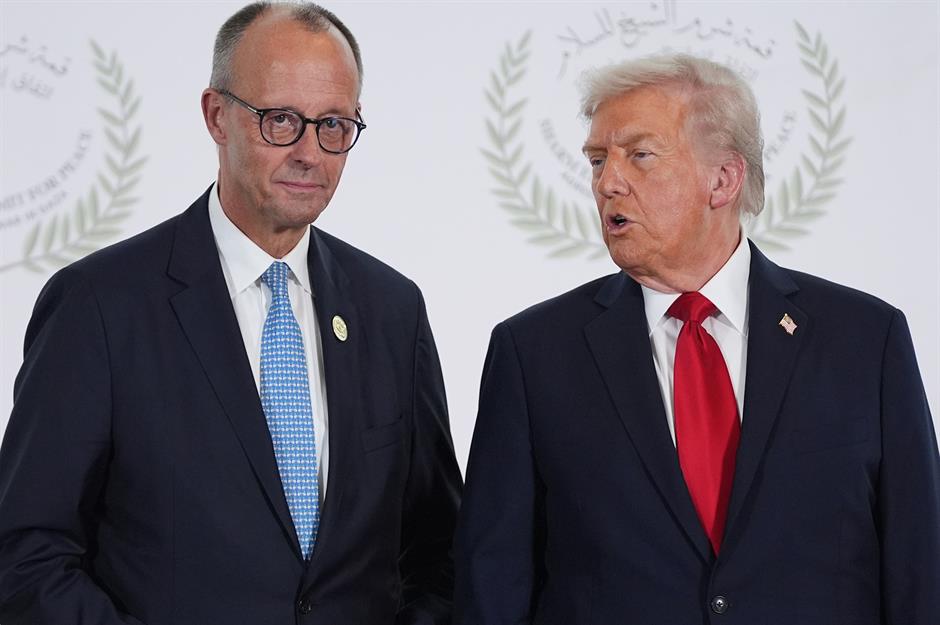
The EU's powerhouse economy is spluttering through 2025. And while the IMF has upgraded Germany's growth forecast for this year from 0.1% to 0.2%, it's sticking to the 0.9% growth for 2026 projected in July.
The spanner in the works is US tariffs. As an export-focused economy, Germany is suffering in a major way due to the Trump administration's punishing duties on EU exports.
Sponsored Content
Belgium: 1%
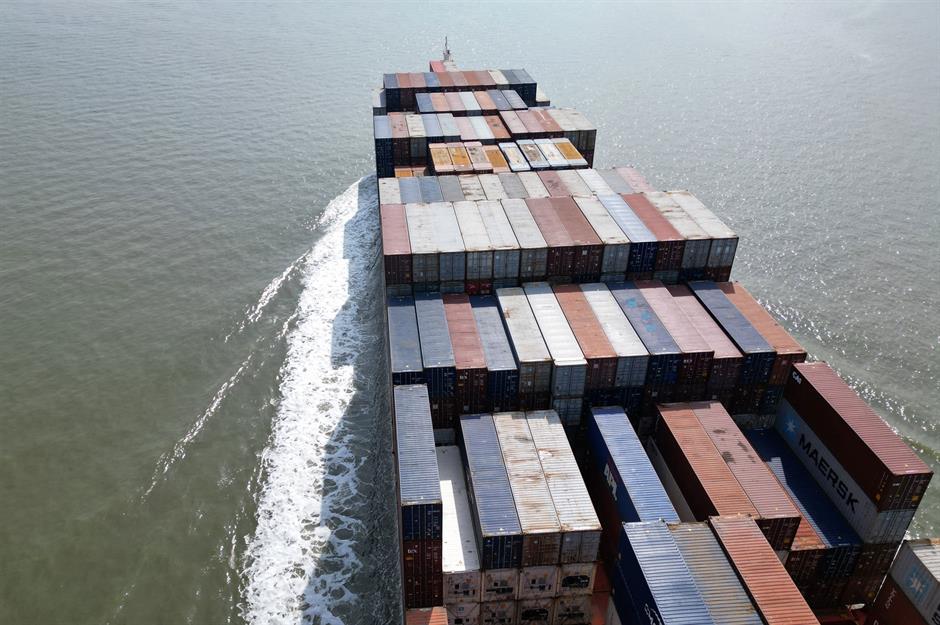
Likewise, Belgium is heavily reliant on exports. As per the Belga News Agency, they account for an incredible 90% of its GDP, with shipments to the US making up around 8% of the pie.
Needless to say, the nation is losing billions of euros as a consequence of America's tariffs on EU goods. This shortfall is contributing to lacklustre GDP growth, with the IMF's prediction of 1% for 2026 unchanged from its previous forecast for the country in April.
Russia: 1%
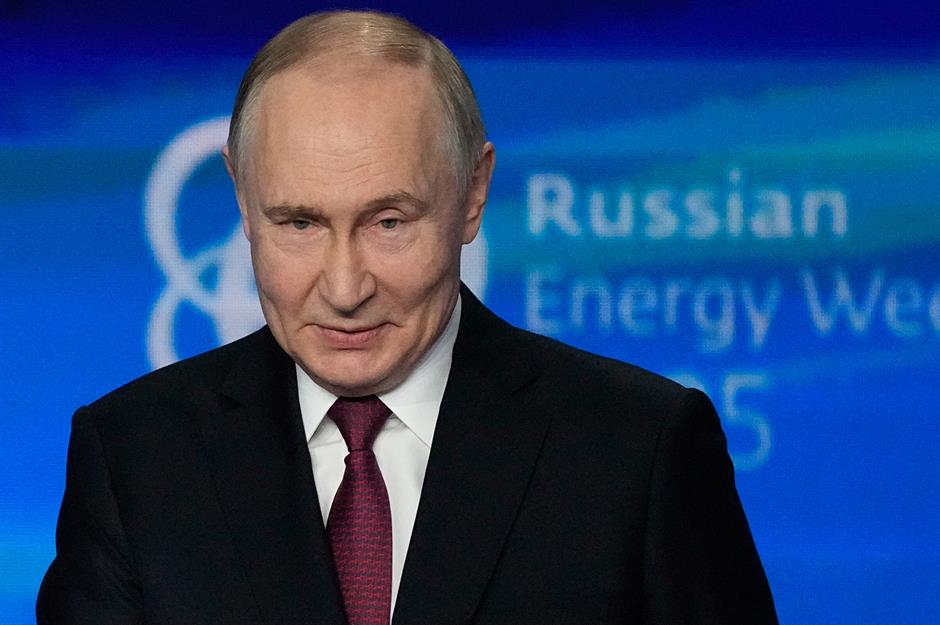
The chickens appear to be coming home to roost for the ailing Russian economy. After war-fuelled expansions of 4.1% in 2023 and 4.3% in 2024, growth is projected to slow sharply to 0.6% in 2025, down from the 0.9% forecast in July.
For 2026, the IMF expects output to rise by just 1%, unchanged from its previous projection, as the fallout from sanctions, labour shortages, and onerous military spending continue to weigh on activity.
Netherlands: 1.2%
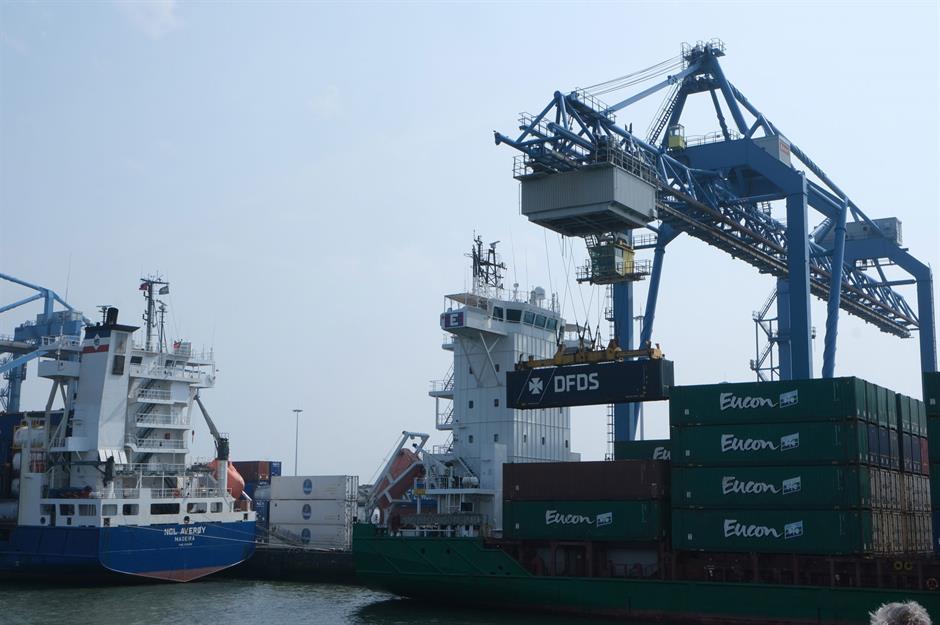
The IMF has downgraded the Dutch economy's growth prospects for next year to 1.2% from the 1.4% it forecast in April (the nation didn't feature in the July update).
Again, the key drag is US tariffs. The Netherlands is one of the most exposed European countries, with the duties on EU goods posing a significant challenge, according to Dutch platform Innovation Origins.
Sponsored Content
Ireland: 1.3%

Ireland's economy remains a rollercoaster. The IMF has upgraded its 2025 growth forecast to a striking 9.1%, up from 2.3% in April, thanks largely to multinationals front-loading pharmaceutical exports early in the year to dodge US tariffs. However, growth for 2026 has been revised down from 2.1% to 1.3% as the Trump administration’s levies on EU exports begin to bite.
Ireland is the EU economy that's most exposed to US trade measures, with the highest share of jobs linked to exports to America.
UK: 1.3%
The IMF has trimmed the UK's 2025 growth forecast to 1.3%, down from 1.4% in July, while raising its 2026 projection from 1.2% to 1.3%. The UK is less exposed to US tariffs than the EU, with about two-thirds of its exports to America made up of services, which are not subject to trade levies. Britain also enjoys a lower average tariff rate of 10%, compared with the EU's 15%.
Nevertheless, domestic headwinds remain strong: the UK's inflation rate is expected to be the highest in the G7 in both 2025 and 2026, stemming from escalating costs for energy and other essentials.
Switzerland: 1.3%

In contrast to the UK, export-reliant Switzerland ships a broad range of goods to the US, many of which are now facing a painful 39% levy. This has left the Swiss economy considerably more vulnerable to the Trump administration's tariffs and the wider downturn in global trade.
Unsurprisingly, the IMF has lowered its 2026 growth forecast for Switzerland to 1.3%, down from 1.6% in its previous update for the nation published in April.
Sponsored Content
Canada: 1.5%

Canada's economy isn't in the best of shape, with US tariffs primarily to blame. The IMF has cut its 2025 growth forecast to 1.2%, down from 1.6% in July, and lowered its 2026 projection from 1.9% to 1.5%.
The outlook from Export Development Canada is even gloomier: the Crown Corporation now expects the country to dip into recession this year, forecasting growth of just 0.9% in 2025, edging up only slightly to 1% in 2026, as the impact of the Trump administration's trade policies ripples through key export sectors.
Mexico: 1.5%
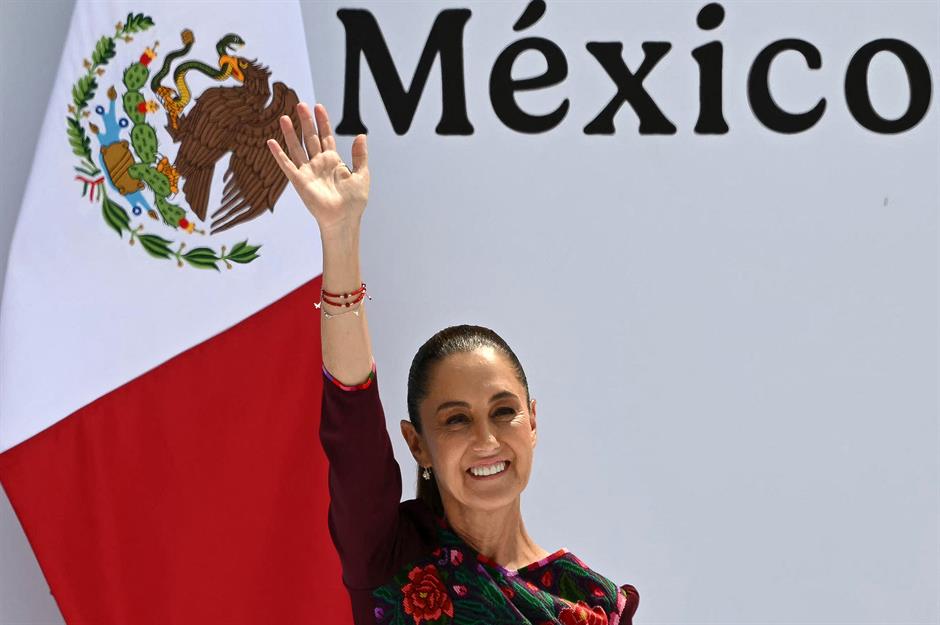
Fellow US neighbour Mexico is proving more resilient. The IMF has raised its 2026 growth forecast to 1.5%, up from 1.4% in July, reflecting the country’s continued strength in manufacturing and exports.
Unlike Canada, Mexico has largely avoided the brunt of new US tariffs, courtesy of its deep supply-chain ties and preferential treatment under the United States-Mexico-Canada Agreement (USMCA) framework. Robust automotive and electronics production continues to anchor growth, even as global trade headwinds persist.
Singapore: 1.8%
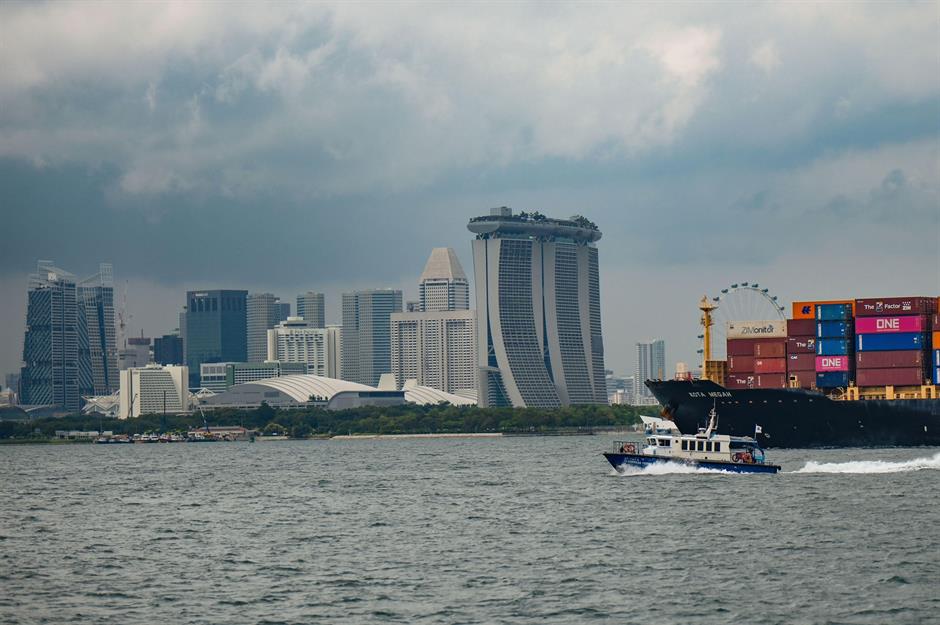
The IMF has lowered Singapore's 2026 growth forecast to 1.8%, from 1.9% in April, even as it raised this year's from 2% to 2.2%. The 10% US tariff on its exports is comparatively mild, but the trade-dependent city-state is bracing for further measures, according to ABC News Australia.
Prime Minister Lawrence Wong is most concerned about the impact of the duties on pharmaceuticals and semiconductor exports, though he hopes negotiations will soften the blow.
Sponsored Content
South Korea: 1.8%

The IMF has kept South Korea's 2026 growth forecast at 1.8%, after raising its 2025 estimate to 0.9% from the 0.8% predicted in July's internal update. The upgrade, reflecting easing trade tensions with the US and strong semiconductor demand, has boosted investor confidence, sending South Korea's main stock index to a record high.
Even more optimistic, the nation's Ministry of Economy and Finance says the economy is on course to return to a growth rate of around 2% next year, supported by looser fiscal and monetary policies, and the ongoing recovery in exports.
Brazil: 1.9%
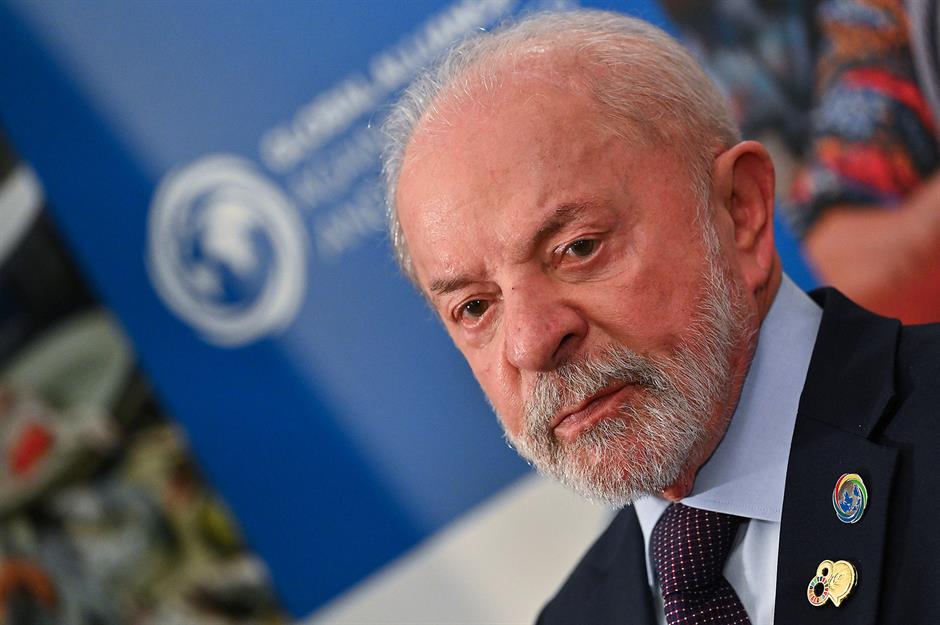
The IMF has lowered Brazil's 2026 growth forecast to 1.9%, from 2.1% in July, while ticking up its 2025 projection from 2.3% to 2.4%. That's disappointing for a large emerging-market economy, underscoring the country's persistent structural challenges.
A major concern is public debt, which is forecast to rise from 87.3% of GDP in 2024 to 91.4% this year and 98% by 2030, well above the emerging-market average. Adding to the strain, US tariffs of a whopping 50% on nearly 4,000 Brazilian goods are weighing heavily on trade prospects, with Brasília urging Washington to roll back the measures to safeguard growth.
Sweden: 1.9%
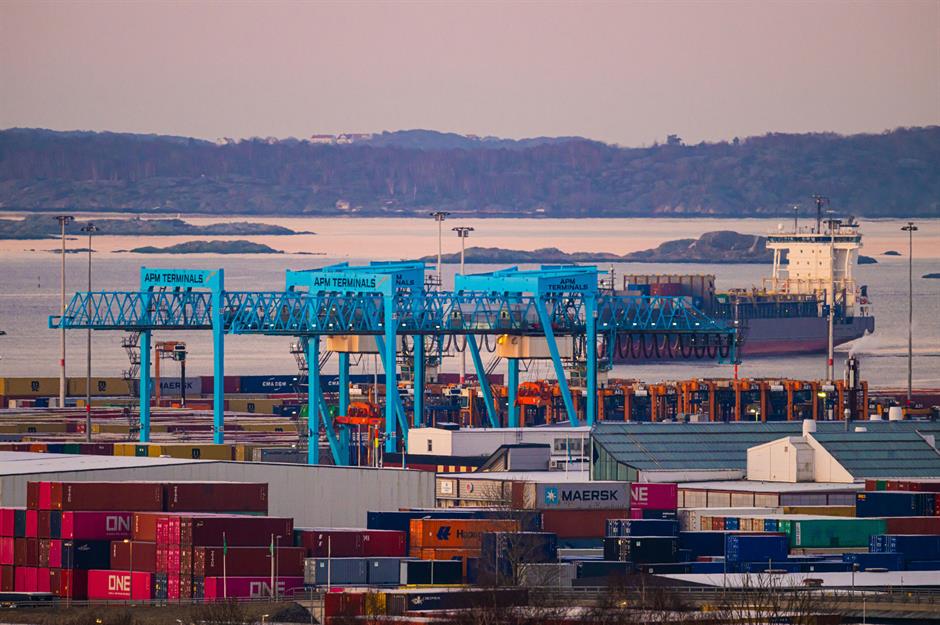
The IMF’s October report pegs Sweden's 2026 growth at 1.9%, down from 2.2% in April. While a figure of 1.9% is solid for an advanced economy, a key headwind is the tough US trade stance towards the EU.
As highlighted by consultancy firm Business Sweden, a number of important export categories are taking damaging hits as a result of US tariffs, from lumber and furniture to industrial machinery and medical devices. The levies are driving up costs and putting pressure on Sweden's export-reliant manufacturers, with officials warning that more pain could follow if further duties are introduced.
Sponsored Content
Spain: 2%
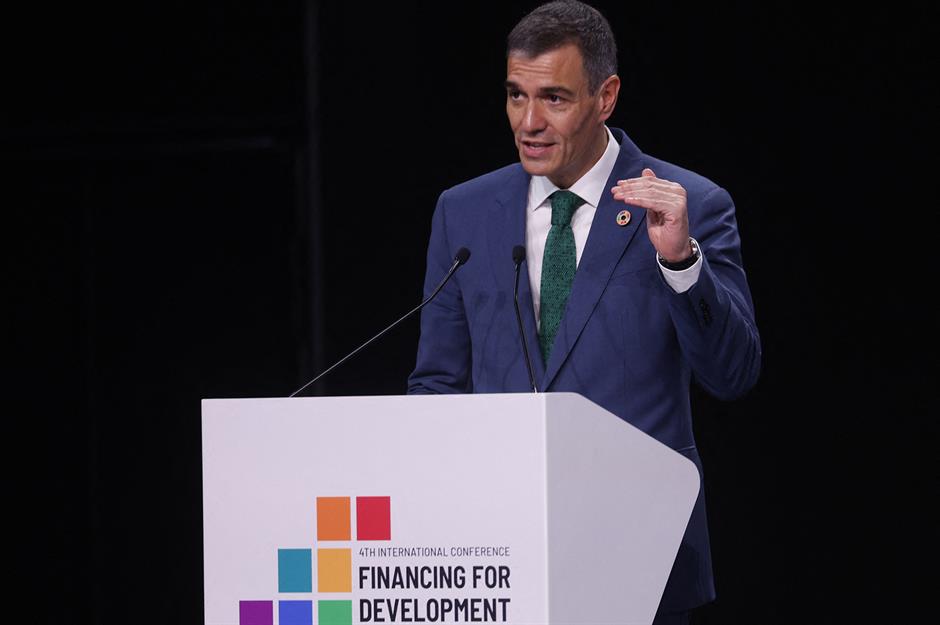
Spain remains the EU’s standout performer. The IMF has lifted its 2026 growth forecast to 2%, up from 1.8% in July, keeping the country quite a bit ahead of its European peers.
Even with US tariffs eating into exports, Spain's economy has shown remarkable resilience. Domestic demand, robust job creation, and steady investment are helping offset external pressures. Inflation is forecast to ease to 2.1% in 2026, supporting consumer spending and further cementing Spain's position as Europe's fastest-growing advanced economy.
Australia: 2.1%
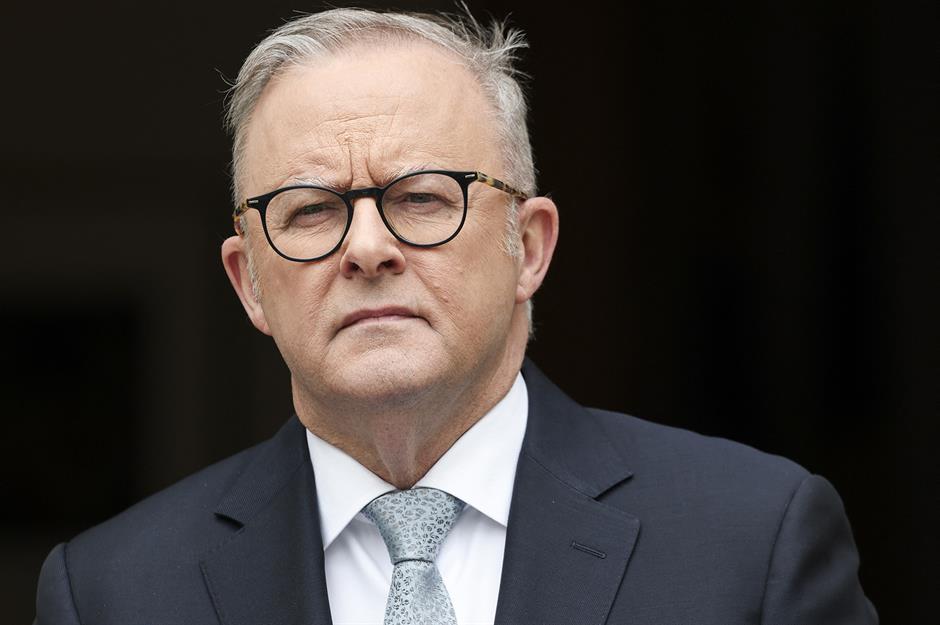
The IMF has tweaked its 2026 growth forecast for Australia from 2.2% to 2.1%. While 2.1% isn't to be sniffed at for an advanced economy, the nation's growth prospects are being tempered by US tariffs on its exports.
Quoted in news.com.au, Australian Treasury boss Jim Chalmers has repeatedly warned that the country is “not immune” from the global trade fallout and has urged deeper engagement with international partners and investors to help steady the ship.
Taiwan: 2.1%

Taiwan's 2025 growth forecast has been lifted to 3.7%, up sharply from 2.9% in April, but its 2026 projection now sits at 2.1% from 2.5%. The downgrade reflects expectations of a cooling in export momentum after two years of wow-factor AI and semiconductor-driven expansion.
Still, Taiwan remains one of Asia's more resilient advanced economies, with healthy general export demand, low inflation at 1.6%, and unemployment expected to hold steady at 3.4%.
Sponsored Content
USA: 2.1%

The IMF has raised its 2026 growth forecast for the US to 2.1%, up from 2% in July. While the Trump administration's tariffs continue to weigh on trade and growth, the impact has been less severe than the Fund expected earlier in the year.
The organisation does however flag a potential AI bubble as a key risk. With much of the country’s recent growth and market strength driven by the technology, an abrupt cooling of investor sentiment would spell trouble for the broader economy.
Poland: 3.1%

Poland continues to be one of Europe's standout performers. The IMF expects growth of 3.1% in 2026, unchanged from its April forecast. Bolstered by its diversified export base and limited reliance on the US market, Poland has been far less affected by US tariffs than many of its European counterparts.
The country has also hit a symbolic milestone, becoming the world's 20th largest economy with GDP surpassing $1 trillion (£744bn), overtaking affluent Switzerland. Officials in Warsaw are now pushing for Poland to join the G20.
Türkiye: 3.7%

The IMF is more optimistic about Türkiye's growth prospects in its latest update, boosting its forecast for next year to 3.7% from 3.3% in July.
The Fund attributes this rosier outlook to steadfast domestic demand. In terms of US tariffs, Türkiye, which has been hit with a typical rate of 15% on its goods exports, is less exposed than numerous other countries. However, with 6.4% of the total going to America, the impact is not insignificant.
Sponsored Content
Israel: 3.9%
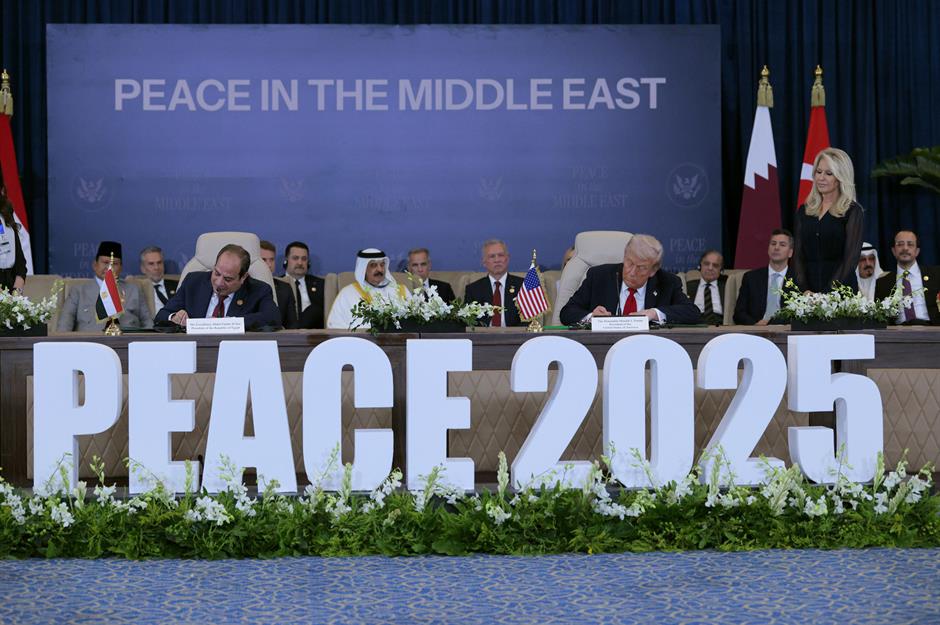
The IMF has raised Israel’s 2026 growth forecast to 3.9%, up from 3.6% in April.
The Gaza peace plan, the first phase of which was signed on 8 October, marks a pivotal moment for the region. Beyond the immense human cost and destruction on both sides, the conflict with Hamas has severely strained Israel’s finances, disrupting investment and growth. A sustained halt in hostilities would offer much-needed relief, paving the way for a significant rebound.
Argentina: 4%

Argentina's 2026 growth forecast has been slashed to 4%, down from 4.5% in April, amid fading confidence in President Javier Milei's shock-therapy reforms. His radical deregulation and austerity drive have yet to deliver stability, with inflation still above 40% and the peso under severe pressure.
The US has offered a $20 billion (£15bn) lifeline to help safeguard the currency, but only if Milei's party holds power after the midterm elections on 26 October and continues his fiscal overhaul.
Saudi Arabia: 4%

The IMF has marked up Saudi Arabia's 2026 growth forecast to 4%, citing a faster-than-expected unwinding of OPEC+ oil production cuts and continued strength in non-oil sectors.
Non-oil activity grew 4.8% in the first half of 2025 and now accounts for more than half of Saudi GDP, as the kingdom presses ahead with its Vision 2030 diversification drive. The Fund cheerfully notes that manufacturing, finance, and tourism are offsetting lower crude revenues, with inflation contained and unemployment near record lows.
Sponsored Content
China: 4.2%

China’s latest 2026 growth forecast comes in at 4.2%, following a projection of 4.8% for 2025, unchanged from July but well above April’s downgrade. The Fund credits resilient domestic demand and fiscal expansion for offsetting US tariff pressures and global uncertainty.
However, IMF chief economist Pierre-Olivier Gourinchas has warned that renewed US-China trade tensions and property-sector weakness could harm future growth. While China has weathered higher tariffs by redirecting exports and maintaining policy support, risks of a prolonged trade rift and real estate slump remain.
Indonesia: 4.9%

The IMF has lifted Indonesia’s 2026 growth forecast to 4.9%, marking a second upgrade this year as vibrant domestic demand and fiscal stimulus offset global trade uncertainty. The Fund has pointed to tariff developments as a key regional factor but noted Indonesia’s relative insulation compared with more export-exposed ASEAN peers.
The brighter outlook has worked wonders on investor sentiment, helping to propel Jakarta’s main stock index to a historic high.
UAE: 5%

The UAE's 2025 IMF growth forecast has been raised to 4.8%, up from 4% in April, while the 2026 outlook holds steady at an impressive 5%. The upgrade reflects continued strength in non-oil sectors, resilient banking conditions, and expanding trade links with partners such as India and Türkiye.
Buoyed by sound fiscal management, deepening diversification, and enduring investor confidence, the UAE remains the Middle East's most promising major economy.
Sponsored Content
India: 6.2%

Slated to remain the best-performing of the world’s 30 largest economies, India's outlook is a case of swings and roundabouts. The IMF has hiked its 2025 growth forecast to 6.6% from 6.4%, but revised down its 2026 estimate from 6.4% to 6.2%, reflecting the likely drag from US tariffs.
However, strong domestic demand and sweeping reforms continue to power expansion. IMF head Kristalina Georgieva (pictured with Prime Minister Narendra Modi) has heaped praise on India's “bold” policy agenda, from its recent tax simplification to digital transformation, calling the nation a “key engine of global growth”.
Now discover the world’s most expensive countries to live in 2025