The beauty world's billionaires ranked by riches
The wealthiest faces behind the global industry
Beauty is big business. Spanning skincare, cosmetics, haircare, and more, the worldwide market is poised to pull in bumper revenues of $677 billion (£503bn) in 2025. Needless to say, the sector has minted a slew of billionaires, from celebrity moguls to corporate titans.
Based on Forbes' estimates (correct as of October 16), read on to get the gloss on who's topping the beauty rich list.
All dollar amounts in US dollars.
Billionaire near-misses and fallbacks
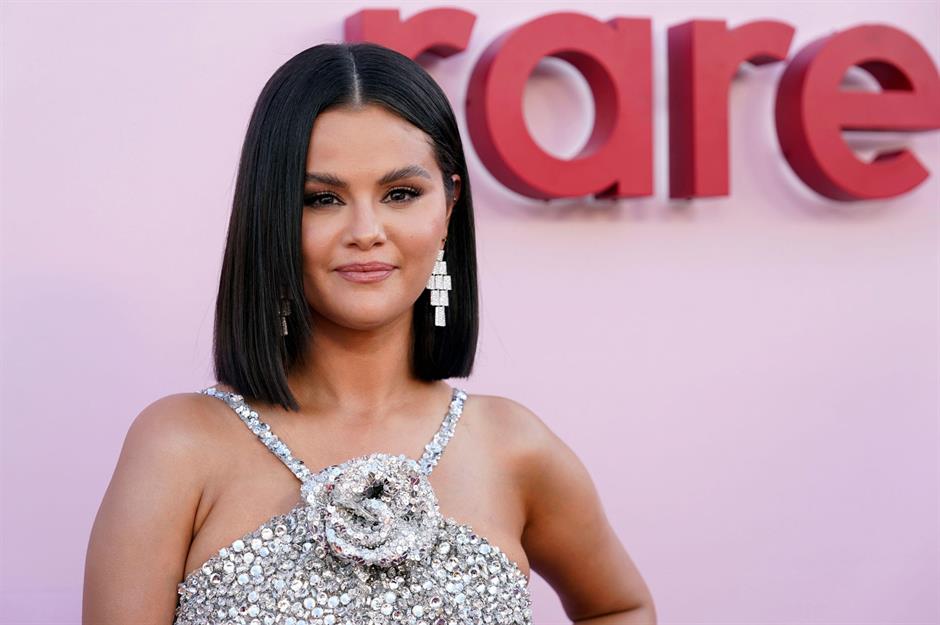
Not every famous name in beauty has cracked or stayed on the billionaire list. Despite reports from Bloomberg that she'd joined the billionaire ranks, musician and Rare Beauty founder Selena Gomez is actually worth $700 million (£524m) according to Forbes. Kylie Jenner, who was hailed as a self-made billionaire in 2019 thanks to Kylie Cosmetics, saw her title revoked in 2020. Her fortune now sits at $670 million (£502m).
Estée Lauder heir Gary Lauder enjoyed billionaire status from 2021 to 2023 but dropped off in 2024 amid weaker Asian sales. And Antonio Luiz Seabra, the founder of Brazil's biggest beauty firm Natura, recently saw his net worth fall below 10 figures.
27. Rihanna: $1 billion (£749m)
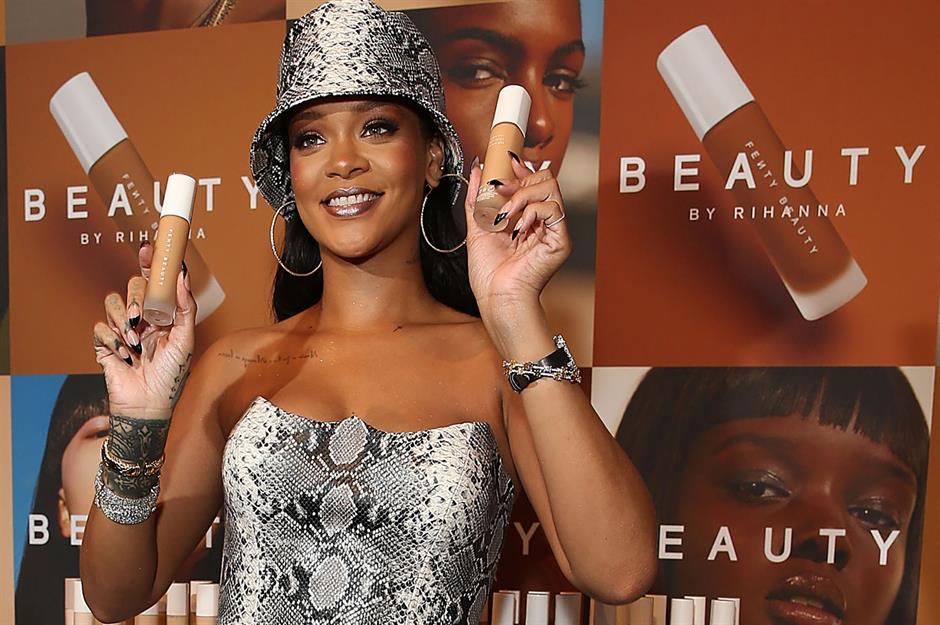
Rihanna has cleaned up thanks to her wildly successful brand Fenty Beauty. The global superstar co-owns the company with French luxury goods juggernaut LVMH, holding a 50% stake.
Founded by the Grammy Award-winning singer in 2017, the inclusive cosmetics line propelled Rihanna onto the Forbes Billionaires list in 2021. The business generates annual revenues of over $600 million (£449m) and has cemented the A-lister as Barbados’ richest person and one of the world’s wealthiest celebrities.
Sponsored Content
26. Oran Holtzman: $1.1 billion (£824m)
AI has been a ticket to billionaire status across industries, from tech and finance to nuclear power, and now even beauty. Alongside his sister Shiran Holtzman-Erel, Israeli entrepreneur Oran Holtzman founded Oddity Tech in 2018, betting on algorithms instead of makeup counters. Its brands, Il Makiage and SpoiledChild, sell almost exclusively online, using AI to match shoppers with the perfect cosmetics and skincare.
Oddity’s 2023 Nasdaq debut valued the company at a cool $2.7 billion (£2bn). Last year, the business counted 50 million customers and a turnover of $647 million (£485m).
25. Suh Kyung-bae: $1.3 billion (£974m)
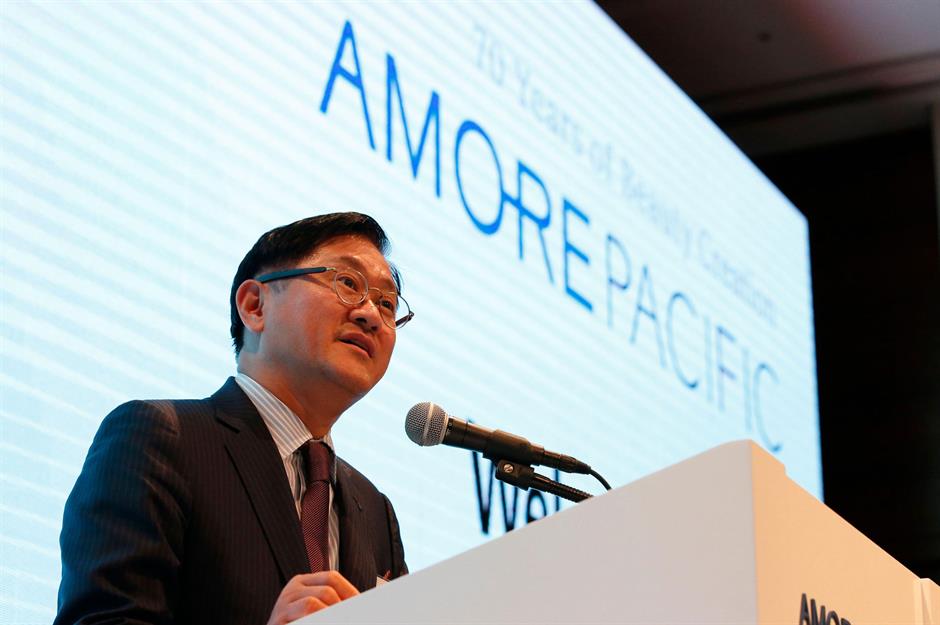
K-beauty has taken the world by storm, minting some seriously wealthy tycoons, including Suh Kyung-bae. As chairman of Amorepacific, South Korea’s leading skincare and cosmetics group, he's held billionaire status since 2016.
Still, Suh's fortune has slipped since 2021 due to weaker sales in China, though recent signs of recovery suggest the Chinese market – together with Suh’s net worth – may be regaining some of their shine.
=23. Zhang Liguo: $1.5 billion (£1.1bn)
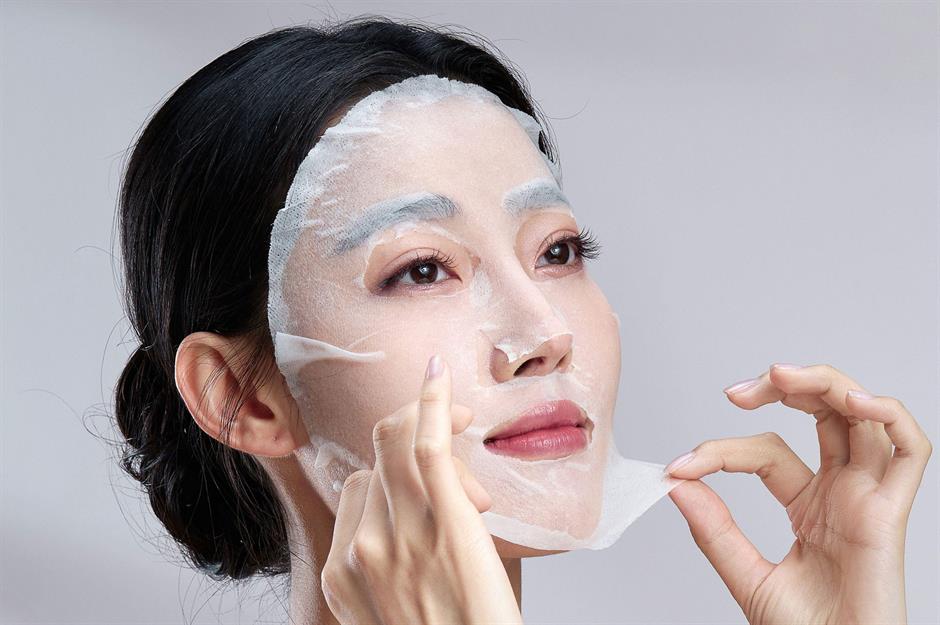
Starting out as a humble hospital pharmacist, Zhang Liguo began his entrepreneurial journey in 1996, moving into skincare in 2012 and rolling out his first facial mask in 2014. He went on to establish Fuerjia in the northern Chinese city of Harbin in 2017, building a business on $3 (£2.20) masks that quickly won over China’s beauty market.
Fuerjia’s rapid rise culminated in a $306 million (£229m) IPO in 2023. Despite mounting competition, Zhang’s majority stake keeps him firmly in the billionaire club.
Sponsored Content
=23. Yoshiaki Yoshida: $1.5 billion (£1.1bn)
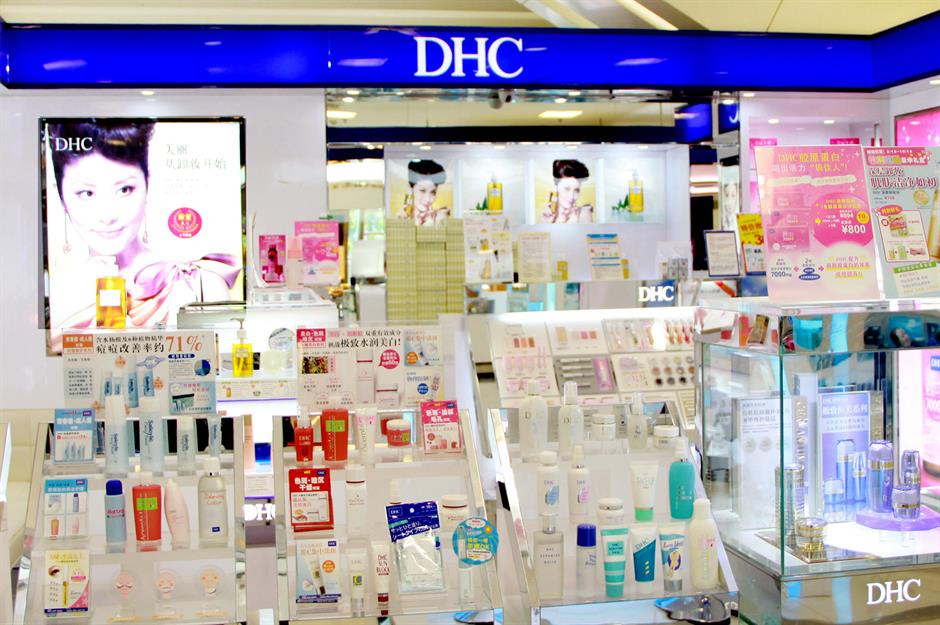
Yoshiaki Yoshida founded Japanese beauty group DHC in 1972. It was initially a translation business before pivoting to cosmetics in the 1980s, starting with olive-based skincare. The company went on to become a household name in Japan and other parts of Asia. But Yoshida is a controversial figure. Derogatory comments he made about Koreans in 2020 sparked a backlash that led DHC to withdraw entirely from South Korea.
Three years later, he sold the firm to Orix in a $2.1 billion (£1.6bn) deal.
=18. Aerin Lauder: $1.6 billion (£1.2bn)
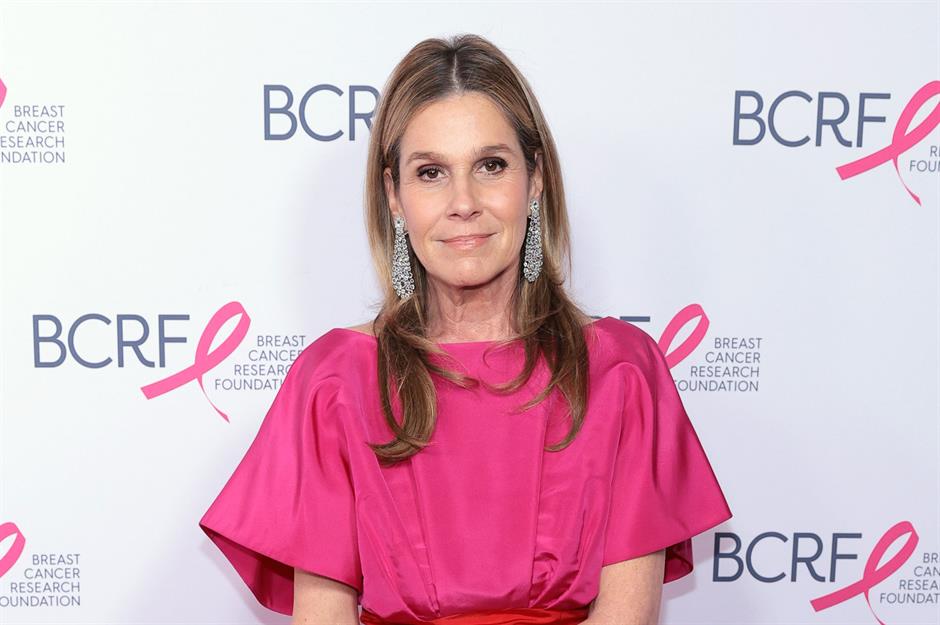
Estée Lauder scion Gary Lauder is no longer a billionaire, but the US beauty behemoth still boasts four heirs on the Forbes list.
Aerin Lauder, granddaughter of the eponymous founder, has worked for the family firm since 1992. She currently serves as the company's style and image director and also heads her own luxury lifestyle brand, which is fittingly called AERIN. She's also heavily involved in philanthropy, supporting charities such as the Breast Cancer Research Foundation, which was founded by her aunt Evelyn.
=18. William Lauder: $1.6 billion (£1.2bn)
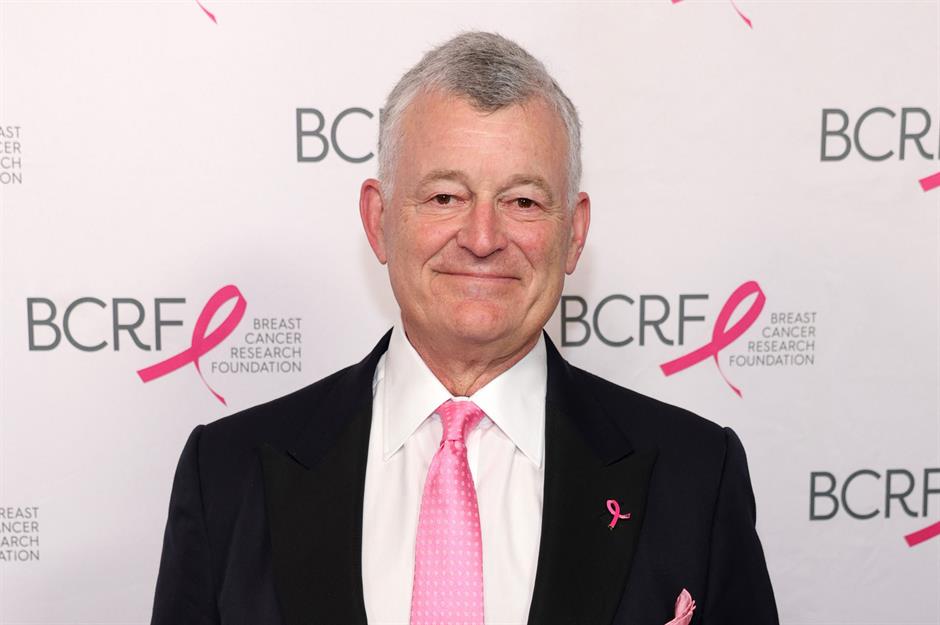
Staying with the Estée Lauder heirs, William Lauder is part of the company’s third generation and first cousin to Aerin.
He was the firm's executive chairman from 2009 to 2024 and now chairs the board of directors. Beyond the business, the Lauder scion co-chairs the Breast Cancer Research Foundation and is a guest lecturer at the Wharton School in Philadelphia, the alma mater of both Elon Musk and President Trump.
Sponsored Content
=18. Artur Grynbaum: $1.6 billion (£1.2bn)
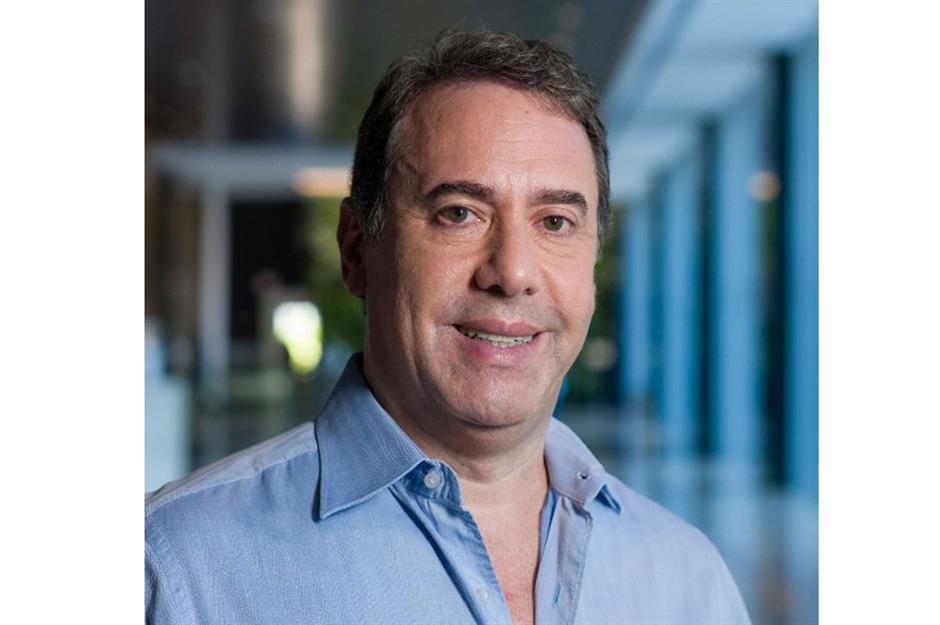
Artur Grynbaum is the president of Grupo Boticário. The Brazilian cosmetics company was founded by his brother-in-law Miguel Krigsner in 1997, starting life as a modest pharmacy in Curitiba, Brazil.
Grynbaum owns a fifth of the business, which is massive in Latin America and counts numerous brands including O Boticário, Eudora, and Vult. Renowned for its eco credentials, the firm donates 1% of its profits to its namesake foundation, which is dedicated to preserving Brazil's rich biodiversity and natural habitats.
=18. Hou Juncheng: $1.6 billion (£1.2bn)
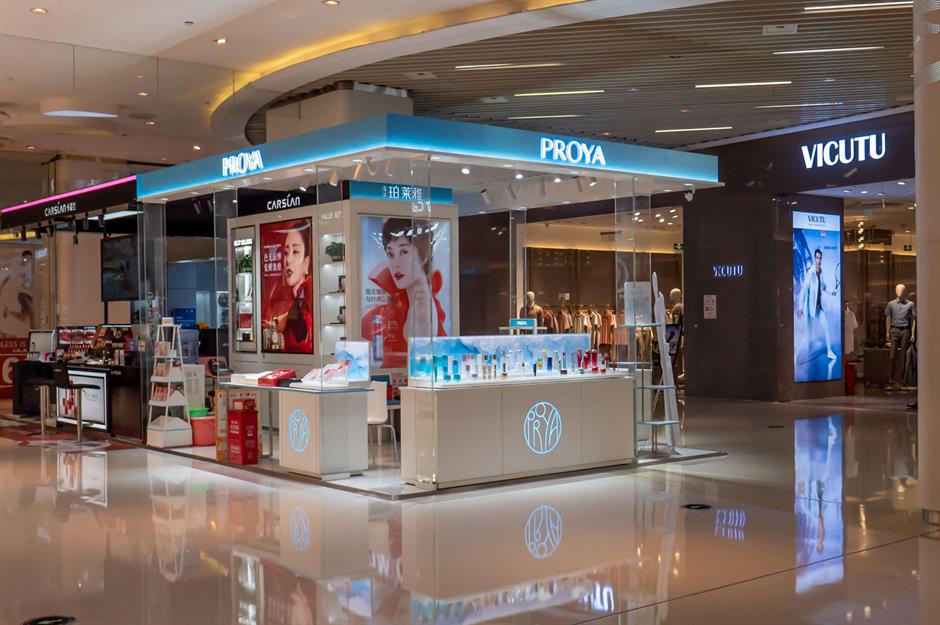
Former small-time cosmetics distributor Hou Juncheng founded Proya in 2006 and serves as its chairman. Fuelled by e-commerce, livestreaming, and social media, it's since become one of China’s leading beauty groups and has aspirations to become the nation's answer to L'Oréal.
Listed in Shanghai since 2017, the business encompasses skincare, makeup, and haircare with brands such as Timage and Uzero. It also has partnerships with Switzerland's Zwyer Caviar and Artemis.
=18. Sun Huaiqing & family: $1.6 billion (£1.2bn)
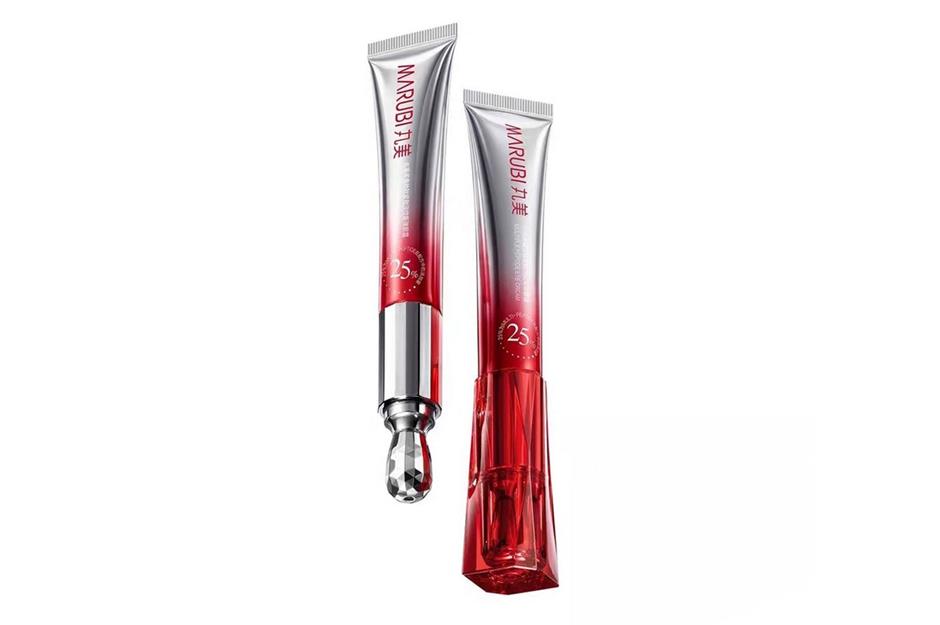
Sun Huaiqing chairs Guangdong Marubi Biotechnology, the skincare company he founded in Guangzhou in 2000. A former electric machinery factory worker in Chongqing, Sun has built Marubi into China’s leading eye cream brand.
Its hero product, the Little Red Pen Eye Cream, has become a signature item in China’s beauty market, helping fuel Marubi’s wider growth across skincare and cosmetics. Backed by investors including L Capital, an affiliate of LVMH, the group has secured Sun’s spot among the world’s beauty billionaires.
Sponsored Content
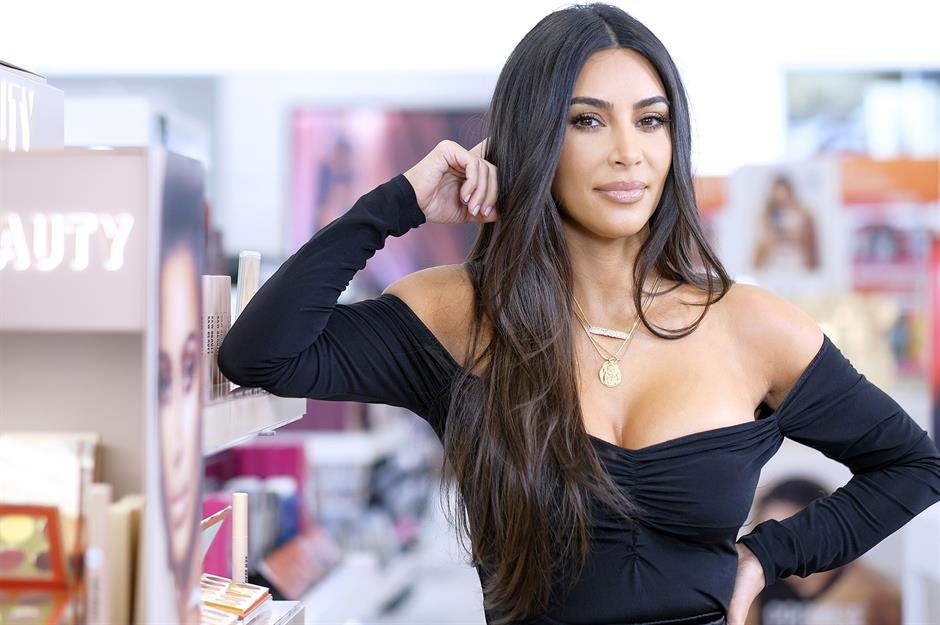
17. Kim Kardashian: $1.7 billion (£1.3bn)
Unlike her sister Kylie, Kim Kardashian is a bona fide billionaire.
The reality TV superstar has turned her fame and notoriety into a sprawling business empire, and she now ranks as the world's second-richest female celebrity after Oprah Winfrey. While much of her fortune comes from her shapewear line Skims, beauty also plays a big role, with her SKKN by Kim luxury skincare brand a major money-spinner.
16. Byunghoon Kim: $2 billion (£1.5bn)
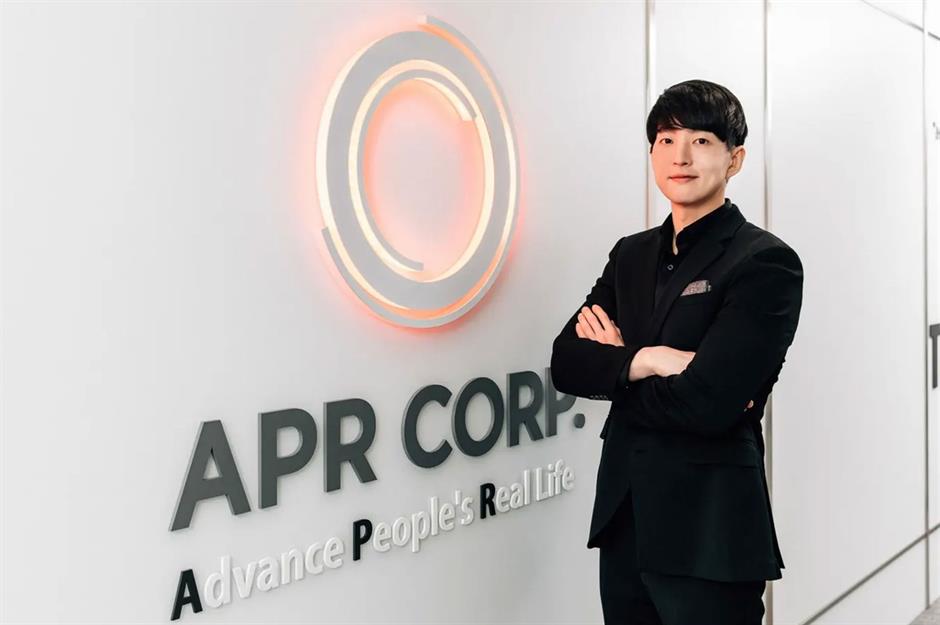
Another K-beauty billionaire, Byunghoon Kim co-founded APR in 2014, the South Korean company behind high-tech beauty devices that use electrical stimulation to enhance skincare absorption. His partner Lee Ju-kwang left in 2019, but Kim has since led APR’s rise, which was boosted when Hailey Bieber touted its products on TikTok in 2023.
The firm went public the following year, raising substantial funds from investors such as CJ Onstyle, Lotte Ventures, and the Industrial Bank of Korea.
15. Jane Lauder: $2.3 billion (£1.7bn)
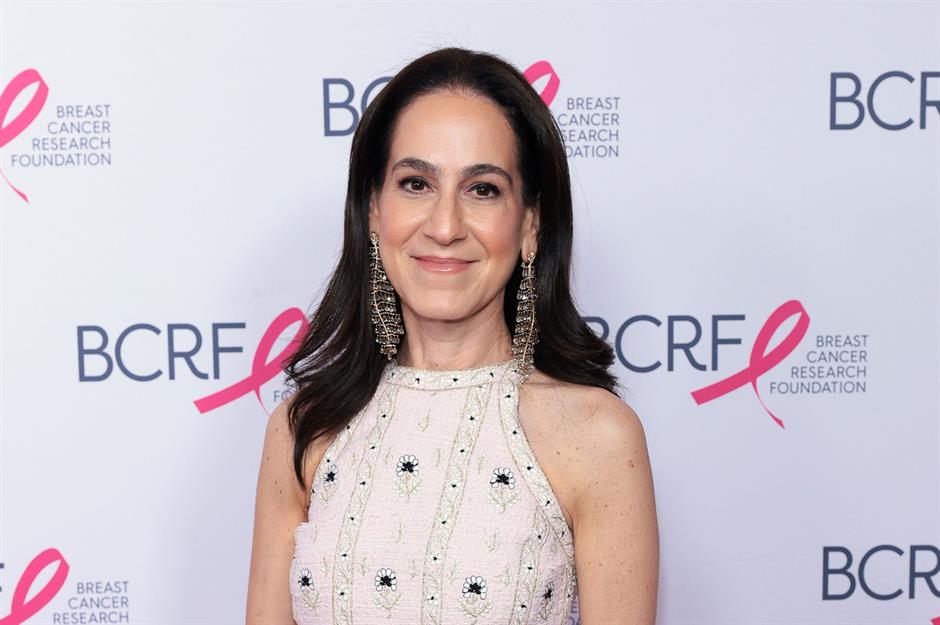
Estée Lauder heir Jane Lauder owns more shares in the family firm than her sister Aerin and first cousin William, hence her larger net worth.
Like other family members, she takes an active role in the company, serving as its chief data officer, having previously headed its Clinique, Origins, Ojon, and Darphin brands. Away from the business, Jane has been a prominent backer of the Breast Cancer Research Foundation, continuing the beauty dynasty's strong philanthropic legacy.
Sponsored Content
14. Sylvia Ströher: $2.4 billion (£1.8bn)
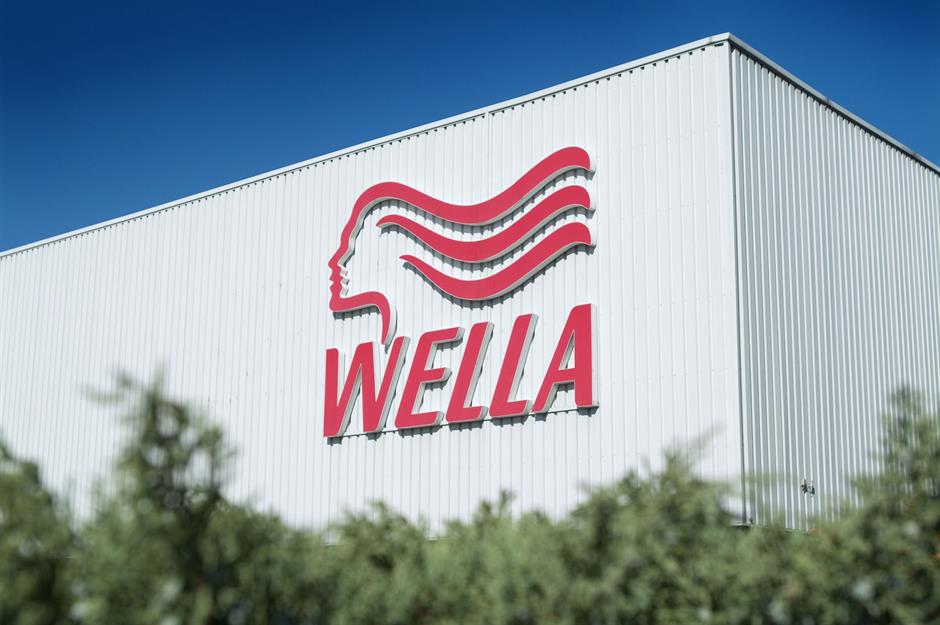
Sylvia Ströher derives her fortune from Wella, the German haircare heavyweight founded by her great-grandfather Franz Ströher. She pocketed more than $1 billion (£749m) when the family sold 80% of the company to Procter & Gamble in 2003.
Together with her husband, a former nurse, she has built a renowned collection of contemporary German art, featuring works by leading Neo-Expressionists such as Georg Baselitz and Jörg Immendorff.
13. Li Gaiteng: $2.5 billion (£1.9bn)
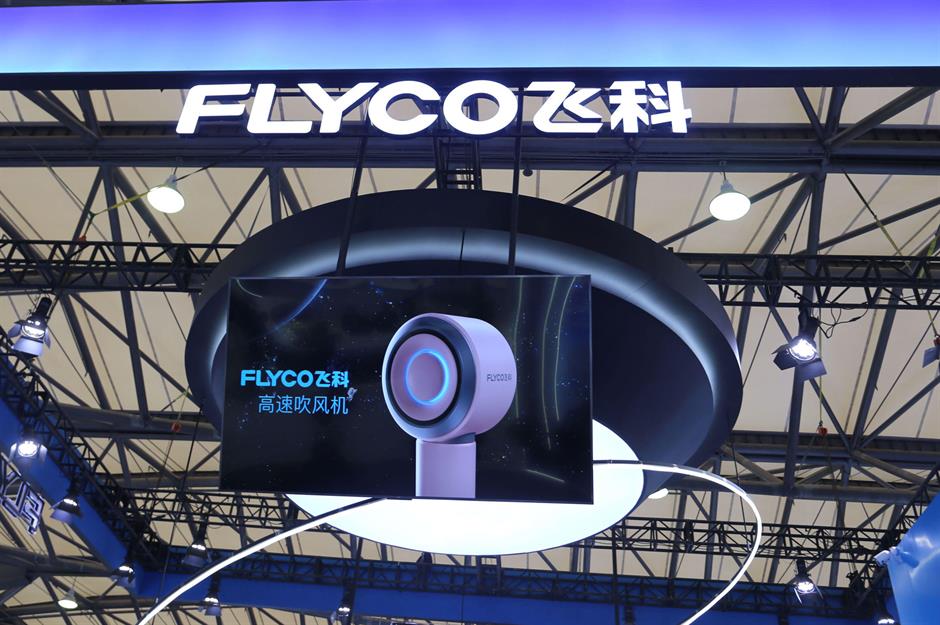
Once a motorcycle mechanic, Li Gaiteng went on to found Shanghai Flyco Electrical Appliance, which has become one of China’s leading makers of personal care devices. Best known for its electric razors and hair dryers, Flyco is now synonymous with affordable grooming and beauty appliances, positioning itself as a formidable domestic rival to multinationals like Philips and Panasonic.
Li retains a majority stake and is the company chairman, while his wife Lin Yu’e serves as executive director.
=11. Daniel Rocher: $2.6 billion (£2bn)
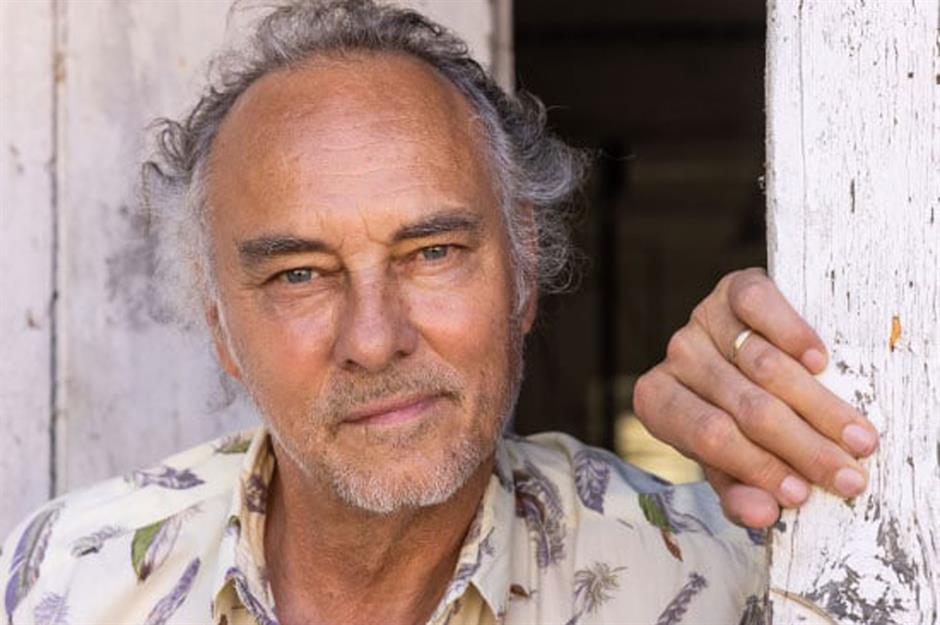
One of two major Groupe Rocher heirs, Daniel Rocher is the son of the late Yves Rocher, who founded the French cosmetics colossus in 1959. Its brands include Yves Rocher, Arbonne, and Kiotis.
Fascinated by sea life from an early age, especially bioluminescent plankton, the Rocher scion started the marine cosmetics company Daniel Jouvance at the age of 26. He's also an accomplished sculptor.
Sponsored Content
=11. Bris Rocher: $2.6 billion (£2bn)
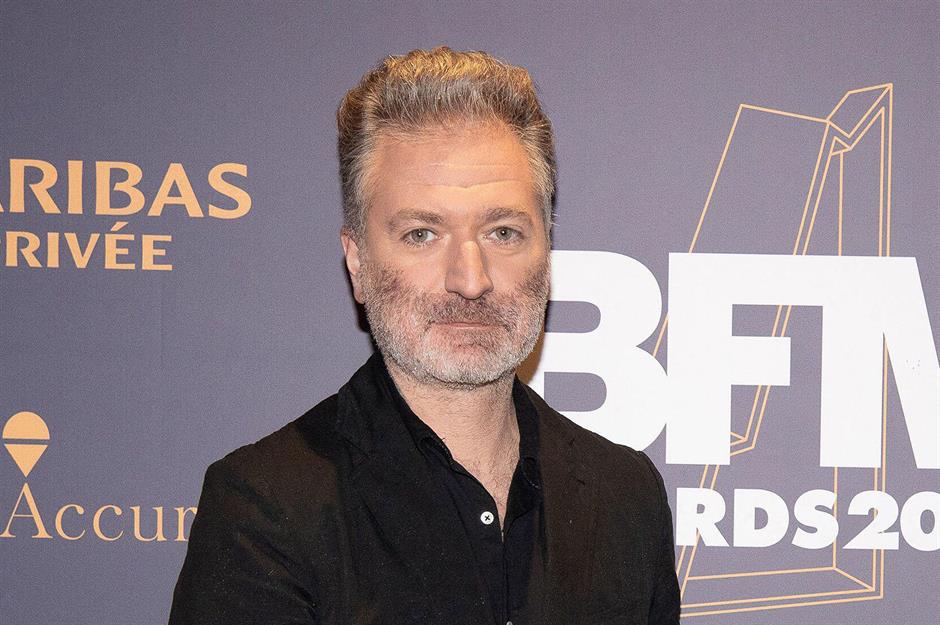
Bris Rocher is the grandson of Yves Rocher and Daniel's nephew.
Considerably more involved in the family company than his uncle, Bris became CEO in 2006 at the age of 31 following his grandfather's death. He served in the position until 2023, though he remains the company chairman.
10. John Paul DeJoria: $2.9 billion (£2.2bn)
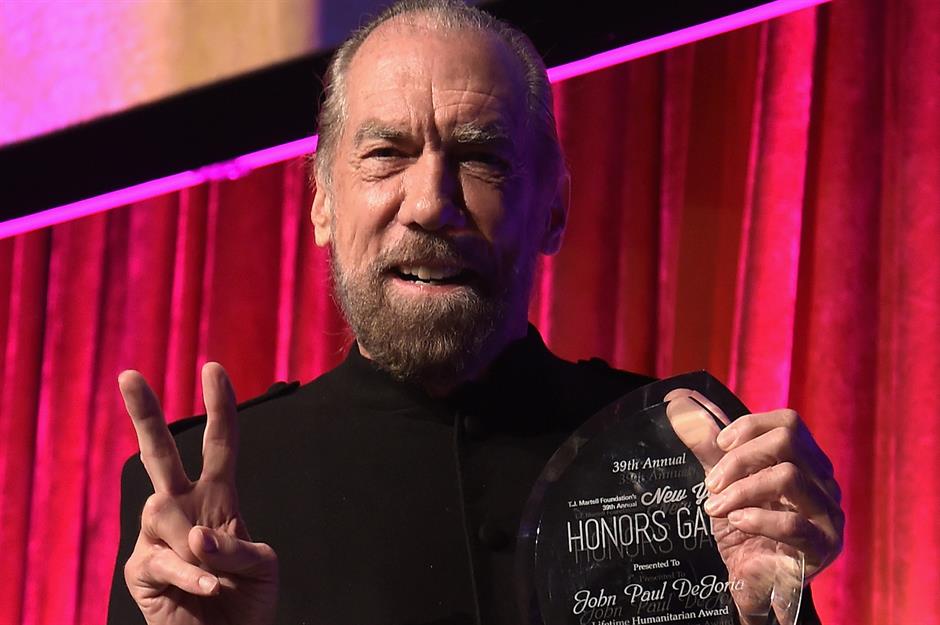
An inspiring rags-to-riches success story, John Paul DeJoria had a stint living out of his car and sold shampoo door-to-door before he got together with Paul Mitchell in 1980 to found haircare company John Paul Mitchell Systems in Hawaii.
DeJoria later invested in an array of lucrative businesses, including tequila maker Patrón, which he sold to Bacardi in 2018 for $5.1 billion (£3.8bn).
9. Mao Geping & family: $3.1 billion (£2.3bn)
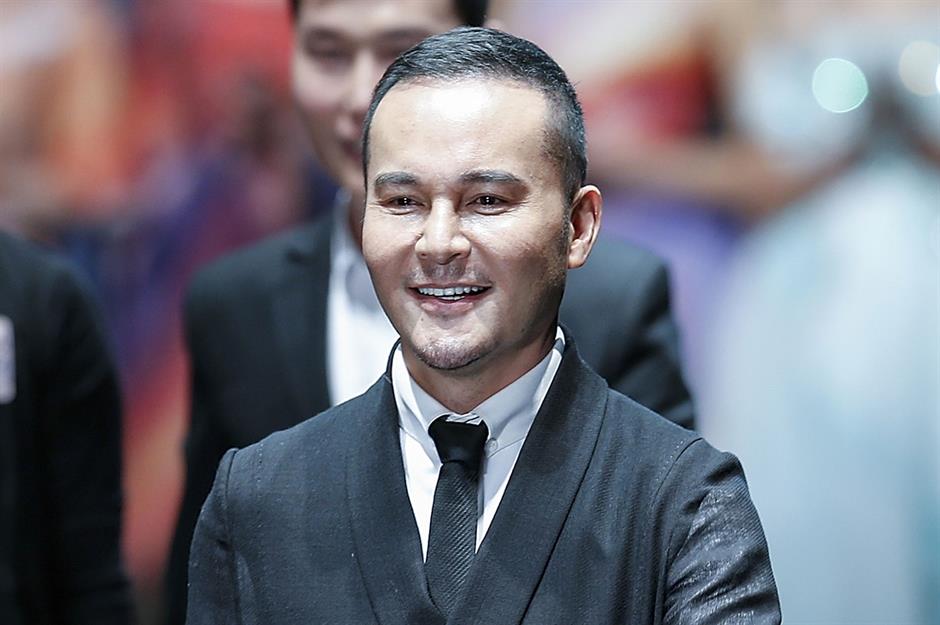
A traditional Chinese opera singer turned cosmetics magnate, Mao Geping founded his luxury namesake brand in 2000 and hasn't looked back.
The Hangzhou-based firm went public at the end of last year in a $300 million (£225m) IPO, which propelled its founder and chairman to billionaire status.
Sponsored Content
=7. Reinold Geiger: $3.4 billion (£2.6bn)
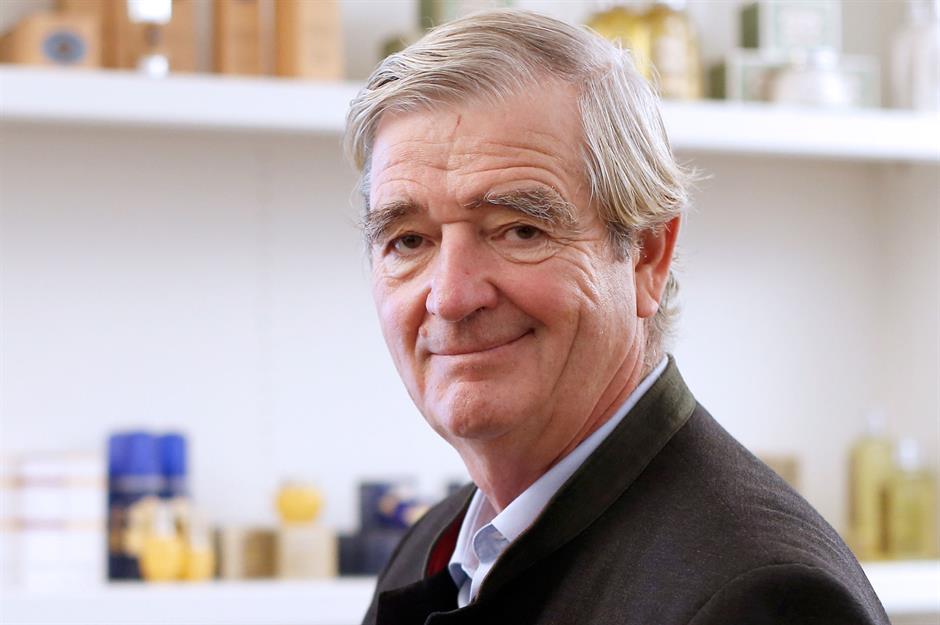
Reinold Geiger transformed French firm L'Occitane from a niche cosmetics retailer to a global powerhouse with thousands of outlets in 90 nations. The firm also owns cult brands including Sol de Janeiro and ELEMIS.
Geiger first became involved with the firm in 1994 and served as its CEO from 1996 to 2021. He remains L'Occitane's chairman and executive director, not to mention its leading shareholder.
=7. Fan Daidi: $3.4 billion (£2.6bn)

Dubbed the 'mother of human-like collagen', chemist Fan Daidi co-founded Giant Biogene Holding with her husband Yan Jianya and served as its chief science officer until 2023. The Xi’an-based company, which is renowned for its collagen-based concoctions, went public in Hong Kong in 2022.
Beyond business, Fan is vice president of Northwest University in Xi’an and dean of its Institute of Biomedical Research.
=5. Lyu Yixiong: $4.1 billion (£3.1bn)

Lyu Yixiong founded Chicmax in Shanghai in 2002 and continues to serve as the company CEO. The skincare group is now a key player in the Chinese beauty industry, and its brands, which include Kans, One Leaf, Baby Elephant, and Hanamino, have attracted a devoted following.
Lyu became a billionaire at the end of 2022 after the firm was floated on the Hong Kong Stock Exchange.
Sponsored Content
=5. Todd Christopher: $4.1 billion (£3.1bn)
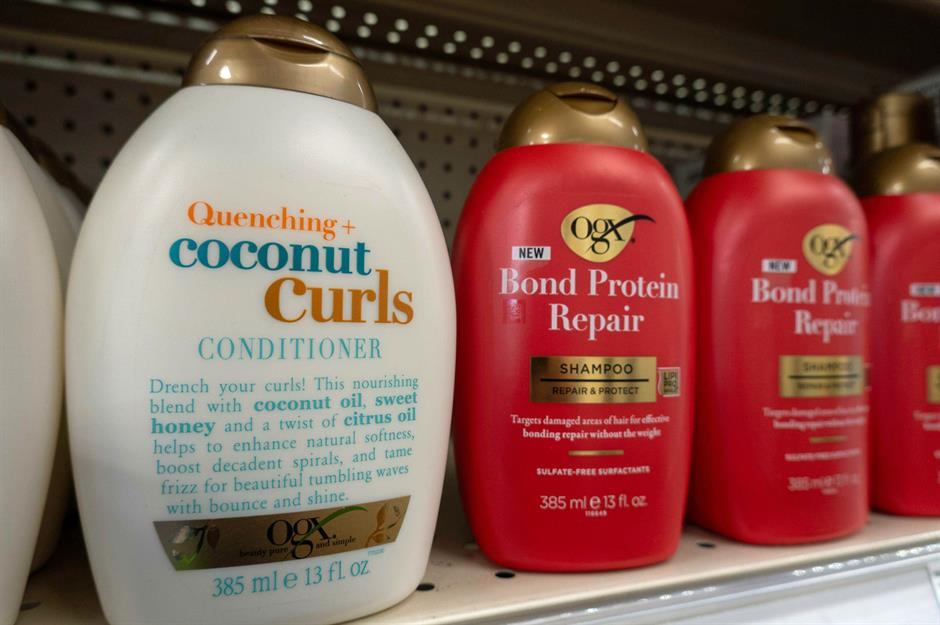
Todd Christopher's billionaire status is all the more impressive given he dropped out of high school to work as a hairdresser at his cousin's salon in Florida. He went on to set up his own salon at age 22 and later founded Vogue International, the parent of brands including OGX and Maui Moisture.
Todd debuted on the Forbes Billionaires list in 2017 after Vogue International was sold to Johnson & Johnson for $3.3 billion (£2.5bn).
4. Falguni Nayar: $4.5 billion (£3.4bn)
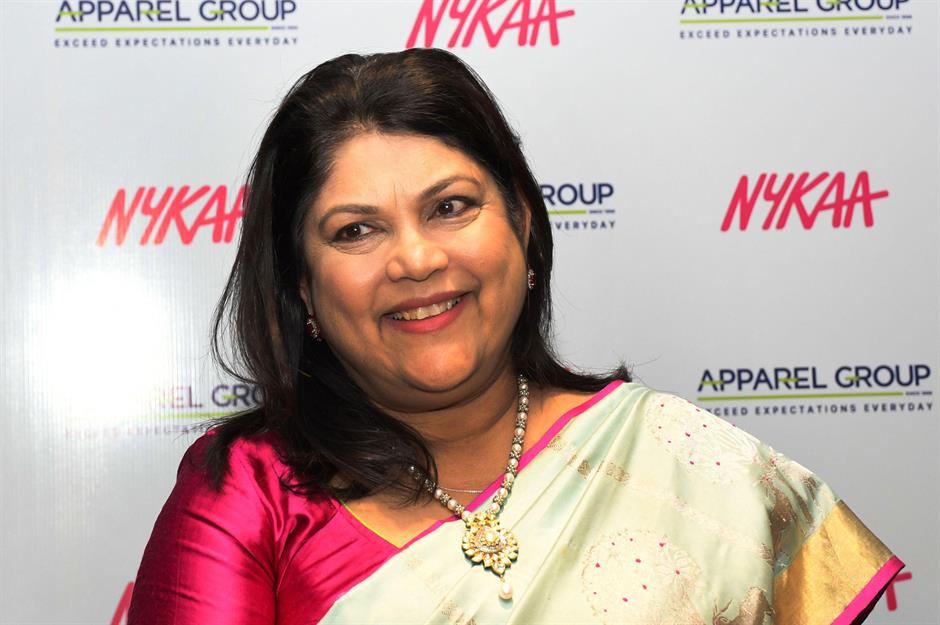
India's richest self-made woman, Falguni Nayar turned her back on investment banking in 2012 to start beauty retailer Nykaa. It was a smart move. Nykaa is now India's leading online beauty retailer and it also boasts almost 200 brick-and-mortar stores across the nation. The business is now eyeing expansion plans in the UK and elsewhere.
Nayar has been a billionaire since 2022 after Nykaa went public with a valuation of $7.4 billion (£5.5bn).
3. Ronald Lauder: $4.9 billion (£3.7bn)
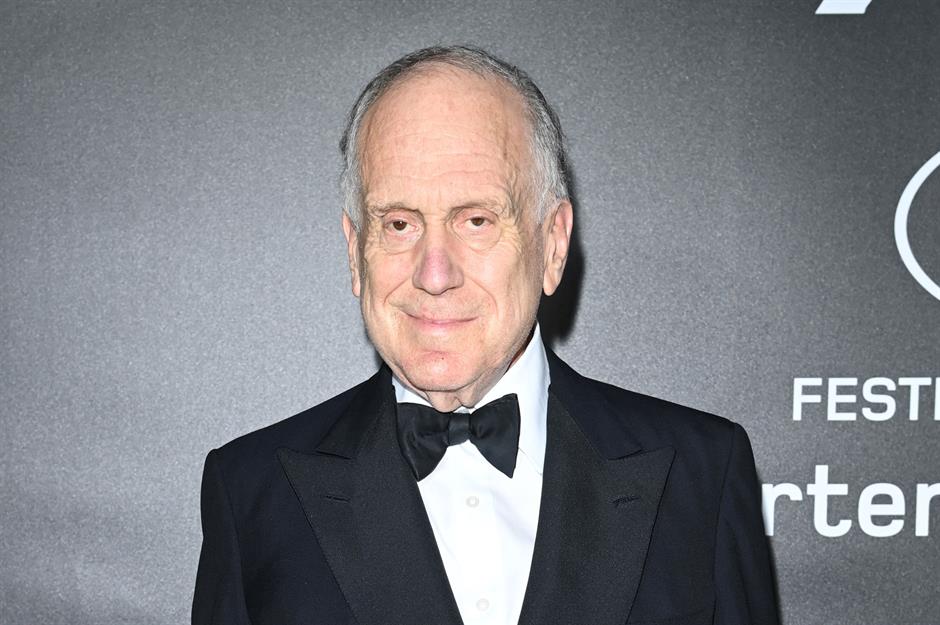
Ronald Lauder is the surviving son of Estée Lauder. His older brother Leonard passed away in June at the age of 92. The company's biggest individual shareholder, he serves as chairman of Clinique, but retired from the Estée Lauder board earlier this year.
Away from the family firm, Ronald was the US ambassador to Austria during the Reagan years and is president of the World Jewish Congress.
Sponsored Content
2. Miguel Krigsner: $6.4 billion (£4.8bn)
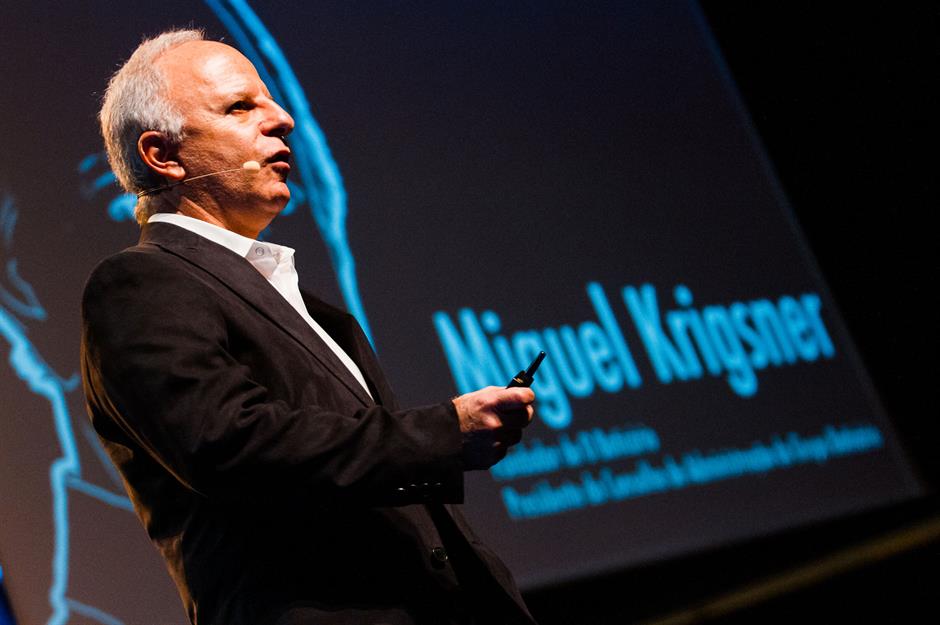
The brother-in-law of the aforementioned Artur Grynbaum, Bolivian-born Miguel Krigsner founded Brazil's Grupo Boticário in 1997 and has been instrumental in making the business the success it is today.
Krigsner owns 80% of the company, while Grynbaum holds the remaining 20%.
1. Françoise Bettencourt Meyers & family: $91.3 billion (£68.4bn)
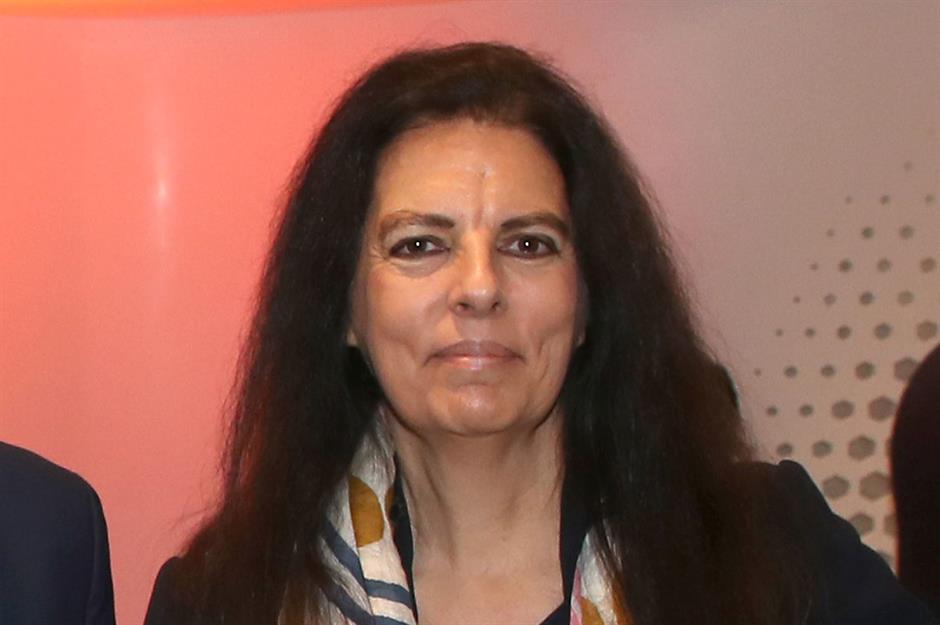
Along with her family, Françoise Bettencourt Meyers owns more than a third of L'Oréal, the world's number one beauty company. The richest woman on the planet from 2017 to 2024, the French heiress saw her fortune slip last year as the cosmetics giant struggled, mainly due to disappointing sales in China.
The firm has bounced back this year, and its share price surged in April and again in September, along with the Bettencourt Meyers' net worth.
Special mentions
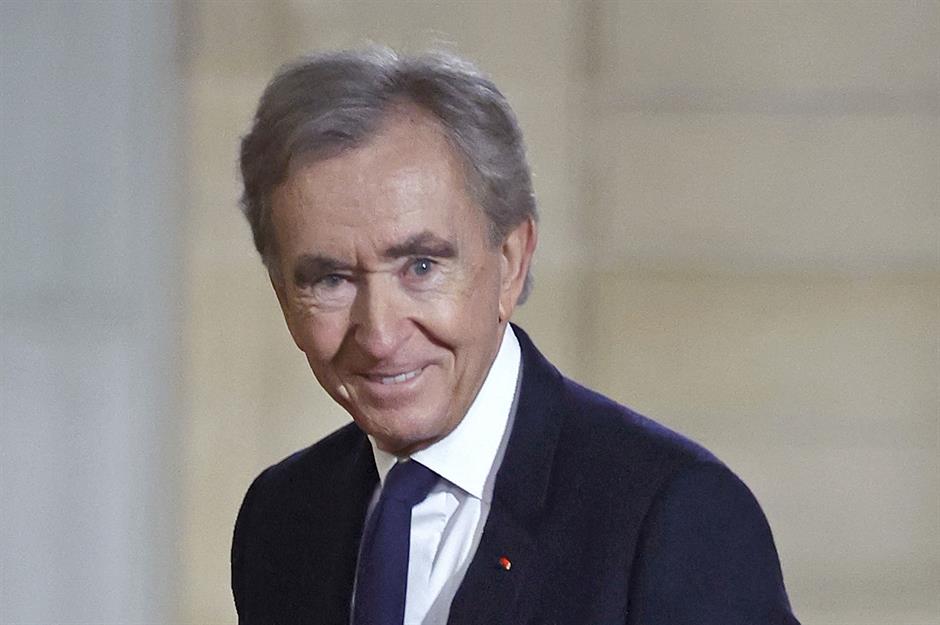
While not strictly beauty billionaires, several high-profile billionaires owe much of their wealth to the sector. François Pinault, who is worth $25.9 billion (£19.4bn), has benefited from beauty and fragrance brands like Yves Saint Laurent and Creed under Kering.
The Wertheimer brothers, Gerard and Alain, have built a combined $78 billion (£58.4bn) fortune through Chanel, with its fragrance and cosmetics lines playing a key role. And LVMH head honcho Bernard Arnault derives a significant chunk of his $179 billion (£134bn) from the conglomerate's numerous beauty concerns such as Fenty Beauty, Sephora, Benefit Cosmetics, and Givenchy Parfums.
Now discover 19 celebrities who’ve reached billionaire status