The countries where debt interest outstrips key budgets
You won’t believe how debt payments eclipse vital spending

Ever wonder how much of your tax money is eaten up by government IOUs? Even fiscally responsible nations fork out huge sums that surpass their outlays for essentials like fire protection and prisons. And for many countries, servicing debt tops big-ticket budgets for defence, healthcare, and education.
With this in mind, read on to discover the percentage of general government spending that goes towards paying off debt in selected countries, and how this compares to spending on key public services. All dollar amounts in US dollars.
Interest devouring government budgets
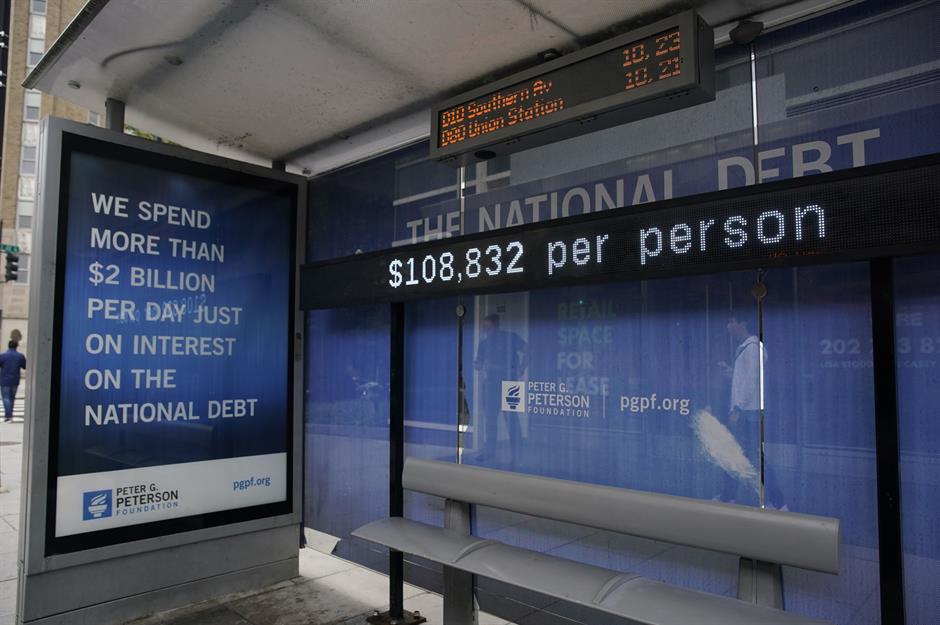
Think of this as a fiscal reality check. Every country has to pay interest on its debts, but the size of that bill and its burden on public finances varies wildly. In some places it’s more than manageable, but in others, the outlay is a major strain. In this round-up, we've covered general government spending, which is the combined spending of all government bodies, from central/federal to state and local.
The figures used here come from the latest fiscal or calendar year that data is available for, with all amounts converted into US dollars.
Luxembourg: 0.8%

Enviably affluent and fiscally prudent, Luxembourg spends relatively little on debt interest payments, with the sum it spent in 2023 coming in at just 0.8% of total government expenditure, according to Eurostat, the statistical office of the European Union.
Nevertheless, the amount wasn't insignificant, outpacing the outlays for foreign military aid (0.5%) and fire protection services (0.5%), and equal to the money set aside for agriculture, forestry, fishing, and hunting.
Sponsored Content
Germany: 2%
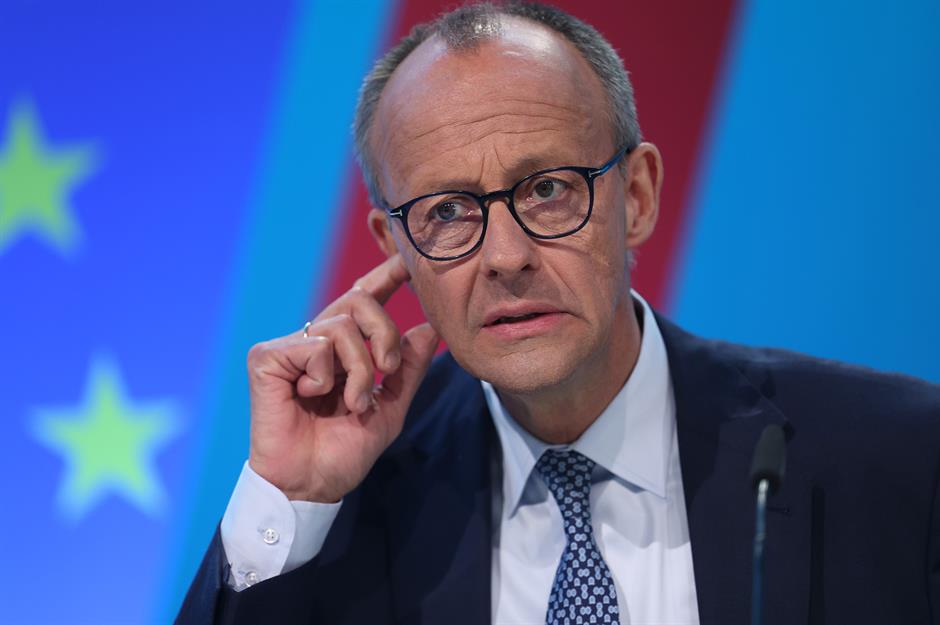
In 2023, Germany’s interest bill stood at 2% of central government spending. This is modest for an advanced economy, reflecting the nation's excellent credit rating, which makes for low interest rates.
Still, that's more than the country spent on prisons (0.2%), environmental protection and foreign economic aid (both 1.2%), and higher education and policing, which accounted for 1.7% and 1.5% respectively.
Australia: 2.4%
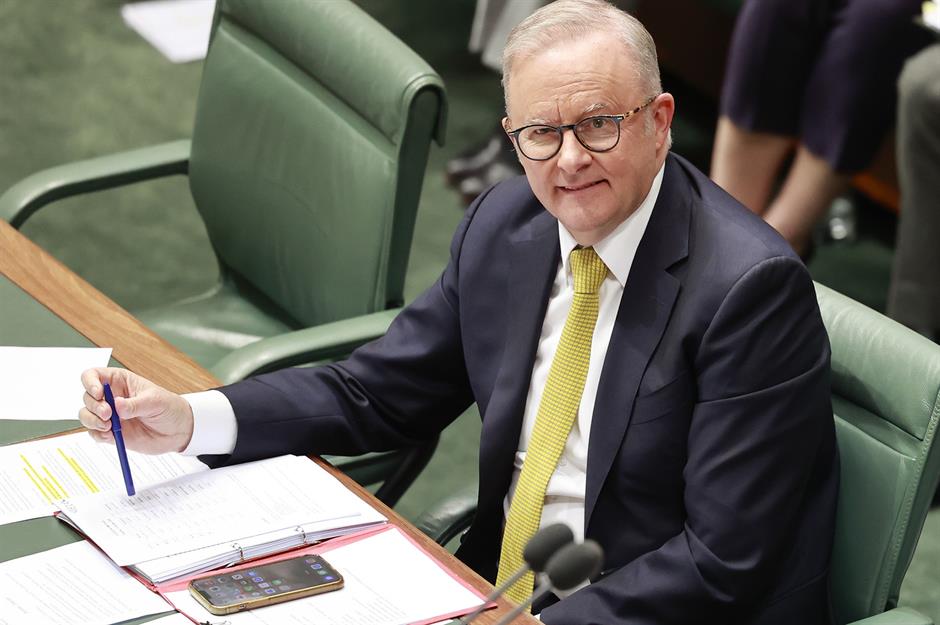
Moving Down Under, the Australian central government earmarked 2.35% of its total budget to debt interest in the 2023 to 2024 fiscal year.
Looking at the total breakdown, this exceeds the government's consolidated spend on housing and community amenities (1.4%), recreation, culture, and religion (2%), and environmental protection (2.2%). For further comparison, the outlay was about six times less than the education budget and around one-eighth of what the government devoted to healthcare.
Austria: 2.7%

Austria's interest payments made up 2.7% of general government expenditure in 2023.
That piece of the pie is significantly larger than the 1.2% it devoted to defence, though this small share reflects Austria's long-standing neutral status. It was also larger than the proportion allocated to unemployment benefits and retraining, which sat at 2.1%, and pretty close to the 3.1% budgeted for pre-primary and primary education.
Sponsored Content
Ireland: 3%

In 2023, the proportion of Ireland's total general government spending set aside for debt servicing amounted to 3%.
By way of comparison, this was more than the wealthy nation allocated to housing development (0.7%), policing (2%), and higher education (2.1%).
France: 3.2%

France's latest data is also from 2023. That year, the country's government devoted 3.2% of its total consolidated spending to interest on liabilities, the same percentage allocated to its defence budget.
Debt payments also exceeded the sums allotted to pre-primary and primary education (2.4%), public order and safety (3%), and transport (3.8%). It's important to bear in mind, though, that the interest figure appears relatively low due to the immense scale of France's social spending, which is the highest as a share of GDP among OECD countries.
China: 5%

The data for China comes from 2024. Then, the general government of the People's Republic spent $4 trillion (£3tn) in total.
Debt interest payments made up 5% of consolidated spending. And while this doesn't seem substantial, it's more than the nation spent on energy and environment, science and technology, and transportation. To put the outlay further into perspective, military-minded China's defence expenditure came in at 6% of the overall budget.
Sponsored Content
New Zealand: 5%

For the 2023 to 2024 fiscal year, New Zealand’s interest bill was 5% of total government spending, matching China's share.
That's substantially more than the 1.4% devoted to defence, but markedly less than the 12.7% allocated to education and 29.6% to social protection.
Spain: 5.5%

Back to Europe, Spain's interest on its IOUs amounted to 5.5% of overall government spending in 2023.
That's more than the government apportioned to foreign economic aid, policing, and defence combined. The outlay equated to around half the education spend and a third of the entire healthcare budget.
Argentina: 6.8%
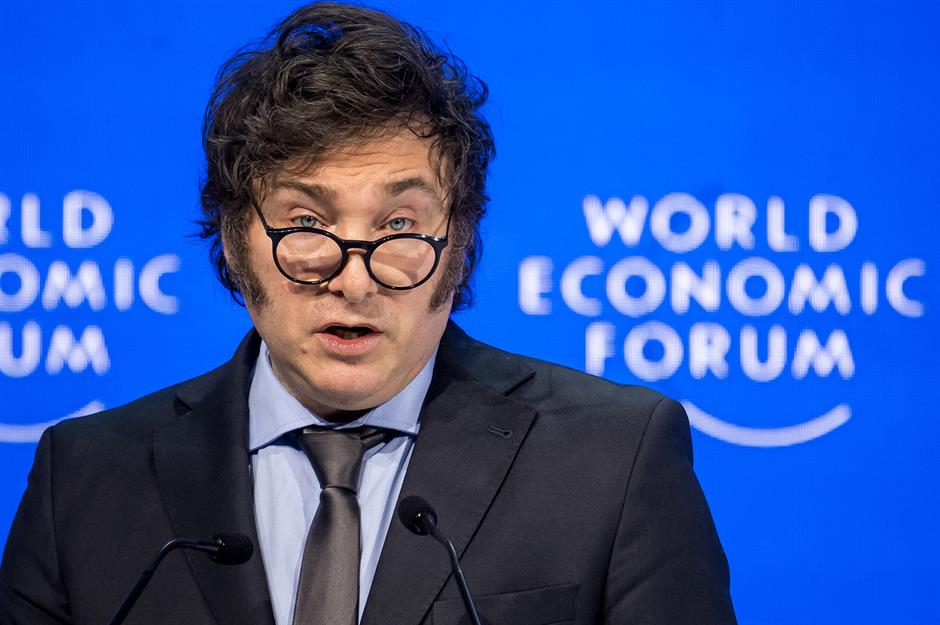
Argentina is drowning in debt, so you'd be forgiven for assuming the interest it pays on its IOUs should eat up considerably more than the 6.7% of total consolidated expenditure it did in 2023. But here's the catch: that year, much of Argentina's debt was deferred, while its rampant inflation artificially inflated the total budget, making the interest payments seem modest.
In any case, the interest bill surpassed the defence (2.1%) and healthcare (4.1%) budgets, not to mention the total spend on education and culture (6.1%).
Sponsored Content
Italy: 7%

Italy is one of the most indebted countries in the world; in Europe, only Greece has a higher debt-to-GDP ratio. In 2023, interest on IOUs came in at 7% of general government spending. This seems moderate, but the Italian government's exceptionally generous social expenditure makes the share appear small in comparison. At the same time, the European Central Bank's past low-interest policies have kept its borrowing costs relatively suppressed.
That said, the interest bill exceeded spending on defence (2.2%), transport (4%), and education (7.3%).
Japan: 7.7%
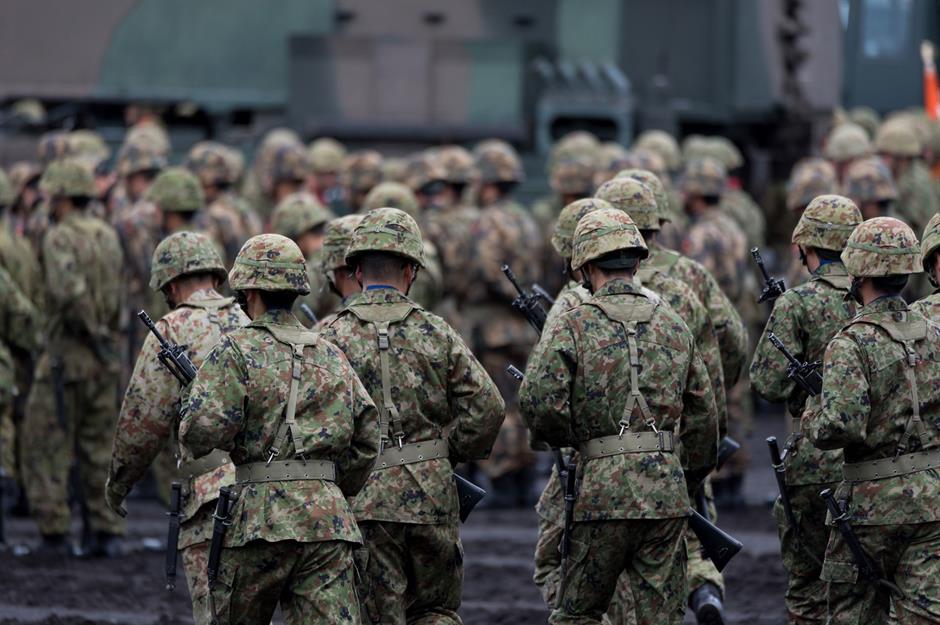
Japan has the highest debt-to-GDP ratio among the major economies. Yet the interest it pays is comparatively low since the majority of the debt is held domestically and borrowing costs are kept ultra-low.
However, the country's interest payments still consume a significant share of total consolidated spending, at 7.7% in 2022. This is more than the nation spent on defence, education, and science (all around 5%). These figures refer to central government, but since Japan is a unitary state, this closely reflects the general government position.
UK: 8.2%
Up-to-date figures for the 2024 to 2025 fiscal year are available for the UK. During this period, the country's central government spent $1.72 trillion (£1.28tn), with net interest consuming $141bn (£105bn), which is 8.2% of the total.
This is more than the nation spent on defence (2.9%) and education (6.9%), plus about half the budget for the National Health Service (NHS) and social care, which is estimated at $276bn (£204bn). It's important to note these figures cover central rather than general government, but in the UK’s unitary system this is effectively equivalent.
Sponsored Content
Canada: 8.7%
In 2023, Canada's interest payments amounted to 8.7% of the central government budget. Expenditure reached a record high of $778 billion (£577bn) that year, up 10% from 2022.
In terms of the breakdown, the interest bill surpassed the share taken up by defence, which stood at 3.1%, but was demonstrably less than what the state allocated to healthcare (23.4%) and social protection (26.4%).
USA: 10.6%

US general government debt continues to rise and stood at 124% of GDP at the end of 2024. In 2023, interest payments amounted to a staggering $1.07 trillion (£794bn), representing 10.6% of total spending that year.
That trumps the $805 billion (£597bn) allocated by the world's foremost military power to defence, as well as the total federal government Medicare outlay of $839 billion (£622bn) during the corresponding fiscal year.
Iceland: 12.4%

In 2023, Iceland paid a larger proportion of its budget to service its debts than any other European country. That year, the nation's debt bill gobbled up 12.4% of central government spending. This is mainly because a substantial proportion of its IOUs, 42%, are linked to inflation, which surged post-pandemic.
This hefty 12.4% outlay dwarfed everything from defence to policing, but fell short of the share taken up by education (14.8%) and healthcare (18%).
Sponsored Content
South Africa: 15%
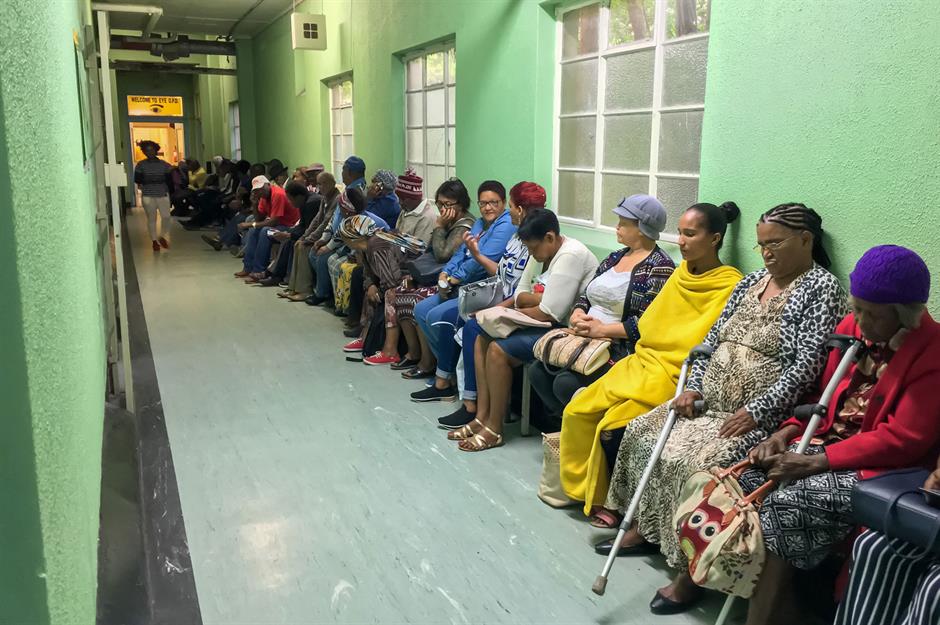
The latest data for South Africa covers the 2022 to 2023 fiscal year. During that period, the nation's central government had to set aside 15% of its overall budget to service debts.
Interest payments swallowed up more of the budget than a wide range of big-ticket expenditures, including defence (2.4%), housing (3.5%), policing (5.8%), and healthcare (11.7%).
India: 19%
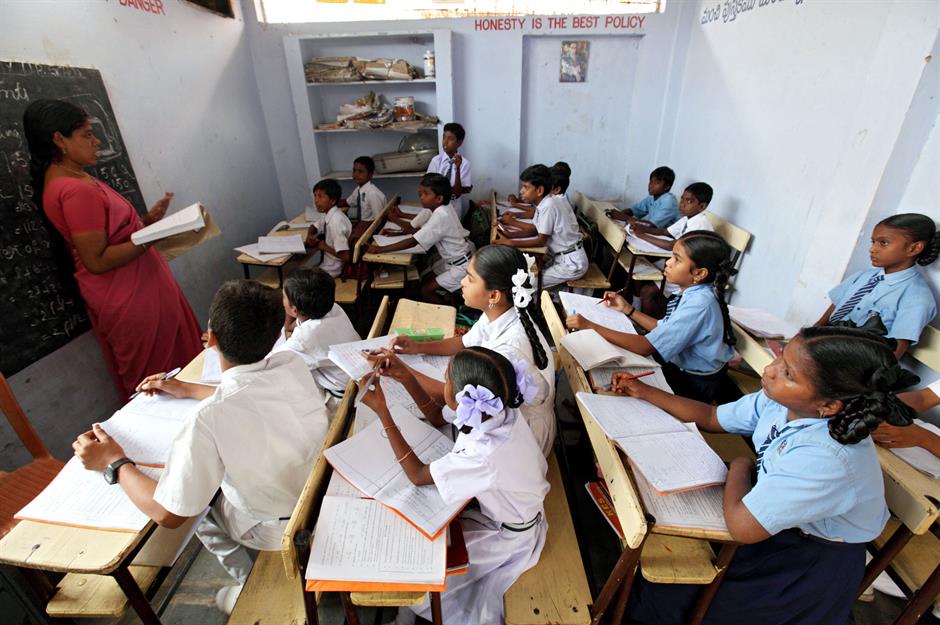
For the 2024 to 2025 fiscal year, India stumped up 19% of its entire Union budget to service its debts. With a credit rating of BBB, borrowing is more expensive for India compared to advanced economies such as those in North America and Europe.
This is well in excess of the nation's entire defence spend of 8%, and more than the sums allocated to key areas such as education and healthcare.
Türkiye: 20%
Türkiye's interest on its debt accounted for a fifth of general government spending in 2023. Like Argentina, however, the country's excessively high rate of inflation made the outlay appear smaller than it actually was, so Türkiye really did pay through the nose that year.
The sum exceeded what the Turkish state spent on defence and various other crucial outlays, and was similar to its total education expenditure.
Now discover the countries that own the most gold, ranked