The UK areas where people have the most (and least) spare cash
The UK’s 10 poorest (and richest) places for disposable income
Household finances are under real pressure: higher mortgages, steeper energy and food bills, and pay that doesn’t always keep pace with inflation. In moments like this, the only number that truly matters is what’s left after tax, known as gross disposable household income (GDHI) per head.
Using the latest Office for National Statistics (ONS) release, tracking disposable income from 1997 to 2023, we've ranked the UK’s richest and poorest places for spend-or-save power. Whether it's London's privileged postcodes or the West Midlands' squeezed strongholds, read on to see the locations where locals can spend freely, and the places where household budgets leave nothing spare. We begin with the 10 most moneyed areas...
10. Bromley: £34,399

London’s leafiest outer borough kicks off our list of the leading places for disposable income per head. Anchored by its commuter town, Bromley's money profile rests on professional salaries earned in central London with suburban assets. This means larger homes, older owner-occupiers, and pensions pumping up per-head fortunes.
Yet Bromley’s spending power isn’t just about pay packets; lower-density renting than more central boroughs means less cash burned on sky-high rents, preserving disposable income. According to the latest ONS data, Bromley's GDHI is £34,399.
9. Lambeth: £35,607

Lambeth’s per-head disposable income benefits from dense white-collar employment in nearby hubs like Westminster and South Bank. The South London borough has one of the highest proportions of residents in employment at 68%, according to the latest census.
It also has a high share of graduate earners. Even with steep rents chipping away at income, strong salaries and smaller average household sizes keep the per-person figure well above the UK average of £24,836.
Sponsored Content
8. West Surrey: £36,583
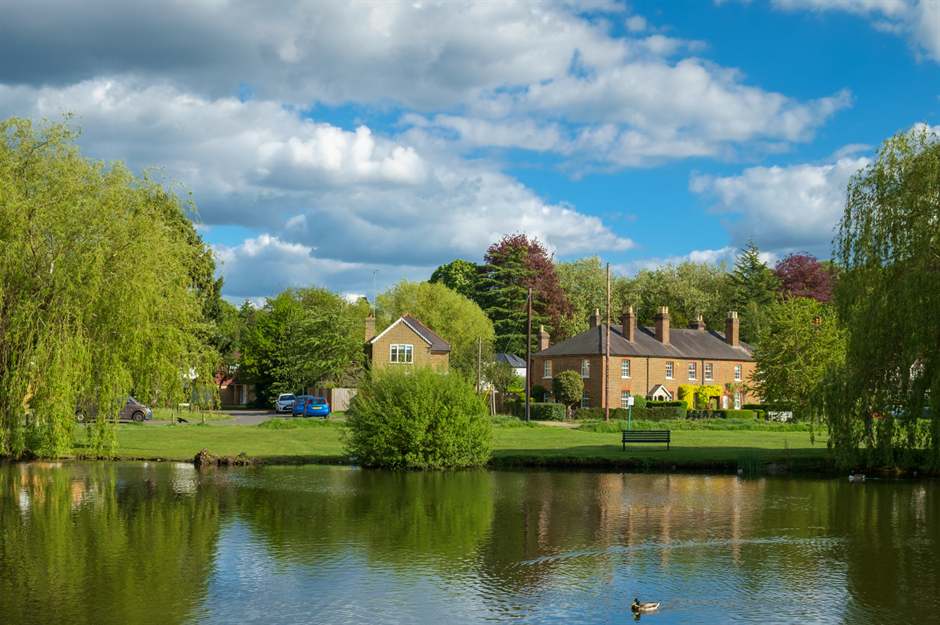
West Surrey is the richest area in the UK outside of London when it comes to disposable income per head. Dual-earner, professional households and an older demographic boost dividends, pensions, and self-employment profits, all of which are counted in GDHI after taxes and benefits.
Because the latest ONS data looks at figures per person, the affluent, smaller household profile of this picturesque region means the average is higher than you'll find in areas with larger, low-earning households.
7. Barnet: £36,880
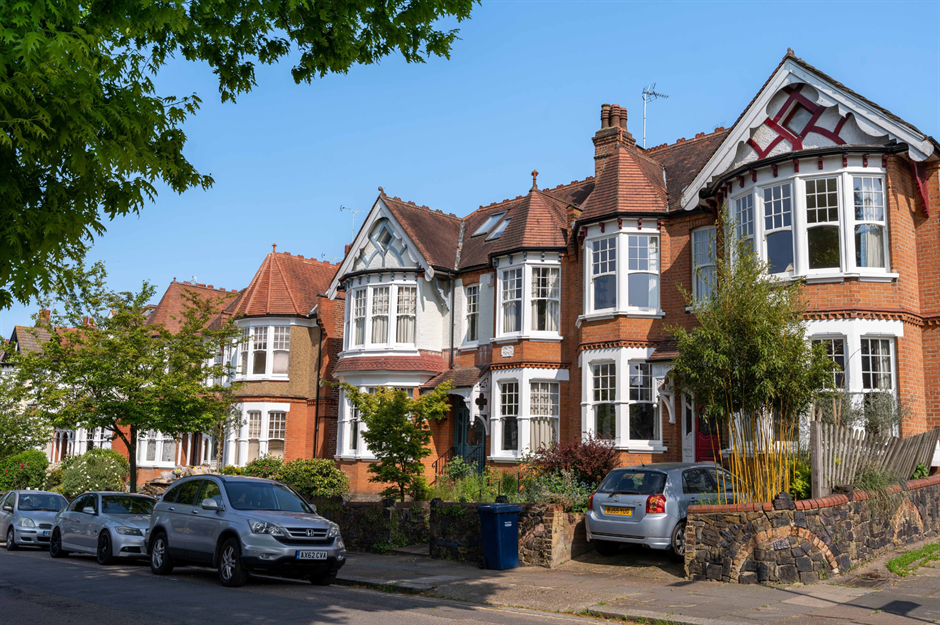
Back to London now, and Barnet’s placement on this list is powered by its sizeable base of homeowners and professionals. In fact, at 27.2%, its proportion of employed professionals is higher than the London average, according to the latest census. This combination gives residents extra tailwind when it comes to disposable budget.
Household composition is also a plus; fewer dependents and more retirees with pensions raise the per-person average, with Barnet nudging ahead of West Surrey due to its broader base of professionals like barristers, bankers, and healthcare workers who commute into central London.
6. Hounslow and Richmond upon Thames: £37,016
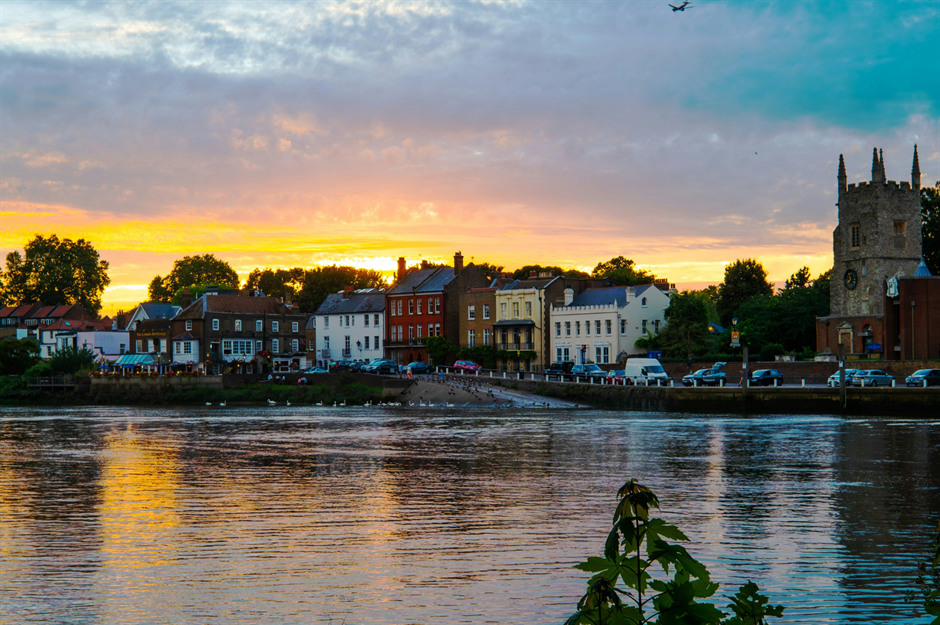
Amazingly, both areas have different location-specific income-boosting powers. Hounslow’s practical and professional sectors, such as aviation/logistics, produce steady wages. Meanwhile, Richmond’s affluent professionals, pensions, and dividends lift non-labour income.
The ONS data, which combines the two areas, captures all of that, so the mix of reliable professionals in smaller households and older residents with investment income significantly raises the average.
Sponsored Content
5. Haringey and Islington: £39,667
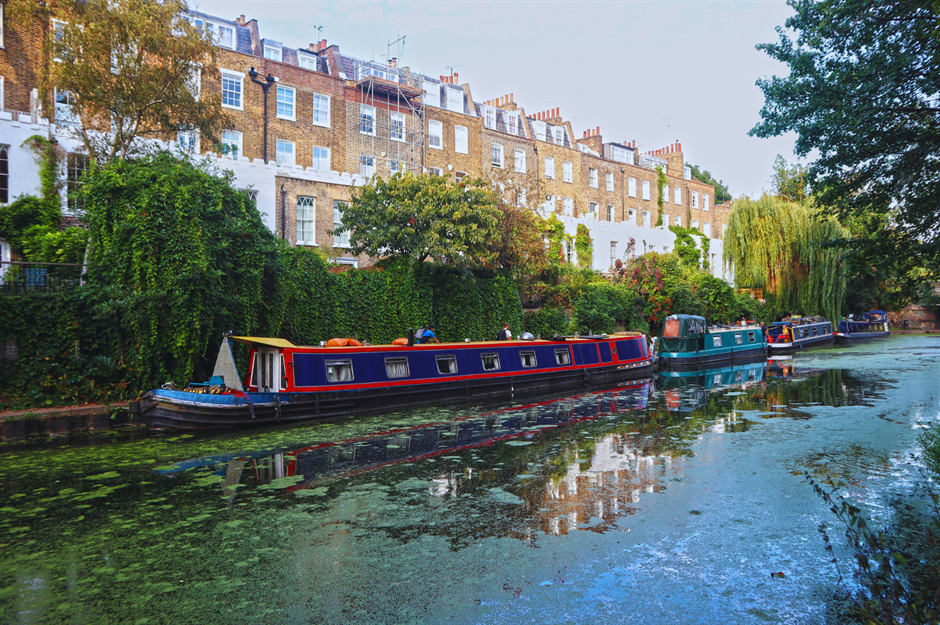
Islington today is a high-octane, youthful area of London; think caffeine-fuelled creatives on a café-to-co-working conveyor belt. Similarly, Haringey is home to indie cafés, market streets, and a buzzing music scene crowned by Alexandra Palace.
If this list were ranked on private rental affordability, this North London corner would be near the bottom, with residents on median income parting with roughly 45.5% of gross pay just to keep a roof over their heads. However, its large proportion of top-end earners does just enough to tilt the scales and leaves it in fifth spot with a sky-high GDHI of £39,667.
4. Wandsworth: £47,804
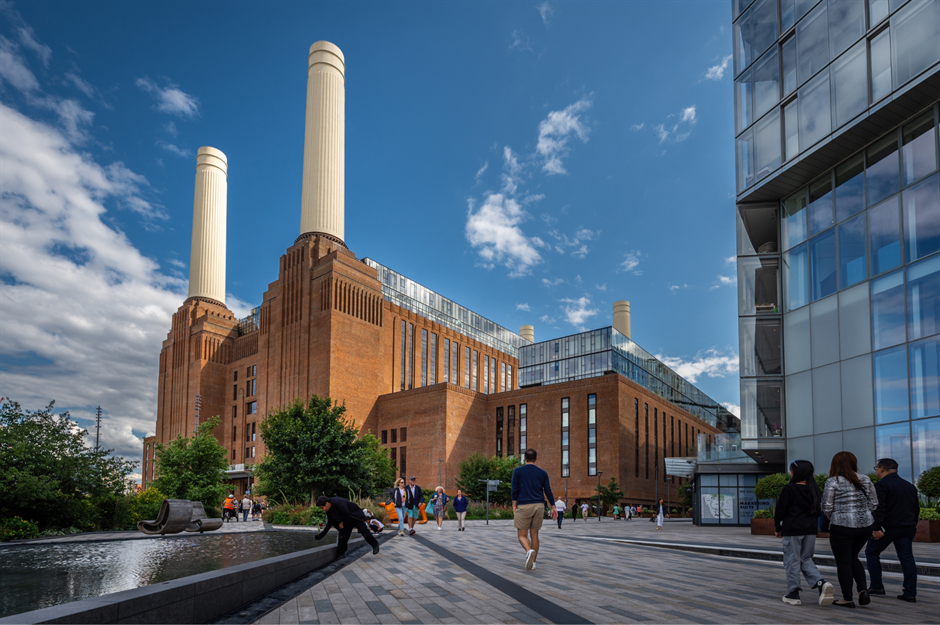
Sunrise runs on the Thames, flat whites in Battersea: Wandsworth has become a draw for big earners searching for a stylish lifestyle in the nation's capital. And like many London locations above it on the leaderboard, the district hosts dense clusters of high-salary professionals and a notable share of homeowners.
The area boasts a GDHI of £47,804, almost double the UK average.
3. Camden: £61,657
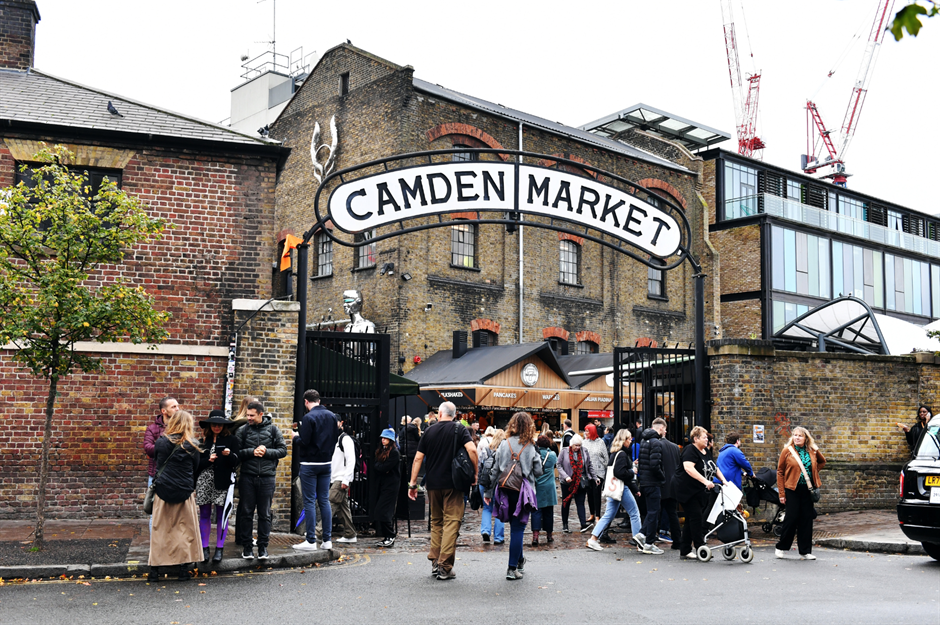
While Camden's bustling weekend scene attracts spenders, money-makers dominate the weekdays with lawyers, creatives, and business-owners streaming between Bloomsbury, King’s Cross and the West End.
With a GDHI per head figure past £61,657 – well over twice the UK average – Camden is comfortably at number three on the leaderboard of spend and save power.
Sponsored Content
2. Kensington & Chelsea and Hammersmith & Fulham: £77,674
.png)
Home to a plethora of blue plaques and red-brick mansions, the neighbourhoods of Kensington & Chelsea, plus Hammersmith & Fulham, also play host to a boatload of top-rate taxpayers with £77,674 of disposable income to burn.
As previously mentioned, the ONS data doesn't just calculate salaries. Instead, bonuses, dividends, partnership profits, and hefty pensions all help to swell the post-tax pot. And in an area that screams luxury until it's blue in the face, it all adds up.
1. Westminster and City of London: £79,555
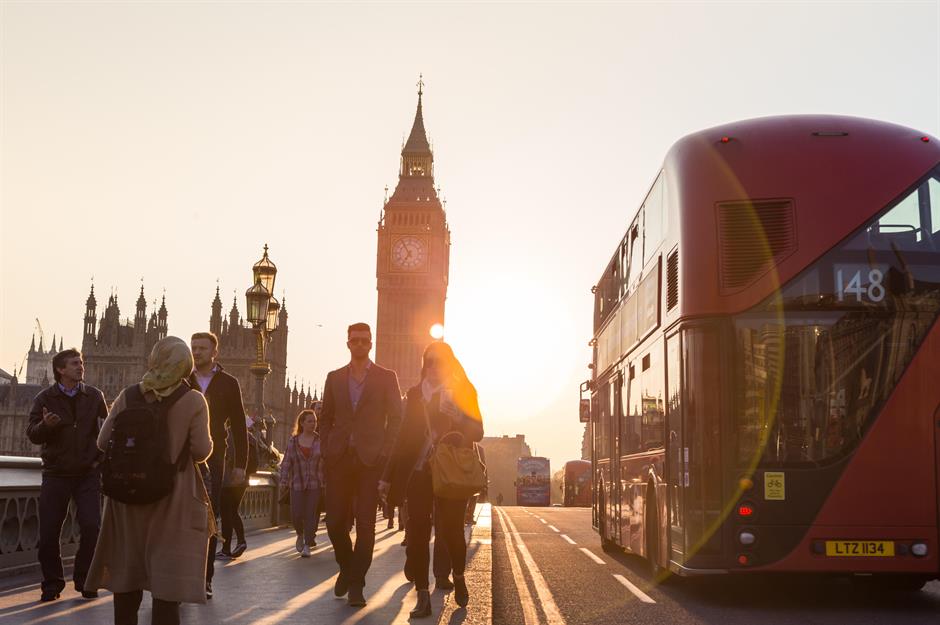
With the Square Mile, Parliament, and Buckingham Palace all packed into the UK's most powerful postcodes, the number one spot hums with six-figure salaries.
At nearly £80,000 per head, more than three times the national average spending or saving power, Westminster and the City of London is unmatched for disposable income. It's scary to think how much residents spend each week compared to those at the bottom of the leaderboard.
On that note, lets take a look at the UK’s poorest places for disposable income...
10. Birmingham: £18,312

After London’s mega GDHI, it’s tempting to assume size and density automatically turbocharge disposable income. That is, until you see Britain’s 'second city' crash into our top 10 poorest by spend-or-save power.
Birmingham’s per-head disposable income is held down by a wage mix with fewer sky-high earners, while larger household sizes dilute the per-person figure. The city's youthful profile also means it has more dependents and students.
Sponsored Content
9. Walsall: £18,199

Just 10 miles up the road from Birmingham, Walsall’s household finances are even tighter. With fewer high-paid roles and persistent health inequalities that prevent residents from earning, the reality is bleak. In fact, the council's own finance papers warn that the cost-of-living crisis is seriously depressing residents' disposable cash.
On top of this, Walsall's fuel poverty rates are among England's worst. And with less investment and pension income to provide relief, the West Midlands residents have become accustomed to trimming back on treats and watching their disposable income evaporate long before the month's end.
8. Wolverhampton: £18,174

Just six miles west of Walsall, Wolverhampton – 'Wolves' to locals – posts a shocking GDHI of £18,174 per head. A towering 27.2% of working-age residents are out of the labour market; long-term sickness is sidelining earners and piling extra dependency onto already tight household budgets.
Fewer pay packets coming in means the post-tax pot is smaller, and by the time essentials are covered – energy, food, transport – there are threadbare funds to save or spend.
7. Bradford: £17,784

Yorkshire and the Humber is burdened by a damning stat: the highest share of children in relative low income in England. The Manningham area of Bradford alone records about 72% of children below the poverty line, with incomes stretching across larger, younger households. That’s the polar opposite of London, where high-earning individuals often live alone or with other professionals in smaller households.
That unfortunate reality also shows up in everyday life for Bradford locals. Families rely on free parks and low-cost community trips, while a larger population of dependents obliterate the already modest after-tax income.
Sponsored Content
6. Stoke-On-Trent: £17,626
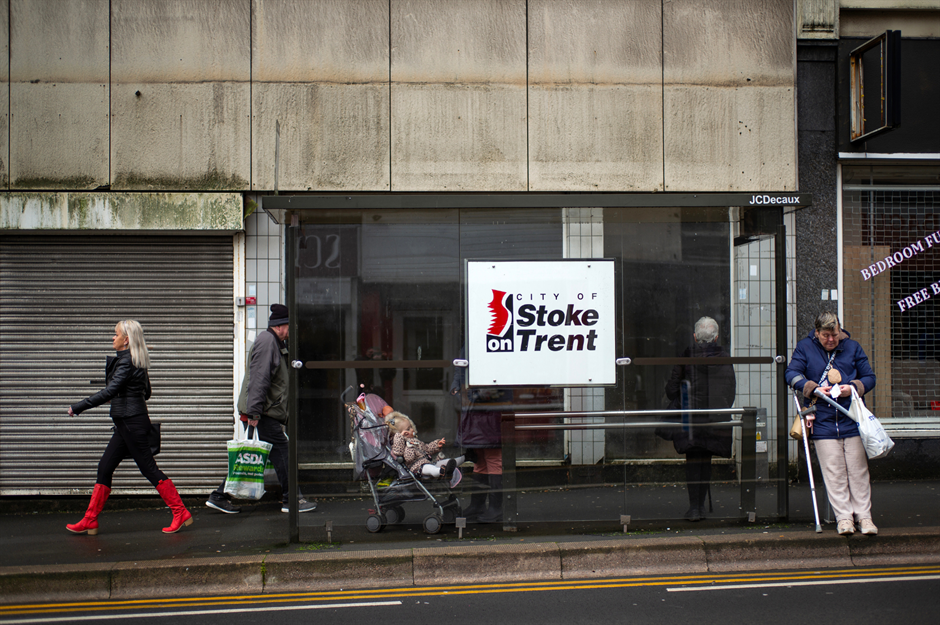
Stoke-on-Trent often ranks poorly in visitor surveys, but the toughest burden is on its permanent residents' wallets. Its fleet of cold Victorian dwellings means that Stoke tops England for fuel poverty, with around 24.7% of households struggling to heat their homes.
Therefore, a big chunk of post-tax income vanishes into gas and electricity before families can spend or save.
5. Blackburn with Darwen: £17,049

Like Bradford, Blackburn with Darwen's per-person figure is also significantly lowered by high child poverty. The current rate is 43.3%, which is one of the highest in England. On top of this, there aren’t many six-figure salaries or dividend streams to fatten the average in the North West region, and as a former manufacturing powerhouse, income leans toward mid-and lower-paid work.
4. Kingston upon Hull: £17,001
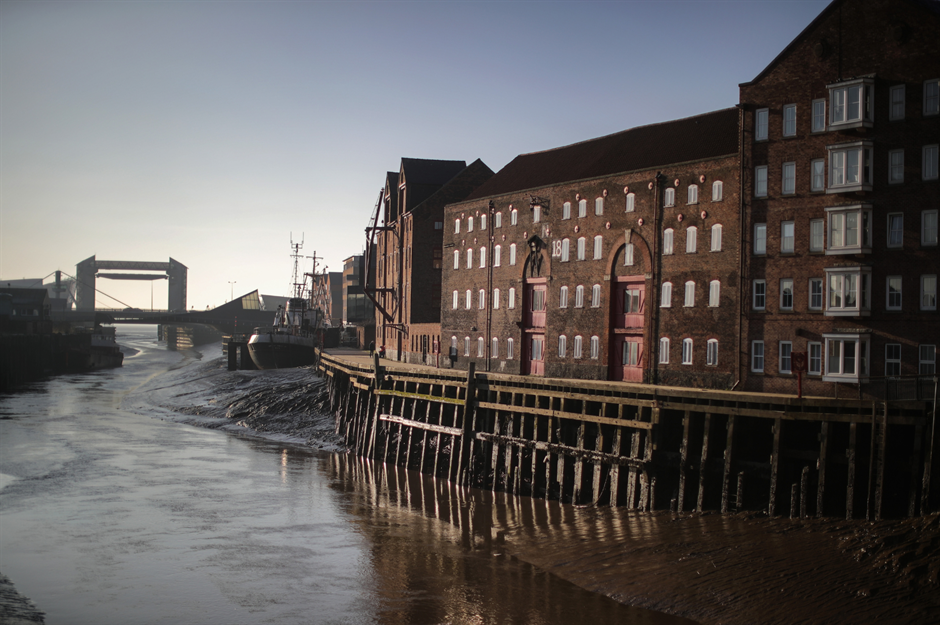
Yorkshire's maritime city made headlines in 2017, becoming that year's official city of culture. Unfortunately, the achievement failed to attract high-pay clusters and investment or bonus income to raise the average disposable income.
For everyday residents, average household earnings are far below the UK average; families are left with £17,001, according to the latest ONS figures. Also, sat in the heart of the region with the highest share of children in relative low-income families, these figures start to paint a more accurate picture of household budgets stretched along dependants.
Sponsored Content
3. Nottingham: £16,823
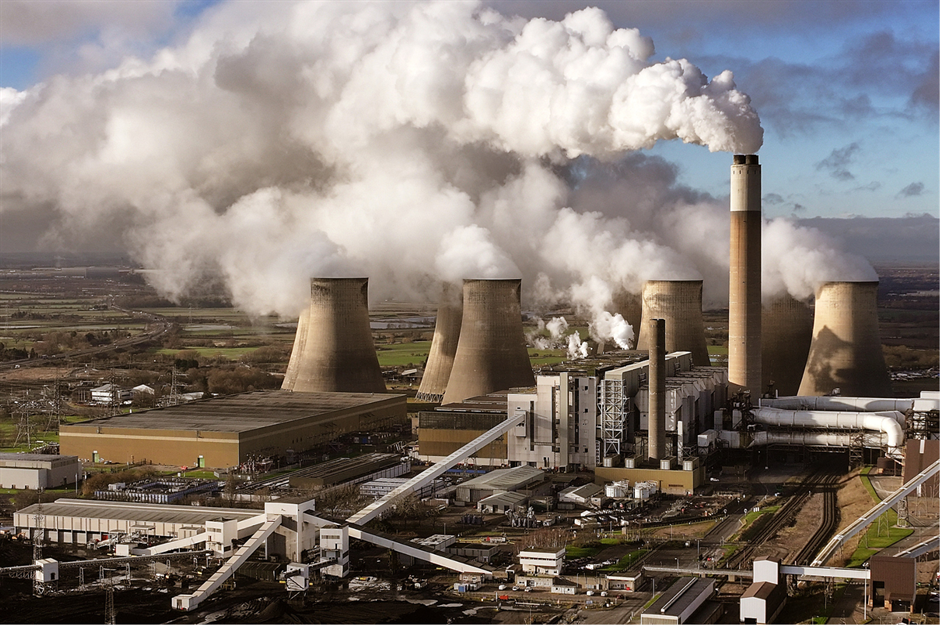
Coming in at number three, Nottingham may seem wealthy, but the reality is very different. The youthful city has two large universities and a big student population that pulls down per-capita averages while increasing demand for cheaper housing and public services.
Meanwhile, local fuel poverty rates are near 19%, devouring disposable income across households. Until more graduate-level and high-salary roles are anchored locally, the low post-tax income will continue to fix the River Trent spot as one of the poorest in the UK.
2. Sandwell: £16,562
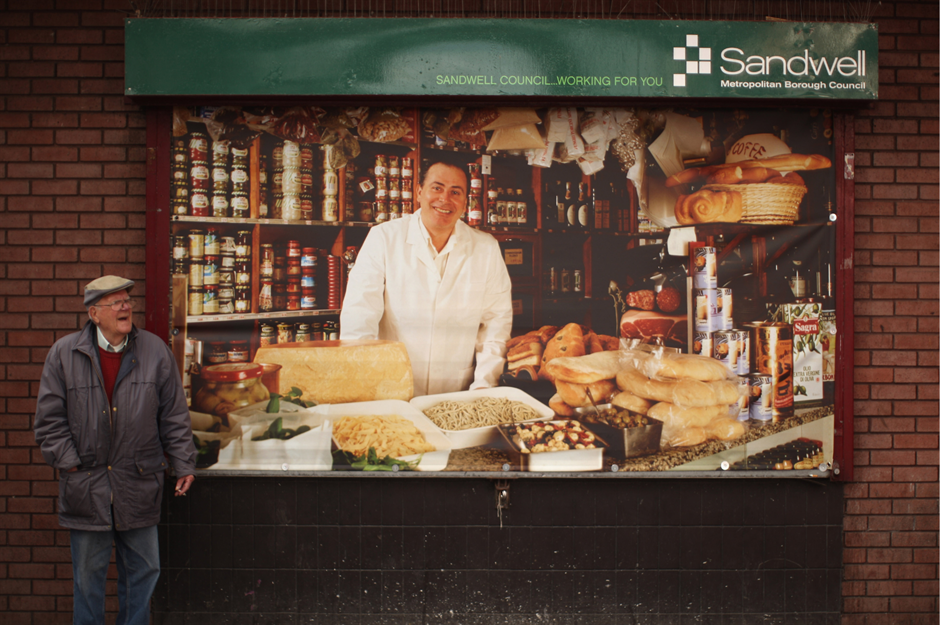
The Black Country borough has a strong identity: foundries, canals, terrace streets, and football loyalties stitched between West Bromwich, Smethwick, Tipton, and Oldbury.
But after taxes and benefits, GDHI per head is just £16,562, reflecting decades of deindustrialisation, fewer bonus-heavy jobs, and thinner pension streams than southern hotspots. That smaller pot is quickly devoured by essentials – energy, rent, council tax, and food – leaving residents on a financial knife-edge.
1. Leicester: £16,067
Leicester is a dynamic and diverse city, from Belgrave’s sari shops and Golden Mile eateries to matchdays at the King Power and two universities pulsing through the centre. But why is the money story so harsh?
The city’s old manufacturing backbone has frayed at the seams. It lost much of its garment industry, leading to job losses and the exposure of criminally low wage violations. In fact, a large portion of the city earns so little that they don't even register as low-wage workers.
The fuel poverty rate is also one of the highest in the country for a city this small. The result is a tiny after-tax income pool, leaving households with a whopping £63,488 less to play with than residents who live in Westminster and the City of London.
Now discover the countries with the best (and worst) minimum wage packages