The rise of lab-made everything
Guilt-free innovations for a better planet
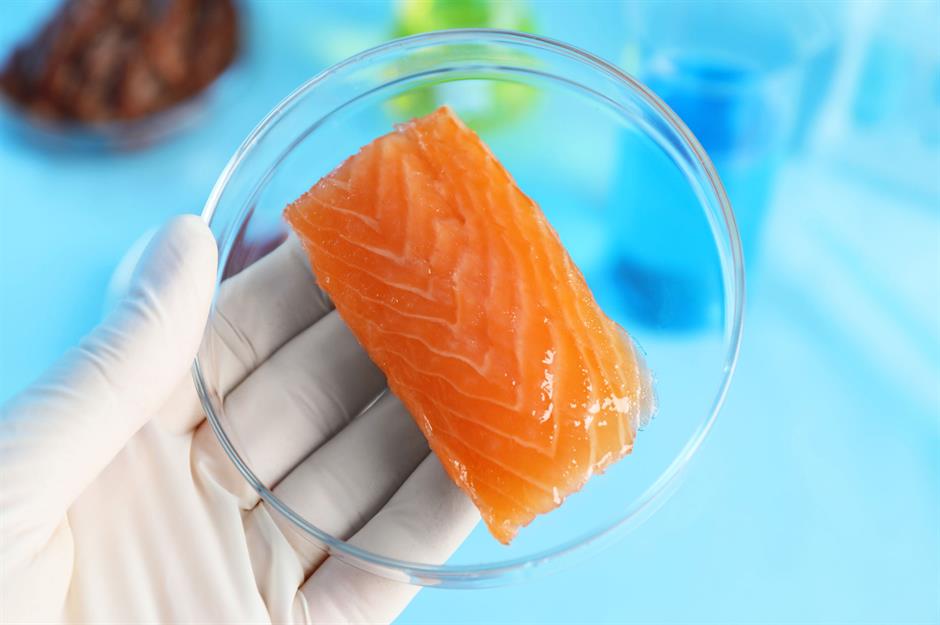
From sparkling diamonds to juicy steaks, scientists are pioneering synthetic alternatives to naturally occurring items that look, taste, and feel like the real thing.
Read on to discover 20 lab-made breakthroughs that are paving the way to a more ethical, sustainable world.
All dollar amounts in US dollars.
Diamonds
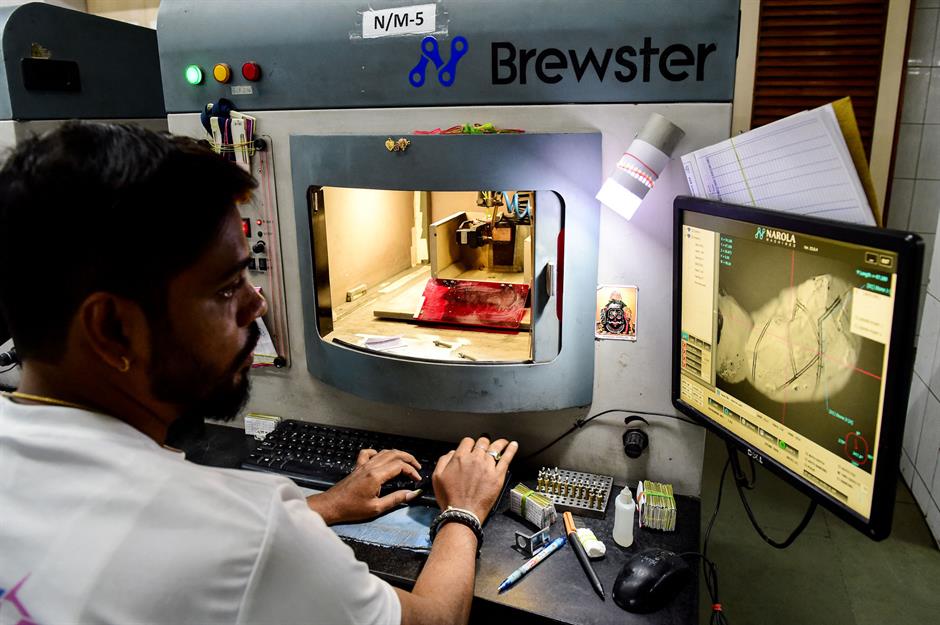
Lab-grown diamonds are virtually indistinguishable from mined stones but come without the dark legacy of so-called 'blood' diamonds (stones mined and sold to fund conflicts), exploitative labour, and the environmental toll of extraction. While production can be energy-intensive, more and more manufacturers are turning to renewables.
Driven by rapid innovation, streamlined production and fierce competition, lab-grown diamonds can now be created in hours and cost 90% less to produce than mined equivalents. Once a niche alternative, they now account for a fifth of the global market and feature in more than half of all engagement rings.
Gemstones
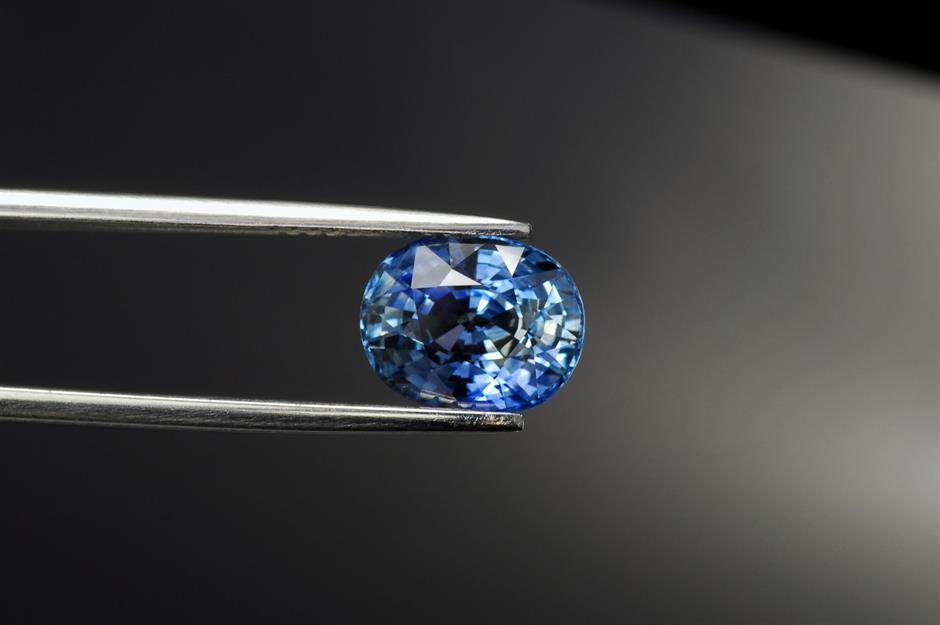
Like cultured diamonds, lab-created emeralds, sapphires, rubies and so on are chemically and optically identical to their mined counterparts, minus the social and environmental costs of extraction. Traditional gemstone mining has long been associated with harsh working conditions, habitat destruction, and supply chains that are difficult to trace.
In contrast, lab-grown gems are produced under controlled conditions that eliminate the uncertainty of sourcing and reduce ecological damage. They also make once-rarefied gems more accessible, given they can be produced at a fraction of the cost of mined stones.
Sponsored Content
Cotton
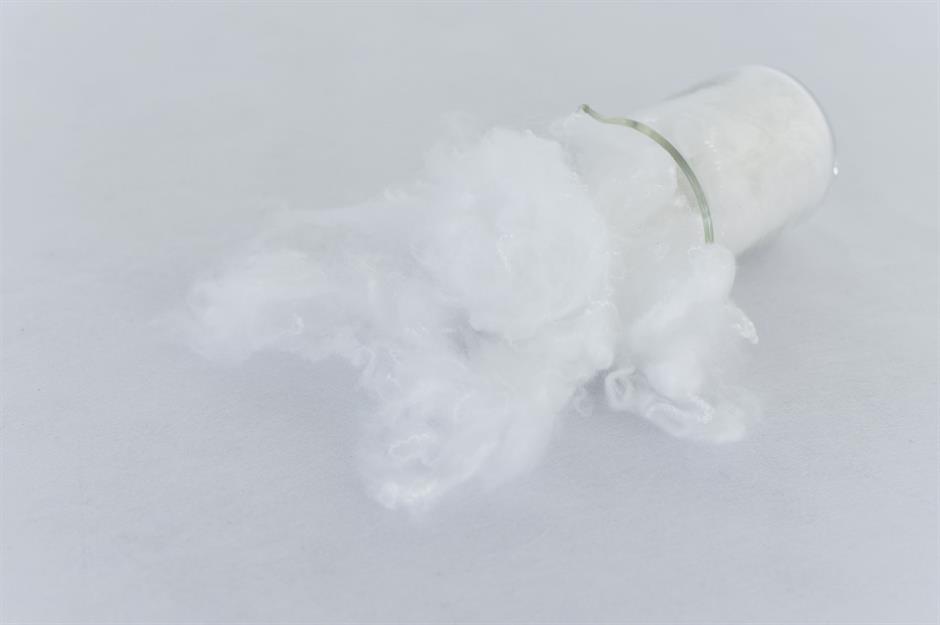
Natural cotton is water-hungry, pesticide-intensive, and often linked to forced and child labour in places like India and China's Xinjiang region. Cue Galy’s Literally Cotton. Named one of TIME’s best Inventions of 2024, the fabric is cultivated from plant cells in bioreactors, using 99% less water and 97% less land, all while emitting 77% fewer carbon emissions.
Backed by fast-fashion giants H&M and Inditex, Galy is in the process of scaling up production, so it could be only a matter of time before lab-grown cotton threads its way into our clothing.
Leather

Conventional leather comes with steep costs: animal exploitation, toxic tanning, and a massive carbon footprint. And while plastic 'vegan' leathers are cruelty-free, they depend on fossil fuels and shed microplastics.
Now, companies like LGL and Faircraft are scaling up cell-based, lab-grown alternatives. Still in limited production, these next-gen leathers are set to take the fashion world by storm, offering the exact look, feel, and durability of real leather, without the cruelty, chemicals, or environmental damage.
Human skin

In a world-first, researchers at the University of Queensland recently announced they've grown fully functioning human skin in the lab, complete with blood vessels, nerves, hair follicles, immune cells, and its own circulation.
Developed over six years, the 'skin organoid' is far more advanced than previous thin-layer models and could transform treatments for burns, wounds and inflammatory skin disorders such as psoriasis and eczema. It also offers a human-relevant testbed for drugs, cosmetics, and toxicology, potentially reducing and in some cases replacing the need for animal testing.
Sponsored Content
Animal collagen
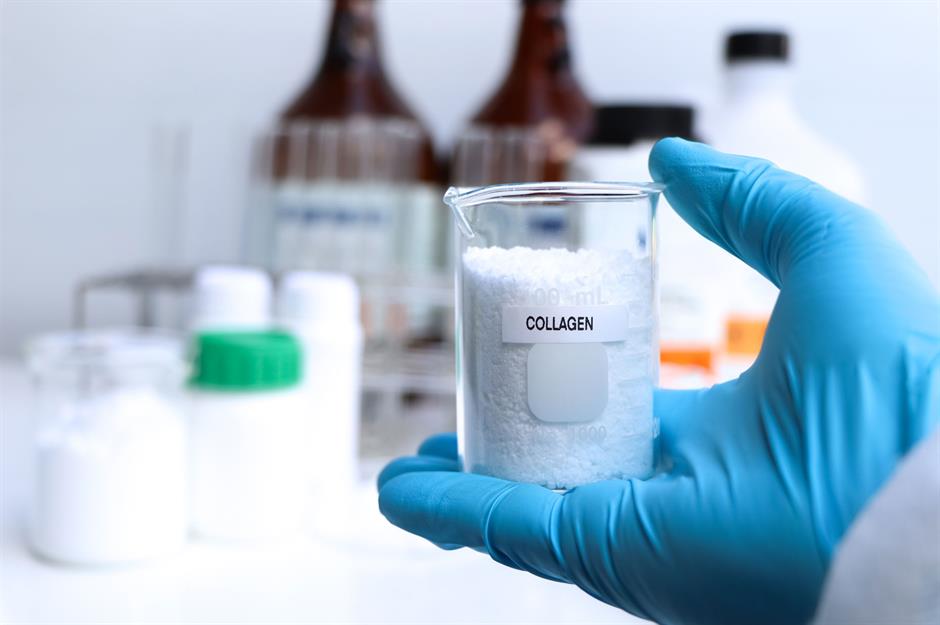
Collagen is big business. From skin-nourishing beauty serums to supplements, the global market is worth a whopping $4.9 billion (£3.6bn). But traditional production methods involve extracting the protein from animal hides and bones. Two US startups are working to change that.
Geltor uses microbial fermentation and its Biodesigner AI process to create tailored proteins for cosmetics and food, while Jellatech grows animal-free collagen and gelatin directly from cells, chemically identical to the real thing but free from slaughter and the enormous carbon footprint.
Essential oils
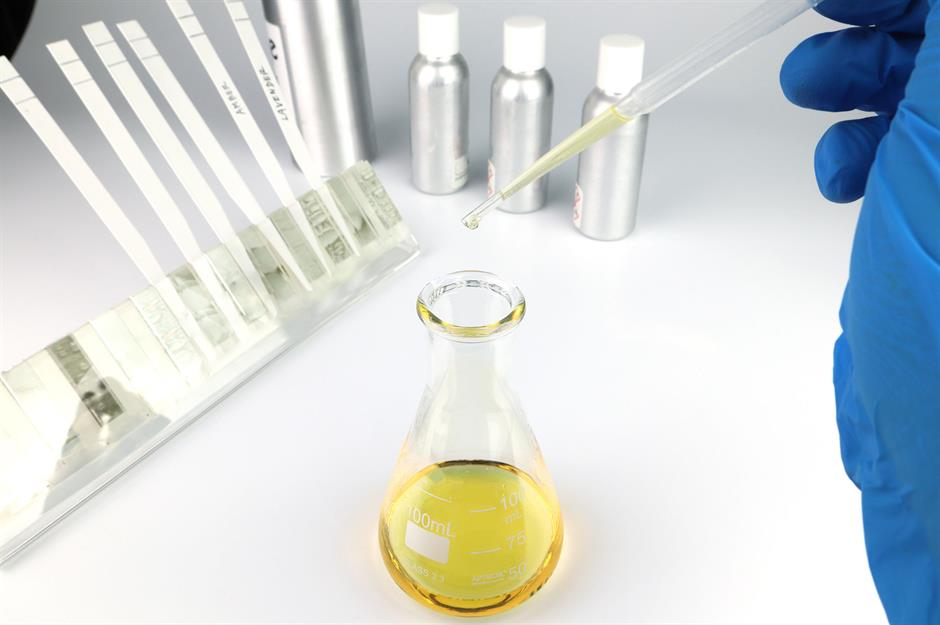
Perfume ingredients have long come from questionable sources: ambergris from sperm whales, musk from deer, and plant oils that require intensive farming. What's more, synthetic alternatives often rely on petroleum.
Enter Scent No. M. A spin-off business set up by researchers at the University of Glasgow, it's rethinking fragrance entirely, using microbes to brew aromas like tropical flowers or sea air without animals, fields, or fossil fuels. By avoiding genetic modification and focusing on non-GMO bacteria, the team hopes to scale a cruelty-free, sustainable palette of scents that mimic nature while protecting it.
Beef
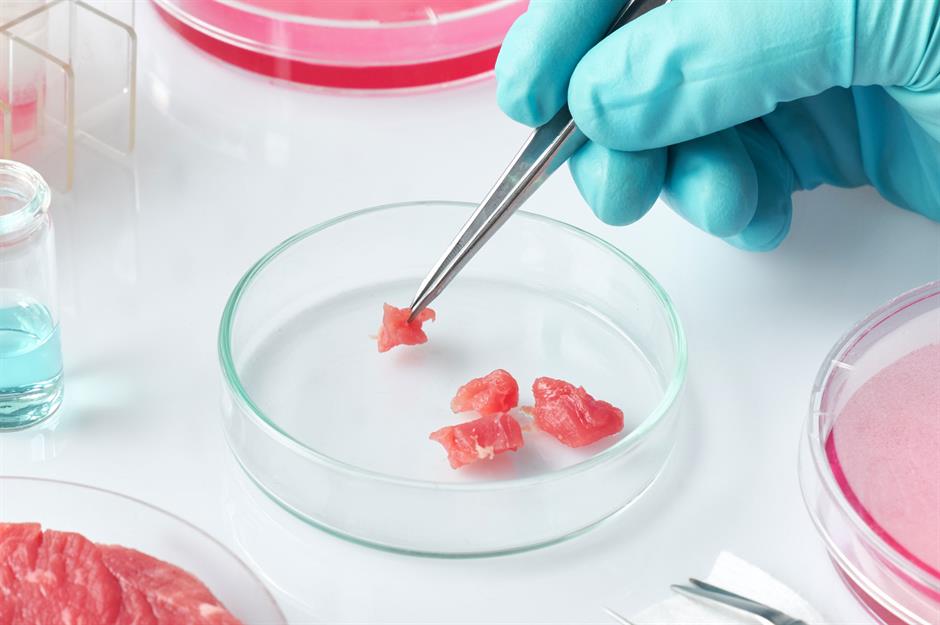
Lab-grown beef is made by taking a small sample of cells from a living cow, which are then grown into edible meat. The process eliminates the need for mass farming, slaughter and the associated environmental burdens, such as methane emissions and land use.
Companies like Aleph Farms, Mosa Meat, and Ivy Farm are pioneering this technology, creating everything from ground beef to whole steaks. While still in early stages of commercialisation, cultivated beef is showing tantalising promise, though scaling up remains costly and pushback is mounting: Italy, along with six American states, have introduced bans on the production and sale of lab-grown meat.
Sponsored Content
Butter
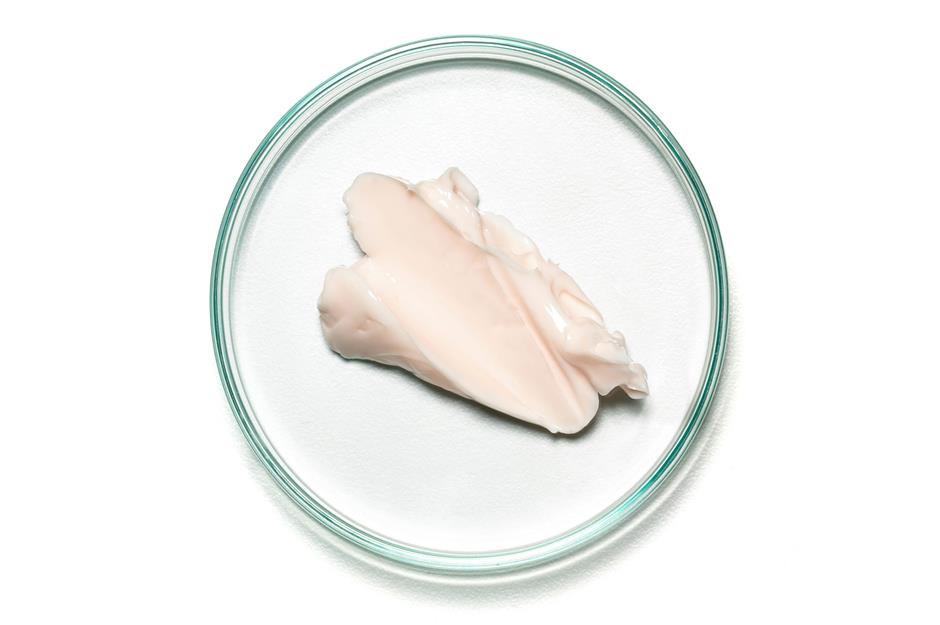
US startup Savor has figured out how to churn butter from thin air, literally. Backed by Bill Gates’ Breakthrough Energy Ventures, the company uses carbon dioxide, water, and a thermochemical process to build fat molecules identical to those in dairy.
The result looks, spreads, and tastes like the real thing, without using livestock, land, or methane. The novel substance made its commercial debut in 2025 as an ingredient in festive chocolates, with a wider release set for 2027.
Chicken
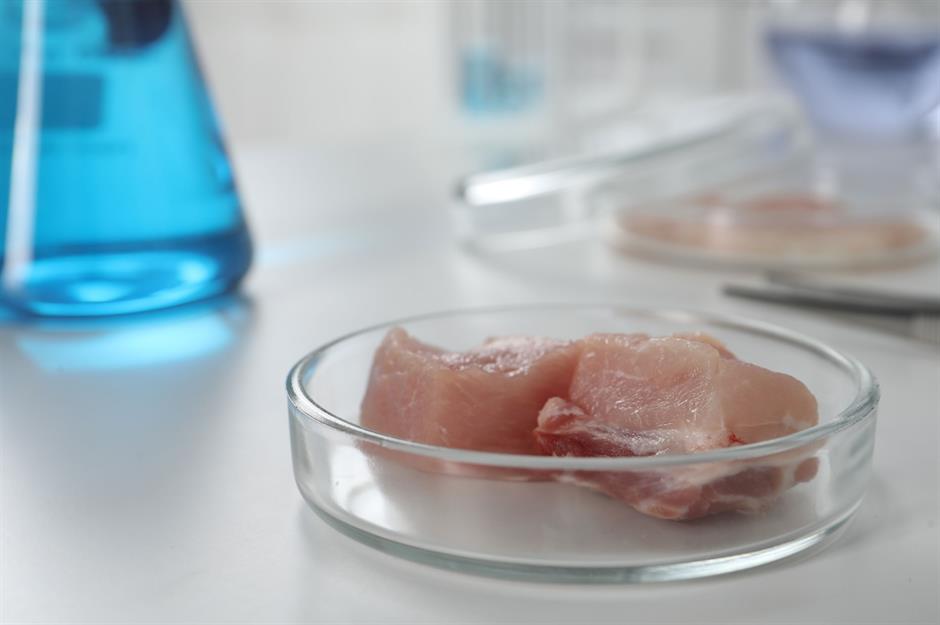
Lab-grown chicken is edging closer to mainstream commercialisation following its invention in 2017. In the US, Upside Foods (formerly Memphis Meats) and Eat Just have secured regulatory approval to market their own versions, though current products are mostly shredded or minced due to production limits.
The good news is that researchers at the University of Tokyo recently grew a nugget-sized chunk of chicken. The advance means whole breasts and thighs could be produced within the next decade, bringing cultured chicken closer to the texture and appeal of the real deal. That said, like all lab-grown foods, political and consumer resistance are major stumbling blocks.
Eggs
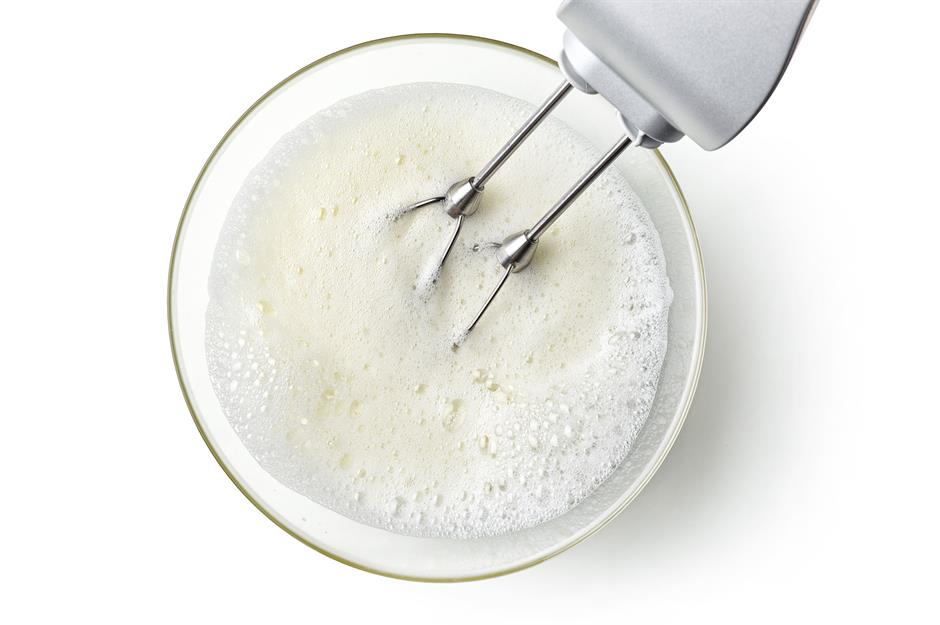
When it comes to the age-old riddle, in the lab, the egg actually came first. San Francisco’s Clara Foods (now The EVERY Company) has been brewing animal-free egg whites since 2014, and its first commercial product launched in 2022. These lab-made proteins whip, foam, and bind just like the real thing, minus the hens.
Finland’s Onego Bio is close behind with its Bioalbumen egg protein, now awaiting US approval and backed by plans for a major production site in Wisconsin. So while lab-made chicken is still inching toward scale, eggs are already quietly on the menu.
Sponsored Content
Pork
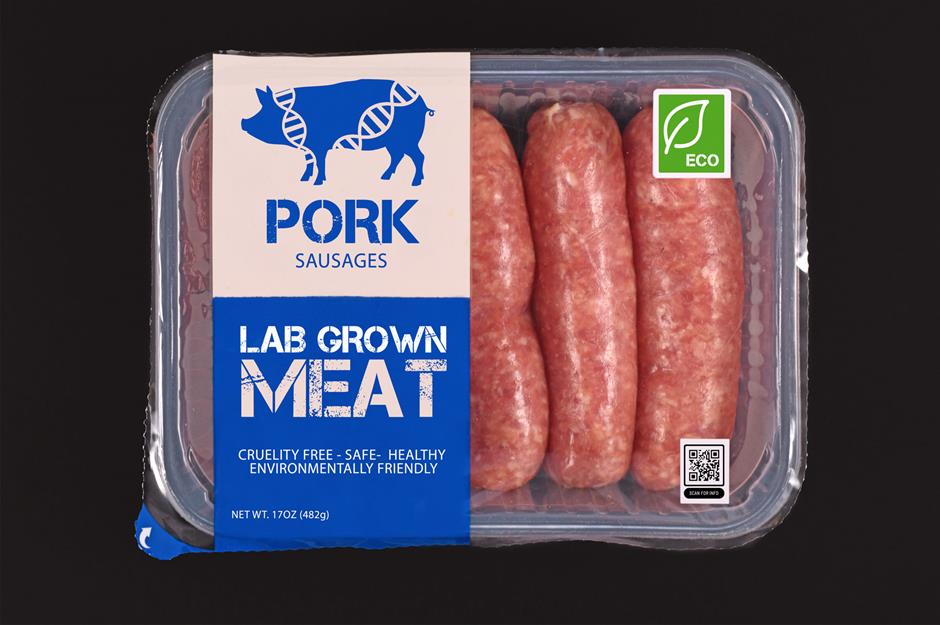
Back to lab-grown meat, pork is making steady strides. Researchers in Nanjing, China have grown small cuts with the taste and texture of actual pig meat, and in 2023, UK scientists unveiled the first lab-grown pork steak. Across the pond, Mission Barns has developed cultivated pork fat and has already won regulatory approval for its commercial use, while Chicago-based Clever Carnivore is working on sausages and other products.
Still early in the scale-up phase, these breakthroughs hint at a future where bacon, chops, and sausages could sizzle without the cruelty or the heavy farming footprint.
Salmon
US startup Wildtype has made history with the first FDA-approved cultivated seafood: salmon grown from cells. Produced in stainless steel tanks and ready in just two weeks, the fillets, which are designed for sushi, ceviche, and fine dining, come without the bones, scales, or ocean pollutants.
Already served at a restaurant in Oregon in 2025, Wildtype’s salmon points to a new era in seafood. With global fish consumption forecast to climb nearly 80% by 2050, lab-grown options could ease considerable pressure on dwindling wild stocks and fish farms alike.
Foie gras
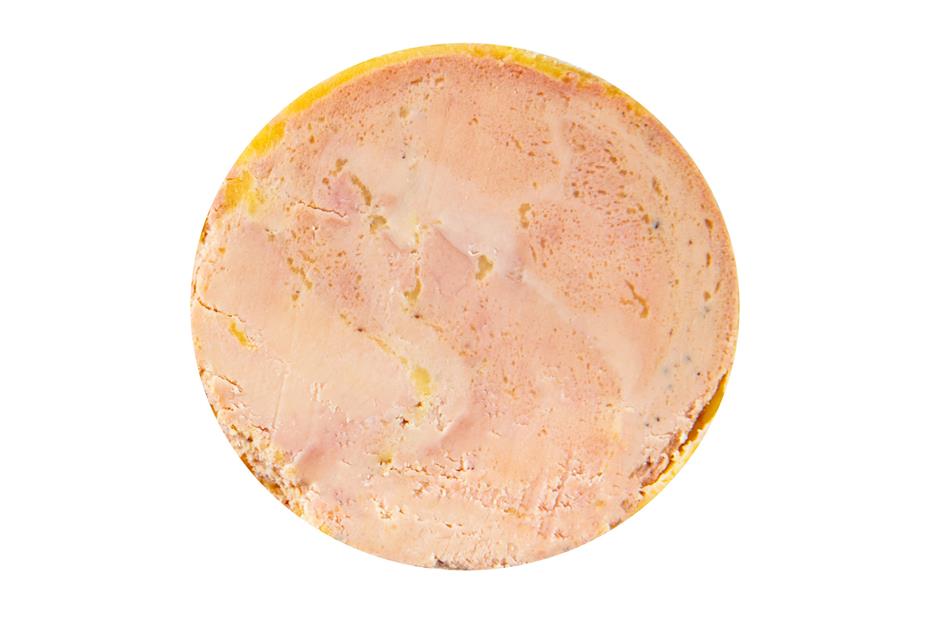
Few foods are as controversial as foie gras, which is traditionally made by force-feeding ducks or geese until their livers swell to grotesque proportions. Widely condemned as cruel, the practice is banned in a number of countries, from the UK to India and Argentina.
Now, cultivated meat startups are offering a kinder alternative. Australian company Vow has debuted foie gras made from quail cells brewed in bioreactors, which is served at select restaurants in Singapore and Hong Kong, while French rival Gourmey is developing its own cruelty-free version.
Sponsored Content
Fruit
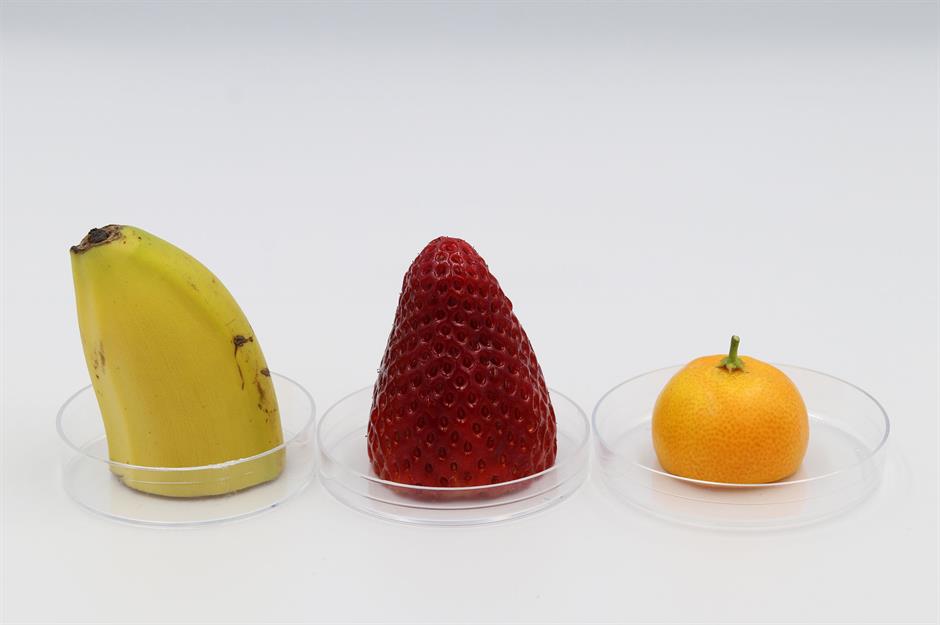
From strawberries to oranges, scientists are experimenting with growing fruit in bioreactors instead of orchards. Using similar techniques to lab-grown meat, tiny samples of plant tissue are multiplied to create fruit pulp or powders with the same sugars, aromas, and nutrients as the real thing.
The approach could help secure supply as climate change, pests, and water stress threaten traditional orchards. Still at the research stage, lab-grown fruit promises year-round harvests with far less land and water, not to mention the potential to fine-tune flavour or nutrition on demand.
Silk

Conventional silk is produced by boiling silkworm cocoons, a process that kills the moth inside and consumes vast resources. Biotech innovators are now brewing silk in the lab, using engineered microbes to ferment proteins that can be spun into lightweight, smooth, biodegradable fibres.
Pioneers include Bolt Threads with its Microsilk, Spiber Technologies with Brewed Protein, and AMSilk, which turns silk proteins into recyclable, microplastic-free yarns. These sustainable lab-grown silks mimic the strength and softness of spider webs and traditional silk without animal cruelty, and are already being tested in fashion collaborations with the likes of Stella McCartney, The North Face, and Adidas.
Coffee
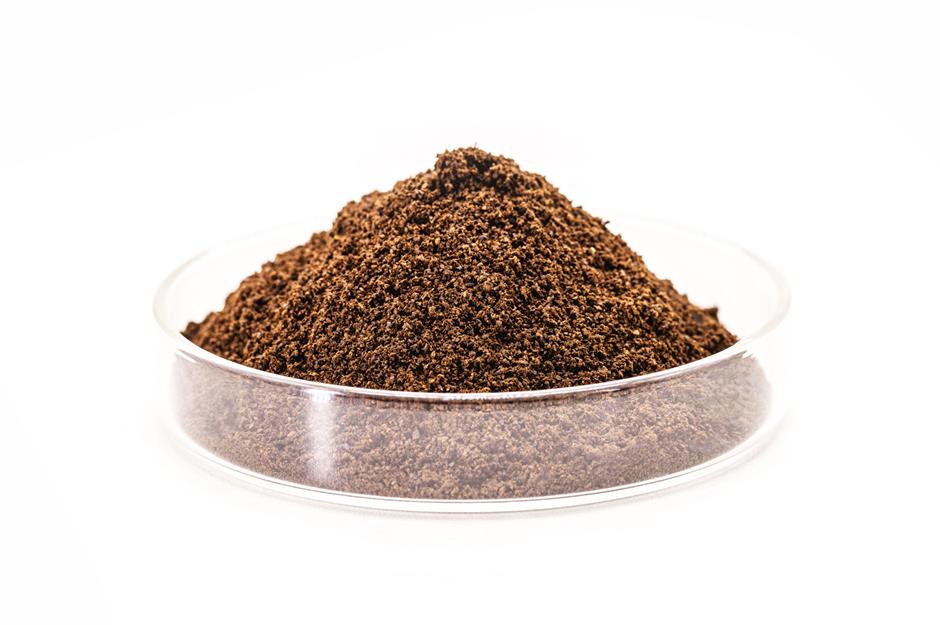
Your morning brew is under threat. Coffee plants are notoriously picky, thriving only in narrow 'Bean Belt' climates, and climate change is wreaking havoc on yields. By 2050, half of today’s coffee-growing land could be unsuitable, even as global demand is expected to double. Prices are already spiking, while deforestation and labour abuses deepen the crisis.
Thankfully, cell-based coffee is already a thing. Startups like Coffeesai are growing coffee cells in bioreactors, producing the equivalent of 1,000 trees' worth in just three weeks. Once roasted and ground, it brews like the real thing, with the bonus of customisable flavours, and none of the climate vulnerability, deforestation, or supply chain chaos.
Sponsored Content
Cocoa
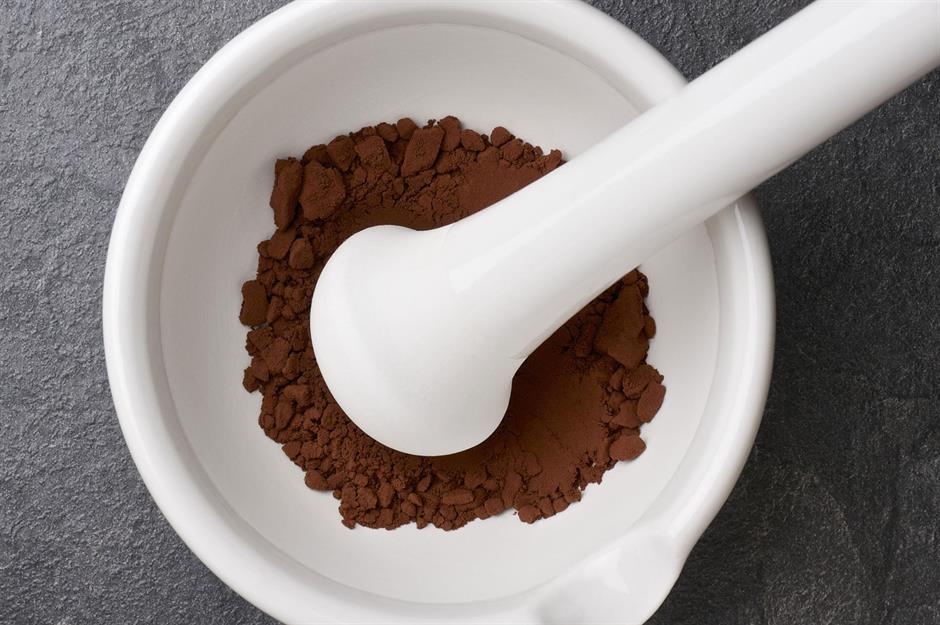
In a similar vein, cocoa is increasingly vulnerable to climate change, pests, and unsustainable farming in West Africa, which supplies 70% of the world’s beans. Prices have tripled in just three years, and demand continues to climb.
To ease the crunch, startups such as California Cultured and Celleste Bio, alongside industry titans like Barry Callebaut, are developing cocoa solids and butter from plant cells in bioreactors. Still awaiting approval, these lab-grown alternatives could steady supply, cut deforestation and exploitative labour, and even deliver new, richer flavour profiles for the world’s chocoholics.
Honey
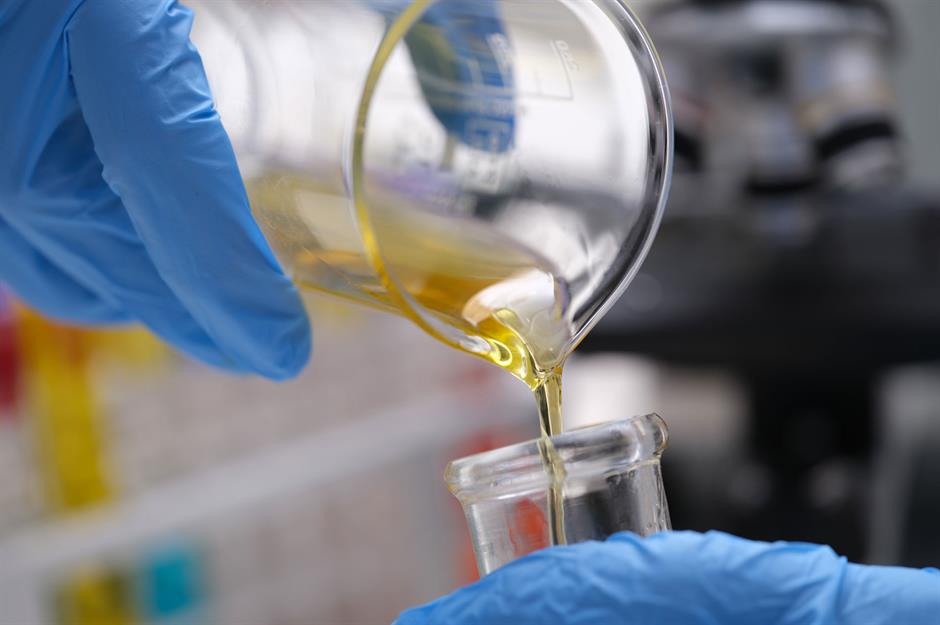
Bees are essential pollinators, yet commercial beekeeping, pesticides, and climate change have devastated populations, with native species hit hardest. Now, startups are making honey without hives.
US firm MeliBio has launched Mellody, a plant-based honey replicating the taste and bioactive compounds of the real thing, while Israel’s Bee-io is developing fermentation-based honey that matches the natural product, molecule for molecule. With the $9.2 billion (£6.8bn) global honey market plagued by adulteration and supply risks, these bee-free alternatives could offer a sweeter future.
Wood

Instead of felling forests, researchers are learning how to grow wood in the lab. Using plant tissue cultures, startups like America's Foray Bioscience and UK firm New Dawn Bio coax tree cells into forming wood-like tissue that could one day become beams, panels, and a whole lot more besides.
The technology can also produce valuable compounds for cosmetics, medicines, and fragrances, without waiting decades for trees to mature. With global forests shrinking, lab-grown wood offers a way to ease pressure on ecosystems while creating sustainable materials. Still in the early experimental stage, the field faces scale-up and structural challenges, but its potential to transform construction and manufacturing is vast.
Now discover what politicians get paid around the world