The countries with the best (and worst) minimum wage packages
How the minimum wage compares around the world
With inflation stubbornly high and the cost-of-living crisis squeezing households worldwide, minimum wages have never mattered more. For millions, they mark the line between getting by or getting forgotten. Some governments are pushing through record hikes, while others trail, leaving workers at risk of poverty as prices outpace pay.
Using the latest OECD and ILO data, we reveal some of the countries offering the strongest and weakest floors for their workers. Read on to discover how 30 of the largest economies around the globe rank when it comes to minimum wage spending power...
All dollar amounts in US dollars unless otherwise stated.
Methodology
This ranking is based on the latest Organisation for Economic Co-operation and Development (OECD) minimum wage data, using both national currency units (NCU) and purchasing power parity (PPP)-adjusted figures. NCU figures show each country’s statutory wage floor in local terms, worked out by applying the OECD’s standard full-time schedule of 40 hours a week, 52 weeks a year = 2,080 hours.
PPP figures, converted into USD, allow fair comparisons by accounting for exchange rates and living costs. Where OECD data was unavailable, International Labour Organization (ILO) figures were used. By combining both measures, we've balanced accuracy with a clearer picture of real minimum-wage spending power worldwide. (We've converted NCU figures into both USD and GBP, but kept PPP figures in USD as conversions won't accurately reflect purchasing power).
Despite having booming economies and fair working conditions for employees, countries like Sweden, Denmark, and Switzerland don't appear on the list because they don't have a statutory minimum wage or a non-binding floor wage.
30. India: $2,700 a year
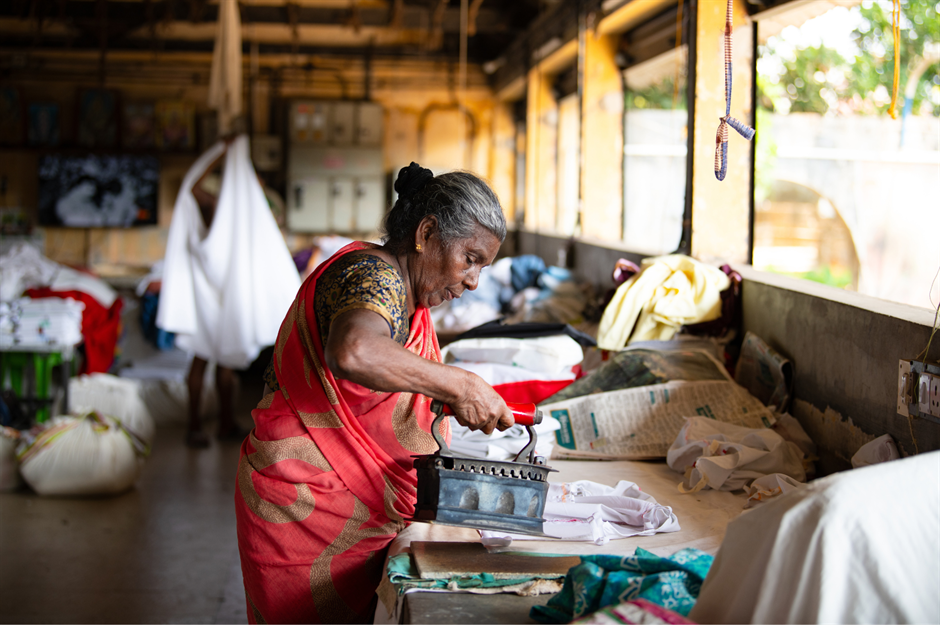
Kicking off the list is India, included here for its national floor wage: a non-binding baseline that varies widely across states and industries. Annualised, it works out to a measly ₹55,536, or $2,700 in PPP-adjusted terms, according to the ILO. However, it should be noted that pay is often higher in major cities; in Delhi, for example, the minimum wage can reach about ₹216,792 ($2.5k/£1.8k) annually.
Yet the reality for workers is far less consistent. Despite reforms like the 2019 Code on Wages, enforcement of the national floor wage remains weak. The ILO estimates that 81% of India’s workforce is informal, lacking contracts or protections, and many people still earn below the threshold.
29. Philippines: $4,800 a year

The Philippines is the first country on this list with a statutory minimum wage. Similar to India, the tropical archipelago sets its rates regionally, reflecting the varying cost-of-living differences and socio-economic conditions in each area. This means wages range widely, from just ₱411 ($7.19/£5.32) a day to ₱695 ($12.16/£9) in the National Capital Region.
Agricultural and domestic work remain the backbone of employment for Filipinos, yet with a PPP conversion rate of just $4,800 annually, paycheques rarely stretch far enough. Many argue the current rates fall far below the family living wage. Meanwhile, weak enforcement in the vast informal economy leaves many earning much less than the legal minimum.
28. Mexico: $5,892 a year
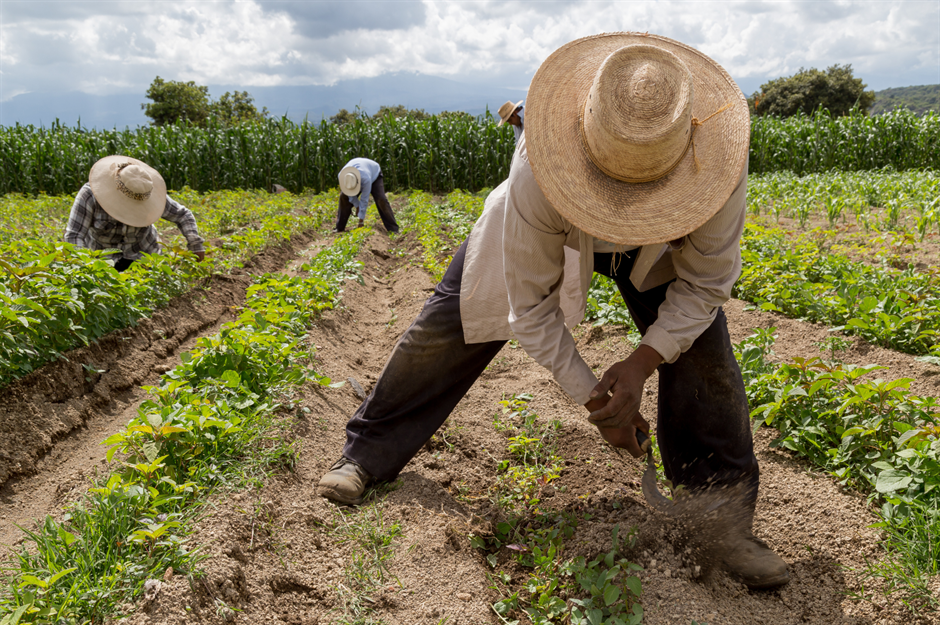
Since 2021, Mexico’s minimum wage has surged by 56.7% in real terms, far above the OECD average of 8.8%. Yet with a modest PPP-adjusted annual figure of just $5,892, the country still ranks lowest among the OECD’s 30 members.
Newly elected president Claudia Sheinbaum has promised to keep pushing the floor higher, beginning with a 12% hike in 2025. That’s welcome news for the 40% of workers who earn only the minimum Mex$278.80 ($15/£11) per day, or even less. But with low productivity and a vast informal economy, wage hikes alone won’t be enough for Mexico to catch up with its peers.
27. Peru: $6,300 a year
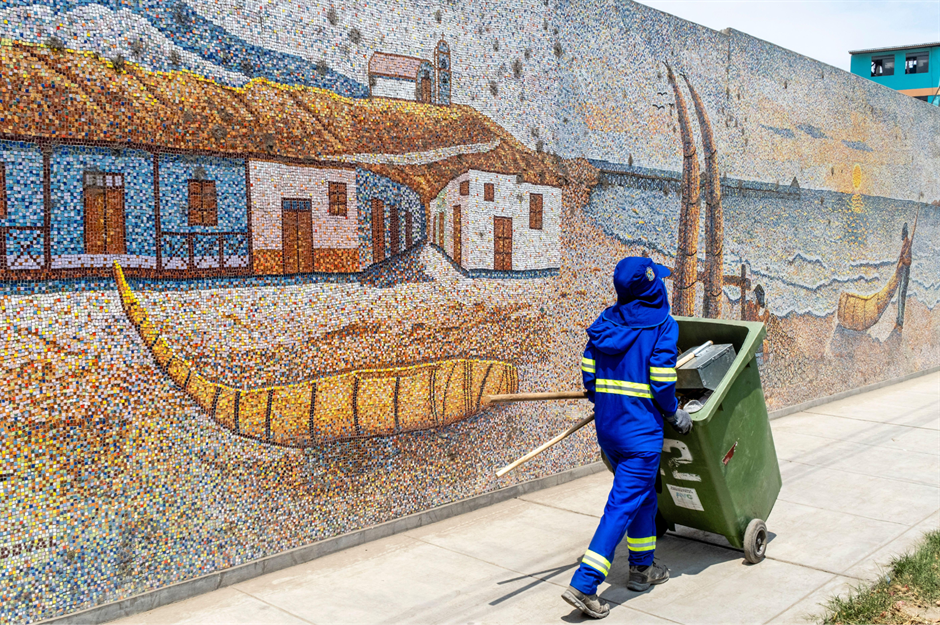
According to the OECD's most recent figures, Peru's statutory minimum wage amounts to roughly PEN13,560 ($3.9k/£2.9k) annually, or about $6,308 in PPP-adjusted terms, placing it among Latin America’s lower wage floors. In January 2025, the rate was raised by 10% – the first increase since 2022.
But much like Mexico, widespread informality leaves millions of workers outside legal coverage. While raising the floor looks promising on paper, weak law enforcement could mean workers get paid whatever companies decide.
26. Brazil: $6,700 a year
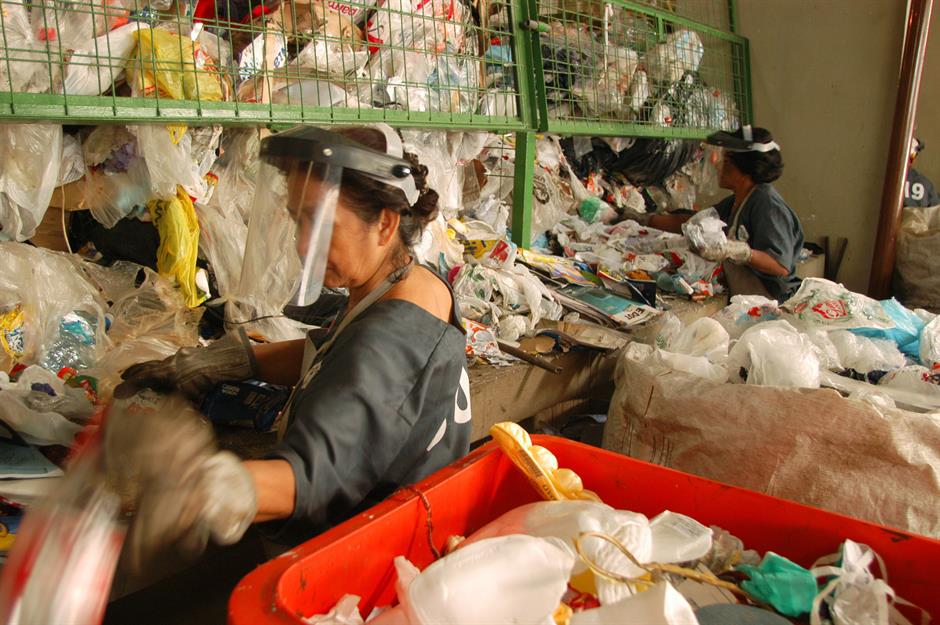
Brazil’s minimum wage has risen steadily since the COVID-19 pandemic, backed by a revived policy that anchors wage increases to inflation and GDP growth. Yet even with an annualised value of just R$18,216 (equivalent to about $6,700 in PPP-adjusted terms), Brazil remains near the lower end of the OECD table.
President Luiz Inácio Lula da Silva has pledged to keep raising the floor, most recently approving an increase to R$1,518 ($88/£65) per month in 2025. While this benefits millions of workers and retirees, weak productivity and high informality mean wage hikes alone are unlikely to close the gap with wealthier peers such as Colombia or Chile.
25. Chile: $10,900 a year
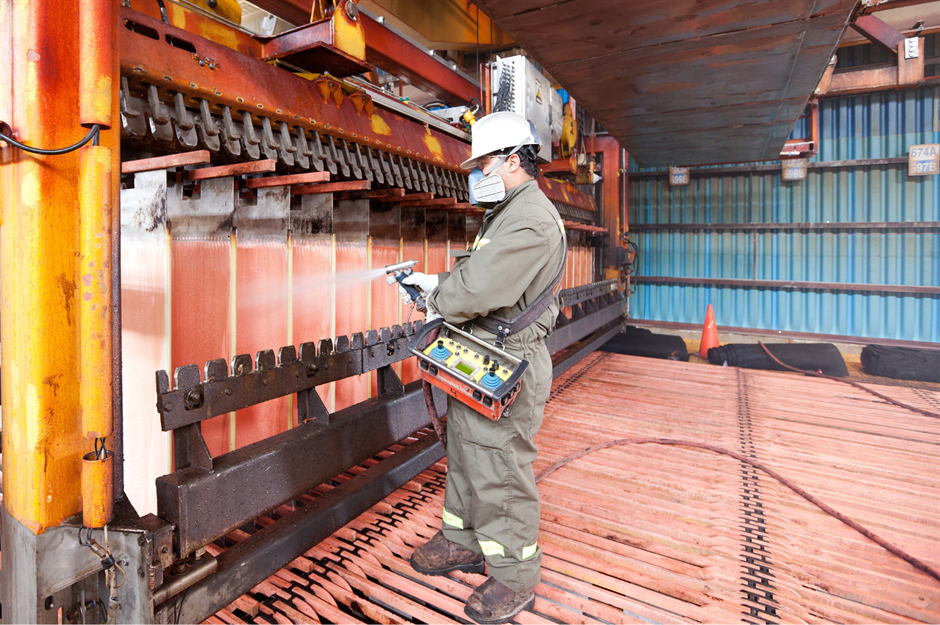
Chile was one of the earliest countries in Latin America to introduce a minimum wage structure in 1937. Now workers – who typically assume roles in agriculture, retail, and hospitality – make CLP6,348,000 ($6.7k/£5k) annually, and have about $10,900 in inflation-adjusted spending power, according to the latest OECD reports.
But it's not all sunshine and rainbows (or avocados and pisco sours). Low productivity, high informality, and minimum wage hikes risk squeezing small businesses and fuelling unemployment rather than easing inequality.
24. Colombia: $11,100 a year
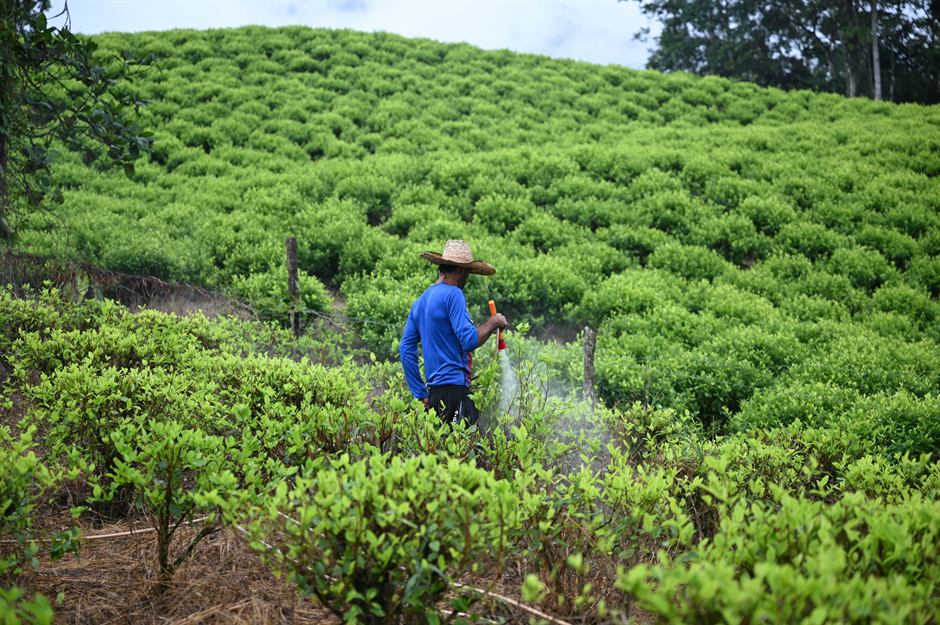
Colombia's statutory minimum wage stands at COL$19,482,000 ($5k/£3.7k) annually, equivalent to approximately $11,100 in PPP-adjusted US dollars. Jobs at this wage level are commonly found in retail, agriculture, hospitality, and domestic work.
Despite this, the sprawling country – known for its stunning landscapes and high-quality coffee – is home to 44% of workers earning below the legal rate.
23. Costa Rica: $13,469 a year
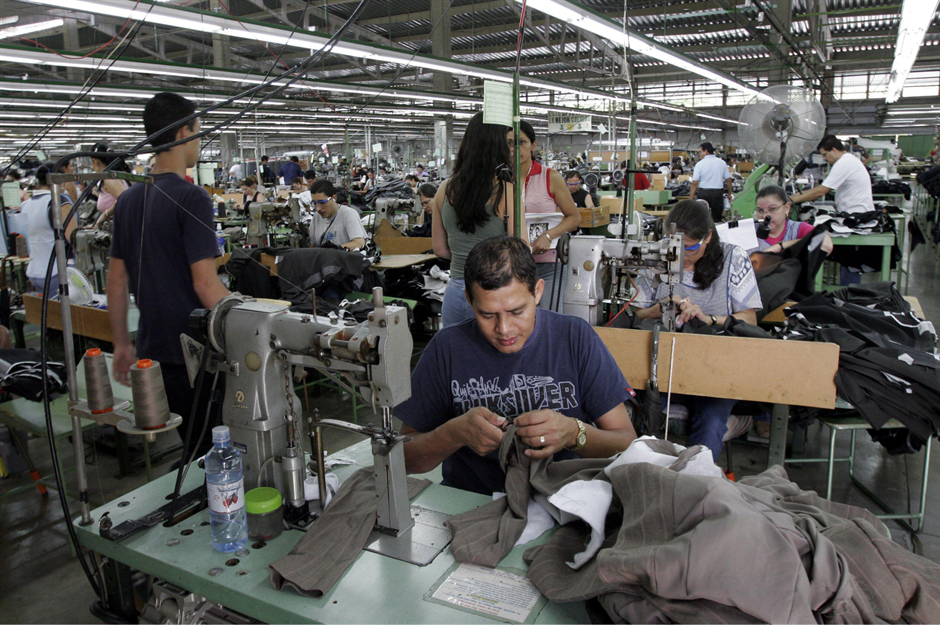
After introducing its statutory minimum wage in 1964, Costa Rica has established itself as Latin America’s leading country when it comes to floor rates. Today, unskilled workers earn around ₡4,405,302 ($8.7k/£6.4k) annually (NCU), or roughly $13,469 in PPP-adjusted terms, according to OECD data.
The system is unusual in that Costa Rica sets different minimum wages by occupation and education level, rather than one flat national rate. Recent years have seen small annual increases, but critics argue they lag behind rising living costs, particularly in San José.
Looking ahead, the country faces mounting pressure to simplify its complex wage structure and tackle a persistent informal sector, which undermines enforcement and leaves many workers earning below their legal entitlement.
22. USA: $15,080 a year
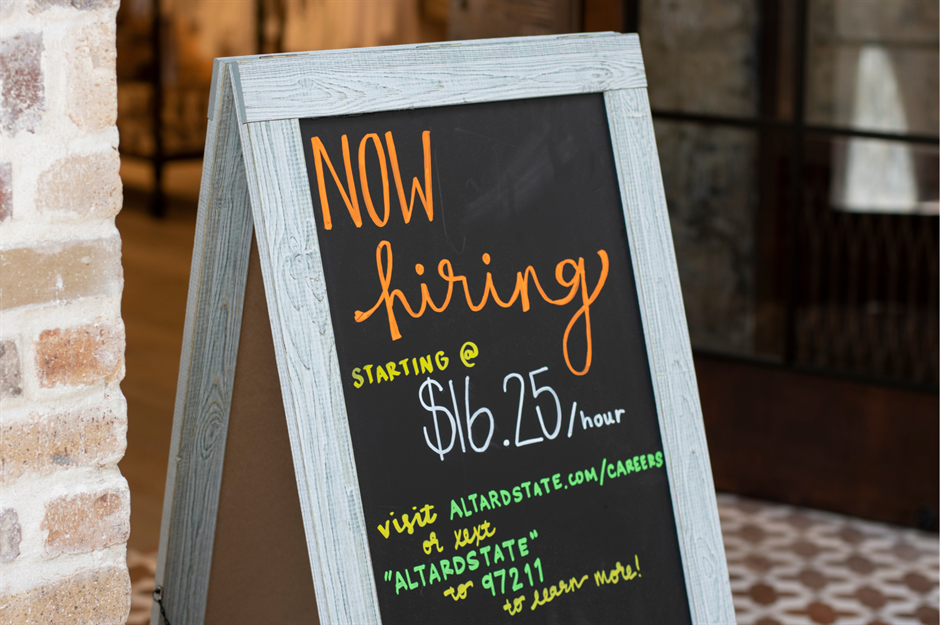
Since 2009, the USA's federal rate – first introduced under the Fair Labor Standards Act in 1938 – has remained unchanged despite inflation and rising productivity. At $7.25 (£5.40) an hour, the world's largest economy offers its workers a measly minimum wage figure of $15,080 annually, according to OECD reports.
Many states and cities have implemented their own higher wage floors, and a mandatory tipping culture somewhat makes up the shortfall. But millions still earn only the federal minimum, and current debates centre on raising the rate to $15 (£11) an hour or more, despite concerns over inflation and small business strain.
21. Czechia: $15,326 a year
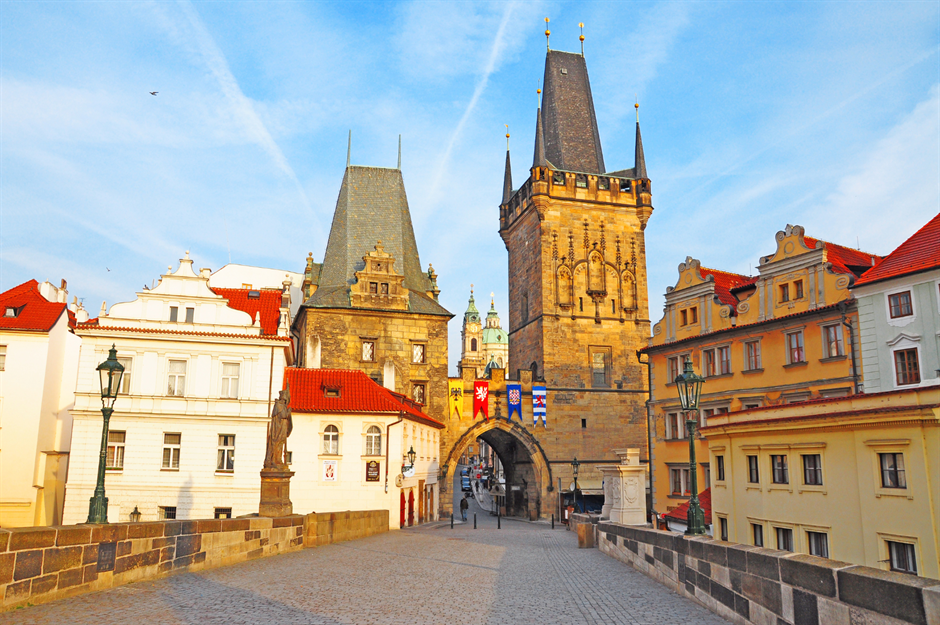
Europe's first entry on the list, Czechia’s statutory minimum wage now equates to 226,800Kč annually, or approximately $15,326 in PPP-adjusted terms, according to the latest OECD reports. This places it among the lower wage floors in Western Europe.
However, the future looks slightly more promising. Czechia Labour Minister Marian Jurecka confirmed a handsome hike of 1,600Kč ($77/£57) a month, which will take effect in January 2026.
Critics argue that minimum pay lags behind soaring living costs, particularly in Prague, and fear that rapid increases could burden small businesses. Policymakers face the challenge of closing the wage gap while maintaining competitiveness.
20. South Korea: $15,415 a year
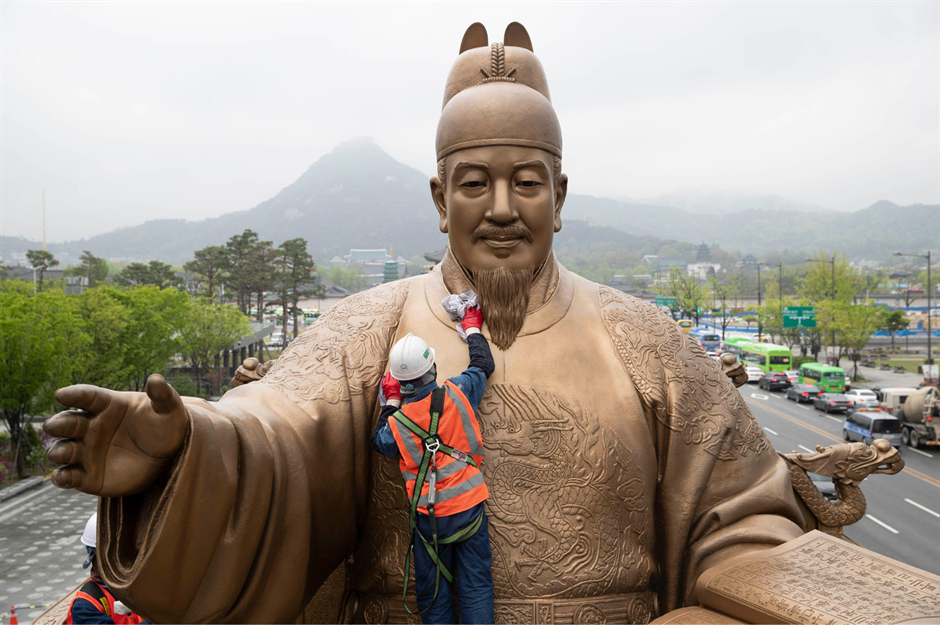
Just edging out Czechia to the top 20 spot is South Korea, where the statutory minimum wage equates to ₩25,155,240 ($18k/£13k) annually, or about $15,415 in PPP-adjusted terms, placing it in the mid-tier globally. South Korea established its minimum wage in 1988 with the aim of raising the floor for workers in retail, hospitality, agriculture, and care work. These jobs are often held by young people and part-time workers.
While the minimum wage has nearly doubled over the past decade, the increases have sparked concerns about job losses for young people and a strain on small businesses. South Korea is grappling with an ageing population, high housing costs, and slowing productivity, making sustainable wage growth a key challenge.
19. Hungary: $16,534 a year
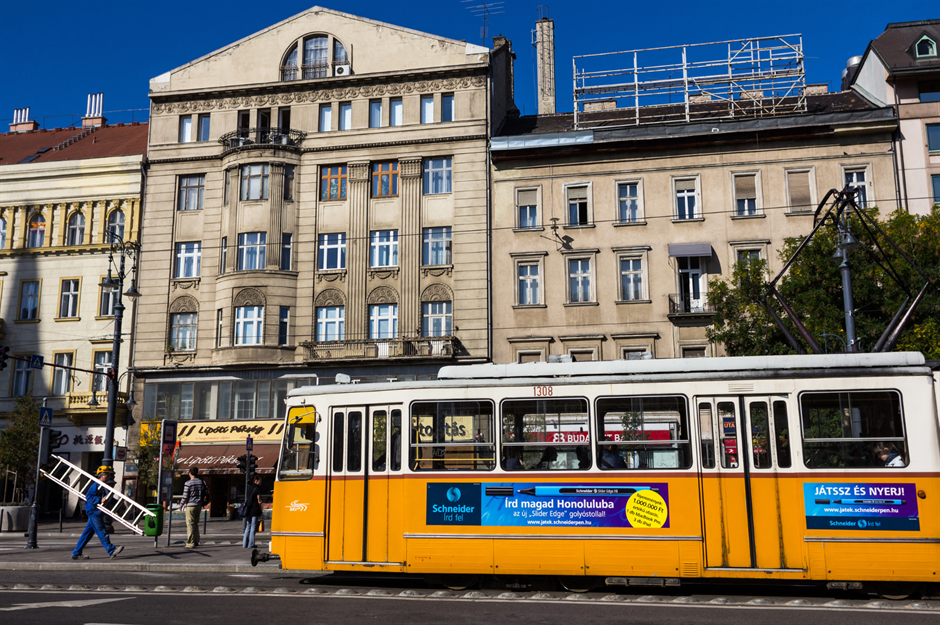
Hungary’s stunning architecture and cultural sights might be eye candy for its residents, but its minimum wage is anything but sweet. On the lower end of the OECD's list when it comes to European countries, Hungary's statutory minimum wage equates to approximately 3,489,600Ft ($10.5k/£7.8k) annually, or about $16,534 in PPP-adjusted terms.
Hungary has recently introduced a 9% increase to its minimum wage with a multi-year plan to lift wages by 40% by 2027.
18. Israel: $18,700 a year
Israel currently holds the 18th spot. The Middle Eastern powerhouse currently mandates a statutory minimum wage of ₪74,972 ($22.6k/£16.7k) annually, according to the latest OECD figures. Introduced in 1987, the rate is set at 47.5% of the national average wage, providing a benchmark for low-income workers.
Adding to the strain, the ongoing conflict in the region has hit key sectors such as construction and agriculture. And while recent wage hikes have provided some relief, soaring living costs in Tel Aviv and Jerusalem continue to outpace pay, leaving minimum wage workers with an inflation-adjusted spending power of just $18,700.
17. Türkiye: $19,123 a year
According to the latest OECD data, Türkiye’s statutory minimum wage now stands at ₺312,066 ($7.5k/£5.5k) annually, or about $19,123 in PPP-adjusted terms. A 30% increase introduced by the Turkish President in January aims to cushion workers from surging living costs, after inflation soared to 47% in 2024.
Even so, Türkiye’s position remains mixed. Globally, the wage floor sits above many large economies, yet compared with Europe’s stronger performers, spending power looks weak. Persistent inflation is leaving workers struggling to make ends meet and eroding the real value of pay amid the country's volatile economic climate.
16. Bulgaria: $19,394 a year
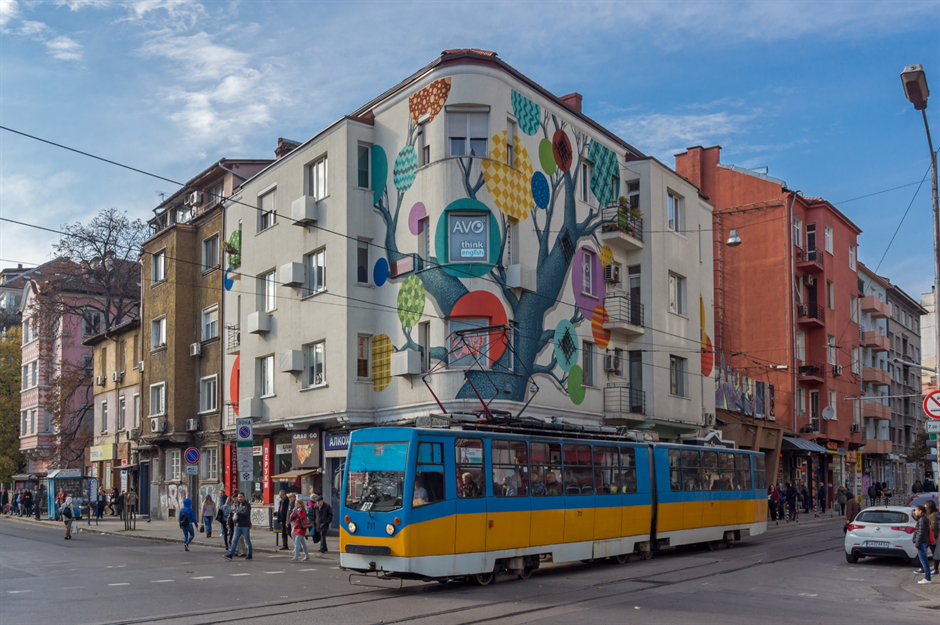
Bulgaria's current economic climate is marred by rising inflation, particularly in essentials like housing and food. Soaring consumer prices have sparked widespread retail boycotts, and fears loom over how short-term living costs may balloon when the country officially adopts the euro in January 2026.
For minimum-wage workers – already among the lowest paid in Europe – this backdrop is especially bleak. According to the OECD, they have just $19,394 in PPP-adjusted spending power, with annual earnings of 12,924лв ($7.8k/£5.8k). Although a 15.4% hike in 2025 has lifted the floor, wage gains risk being stymied by Bulgaria’s stubborn cost-of-living crisis.
15. Portugal: $19,814 a year
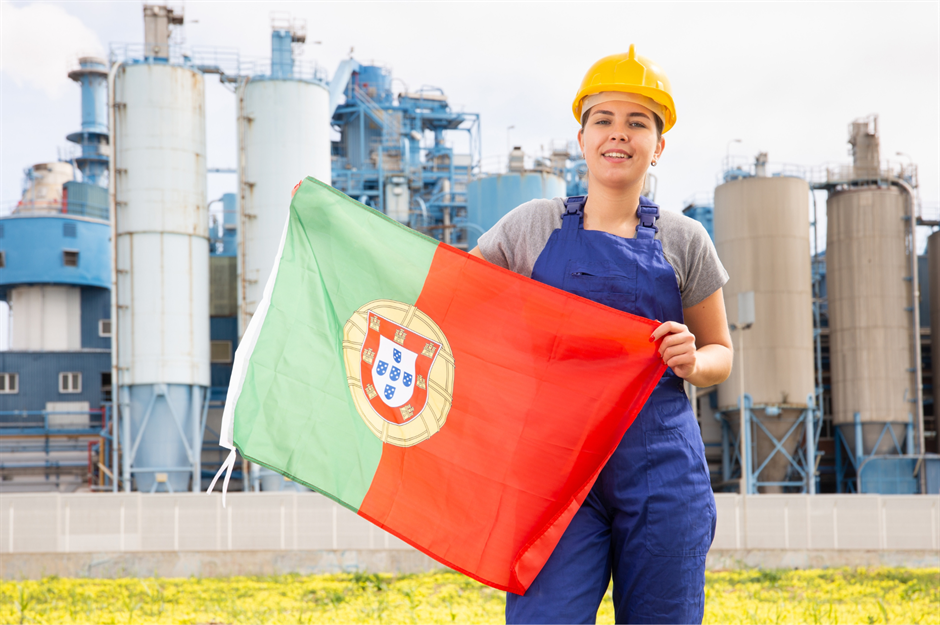
Smack bang in the middle of the ranking, Portugal may be one of Europe’s larger economies, but its minimum wage still lags far behind many Western peers. The statutory floor amounts to €12,180 ($14.3k/£10.6k) annually, or about $19,814 in PPP-adjusted terms, leaving it well below neighbours such as Spain and France.
While common in retail, hospitality, agriculture, and cleaning, these jobs often leave workers struggling to cover essentials. The government’s pledge to raise wages by €50 ($59/£44) a year until 2028 is welcome, but critics warn that even then the minimum will remain hundreds of euros short of a true living wage.
14. Greece: $19,984 a year

Greece’s minimum wage story is tightly bound to its long road back from financial crisis. After steep cuts during the debt disaster, wages have climbed by 35% in the last five years.
Today, the statutory floor stands at €10,560 ($12.4k/£9.2k) annually, or about $19,984 in PPP-adjusted terms, as per the latest OECD figures. This is a mid-tier figure within the EU and has since been bolstered by a monthly rate rise of 6.4%.
13. Japan: $20,511 a year

Japan may be one of the world’s largest economies, but rising inflation and real wage stagnation have pushed it down to 13th on this list.
The country’s long era of stability has given way to tougher times of late, with energy and food price spikes eroding household budgets. According to the OECD, real wages have fallen by 2% since 2021, highlighting the gap between pay and living costs.
Even after the steepest minimum wage rise in two decades, workers' annual statutory minimum wage of ¥2,194,400 ($14.8k/£11k) is equivalent to a relatively meagre $20,511 in spending power. Workers can only hope brighter days are yet to come in the land of the rising sun.
12. France: $23,025 a year
France’s statutory minimum wage, the SMIC, stands at €21,621 ($25.3k/£18.7k) annually, or about $23,025 in PPP-adjusted terms. As of November 2024, the rate rose to €11.88 ($14/£10) an hour, reflecting rises in inflation. On paper, this now places France among Europe’s upper-tier wage floors.
However, when adjusted for purchasing power, French workers still fare worse than many of their EU counterparts such as the UK and Germany. High energy bills, rising rents, and food price inflation have eroded spending power, leaving workers on the base rate squeezed despite frequent wage hikes.
11. Poland: $24,730 a year
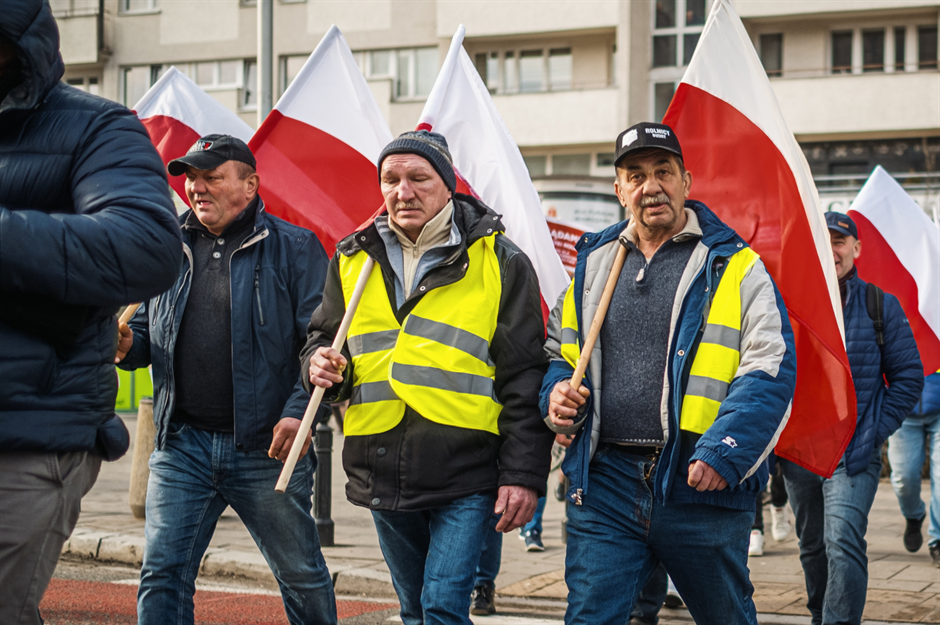
Since 2015, Poland's minimum wage has more than doubled in nominal terms, shielding households from soaring inflation while allowing consumers to put their hands in their pockets more frequently.
The country's statutory minimum wage equates to 55,992zł ($15.4k/£11.4k) annually, or roughly $24,730 in PPP-adjusted terms, as per recent OECD figures.
10. Spain: $26,216 a year

Since 2018, Prime Minister Pedro Sánchez’s government has driven one of Europe’s boldest wage policies, lifting the monthly minimum from €735 ($864/£640) to €1,184 ($1.4k/£1k) by January 2025 – a 61% jump in just seven years. The ambitious approach stands in sharp contrast to neighbouring Portugal’s incremental €50 ($59/£44) rises.
The policy has helped narrow wage gaps, particularly for workers in retail, hospitality, and caregiving, but questions remain over its long-term impact. For now, Spain’s statutory minimum equates to around $26,216 in PPP terms, just enough to crack the global top 10.
9. Canada: $27,967 a year
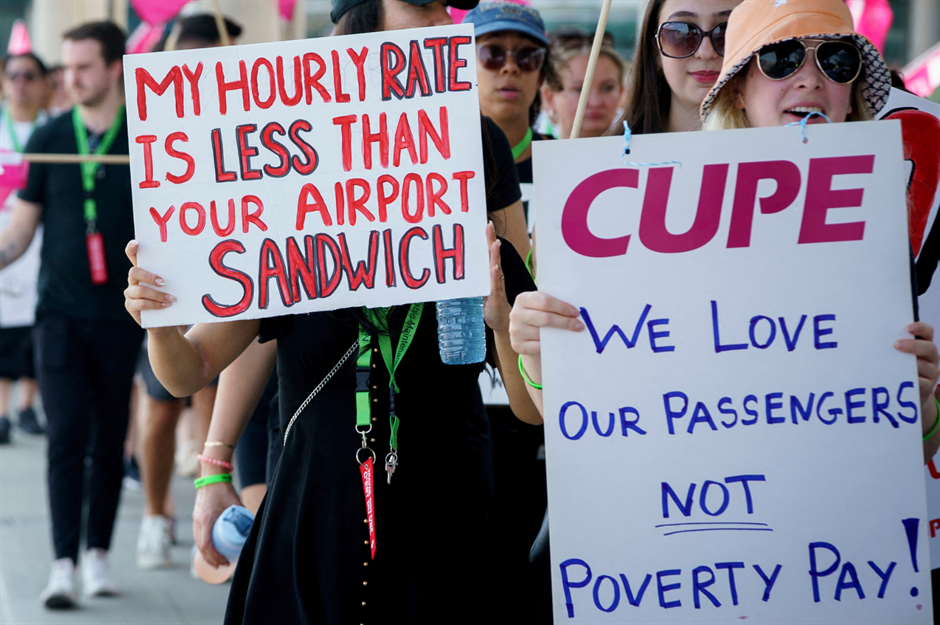
Canada’s minimum wage is around CA$33,488 ($24.2k/£17.9k) a year, or $27,967 in PPP terms. But with rates set by provinces rather than nationally, workers face big regional differences: Ontario’s hourly wage is CA$17.20 ($12.45/£9.22), while British Columbia tops the table at CA$17.85 ($12.93/£9.57).
Most minimum-wage earners work in retail, hospitality, or caregiving, and nearly 70% of these positions are filled by young people or students.
8. Ireland: $28,700 a year

Ireland has one of Europe's strongest minimum wage floors. Aiming to meet the EU’s target of setting minimum wages at 60% of median wages by 2026, the small but proud nation has hiked its hourly guideline from just €5.59 ($6.57/£4.87) when it was first introduced in 2000 to €13.50 ($15.88/£11.66) for workers aged 20 or over.
Ireland now has a minimum statutory wage of €28,080 ($32.9k/£24.4k), or $28,700 in PPP terms.
7. Belgium: $31,654 a year
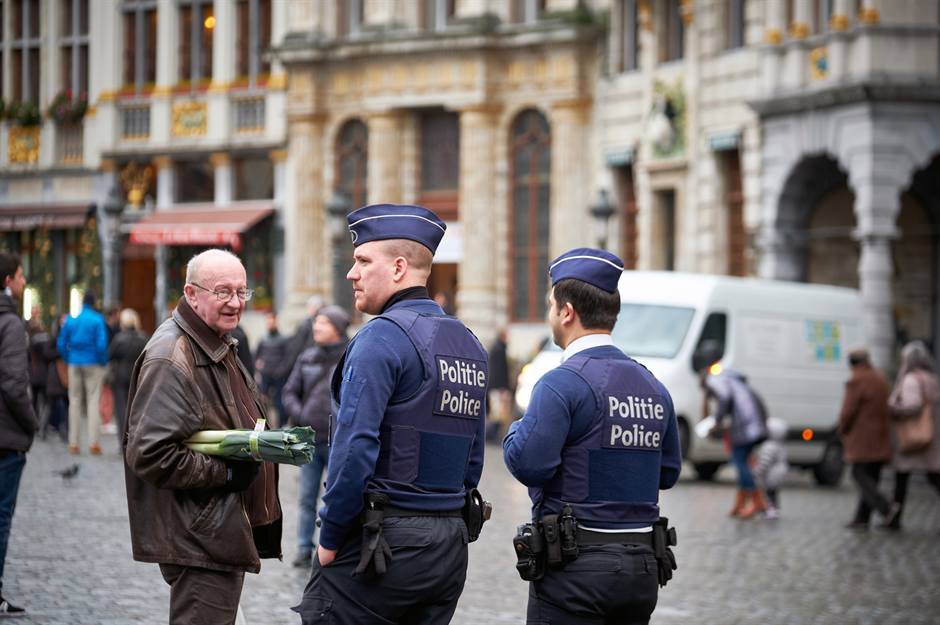
Belgium’s annual minimum wage sits at €25,342 ($29.7k/£21.9k), or about $31,654 in PPP terms, placing it firmly in the global top 10. This is thanks to Belgium’s system, which automatically anchors pay to the price of goods and services like food, housing, and transport.
However, this model comes with challenges. Inflationary spikes in recent years have made indexation costly for employers, and with collective bargaining agreements setting much of the framework, coverage can also be inconsistent, particularly for gig and self-employed workers.
6. New Zealand: $32,247 a year

Sitting just outside the top five, New Zealand’s statutory minimum wage stands at NZ$48,880 ($29k/£21.5k) annually, or about $32,247 in PPP terms, ranking among the highest in the OECD.
In reality, only a small proportion of the population earns the minimum wage, but the figure is far higher for teens, with an estimated 57% of 16-17-year-olds relying on it. Their roles are concentrated in retail, hospitality, and basic services, where labour costs can weigh heavily on small employers.
5. Australia: $32,600 a year

Australia joins New Zealand near the top of the rankings. Each year, Australia’s Fair Work Commission reviews the national rate, and in 2025 it climbed to AU$24.95 ($16.48/£12.21) an hour – giving full-time workers an annual floor of about AU$51,896 ($34.5k/£25.5k).
Minimum-wage jobs are most common in hospitality, retail, elderly care, and disability support, with pay often set by detailed 'awards' and workplace agreements that guarantee fair coverage across industries. This system keeps Australia among the world’s most rewarding job markets. However, inflation continues to eat into real incomes.
4. UK: $33,071 a year
The UK has weathered a turbulent decade of fiscal challenges, from Brexit aftershocks to stubborn inflation, yet the powerful island still manages to hold a top-tier position in the global minimum wage rankings. According to the OECD, Britain’s statutory floor equates to £23,265 ($31.5k) annually, or about $33,071 in PPP terms.
As of April 2025, the National Living Wage rose to £12.21 ($16.49) per hour for workers aged 21 and over, the biggest hike since 2019. However, challenges remain beneath the surface. The widespread use of zero-hour contracts is fuelling concerns about job insecurity and pay coverage, and while the UK’s wage floor appears strong on paper, real wage stagnation, underemployment, and sky-high living costs continue to erode purchasing power.
3. Germany: $34,053 a year
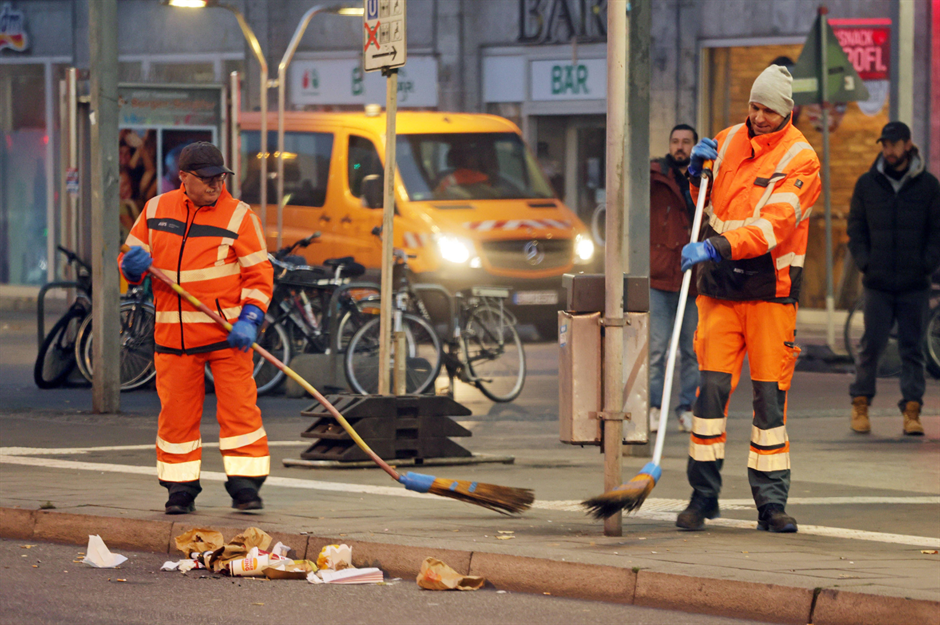
It's no great surprise to learn Europe’s industrial powerhouse sits comfortably near the top of the global rankings, with a statutory minimum wage of €26,665 ($31.2k/£23.2k) annually, or about $34,053 in PPP terms. The wage has narrowed inequalities and lifted the lowest-paid workers, particularly in struggling sectors.
However, much of Germany’s minimum-wage workforce remains clustered in retail, hospitality, and cleaning, where precarious minijobs – small part-time roles where workers can earn up to €520 ($612/£453) per month – trap people in insecure work that pays well under the threshold.
2. Luxembourg: $34,857 a year

Despite sitting in second place for purchasing power, Luxembourg technically holds the highest minimum wage in the EU: a mammoth €38,933 ($45.6k/£33.8k) annually for skilled workers over the age of 18, or about $34,857 in PPP-adjusted terms. As of 2025, the monthly minimums are €2,703 ($3.2k/£2.4k) for unskilled workers and €3,244 ($3.8k/£2.8k) for skilled workers, based on Luxembourg’s automatic sliding wage scale tied to inflation.
So how does this lucrative wage system work? Every time the six-month consumer price index rises past a threshold, wages automatically jump by 2.5%, shielding workers from inflation without messy political debates. Yes, we're jealous too.
1. Netherlands: $35,250 a year
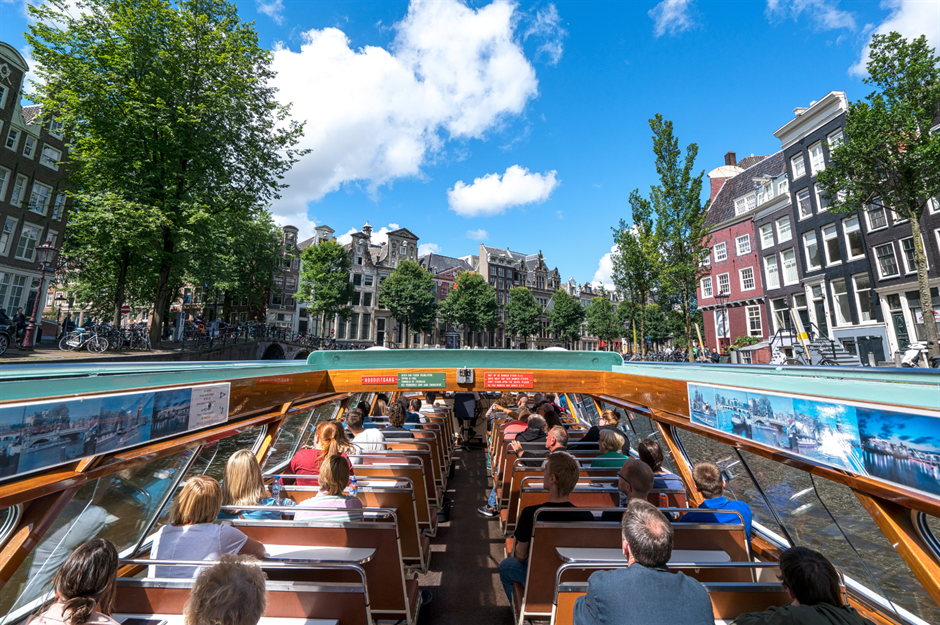
Though it may not surpass Luxembourg in nominal terms, the Netherlands confidently secures the crown for the strongest minimum wage purchasing power in Europe. In 2024, the statutory annual wage was about €30,060 ($35.2k/£26k) in national currency, equating to a sizeable $35,250 in PPP-adjusted terms.
Since 2024, the progressive nation has shifted to an hourly system, setting the rate at €14.06 ($16.54/£12.24) from January 2025, and raising it by 2.4% to €14.40 ($16.94/£12.54) in July.
Comments
Be the first to comment
Do you want to comment on this article? You need to be signed in for this feature