The supersized costs of living in a larger body
The stark reality of 'fat taxes' around the world
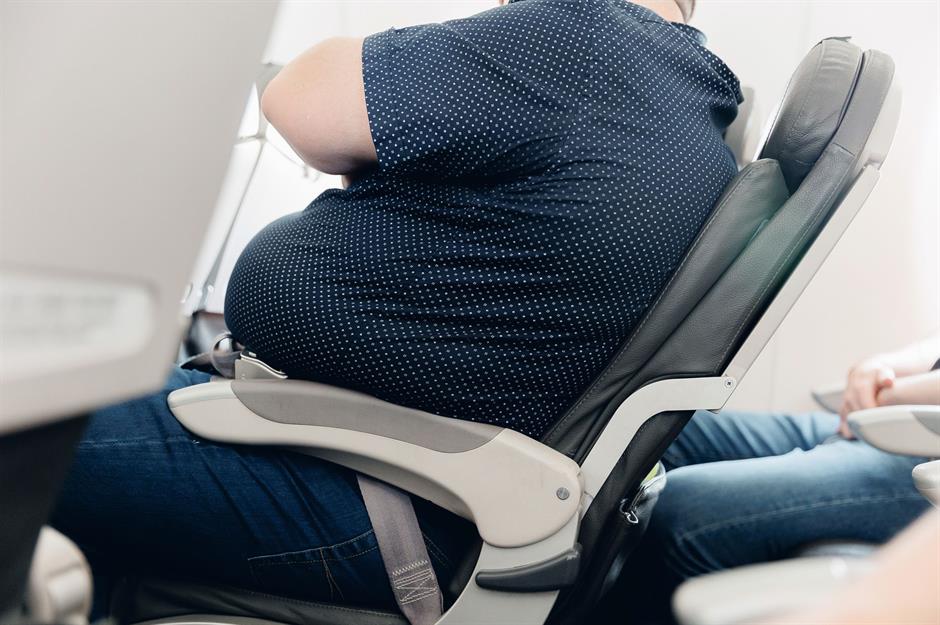
Being bigger comes at a heavy price. People struggling with obesity face a barrage of financial penalties, from airline and insurance surcharges to inflated plus-size clothing markups. These add-ons even extend to the grave, with XL coffins and burial plots often priced at a steep premium.
Read on to discover the additional expenses tied to living – and dying – in a larger body. You won't believe how crushing the full burden really is. All dollar amounts in US dollars.
'Fat tax' controversy
Supporters say charging larger people more reflects genuine costs, but critics argue direct 'fat taxes' punish those with health issues or genetics that predispose them to putting on weight, circumstances essentially beyond their control. And not everyone can access or benefit from treatments like Ozempic and Mounjaro.
Meanwhile, no country offers nationwide legal protection against size discrimination. Still, national governments avoid penalising people directly.
Actual 'fat taxes' around the world
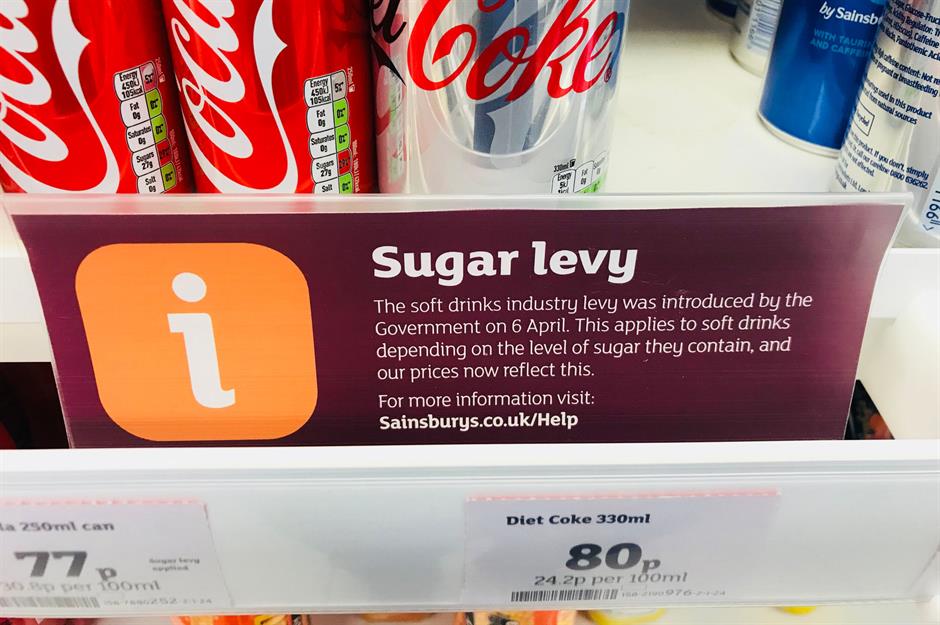
Instead, most countries prefer to tax products that can be unhealthy if consumed regularly, mainly sugary drinks and sometimes salty or high-fat snacks. It’s a softer approach: people who consume more of the taxed items do end up paying more, but no one is singled out for their body size.
Policymakers like it because it nudges healthier choices, spurs companies to formulate healthier products, and raises hard cash. Detractors complain it penalises low-income earners and balanced eaters who enjoy the occasional treat. But this approach is probably one of the least divisive ways to tackle the obesity crisis and raise funding for prevention, as well as offset the costs to healthcare systems.
Sponsored Content
Countries that tax sugary drinks
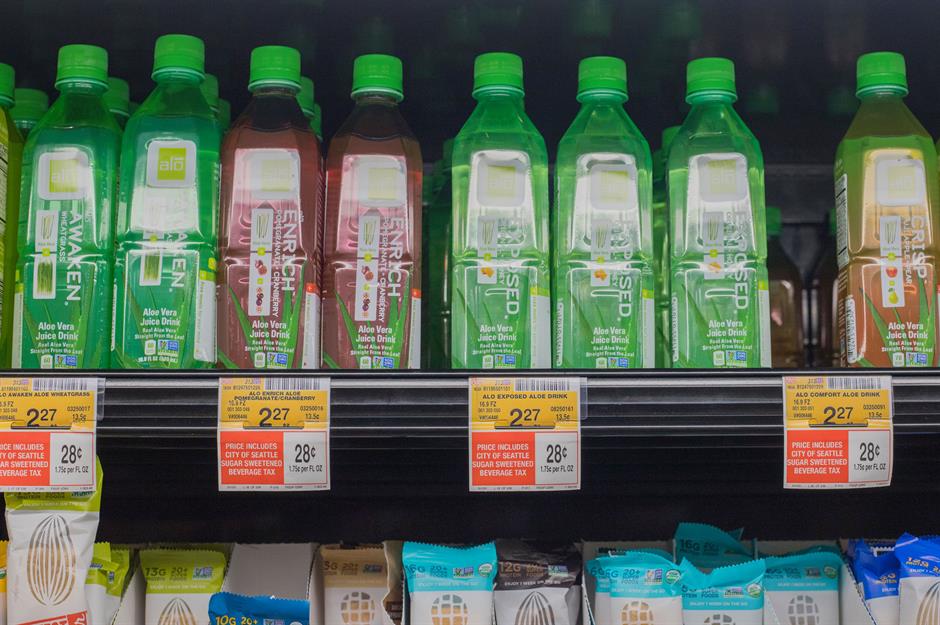
A staggering 117 countries and territories now impose taxes on sugar-sweetened beverages (SSBs), mainly in the form of a targeted excise duty. Finland got the ball rolling in 1940 when it became the first nation to tax soft drinks. Neighbouring Norway followed suit in 1981, but the widespread adoption of these levies didn't happen until the 2010s.
A notable exception is the US, though a number of American cities and counties have introduced local sugar taxes, including Philadelphia, San Francisco, and Seattle.
The heftiest sugar tax in the world
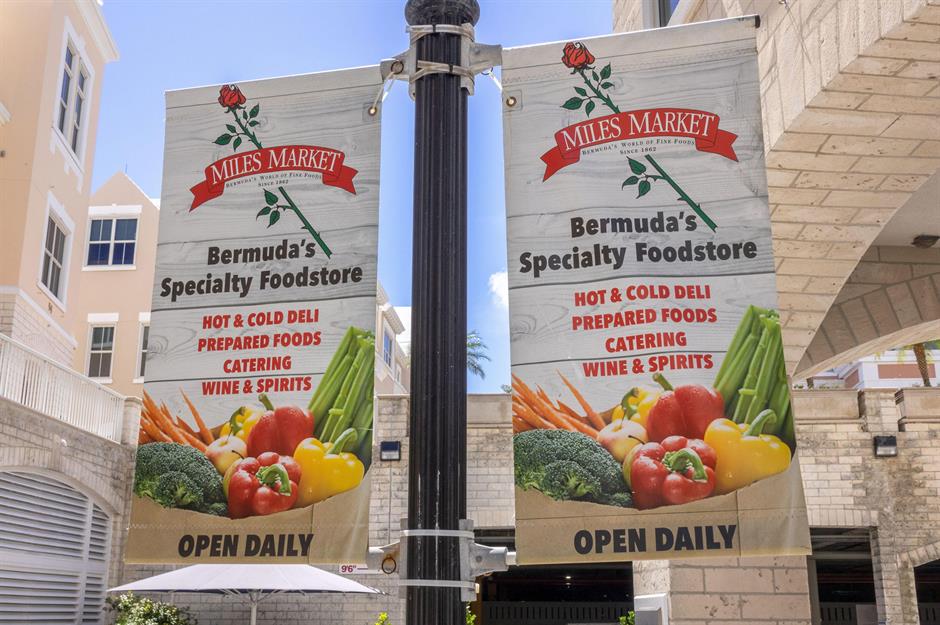
Sugar taxes tend to be on the hefty side but one territory has taken it to the extreme with a whopping 75% import levy on sugary drinks, pure sugar, confectionery, and cocoa products.
Leaving a bitter taste in shoppers' mouths, Bermuda's targeted sugar tax is the stiffest in the world. Introduced in 2018 to tackle the territory's growing obesity epidemic, the duty hasn't been without its detractors. Nevertheless, it has led to a 26% drop in sugar consumption and a funding windfall for health initiatives.
Countries that tax junk foods
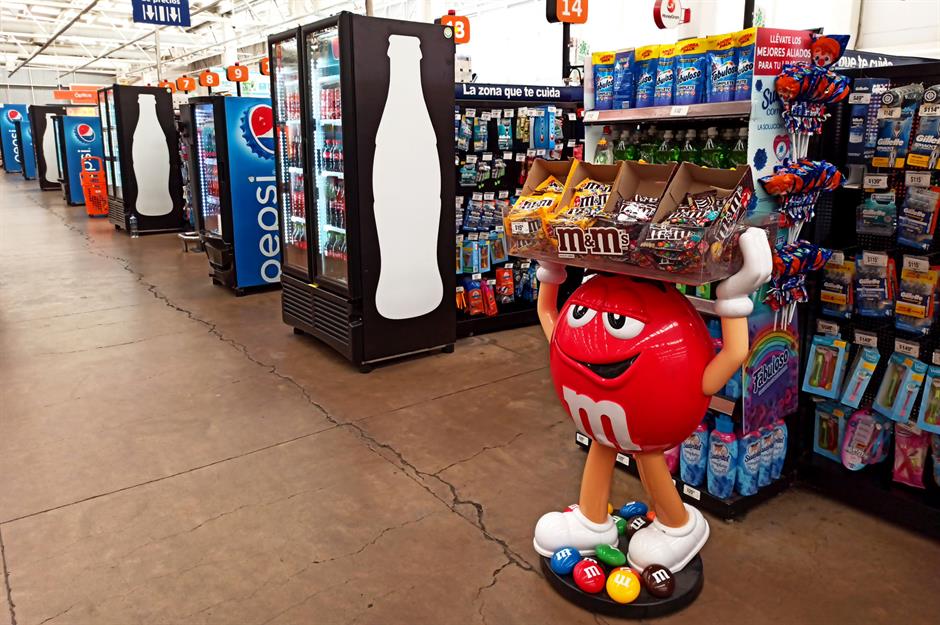
In addition to taxing sugar, 16 countries slap levies on products high in salt and fat. These include Mexico, which imposes 8% on junk foods, as well as a tax on sugary drinks. Hungary's 'fat taxes' cover salty snacks as well as sugary treats, while Fiji's encompass a range of ultra-processed foods.
As for their success, Mexico, which has emerged as a trailblazer for product-targeted 'fat taxes', has seen up to a 40% dip in the sale of stereotypically unhealthy foods.
Sponsored Content
Japan's Metabo law
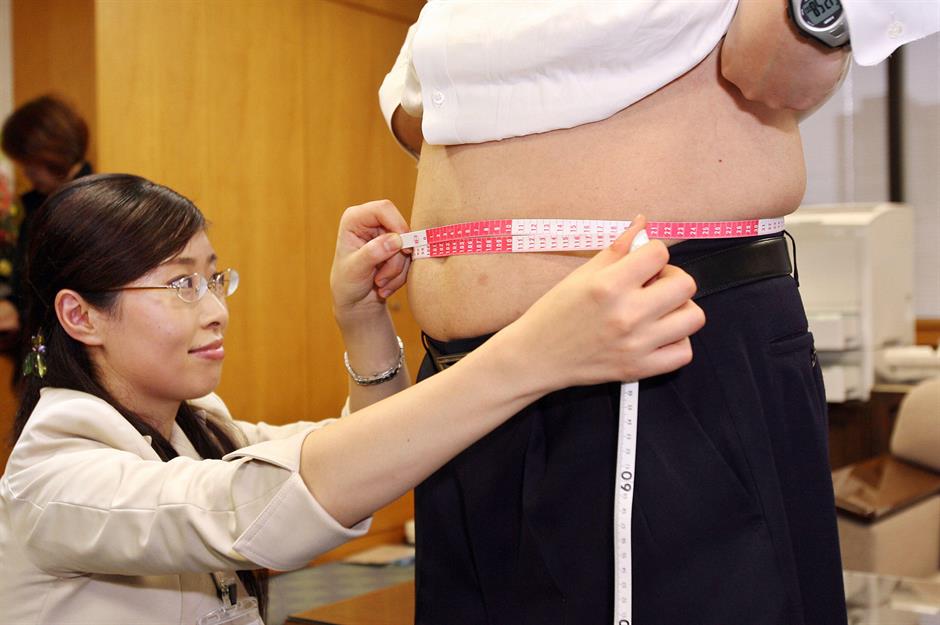
Japan has taken an entirely different approach. In place of taxes on unhealthy foods and drinks, it introduced the 'Metabo law' back in 2008. The regulation requires employers to take annual waistline measurements of employees aged 40 and over. Staff members who exceed the government-mandated size are required to attend weight-loss counselling, while organisations are fined if too many staff are over the limit.
This approach has been criticised for being intrusive and stigmatising, and some critics claim it encourages discrimination as employers avoid taking on overweight staff. Obesity rates have actually risen in Japan since the law was introduced, though it's possible the increase would have been even bigger without it.
Samoa Air's 'pay-by-weight' policy
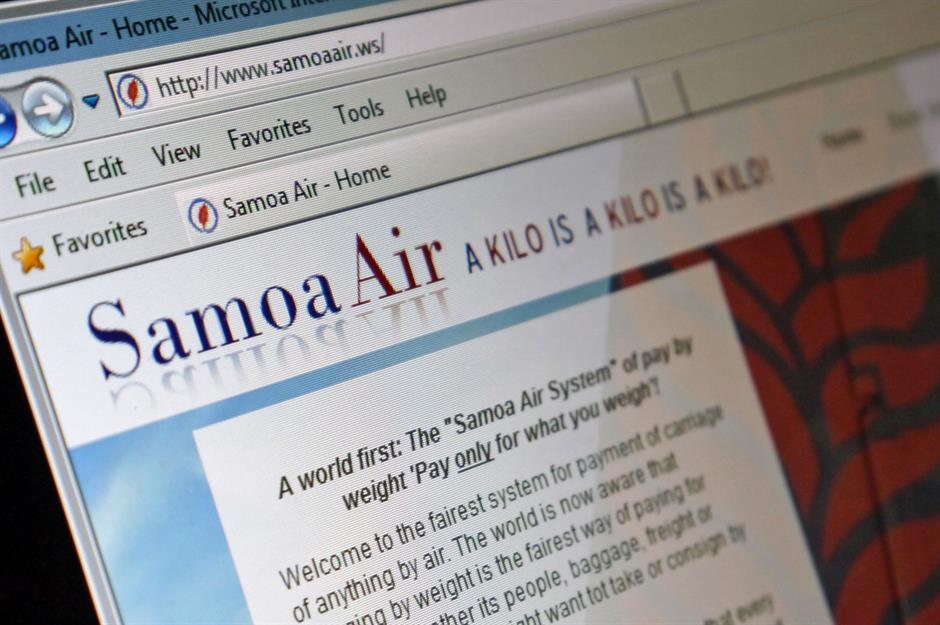
In 2013, the now-defunct Samoa Air became the first airline in the world to charge customers based on their weight. Passengers were required to submit their weight when they booked and were then weighed at the airport. The airline, which operated domestic flights and a connection to American Samoa, served a region with some of the highest obesity rates on the planet.
The policy was considered humiliating and discriminatory by some passengers, but others welcomed it, particularly families with young children, who enjoyed substantial savings.
Airlines making obese passengers buy two seats
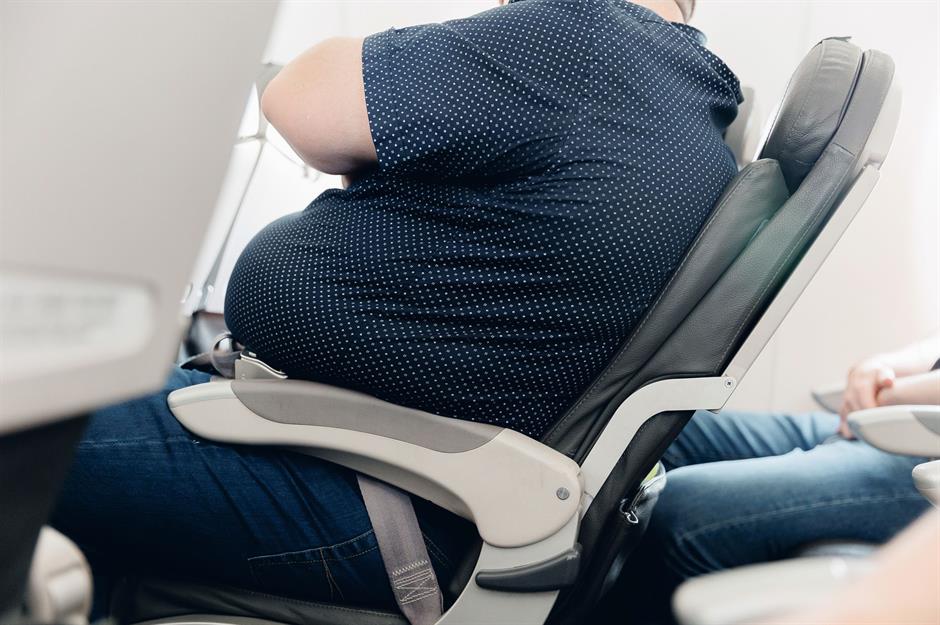
Many airlines now require very overweight passengers to buy an additional seat, for safety reasons and for their comfort, as well as the comfort of fellow travellers. The policy is commonplace, particularly among US airlines. But it's highly contentious and seen as discriminatory by many, including Canada's Supreme Court.
In 2008, the court effectively banned the practice, making Canada the only country to have outlawed it.
Sponsored Content
Insurance surcharges in the US
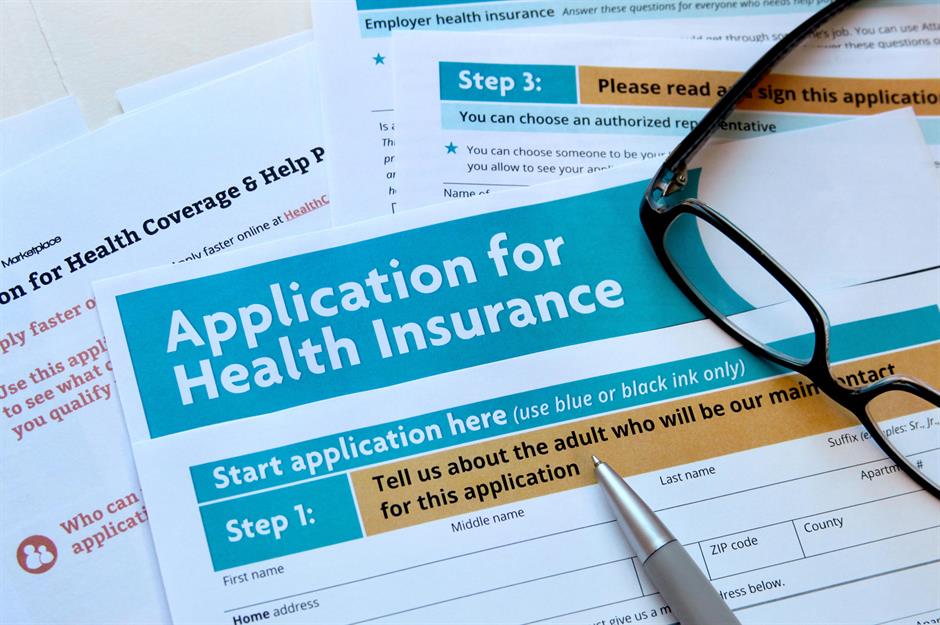
In the US, the Affordable Care Act (ACA) bars individual and small-group plans sold on government marketplaces from charging higher premiums based on weight, treating obesity as a pre-existing condition. But plans outside the ACA can set their own rules, and some charge people with higher BMIs more.
In any case, the ACA allows up to a 30% surcharge if workers who are enrolled in company 'wellness' schemes fail health targets. Life and disability insurers go much further, routinely hiking premiums for overweight applicants.
Higher treatment costs in the US

ACA plans may not discriminate on size, but when it comes to healthcare costs, the very overweight Americans covered under the act invariably end up paying more.
Given that people with obesity are statistically more likely to be living with chronic diseases like diabetes and heart disease, they tend to pay markedly higher co-pays, deductibles and out-of-pocket expenses.
Insurance premiums in the rest of the world

Most other countries have some form of universal healthcare system that obese patients can access at no extra cost.
Yet it's a different story for private insurers. Heavier applicants can face steeper premiums for supplemental plans, while life and disability insurance can be especially unforgiving, with costs rising sharply in tandem with BMI.
Sponsored Content
Free fertility treatment restrictions in the UK

In the UK, the NHS imposes BMI limits on publicly funded fertility treatment. Most local health authorities require women to have a BMI under 30 before they can access IVF.
This effectively excludes many women with obesity from free treatment, forcing them to go private if they want to pursue parenthood. Private clinics charge thousands of pounds per cycle, putting the dream of having children out of reach for many. Critics say this amounts to a 'fat tax' on fertility.
Plus-size clothing markups
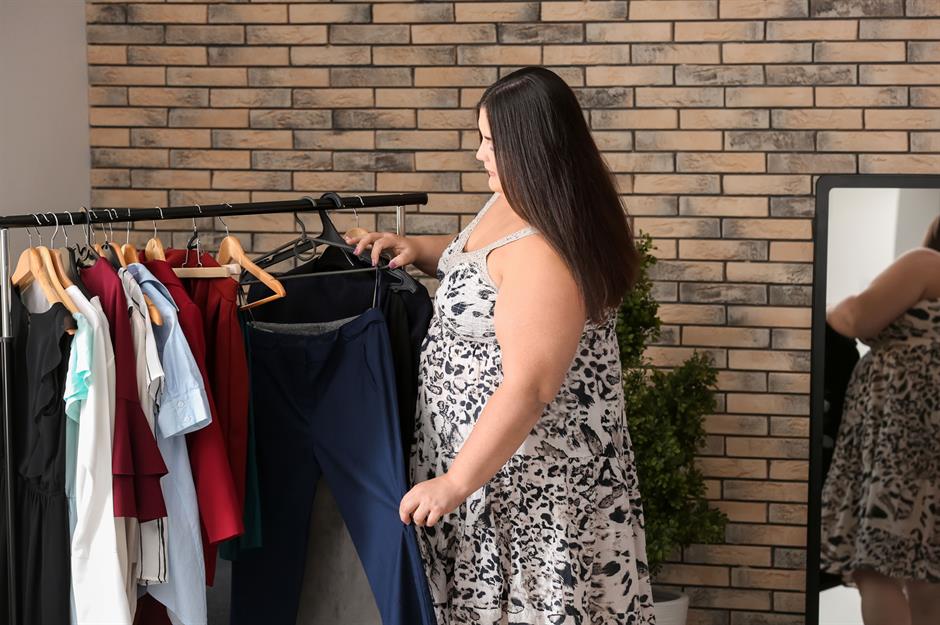
In fashion retail, 'fat taxes' appear as inflated markups on plus-sized clothing. Some brands charge much more for larger garments, with the hike often exceeding the additional costs to cover the extra fabric and design tweaks required.
A backlash in recent years has prompted many retailers to embrace inclusive pricing. But plus-sized clothing is still for the most part significantly pricier than standard-sized apparel.
The big and tall premium
The premium also extends to standalone plus-sized retailers and those specialising in 'big and tall' sizes. Prices tend to be noticeably higher in these stores.
The difference is most pronounced in menswear due to a lack of competition, since the plus-size men's market is significantly smaller and less developed than the women's.
Sponsored Content
Fatter furniture bills
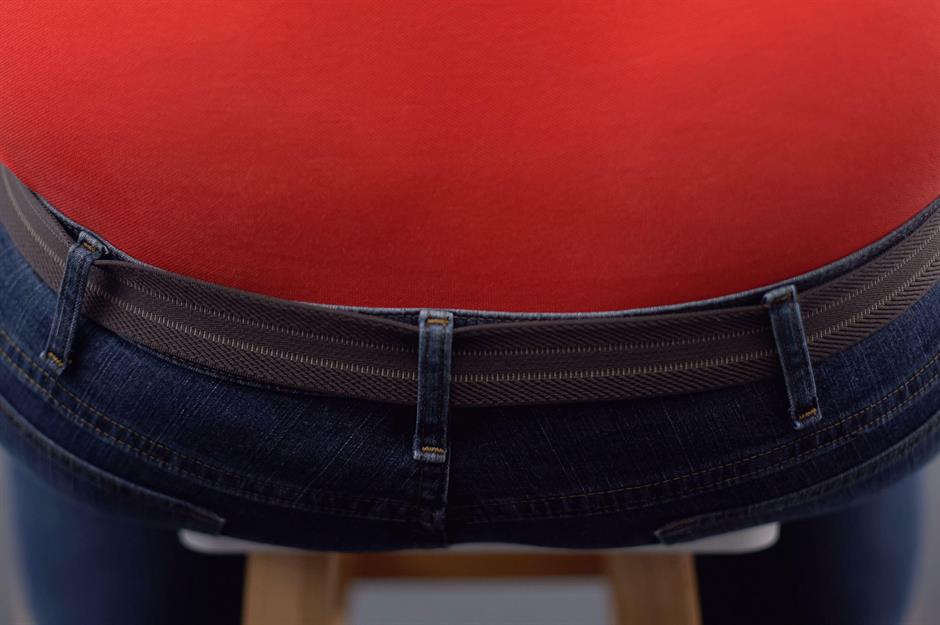
Furniture shopping can be punishing on the wallet if you're very full-figured. Standard sofas, office chairs, and beds tend to be designed for people of average weight, especially the more affordable items.
For people living in bigger bodies, picking up a cheaper product from IKEA or a local budget store isn't an option. Instead, they have to pay a premium for extra-robust furniture able to support their weight, often from specialised retailers.
Home modification costs
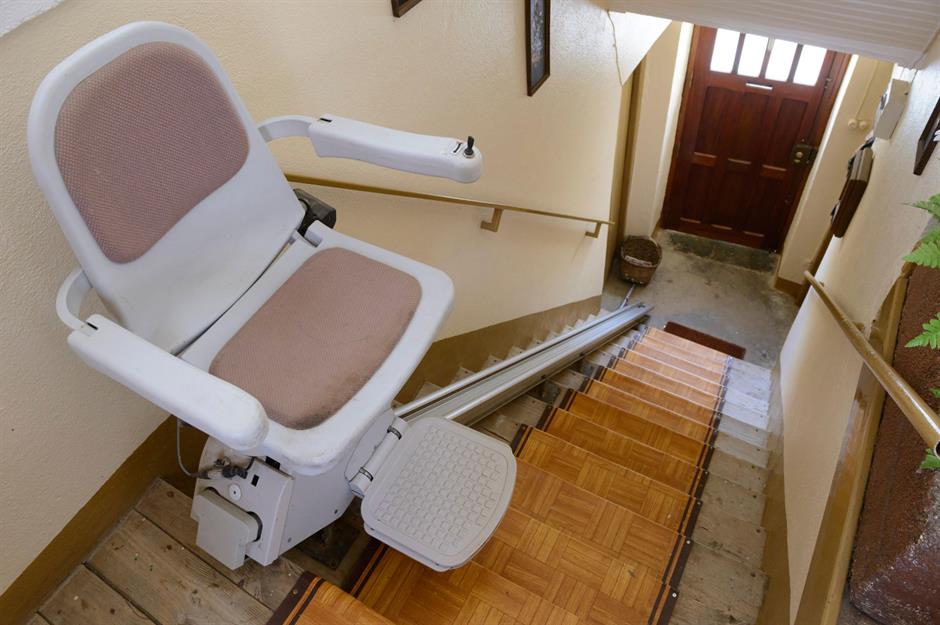
Individuals with obesity can require home modifications to accommodate their size. These range from reinforced flooring to wider doorways. And given that obesity can go hand-in-hand with mobility issues, additional changes may also be necessary, such as installing grab bars or a stairlift.
Needless to say, these structural and accessibility-related upgrades can be extremely costly.
Inflated vehicle outlays
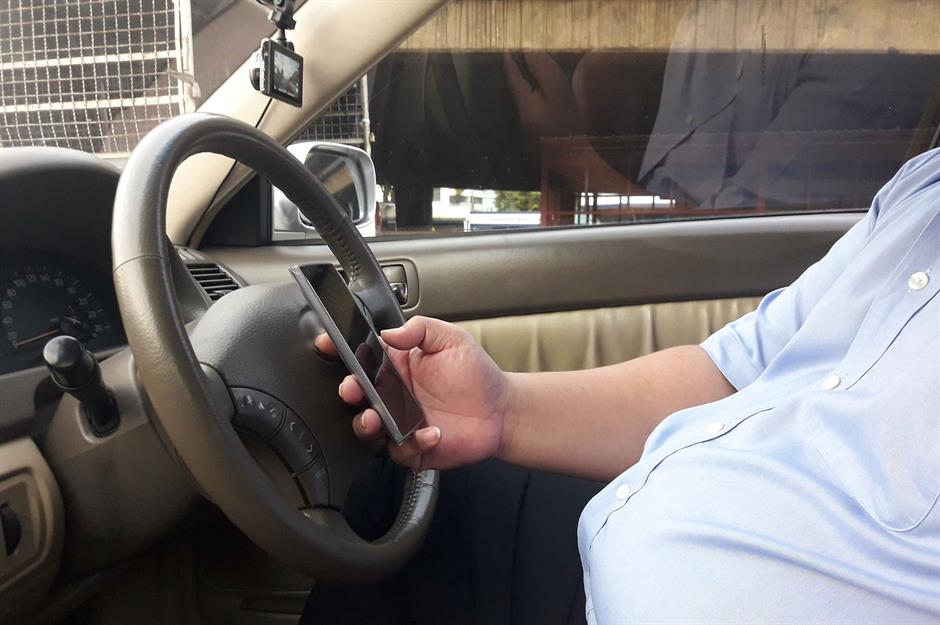
Larger people need larger cars, with bigger SUVs and even minivans typically more suitable than mid-sized vehicles, with budget small cars out of the question. And the biggest drivers have to pay enormous sums for modifications so their ride of choice can carry their weight.
Plus-sized cyclists are stung too. Many regular bikes simply can't support bigger riders, so some resort to paying eye-watering premiums for special bikes that feature reinforced frames and more supportive wheels.
Sponsored Content
Higher petrol and EV power costs
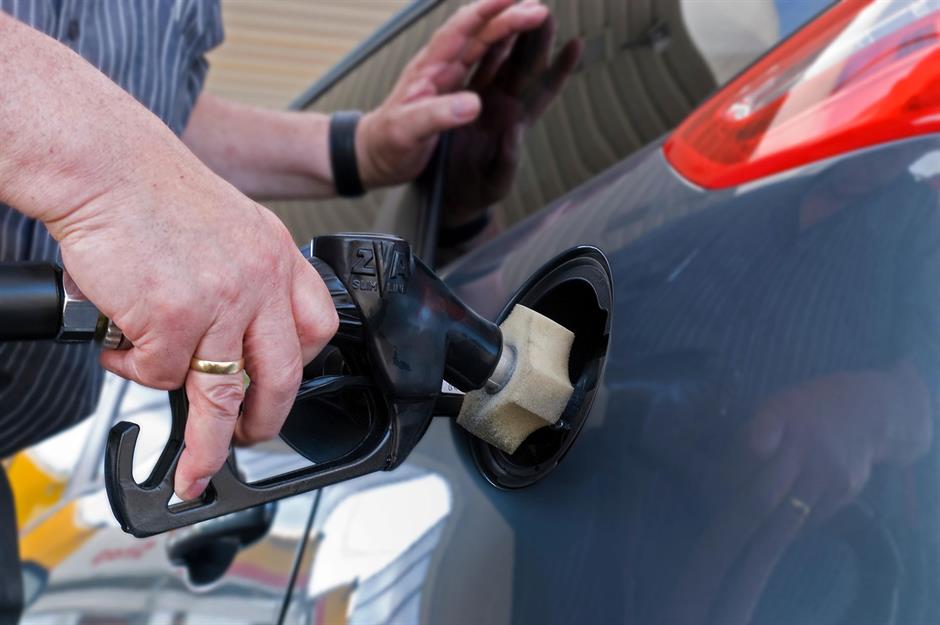
Studies have shown that larger people pay more for petrol. The extra weight translates to a higher fuel consumption, and while the additional costs aren't excessive on a single trip or even in the space of a year, they add up significantly over the course of an individual's years behind the wheel. The same applies to electric vehicles (EVs) as heavier vehicles consume more battery power, reducing their range and increasing the need for charging.
Ironically, higher prices at the pump and charger are linked to lower rates of obesity, as people walk and use public transport more when driving costs are elevated.
Indirect financial penalties
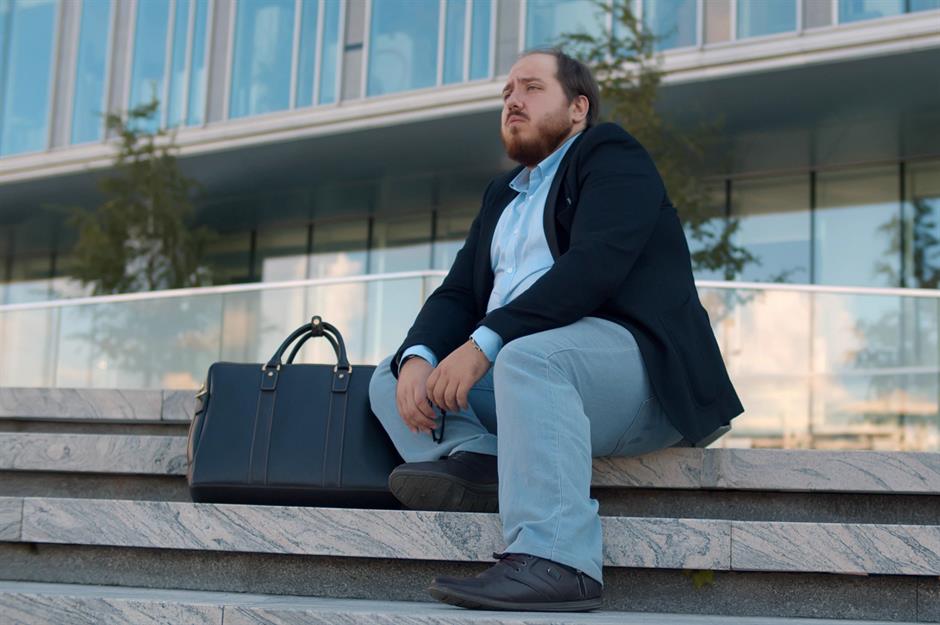
People in larger bodies face even subtler financial penalties. They can struggle to secure well-paying jobs due to size discrimination, while those who do succeed may be passed over for promotion.
In fact, people with obesity earn demonstrably less than their slimmer peers typically.
Oversized casket and coffin prices

Death can be a very expensive process if a person is obese. For starters, oversized caskets and coffins are considerably more expensive than standard sizes.
They not only require extra material to accommodate a larger body but stronger materials too: robust hardwoods, reinforced metals, and heavy-duty fittings rather than the more affordable, flimsier options used in regular models. Add in specialised engineering and sturdier frames, and the premium climbs fast.
Sponsored Content
Burial plot markups

In Britain, several local councils have introduced higher burial fees for the larger plots that are needed for oversized coffins. They say it's only fair since the land and logistical costs are steeper.
Charging extra for larger plots is nothing new in other countries such as the US, where the biggest coffins call for double plots, meaning very overweight people basically pay twice as much.
Higher cremation costs

Cremation costs can also be much higher. Crematoriums have to charge more because larger bodies consume more fuel and take longer to turn to ashes. These 'bariatric cremations' may also require specialist staff and machines, further inflating costs.
Supersized funerals incur additional costs besides. Among the potential extras is the hearse, since in many cases, a heavier coffin requires a larger, more expensive vehicle with a reinforced chassis.
Now discover what a McDonald's costs in the rest of the world | lovemoney.com