20 beloved stores lost to the retail apocalypse
Centuries-old stores gone forever
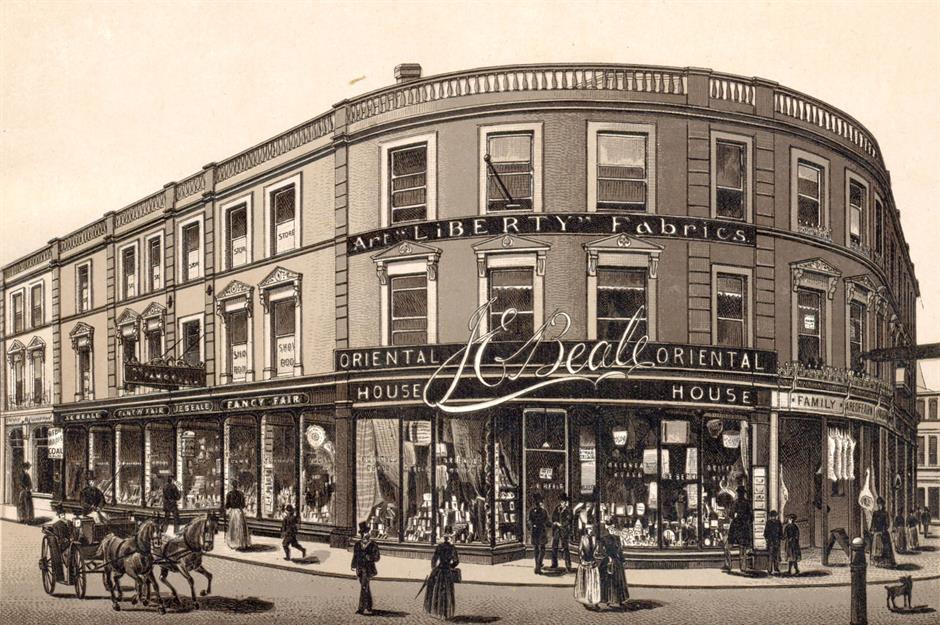
They survived wars, revolutions and economic depressions – only to be floored by online competition, soaring overheads, and the COVID-19 pandemic. From iconic department stores to specialist shops, these venerable brick-and-mortar retailers have closed for good in the past few years. Incredibly, one major name got started as long ago as 1670, while the most time-honoured was in business for over half a millennium...
Once the pride of cities, towns, and villages, yet now sadly consigned to history, read on to discover the oldest casualties of the global retail meltdown.
Birchalls (Australia), founded in 1884
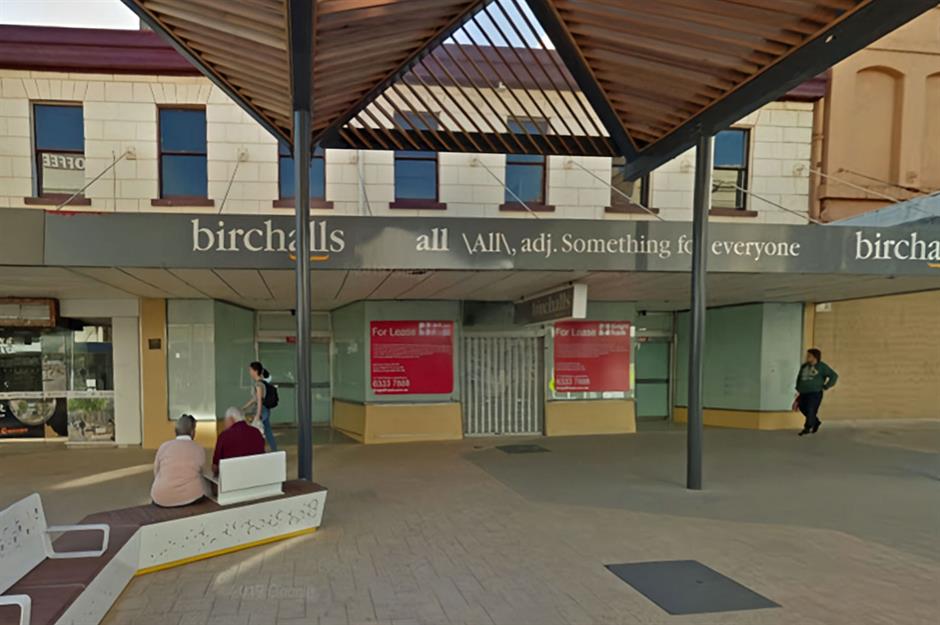
Birchalls was Australia's most venerable bookstore when it shuttered in 2017. Founded in 1884, the Launceston stalwart had an impressive claim to fame: its namesake owner J A Birchall invented the commercial notepad in 1902.
This Tasmanian relic of a bygone age was put up for sale in 2016. But with nobody willing to take it on, which isn't surprising given the fierce competition from online sellers like Amazon, the owners made the difficult decision to call time on the business.
Beales (UK), founded in 1881
This storied department store began trading in Bournemouth in 1881 and claimed to be the first to feature a real-life Father Christmas. Beales eventually developed into a chain of 23 branches. But the business started to struggle in the 2010s as internet competition and surging business rates hit its bottom line.
Beales went into administration in 2020, leading to the closure of all its stores. Three branches were later acquired and reopened, but they've since gone under. The last remaining store, in Poole's Dolphin Centre, shut in May this year, with company boss Tony Brown blaming the recent rise in the UK minimum wage and employee social security contributions for the closure.
Sponsored Content
Smith & Caughey's (New Zealand), founded in 1880
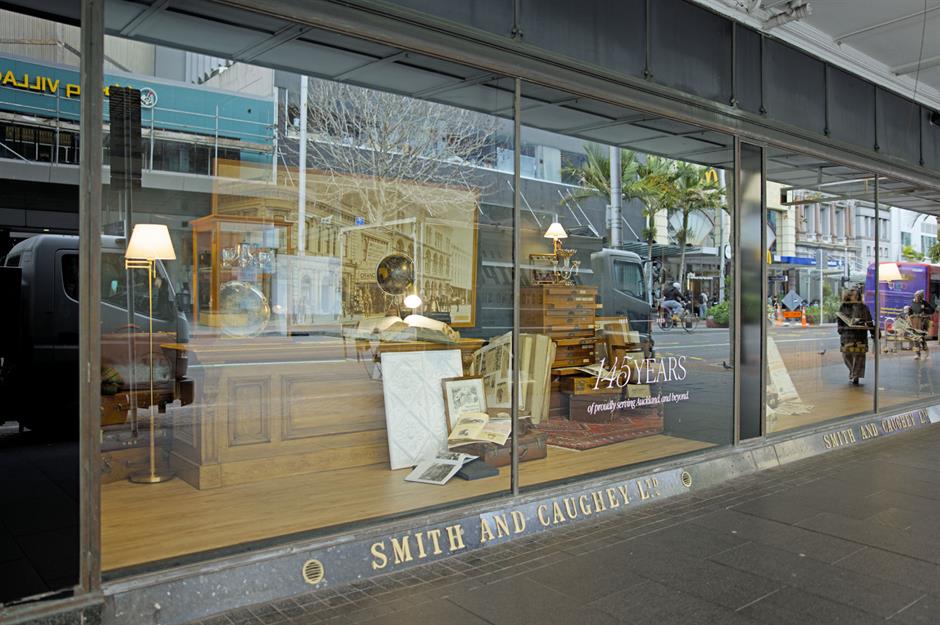
New Zealand's biggest city has just lost its oldest department store. A fixture on Auckland's Queen Street for 145 years, Smith & Caughey's, which was famed for its magical Christmas windows, served its last customer in July. The smaller Newmarket offshoot is also no more.
The closure was blamed on declining footfall, with fewer shoppers around due to remote working, infrastructure issues in central Auckland, and competition from online retailers, as well as out-of-town malls.
Bright & Sons (UK), founded in 1859
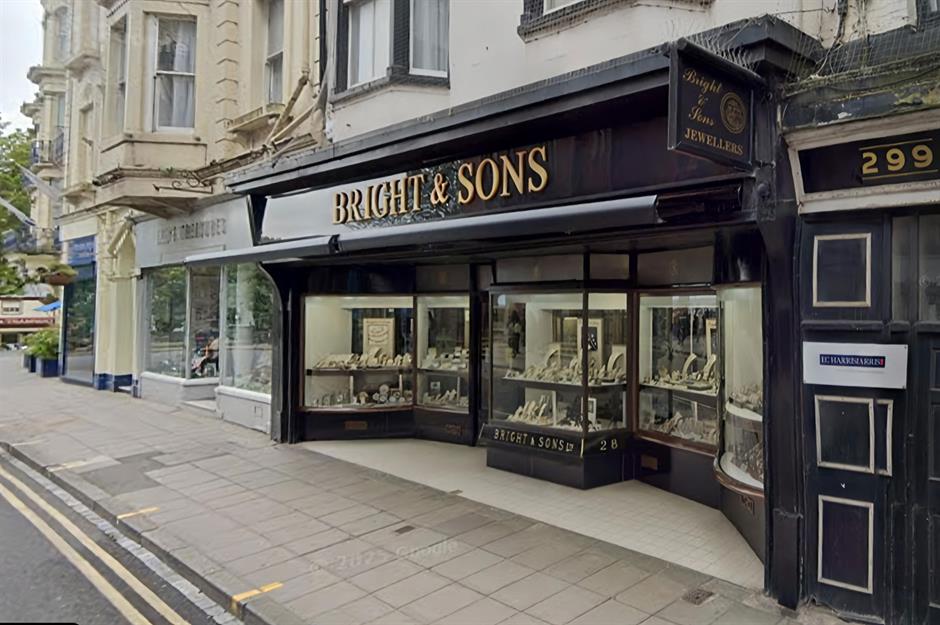
A much-loved local jeweller's in Scarborough, Bright & Sons has served the community for 165 years, and once crafted a ceremonial chain for the mayoress of the Yorkshire seaside town to mark Queen Victoria's Diamond Jubilee. But the unforgiving retail landscape of the last few years hasn't treated the business kindly.
With times extra-tough, the jeweller recently announced it'll be closing in October, and is currently in the midst of a closing-down sale.
Younkers (USA), founded in 1856
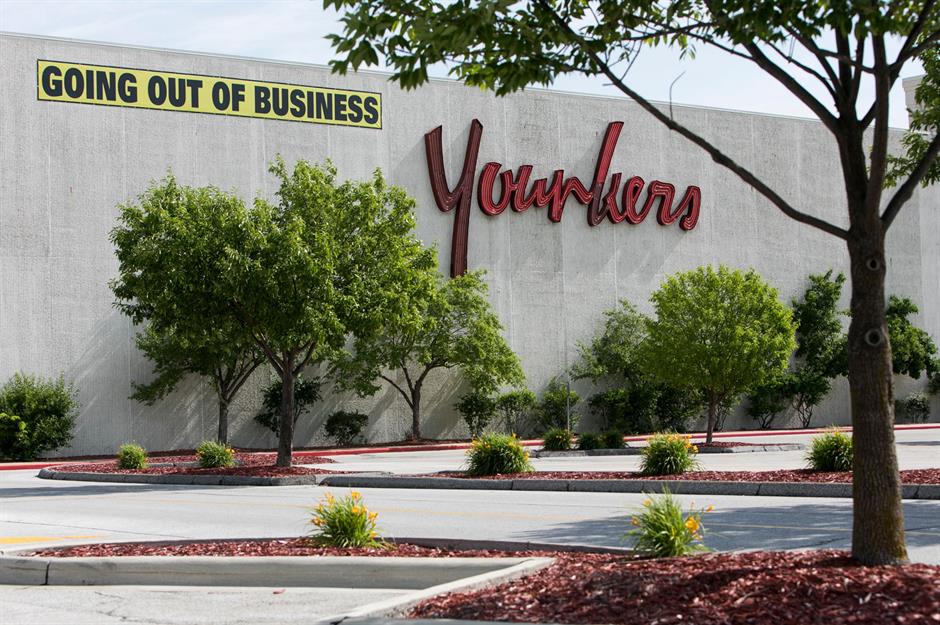
Younkers began in 1856 as a family-run dry goods store in Keokuk, Iowa founded by three Polish-Jewish immigrant brothers. After relocating to Des Moines, the retailer set new standards for shopping in the Midwest. It introduced Iowa’s first escalators and air conditioning system, while the store's fancy Tea Room became the place in the city to hold formal gatherings.
The chain expanded across the region and dominated Iowa’s retail scene for generations. In the 1990s it became part of the Proffitt’s retail group, which later evolved into Saks Incorporated. Saks sold Younkers to The Bon-Ton in 2006, and when The Bon-Ton filed for bankruptcy in 2018, all Younkers stores closed. The brand still exists online, though a plan to reopen physical locations never materialised.
Sponsored Content
Carson's (USA), founded in 1854
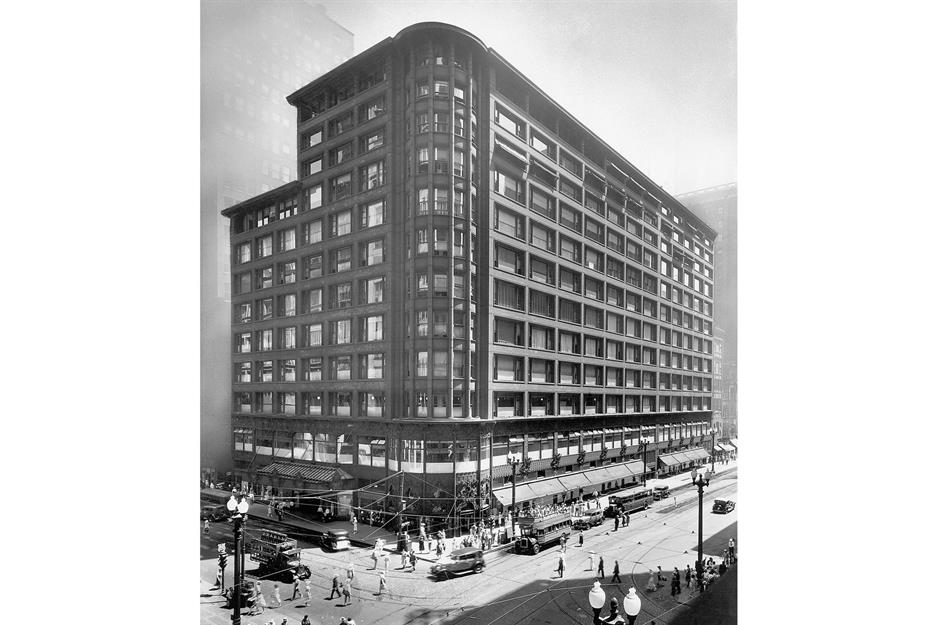
Founded just two years before Younkers, Carson's was established as a dry goods store in Amboy, Illinois by Samuel Carson and John Pirie, recent arrivals from Northern Ireland. The business quickly grew, opening its first Chicago branch in 1867. Retailer Robert Scott joined in 1890, giving the business its long-time name, Carson Pirie Scott & Co.
At its peak, the chain had 52 locations across the Midwest, including a stunning Chicago flagship, renowned for its architecture and window displays. Like Younkers, Carson's ended up under the ownership of Saks in the 1990s. It too was sold to The Bon-Ton in 2006 and went the way of Younkers when The Bon-Ton collapsed in 2018. The Carson's brand was later resurrected as an online-only store, but the website has been in limbo since 2021.
Burchall's (UK), founded in 1840
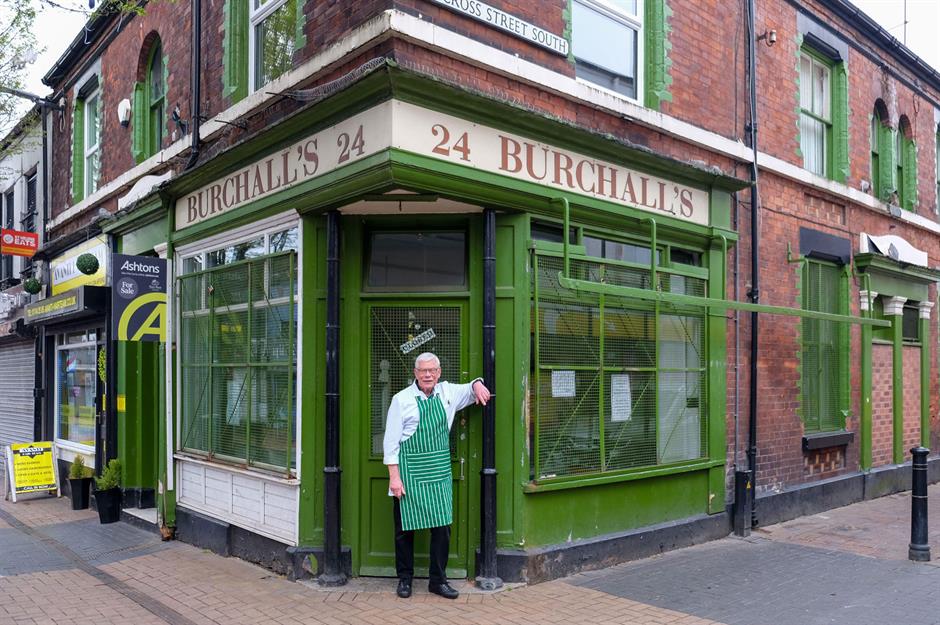
Not to be confused with the previously mentioned Aussie bookstore, Burchall's was a historic butcher's and pie shop in St Helens near Liverpool. Known far and wide for its handmade pork pies, the 185-year-old store was a big hit with locals and visitors alike. But the beloved retailer has gone the way of Birchalls after its fifth-generation owner John Burchall retired.
Burchall put the business on the market in 2024, but with no acceptable offers on the table, he hung up his apron and the shop closed its doors for the last time in March.
Palmers (UK), founded in 1837
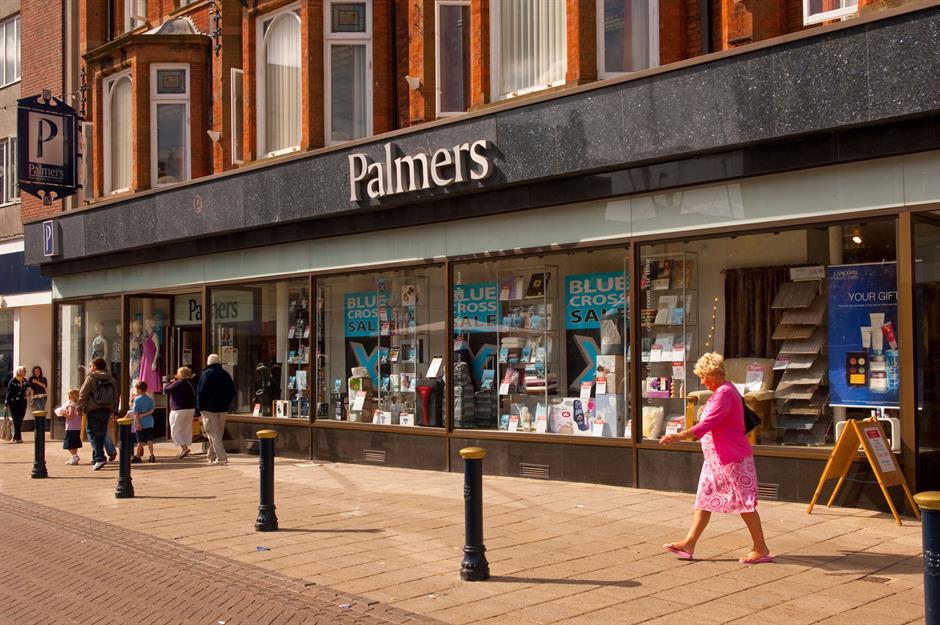
An institution in the UK seaside town of Great Yarmouth, Palmers graced the market square for 183 years. The department store was sold by the Palmer family to Beales in 2018, a decision that would seal its fate.
As we've mentioned, Beales collapsed in 2020. As a consequence, Palmers ceased trading in March of that year. Fortunately, the historic Palmers building was saved and has since been converted into a state-of-the-art educational hub called The Place.
Sponsored Content
Bratts (UK), founded in 1835
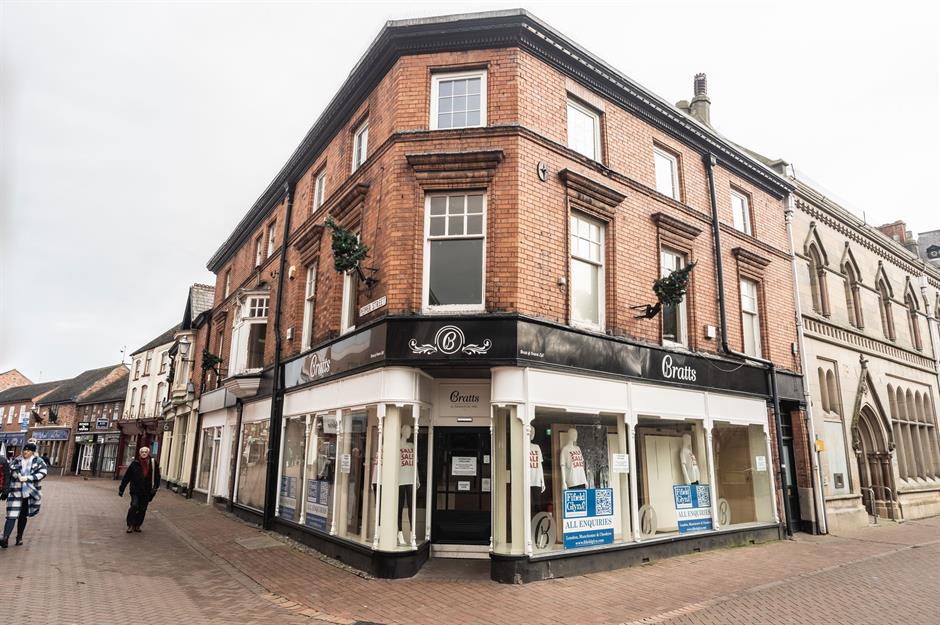
Bratts in Nantwich dates all the way back to the Georgian era. The Cheshire business began life in 1835 as gentlemen’s outfitters Stretch & Harlock. It evolved into department store Bratts after being acquired by the Gray family, who ran Bratts of Northwich, in 1927.
The Northwich store was shut down in 2021 after suffering major flood damage during Storm Christoph, with the pandemic's impact on trade another key cause. As for the Nantwich branch, long-time owner Tim Gray announced his retirement in 2022, and with no family members to take the reins, the store closed for good in December of that year.
Austins (UK), founded in 1830
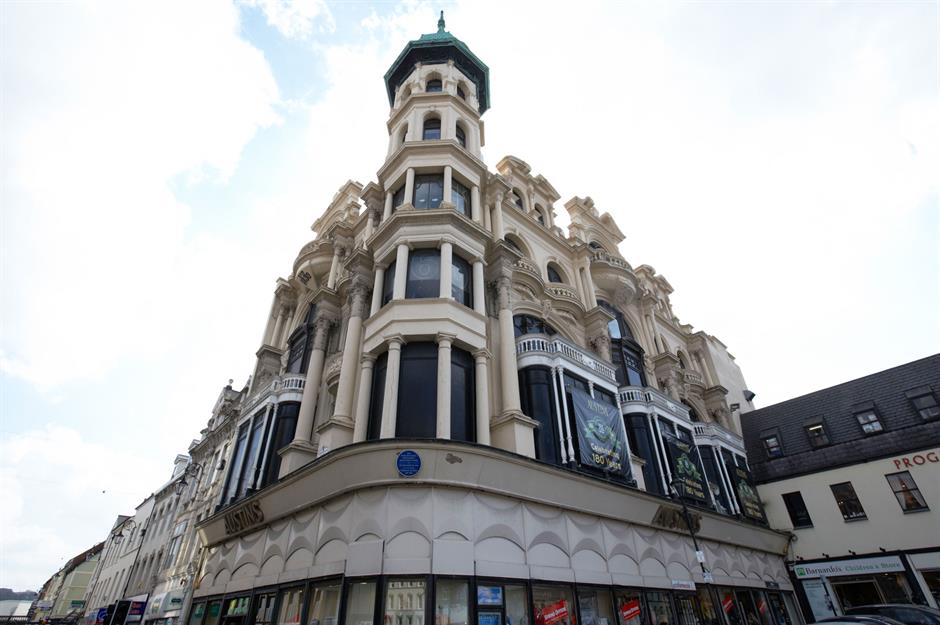
Austins was at the heart of Derry for almost two centuries, serving generations of shoppers in the city and beyond.
Established in 1830, the elegant independent department store survived partition and the Irish Troubles before succumbing to modern retail trends, including online shopping and competition from out-of-town malls. In 2016, Austins, one of the last bastions of its kind in Northern Ireland, closed its doors forever.
Lord & Taylor (USA), founded in 1826
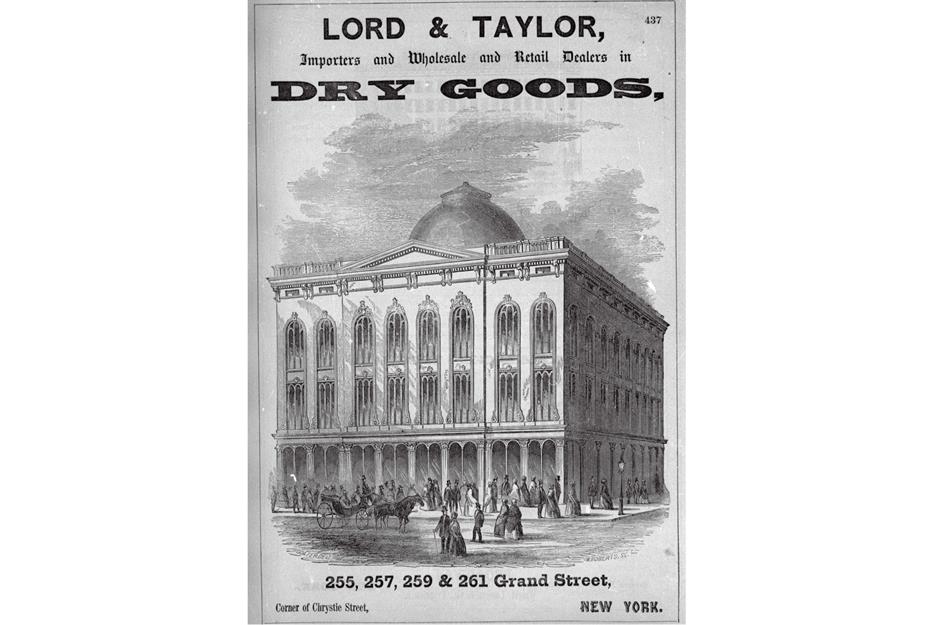
Once billed as America's oldest department store, the sophisticated Lord & Taylor served as a landmark for affordable luxury and personal service for nearly two centuries. Founded in New York City in 1826, the chain made it through two World Wars and the Great Depression, but ultimately filed for bankruptcy in 2020 amid the pandemic.
After a 195-year run, Lord & Taylor's remaining physical stores closed for good in February 2021, though the brand has survived online.
Sponsored Content
McCullough Pigott (Ireland), founded in 1823
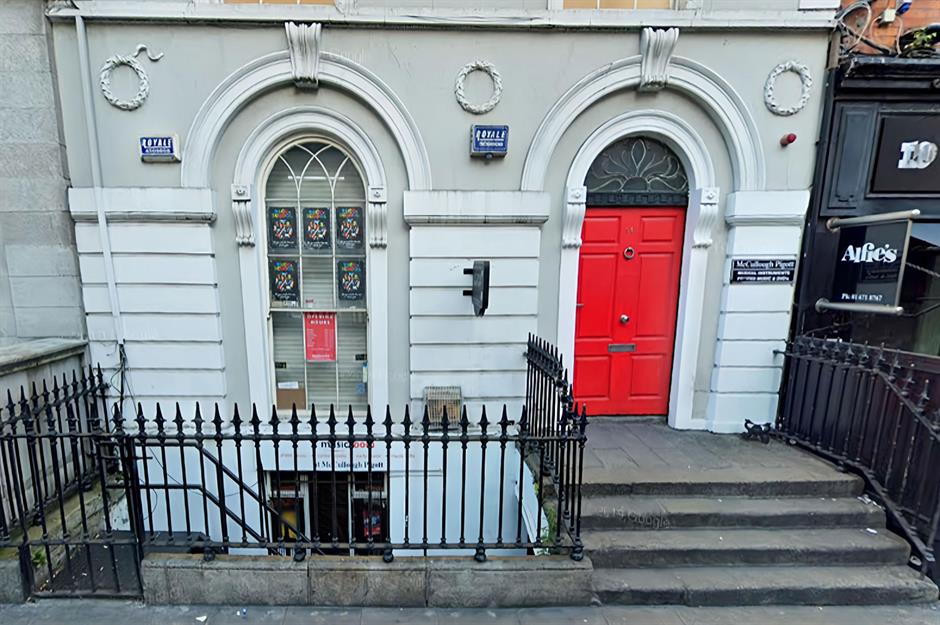
One of Dublin’s most cherished music shops, McCullough Pigott began as Pigott on Grafton Street in 1823 before merging with Denis McCullough’s luthier business in the 1960s.
Generations of music students bought their instruments and sheet music there. After moving to South William Street in 2008, the store was acquired by sheet music publisher Hal Leonard, which announced its closure in 2023, citing rising costs and the shift to digital sales. Despite petitions from teachers and musicians, the 200-year-old store couldn't be saved and struck its final chord not long after.
McAlister's (UK), founded in 1800
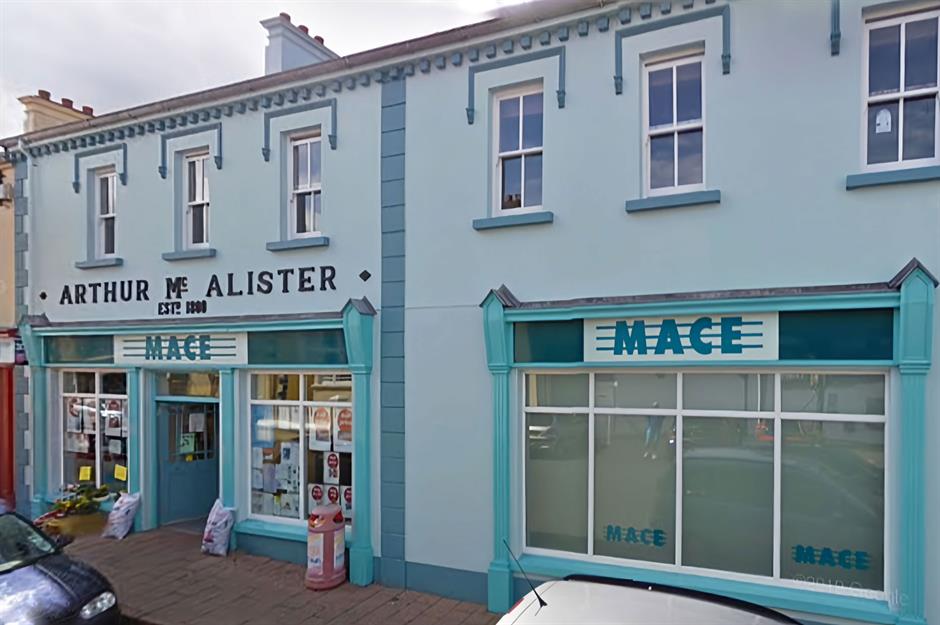
A Cushendall mainstay for over two centuries, the family-run McAlister’s first served the County Antrim village in 1800 and ended up passing through eight generations. In 2017, intensifying pressure from supermarkets and the rise of online shopping made the business unsustainable, and the store shut its doors for the final time.
The closure has been felt deeply in the community, with locals undoubtedly still mourning the demise of the shop.
Eve & Ranshaw (UK), founded in 1781
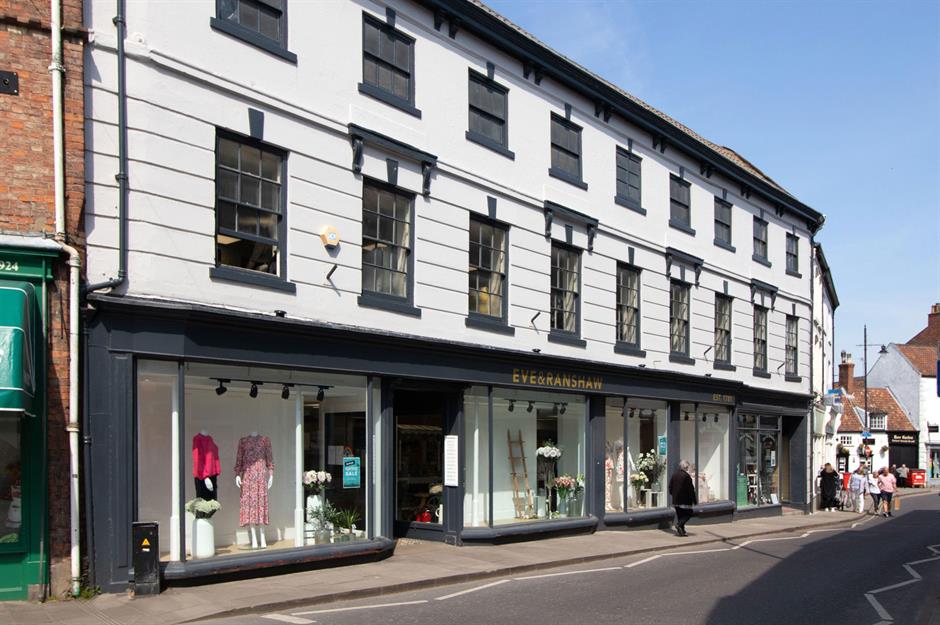
Department store Eve & Ranshaw anchored the retail offering in the Lincolnshire market town of Louth for 242 years, having started out in 1781 selling groceries, wool, and linen. But in 2023, the business buckled under the pressure of online competition, escalating energy costs, and the impact of the pandemic, and was forced to close.
Fondly remembered by locals for its unique products and extra-helpful staff, the store is sorely missed.
Sponsored Content
Debenhams (UK), founded in 1778
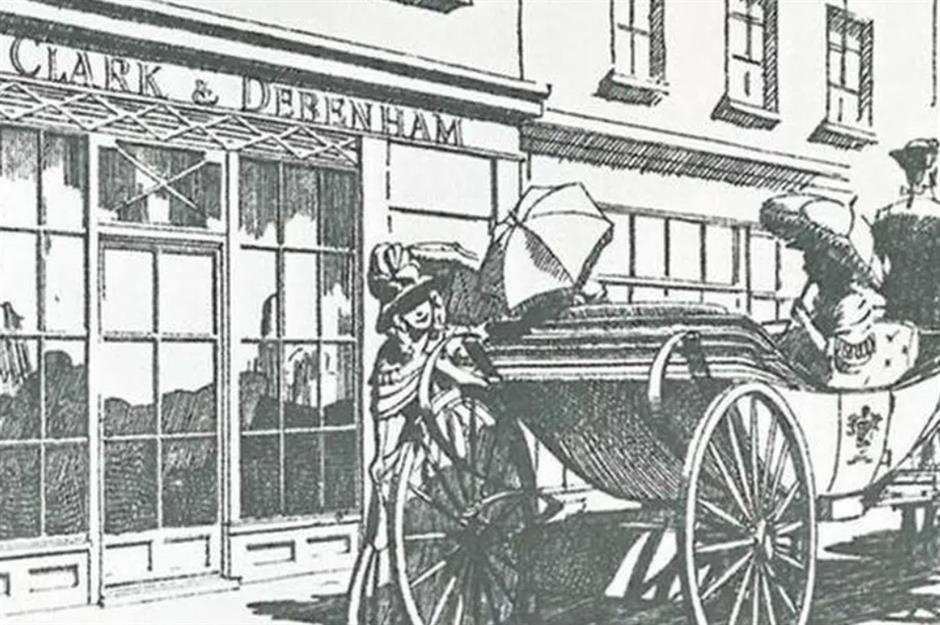
Starting life as a luxe draper’s shop in London’s West End, Debenhams grew into one of the world’s most famous department store chains, with more than 200 outlets across 18 countries in its heyday. It became a household name thanks to acquisitions, prime locations, and the hugely popular Designers at Debenhams ranges.
Yet skyrocketing debts, expensive leases, and the unstoppable rise of e-commerce left the brick-and-mortar retailer fatally exposed. After almost 250 years on the high street, its remaining 124 stores closed in 2021. Debenhams has however managed to live on as an online-only brand.
Boswells of Oxford (UK), founded in 1738
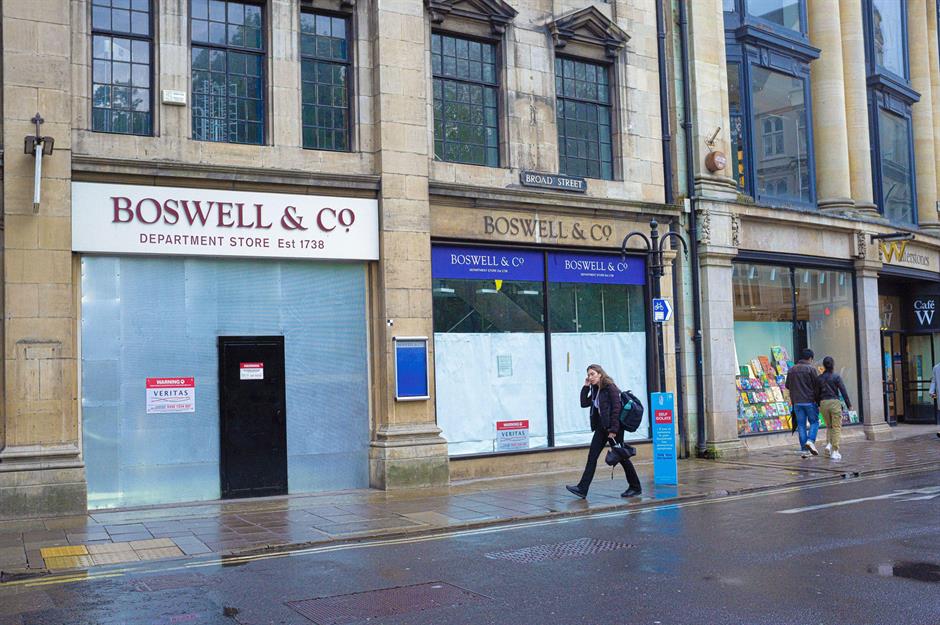
Boswells of Oxford began in 1738 as a travel goods store but evolved into a fully fledged department store over the centuries, stocking everything from homeware and haberdashery to toys.
Long part of the fabric of the 'city of dreaming spires', Boswells faced a retail nightmare in the 2010s as online shopping and out-of-town destinations like designer outlet Bicester Village sapped trade. COVID-19 delivered the final blow and the business, which was thought to be the second-oldest family-run department store in the world, closed for good in 2020. Its historic building has since been transformed into a luxury hotel.
Bennetts (UK), founded in 1734
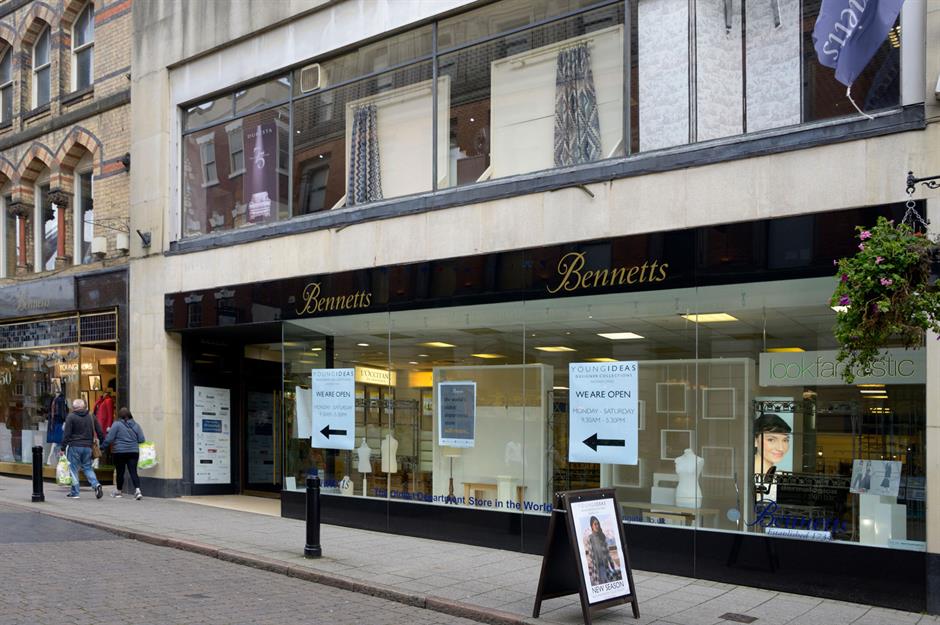
Bennetts dated back to 1734, when it started out as an ironmonger's on Derby's Iron Gate. The business gradually expanded into a full-line department store, selling a vast range of products by the late 1800s. By the 21st century, Bennetts was marketing itself as the world’s oldest department store.
In any case, the store's illustrious pedigree couldn't save it from this century's retail apocalypse. Battered by internet competition and ballooning costs, Bennetts closed down in 2019. The name has since been revived online and through pop-ups, while the heritage building is being redeveloped into retail units, offices, and apartments.
Sponsored Content
Hudson’s Bay (Canada), founded in 1670
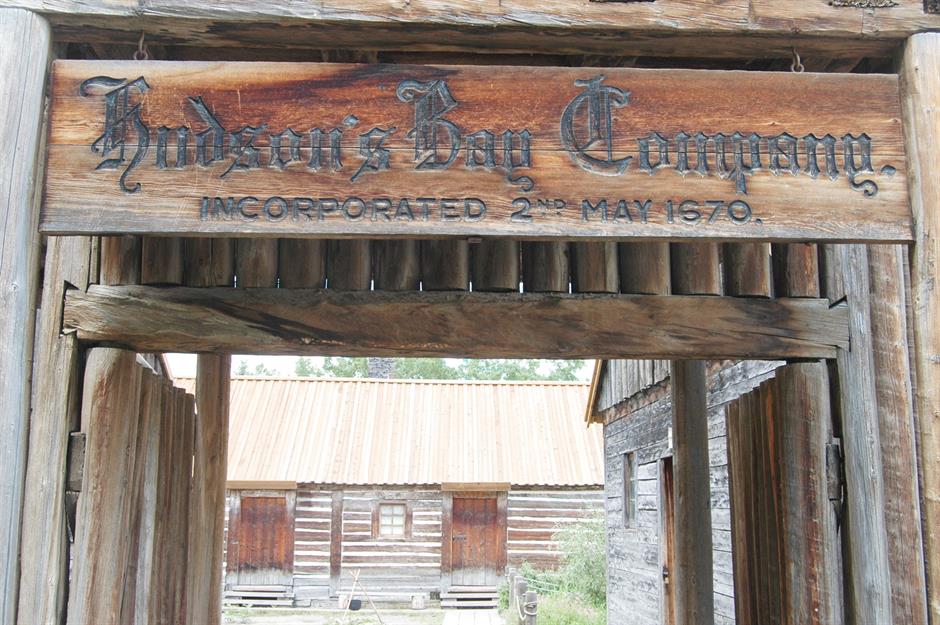
Older than Bennetts by 64 years and the most venerable corporation in North America, the Hudson’s Bay Company was granted a royal charter way back in 1670. That's nearly two centuries before Canada even became a country. It began as a fur-trading empire before shifting into retail in the 19th century. For generations, 'the Bay' was Canada’s leading department store. But after 355 years, its long reign is finally over.
In June, Hudson’s Bay closed all 80 of its stores, citing debt, pandemic pressures, and falling foot traffic. Canadian Tire has since acquired the company’s trademarks, but while the name may survive, the stores are now part of history.
Maruei (Japan), founded in 1615
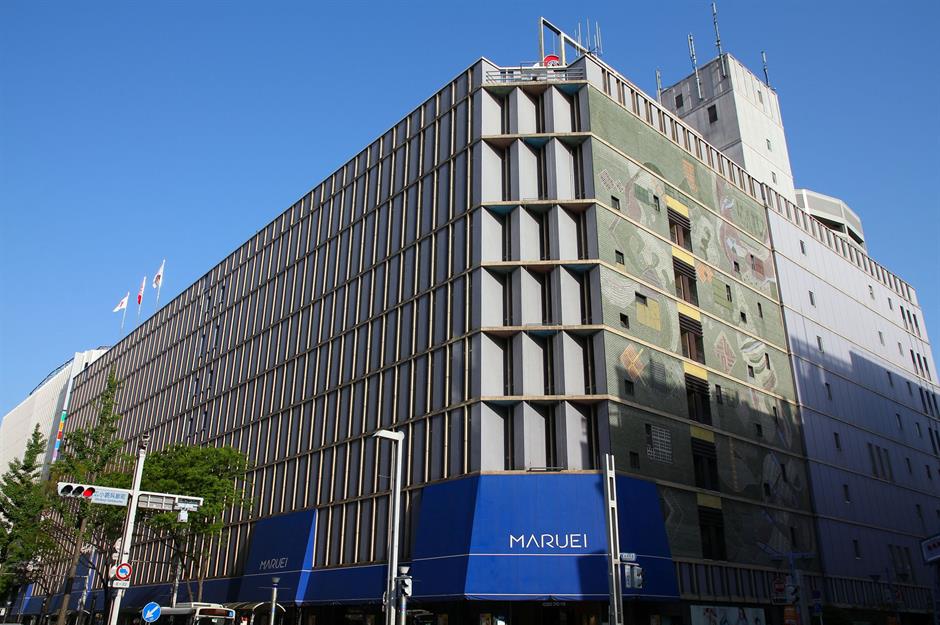
Even older than Hudson’s Bay, Maruei began life in Nagoya in 1615 as the Juichiya kimono shop at the dawn of Japan’s Edo period and during the legendary age of the shoguns. The store survived centuries of upheaval, from famines to wars, eventually growing into a proper department store.
Like many Japanese retailers, Maruei faltered during the country’s 1990s 'lost decade', and its financial troubles deepened in the new millennium as online shopping and falling foot traffic eroded revenues. After more than 400 years of trading, the store finally closed its doors in 2018.
Arthur Beale (UK), founded around 1500
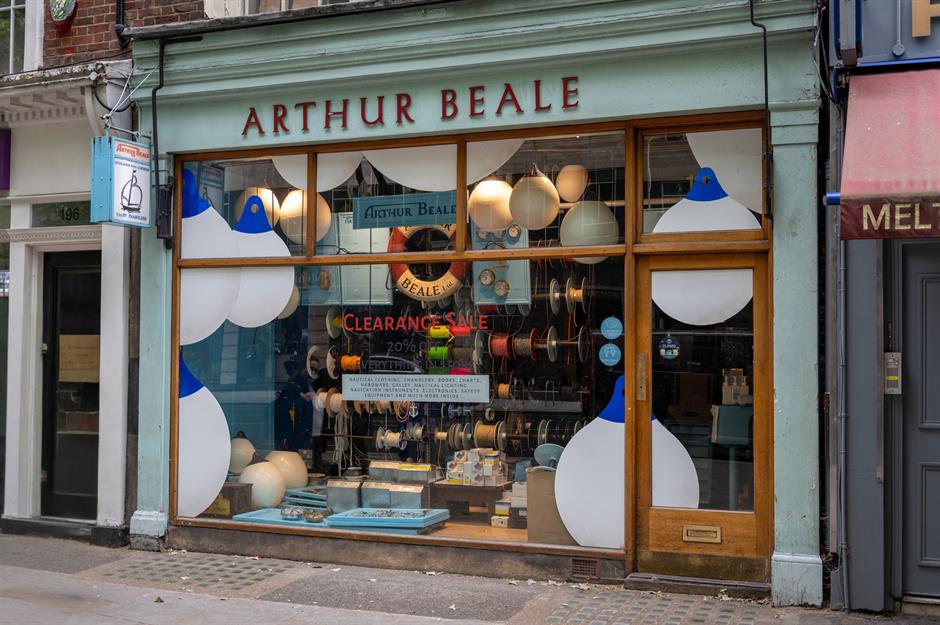
With roots stretching back over five centuries, Arthur Beale started out in around 1500 as John Buckinghams, a rope-maker in London’s St Giles. The firm later relocated to Shaftesbury Avenue, where it became the capital’s most distinguished chandler's.
Renamed in the early 20th century after Arthur Beale, a former office boy who rose to run the company, it supplied ropes and equipment to generations of sailors and explorers, from Antarctic adventurer Ernest Shackleton to Everest pioneer Tenzing Norgay. Exorbitant rent and the pandemic finally forced the West End shop to close in 2021, though the business has continued online.
Now discover the oldest debts in history and the stories behind them