The oldest debts in history and the stories behind them
Discover the centuries-old IOUs that have outlasted empires
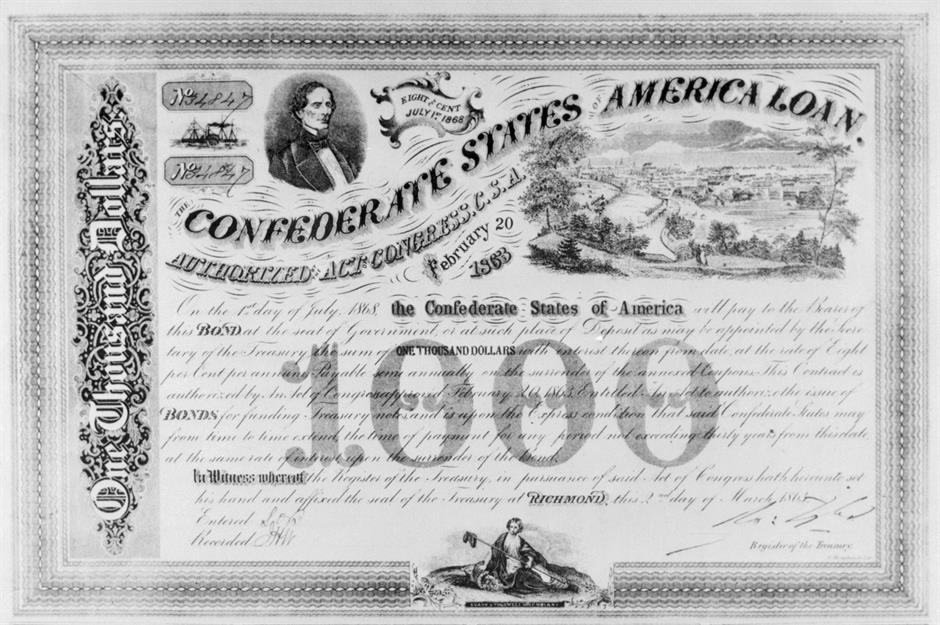
Think your mortgage or car loan is taking forever to pay off? History's most stubborn financial liabilities span hundreds of years, enduring wars, revolutions, and the fall of nations. A few remain outstanding, while some were only recently settled, and others linger in legal limbo.
From Confederate Civil War bonds to the 17th-century Dutch water securities that continue to pay out today, read on to discover the oldest IOUs of all time. All dollar amounts in US dollars.
Russian Imperial bonds
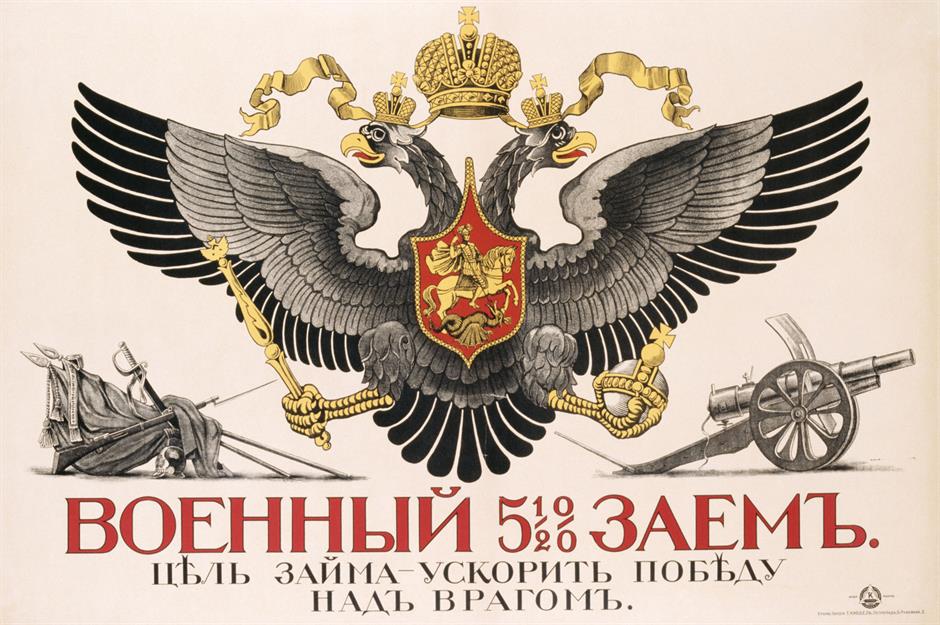
In 1918, a year after it toppled the Tsarist regime, the new Bolshevik government sent shockwaves through the global economy when it defaulted on Imperial Russia's foreign debt, wiping out obligations worth the equivalent of trillions of dollars today.
The former empire had used bonds to borrow heavily for wars and industrialisation, with investors in France and Britain the major creditors. This audacious act triggered the longest and most complex sovereign debt dispute in history, clouding Moscow's relations with the West for decades.
Russian Imperial bonds
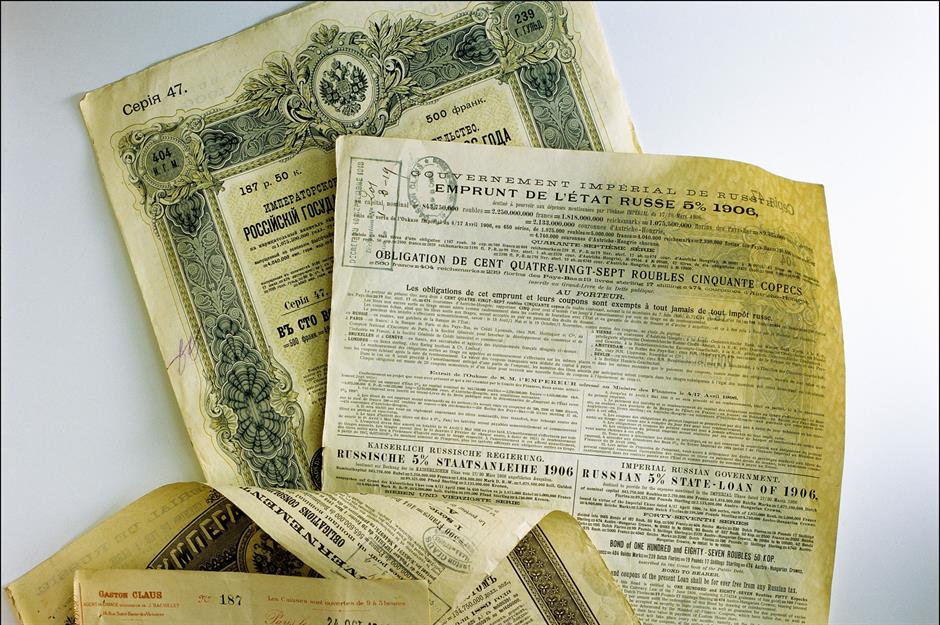
After years of wrangling, a settlement was reached with British bondholders in 1986. But it amounted to a mere 2% of the bonds' estimated value – and creditors from France, who held much of Imperial Russia's foreign debt, fared even worse. In 1997, Russia agreed to pay France a disappointing $400 million (£300m), just 0.2% of their then-projected value of $200 billion (£150bn).
The payouts were modest because Russia argued it had no legal obligation to honour Tsarist-era debt and framed the settlements as goodwill gestures. Though the issue was officially closed, many surviving bondholders and heirs were left disgruntled. To this day, some are still fighting for a fairer deal.
Sponsored Content
Germany's World War I reparations
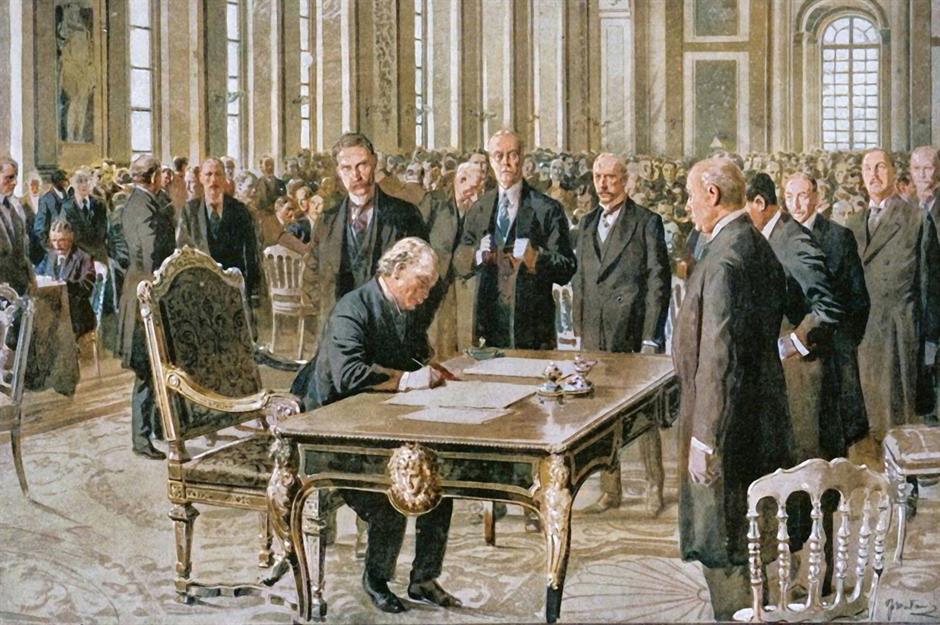
After World War I, Germany was ordered to pay 132 billion gold marks in reparations under the 1919 Treaty of Versailles, the equivalent of more than $500 billion (£376bn) today. The onerous debt led to immense economic strain and political instability in Germany, helping to pave the way for the rise of Hitler and ultimately World War II.
With the Weimar Republic grappling with economic turmoil, payments slowed and the total debt was reduced to 112 billion gold marks by the end of the 1920s. These payments were frozen at the 1932 Lausanne Conference and formally stopped when the Nazis came to power the following year.
Germany's World War I reparations

After the Second World War, West Germany agreed to resume repayments and renegotiated the terms under the 1953 London Agreement, cutting the debt in half and deferring part of the interest until the country was once again united. By 1980, the core debt had been repaid. But the deferred interest was reactivated after Germany reunified in 1990.
The final instalment of $94 million (£60m) was paid in 2010 on the 20th anniversary of reunification. With that, Germany officially closed the book on its First World War reparations, nearly a century after the Treaty of Versailles.
Britain's World War I debt to the US
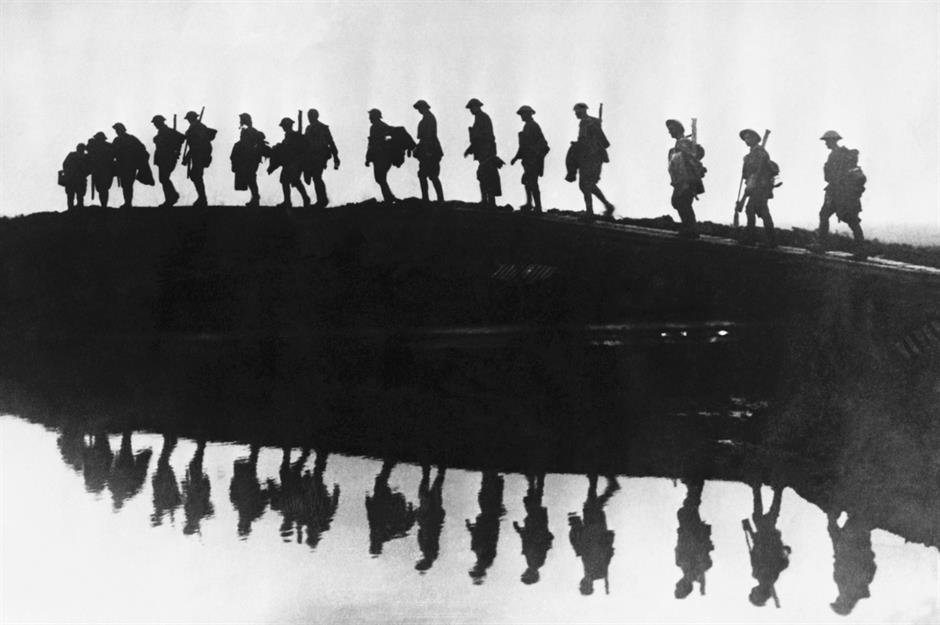
During World War I, Britain borrowed $4 billion from the US to fund its war effort. But after the 1932 Lausanne Conference froze German reparations, many nations stopped honouring war debts altogether. The UK made a few token payments following the conference.
Then in 1934, the nation quietly defaulted. It never officially cancelled the debt, and the US Treasury has never officially forgiven it. As historian David James Gill notes in his 2022 book about the debt called The Long Shadow of Default, the unpaid sum has ballooned to $16.7 billion (£12.6bn) with interest.
Sponsored Content
Britain's World War I debt to the US
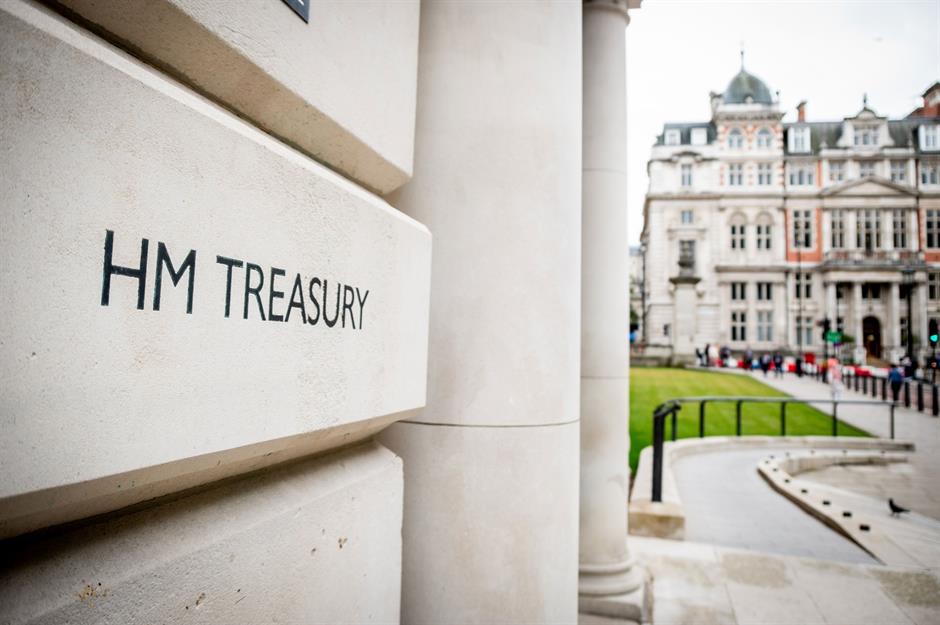
The default didn’t have much of a financial impact, but it left diplomatic bruises. It stirred US isolationism, possibly even delaying America's involvement in World War II, and cast a long shadow over the tough 1946 Anglo-American loan.
Britain’s unpaid debt lingered in the background, straining its famed 'special relationship' with the US for decades, though it's largely forgotten about today. The UK Treasury is no doubt hoping President Trump doesn’t stumble upon this particular IOU...
Hukuang Railway bonds
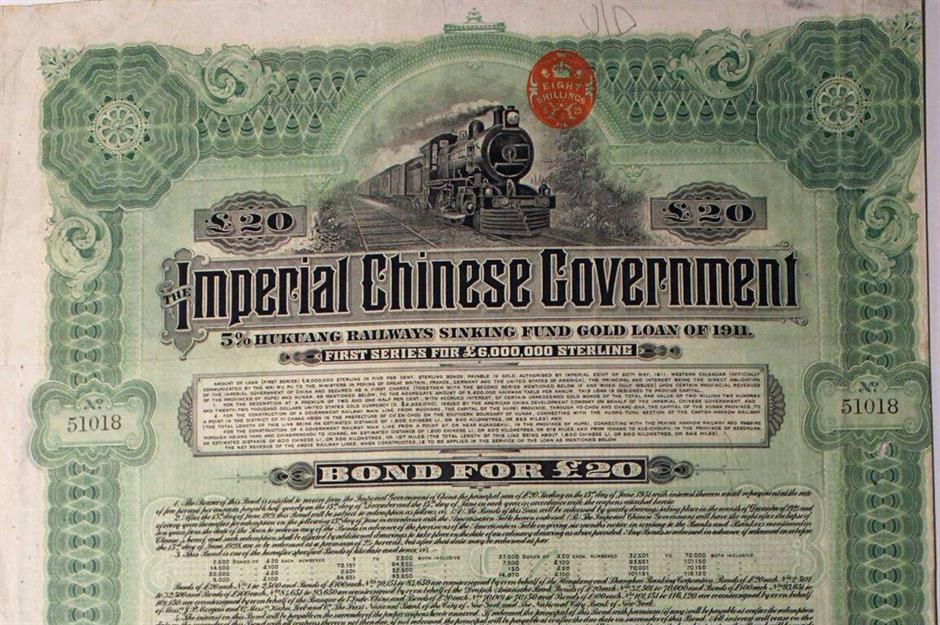
In 1911, just before the Qing Dynasty collapsed, the Imperial Chinese government issued bonds to fund the Hukuang Railway, selling them to investors in the US, UK, France, and Germany. The Republic of China later issued additional bonds, but defaulted on the whole lot in the 1930s.
When the Communist government arrived in power in 1949, it flatly repudiated the bonds, shunning them as “odious debt” from corrupt past regimes. Left in limbo, investors have spent decades trying – and failing – to collect.
Hukuang Railway bonds
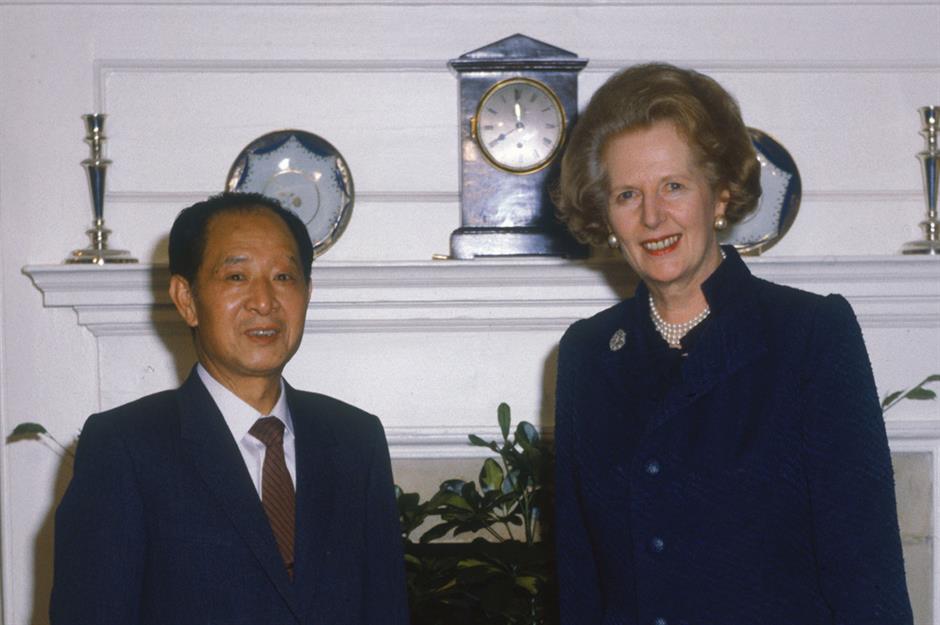
British bondholders were partially compensated in 1987 after the UK struck a deal with Beijing to settle pre-1949 debts. But investors from other countries haven’t seen a cent.
In the US, campaigners backed by members of Congress claim the debt has ballooned to $1.6 trillion (£1.2tn). They argue the People's Republic must honour it as the Republic of China’s mainland successor. Unsurprisingly, Beijing disagrees, and US courts have consistently thrown out lawsuits over the bonds for lack of jurisdiction.
Sponsored Content
Confederate States of America bonds
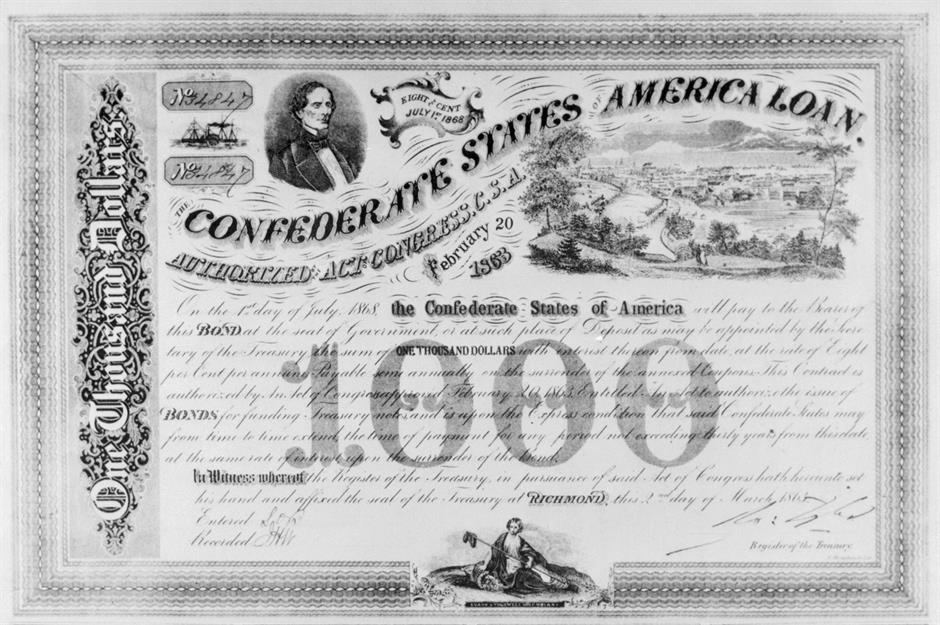
During the American Civil War, the Confederate States issued bonds worth the equivalent of billions of dollars today to fund their rebellion, mainly to British aristocrats who were sympathetic to their cause.
When the Confederacy collapsed in 1865, the US government refused to honour any of this debt. Section 4 of the 14th Amendment explicitly declares that neither the US as a whole nor any individual state will pay obligations incurred in aid of insurrection.
Confederate States of America bonds
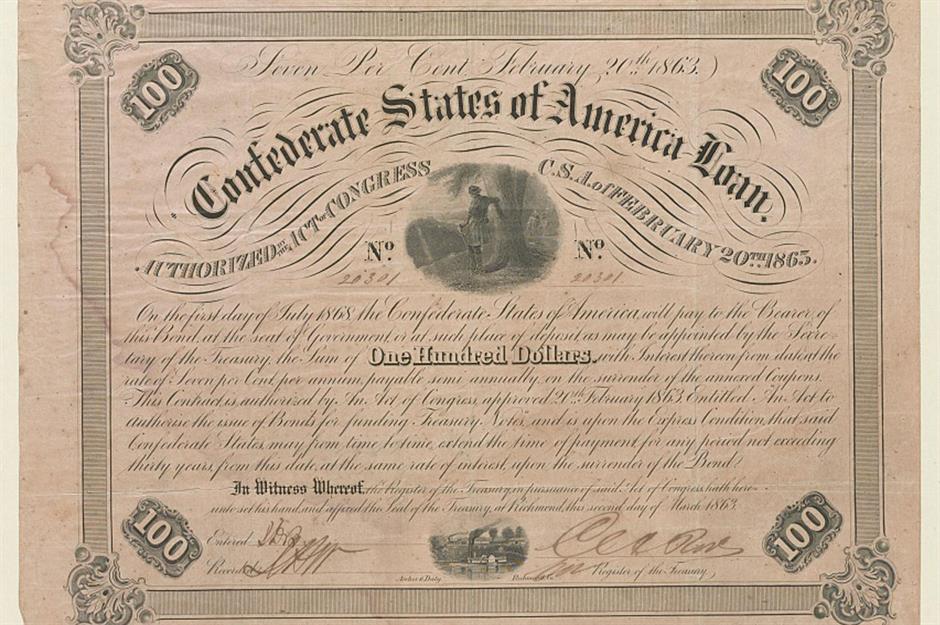
Despite the 14th Amendment, British investors teamed up with French creditors in 1884 and appointed four trustees to attempt to recoup what they were owed. Of course, their efforts were in vain.
A UK court dealt the final bitter blow in 1924 when it deemed the bonds worthless and valuable only as souvenirs, according to a Time magazine article from the era.
Erlanger Cotton Loan bonds
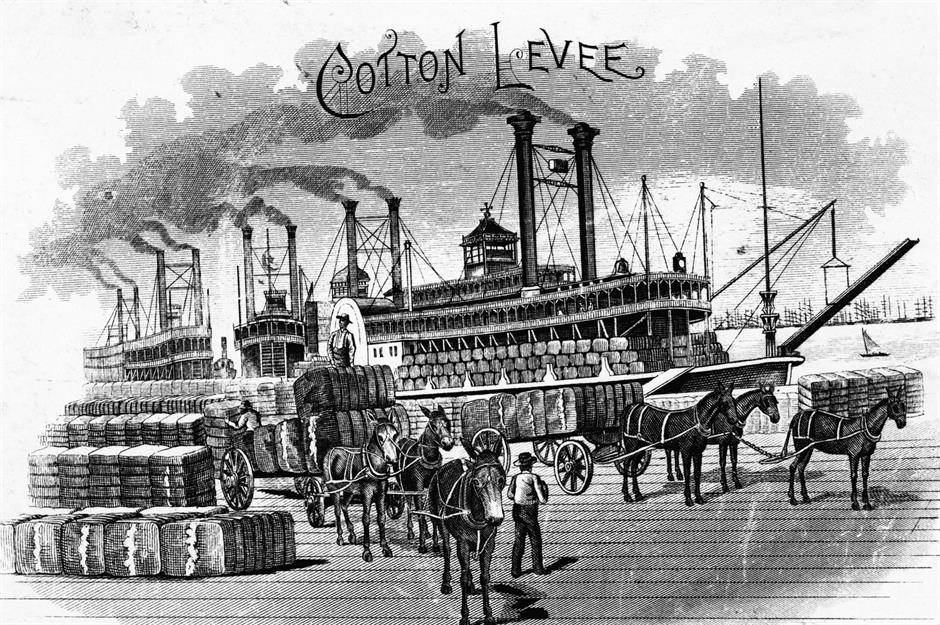
Among Confederate bonds, the Erlanger Cotton Loan bonds were unique. Issued in London in 1863, they were backed by cotton rather than cash. Buyers were promised repayment in bales of the fibre, a critical raw commodity for European mills.
Though intended to pay a healthy rate of interest over 20 years, the bonds lost value rapidly as the Confederacy’s defeat became certain. Yet they continued to trade on the London Stock Exchange for years, kept on life support by the hope of repayment, in spite of the breakaway republic's collapse.
Sponsored Content
Erlanger Cotton Loan bonds
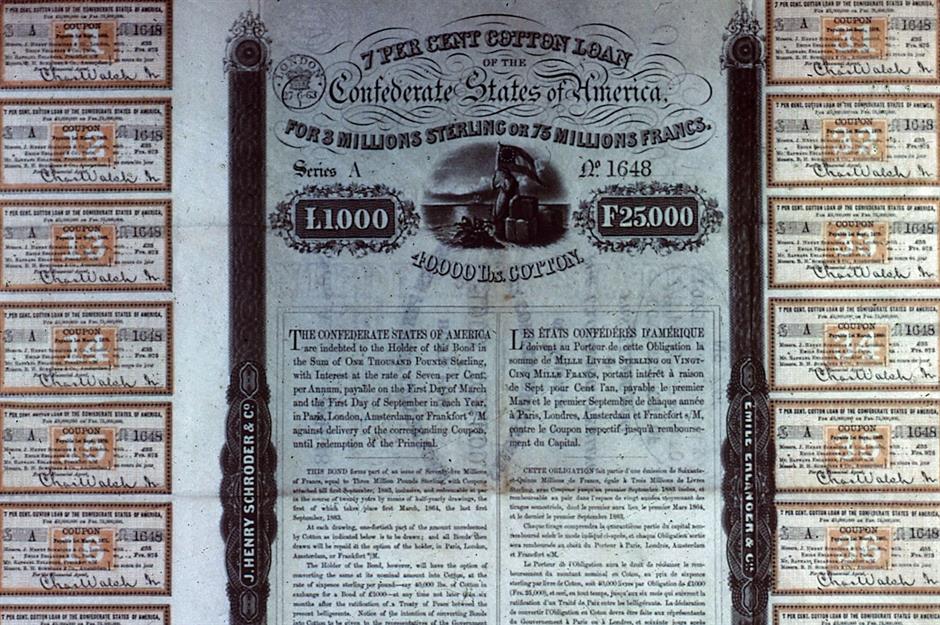
The London trading finally dried up in the late 1880s when it became abundantly clear the US government would never oblige.
The bond certificates are nonetheless sought-after by collectors. In 1987, a stash of 75,000 sold at a Sotheby's London sale for $623,000, around $1.8 million (£1.4m) adjusted for inflation, and these days, they fetch from several hundred to several thousand dollars apiece.
Haiti's independence debt to France
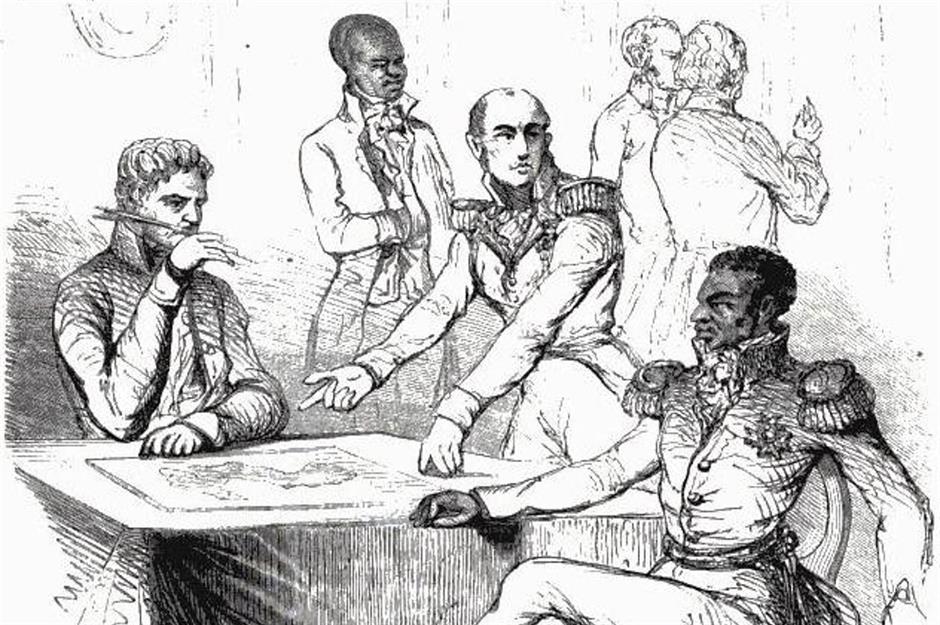
In 1825, France demanded 150 million gold francs from Haiti as compensation for the loss of enslaved people following the Caribbean nation's independence 24 years prior. Equivalent to six times the country's annual output and twice what the US paid France for the Louisiana Purchase, the figure was absurdly inflated.
This tax on liberty was financed by high-interest loans from French banks and took a staggering 122 years to pay off, with the final payment made in 1947. For generations, the descendants of enslaved people had to compensate the masters' heirs. And while the debt has been settled, the Haitian people are still paying dearly for this injustice.
Haiti's independence debt to France
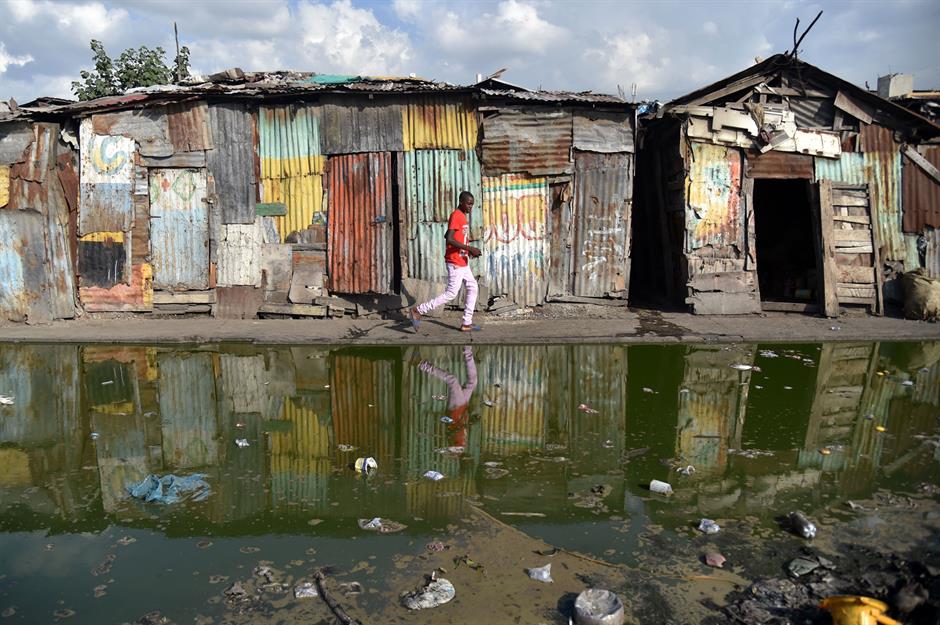
To meet the colossal repayments, Haiti diverted vast sums away from healthcare, education, and infrastructure. At points, up to 80% of its national budget went to servicing the debt.
Historians and economists now argue this “independence ransom” locked the country into a vicious cycle of underdevelopment and perennial grinding poverty. Earlier this year, France established a historical commission on the debt, but for many Haitians, it's a case of too little, too late.
Sponsored Content
America's revolutionary debt to Spain
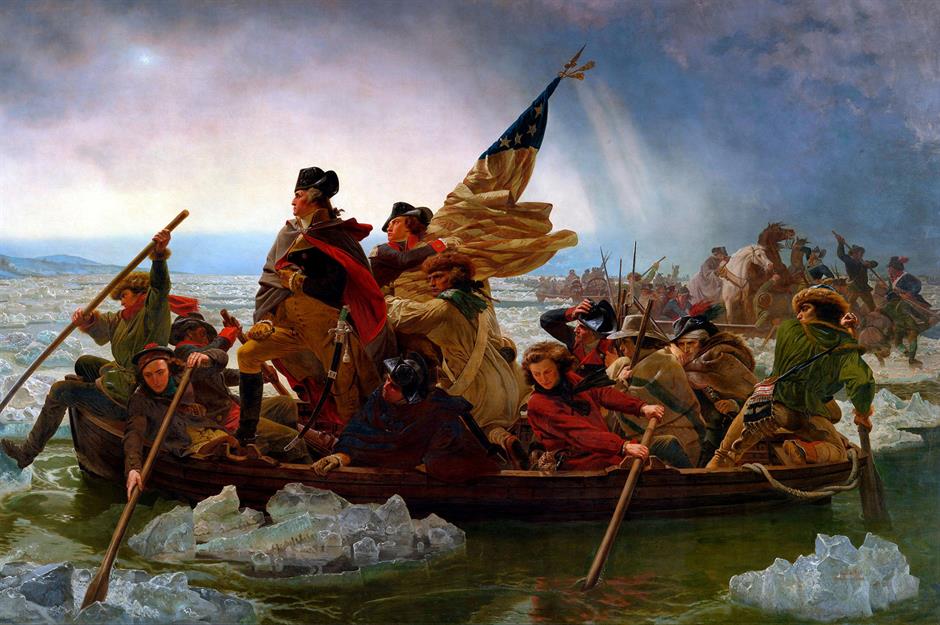
Spain played a pivotal but often overlooked role in the American Revolution.
The European power helped weaken Britain's military power in North America by engaging it in conflicts like the Siege of Pensacola in 1781. It also provided the Thirteen Colonies with much-needed weapons, medicine, and troops, not to mention millions of silver pesos. But Spain's largesse was never repaid.
America's revolutionary debt to Spain
As reported by AS USA in March, historians have suggested this forgotten tab now stands at an astronomical $12 trillion (£9tn) when interest is factored in.
The US has never acknowledged the outstanding debt and Spain has never pushed for repayment, probably because it gained strategically as its long-time enemy lost a crucial colonial territory. But with President Trump chastising the country for not paying enough into NATO, a gentle reminder of what America potentially owes its old ally could be in order.
British consols
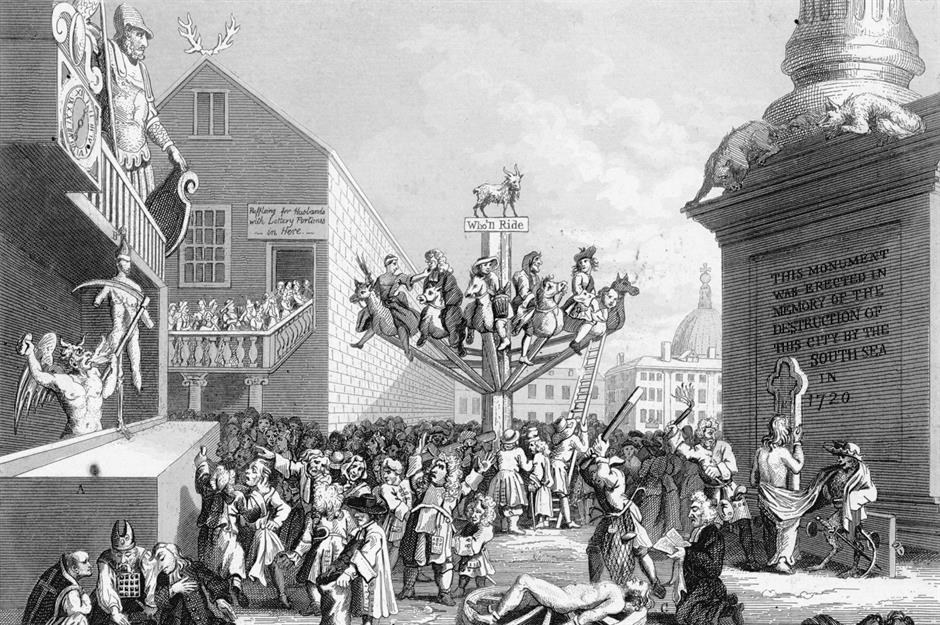
In 2015, the UK government finally repaid its last undated bonds, with some stretching back to World War I, the abolition of slavery, the Napoleonic Wars, and even the South Sea Bubble of 1720.
Known as consols (consolidated annuities), these perpetual bonds were originally created to simplify and consolidate past government borrowing. Cementing their place in history is the fact they're namechecked in a slew of iconic British novels, including Jane Austen's Pride and Prejudice and the Charles Dickens classic David Copperfield.
Sponsored Content
British consols
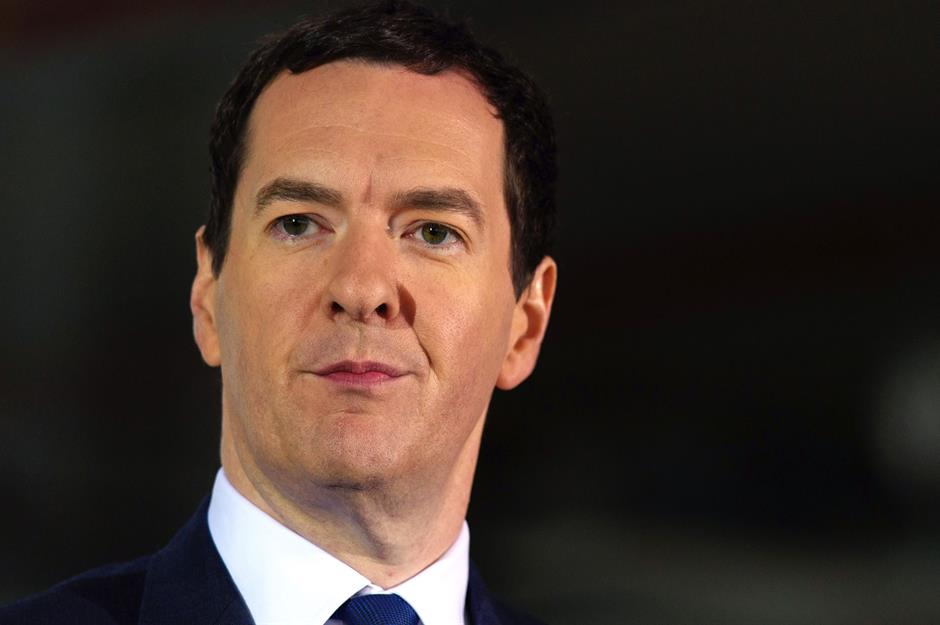
The repayment covered $3.5 billion (£2.6bn) in historical debt, finally wrapping up centuries-old obligations.
Choosing an opportune time, the then-Chancellor of the Exchequer George Osborne took advantage of a historically low interest rate of 0.5% to retire the Consols, which were proving costly since they were paying out at up to 4%.
Dutch water board bonds
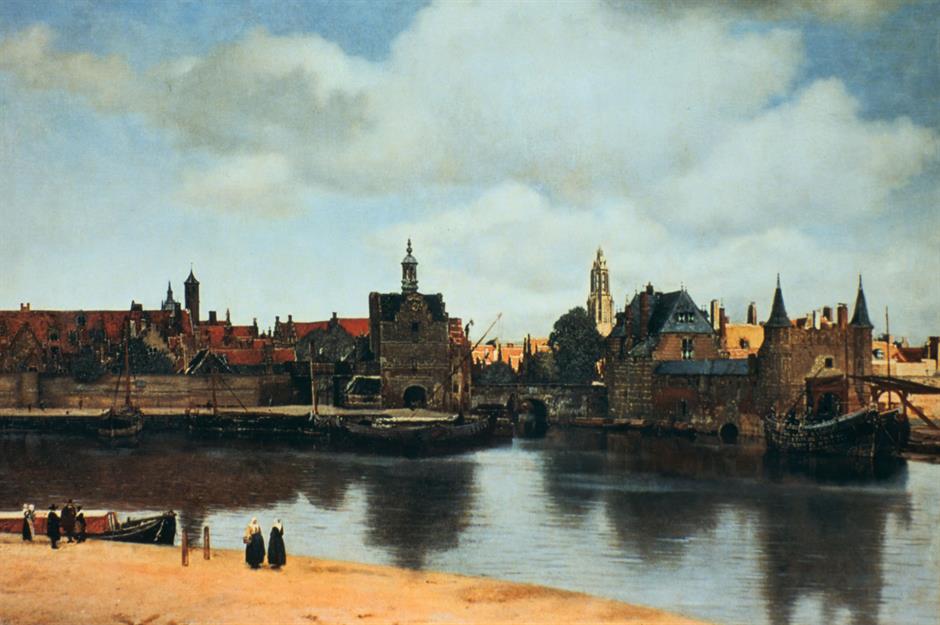
The world’s oldest known debt dates back to 1624, when the Dutch water board of Lekdijk Bovendams issued a perpetual bond to one Elsken Jorisdochter to finance improvements to its dyke system. Now over four centuries old, the debt instrument continues to pay interest every year at 2.5%, though the annual return is modest at around $16 (£12).
Issued during the Dutch Golden Age, the bond represents one of the earliest examples of a borrowing system that promised to pay interest indefinitely.
Dutch water board bonds
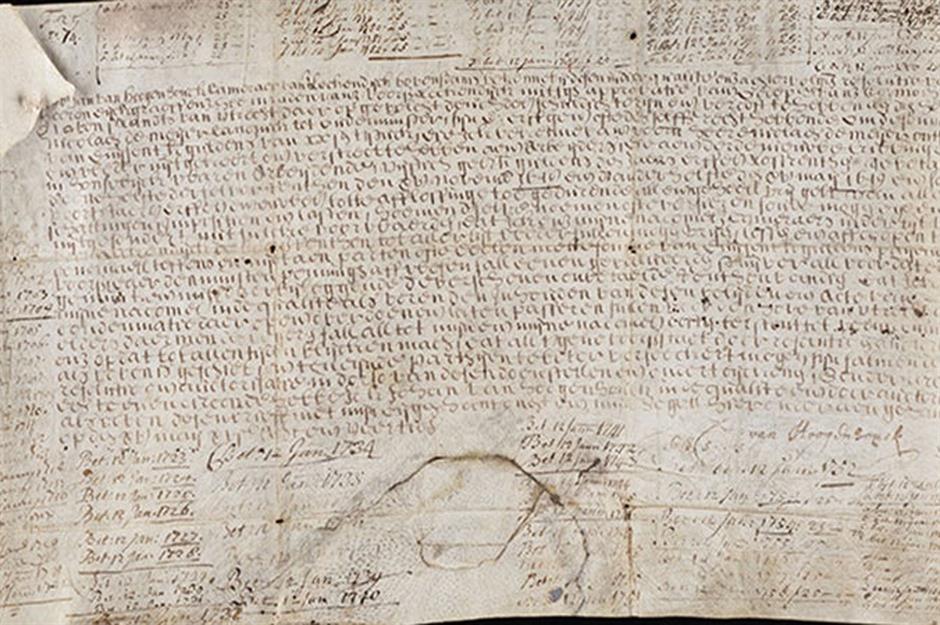
Yale University owns a similar historic bond, issued in 1648 by another Dutch water board. Though interest payments stopped in 1977, Yale Professor Geert Rouwenhorst personally collected the accrued sum in 2003.
The bond currently pays about $13 (£10) a year, with payments made by the water board’s successor, Hoogheemraadschap De Stichtse Rijnlanden. These rare surviving bonds highlight the remarkable longevity of some financial promises and serve as proof that creditors never give up. Even after 400 years, they're still chasing those pennies.
Now discover the world's wildest salary gaps